



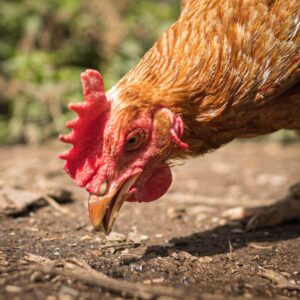
Image by Andreas Goellner from Pixabay
People thrive when they eat well. The same goes for chickens or any living thing. The path to a better life is better nutrition. Chickens are omnivores and eat almost anything. But being willing to eat a food doesn’t necessarily make a food nutritious — or even safe.
Commercial chicken feed was introduced in the mid-to-late 1800s and has evolved along with the information available on the nutritional needs of chickens. Grains were a staple of chicken diets since the domestication of chickens about 3,500 years ago. The good news is that today’s chicken feed offers so much more to backyard chickens than the haphazard diets of bygone days.
Chicken Feed Ingredients
The actual ingredients of chicken feed vary by manufacturer and product line. Along with water, chickens require food with carbohydrates, protein, fats, vitamins, minerals, and amino acids. Carbohydrates usually come from grains, protein is sourced from animals and/or plants, and fat is from animal fats or vegetable oils. Vitamins, minerals, amino acids, probiotics and/or prebiotics are included to balance the nutrition or meet a specific need. Check the ingredient list and guaranteed analysis of nutrients to know what’s in any chicken feed you consider for your flock.
Note that chicken feed differs from chicken scratch. Chicken feed is a complete diet, but chicken scratch is only a treat. Because chicken scratch is a treat, it should not exceed 10% of your flock’s daily food intake. Food scraps also fall into the treat category. They are not nutritionally balanced and should, along with any other treats, make up no more than 10% of a chicken’s diet.
Choosing Chicken Feed
Backyard chickens today enjoy a much larger selection of food than the simple grains, food scraps, and foraged items of yesteryear. Today, you can choose chicken feed based on several factors, including your chickens’ ages, purpose, and health status, and the texture, availability and cost of the food.
Chickens go through several life stages, each of which is optimized by slightly different nutrients. Feeding a food for the incorrect life stage or purpose can negatively affect health.
From birth to 6 weeks old, young chicks require food with higher protein but not extra calcium. From 6 weeks around 18 to 20 weeks, chicks are still growing but require a bit less protein. Once layer chickens are adults and begin laying eggs, usually after 18 to 20 weeks, they switch to layer chicken feed that they stay on for years. This feed has a boost in calcium to help strengthen eggshells. If your flock is male or being raised for meat rather than eggs, usually only one feed is required for all stages and has high protein.
Medicated chicken feed is available for chicks that contains amprolium to prevent coccidiosis, a disease caused by protozoa that affects the intestines. Consult your veterinarian to determine if a medicated feed is needed. Vaccinated chicks don’t require it and may suffer ill effects if also fed medicated feed.
The texture or format of chicken feed varies, so choose what works best for your flock and situation. Mash is loose, finely textured feed and most often fed to chicks. It can be dusty. Mixed with hot water it takes on the consistency of porridge. Chicken feed crumbles have, you guessed it, a crumbly texture. It’s not completely loose, but it’s not hard like a pellet. Pellets are small, fully formed nuggets of chicken feed. Some people consider pellets the most efficient food for backyard chickens raised for meat once they reach the grower stage at 4 weeks.
Availability and cost are factors that affect any purchase, not just chicken feed. Food accounts for the bulk of expenses in maintaining your flock. To help your chickens thrive, provide food that meets the needs for their age, purpose, health, and breed (some chicken breeds require more food than others). Consider the options and make the best choice for you and your chickens.
The Backyard Chicken Diet
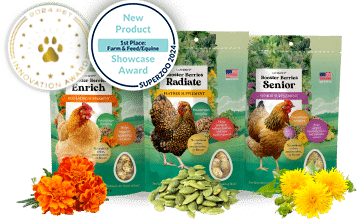
Although chicken feed is an important part of the food chickens need, it’s not the only item they need to eat. In addition to daily, fresh, plentiful water, backyard chickens require grit (to aid digestion) and foraging (for added nutrients, a boost the immune system, and improved mental health through engagement). Laying hens also benefit from added calcium. Lafeber’s Booster Berries Enrich is formulated to raise calcium levels and includes oyster shells.
Backyard chickens certainly can survive on food scraps and whatever they forage or on the cheapest chicken feed. Just know that chickens eating such diets likely won’t thrive.
Backyard chickens eat almost anything, and this can be dangerous if they eat something toxic. For a thorough list of foods and other items toxic to chickens, check out the info at the Open Sanctuary Project.
Keep It Clean For Your Chickens And Yourself
The best chicken feed in the world won’t help your chickens if stored improperly. Ideally, store feed in a cool, airtight container out of sunlight that pests or rodents can’t get into. Feed the freshest food possible, so keep an eye on expiration dates and don’t keep opened food longer than about two months. Some types of feed last longer, so check the label.
Know the signs of feed going bad. When you get new food, don’t mix it with the old. Clean out the air-tight container between batches of feed. Following these rules and using common sense helps prevent contamination from pests, growth of bacteria or mold, or offering food that has gone bad or lost nutritional value.
And it’s always a good to wash your hands before and after touching chicken feed or working around your chickens. Dedicate a pair of washable shoes or boots that you wear only in the chicken area and never wear into your home.