

Contents
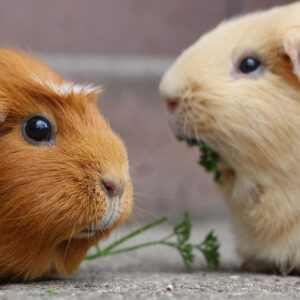
If you know anything about guinea pigs, you probably know that they “scream” (Wheek! Wheek!) for favorite veggies like children might scream for ice cream. In the guinea pig world, vegetables are a treat.
While it’s possible for guinea pigs to live off fresh hay, water, and guinea pig-specific pellets fortified with vitamin C, it’s not advised. That’s because guinea pig-safe vegetables add micronutrients and hydration to a guinea pig’s diet, and they also add mental stimulation.
Watch The Portions
Yes, guinea-pig safe vegetables are good for guinea pigs, but the adage holds true that there can be too much of a good thing. Vegetables are treats, so they should not make up more than 10% of your guinea pigs’ daily calories. That can mean a handful or a half-cup to a cup per day, depending on the veggie.
If you have more than one guinea pig in a cage, try to feed them in separate areas so you know how much each guinea pig is eating. This might also prevent some greedy guinea pigs from eating the portion of less assertive guinea pigs.
Know Your Veggie Nutrients
When choosing vegetables for your guinea pigs, pay attention to the vitamin C and calcium content. You can look those up on the USDA FoodData Central (pay attention to the units), some veterinary websites, like Arizona Exotic Animal Hospital, might list recommendations, or consult your guinea pigs’ vet.
The vitamin C content is important because guinea pigs can’t make vitamin C themselves and need to get it from their food. Foods with high vitamin C are preferred.
Guinea pigs need calcium, but they get all they need from their diet of fresh hay and fortified guinea pig pellets. They don’t need to get calcium from their vegetables. Too much calcium could make a guinea pig susceptible to developing bladder or kidney stones.
This does not mean you can’t offer vegetables with high calcium content; but it does mean you must restrict how often you offer those vegetables. Some of the high calcium veggies include spinach, kale, dandelion greens, and arugula.
Veggie Feeding Tips
Try out many different vegetables for your guinea pigs and note their preferences. The sooner you do this, the better. Guinea pigs can imprint on food at a young age and might not recognize new foods as food.
Once you know your guinea pigs’ favorite veggies, alternate what you offer each day to give them variety. Also, try to feed them their veggies around the same time each day. Guinea pigs appreciate a routine. You might choose to give them half their daily portion in the morning and half at night, or give it all at once either morning or night.
Safe Veggies
Serve your guinea pigs fresh veggies only after you have inspected them to be sure they’re not spoiled and washed them as you would for yourself. If a vegetable is OK, don’t assume this means that all parts are OK to feed. Tomatoes are a good example here. While the ripe tomato itself is OK, its stem and leaves are not.
Always remove vegetables and any fresh food that’s uneaten after a few hours before it spoils. Don’t pull things like clover or dandelions from a yard unless you know that no pesticides or chemicals were ever sprayed on them or the soil. Consult your guinea pig-savvy vet about any vegetables you’re unsure about.
Here is a partial list of some vegetables that are OK to feed in moderation. Those with an asterisk have high calcium content and should be offered sparingly.
| Arugula* | Green beans |
| Asparagus | Kale* |
| Basil* | Lettuce with dark leaves (romaine, butter) |
| Bell peppers | Mint* |
| Carrots | Mustard greens* |
| Carrot tops* | Parsley* |
| Celery | Pumpkin |
| Cilantro | Spinach* |
| Clover | Squash |
| Cucumber | Tomatoes |
| Dandelion greens* | Turnip greens* |
| Dill* | Watercress* |
| Endive* | Zucchini |
Unsafe Veggies
Never give unripe, spoiled, moldy, dirty, or otherwise compromised vegetables to your guinea pigs. If you wouldn’t eat it, don’t give it to them. Some vegetables should never be offered to guinea pigs because they may cause discomfort or actual health issues. These vegetables might cause gas, are spicy, or might contain toxic compounds. With plenty of vegetables in the world, it’s not difficult to avoid serving any of the following:
| Avocado | Hot peppers |
| Broccoli | Iceberg lettuce |
| Brussels sprouts | Leeks |
| Cabbage | Mushrooms |
| Cauliflower | Onion |
| Chives | Potato |
| Garlic | Rhubarb |
Other Treats
While vegetables are amazing treats for guinea pigs, other treats can also be offered. Guinea pig-safe fruit is one option. The high sugar content of fruit makes fruit something that should be a rare treat. A great nutritionally complete treat to consider is Lafeber Hey!Berries, which combine pelleted timothy hay with just a touch of vegetable or fruit to increase their appeal. The 10% rule applies here, too. The total of all treats offered to a guinea pig for a day should not exceed 10% of the daily calories.