




In honor of Earth Day, let’s take a look at the many ways birds, including parrots, play vital roles in maintaining healthy ecosystems. Our avian counterparts contribute to the environment in several important ways:
Seed Dispersal
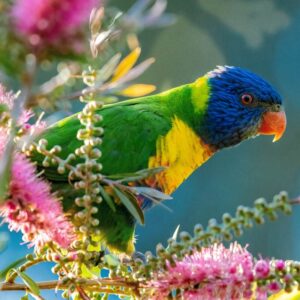
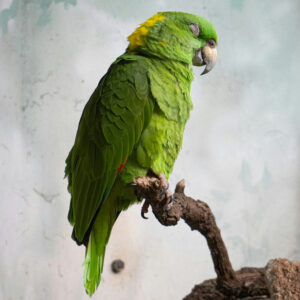
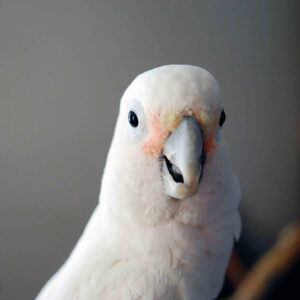
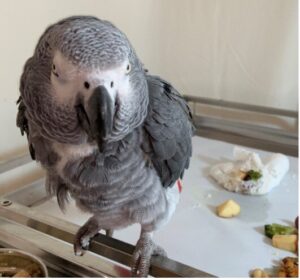
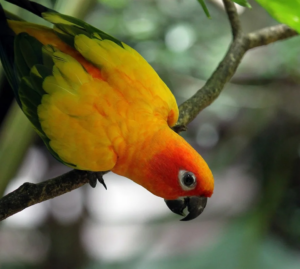
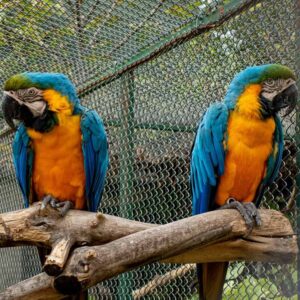
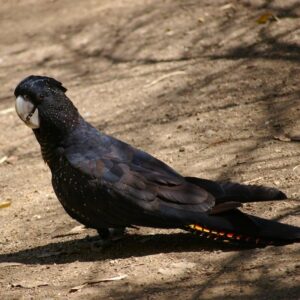
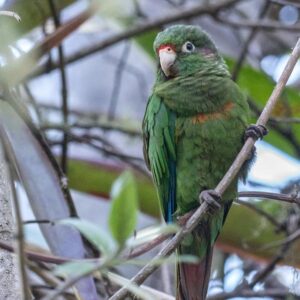
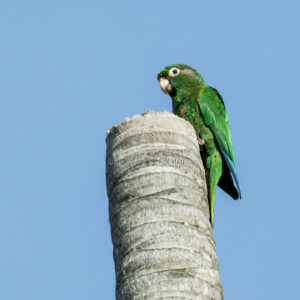
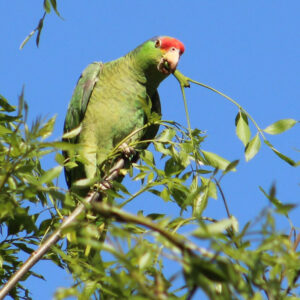
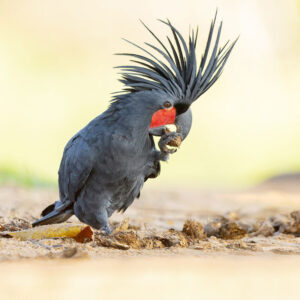
Many birds, including parrots, play a significant role in dispersing seeds, especially in tropical and subtropical regions, which support tropical forests and other habitats. By consuming fruits and nuts and traveling across large areas, parrots inadvertently deposit seeds in new locations through their droppings, which often contain intact seeds. This behavior aids in the growth and spread of many plant species, enhancing forest density and diversity, which are vital for ecosystem health and stability. Seed dispersal superstars include parrots like African greys, macaws, Amazon parrots, and cockatoos.
And bees aren’t the only pollinators! Birds that feed on flowers’ nectar, most notably hummingbirds, help pollinate their environment. When lories and lorikeets use their brush tongues to feed on flowers, pollen collects on their foreheads and throats. When they move to another flower of the same species, they inadvertently transfer the pollen to another flower. Pollen transfer enables seed production and supports the plant’s reproduction cycle.
Pest Control
Birds consume a large number of insects and in doing so act as nature’s pest control. This natural form of pest management helps reduce the spread of disease and can help agriculture by reducing heavy reliance on chemical pesticides. Some notable bird species that are particularly effective at controlling pests include:
- Swallows & Martins: These birds feed almost exclusively on flying insects, including mosquitoes, flies, and moths.
- Chickadees & Titmice: In temperate regions, these small birds consume vast amounts of caterpillars and other insects during the breeding season, helping to protect forests and gardens from pest infestations.
- Bluebirds: Their diet includes grasshoppers, beetles, and larvae, making them beneficial for natural pest control in gardens and agricultural fields.
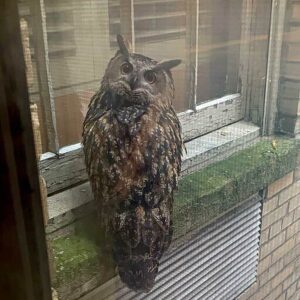
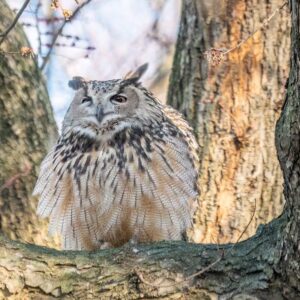
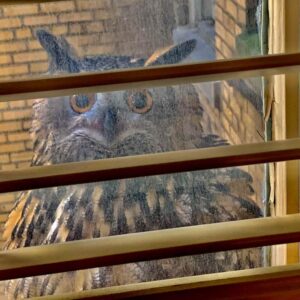
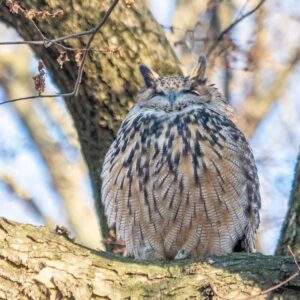
- Owls: Barn owls and other owl species help control rodent populations.
- Purple Martins: These birds consume large quantities of flying insects, including those considered pests.
- Sparrows & Finches: We see them every day but did you know that these birds feed on a variety of ground-based insects and seeds and in doing so help to control the spread of weed seeds and harmful bugs?
Ecosystem Indicators
Birds are often considered indicators of the ecological health of an environment. Changes in their populations can indicate changes in the ecosystem, such as pollution levels, climate change, and habitat loss. Monitoring bird populations helps conservationists detect and address environmental issues early. Here are a few bird species that are considered ecosystem indicators around the world:
- Puffins: Puffins are often used as indicators in marine ecosystems, particularly in the North Atlantic. Changes in their diet and breeding success can reflect shifts in fish populations and ocean health.
- Arctic Terns: With the longest known annual migration, Arctic Terns are indicators of changes in marine ecosystems across the globe. Their breeding success is linked to the availability of fish driven by sea temperature changes.
- Common Loons: Used as indicators in freshwater ecosystems, particularly in North America. Their presence and reproductive success are sensitive to changes in water quality and fish populations.
- Forest Owls (like the Spotted Owl and the Barred Owl) – These owls indicate the health of forest ecosystems. Their population dynamics can reflect changes in forest structure and prey availability, often impacted by logging and land use changes.
Through their diverse behaviors and ecological roles, birds are integral to environmental health and the sustainability of various ecosystems around the world!
 Join renowned avian veterinarian
 Join us on May 10th for a FREE, live, interactive webinar hosted by Laura Doering, former editor of Bird Talk magazine and Birds USA magazine. Our special guest, Dr. Stephanie Lamb, DVM, DABVP (Avian Practice), will discuss diseases found in wild bird species in the United States. Dr. Lamb volunteers her services at a wildlife center, and treats wild species there as well as at the Vet clinic where she works. A common concern for pet bird owners is the possibility that their birds could get a disease from a wild bird. Dr. Lamb will address this concern and precautions an owner might need to take in this insider’s view of the daily happenings at your Avian Vet’s clinic.



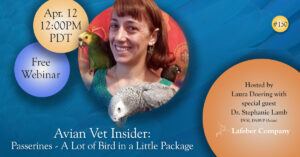 Join us for a FREE, live, interactive webinar hosted by Laura Doering, former editor of Bird Talk magazine and Birds USA magazine. Our special guest, Dr. Stephanie Lamb, DVM, DABVP (Avian Practice), will talk about the little birds! Finches, Canaries & More, oh my! These often-overlooked gems are the hidden treasures of pet birds. They are full of personality and enjoy many of the same things as parrots – just on a smaller scale. Most species will sing or chirp away and can be a great alternative for a person who can’t have a loud pet bird, or they can be a nice addition to your parrot flock. Dr. Lamb will discuss common diseases & health issues, as well as basic care, enrichment & diet in this insider’s view of the daily happenings at your Avian Vet’s clinic.
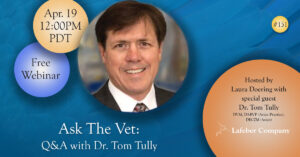 Don’t miss this exclusive opportunity to have your pet bird’s health, nutrition, and care questions answered by
 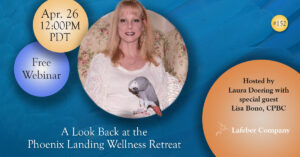 Join us for a FREE, live, interactive webinar hosted by Laura Doering, former editor of Bird Talk magazine and Birds USA magazine. Our special guest, Lisa Bono, CPBC, will report on the most recent Phoenix Landing Wellness Retreat held on April 6-7, 2024 in Asheville, NC. This unique meeting for pet bird owners offers lectures on many aspects of pet bird care. Lisa will discuss the speakers and topics and what goes on at a meeting like this, as well as why it is important for bird owners and professionals to continue learning through different avenues.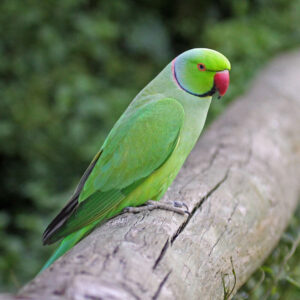
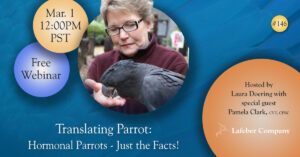 Join us for a FREE, live, interactive webinar hosted by Laura Doering, former editor of Bird Talk magazine and Birds USA magazine. Our special guest, Pamela Clark, is a well-known author, speaker, IAABC CPBC & retired CVT. Pamela will present Episode 8 of Translating Parrot, a Lafeber Pet Birds Webinar Series focusing on Parrot Behavior & Wellness, based on Pamela’s years of experience with a wide range of parrot species. In this episode, Pamela will start our annual March discussion of parrots and how they are influenced by reproductive hormones. There is no doubt that these hormones set the stage for the development of behavior problems. This webinar will present new information about the triggers for these hormones in companion parrots and how to minimize them in your flock. Pamela’s advice will help you translate what your parrot wants & needs in the newest installment of this informative series!
 Join us for a FREE, live, interactive webinar hosted by Laura Doering, former editor of Bird Talk magazine and Birds USA magazine. Our special guest, Dr. Stephanie Lamb, DVM, DABVP (Avian Practice) and President of the Association of Avian Veterinarians, will revisit our annual March topic – hormones! Most behavior issues & many health issues for pet birds begin due to hormones. Dr. Lamb will discuss hormone-related issues and why parrots do what they do during hormone/breeding season. The twist? She will present the information from the parrot’s perspective in this insider’s view of the daily happenings at your Avian Vet’s clinic.
 Join us for a FREE, live, interactive webinar hosted by Laura Doering, former editor of Bird Talk magazine and Birds USA magazine. Our special guest


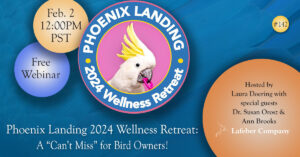 Join us for a FREE, live, interactive webinar hosted by Laura Doering, former editor of Bird Talk magazine and Birds USA magazine. Our special guests, Dr. Susan Orosz & Ann Brooks, will discuss the upcoming Phoenix Landing Wellness Retreat, which will take place April 6 – 7, 2024 in Asheville, NC. This unique meeting for pet bird owners offers lectures on many aspects of pet bird care. Ann will discuss the speakers and topics and what goes on at a meeting like this, as well as why it is important for bird owners and professionals to continue learning through different avenues. Dr. Susan Orosz will tell us how the idea for this special learning opportunity came about and how it became a place for learning from experts in the field as well as fellow bird owners. If you want to register to go to the retreat, please visit https://www.phoenixlanding.org/retreat.html
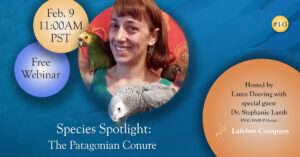 Join us for a FREE, live, interactive webinar hosted by Laura Doering, former editor of Bird Talk magazine and Birds USA magazine. Our special guest,
 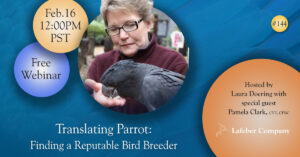 Join us for a FREE, live, interactive webinar hosted by Laura Doering, former editor of Bird Talk magazine and Birds USA magazine. Our special guest, Pamela Clark, is a well-known author, speaker, IAABC Certified Parrot Behavior Consultant & retired CVT. Pamela will present Episode 7 of Translating Parrot, a Lafeber Pet Birds Webinar Series focusing on Parrot Behavior & Wellness, based on Pamela’s years of experience with a wide range of parrot species. In this episode, Pamela will discuss how to choose a responsible bird breeder. Adopting from a shelter is a great choice for many people, but it’s also important to support ethical parrot breeders. Pamela will explain what makes a good bird breeder and the steps you can take to find one. As a former breeder herself, Pamela will give us an inside look at the world of parrot breeding.
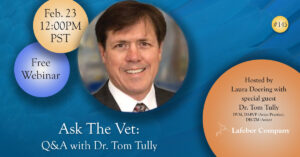 Join us for a FREE, live, interactive webinar hosted by Laura Doering, former editor of Bird Talk magazine and Birds USA magazine. Our special guest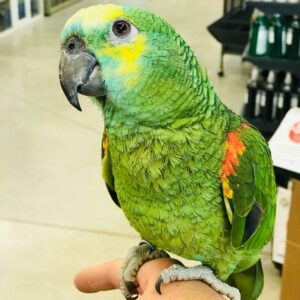
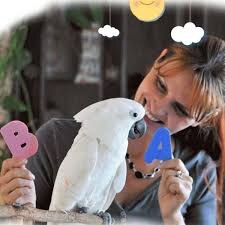
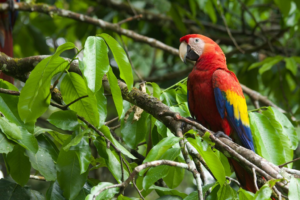



 Join us for a FREE, live, interactive webinar hosted by Laura Doering, former editor of Bird Talk magazine and Birds USA magazine. Our special guest, Pamela Clark, is a well-known author, speaker, IAABC Certified Parrot Behavior Consultant & retired CVT. Pamela will present Episode 5 of Translating Parrot, a Lafeber Pet Birds Webinar Series focusing on Parrot Behavior & Wellness, based on Pamela’s years of experience with a wide range of parrot species. In this episode, Pamela will discuss how behavior works and the many factors that impact it. How does a behavior problem evolve? Is it the environment? The diet? The routine? The owner, family, or visitors? Pamela’s cutting-edge approach will help you translate what your parrot reacts to and how to prevent a behavior problem or work with it from the start in this informative series!
 Join us for a FREE, live, interactive webinar hosted by Laura Doering, former editor of Bird Talk magazine and Birds USA magazine. Our special guest, Pamela Clark, is a well-known author, speaker, IAABC Certified Parrot Behavior Consultant & retired CVT. Pamela will present Episode 6 of Translating Parrot, a Lafeber Pet Birds Webinar Series focusing on Parrot Behavior & Wellness, based on Pamela’s years of experience with a wide range of parrot species. In this episode, Pamela will discuss this very popular pint-sized package that comes with a “big parrot” personality. These little jewels present as cute and cuddly but is this first impression misleading? Those who own one have used terms like The Joker Hurricane or warn you not to be lured in by the little savages. There’s some truth in all of it, because these are complicated parrots that need guidance, a thoughtfully arranged diet, the correct social climate, and a challenging enough environment if problems are to be prevented. Pamela’s cutting-edge approach will help you translate what it takes to be truly successful with these little birds in this informative series!
 Join us for a FREE, live, interactive webinar hosted by Laura Doering, former editor of Bird Talk magazine and Birds USA magazine. Our special guest Tom Tully, DVM, DABVP (Avian Practice), DECZM (Avian), will answer your questions about pet bird health, nutrition, & care. Dr. Tully, a decorated Professor & practicing Vet at Louisiana State University School of Veterinary Medicine, is an internationally known Veterinarian who has earned specialties in Avian medicine in the United States as well as in Europe. Having this type of access to a Veterinarian of his status is rare, but Dr. Tully believes in the educated bird owner as being the best bird steward. Dr. Tully answers each question in detail and shares his vast knowledge of birds, particularly parrots. Is your bird’s problem health-related or behavioral? Are you offering the right foods to your pet bird? Ask the Vet!
 Join us for a FREE, live, interactive webinar hosted by Laura Doering, former editor of Bird Talk magazine and Birds USA magazine. Our special guest, Lisa Bono, CPBC, owner and operator of The Platinum Parrot and a certified parrot behavior consultant specializing in African grey parrots, has once again secured many wonderful donations for us to give away to some lucky viewers! In this fun holiday episode, Lisa will discuss each prize, an assortment of toys and supplies that are safe for our feathered companions as well as some parrot-themed items for bird lovers, total value of over $3,000! We encourage you to shop with our generous donors when doing your holiday shopping for yourself or your own flock or for your bird friends or their flocks. This very special Holiday Webinar is generously sponsored by Lafeber Company,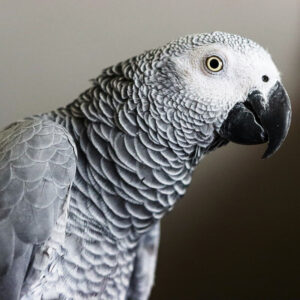


 Parrots have a very different system (see Patterson & Pepperberg, 1994, 1998). Their sound source is not their larynx, but rather their syrinx—a set of muscles at the base of their trachea, essentially connecting their lungs and trachea. When they produce true (rather than whistled) human speech, the vibration of these muscles produce the F0. The sound then travels up the trachea, which is only somewhat flexible, and the change in the trachea as each vowel is produced results in its characteristic F1. The sound then goes up through the avian glottis, which has a slit called the avian larynx; these organs affect the sound somewhat for each vowel, but (as in humans) not nearly as much as do the tongue and beak.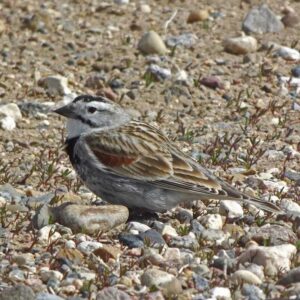

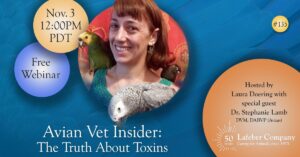 Join us for a FREE, live, interactive webinar hosted by Laura Doering, former editor of Bird Talk magazine and Birds USA magazine. Our special guest, Dr. Stephanie Lamb, DVM, DABVP (Avian Practice), will discuss what can be toxic for a pet bird. If you ever ask yourself “It’s safe for me, or my dog or cat, how could it possibly be toxic for my bird?” then you need to watch this webinar! Dr. Lamb will also talk about how normally safe medicines, vitamins, and supplements can turn deadly for your bird if given the wrong amount. Learn about common toxins, and why you should never medicate your bird or offer extra supplements without consulting with your Vet first, in this insider’s view of the daily happenings at your Avian Vet’s clinic.
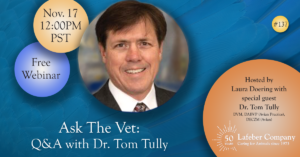 Join us for a FREE, live, interactive webinar hosted by Laura Doering, former editor of Bird Talk magazine and Birds USA magazine. Our special guest Tom Tully, DVM, DABVP (Avian Practice), DECZM (Avian), will answer your questions about pet bird health, nutrition, & care. Dr. Tully, a decorated Professor & practicing Vet at Louisiana State University School of Veterinary Medicine, is an internationally known Veterinarian who has earned specialties in Avian medicine in the United States as well as in Europe. Having this type of access to a Veterinarian of his status is rare, but Dr. Tully believes in the educated bird owner as being the best bird steward. Dr. Tully answers each question in detail and shares his vast knowledge of birds, particularly parrots. Is your bird’s problem health-related or behavioral? Are you offering the right foods to your pet bird? Ask the Vet!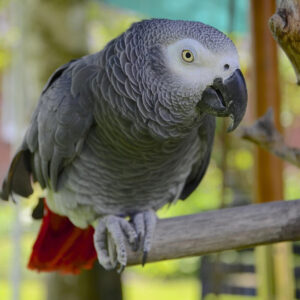
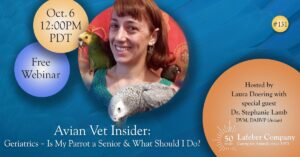 Join us for a FREE, live, interactive webinar hosted by Laura Doering, former editor of Bird Talk magazine and Birds USA magazine. Our special guest, Dr. Stephanie Lamb, DVM, DABVP (Avian Practice) & President of the Association of Avian Veterinarians, will discuss what might define a bird as older or senior or geriatric. What should you as an owner watch for? Should you feed your senior or geriatric parrot a special diet? What are some common ailments that can affect senior parrots? Dr. Lamb will answer these questions & more in this insider’s view of the daily happenings at your Avian Vet’s clinic.
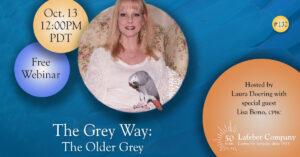 Join us for a FREE, live, interactive webinar hosted by Laura Doering, former editor of Bird Talk magazine and Birds USA magazine. Our special guest, Lisa Bono, CPBC, owner and operator of The Platinum Parrot and a certified parrot behavior consultant specializing in African grey parrots, presents Episode 23 of The Grey Way, a Lafeber Pet Birds Webinar Series focusing on Congo & Timneh African grey parrots as pets. In this episode, Lisa will continue this month’s discussion of older parrots by focusing on older African Greys. Greys can have a very long lifespan, but depending on genetics and care, some can live much longer than others. Is age just a number when it comes to older Greys? When is your Grey considered an older bird? Are there age-related issues that tend to affect Greys? What can you do to make your older bird more comfortable? Lisa’s information will be mainly Grey-centric this month, but some of it can be applied to other parrot species.
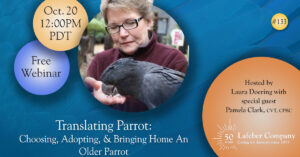 Join us for a FREE, live, interactive webinar hosted by Laura Doering, former editor of Bird Talk magazine and Birds USA magazine. Our special guest, Pamela Clark, is a well-known author, speaker, IAABC Certified Parrot Behavior Consultant & retired CVT. Pamela will present Episode 4 of Translating Parrot, a Lafeber Pet Birds Webinar Series focusing on Parrot Behavior & Wellness, based on Pamela’s years of experience with a wide range of parrot species. In this episode, Pamela will continue this month’s discussions of what might define an “older” parrot, as part of her talk on adopting an adult bird, particularly adding one to your existing flock. Are you ready to adopt but don’t know where to start? Do stories about adopted parrots with behavior issues have you concerned? Maybe you have heard that adopted parrots come with too much baggage? From age to background to species, Pamela will guide you through the process of choosing and adopting an “older” parrot. Pamela’s cutting-edge approach will help you translate what your newly adopted parrot will need in this informative series!
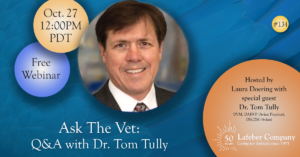 Join us for a FREE, live, interactive webinar hosted by Laura Doering, former editor of Bird Talk magazine and Birds USA magazine. Our special guest Tom Tully, DVM, DABVP (Avian Practice), DECZM (Avian), will answer your questions about pet bird health, nutrition, & care. Dr. Tully, a decorated Professor & practicing Vet at Louisiana State University School of Veterinary Medicine, is an internationally known Veterinarian who has earned specialties in Avian medicine in the United States as well as in Europe. Having this type of access to a Veterinarian of his status is rare, but Dr. Tully believes in the educated bird owner as being the best bird steward. Dr. Tully answers each question in detail and shares his vast knowledge of birds, particularly parrots. Is your bird’s problem health-related or behavioral? Are you offering the right foods to your pet bird? Ask the Vet!


.jpg)

.jpg)

_in_flight.jpg)


