Last month, I wrote about how we were having issues with getting Griffin to work on a complicated 4-cup task because he didn’t like testing when Athena was at his back and how simply rotating the apparats 90° took care of the problem. Well, we then had another problem—Griffin was now eager to work, but the issue was that he had figured out how to maximize his nut intake; thereby, making it difficult to complete the study as planned! ‘Tis an interesting story.
I didn’t explain the actual task last time, but it is critical to do that now so that it is clear how cleverly Griffin manipulated and outwitted us. I still won’t go into all the “gory” details but will highlight the important bits. So, let’s follow the logic of the figure to describe the procedure:

Which Cup Has The Nut?
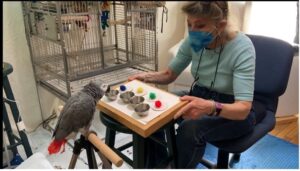
You show Griffin 4 cups, A, B, C, D (a) and that all are empty. You cover A and B, and hide a nut in one of them (b). You next cover C and D, and hide a nut in one of them (c). You then show Griffin that A is empty (d). (Note that you change which cup is shown “empty” on each trial, so that Griffin can’t detect a pattern…this is just an example.) So, if Griffin understands the logic, he should deduce that, given that one nut was in the A-B side and that A is empty, his best bet is to chose B because there has to be a nut there; he could chose C or D, but because he doesn’t know which cup has the nut, he would have only a 50% chance of success. After he chooses B (which he did almost all the time), he is given a second choice.
Now, knowing that A was shown to be empty, and that he emptied B, if he wants another nut, he has to gamble; that is, deduce the logical if not optimal choice. If he guesses right, he gets another big nut. If he guesses wrong, he should get nothing. But, we knew from a previous experiment (Pepperberg et al., 2019) that he would be frustrated and might refuse to make a second choice if he failed to get any reward…thus, we gave him a tiny sliver of nut if he chose an empty cup, so that he would be encouraged to continue the study.
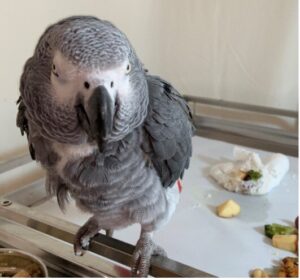
After we had done the rotation of the apparatus, Griffin decided to be a bit innovative. He had previously completed an interesting study (Pepperberg & Hartsfield, 2014) where he had learned about how choice of one option leads to two rewards and choice of the other leads to one; the concept involved balancing certainty and uncertainty. He seemed to apply that logic here…now, after seeing that A was empty, and knowing that B was certain, he began the trial by gambling. He knew B had a nut; if he gambled, he figured he’d get either a big or small nut and then could get the certain nut on the second try. But he did something even more clever.
Griffin’s Gamble
The first two times, he won the gamble, so he got a big nut and then on his second choice got the certain nut; he ended up with two big nuts. No problem with our protocol, though we noted that he was not quite doing what we expected. The third time, however, he chose an empty cup when he gambled, and I gave him the tiny reward. On his second choice, he correctly figured that the cup next to that one would be full, and got a big reward. Hmm… he showed he understood the logic, but that wasn’t what we had intended—he was supposed to switch sides. And, before we could react, he then did switch sides, and grabbed the certain reward!
Thus, he managed to get more than the two big nut rewards…he got two plus the tiny bit! Although we felt that he was still demonstrating an understanding of the logic, we feared that colleagues criticizing the study could argue that he was just working his way down the line of cups, seeing what he could get without really thinking…Clearly, that was not what we wanted! Thus, we decided to discourage gambling—the next time he gambled at the beginning of the trial, we pulled the tray away to show him that the behavior was not acceptable…and he got nothing. The expression on his face was priceless! It was clear that he was shocked. In his mind, he had not done anything wrong! He had simply figured out how to game the system…and was obviously upset that he was being punished. He then refused to do any trials, on any study, the rest of that day. Point taken!! (To be blunt…who was the smart one?)
Our plan now is to give him two choices total, and then pull the tray. If he gambles, wins, and switches sides, we will let him get his nuts, but will call it a mistrial and redo the trial to maintain our protocol. If he gambles, loses, and gets a small nut, we’ll let him do a second trial to get a large nut…but, again, we’ll call it a mistrial and redo the trial. We hope that that way he will realize that he can never get 2+ nuts, but not be so discouraged that he won’t do any more work that day. FINGER X’D!
References
Pepperberg, I.M., & Hartsfield, LA. (2014) Do Grey parrots (Psittacus erithacus) succeed on a “complex” foraging task failed by primates but solved by fish? J. Comp. Psychol. 128:298-306.
Pepperberg, I.M., Gray, S.L., Cornero, F.M., Mody, S., & Carey, S. (2019). Logical reasoning by a Grey parrot (Psittacus erithacus)? A case study of the disjunctive syllogism. Behaviour 156:409-445.
 Join us for a free, live, interactive webinar hosted by Laura Doering, the former editor of Bird Talk magazine and Birds USA magazine. Our special guest, Lisa Bono, CPBC, will report on the second day of the recent Phoenix Landing Wellness Retreat held on April 6-7, 2024, in Asheville, NC. This unique meeting is designed for pet bird owners and offers lectures on many aspects of pet bird care. Lisa will continue her coverage of the event, building on her previous webinar on April 26th, where she spoke about day one of the event.


 Join renowned avian veterinarian
 Join us on May 10th for a FREE, live, interactive webinar hosted by Laura Doering, former editor of Bird Talk magazine and Birds USA magazine. Our special guest, Dr. Stephanie Lamb, DVM, DABVP (Avian Practice), will discuss diseases found in wild bird species in the United States. Dr. Lamb volunteers her services at a wildlife center, and treats wild species there as well as at the Vet clinic where she works. A common concern for pet bird owners is the possibility that their birds could get a disease from a wild bird. Dr. Lamb will address this concern and precautions an owner might need to take in this insider’s view of the daily happenings at your Avian Vet’s clinic.



 Join us for a FREE, live, interactive webinar hosted by Laura Doering, former editor of Bird Talk magazine and Birds USA magazine. Our special guest, Dr. Stephanie Lamb, DVM, DABVP (Avian Practice), will talk about the little birds! Finches, Canaries & More, oh my! These often-overlooked gems are the hidden treasures of pet birds. They are full of personality and enjoy many of the same things as parrots – just on a smaller scale. Most species will sing or chirp away and can be a great alternative for a person who can’t have a loud pet bird, or they can be a nice addition to your parrot flock. Dr. Lamb will discuss common diseases & health issues, as well as basic care, enrichment & diet in this insider’s view of the daily happenings at your Avian Vet’s clinic.
 Don’t miss this exclusive opportunity to have your pet bird’s health, nutrition, and care questions answered by
 Join us for a FREE, live, interactive webinar hosted by Laura Doering, former editor of Bird Talk magazine and Birds USA magazine. Our special guest, Lisa Bono, CPBC, will report on the most recent Phoenix Landing Wellness Retreat held on April 6-7, 2024 in Asheville, NC. This unique meeting for pet bird owners offers lectures on many aspects of pet bird care. Lisa will discuss the speakers and topics and what goes on at a meeting like this, as well as why it is important for bird owners and professionals to continue learning through different avenues.
 Join us for a FREE, live, interactive webinar hosted by Laura Doering, former editor of Bird Talk magazine and Birds USA magazine. Our special guest, Pamela Clark, is a well-known author, speaker, IAABC CPBC & retired CVT. Pamela will present Episode 8 of Translating Parrot, a Lafeber Pet Birds Webinar Series focusing on Parrot Behavior & Wellness, based on Pamela’s years of experience with a wide range of parrot species. In this episode, Pamela will start our annual March discussion of parrots and how they are influenced by reproductive hormones. There is no doubt that these hormones set the stage for the development of behavior problems. This webinar will present new information about the triggers for these hormones in companion parrots and how to minimize them in your flock. Pamela’s advice will help you translate what your parrot wants & needs in the newest installment of this informative series!
 Join us for a FREE, live, interactive webinar hosted by Laura Doering, former editor of Bird Talk magazine and Birds USA magazine. Our special guest, Dr. Stephanie Lamb, DVM, DABVP (Avian Practice) and President of the Association of Avian Veterinarians, will revisit our annual March topic – hormones! Most behavior issues & many health issues for pet birds begin due to hormones. Dr. Lamb will discuss hormone-related issues and why parrots do what they do during hormone/breeding season. The twist? She will present the information from the parrot’s perspective in this insider’s view of the daily happenings at your Avian Vet’s clinic.
 Join us for a FREE, live, interactive webinar hosted by Laura Doering, former editor of Bird Talk magazine and Birds USA magazine. Our special guest


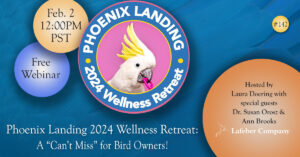 Join us for a FREE, live, interactive webinar hosted by Laura Doering, former editor of Bird Talk magazine and Birds USA magazine. Our special guests, Dr. Susan Orosz & Ann Brooks, will discuss the upcoming Phoenix Landing Wellness Retreat, which will take place April 6 – 7, 2024 in Asheville, NC. This unique meeting for pet bird owners offers lectures on many aspects of pet bird care. Ann will discuss the speakers and topics and what goes on at a meeting like this, as well as why it is important for bird owners and professionals to continue learning through different avenues. Dr. Susan Orosz will tell us how the idea for this special learning opportunity came about and how it became a place for learning from experts in the field as well as fellow bird owners. If you want to register to go to the retreat, please visit https://www.phoenixlanding.org/retreat.html
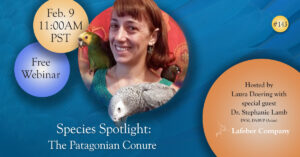 Join us for a FREE, live, interactive webinar hosted by Laura Doering, former editor of Bird Talk magazine and Birds USA magazine. Our special guest,
 Join us for a FREE, live, interactive webinar hosted by Laura Doering, former editor of Bird Talk magazine and Birds USA magazine. Our special guest, Pamela Clark, is a well-known author, speaker, IAABC Certified Parrot Behavior Consultant & retired CVT. Pamela will present Episode 7 of Translating Parrot, a Lafeber Pet Birds Webinar Series focusing on Parrot Behavior & Wellness, based on Pamela’s years of experience with a wide range of parrot species. In this episode, Pamela will discuss how to choose a responsible bird breeder. Adopting from a shelter is a great choice for many people, but it’s also important to support ethical parrot breeders. Pamela will explain what makes a good bird breeder and the steps you can take to find one. As a former breeder herself, Pamela will give us an inside look at the world of parrot breeding.
 Join us for a FREE, live, interactive webinar hosted by Laura Doering, former editor of Bird Talk magazine and Birds USA magazine. Our special guest


 Join us for a FREE, live, interactive webinar hosted by Laura Doering, former editor of Bird Talk magazine and Birds USA magazine. Our special guest, Pamela Clark, is a well-known author, speaker, IAABC Certified Parrot Behavior Consultant & retired CVT. Pamela will present Episode 5 of Translating Parrot, a Lafeber Pet Birds Webinar Series focusing on Parrot Behavior & Wellness, based on Pamela’s years of experience with a wide range of parrot species. In this episode, Pamela will discuss how behavior works and the many factors that impact it. How does a behavior problem evolve? Is it the environment? The diet? The routine? The owner, family, or visitors? Pamela’s cutting-edge approach will help you translate what your parrot reacts to and how to prevent a behavior problem or work with it from the start in this informative series!
 Join us for a FREE, live, interactive webinar hosted by Laura Doering, former editor of Bird Talk magazine and Birds USA magazine. Our special guest, Pamela Clark, is a well-known author, speaker, IAABC Certified Parrot Behavior Consultant & retired CVT. Pamela will present Episode 6 of Translating Parrot, a Lafeber Pet Birds Webinar Series focusing on Parrot Behavior & Wellness, based on Pamela’s years of experience with a wide range of parrot species. In this episode, Pamela will discuss this very popular pint-sized package that comes with a “big parrot” personality. These little jewels present as cute and cuddly but is this first impression misleading? Those who own one have used terms like The Joker Hurricane or warn you not to be lured in by the little savages. There’s some truth in all of it, because these are complicated parrots that need guidance, a thoughtfully arranged diet, the correct social climate, and a challenging enough environment if problems are to be prevented. Pamela’s cutting-edge approach will help you translate what it takes to be truly successful with these little birds in this informative series!
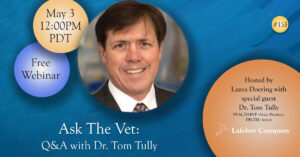
 Join us for a FREE, live, interactive webinar hosted by Laura Doering, former editor of Bird Talk magazine and Birds USA magazine. Our special guest Tom Tully, DVM, DABVP (Avian Practice), DECZM (Avian), will answer your questions about pet bird health, nutrition, & care. Dr. Tully, a decorated Professor & practicing Vet at Louisiana State University School of Veterinary Medicine, is an internationally known Veterinarian who has earned specialties in Avian medicine in the United States as well as in Europe. Having this type of access to a Veterinarian of his status is rare, but Dr. Tully believes in the educated bird owner as being the best bird steward. Dr. Tully answers each question in detail and shares his vast knowledge of birds, particularly parrots. Is your bird’s problem health-related or behavioral? Are you offering the right foods to your pet bird? Ask the Vet!
 Join us for a FREE, live, interactive webinar hosted by Laura Doering, former editor of Bird Talk magazine and Birds USA magazine. Our special guest, Lisa Bono, CPBC, owner and operator of The Platinum Parrot and a certified parrot behavior consultant specializing in African grey parrots, has once again secured many wonderful donations for us to give away to some lucky viewers! In this fun holiday episode, Lisa will discuss each prize, an assortment of toys and supplies that are safe for our feathered companions as well as some parrot-themed items for bird lovers, total value of over $3,000! We encourage you to shop with our generous donors when doing your holiday shopping for yourself or your own flock or for your bird friends or their flocks. This very special Holiday Webinar is generously sponsored by Lafeber Company,
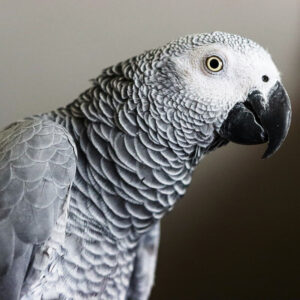


 Parrots have a very different system (see Patterson & Pepperberg, 1994, 1998). Their sound source is not their larynx, but rather their syrinx—a set of muscles at the base of their trachea, essentially connecting their lungs and trachea. When they produce true (rather than whistled) human speech, the vibration of these muscles produce the F0. The sound then travels up the trachea, which is only somewhat flexible, and the change in the trachea as each vowel is produced results in its characteristic F1. The sound then goes up through the avian glottis, which has a slit called the avian larynx; these organs affect the sound somewhat for each vowel, but (as in humans) not nearly as much as do the tongue and beak.

 Join us for a FREE, live, interactive webinar hosted by Laura Doering, former editor of Bird Talk magazine and Birds USA magazine. Our special guest, Dr. Stephanie Lamb, DVM, DABVP (Avian Practice), will discuss what can be toxic for a pet bird. If you ever ask yourself “It’s safe for me, or my dog or cat, how could it possibly be toxic for my bird?” then you need to watch this webinar! Dr. Lamb will also talk about how normally safe medicines, vitamins, and supplements can turn deadly for your bird if given the wrong amount. Learn about common toxins, and why you should never medicate your bird or offer extra supplements without consulting with your Vet first, in this insider’s view of the daily happenings at your Avian Vet’s clinic.
 Join us for a FREE, live, interactive webinar hosted by Laura Doering, former editor of Bird Talk magazine and Birds USA magazine. Our special guest Tom Tully, DVM, DABVP (Avian Practice), DECZM (Avian), will answer your questions about pet bird health, nutrition, & care. Dr. Tully, a decorated Professor & practicing Vet at Louisiana State University School of Veterinary Medicine, is an internationally known Veterinarian who has earned specialties in Avian medicine in the United States as well as in Europe. Having this type of access to a Veterinarian of his status is rare, but Dr. Tully believes in the educated bird owner as being the best bird steward. Dr. Tully answers each question in detail and shares his vast knowledge of birds, particularly parrots. Is your bird’s problem health-related or behavioral? Are you offering the right foods to your pet bird? Ask the Vet!
 Join us for a FREE, live, interactive webinar hosted by Laura Doering, former editor of Bird Talk magazine and Birds USA magazine. Our special guest, Dr. Stephanie Lamb, DVM, DABVP (Avian Practice) & President of the Association of Avian Veterinarians, will discuss what might define a bird as older or senior or geriatric. What should you as an owner watch for? Should you feed your senior or geriatric parrot a special diet? What are some common ailments that can affect senior parrots? Dr. Lamb will answer these questions & more in this insider’s view of the daily happenings at your Avian Vet’s clinic.
 Join us for a FREE, live, interactive webinar hosted by Laura Doering, former editor of Bird Talk magazine and Birds USA magazine. Our special guest, Lisa Bono, CPBC, owner and operator of The Platinum Parrot and a certified parrot behavior consultant specializing in African grey parrots, presents Episode 23 of The Grey Way, a Lafeber Pet Birds Webinar Series focusing on Congo & Timneh African grey parrots as pets. In this episode, Lisa will continue this month’s discussion of older parrots by focusing on older African Greys. Greys can have a very long lifespan, but depending on genetics and care, some can live much longer than others. Is age just a number when it comes to older Greys? When is your Grey considered an older bird? Are there age-related issues that tend to affect Greys? What can you do to make your older bird more comfortable? Lisa’s information will be mainly Grey-centric this month, but some of it can be applied to other parrot species.