Date: Postponed, New February date coming…stay tuned!
Time: 12:00 pm PDT (double-check your local time with this time zone converter)
Join us for a FREE, live, interactive webinar hosted by Laura Doering, former editor of Bird Talk magazine and Birds USA magazine. Our special guest, Pamela Clark, is a well-known author, speaker, IAABC Certified Parrot Behavior Consultant & retired CVT. Pamela will present Episode 14 of Translating Parrot, a Lafeber Pet Birds Webinar Series focusing on Parrot Behavior & Wellness, based on Pamela’s years of experience with a wide range of parrot species. In this episode, Pamela will discuss the principles of force-free handling and cooperative care for parrots. Trips to the veterinarian do not have to be traumatic. Traditional restraint methods may get the job done, but they often leave parrots fearful and resistant to future care. Fortunately, there is a better way. Pamela’s advice will teach you how to reduce stress, build trust, and encourage parrots to willingly participate in their own care. Designed for both caregivers and veterinary professionals, this presentation will provide practical strategies to improve veterinary visits, strengthen relationships, and ensure compassionate, considerate treatment for every parrot. Pamela’s advice will help you translate what your parrot wants & needs in the latest installment of this informative series!
Webinar: The Impact of Attachment to Pet Birds on Psychological Well-Being
Date: Friday, October 10, 2025
Time: 12:00 pm PDT (double-check your local time with this time zone converter)
Join us for a FREE, live, interactive webinar hosted by Laura Doering, former editor of Bird Talk magazine and Birds USA magazine. Our special guest, Dr. Anthony Pilny, discusses the limited research into pet bird attachment and personal well-being. Research does show, and may lead to positive social change, by demonstrating that strong attachment to pet birds is not necessary for birds to provide companionship and for owners to connect with other bird owners. Pet birds do provide a soothing environment and social engagement, and are linked to lowering stress and anxiety, and providing companionship to help with feelings of loneliness. Birds can provide these benefits by fostering a supportive, non-judgmental relationship that enhances emotional regulation and connection. With Dr. Pilny’s guidance, we will examine our relationships with pet birds and what that means for us as caretakers and our personal well-being.
Webinar: Avian Vet Insider: A Look Back at the AAV 2025 Conference
Date: Friday, October 17, 2025
Time: 12:00 pm PDT (double-check your local time with this time zone converter)
Join us for a FREE, live, interactive webinar hosted by Laura Doering, former editor of Bird Talk magazine and Birds USA magazine. Our special guest, Dr. Stephanie Lamb, DVM, DABVP (Avian Practice), will discuss the recent conference of the Association of Avian Veterinarians. Educational conferences are so important for Veterinarians to attend. The AAV conference allows Avian Vets to meet one another and share ideas and medical advancements. The conference offers hands-on workshops, master classes, and general sessions, which can include case studies and the latest research in Avian Medicine. And they will also earn the continuing education credits required, not only for their Veterinary license, but for their board specialty certification. A veterinarian’s education and commitment to the latest in veterinary medicine does not stop when they earn their degree. Dr. Lamb will present all of the goings on in her insider’s view of the 46th AAV Annual Conference & Expo.
Webinar: Parrots, Past & Present – Do’s & Don’ts of Parrot Behavior & Care
Date: Friday, October 24, 2025
Time: 12:00 pm PDT (double-check your local time with this time zone converter)
Join us for a FREE, live, interactive webinar hosted by Laura Doering, former editor of Bird Talk magazine and Birds USA magazine. Our special guest, Lisa Bono, CPBC, owner and operator of The Platinum Parrot and a certified parrot behavior consultant specializing in African grey parrots, presents the latest episode of her new series. We have learned a lot about pet bird care over the decades, and there is still so much more to learn! But there are some “do’s & don’ts” that have been established over time. Lisa will discuss some of the right and wrong decisions that pet bird owners can make. From care to behavior, Lisa will discuss why some choices are the best for your pet birds, while other choices can be very wrong. Learn to be a great bird steward, and Do attend this webinar, but Don’t forget!
Missed our webinar? No problem! You can access the webinar in its entirety here:
If you love birds, there’s a whole lot of avian-related words waiting to be discovered. Learning bird-specific terms can transform the way we care for and think about our feathered friends. Each new term opens a window into the bird world to give us a deeper appreciation and a little bit of bird-nerd word superpower along the way. Here are some bird words to get us started.
Rhamphotheca
Rhamphotheca is made of keratin and grows like our fingernails, so parrots need plenty to chew to keep their beaks healthy. Photo by Greg Valentini/Unsplash
We all know “beak,” but a deeper dive reveals that the hard outer sheath of a bird’s beak is called the rhamphotheca. It’s made of keratin, the same stuff as our fingernails. According to Merriam-Webster, the term rhamphotheca originates from New Latin, combining the Greek word ῥάμφος (rhamphos), meaning “beak,” with the Latin suffix -theca, meaning “case” or “cover.” This term specifically refers to the horny sheath of keratin that covers a bird’s beak.
Gular Flutter
Gular flutter is a cooling mechanism some birds employ to regulate body temperature during extreme heat. Birds like crows, pigeons, herons, and some raptors gular flutter by rapidly vibrating the thin floor of their throat (fluttering their neck muscles) to increase evaporation and regulate body temperature. So next time you spot a wild bird with their bill open on a hot day, you might be witnessing gular flutter. Check out this video of a great blue heron gular fluttering. Be aware, however, that our parrots should not be open-mouth breathing/panting. This can be a sign of respiratory illness, a reaction to extreme stress, or a sign of overheating. If it’s heat-related, immediately move your bird to a shaded/ventilated area or mist them with cool (not frigid) water. A panting parrot warrants a call to your veterinarian.
Zygodactyl Vs. Anisodactyl Feet
Zygodactyl feet function as a “set of hands” for your bird — perfect for holding Nutri-Berries!
Parrots have zygodactyl feet, with two toes facing forward and two toes facing back. This configuration is perfect for climbing and grasping objects with dexterity. Anisodactyl feet, on the other hand, have three toes facing forward, and one facing back, which is typical of most song birds.
Feathers don’t cover every inch of a bird’s body. Instead, they grow in tidy rows called pterylae, with little bare gaps of skin in between called apteria. This well-designed pattern keeps birds insulated while allowing them to move freely, and it makes preening easier. (It also gives your veterinarian easier access to your bird’s skin if needed.)
Most of us are familiar with the term molting, when birds shed and regrow feathers, but did you know that some bird species also undergo eclipse plumage? Eclipse plumage is a temporary duller feathering phase. Ducks are known for this, where the male duck takes on female-like plumage for a month or so during summer, shortly after breeding. But why? This is also the time when male ducks molt their colorful feathers, including their flight feathers — making them, as the saying goes, “sitting ducks.” Thus, taking on the female’s drabber feathering affords male mallards camouflage from predators until they’re ready to fly again. (When you stop to think about it, female birds’ less colorful plumage helps them blend into the environment better than the males’ flashy colors.) Parrots don’t have eclipse plumage, but just imagine if their colors changed from vibrant to muted to blend in with your décor during a molt!
Duetting
Parrots are celebrated vocal learners, but not all bird calls are solo acts. Duetting is when two birds (often mated pairs) sing precisely timed, alternating phrases that sound like one continuous song. According to CornellLab, duetting is one of the most complex vocal performances among all animals, and it can be so seamless you’d have a hard time telling the two birds’ vocals apart. Check out this in-sync dark-backed weaver pair duetting.
It’s that time of the year again! Birds are beginning to test their migratory skills and fly to their winter homes. And many have already taken flight. Some cities in major migratory pathways are shutting off lights to accommodate nighttime flights for these feathered adventurers. It is likewise important for those at home to reduce or eliminate lighting between the hours of 11 p.m. and 6 a.m. from August 15th through November 30th.
Against this backdrop, our attention shifts to a closely connected topic: the challenges migratory birds face. In a recent study posted on Science , an alarming consequence of light pollution’s effect on birds has come to light. As the world becomes more technologically updated, light pollution continues to grow, and so does its impact on birds. The study, which was undertaken by two advanced studies professors at Southern Illinois University (Carbondale, IL), and Oklahoma State University (Stillwater, OK), with a grant from The National Institute of Food and Agriculture, reveals that urbanized birds are awake much longer than those birds found in rural areas by as much as 50 additional minutes.
The study was supported by recordings submitted to Birdweather, a community of citizen scientists who upload bird vocalizations for scientists to study. With PUCs (Portable Universe Codec), a dual-microphone innovation equipped with Wi-Fi, GPS, sensors, and protected by a weatherproof casing, scientists can capture sounds from all directions and turn them into valuable data for environmental research. The recordings showed that birds in urban areas were vocal for longer than their rural counterparts.
The Bigger The Eye, The Bigger The Sleep Loss
Big eyes, bright nights. The American robin is among the birds most affected by light pollution. Photo by Trac Vu/Unsplash
Interestingly, the recordings revealed that large-eyed birds like the American Robin, Northern Mockingbird, European Goldfinch, and birds with open nests experienced longer days due to the constant availability of light within urban settings. This results in sleep loss for the birds and requires adaptive responses to compensate. Small-eyed birds such as sparrows and those with hidden nests were less impacted by light pollution.
The scientists involved in the study recognized that sleep deprivation for humans is not ideal and must now watch the birds to see if longer waking periods pose health hazards for them as well. The study investigated the influence of light on more than 500 species of birds on a global scale. In total, the researchers analyzed over 60 million recordings from 583 bird species to understand which ones are most active at dawn.
Light and dark cues play a crucial role in the daily rhythms of birds and many other animals. When these cues are disrupted, it can lead to harmful effects. Some birds appear to adapt by extending their foraging periods or delaying mating. Migratory species can be particularly affected by the growing intensity of light pollution around the globe. As we learn more about these impacts, we are finding ways to reduce the strain on bird populations.
August 28th is a Rainbow Bridge Day, a day dedicated to honoring our beloved animal companions who are no longer with us. Rainbow Bridge is a comforting image, often described as a lush meadow where pets run and play until they are reunited with their humans. While the idea is most often associated with cats and dogs, it resonates just as deeply with those who have shared their lives with birds. Our winged companions leave just as profound an imprint on our lives.
Unlike dog and cat companions, birds are prey animals by nature, which makes the trust they extend to us all the more special. And given parrots’ potentially long lifespans, unexpected loss or their passing after decades spent together can be especially difficult. Rainbow Bridge Remembrance Day offers us a time to reflect and keep our bird’s memory alive.
Donate in their name. Honor your feathered companion by supporting a local or national bird rescue or sanctuary. Your gift can help birds in need with healthy food, housing, and enrichment; just like you do for your flock.
Honor of your beloved feathered friend by placing a molted feather in your hat. Courtesy of Laura Doering
Display a keepsake. A molted feather, a favorite toy, or a photo placed in a memory box or in a frame can serve as a reminder of the joy your bird brought into your life. Molted feathers, especially, can help you keep your bird’s presence close in a unique way, such as a feather in your hat.
Write a note to your bird. Let your bird know how much they touched your life and thank them for their trust in you. It can be a simple note of gratitude or a list of what made your bird special.
Channel calmness at sunset. Birds naturally settle at the end of the day, so take a quiet moment as the sun sets to meditate or otherwise be in the moment, free of distractions like phone scrolling or screen time. Visualize how your bird looked when relaxed, and use that calmness to shake off the stress of your day.
Try a new healthy food in your bird’s honor. Remember all those times you tried and failed or tried and won when introducing a new food to your bird? Add a healthy selection to your menu and make your bird proud.
Tell their story. Share a photo or memory on social media with friends and family, or add your bird’s story to a wider audience by using the hashtag #RainbowBridgeRemembranceDay in your post.
However you choose to remember, your connection with your bird remains part of your story. Their absence changes daily life, but the experiences you shared continue to shape the way you remember and honor them.
How do you honor your pet who passed over Rainbow Bridge? Please share in the comments.
Webinar: Parrots, Past & Present – Stories From the AFA Conference
Date: Friday, September 12, 2025
Time: 12:00 pm PDT (double-check your local time with this time zone converter)
Join us for a FREE, live, interactive webinar hosted by Laura Doering, former editor of Bird Talk magazine and Birds USA magazine. Our special guest, Lisa Bono, CPBC, owner and operator of The Platinum Parrot and a certified parrot behavior consultant specializing in African grey parrots, presents the latest episode of her new series. She was recently Lafeber’s roving reporter at the American Federation of Aviculture’s 51st Annual Conference that was held in Raleigh, NC. Lisa will talk about the AFA and what goes on at the annual conference. Lisa is known for her detailed & very fun reports from bird meetings. “Flying into the Future” is the theme this year. Join us to see what interviews and pictures she has for us this time!
Missed our webinar? No problem! You can access the webinar in its entirety here:
Webinar: Translating Parrot — My Parrot Won’t Stop Screaming!
Date: Friday, October 3rd (originally scheduled for September 19th)
Time: 12:00 pm PDT (double-check your local time with this time zone converter)
Join us for a FREE, live, interactive webinar hosted by Laura Doering, former editor of Bird Talk magazine and Birds USA magazine. Our special guest, Pamela Clark, is a well-known author, speaker, IAABC CPBC & retired CVT. Pamela will present Episode 15 of Translating Parrot, a Lafeber Pet Birds Webinar Series focusing on Parrot Behavior & Wellness, based on Pamela’s years of experience with a wide range of parrot species. In this episode, Pamela will explore a topic that most parrot owners face at some point – “screaming.” Is your parrot’s vocalizing driving you to the edge? In this compassionate and science-based webinar, Pamela Clark demystifies one of the most common (and upsetting) behavior problems: screaming. Discover what’s normal, what signals a problem, and how to respond without making things worse. Pamela’s advice will help you translate what your parrot wants & needs in the newest installment of this informative series!
Missed our webinar? No problem! You can access the webinar in its entirety here:
Webinar: Ask the Vet with Tom Tully, DVM, DABVP (Avian Practice), DECZM (Avian)
Date: Friday, September 26, 2025
Time: 12:00 pm PDT (double-check your local time with this time zone converter)
Join us for a FREE, live, interactive webinar hosted by Laura Doering, former editor of Bird Talk magazine and Birds USA magazine. Our special guest, Tom Tully, DVM, DABVP (Avian Practice), DECZM (Avian), will answer your questions about pet bird health, nutrition, and care. Dr. Tully, a decorated professor and practicing veterinarian at Louisiana State University School of Veterinary Medicine, is an internationally known Veterinarian who has earned specialties in Avian medicine in the United States as well as in Europe. Having this type of access to a Veterinarian of his status is rare, but Dr. Tully believes in the educated bird owner as being the best bird steward. Dr. Tully answers each question in detail and shares his vast knowledge of birds, particularly parrots. Is your bird’s problem health-related or behavioral? Are you offering the right foods to your pet bird? Ask the Vet!
Missed our webinar? No problem! You can access the webinar in its entirety here:
Our newest RA, Riley, tickling Athena, who is happily sitting on her shoulder. Image courtesy of Dr. Irene Pepperberg
As I mentioned in a previous blog, we generally have to engage in a round of new hires at the end/beginning of semesters. Students graduate, or those who have been with us for a gap year or so are now ready to move on, so we need to find replacements.
We usually start by sending adverts to my colleagues at the various nearby universities and ask the current research associates if they have any friends who might be interested, or friends of friends. Sometimes I’ll mention our search to colleagues at more distant places, on the chance that they might know a student who is planning to relocate or who is interested in relocating to the Boston area. When I was still teaching, I’d recruit a top student in my class. We’ve had really good success using these methods. Usually, we get a number of resumes, and we carefully go through them to determine which applicants will be a good fit for the lab, and thus which we should call for an interview.
Beyond Bird Wrangling Skills
People sometimes think that we might favor applicants with a lot of experience in handling birds, but that is rarely a possibility. Most of our students are interested in learning about working with birds, particularly pre-vet students, who generally have previously volunteered at places that afforded them many chances to work with dogs and cats, but not birds. And we get lots of students who are interested in animal cognition who have read about our work in their courses and want to be involved in the research. We do favor applicants who have some experience working with animals (even as pets), as some basics about care clearly apply to all animals (fresh food, fresh water, clean cages…).
Sometimes, depending on where the potential hire is currently living, we start with a ZOOM interview. ZOOM, obviously, isn’t perfect, but we don’t want someone to travel a long distance for an in-person interview if we feel that they wouldn’t be a good fit for the lab. We ask the obvious questions: why they want to work with us; what they hope to learn; how long they might be able to stay; and what hours they might be able to work.
One of the critical issues is often finding folks who can work particular shifts based on the schedules of the people who are already in lab, so someone might be terrific, but if they can work only at a time that we already have covered, we tell them to check back the next semester. We also tell every potential hire that, yes, the birds bite and that every human in the lab will eventually get bitten — but that the birds cannot remove a digit. If the students adhere to our rules, the birds will not cause serious injury. Griffin, for example, will warn you by giving a gentle nip, which, if you don’t stop what you are doing to cause that behavior, will result in something that needs to be cleaned and bandaged! Athena, however, will first ignore you and then strike with a small but quick puncture.
Can You Pass The Parrot Interview?
The next step is the personal interview. Obviously, we can’t hire anyone afraid of the birds, so that is a prime check. And, as you might guess from the title of the blog, it is Griffin’s and Athena’s reactions to the person that is the basis for our final decision. We don’t expect an interviewee to immediately be able to handle the birds, but we do see how they approach the birds and whether the birds are intrigued or not. If the birds completely ignore the human, it is unlikely that the person will be hired.
Athena, who is much more outgoing than Griffin, will very often be willing to climb from the hand of a current research assistant to that of the interviewee. Griffin very rarely will do that, but if he does we know we have a winner! Very rarely, the birds will “choose” someone who doesn’t work out well for other reasons (i.e., failure to follow rules or directions), but on the whole, the system has worked quite well for decades. The birds do seem to have a good sense of who will fit into our laboratory. And, depending on the shifts the research assistants work, they often spend more time with the birds than with the humans in our lab, so our birds better be happy with their choices!
Image courtesy of Panama Wildlife Conservation Charity (PWC).
The Republic of Panama is the southernmost country of Central America, bordering South America to the south and Costa Rica to the north. The Panama Canal connects the Pacific Ocean with the Caribbean Sea. This strategic canal is a major source of revenue for the country. Approximately 62% of the country is covered with natural forest, including extensive areas of primary (intact) rainforest with a wide diversity of tropical animals and plants, some not found elsewhere in the world.
While much of Panama remains wooded, deforestation for agriculture and cattle ranching is a growing threat. Panama is the only country in Central America that is home to five macaw species, all of which are endangered in the country, and some, such as the great green macaws, are critically endangered worldwide. Of particular concern is the Azuero Peninsula, which includes the Cerro Hoya National Park and the unprotected rainforest of the Azuero massif (a compact group of mountains), both vital for the conservation of the country’s biodiversity.
Panama’s Great Greens
A great green macaw takes flight in Panama. Image courtesy of Panama Wildlife Conservation Charity (PWC).
Great green macaws (Ara ambiguus) are long-lived, but they produce very slowly. At best, they fledge one chick a year. They require native tree species for their food sources and breeding nests, such as the mountain almond. In the Azuero Peninsula, they also nest in Cuipo trees (Cavanillesia platanifolia), one of the largest and fastest‑growing native tree species in Latin America, known for its towering height and massive trunk diameter. However, the alarming rate of deforestation has caused the jungle areas to be fragmented, creating patches of pastureland for farming and cattle ranching. Breaking up a tropical landscape causes major disruptions in wildlife’s ability to survive and repopulate successfully.
In 2020, great green macaws were up-listed by IUCN to Critically Endangered, which means they are at a very high risk of extinction in the wild, especially in Panama. In the Azuero region of Panama, which includes the Cerro Hoya National Park, less than 50 great greens have been counted. So, the need for a viable conservation plan is urgent!
Patches of rainforest show deforestation. This area of Panama is vital to the critically endangered great green macaw. Image courtesy of Panama Wildlife Conservation Charity (PWC).
Cerro Hoya, despite its remote location, has experienced significant deforestation, along with illegal poaching of birds for the pet trade. Under the leadership of Dr. Luis Ureña, Director of the Panama Wildlife Conservation Charity (PWC), a new collaborative project is being implemented to create a Reserve Corridor for Cerro Hoya. It is supported by many other charities, including the American Bird Conservancy, Audubon, BirdLife International, and the World Parrot Trust. PWC’s goal is to purchase 3,700 acres of pristine rainforest adjacent to the Cerro Hoya National Park. It will be known as the Ara Panama Sanctuary and provide a corridor of protection not only for the great green macaws, but several other endangered birds and mammals. The cost is about $600 per acre.
A map shows Azuero Great Green Project locations. Image courtesy of Panama Wildlife Conservation Charity (PWC).
Ara Panama aims to reforest the area with the plant life needed by animals such as the macaws; to foster more community involvement, including an annual Macaw Festival starting this October; enhance nesting capabilities and chick support; and build a science-driven breeding and reintroduction facility to act as a hub for ornithologists and veterinary students. In addition, those who simply love birds will be able to visit, which will provide ecotourism income for a rural community essential to the success of conservation.
To learn more about the Ara Panama project and the NGO Panama Wildlife Conservation Charity, visit www.panamawildlife.org or follow their Instagram account. This month’s Lafeber donation goes to support the Ara Panama Sanctuary project and the future of the great green macaws in Panama!
The Tower of London boasts a treasured trove of fascinating historical tradition that persists to this day. In the Tower, at this moment, there are eight ravens. The eight are named Harris, Jubilee, Poppy, Edgar, Georgie, Chaos, Henry, and Poe. Their origin is wrapped in legends that branch off in many directions. However, the accepted one is that Charles II, King of England from 1660 until 1685, decreed that six ravens be kept at the Tower. The pervading thought was that if the ravens fled or were physically removed, then the kingdom of England would fall. This is but one of many thoughts as to the origin of the ravens of the Tower, but it is the one held closest to the heart.
To date, there are always at least six ravens in the care of an employed Ravenmaster. They are protected with unusual care. In 2006, when the H5N1 was a worldwide threat, the existing ravens of the time were taken inside and housed in custom-built aviaries. The current Ravenmaster is Barney Chandler, who assumed the role in 2024 after the retirement of Christopher Skaife.
Caring For The Tower’s Most Famous Residents
The Tower’s breeding program ensures an always-present group of ravens to “protect” the integrity of the kingdom. The ravens of the Tower are treated quite well. They are waited upon by servants assigned to their daily care. They are fed raw meats that usually consist of liver, beef, and pork, as well as the occasional lamb heart. Every other day, a boiled egg with the shell intact and biscuits are brought to them. They are looked over once a week, and their feathers are trimmed frequently to prevent them from flying away.
The ravens’ care is paid for with public tax funds. In return, the ravens must be made available for the public to fawn over and observe. When new ravens are announced, the public gets to vote for the names. Londoners are quite fond of the resident ravens and can easily tell you their names and some facts about them.
The Tower of London contains 23 towers. Some of the ravens belong to specific towers and are identified by a colored band. Ravens have long lifespans, often living upwards of 40 years. The Tower Ravenmaster maintains successors to ensure that at least six required ravens are in residence at any one time.
During World War II, Prime Minister Winston Churchill enlisted the ravens as bomb and plane spotters. While the flock suffered casualties, its numbers were always adequately maintained. An interesting fact about the Tower of London ravens is that they are actual enlisted soldiers of the kingdom and are subject to the same criteria as soldiers and police. Some ravens have been dismissed due to “conduct unbecoming.”
The Tower ravens can be viewed on a tour of the Tower of London and are often a solitary reason some visit the storied monument
European robins may “see” Earth’s magnetic fields thanks to a protein in their eyes that’s sensitive to magnetism, possibly giving them a quantum-powered sense of direction. Photo by Jonny Gios/Unsplash
The bold but often baffling world of deep science, especially when it ventures into the atomic level, is probably the last thing that comes to mind when we think about our beloved birds. Yet, the often-overlooked truth is that everything — bodies, plants, objects — is made up of particles. We tend to look for the simplest explanation of everything to satisfy our understanding. But the fact remains, everything about everything is complex, and science reveals that often enough. Well, as it turns out, birds of the air likely use quantum mechanics to navigate their way through the skies.
Quantum mechanics is the foundational theory in physics that explains how matter and energy behave at their core levels. Without diving too deep into the eye-glazing details, it’s interesting to discover that birds, when flying, don’t rely solely on familiar cues but instead depend heavily on Earth’s magnetic fields. We’ve touched on this before, but how do they see it? More recent studies suggest that quantum activity in their retinas might give birds a pattern that they can “see,” and these visible patterns help guide them with incredible accuracy.
The revealing science of amazing and incredibly in-depth levels of study ties into our current understanding. What we’re discovering is that migrating birds possess unique proteins named cryptochromes within the retina. They form quantum entangled electron pairings when exposed to sunlight. One of the electrons in this pair appears to be influenced by Earth’s magnetic field, potentially giving the bird a heightened sensitivity to its direction. With this, direction becomes a breeze for migrating birds.
Could Birds Inspire the Next Navigation Tech?
Experiments to validate these ideas have confirmed that migrating birds do indeed respond to magnetic information “presented” to them. We are also aware that magnetic fields fluctuate over time. As they adapt, we, too, can learn how to apply what is natural to the bird and develop newer technologies to help us with our own evolving understanding. After all, our planes apply the same look and feel of birds.
More directed studies will give us even greater insights as to how these birds move about directionally and without much interference. We might even discover if all living things employ that natural occurrence. What if humans have the same ability, and it has been dormant for ages? How might that help us?
The science that uncovers these miracles remains a daunting one, one that is difficult for the average layman to decipher. And so, an article like this approaches it on the simplest layer possible. But it is that science that structures how we may live in the future. And it is birds that we can learn from.
All in all, life and every living thing that navigates our vast world is a testament to the power of the fundamental building blocks that make us. Quantum physics reveals the possibilities behind that, offering a deeper understanding with each passing day.
English is full of enchanting names for groups of animals: A parliament of owls. A murder of crows. A murmuration of starlings. A flamboyance of flamingos. A charm of hummingbirds. When it comes to parrots, however, we usually just say “a flock.” Which works, sure. But parrots can be loud, colorful, silly, sweet, dramatic, and messy. Some parrots are big, some small, some talkative, some notably energetic, and some are known for their exceptional intelligence. Here are some non-scientific, purely for fun, group name suggestions for a few species of parrots based on their unique reputations.
Known for their razor-sharp intelligence and constant vigilance, African grey parrots seem to watch and analyze everything around them with keen, unblinking eyes. Calling a group of African greys a surveillance highlights their smart, watchful nature, as if they’re silently gathering intel on everyone nearby.
Cockatiels are known for their charming and melodious whistling, especially the males. True songsters among parrot species, cockatiels often practice complex tunes, whistling catchy melodies. Many companion cockatiels fill the air with tuneful whistles, which can be loud or soft depending on the ‘tiels’s preference (not yours). Calling cockatiels a whistle celebrates their musical talent and their sweet serenades. Another collective name for cockatiels, hens in particular, could be a cuddle to capture their gentle, warm nature. Doesn’t a cuddle of cockatiels sound sweet?
Cockatoos are known for their velcro-like affection, often sticking close to their favorite humans. Their playful, curious, and sometimes demanding nature means they’re always nearby, seeking attention and interaction. Referring to cockatoos as a cling captures their fierce determination to be where you are. Beware that their clinginess can lead to the equivalent of a feathered shadow who never wants to leave your side. Let a cling of cockatoos serve as a reminder that these parrots need clear boundaries, and potential caregivers should do their homework before welcoming a cling into their home.
Big birds with even bigger personalities, macaws express everything in extremes: cuddles, screams, and throwing toys with flair. “Drama” fits these emotional performers like a feathered glove.
Amazon parrots are the true divas of the parrot world. They love to belt out songs, shout greetings, and burst into impromptu concerts. “Party” is the perfect fit for these theatrical, musical birds who know how to make any gathering lively. And they like to bring their hearty appetites to the party, too!
Conures bring the energy and color of a lively carnival wherever they go. With their playful antics, boundless curiosity, and bursts of joyful squawks, they can turn every moment into a celebration. Calling conures a carnival captures their vibrant spirit, playful chaos, and the festive noise they bring to any room.
Caiques are notoriously known as the class clowns of parrots. If they’re not tumbling off their perches, they’re plotting some new prank, like playing dead on their backsides to give their caregivers a scare. “Mischief” isn’t just a name; it’s their brand. A mischief of caiques, especially when kept in pairs, is ready to turn your home into their personal playground.
Budgies are known to be non-stop talkers, always social and gossiping, and their chatter can last the whole day. A chatter of budgies perfectly describes these tiny chatterboxes, whether they’re talking to you, themselves, or a feathered flockmate. A chatter or chattering is what budgies are referred to among aviculturists and bird enthusiasts, so this name truly hits the mark.
More On Parrot Group Names…
A Pandemonium Of Parrots
As a collective whole, a pandemonium of parrots is much more vivid and, in many ways, a more accurate word choice than the generic word “flock.” This is an actual term ascribed to a group of parrots, but it is used much less than flock. Pandemonium can be a spot-on description, at least during certain times of the day!
A Company Of Parrots
A company of parrots is occasionally used as a collective noun to describe a group of parrots. It might seem like a strange attribution at first, but when you consider that parrots are, by nature, social animals it makes a bit more sense. A company of parrots emphasizes their sociability and togetherness, much like how we humans come together in a company for shared purpose or companionship.
Of course, every bird is unique, with a personality all their own; sometimes full of surprises that no one name could ever capture completely. There are endless words and ideas to capture their essence, from the silly and sweet to the smart and spirited. What name best fits your flock? Do share!
Dr. Pepperberg has spent an almost 50-year career trying to convince people to appreciate the cognitive abilities of our feathered friends and not to use their names in a derogatory manner, which is an insult to their intelligence. Photo by Graphicbirdie/Pixabay
So, this blog is going to be a bit of a rant, because I’m extremely tired of the AI (artificial intelligence) folks using the term “stochastic parrot” as a derogatory term to describe some of the programs that exist today. The term was first used by Bender et al. (2021), claiming that the output of these programs was simply mindless, meaningless, statistically likely but not necessarily precise sequences: “stochastic” from its definition of “randomly generated” and “parrot” in the (wrong!) sense of a “mindless mimic.” Whatever one thinks of artificial intelligence programs, there is no reason to use the term “parrot” in a derogatory manner.
I’ll start by providing a bit of background about the artificial intelligence programs I’m discussing. All of you probably have some experience with them, whether or not you actively decide to do so, if you use any kind of word processing or email program. For example, I’m getting prompts constantly while I write these sentences! About half the time I agree with those prompts and am fine with using them…and about half the time they are totally useless.
Let me explain a bit about how these prompts originate. These programs are based on what are called LLMs, or “Large Language Models.” Basically, they scan and store in memory just about anything (“Large”) written (“Language”) that they can access. They then use statistical programs (“Models”) to determine the most likely next word in a sentence, based on the number of times these patterns exist in their memory. So, certain patterns are more common than others, and the program decides that, therefore, you’ll really like them.
The finding that they are often useless (and sometimes discriminatory, deceptive, and/or incorrect) triggered Bender et al.’s argument. Of course, by actively choosing to use such programs and providing carefully designed prompts, you can get decent results. (For example, if I ask, “What should I do to cool down on a hot day?” I’ll be told to go to an air-conditioned space, drink cool liquids, go swimming, etc.) But the Bender et al. argument was that even when the responses are sensible, the programs have no understanding of the material and simply provide the most likely responses, solely based on the material in memory, and if there is a problem with the material in memory…well, you get the idea.
Reclaiming “Birdbrain” As A Badge Of Intelligence
I’m not going to defend artificial intelligence programs (some of which are extremely helpful, others not so much, and a few maybe even seriously problematic); what I AM going to defend is the “other” AI: that of avian intelligence—I have spent an almost 50-year career trying to convince people to appreciate the cognitive abilities of our feathered compatriots and NOT to use their names in a derogatory manner. (Of course, not all parrots use speech in meaningful ways, and their abilities depend on how they are trained and the extent and types of their exposure to human interactions—but even those birds that have not undergone rigorous training often make meaningful associations between particular speech patterns and real-world activities…)
Notably, it is not just parrots who have been taught English speech like Alex, or tested on the same types of task as young children as Griffin (and Athena, Pepper, and Franco—other birds that I have studied) that are certifiably intelligent—you can do a literature search and find all the amazing research on tool use in cockatoos and corvids, episodic memory in scrub jays, ravens cooperating to solve problems, concept formation in pigeons…the list is huge.
Scientific research also exists showing that (at least) parrot and corvid brains have cortical areas (those parts of the brain responsible for intelligence) that are (relative to body size) as great and as densely packed with neurons at levels comparable to great apes. I’m not about to do a major review of avian intelligence here; reviews of the material are publicly available even if the specific journal articles are not. My point is simply that to call something—be it a living being or a computer program—a “birdbrain” should be a compliment and not a slur!
References
Bender, Emily M.; Gebru, Timnit; McMillan-Major, Angelina; Mitchell, Margaret (2021). On the dangers of stochastic parrots: can language models be too big? Proceedings of the 2021 ACM Conference on Fairness, Accountability, and Transparency. doi:10.1145/3442188.3445922
A male Eclectus parrot with two females at a rescue center in Seram island, in the Maluku archipelago of Indonesia. Image courtesy of Perkumpulan Konservasi Kakatua Indonesia (KKI)
The Republic of Indonesia spans Southeast Asia and the Oceania region. It is comprised of 17,000 islands and is the world’s fourth most populous country. While some areas are densely populated, it has an archipelagic geography with vast areas of wilderness and an enormous amount of biodiversity. The climate is considered tropical rainforest, which makes it home to many types of parrots, including eight cockatoo species, lories and lorikeets, ringnecks, the unusual Pesquet parrot, and our focus in this post: the Moluccan Eclectus of Seram Island.
Eclectus are the most sexually dimorphic parrot species. The males are a brilliant green, and the females are a deep red and purple. Males are constant foragers, and their bright green color helps provide forest camouflage. Females protect their nest cavities for most of the year, while they raise their offspring. Their radiant colors signal to other females that this valuable nest is occupied – no vacancy! A female’s colors are also a beacon to males that they are available for mating, but they are known to be choosy about their partners. Eclectus parrots are considered polyandrous.
Moluccan Eclectus Dwindling Numbers
A female Eclectus guards her nest site. Image courtesy of Perkumpulan Konservasi Kakatua Indonesia (KKI)A male Eclectus parrot sits on branch in Manusela National Park, Seram island. Image courtesy of Perkumpulan Konservasi Kakatua Indonesia (KKI)
There are five species of the Eclectus genus, one of which is already extinct. Manusela National Park on Seram Island in the province of Maluku is an important habitat for the Moluccan Eclectus. However, there is a very high confiscation rate, which is significantly and severely impacting the remaining population and it’s essential genetic diversity.
Perkumpulan Konservasi Kakatua Indonesia (KKI) is an organization that monitors the Eclectus in the Manusela National Park by conducting surveys and regular population counts. Based on six survey locations, KKI only counted 17 individuals between 2020 and 2023. The Moluccan Eclectus has already become extinct in some prior areas of distribution, such as Haruku Island and Saparua Island. Snares can still be found near nesting sites, so helping the community understand why it’s important to protect this species is very high on the KKI’s agenda to build a spirit of protection for the native Eclectus.
Indonesian parrots are technically protected by law since so many are considered endangered or threatened according to the IUCN Red List, but these laws are poorly enforced, unfortunately. According to conservation activists from KKI, Dudi Nandika and Dwi Agustina, “Massive exploitation of all parrots have resulted in a sharp decline of their population. Many wild birds are captured and die in the process of transportation or smuggling because of the limited awareness of animal welfare.”
A rescued female Eclectus parrot. Image courtesy of Perkumpulan Konservasi Kakatua Indonesia (KKI)
In the last five years, 31 Eclectus were confiscated from poachers and trappers and sent to rescue centers in Maluku and North Sulawesi. A review of online illegal trading sites has identified 12 accounts, so trapping and trading are obviously still widespread and promoted through the internet. Smuggling routes from Maluku have also been identified, with the main destination being the Philippines and Singapore. The illegal world parrot trade is generally exported through these two countries. The continued decline in wild parrot populations, as an apparent result of high demand in the wildlife market, may ultimately lead to the extinction of even more species on Seram Island (including the Moluccan cockatoo!) in the near future.
Male and female Eclectus parrots at a rescue center in Seram island, in the Maluku archipelago of Indonesia. Image courtesy of Perkumpulan Konservasi Kakatua Indonesia (KKI)
The large number of species endangered or threatened with extinction is often related to the socio-economic conditions of an area and a lack of public awareness of why it is important to protect animals in their natural habitats. Therefore, increasing conservation awareness and helping communities understand the importance of biodiversity is the first step of most conservation actions. This month’s Lafeber donation goes to support Indonesian Eclectus parrots because their need for help is urgent!
Webinar: Translating Parrot: Beyond the Bowl – Creating a Diet That Nurtures Behavior, Health, and Enrichment
Date: Friday, August 1, 2025
Time: 12:00 pm PDT (double-check your local time with this time zone converter)
Join us for a FREE, live, interactive webinar hosted by Laura Doering, former editor of Bird Talk magazine and Birds USA magazine. Our special guest, Pamela Clark, is a well-known author, speaker, IAABC CPBC & retired CVT. Pamela will present Episode 14 of Translating Parrot, a Lafeber Pet Birds Webinar Series focusing on Parrot Behavior & Wellness, based on Pamela’s years of experience with a wide range of parrot species. In this episode, Pamela will explore how your parrot’s diet can do more than just nourish the body. Dietary choices can profoundly affect behavior, emotional balance, and well-being. She will discuss how to reduce hormonal triggers, prevent boredom-related problems, and transform mealtime into an enriching experience. Learn Pamela’s practical strategies and inspiring insights that will elevate your feeding practices, and your parrot’s quality of life. Pamela’s advice will help you translate what your parrot wants & needs in the newest installment of this informative series!
Missed our webinar? No problem! You can access the webinar in its entirety here:
Time: 12:00 pm PDT (double-check your local time with this time zone converter)
Join us for a FREE, live, interactive webinar hosted by Laura Doering, former editor of Bird Talk magazine and Birds USA magazine. Our special guest, Stephanie Lamb, DVM, DABVP (Avian Practice), will talk about being the first presenter of the Lafeber Pet Birds Webinars. We will welcome other special guests live and by video message. And, of course, there will be giveaways!
Please join us in this very special celebration of a landmark Webinar program that offers education in all aspects of bird keeping, at no cost to the viewers. Lafeber Company has generously sponsored these cutting-edge webinars as part of their ongoing support for educating pet bird owners and advancements in avian medicine. These webinars help to teach pet bird owners but also veterinary professionals, including veterinarians, veterinary students, vet technicians & nurses, and students. We have welcomed viewers watching live from nearly 100 countries! We are excited to celebrate this milestone episode with all of our loyal viewers.
Time: 12:00 pm PDT (double-check your local time with this time zone converter)
Join us for a FREE, live, interactive webinar hosted by Laura Doering, former editor of Bird Talk magazine and Birds USA magazine. Our special guest, Dr. Anthony Pilny, will discuss mental health in pet birds. Mental health is a key component of overall health and is closely linked to physical health; thus, it is vitally important to address and nurture in our pet birds. Achieving states of well-being leads to emotional stability and may reduce undesirable behavioral issues as well as prevent chronic diseases. Parrots are highly intelligent and need stimulation and social interaction, much like is known in people. An understanding of essential components of a bird’s life and the ways we often obstruct health, as well as ways to improve well-being, is key to keeping healthy and happy birds.
Missed our webinar? No problem! You can access the webinar in its entirety here:
Webinar: Ask the Vet with Tom Tully, DVM, DABVP (Avian Practice), DECZM (Avian)
Date: Friday, August 22, 2025
Time: 12:00 pm PDT (double-check your local time with this time zone converter)
Join us for a FREE, live, interactive webinar hosted by Laura Doering, former editor of Bird Talk magazine and Birds USA magazine. Our special guest Tom Tully, DVM, DABVP (Avian Practice), DECZM (Avian), will answer your questions about pet bird health, nutrition, & care. Dr. Tully, a decorated Professor & practicing Vet at Louisiana State University School of Veterinary Medicine, is an internationally known Veterinarian who has earned specialties in Avian medicine in the United States as well as in Europe. Having this type of access to a Veterinarian of his status is rare, but Dr. Tully believes in the educated bird owner as being the best bird steward. Dr. Tully answers each question in detail and shares his vast knowledge of birds, particularly parrots. Is your bird’s problem health-related or behavioral? Are you offering the right foods to your pet bird? Ask the Vet!
Missed our webinar? No problem! You can access the webinar in its entirety here:
Capturing your pet bird on camera is a fun way to celebrate their vibrant colors, curious expressions, and unique personality. Birds make naturally eye-catching subjects, yet they’re often overlooked in pet photography. With a few simple techniques and the right timing, you can create photos that highlight your bird’s charm and energy, no fancy equipment required.
Photographing your feathered family member isn’t just about getting a cute shot; it’s about capturing your bird’s color, charm, and quirks in a way that does them justice. With a few expert-backed techniques (and a bit of patience), something you use every day — your smartphone — can take frame-worthy portraits. Top birding resources like the Audubon Society and National Geographic offer tips that work as well in your living room as they do in the wild.
Let There Be (Good) Light
Try photographing your bird near a window to take advantage of natural sunlight. Photo by Nina Zaychenko/Unsplash
The Audubon Society stresses the importance of lighting when photographing birds outdoors. The same principle applies indoors: natural light is your best friend. Position your bird near a window with soft, indirect sunlight. Avoid harsh midday rays, which can wash out color or cause squinting (yes, birds squint too!). Forgo the flash, as it can startle your bird and ruin the photo’s mood. Choose a quiet space, use a stable perch, and keep distractions minimal for a relaxed session.
While outdoor settings can offer beautiful lighting and natural backdrops, photographing your bird outside should be done with extreme caution. Birds can be startled easily and may fly off unexpectedly, even with a recent wing-feather trim. If you do venture outdoors, keep your bird in their cage, travel carrier, or aviary enclosure (or in a secure harness if your bird is harness-trained) to ensure your bird’s safety.
National Geographic photographers recommend getting low and shooting from the bird’s eye level to create a more intimate connection in the image. Whether your bird is perched on top of their cage or hanging out on their playgym, eye-level shots feel more personal and lifelike than those taken from above.
According to the Audubon Society, the eyes are everything in bird photography. Tap your phone screen on your bird’s eye to lock focus and exposure. A sharp, detailed eye draws viewers in and anchors the entire image.
Pro pet photographers often use a portable perch mounted on a camera tripod (find online using “tripod bird perch” in the search field), which makes it easy to move the perch around, and the height can be adjusted. This lets you choose the angle, height, and backdrop while keeping your bird in a comfortable, predictable spot. It’s especially helpful for isolating your bird against a clean background and minimizing visual clutter. Just make sure the perch is stable and familiar to your bird before the shoot so your bird can relax and enjoy being in the limelight.
A messy background can distract from your bird’s beauty. A neutral wall, curtain, or even a large piece of cardboard can serve as a clean backdrop. Just like in birding photography, simplicity helps your feathered subject shine.
Keep It Short And Sweet
You don’t have to stick to full-body pictures. Close-ups can be cute and artsy. Photo by Mustafa Fahd/Pixabay
Birds don’t pose on command. Professional pet photographers recommend keeping sessions short and don’t force your bird to be in front of the camera. Watch for signs of stress, take breaks, and keep healthy treats nearby. Whether you’re using a DSLR or just your smartphone, the key to great bird photography is patience, lighting, and capturing real moments. You don’t need a professional studio to create beautiful, natural portraits of your feathered friend.
Your phone camera’s portrait mode helps your bird’s image “pop” by softly blurring the background and keeping the focus sharply on their face. This effect draws attention to your bird’s vibrant feathers, beak, and expression, even if the background is cluttered or distracting. Portrait mode also adds a sense of depth and dimension, which helps highlight the texture of feathers and the shape of your bird’s body in a more natural, professional-looking way.
To get the best results, make sure your bird is well-lit (e.g. natural light coming in through the window) and positioned at least 12 to 18 inches from the background. Tap your bird’s eye on the screen to ensure it stays in focus. Just be aware that portrait mode can sometimes misjudge the edges of feathers, especially around crests or tails, so review your shot afterward for any blur artifacts. This mode works especially well for calm, perched birds giving you a polished photo that feels more intentional than a regular snapshot.
Try Burst Mode
Capturing your bird’s quiet moments can also be frame-worthy. Photo by RLLESLIE/Pixabay
Burst mode rapidly captures a series of photos when you hold down the shutter button. It’s especially helpful for photographing fast-moving subjects like our feathered friends (practically a necessity for photographing budgies!) This feature allows you to freeze action without blur, catch moments like wing flaps or head tilts, and choose the best pose from a short sequence, all in just a second or two. Instead of relying on perfect timing, burst mode gives you multiple chances to land the perfect shot.
This makes it ideal for pet birds, as even a slight head twitch can ruin a photo, but burst mode increases your odds of capturing eye contact, a crest raised in excitement, or a spontaneous behavior like preening, yawning, or stretching. It’s a simple tool that can help you get that one great image that captures your bird’s personality.
How To Use Burst Mode (Phone by Phone)
iPhone
On iPhone XS, XR, 11 and newer:
Quickly swipe the shutter button left (in photo mode) and hold.
You’ll see a counter of shots at the top.
Release to stop shooting.
On older iPhones (like iPhone 8 or X):
Simply press and hold the shutter button in photo mode.
You can turn on “Use Volume Up for Burst” in camera settings if you want faster control.
Android Phone
Burst mode varies slightly by brand, but here are common ways:
Samsung Galaxy:
Open the Camera app.
Hold down the shutter button in Photo mode.
It will automatically enter burst mode (may need to enable in Settings > Camera).
Google Pixel:
Hold the shutter button — it will take a short burst.
Use Motion Photos to select your best frame afterward.
Choose The Best Shot
On iPhone, go to the burst photo > tap “Select” > swipe through frames > tap the ones you want to keep > tap Done.
On Android, most gallery apps let you scroll through burst frames and save the best.
Since bursts take up more space, be sure to delete extra frames after you pick your favorites.
What About Action Shots?
Capturing your bird in flight indoors with a smartphone is possible with the right setup and tools. Use burst mode to take rapid photos while your bird is in motion. You can also try Live Photos, Motion Photos, or record a 4K video and grab a still from the best frame.
Choose a quiet, enclosed room free of mirrors, fans, and sharp objects. Set up a landing spot for your bird to cue to, such as a familiar perch or person, and encourage short flights to them. Pre-focus your camera and use a simple cue to signal takeoff. Keep sessions short, give breaks, and make sure your bird stays comfortable. With patience and the right tools, you can safely capture the beauty of flight at home.
Take A Live Photo
According to the Apple website, you can take a live photo by following these prompts:
Open Camera on your iPhone.
Make sure Camera is set to Photo mode and that Live Photo is turned on.
Note: Live Photo is on by default. When it’s on, you see at the top of the camera screen.
To play the Live Photo, tap the photo thumbnail at the bottom of the screen, then touch and hold the screen.
Live Photos are automatically saved in your photo library in the Photos app. To add effects such as bounce and loop to Live Photos, see Add effects to a Live Photo.
Offshore wind turbines pose a collision risk to birds flying at blade height, such as terns. Photo by Jorge Coromina/Unsplash
The world continues to develop new technologies designed to make our rapidly changing lives easier and more productive. But with each advancement, concern grows about their impact on wildlife. In particular, the rapid expansion of wind farms has raised serious questions about their effect on bird populations. How can we reduce avian deaths caused by collisions with these massive structures, both on land and at sea? As technology progresses, so must our fight to protect our birds from these structures.
For offshore wind structures, consistent bird surveys are essential to better understand how birds interact with these installations. Traditionally, this monitoring has relied on cameras mounted on ships and planes—methods that require long-term effort and can become costly or unsustainable over time. Recently, Norwegian energy company Equinor has taken further steps to study the impact of offshore wind on birds and bats. By bringing in biologists, geologists, and other experts, they aim to improve efforts to protect not only the birds above but also the marine life below.
In the North Seas, where weather can be a horrifying complication, the company started to monitor birds by using cameras on horizon-stabilized buoys to collect important and usable data. After data accumulation, they run the information through AI programs to extrapolate precise knowledge that can be useful in creating proper solutions. The initial program began in 2023.
Smart Buoys, Safe Birds
Marine buoys equipped with cameras help reduce bird collisions by tracking flight near wind turbines. Image courtesy of Matt Rowe
Equinor partnered with a software company to analyze the collected data and help them build more bird- and marine-friendly wind structures. With the addition of buoy-mounted cameras, they’ve gathered vast amounts of valuable data, terabytes collected over 12-month periods. This has allowed the company to better understand how various bird species interact with the structures, how close they fly, and the heights that they maintain.
As an example, since it can be difficult to grasp how we can protect birds from the sweeping blades of wind turbines, one such measure is the ability to shut down turbine blades during peak bird migration periods. Additionally, the blades’ rotation speeds can be modified to reduce risks to bats, which are known to fly near these structures at certain times.
Another result of the accumulated data may be the realization that a particular location is unsuitable for turbine placement.
The buoys are outfitted with marine-grade cameras that can assess image quality, adjust their field of view to reduce poor captures, and use powerful zoom capabilities to better identify birds. There are two cameras on the buoy that operate properly depending on where the sun is (to avoid blackouts). Every photo is time-stamped, and each buoy is self-powered to keep the cameras functioning. In addition to capturing bird and marine data, the buoys also feature wind speed monitors, radar, and other technologies to make these high-tech buoys effective research tools.
Tools like these buoys aren’t perfect and do not always provide what is being sought. But it is the advancement that we need to help protect our legions of flyers in the airways and marine life beneath the sea from our growing need for energy and the means used to produce that energy.
The Fourth of July means sunshine, BBQs, fireworks, and fun with friends. But your bird? They’d probably rather skip the explosions. While we celebrate, fireworks, grills, and guest chaos can spell confusion and stress for our feathered companions. That’s why the safest place for your bird during the festivities is indoors, comfortably away from the noise, smoke, and unpredictable people.
Early Birds Get The Quiet Time
If your bird enjoys being outside, treat them to some fresh air before the neighborhood fireworks kick off. Early morning or midday is best. Just remember: a wing feather trim doesn’t guarantee that your bird won’t fly off if they are spooked. Use an outdoor cage, travel carrier, or harness if trained, so your feathered friend can enjoy the sunlight and your company without risk of lift-off. When the party starts, bring them inside to chill in peace.
Set The Mood: Low Drama, High Comfort
Create a relaxing indoor space for your bird—familiar surroundings, low lighting, and some calming sounds (think: fan, white noise, or a soft playlist). If they like cozy spaces, covering part of the cage can help them feel even safer. A calm setup helps keep them settled if and when fireworks start bursting in air.
Let Guests Know The Bird Boundaries
Guests might be curious, especially if they see a flash of feathers in the next room. A little pre-emptive guidance helps: post a friendly sign or gently share the rules.
Unless you’re there to give the okay:
No feeding the bird
No opening the cage
No petting the bird
Even the nicest guests may not know what’s safe for parrots, so a quick heads-up helps everyone, especially your bird.
Party Animal Or Wallflower? Let Your Bird Decide
Some birds love the spotlight; others prefer to sit this one out. If your bird’s a social type, keep visits short, upbeat, and optional. If they seem unsure or withdraw, that’s their way of saying, “No thanks.” Respect their vibe. Not every parrot wants to party like it’s 1776. Again, play it safe and keep meet-and-greets indoors.
Fireworks? Hard Pass.
People may jump with delight at the sound of fireworks—your bird might launch. They don’t know it’s a celebration; they just hear panic in the sky. Get them settled inside well before the booms begin. A calm, secure space makes a big difference. Shut the windows, close the drapes if that lessens the noise. Remember, you are your bird’s safe place. Your bird will be much happier not knowing what all the raucous is about.
All living creatures, including those of humanity, can fall prey to seemingly irreparable maladies that include deafness and blindness (and, of course, other issues). It’s generally thought that when one of these issues occurs, the path back is probably a road choked with obstacles that can lead to a loss of hope. But for one blind 40-year-old umbrella cockatoo known as Boo, a miracle was waiting.
At around the age of 30, Boo developed cataracts that kept him from seeing anything more than shadows. With his blindness, Boo was unable to fly, unable to perch properly, and could only walk uncertainly. A concern for his continued well-being at 40 years of age led his owner, Amy Hurst, to take him to Poquoson Veterinary Hospital, which then referred them to North Carolina State College Veterinary Hospital. The hope was to check on the possibility of a unique and uncommon eye surgery that could result in the complete removal of the cataracts.
Seeing the World Anew
With his eyesight restored, Boo “reads” his card from those wishing him well. Image courtesy of Amy Hurst.
With a concerted effort of the college’s Exotic Animal division of the NC State College of Veterinary Medicine and their assistive ophthalmology services, Boo underwent a delicate phacoemulsification surgery that successfully broke up the protein clumps from his eye lens that contributed to his blindness.
An ultrasound procedure was used to break up that protein mass, and a specially designed tool suctioned the broken pieces from his right eye. By the end of this procedure, Boo could fully see his caregiver and expressed happiness when asked if he could see. He replied, “Yeah. I love you,” a statement that could melt the hearts of those who heard it.
Boo the 40-year-old cockatoo is soaring again after having cataracts surgery to restore his sight. Image courtesy of Amy Hurst.
Boo has lived a lengthy 10-year span unable to see enough to function normally. With his surgery finished, he is a new bird and shows a greater lust for life than ever before. He can now ably perch comfortably and eat and drink without assistance. His feathers have grown back, and his muscle mass has increased. He’s even begun to fly again.
As stated earlier, Boo is a certified therapy bird helping children and the elderly with mental, physical, and behavioral disabilities. He was trained and passed all trials with flying colors. According to Hurst, Boo is still employed in that function, a remarkable twist considering he has a background story that found him in an abusive Skid-Row existence.
Boo’s Early Struggles
Amy Hurst and Boo the cockatoo. Image courtesy of Amy Hurst.
Around 25 years ago, Boo was found in a police raid and turned over to the SPCA. He was deemed to be aggressive toward humans. After having his toe chewed off by a cage mate, and another cage mate plucking his feathers, it turned out that Boo was far gentler a creature than originally thought. Once the cataracts blinded him, he began to lose weight and muscle mass. His then owner rehomed Boo to the care of Hurst. Boo was discovered to have the start of kidney disease. Cataract surgery went a long way in helping Boo develop better in a healthier manner.
Boo still has cataract in his left eye. The veterinary team and Hurst are working hard to create an opportunity to replicate their earlier success so that Boo becomes completely free of visual obstruction. We are quite proud of Boo.
You can follow Boo on his Birds in the Dog House Facebook page (here). He has similar accounts on YouTube, Instagram, and TikTok.
Image courtesy of Association for the Conservation of the Psittacines of Paraguay
The Republic of Paraguay is bordered by Brazil, Argentina, and Bolivia in South America. It is home to hyacinth and greenwing macaws, the yellow-faced Amazon, the turquoise-fronted Amazon, as well as several other parrot species. Thanks to support from One Earth Conservation (OEC) and the World Wildlife Fund, parrot conservation efforts are growing through a small but passionate young organization – the Asociación para la Conservación de Psitácidos del Paraguay (Association for the Conservation of the Psittacines of Paraguay or ACPP). It is these new, smaller organizations that are going to make the difference for parrots in the future, as they focus on their unique regions and the need for parrots to live safely among local populations.
Paraguay’s Parrot Protectors
Image courtesy of Association for the Conservation of the Psittacines of Paraguay
Since 2023, ACPP has worked in collaboration with the Paraguayan Ministry of the Environment. It receives chicks seized from illegal trafficking, rehabilitates them, and then releases them into their natural ranges. In 2023, ACPP received five green-winged macaw chicks; four were released, and three of those are still being observed successfully in the wild. Success!
Image courtesy of Association for the Conservation of the Psittacines of Paraguay
ACPP is also monitoring a recently released hyacinth macaw. In January of this year, ACPP organized a national parrot census, with the participation of 102 people from across the country. They identified 19 parrot species and 4,396 individuals. In conjunction with OEC, they have been monitoring the wild parrots of Paraguay for over 10 years and will continue to do so while expanding their range of coverage.
ACPP actively engages in social media to raise awareness about the issues affecting parrots. Image courtesy of Association for the Conservation of the Psittacines of Paraguay
ACPP actively engages in social media to raise awareness about the issues affecting parrots, because, if we want parrots to survive and thrive, we know that local residents need to feel invested and essential to their protection and well-being. Follow ACPP’s Instagram account and learn more about the OEC.
This month’s Lafeber donation goes to support this smaller organization that is on its way to making a big difference!
Sandhill Cranes form “survival groups” during migration and forage and roost together. Photo by Chris Briggs/Unsplash
Few sights rival the return of migratory birds en masse, and this year’s display has been especially impressive, just in time to welcome summer. As temperatures rise and days stretch longer, birds are making their final push to summer breeding grounds. Due in large part to an agreeable weather pattern that encourages the birds to take to the skies, migration has noted its biggest numbers. Winds at higher altitudes, where birds like to fly, have been strong, and migrating birds have capitalized on that. With low pressure to the northwest and high pressure near Florida, fast air around 1,500 to 3,000 feet has given birds the flow they appreciate.
Over the course of this migration season, many millions of birds have arrived at their summer destinations. “Migration Alley,” the term applied to the birds’ major passageway through the central United States, has attracted birdwatchers from all over. One of the most popular events of the season is The Biggest Week in American Birding, a 10-day festival held May 9–18 at Maumee Bay State Park in northwestern Ohio. During peak migration, the park comes alive with guided birding walks (even by canoe), keynote speakers, and enthusiastic birders of all ages. At one point during the festival, license plates from 23 states were spotted in the parking lot — nearly half the U.S. was represented!
May 10th also marked World Migration Day, a global celebration and reminder of the importance of protecting birds and the pathways they travel. With awareness of this remarkable natural event growing each year, more people are stepping up to help. That includes dimming city lights at night, putting out clean water and appropriate food, and being mindful not to disturb the birds as they rest and refuel.
A Weather Forecast For The Birds
Amazingly, this year’s migration stood out even more dramatically on Doppler radar. Typically used to track weather, Doppler can also detect the massive nightly movements of birds — and this year, it lit up like never before. More than 250 million birds were recorded flying overhead in a single night, and experts suspect the real number is even higher, since the radar generally captures just the 4,000 to 8,000-foot range.
Birdwatching has evolved over the years, from a niche hobby to a broader movement that blends science, stewardship, and joy. While some birders track species with precision, others simply enjoy the peace of watching birds flit through the trees, sing in the backyard, or pass overhead on their journey. As we understand more about their needs and their routes, we find new ways to support and celebrate these travelers. So step outside, look up, and take in the feathered beauty of summer’s grand arrival.
Dr. Pepperberg’s research assistant Lena says farewell to Griffin before she heads off to a summer internship in Nevada, followed by starting her Rhodes Scholarship in Oxford in the fall. Image courtesy of Dr. Irene Pepperberg
As I’ve previously mentioned, my parrots do not like change. They want to be able to predict what is going to happen, and when it will happen, and with whom it will happen. They sometimes will respond somewhat negatively to just a normal shift change in personnel, simply because it is a “change.” Griffin even seems to have some kind of internal clock, requesting specific actions at roughly the same time each day. Thus, the end of a semester is a difficult time for our birds.
Our research assistants’ (RA) schedules are pretty much upended thanks to final exams and then intersession breaks. People are coming and going at all sorts of unexpected times, and RAs are likely to exchange shifts to accommodate each other’s changing schedules. Griffin and Athena inevitably respond by being a bit cranky and very needy and clingy toward those of us who remain. We try to be understanding, giving them extra attention and maybe even a few extra treats. One would think that our parrots would habituate to all these comings and goings over the years, but such is not the case. And they are not simply “playing us” for attention and treats, as their behavior is closely associated with these changes.
Not surprisingly, the end of spring semester is particularly problematic, as we usually have quite a number of graduating seniors, RAs who have been with us for long periods — often three or four years — during which time they and the parrots have become quite attached to one another. Of course, we are very proud of these students, but the goodbyes are not easy!
Feathers, Feelings & Final Exams
This year, we had four graduating RAs, including our assistant lab manager. A few RAs who will be back in the fall are cutting their hours for the summer because of other internships. (Lena, pictured, saying farewell to Griffin, will be starting a Rhodes Scholarship in Oxford in the fall, after a summer internship in Nevada.) For the birds’ sakes, we try not to make too big a production out of all these departures (e.g., we stopped having end-of-year pizza parties, as the birds clued in on that celebration as something that heralded upheaval), but the birds do pick up on all the emotions.
And, of course, the departure of a number of RAs means that we have to hire replacements. We try to interview all the applicants in person to see how they will respond to and interact with the parrots. We sometimes joke that the parrots make the final decisions!
So, another stress is that the birds have to deal with a string of newcomers, all within a short period of time, some of whom, although extremely interested in the research and eager to work, nevertheless often have little experience handling African grey parrot-sized birds. Many people don’t expect how heavy the birds are (about a pound) and how loud they can be (particularly when Athena squawks right in one’s ear). And we have to tell all potential RAs that, yes, you will get bitten and it will hurt, but that these birds can’t remove a digit! And those bites need to be disinfected promptly with the materials we provide…
Thankfully, that information has never dissuaded a potential RA. However, there is quite a learning curve: New RAs need to learn how to clean cages and perches quickly and efficiently, how to prepare the birds’ meals, make and replace toys, how to recognize problems (odd poop, other evidence of possible illness), what to do in case of emergencies — all while trying to gain the birds’ trust, something not all that easy given that the birds were recently “abandoned” by those whom they had trusted. And we also have to make it very clear to new RAs that until they have gained that trust, the birds are unlikely to perform any experiments with them, which means that an RA who is in the lab for just the summer or one semester probably isn’t to have their name on a publication.
We do think that we are going about everything appropriately; however, most of our new RAs are folks who were recommended by those already working in the lab or are also graduating. Griffin and Athena settle down quite a bit as soon as we have a new schedule. And everyone realizes that something very special occurs when the birds finally do give someone their trust and ask for “TICKLE!” or look at them intently and state, “Wanna nut” (the cue to do an experimental trial).
Webinar: Translating Parrot: Pet Bird Behavior Q&A
Date: Friday, July 11, 2025
Time: 12:00 pm PDT (double-check your local time with this time zone converter)
Join us for a FREE, live, interactive webinar hosted by Laura Doering, former editor of Bird Talk magazine and Birds USA magazine. Our special guest, Pamela Clark, is a well-known author, speaker, IAABC CPBC & retired CVT. Pamela will present Episode 13 of Translating Parrot, a Lafeber Pet Birds Webinar Series focusing on Parrot Behavior & Wellness, based on Pamela’s years of experience with a wide range of parrot species. In this episode, Pamela will answer questions from viewers about baffling behavior issues! This is your chance to ask her about something your parrot does that has you stumped. Pamela’s advice will help you translate what your parrot wants & needs in the newest installment of this informative series!
Missed our webinar? No problem! You can access the webinar in its entirety here:
Webinar: Avian Vet Insider: Psittacosis – What’s in a Name?
Date: Friday, July 18, 2025
Time: 12:00 pm PDT (double-check your local time with this time zone converter)
Join us for a FREE, live, interactive webinar hosted by Laura Doering, former editor of Bird Talk magazine and Birds USA magazine. Our special guest, Dr. Stephanie Lamb, DVM, DABVP (Avian Practice), will continue her Avian disease deep dives with a discussion on an all-too-common disease. Psittacosis, ornithosis, chlamydiosis, parrot fever – a disease with many names and nothing good about it! Dr. Lamb will explore this complex, zoonotic disease and how it affects our parrots and those who live with them. She will cover this disease from diagnosis, managing a case, and trying to prevent it, in this insider’s view of the daily happenings at your Avian Vet’s clinic.
Missed our webinar? No problem! You can access the webinar in its entirety here:
Time: 12:00 pm PDT (double-check your local time with this time zone converter)
Join us for a FREE, live, interactive webinar hosted by Laura Doering, former editor of Bird Talk magazine and Birds USA magazine. Our special guest Tom Tully, DVM, DABVP (Avian Practice), DECZM (Avian), will answer your questions about pet bird health, nutrition, & care. Dr. Tully, a decorated Professor & practicing Vet at Louisiana State University School of Veterinary Medicine, is an internationally known Veterinarian who has earned specialties in Avian medicine in the United States as well as in Europe. Having this type of access to a Veterinarian of his status is rare, but Dr. Tully believes that the educated bird owner is the best bird steward. Dr. Tully answers each question in detail and shares his vast knowledge of birds, particularly parrots. Is your bird’s problem health-related or behavioral? Are you offering the right foods to your pet bird? Ask the Vet!
Let’s celebrate some incredibly devoted bird dads. From food-fetching parrots to egg-warming penguins, many feathered fathers go the extra mile to raise their young. See how these avian dads put their own spin on parenting.
Male Eclectus parrots keep female Eclectus (right) nourished while the female stays in the nest. Doug Janson, CC BY-SA 3.0, via Wikimedia Commons
Male Eclectus parrots travel long distances to visit and court multiple nesting females during the breeding season. Each female stays in her nest cavity for most of the year, fiercely defending it, and she relies entirely on visiting males to bring her food. Males often fly between several nests, which can be kilometers apart, to deliver food to the females, even though they aren’t guaranteed to father chicks. By mating with multiple males, females increase their chances of attracting enough food providers to raise their young. This rare system, known as polygynandry, highlights how movement and cooperation shape parenting and reproduction in this unique parrot species. These devoted male Eclectus (sometimes up to seven!) help raise chicks that may not be their own. Their commitment shows just how far Eclectus dads will go to ensure the survival of the next generation.
Among non-parrot birds, a standout avian father is the Emperor penguin. These birds don’t build a nest; instead the female lays a single egg directly on top of the male’s feet, and then she begins her long trek to the sea to feed while the male stays behind with the egg, which he balances on his feet under a flap of warm skin called a brood pouch.
With the female away for up to two months, the male goes without food (losing up to 45% of his body weight!) while enduring the brutal Antarctic winter conditions to keep the egg warm and safe. Fortunately for him, Emperor Penguins’ eggs are pear-shaped, so if the egg rolls off his feet, it rolls in a circle instead of away from him. When the chick hatches, the male may even feed it a milky substance produced from his esophagus until his partner returns, at which time he is finally relieved of his parental duties to make his trek to the sea to eat.
Ever heard of a Jacana? Also referred to as “lily trotters,” these long-legged aquatic birds have complete role reversals when it comes to parenting. A female Northern Jacana will mate with multiple males and lay eggs in the floating nests that the males construct. Male Jacanas then incubate the eggs. The chicks can swim, dive, and feed shortly after hatching, and for good reason — the male doesn’t feed them but instead leads them to food. These dads, however, aren’t all about having the chicks fend entirely for themselves once hatched. Check out this tender video of a male Jacana gathering his chicks under his wing as any protective father would.
Hero Dads In Our Backyards
According to CornellLab, the female Northern Cardinal is one of the few North American song birds who sing, and often while sitting on the nest. This may give the male information about when to bring food to the nest. Photo by Aaron Doucett/Unsplash
There are great bird dads right outside our doors. Songbirds, such as the American robin and Northern cardinal, also show excellent paternal instincts. Male songbirds frequently help build the nest, defend the territory, and feed the chicks alongside the females, and they help teach their young chicks their songs! This enlightening article from Audubon showcases wild bird dads at their best!
These bird dads show that care and cooperation can take many forms, often shaped by environment and need. Their roles may vary, but each plays a part in helping the next generation get a strong start.
Sulphur-crested cockatoos in Sydney continue to impress researchers with their remarkable urban survival tricks, like operating public drinking fountains. Photo by FlorenceD-pix/Pixabay
Not long ago, it was reported that sneaky and resourceful wild sulphur-crested cockatoos in Sydney, Australia, figured out how to raise the lids on garbage pails placed outside awaiting pickup. To become more effective, they learned from each other and even teamed up to assist one another for a successful “raid.” They became so clever that they were able to devise alternate and easier methods to gain access to the trash treasures inside the bin. For this behavior, they were referred to as “Trash Parrots.”
Fast forward a few years, and these crafty parrots are at it again with a new trick. Their skills in adaptive behaviors have served them well in cities where adaptation is a required element.
Urban Cockatoos Master a New Trick
In a recent publication of a journal paper, several researchers have studied the newest innovation that these cockatoos have perfected: drinking from water fountains — and not from those spray-type decorative fountains, but from the drinking fountains commonly found in parks and other outside locations. Yes, that means twisting the fountain handle to get the stream going.
For over two years, researchers watched these birds improve on this skill after they discovered the innovation of these city-dwelling cockatoos. For this operation, the cockatoos must initiate a seemingly difficult series of movements. The fountains typically consist of a spout with a twist mechanism to push the water out of the spout. You probably know what this type of drinking fountain looks like and appreciate how difficult it might be for a bird to properly drink from one. But all it took was one observant and clever cockatoo to recognize the procedure and to try their hand at doing the same to gain the splash of water as a reward.
What the cockatoos eventually learned and passed on to one another were precision placements of feet and beaks to create a water flow. With the concentrated usage of both parts of the bird’s body, they could typically grasp the twist handle (valve) with both feet, then lower their body to twist the handle clockwise in a coordinated fashion. As the water began to gush forth, the bird would turn their head and drink the water. Success!
This clever behavior was first observed in 2018 and quickly caught the attention of researchers. To study it further, they set up motion-triggered cameras at several drinking fountains to capture the birds in action. Today, about 50% of the cockatoos who attempt the trick can do it successfully, though many still struggle with the complex movements required.
During the study, 10 drinking fountains were surveilled. One fountain had 525 attempts over 44 days, with about 46% of the birds able to properly pull off the feat. City-dwelling parrots appeared especially clever than their country-dwelling brethren because of innovative necessities.
Now, here’s an adorable insight for you readers: they will even queue up and take turns to drink while one holds the handle for the drinkers.
Social media has a significant impact on the thought process. In the past, human socialization often occurred in small settings. People would find groups of like-minded individuals, and they would inevitably learn new ways of thinking and speaking. Today, the extensive reach of social media has created entire networks of ideas that merge and propagate pathways with one another, both positively and negatively. Why would we think that parrots are any different?
In a recently published research paper in The Royal Society Open Science journal, a team of researchers that included Simeon Q. Smeele, Lucy, M. Aplin, and Mary Brooke McElreath, all working with the Max Planck Institute of Animal Behavior (German), and Juan Carlos Senar with Museu Ciencies Naturals (Barcelona), spent two years in observation of monk parakeet social networks. They hoped to determine how social networking influenced the individual parrot.
Using methods of data collection, study, and intense analyses, this group paid close attention to 337 monk parakeets, commonly referred to as quaker parakeets. They recorded the parrots’ community interactions, both socially and vocally. With 5,599 recorded vocalizations from 229 individual birds, the team discovered several amazing realizations.
A Parrot’s Social Circle Shapes How They Talk
The team discovered that the larger the groupings, the more vocalizations the birds acquired versus smaller groups. The more social the individual bird was, the greater their vocabulary of calls and screeches was. Interestingly, females were the more social of the monk parakeets.
This study does not say that larger groups of parakeets attracted the smarter birds, but rather the large groupings influenced a wider intake and use of newly learned “language.” With a larger vocabulary, the larger groups had more ways to communicate with each other. The more intimate the relationship, the more unique the calls are.
More than ever, we are realizing that, as we gather socially, however we do so, our unique expressions within the groups we identify with open up various new communicative avenues. With the conclusion of this study, it now appears that this is also true for birds, particularly the monk parakeets.
Monk parakeets who joined a “clique” were deeply influenced by how that group communicated with one another, much like us. If a bird was more central to the group, it was certain that their vocal repertoire was larger than that of the others. Interestingly, other studies have found that species with declining populations also experience a significant reduction in song and vocalization variations.
The next step is to attempt to discover exactly what these birds’ vocalizations mean to the group and how they actively influence decision-making and outcomes.
The depth of this study is far deeper and complex than the few words committed to this article. For further investigation of your own, visit this link for the published paper.
A group of lovebirds is spotted in Tanzania. Image courtesy of Sascha Dúeker, World Parrot Trust.
Our post this month takes us to three countries in southern and east Africa – Tanzania, Malawi, and Zambia. The lovebirds of this region are often described as the “white eye-ring” species. These colourful diminutive parrots are among the most popular pet birds, yet their lives in the wild still hold many secrets. Three of these species (Black Cheeked, Nyasa, Fischer’s) are also classified as Threatened or Near-threatened by the IUCN Red List.
A New Conservation Quest
A flock of lovebirds in Tanzania. Image courtesy of Sascha Dúeker, World Parrot Trust.
The World Parrot Trust’s (WPT) Lovebird Conservation Program works to protect these wild lovebird populations; investigating the impacts of hybridisation, getting to grips with the root causes of why they are persecuted in some areas and valued in others, educating communities, and installing nest boxes to mitigate habitat loss.
Research team members on the lookout for lovebirds. Image courtesy of Sascha Dúeker, World Parrot Trust.
Recent field work has been building a better picture of the current distribution of these species, but there are concerning indications that lovebirds are absent from many areas shown in the range maps relied upon by conservationists. However, there are also reasons for hope.
Research team in Tanzania. Image courtesy of Sascha Dúeker, World Parrot Trust
Tantalizingly, the team has uncovered reports of lovebirds occurring far outside the existing recorded ranges. One of these populations lies in a little-studied area where multiple reports from the 1980s and 1990s suggest a lovebird resembling the Nyasa lovebird may occur. If confirmed, this provides new hope for the species and may shine light on the evolutionary origins of this special group of parrots.
In 2025, the World Parrot Trust will conduct expeditions to western and southeastern Tanzania to learn more about these “lost lovebird” populations, with great hopes to find them! This month’s Lafeber donation goes to support this new effort.
Time: 12:00 pm PDT (double-check your local time with this time zone converter)
Join us for a FREE, live, interactive webinar hosted by Laura Doering, former editor of Bird Talk magazine and Birds USA magazine. Our special guest, Lisa Bono, CPBC, owner and operator of The Platinum Parrot and a certified parrot behavior consultant specializing in African grey parrots, presents Episode 31 of The Grey Way, a Lafeber Pet Birds Webinar Series focusing on Congo & Timneh African grey parrots as pets. In this episode, Lisa will discuss summer safety. Summer brings the challenges of hot and extreme weather, travel, and visitors. Learn about the dangers that your bird might face and be prepared to have a safe summer! While Lisa will discuss some Grey-centric issues, her advice can be applied to all species.
Missed our webinar? No problem! You can access the webinar in its entirety here:
Time: 12:00 pm PDT (double-check your local time with this time zone converter)
Join us for a FREE, live, interactive webinar hosted by Laura Doering, former editor of Bird Talk magazine and Birds USA magazine. Our special guest, Dr. Stephanie Lamb, DVM, DABVP (Avian Practice), will continue her Avian Medicine deep dives with a discussion about Mycobacteria. Mycobacteria is a rare disease in birds but it does occasionally appear. This bacteria is the causative agent of tuberculosis in humans but it tends to have a different effect in birds. Learn about this rare disease and what veterinarians have to do when they are treating it. Be sure to register to learn about Mycobacteria in depth in this insider’s view of the daily happenings at your Avian Vet’s clinic.
Missed our webinar? No problem! You can access the webinar in its entirety here:
Time: 12:00 pm PST (double-check your local time with this time zone converter)
Join us for a FREE, live, interactive webinar hosted by Laura Doering, former editor of Bird Talk magazine and Birds USA magazine. Our special guest, Lisa Bono, CPBC, will be filling in for Dr. Tully this week! It has been a long time since we have done Ask Lisa Anything — About Parrots! Come prepared with your pet bird questions. Behavior, housing, diet — you name it — Lisa will be here to help. Lisa’s knowledge is vast and spans a few decades — we have been learning a lot from her Parrots, Past & Present series. Ever wonder how things were done “back in the day”? Have a pesky behavior problem with your pet bird? Need some ideas for new foods or foraging fun? Maybe you have a question from one of her past webinars. Whether it’s about your bird or something bird-related that you are curious to know, this is your chance. Greys, Macaws, Amazons, Conures, Cockatiels & more — let’s Ask Lisa Anything(almost)!
Missed our webinar? No problem! You can access the webinar in its entirety here:
Monk parakeets, like us, learn and adapt their calls through social interaction, especially when part of a chatty clique. Photo by kirahoffmann/Pixabay
Social media has a major impact on the thought process. In the past, human socialization often happened in small settings. People would find groups of people who share like-mindedness, and they would inevitably learn new ways of thinking and speaking. With today’s reach of social media, the digitally connected expansion has created whole banks of thinking that merge and more effectively propagate a pathway with each other, in both good and bad ways. Why would we think that parrots are any different?
In a recently published research paper in The Royal Society Open Science journal, a team of researchers that included Simeon Q. Smeele, Lucy, M. Aplin, and Mary Brooke McElreath, all working with the Max Planck Institute of Animal Behavior (German), and Juan Carlos Senar with Museu Ciencies Naturals (Barcelona), spent two years observing the social networks of monk parakeets, also known as quaker parakeets. The hope was to determine how social networking influenced individual parrots.
Social Life Shapes Parrot Speech
Using methods of data collection, study, and intense analyses, this group paid close attention to 337 monk parakeets. They recorded the parrots’ community interactions, both socially and vocally. With 5,599 recorded vocalizations from 229 individual birds, the team discovered several amazing revelations. The team found that the larger the groupings, the more vocalizations the birds acquired compared to smaller groups. The more social the individual bird was, the greater its vocabulary of calls and screeches was. More interesting was the fact that the most social of the monk parakeets tend to be female.
This study does not say that larger groups of parakeets attracted the smarter birds, but rather the large groupings influenced a wider intake and use of newly learned “language.” With a larger vocabulary, the larger groups had more ways to communicate with one another. The more intimate the relationship, the more unique the calls are.
More than ever, we’re seeing that when we come together, no matter the setting, we develop new ways of expressing ourselves within our social circles. Similarly, the study shows that monk parakeets who became part of a close-knit group are strongly influenced by the group’s specific ways of communicating, much like how human social circles shape language and behavior.
Monk parakeets who joined a “clique” became deeply influenced by how that group communicated with each other. If a bird was more central to the group, it was certain that their vocal repertoire was larger than the others. Conversely, other studies have found that as certain species decline in numbers, the diversity of their songs and vocalizations also drops significantly.
The next step is to attempt to discover exactly what these birds’ vocalizations mean to the group and how they actively influence decision-making and outcomes. The depth of this study is far deeper and complex than the few words committed to this article. For further investigation of your own, visit this link for the published paper.
Not just noise — this crow might be sounding off a long-held grudge. Alexis Lours, CC BY 4.0, via Wikimedia Commons
Anger and memories of the reasons why you feel anger are age-old traits. Once we think that someone has trampled over us in bad ways, we can – and often do – kick into a grudge state. With that, a long period of remembering the event that causes one to remain angry and unforgiving about a wrong gets burned into some of us. Even as we age, if we hold onto such grudges, we can pass them on for others to carry the torch for far longer. It turns out, we’re not the only species with a long memory for wrongs. Crows have been recognized as serious grudge holders and can remember wrongdoing for as long as 17 years.
Crows are found throughout the world and are represented by many species of the Corvidae family. Crows are well-known for their extraordinary intelligence. Crows are considered by the scientific community to be as smart as a 7-year-old child. That’s impressive. They can reason in abstract ways, make and use tools to perform tasks, make decisions that impact not only them but others around them, count, and cooperate socially to help create a societal community. And they have long memory retention.
Crows Never Forget
If a crow is angered or otherwise inconvenienced, chances are strong that the crow in question may not forget it. Once a crow attaches a negative reaction to someone or something, it’s going to become a long-standing problem. This behavior among crows has been studied, and the reality is, don’t make one mad.
John Marzluff, professor emeritus at the University of Washington in Seattle, launched a study to explore how crows display and retain grudges. In 2006, Marzluff captured a group of crows from various sites while wearing different masks (ogre, caveman, etc). His team used a net to capture the crows, and, as masked aggressors, the team caged the crows while allowing the free crows the opportunity to watch. The free crows associated the trapping and caging with the masks. The captured birds were banded and then released. For years after, these crows expressed anger and caution when spotting these masks. To show that it wasn’t the masks, the researchers also wore masks not associated with the captures, all with no ill impact. It was the remembered masks that the crows associated their discomfort with.
After three years, the unhappy, grudge-holding crows had grown to a sizeable number, indicating that the original crows had passed their anger and caution on to others, even to fledglings. To test the longevity of the memory, Professor Marzluff left them alone for a year. After the year, Marzluff donned an offending mask, and the crows immediately went on the defensive, using angry vocal caws to express their concern. This proved to Professor Marzluff that the crows did not forget the incident.
Crows can aggressively and collectively mob and dive-bomb their enemies. They have long been known to mob and attack hawks to keep them away. Now, researchers are studying to determine what happens to crows neurologically when they recognize something associated with a long-held grudge or other dangers. So…don’t make any crows mad. They won’t soon forget it.
What about parrots? Do you think parrots hold grudges, too? Have you ever noticed your bird staying a little salty after something they didn’t like? Do share in the comments!
African grey parrot Griffin being shown the two choice of juice quantities in his pretest. Image courtesy of Dr. Irene Pepperberg.
I’ve written about this aspect of research from time to time and figured it was appropriate to revisit the subject, given our recent experiences in the lab. This time centered around a study that is dependent upon the birds choosing between two stimuli to obtain what appears to be more juice. This isn’t much of a hardship, because juice is something they really, really like (and which we limit, as juice provides an intense sugar infusion, even more so than eating fruit. With fruit, they at least have to work to extract the juice!)
The desire to maximize their intake of juice was also the basis for two previous studies on Piagetian liquid conservation (Cornero et al., 2020; Pepperberg et al., 2017). And as much as they like juice, they were quite fussy about what kind we used. Athena would work only for freshly squeezed organic grape juice. Needless to say, the process of obtaining liquid that way was not simple, even after we figured out how to use a garlic press to speed up production. So, we wanted to look for an alternative juice this time.
We knew that other African grey parrots owned by friends would drink a commercial mix of cranberry-blueberry juice and figured we could try it. Of course, our local store was out of that particular flavor, so we purchased pure cranberry juice, thinking it wouldn’t be all that different. We poured some into the small tattoo cup that we were going to use in our study and offered it to Griffin. He happily sucked it down! We were thrilled—less sugar and a healthy choice.
Next came Athena. She watched Griffin happily drink and figured it was probably fine. She took a big gulp. Uh….her eyes pinned…she pulled back…and spewed the entire beakful all over us! If she had the words to convey her feelings, I’m sure she would have said something like “Are you trying to poison me!?!?” We wish we had been filming so we could have captured the expression on her face…and we know that a replay isn’t likely as she’s too smart to make that mistake again. And, for the sake of consistency, we wanted to use the same juice for both birds; thus, we were going to have to go back to hand-squeezing grapes.
Griffin’s Sneaky Way of Getting More Juice
We are still collecting data on this study, so I won’t go into it in detail at the moment, other than to note that we start a session of two or three trials with a pre-test to ensure that Griffin and Athena want to work that day. In the pre-test, we gave them a choice between two differently-sized cups that are both half-full of juice (see Figure).
If they pick the bigger cup, they get to drink the juice and proceed to the regular trials. If they pick the smaller cup, they get to drink what is in it, but we assume they don’t care about the juice and thus aren’t eager to work, so they get a time-out while we either do trials with the other bird, or we just pause for several minutes. They then get a second try. Choosing the smaller cup at this point ends the session for the day, as we assume they aren’t really interested in doing trials.
Over the course of the study, we began to notice that Griffin consistently chose the smaller cup on his first pre-test and the larger cup on the second. It took us a few days to realize that he was gaming the system. He realized that by making those choices, he could maximize his juice intake! We couldn’t change the protocol at this point, so we let him get away with it (he was getting only a few milliliters extra juice, so it wasn’t very much), and, well, we felt he deserved it for being so smart!
Parrots with a palate? A new study has revealed that Goffin’s cockatoos don’t just eat their food—they flavor it! Researchers observed the birds dipping pasta and veggies into blueberry soy yogurt, showing a clear preference for enhanced taste. Unlike typical water-dunking to soften food, this behavior suggests parrots may be more creative eaters than we thought. Dive into this fun discovery and watch these clever birds in action as they elevate mealtime with a fruity twist!
I previously wrote about a study on how parrots dip their food in water to help soften the item, perhaps even to wash off unwanted flavorings, or to transport liquid. Observed by researchers, the practice gave a new insight into how innovative parrots can treat their food. As it turns out, not only can they dunk in water, but they also seem quite happy to dip into various flavorings to enhance the food further.
A new study led by Jeroen Stephan Zewald and Alice Marie Isabel Auersperg at the Messerli Research Institute (University of Veterinary Medicine, Vienna) has revealed that Goffin’s cockatoos use a dipping behavior to enhance the flavor of their food. For this study, soy yogurt was used to observe the cockatoos and their growing inclinations to improve food much like a human would (dressing on salads, ketchup and mustard on items like fries and hot dogs, etc.). As part of the previously mentioned water dunking research, the researchers began exploration into dipping when Ph.D. student, Zewald’s mentor, who has cockatoos in her household, noted that the birds began to dip their food into the blueberry yogurt that was given as a treat.
Intrigued by this innovation, Zewald assembled a group of 18 cockatoos from the university’s aviary. At the aviary, the two researchers used 14 test trials where the birds were given pasta and vegetables like carrots and potatoes. Served along with them were treats of neutral and blueberry-flavored yogurts. (The study used soy yogurt, which is free of milk and lactose. Although parrots are not completely lactose intolerant — some can tolerate small amounts of certain dairy products, and not all dairy products contain lactose — it seems the researchers chose soy-based yogurt to avoid any potential issues related to lactose.)
Blueberry Soy Yogurt Wins The Taste Test
The results were surprising and showed a clear preference among the cockatoos. As the birds were given water as well, it was interesting to see that the cockatoos chose not to dip their vegetables in the water. Rather, nine out of the 18 cockatoos – half of the birds in the study – used the soy yogurt to create a special treat. More notably, they were far more interested in the blueberry soy yogurt than the plain soy yogurt. Texture was ruled out as an enticement for the practice because, if it was texture that the birds were going for, they would have used the neutral flavoring of the plain yogurt as well, and they did not. Instead, the birds primarily went for the blueberry flavoring preferentially.
When offered noodles, the cockatoos selected the blueberry soy yogurt and thoroughly drenched the pasta with the yogurt. This easily indicated the love for the flavoring as a preferred enhancement. As for noodles, the birds chose to dip them far more than the vegetable options they were presented with. The birds appeared to love the blueberry-flavored yogurt soy alone and therefore gave little surprise that they preferred it in their food choices.
Interestingly, it was noted that the birds who dunked their food in water to moisten or cleaned their food dropped it in and waited for the food to soak in the water. With the yogurt option, the birds did not drop their noodles or vegetables into the yogurt, but instead, moved their food of choice around until it was soaked with the treat.
Logo image courtesy of The International Psittacine Congress.
Registration has just opened for a comprehensive online conference designed to bring people interested in parrot conservation together from across the globe. The Virtual International Psittacine Congress, will be held on Zoom from June 12-14, 2025. Because it is online and only costs $25 per person to attend, everyone interested in parrot conservation will be able to register and learn!
Green-winged macaws. Image courtesy of Phoenix Landing.A pair of peach-fronted conures groom one another. Image courtesy of Phoenix Landing.
Perhaps you’ve always wanted to know more about what is being done to help preserve some important parrot species, or what current conservation methods are most successful. Maybe you would like to learn more about how humans and wild parrots are finding ways to live harmoniously together, or when their lives result in conflict. You don’t need to be a conservation practitioner to come and learn from the experts. Maybe you will even be inspired to help your favorite species in the wild!
A blue-fronted Amazon parrot peaks out from a tree nest cavity. Image courtesy of Phoenix Landing.
The Congress will feature about 60 experts from over 20 nations presenting the latest information on parrot ecology, genetics, the illegal trade, conservation medicine, and natural history. There will also be featured talks about exciting developments in parrot conservation, including the successful release of Spix’s macaws back into the wild in Brazil and the development of genetic tools at the University of Australia to help determine where an illegally captured parrot originated so it can be returned to the correct geographic region. There will also be workshops and round table discussions about Amazon parrot conservation, telemetry and tracking parrots, parrot reintroduction, and conservation genetics. There will be breakout rooms where participants can engage in small group discussions with presenters and other experts.
Blue-and-gold macaw. Image courtesy of Phoenix Landing.
As the website states: “Join scientists, practitioners, and students from around the world to discuss ecology, conservation, rehabilitation, health, conservation genetics, and release efforts. This event fosters knowledge exchange, showcases innovative techniques, and builds connections within the parrot conservation community.”
You may have seen a recent news article on this topic (Yang & Long, 2025)…and as I was asked to comment on the study, I thought it might be worth discussing the results here. The topic ties into a more general one involving vocal learning, so I’ll begin with that.
Vocal learning is the ability to acquire various utterances (songs, calls, words, etc.) after hearing them produced, as opposed to utterances that are considered innate, which, although they may change a bit with maturation, are defined as being species-specific and basically fixed throughout life. What is fascinating is that only a very small number of all the species on earth engage in vocal learning: just a few mammals (humans, bats, elephants, dolphins, whales, seals and sea lions) and a relatively large number of birds (but only when compared to mammals—parrots, songbirds, and hummingbirds). However, of all of these, even fewer have the ability to acquire and reproduce the sounds of human speech—only a very few mammals (humans, elephants, dolphins, killer whales, harbor seals)—and compared to the large number of vocal learning birds, few avian examples exist (some parrots, some corvids, mynahs, starlings).
Researchers are just beginning to understand what makes certain species’ brains uniquely capable of vocal learning. Interestingly, the avian brain is well-studied, and our knowledge has increased significantly over the past several decades (for reviews, see Jarvis, 2004; Jarvis et al., 2005). Knowledge has recently increased most with respect to the parrots, which, of all of the nonhuman species, are known to have the most extensive abilities to reproduce human speech. So, here’s a very brief and (because I am not a neurobiologist) superficial review of the avian brain (bear with me…it is the budgerigars’ brain that is crucial to their role as a model).
Budgie Vs. African Grey “Voices”
African greys mimic human voices using frequency modulation, just like we do, making their speech sound uncannily human. Budgies, on the other hand, use amplitude modulation, which makes their words clear but distinctly birdlike. Image courtesy of Dr. Irene Pepperberg.
It turns out that the brains of humans and vocal learning birds have seven distinct loci (i.e., areas) responsible for this behavior. These areas are missing in species that do not engage in vocal learning. Interestingly, the areas in the birds and humans, although equal in number, do not look physically similar, nor are the connections among these areas all that similar. In fact, the areas and connectivity differ even among the parrots, hummingbirds, and songbirds (reviewed in Chakraborty et al. 2025). Nevertheless, these seven areas all seem to function in analogous ways in birds and humans to enable them to acquire their vocalizations via learning. But what about the acquisition of human speech?
Although we don’t yet know about the brains of all the birds that can acquire human speech (i.e., corvids haven’t yet been studied), we now know that for the parrots, specific brain areas are responsible for this behavior—areas missing in the nonparrots that were studied (primarily zebra finches).
Specifically, the parrot vocal learning system contains what researchers (Chakraborty et al., 2015) have termed “core” and “shell” region specializations, with the core system similar to the song system of songbirds and hummingbirds and the additional shell system unique (as far as we currently know!) to parrots. These researchers also found that the “shell” area varies in size across species, being thicker in birds like African grey parrots—known for their extreme accuracy in reproducing human speech—and thinnest in birds like the kea—known for learning their own vocalizations, but not for mimicry of human speech. But that isn’t the entire story….
We also know that different parrots produce human speech in slightly different ways. Grey parrots do so through what is known as frequency modulation, which is the same way that humans speak (Patterson & Pepperberg, 1994, 1998). So, for example, each human vowel is characterized by what is known as a “fundamental frequency” and (primarily) two other frequencies, called the first and second “formants”—so to produce the “ee” sound in “key” (technically referred to as /i/), humans modulate the frequencies of their speech in a different way than they do for the “ow” sound in “hoe” (technically referred to as /o/), using various parts of their vocal tract (larynx, glottis, mouth opening and closing, tongue position, etc.). Grey parrots perform similar actions, using their vocal tract (syrinx, larynx, glottis, beak opening and closing, tongue position, etc.; Warren et al., 1996), and the formant frequencies are rather similar (i.e., when we account for the difference in sizes of the vocal tract; Patterson & Pepperberg, 1994). That is why humans can mistake the vocalizations of a Grey parrot for another human.
Budgerigars, however, use a different technique, called amplitude modulation (see Banta Lavenex, 1999 for a complete description), which is probably why their productions of human speech, although completely understandable, could not be mistaken for those of a human. In another paper, Banta Lavenex (2000) described the particular bit of brain, termed the NLc, that controls the motor production of the budgerigars’ human speech.
So, where does this lead us with respect to the study on budgerigars that has made the news (Yang & Long, 2025)? These researchers, using far more sophisticated techniques than those that were available to Banta Lavenex (some twenty-five years ago!), studied a part of an area of the budgerigar brain, called the AAc, not present in the brain of a songbird (the zebra finch), finding that specific groups of neurons were used to produce vocal elements that have specific similarities in their species-specific utterances—a kind of map of the motor system used for production; the researchers describe it like a keyboard that makes particular sounds. They also argue that these bits of brain seem analogous to those used in the human cortex for speech production.
So, to tie all up, the bits of science I have introduced…First, from what I can understand, the part of the brain studied by Yang and Long is the “shell” part of the AAc, which would be in a budgerigar but not in a zebra finch (the “core” bit of the AAc would have an analog). Second, the “shell” bit of the NLc connects (the technical term is “projects” because of the direction) to the “shell” bit of the AAc (Chakraborty et al., 2015), which might explain how the findings of Banta Lavenex relate to those of Yang and Long. Third, the use of amplitude rather than frequency modulation in budgerigars’ production of human speech may mean that budgerigars might still be interesting, but (at least in my interpretation) less than perfect, models for the study of human speech production.
References
Banta Lavenex, P.A. (1999). Vocal production mechanisms in the budgerigar (Melopsittacus undulatus): The presence and implications of amplitude modulation. Journal of the Acoustical Society of America, 106, 491-505.
Banta Lavenex, P.A. (2000). Lesions in the budgerigar NLc affect production of, but not memory for, English words and natural vocalizations. Journal of Comparative Neurology, 421, 437-460.
Chakraborty, M., Walløe, S., Nedergaard, S., Fridel, E.E., Dabelsteen, T., Pakkenberg, B,, et al. (2015) Core and shell song systems unique to the parrot Brain. PLoS ONE 10(6): e0118496. doi:10.1371/journal.pone.0118496
Jarvis, E.D. (2004). Brains and birdsong. In P. Marler, H. Slabberkoom (Eds.) Nature’s music: The Science of Birdsong. New York: Elsevier- Academic Press.
Jarvis, E.D., Gunturkun, O., Bruce, L., Csillag, A., Karten, H., Kuenzel, W., et al. (2005). Avian brains and a new understanding of vertebrate brain evolution. Nature Reviews Neuroscience, 6, 151–159.
Patterson, D.K. & Pepperberg, I.M. (1994). A comparative study of human and parrot phonation: I. Acoustic and articulatory correlates of vowels. Journal of the Acoustical Society of America, 96, 634‑648.
Patterson, D.K. & Pepperberg, I.M. (1998). A comparative study of human and Grey parrot phonation: Acoustic and articulatory correlates of stop consonants. Journal of the Acoustical Society of America, 103, 2197-2213.
Warren, D.K., Patterson, D.K., & Pepperberg, I.M. (1996). Mechanisms of American English vowel production in a Grey Parrot (Psittacus erithacus). Auk, 113, 41-58.
Yang, Z., & Long, M.A. (2025). Convergent vocal representations in parrot and human forebrain networks. Nature,
When we celebrate Earth Day, let’s not forget parrots, which stand proudly among the iconic symbols of our planet’s rich biodiversity. These remarkable birds do far more than add color to the canopy. From supporting forest regeneration to indicating ecosystem health, here are three powerful ways parrots contribute to the planet’s well-being.
Anyone who’s shared their home with a parrot companion knows messy eating is par for the course. But before you get annoyed by having to mop up and sweep around your bird’s area for the tenth time today, know that parrots are hard-wired for “messy eating” because it plays a pivotal role in regenerating forests in their native tropical and subtropical regions. This is especially beneficial after natural disasters like fires and storms, as well as man-made threats to their environment such as logging.
Macaws, for example, consume fruits and nuts high in the forest canopy, and when they drop uneaten food or defecate, they disperse seeds down below, and they also disperse seeds when they take flight.
One study, shows that parrots play a significant but underrecognized mutualistic role in palm ecology worldwide. In fact, 89% of parrot-palm interactions involve seed dispersal or potential pollination, while only 5% are purely antagonistic. Larger parrots disperse larger seeds over greater distances, aiding palm regeneration. These interactions are shaped by factors like body and fruit size, biodiversity, and behavior. The findings underscore parrots’ vital role in maintaining tropical ecosystems and the importance of their conservation.
Bio‑Indicators Of Ecosystem Health
Parrots are more than just colorful residents of our skies—they’re vital bio-indicators of environmental health. Declines in parrot populations often signal deeper ecological problems, such as habitat destruction, climate change, and deforestation. According to the IUCN Red List, about one-third of the world’s 389 parrot species are now threatened or endangered. When birds disappear from the wild, it’s a warning that ecosystems are under stress, and that the planet’s overall health is at risk.
Parrots, with their brilliant colors, raucous, playful, and curious personalities, inspire us to protect their habitats. They serve as a main draw for sustainable ecotourism. In Peru’s Tambopata National Reserve, for instance, clay‑lick watching tours—where hundreds of macaws and parrots gather to ingest mineral-rich soil—generate vital income for local communities. Responsible eco-tourism can help finance ranger patrols and provide local jobs to incentivize forest protection.
This Earth Day, let’s take a moment to appreciate parrots, not just for their beauty and intelligence, but for the vital role they play in sustaining the planet’s ecological health and diversity.
Lafeber Company is proud to continue its longstanding commitment to avian health and veterinary education through two recent charitable gifts to the UC Davis School of Veterinary Medicine. These contributions support innovative programs focused on improving care for both wild and companion birds. From hands-on training in raptor rehabilitation to groundbreaking research in parrot pain management, these projects are helping shape the future of avian medicine in meaningful and lasting ways. Learn more about the impact of these incredible initiatives below.
Advancing Raptor Rehabilitation & Student Training
With wildlife medicine becoming increasingly important, few programs offer the focused training needed for native raptor species. UC Davis is filling this gap through a structured curriculum that blends experiential learning, online modules, and expert-led case studies. Lafeber’s support helps ensure the next generation of veterinarians is equipped to care for and conserve these incredible birds.
By funding this research, Lafeber is helping to develop more effective, compassionate care for companion parrots, while also supporting UC Davis’s tradition of excellence in veterinary education and avian medicine. Together, we’re building a brighter future for birds—both wild and companion—with expert care and compassion.
Lafeber’s $11,000 charitable gift supports Dr. David Sanchez-Migallon Guzman’s research on pain management in cockatiels. Image courtesy of the University of California, Davis School of Veterinary Medicine.
This important study aims to evaluate the effectiveness of higher doses of hydromorphone, a full μ-opioid agonist, in providing pain relief in birds. Hydromorphone is widely used in mammals to manage moderate to severe pain, but its use in avian medicine is less understood and under-researched.
Pain In Birds
Birds present unique challenges when it comes to pain management. As prey animals, they instinctively hide signs of pain, which makes it difficult for caregivers and veterinarians to accurately assess their pain needs. Current avian pain management options are limited, and existing dosage guidelines are often extrapolated from mammalian models rather than based on avian-specific data.
Cockatiels are the focus of exciting new research at UC Davis aimed at improving avian pain management. Photo by Garak01/Pixabay
Building on promising findings from previous studies in orange-winged Amazon parrots, which showed that higher doses of hydromorphone may be more effective than traditional approaches, this new research will test similar doses in cockatiels. The study will assess the medication’s pain-relieving capabilities, the duration of its effects, and any potential side effects. The goal is to generate data that can inform evidence-based pain management protocols tailored specifically to cockatiels and potentially other small bird species.
Elevating Avian Pain-Management Care
By identifying more effective ways to manage pain, this research holds the potential to significantly enhance the standard of veterinary care for pet birds. Improved pain management can reduce suffering, speed recovery, and support better overall welfare for avian patients, whether they are recovering from surgery, injury, or managing chronic conditions. The results could also contribute to broader advancements in exotic animal medicine, enriching the scientific literature with much-needed data specific to avian species.
Lafeber Company’s generous support reflects a deep commitment to improving the lives of birds through science, education, and compassionate care. Known for its dedication to avian health, Lafeber continues to support veterinary research that makes a tangible difference in the lives of birds and the people who care for them.
Through this partnership with UC Davis, one of the world’s leading veterinary institutions, Lafeber is dedicated to furthering advances in avian medicine. This donation is more than just financial support—it’s an investment in the well-being of birds everywhere.
UC Davis Parrot Connection
Did you know UC Davis studies parrots? The Richard M. Schubot Parrot Wellness and Welfare Programat UC Davis is dedicated to improving the health and well-being of companion parrots through education, care, and helpful resources. The program focuses on many aspects of parrot health, including preventative care, nutrition, behavior, and pain management. Along with offering specialized clinical services, the program also supports research that helps develop better practices for caring for parrots.
Webinar: Parrots, Past & Present: The Evolution of Cages
Date: Friday, May 2, 2025
Time: 12:00 pm PDT (double-check your local time with this time zone converter)
Join us for a FREE, live, interactive webinar hosted by Laura Doering, former editor of Bird Talk magazine and Birds USA magazine. Our special guest, Lisa Bono, CPBC, will present episode 2 of her new series. In this installment, Lisa will take a look back through the decades at the evolution of cages for pet birds. The cages we know today are very different from what was available “back in the day.” Lisa will discuss what we have learned through the decades about bar spacing, cage materials, trays, stands, and more. Learn about the challenges of cages in the beginning and how improvements have made life better for bird and their owners. Join us for another fun and informative trip through the decades with Lisa!
Missed our webinar? No problem! You can access the webinar in its entirety here:
Time: 12:00 pm PDT (double-check your local time with this time zone converter)
Join us for a FREE, live, interactive webinar hosted by Laura Doering, former editor of Bird Talk magazine and Birds USA magazine. Our special guest, Stephanie Lamb, DVM, DABVP (Avian Practice), will continue her Avian Medicine deep dives with a discussion on Aspergillosis. This is another issue we have touched on in many of our webinars. Fungal infections can sometimes be silent killers in birds. In this webinar, she will discuss what to look out for that could indicate that a fungal issue is the problem. She will also discuss how to treat this disease and what an owner can expect for future care. Be sure to register to learn about Aspergillosis in depth in this insider’s view of the daily happenings at your Avian Vet’s clinic.
Missed our webinar? No problem! You can access the webinar in its entirety here:
Webinar: Ask the Vet with Tom Tully, DVM, DABVP (Avian Practice), DECZM (Avian)
Date: Friday, May 16, 2025
Time: 12:00 pm PST (double-check your local time with this time zone converter)
Join us for a FREE, live, interactive webinar hosted by Laura Doering, former editor of Bird Talk magazine and Birds USA magazine. Our special guest Tom Tully, DVM, DABVP (Avian Practice), DECZM (Avian), will answer your questions about pet bird health, nutrition, & care. Dr. Tully, a decorated Professor & practicing Vet at Louisiana State University School of Veterinary Medicine, is an internationally known Veterinarian who has earned specialties in Avian medicine in the United States as well as in Europe. Having this type of access to a veterinarian of his status is rare, but Dr. Tully believes in the educated bird owner as being the best bird steward. Dr. Tully answers each question in detail and shares his vast knowledge of birds, particularly parrots. Is your bird’s problem health-related or behavioral? Are you offering the right foods to your pet bird? Ask the Vet!
Missed our webinar? No problem! You can access the webinar in its entirety here:
Dr. Michelle Hawkins is Director of the California Raptor Center, which is affiliated with the UC Davis College of Veterinary Medicine.
Lafeber is proud to support the California Raptor Center’s Veterinary Student Training Program for Raptor Medical and Rehabilitative Care at the UC Davis School of Veterinary Medicine with a charitable gift of $14,000. This generous contribution reflects Lafeber’s ongoing commitment to advancing avian medicine and wildlife conservation. The donation directly benefits the student training program, which is led by Michelle G. Hawkins, VMD, DABVP (Avian Practice). Under her leadership, the program is equipping veterinary students with specialized skills and hands-on experience necessary to treat, rehabilitate, and care for injured raptors.
The California Raptor Center (CRC), affiliated with the UC Davis School of Veterinary Medicine, plays a vital role in the rescue, medical care, rehabilitation, and release of native raptor species, including hawks, eagles, owls, and falcons. In addition to providing essential care to these majestic birds, the CRC serves as a unique and critical training ground for veterinary students passionate about wildlife medicine. Through their training at the CRC, students gain clinical knowledge and an understanding of the ecological importance of raptors and the challenges they face in the wild.
Few veterinary schools offer structured opportunities for students to develop skills specific to wildlife and avian medicine. CRC helps fill this gap by offering hands-on training, access to real-world clinical cases, faculty-led instruction, and exposure to the unique challenges of raptor rehabilitation. Through this immersive experience, students build the practical skills and confidence to contribute meaningfully to wildlife care and conservation.
Providing Essential Care For Raptors
Every year, the California Raptor Center cares for hundreds of injured and orphaned raptors, many of which are brought in by the public or wildlife agencies. The center works tirelessly to provide these birds with a second chance at life, aiming to release as many as possible back into their natural habitats. Those who cannot be released often serve as ambassadors for their species, helping to educate the public about raptor conservation and the threats they face, such as habitat loss, pollution, and human interference.
Lafeber’s gift helps ensure that the CRC can continue offering this vital program and expand its reach. By supporting the education of future wildlife veterinarians, donors like Lafeber are investing in both the immediate care of injured raptors and the long-term health of raptor populations across California and beyond. This partnership underscores the importance of collaboration between academia, conservation organizations, and the private sector in promoting animal health, environmental stewardship, and public awareness
1980: Management of the CRC transitions to the UC Davis School of Veterinary Medicine, where it remains as an active unit dedicated to the care, rehabilitation, and conservation of native raptor species.
While the UC Davis School of Veterinary Medicine provides essential administrative support, CRC depends on public donations to fund critical needs such as aviary construction and maintenance, food, veterinary care, educational resources, and daily operations.
Over the years, we’ve been joyed by the artwork created by a few truly extraordinary parrots, lovingly shared by their caregivers. A look through our article catalog will uncover some of these talented birds. These stories reveal just how unique parrots can be—often surprising us with their unexpected talents. Like humans, each parrot is a one-of-a-kind individual, never to be seen again in quite the same way. Some set themselves apart even further through the things they grow to love. Art is one such passion, especially abstract art, which resonates deeply in the broader world of creative expression and its many admirers.
Bruce is a 17-year-old parrotlet who resides with Tina Kirmis in Vancouver. Kirmis is a volunteer working at the Greyhaven Exotic Bird Sanctuary. This sanctuary works on adoptions, surrenders, and overall care of birds in need of assistance. Kirmis adopted a then 9-year-old Bruce in 2016 to add to her adored flock of other parrotlets, budgies, cockatiels, and a 50-year-old Amazon parrot. Most of her rescued birds have health problems, including Bruce, who suffers from heart, liver, and cataract issues. Bruce has since lost most of his sight due to a seizure suffered in February (2025), with some vision in his right eye still available to him.
When Fruit Meets Paper: A Bird’s Artistic Side
Parrotlet Bruce in his “dome,” which includes a large “exit” route for him to come and go as he pleases. Image courtesy of Tina Kirmis.
With Bruce, it was quickly noted that his eating habits were more than a bit messy. His eating of fruit often resulted in splashes of fruit juice on walls and other out-of-bounds areas. Kirmis chose a light plastic cover called the “berry eating dome” to contain his messes. The dome itself has a huge doorway cut out for Bruce’s easy entrance, and he can exit as he pleases. But Bruce loves eating inside the dome. With paper underneath him, the resulting mess from the berries has left amazing “art” that has become an interest.
In 2024, Kirmis wrote and published two children’s books featuring Bruce and his art. The first book, called “Bruce in His Berry Eating Dome,” is filled with photos and a tale of Bruce as he eats and creates. It is 48 pages of heart-warming prose that gives Bruce a bit of a celebrity status. The second book is called “Bruce’s Berry Good Art,” and its 48 pages contain a story on his “dreams” that lead to his expression of them on paper as he eats his meal of berries. Both books are available on Amazon here (Berry Eating Dome), and here (Berry Good Art). The profits from the books go to the previously mentioned Greyhaven Sanctuary (here) as well as The Nest (here).
Image courtesy of Tina KirmisBruce’s artwork is featured in two books. Image courtesy of Tina Kirmis.
Kirmis also started an Instagram page so people can become interested in birds and their care, in addition to her Facebook page. Both are under the name “Follow the Feathers,” where followers can find frequent, engaging posts with pictures, videos, updates on Bruce’s journey, bird care tips, rescue stories, and more delightful moments from her colorful flock.
Turquoise Amazon with tracking collar. Image courtesy of Izadora Cabral.
Two lovely Amazon parrot species, the vinaceous-breasted (Amazona vinacea) and the turquoise-fronted (Amazona aestiva) are native to the State of Minas Gerais in central Brazil. These highly prized parrots are usually poached as chicks, so they never learn essential survival skills like foraging, mating, nesting, or avoiding predation. For years, it was believed that a bird raised in captivity might not be able to learn these natural behaviors and once again become wild parrots. However, one special organization had some different thinking and a brave new idea!
Waita Research and Conservation Institute is a non-profit Brazilian organization created at the Belo Horizonte Wildlife Triage Center in 2010. Waita developed the “Projeto Voar (To Fly Project)” based on the hypothesis that,with very specialized rehabilitation training, necessary survival skills can be developed in wild birds subjected to captive living.
Vinaceous Amazon parrot at entrance of tree-cavity nest. Image courtesy of Dom Joaquim.
In 2012, in partnership with governmental agencies, Waita decided to rehabilitate, release, and monitor 31 turquoise-fronted Amazon parrots rescued from wildlife trafficking. After 13 months of monitoring these released parrots, over 50% were successful in returning to and surviving in the wild. The other birds disappeared (recaptured by poachers, were unmonitored, or potentially died), but this pilot project showed that, even after years in captivity, it is possible to develop a successful rehabilitation and release program.
Re-Release Training
It was not until 2021, when additional funding was secured from donors that Waita could begin to work with additional groups of parrots. These now included the vinaceous-breasted Amazon parrot. Since 2022, the To Fly Project has rehabilitated, released, and monitored five groups of parrots. This includes two groups of turquoise-fronted Amazons (53 birds) and three groups of vinaceous-breasted (50 birds) Amazon parrots.
Image courtesy of Mariana Bertrand.
The parrots are divided into two groups. Both go through a similar protocol that includes selection screening, rehabilitation, release, and monitoring. The process is rigorous ensure the birds are fit and healthy, with the skills needed for survival back in the wild. Each bird candidate must successfully learn flight and food training. Then one of the groups goes through predation avoidance training, while the other group goes through human aversion training. These are used as control mechanisms to verify the efficiency of each training method upon release of the birds.
Once the birds are ready, there is a soft release, which means the aviary remains open. They are free to choose when to leave, and even return if they wish. Once released, the Amazons are monitored daily during the first month. After the second month, data is collected every seven days, but the team remains in the field to assist as needed. Each bird is retrofitted with transmitter collars prior to release to assist the monitoring team.
Vinaceous Amazons parrots fly free in Brazil as part of Waita Research and Conservation Institute’s “Projeto Voar” (To Fly Project). Image courtesy of Dom Joaquim.Turquoise Amazons fly in a “soft-release’ aviary. Image courtesy of Mariana Bertrand.
Most of the released birds showed good flying skills, even after years of captivity. If they had any difficulty, the monitoring team returned them to the rehabilitation stage. During the monitoring phase, the team noticed that there were both positive and agonistic social behaviors, sometimes with conspecific species, and at other times with other species like the scaly-headed Pionus or white-eyed conures.
Reproduction is a solid and important measure of successful reintroduction. Some of the birds had paired up during the earlier phases, and several pairs even laid eggs. However, no chicks hatched, but this indicates that it’s still possible for birds once held captive to raise offspring in the wild. What an exciting prospect, especially for two special Amazon species!
Predation remains a major challenge, for birds in general, but especially for those who have not been raised in the wild and learned these critical skills in their young lives. Over the course of the project so far, it is estimated that about 20% of the relocated birds have been predated. Anti-predation training continues to evolve, with the addition of dogs, cats, and humans as perceived predators. It is thought that some of the birds that disappeared during the project were possibly recaptured by humans.
Flying Project Team keep watch of released Amazon parrots in Brazil. Image courtesy of Dom Joaquim.
Valuable new partnerships with local authorities are being developed to educate communities about the need to preserve the birds in their wild habitats as well as return any parrots that may be found in homes. One locality, Dom Joaquim, even passed a law to establish October 22nd as Vinaceous-Breasted Amazon Parrot Day!
This month’s Lafeber donation goes to support Waita and its partners, The Brazilian Institute of Environment and Renewable Natural Resources (IBAMA) and the State Forestry Institute (IEF), in their incredible rehabilitation and reintroduction work in Brazil. To learn more about Waita projects or how you can donate, go to: https://waita.org/
Parrots have a knack for keeping their humans on their toes. From faking at mealtime to startling us with unexpected behaviors, our feathered companions can be true masters of deception. Some even trick us into believing they’re perfectly healthy when they’re not. Understanding these clever antics can help you better care for your parrot and stay one step ahead.
Mealtime Mischief
Our birds can turn us into fools when it comes to mealtime. One common tactic is selective eating, where the bird picks out their favorite high-fat seeds, like sunflower or safflower seed, while ignoring the healthier options. This often leads pet stewards to believe their bird isn’t eating, so they give in and offer more seeds, reinforcing the bad diet.
Another trick is food tossing, where birds throw pellets, fruits, or veggies out of their bowl while only eating the seeds. This makes their people assume their bird doesn’t like the healthier food, and so they stop offering it, further encouraging picky eating. Some birds even hold out until they get what they want, refusing to eat pellets or fresh food in hopes that their human will panic and give them seeds or nuts instead. Others pretend not to recognize healthy food, making their person feel guilty enough to switch back to their favorites.
To outsmart these clever birds and improve their diet and health, bird parents can gradually transition their birds to healthier foods by mixing them in slowly rather than making an abrupt change. Don’t let your bird fool you into thinking they won’t eat a healthier diet. Try these parrot diet conversion tricks from Dr. Stephanie Lamb.
Don’t Be Fooled: How Parrots Hide Illness & What to Watch For
Parrots might just be the ultimate pranksters—not with silly antics, but with their incredible ability to fool us about their health. As prey animals, they are instinctively wired to hide any signs of illness to avoid attracting predators. This means your feathered friend could be feeling under the weather while still eating, vocalizing, and acting “normal,” keeping up the perfect illusion until they can no longer maintain the act.
This built-in deception can easily trick even the most attentive caregivers. A parrot that keeps its feathers fluffed all day may not just be cozy—it could be trying to stay warm due to illness. But since we’re used to seeing our birds fluff up from time to time, it’s easy to overlook. Even weight loss can be masked under a layer of puffed-out feathers, making it seem like everything is fine when, in reality, it’s not.
Since our birds are such skilled little tricksters, it’s up to us to be extra observant. Subtle changes—like drinking more than usual, perching differently, or having watery or fewer droppings—can be clues that something is wrong. So, while your parrot might not be pulling April Fool’s pranks on purpose, don’t let them fool you when it comes to their health! Be on the lookout for subtle changes in your bird’s behavior, appetite, droppings, etc., and don’t forget to schedule your bird’s annual health checkup.
Parrots might be the ultimate pranksters—not with jokes, but with behaviors that leave their caregivers completely fooled. In the spirit of April Fool’s Day, it’s only fitting to highlight one of their most surprising tricks: playing dead!
Some pet birds, particularly conures, have a habit of lying flat on their backs while sleeping—a sight that can be heart-stopping for unsuspecting passersby. To the uninitiated, it may look like something is terribly wrong, but for these birds, it’s just another way to get comfortable. Similarly, parrots can also incorporate lying on their backs into playtime. Caiques, in particular, are known for their playful antics, often rolling onto their backs or even scooting around while in play mode.
The parrot most likely to pull off an epic April Fool’s prank? A frontrunner would have to be an African grey parrot. In her monthly Lafeber blog, Dr. Irene Pepperberg often shares her African grey parrots’ clever tricks to fool staff in her cognitive behavior research lab. Dr. Pepperberg describes how her greys have figured out how to “game the system” by purposely withholding answers until they receive larger treat rewards. Alex, the famous African grey, was a master manipulator, and now his successors, Griffin and Athena, have caught on to the power of noncompliance. They refuse to respond until they are satisfied with the rewards for their efforts, showcasing just how strategic and calculated parrots can be when it comes to getting what they want. Dr. Pepperberg and her team have observed firsthand how these parrots enjoy fooling their human counterparts, further proving that parrots are not just intelligent—they are expert tricksters.
Cuckoo Birds & April Fool’s Day
Did you know birds have a connection to April Fool’s Day? In Scotland, April Fool’s Day was once referred to as “Huntigowk Day,” which comes from the Celtic saying, “Hunt the Gowk”; aka “hunt for the cuckoo,” with “cuckoo” referring to a “foolish person.” Imagine April 1st, in Scotland, a long, long time ago, people would send someone on a fool’s errand, instructing them to deliver a fake message to another person, who would continue the prank.
Have you ever thought about what it means to be a great companion to your bird? In other words, how well do you support your feathered friend in different situations—whether it’s helping your bird feel comfortable around visitors, ensuring they have a fulfilling daily routine, or advocating for their well-being? Being a responsible and attentive bird steward goes beyond providing the basics like food and shelter—it’s about creating an environment where your bird can truly thrive.
#1: You Set Your Bird Up for Success in Social Situations.
When hosting guests, you ensure your bird feels safe and respected. You establish clear house rules—no reaching into the cage, no unauthorized feeding, and no forced interactions. If your bird enjoys being in the middle of the action, you let them observe and engage on their own terms while teaching guests to read bird body language. At the same time, you’re mindful of those who may not be comfortable around birds, creating a balanced and positive environment for everyone.
#2: You Choose the Right Vet for Your Bird.
Your bird’s health is a top priority, and you make sure they receive expert care by choosing a veterinarian experienced in avian medicine. Even if it means traveling farther for appointments, you ensure your feathered companion is in the best hands when it comes to checkups, illness, and emergency care.
#3: You Keep the Peace with Your Neighbors.
Birds can be vocal, and you take steps to prevent noise from becoming a nuisance. You strategically place your bird’s cage to minimize disturbances, such as away from shared walls, and keep them busy with enrichment activities, like foraging opportunities, interactive play, and “busy-work” items, such as wood toys to chew and bird-safe shreddable items, to reduce excessive vocalizations.
#4: You Lead by Example as a Responsible Bird Steward.
You show others what great bird care looks like by maintaining a clean cage, providing a nutritious diet, and engaging in meaningful interaction with your bird. Whether it’s ambient attention (having your bird nearby while you relax) or hands-on playtime, you prioritize their well-being and enrichment.
#5: You Keep Your Bird’s Living Space Safe & Engaging
You know that safety and enrichment go hand in hand. You routinely inspect your bird’s toys, cage accessories, and perches for wear and potential hazards like frayed ropes or sharp edges. You rotate toys in and out of the cage, and switch around swings and climbing toys to give your bird variety. (Check out this webinar recording with Dr. Stephanie Lamb on tips to keep your bird’s environment safe.)
#6: You Keep Your Bird Mentally & Physically Stimulated.
Parrots are intelligent, active beings that need both mental and physical exercise. You provide opportunities for problem-solving with puzzle toys and foraging activities, and you encourage movement through climbing nets or ladders, supervised flight, and other safe out-of-cage activities.
From social interactions to enrichment and healthcare, you ensure your bird has everything they need to feel safe, stimulated, and loved. By being a supportive and attentive pet bird steward, you help your bird live a happy, enriched life, strengthening your bond and making every day together more rewarding.
One of our natural attractions to parrots is their flawless ability to mimic sound. From the perfect replication of human words and phrases to the sounds of mechanized machinery, parrots amaze us with their vocalizations and reproductions. Interestingly, while we have learned a lot, we still have largely been unable to understand their ability to make these remarkable impressions.
The world of science is awash in continual studies on what makes the parrot tick. Their vocal abilities are a mystery, but science is getting closer to uncovering their abilities, even as we look much closer at their brain.
Researcher Dr. Michael Long and his colleague at NYU Langone Health, Zetian Lang, recently published a study in the science journal Nature that looks at the parrot’s ability to replicate speech. Specifically, the study focused on budgerigars. Thus far, budgies are the only animal documented with “language-producing centers” similar to those in humans. In their research, they watched nerve cells in the budgies’ brains as the budgies chirruped and discovered that the areas of the brain that are stimulated when the budgies “speak” are specific to the part of the vocalizations the bird creates.
Different Pitches Fire Up Different Neurons
Neural organization is a dedicated area of activity for these birds. It’s even theorized that their neurons are so specialized that they control the pitch of their chirrups. But there’s something even more amazing. They discovered that the way these budgerigars formulate their chatter is the same as humans doing the same task. The study found that when the birds chirp at varying pitches, certain neurons are fired up for that creation. A higher pitch fires up a specific neuron, and a lower pitch fires a different one.
For us, this study has amazing possibilities. Humans modify their speech in much the same way as budgies (or budgies the same way as humans) – with neurons firing to stimulate the areas of the cerebral cortex and traveling to the stem to control muscles of the throat and mouth to create words and tones via nerve endings.
This, and other forthcoming studies, can go a long, long way in helping science understand human speech better. With some people impacted by disorders that prevent speaking, these studies may help unlock the ability to correct human failings in the brain.
We are learning a wealth of new things about our feathered pals. And yet, there is still much more to uncover. It is thought that other parrots with the same vocal abilities may be able to do the same thing in their brains. But only time – and other, more advanced, studies – will uncover that reality.
A picture of myself and some of the folks who were helping with the study. The falcon, Legolas, is one of the stars Photo courtesy of Dr. Irene Pepperberg
So, why am I writing about non-parrots? Well, as it turns out, on an evolutionary scale, falcons are very closely related to parrots—even more so than they are to hawks. And I was recently given the opportunity to work with these birds in Dubai….
The story starts many months ago, at a veterinary conference in Norway, where I was presenting a talk on contrafreeloading—working for food that could simultaneously be obtained for free. The point of my talk, based on studies designed by my students, was that if the “work” was actually something the bird regarded as play, the combination of the activity and the food would be preferable to the food alone (Carroll & Pepperberg, 2024; Smith et al., 2021; 2022). The talk caught the attention of a veterinarian from Dubai who helps care for several falcons owned by a shaykha (a female sheik). As it turns out, summers in Dubai are far too hot to fly the birds, and they just sit—and eat. The veterinarian wondered if the birds might enjoy doing some cognitive tasks to get fed, to relieve their boredom.
So, we began to talk. A veterinary conference was being held in Dubai in February; might I be interested in presenting the same talk, and seeing how falcons might react when given some tasks other than those involved in their standard hunting? I was intrigued, and had never been to Dubai; he said he would talk with both the organizers of the conference and the owner of the falcons to see what was possible.
Learning How Falcon’s Problem-Solve
I started doing a bit of research on my own. Falcons are known for their hunting abilities, but not much has been written about their cognitive capacities (at least compared to that known about parrots or corvids). A review paper (Biondi, 2022) had described a few such studies in several different falcons. Most occurred with M. chimango, also known as the caracara. In one study, researchers trained the birds to associate one of two colored boxes with a food reward, then examined reversal learning—how quickly they would learn to change to the other color, which now had the reward.
Much like pigeons, they learned to avoid the first box rather than to actively choose the second. Researchers also studied these falcons’ abilities to innovate in order to obtain rewards from various puzzle boxes. Here, the birds performed exceptionally well. In a further study, birds that had never done the tasks also quickly acquired these behavior patterns from birds that had, providing good evidence of social observational learning. And, in a later study, Harrington et al. (2024) presented wild caracara with a complex problem-solving arena that had been previously given to cockatoos…and the falcons performed at the same level as the parrots.
I was definitely primed to work with the peregrine and peregrine-gyrfalcon hybrids that would be available in Dubai. Their trainers were eager to cooperate, although they warned me not to expect too much…these birds had never done anything other than learn to hunt, and the trainers wondered whether their birds would even pay attention to the tasks I was proposing. So, I tried to temper my expectations and was prepared as much for failure as for success.
I can’t provide the details of what we did in this blog, because we hope to publish the results when we complete the studies, and describing our current findings now would prevent that from happening. I can state, however, that the all the birds eventually understood the tasks, and that some advanced very quickly: I spent a few evenings staying up late to write up new data sheets to keep up with the falcons’ progress. And I hope to return later this year to continue the work…
So…stay tuned!
References
Biondi, L.M. (2022). Falconiformes cognition. In J. Vonk & T. K. Shackelford (Eds.), Encyclopedia of Animal Cognition and Behavior, pp. 2650-2613.
Carroll, A., & Pepperberg, I.M. (2024). Contrafreeloading in umbrella cockatoos (Cacatua alba): Further evaluation of the play hypothesis, Journal of Comparative Psychology, https://dx.doi.org/10.1037/com0000395
Harrington, K.J., Folkertsma, R., Auersperg, A.M.I., Bondi, L., & Lambert, M.L. (2024). Innovative problem solving by wild falcons. Current Biology, 34, 190–195
Smith, G.E., Greene, D., Hartsfield, L.A., & Pepperberg, I.M. (2021). Initial evidence for contrafreeloading in Grey parrots via the opportunity for playful foraging. Journal of Comparative Psychology,135(4):516-533.
Smith, G.E., Bastos, A.P.M., Taylor, A.H., & Pepperberg, I.M., (2022). Contrafreeloading in kea (Nestor notabilis) in comparison to Grey parrots (Psittacus erithacus). Scientific Reports. 12:17415 doi:10.1038/s41598-022-21370-6.
Webinar: Our 5th Anniversary & New Series! Parrots, Past & Present: Starting Out in the 70s
Date: Friday, April 4, 2025
Time: 12:00 pm PDT (double-check your local time with this time zone converter)
Join us for a FREE, live, interactive webinar hosted by Laura Doering, former editor of Bird Talk magazine and Birds USA magazine. We will be celebrating our 5th Anniversary of Lafeber Pet Bird webinars with our special guest, Lisa Bono, CPBC! We have some giveaways planned, but we are most excited to announce that we will be launching a brand-new series with Lisa – Parrots, Past & Present. This series will take a look back through the decades at the ever-changing world of parrots in human care. Each episode will feature comparisons of then & now, including caging, toys, diet and general care. Lisa will start out this new series by discussing her beginnings as a bird owner and what inspired her to get her first pet bird. If we knew then what we know now – well, that is up to Lisa to talk about! This series will alternate with her Grey Way series.
Missed our webinar? No problem! You can access the webinar in its entirety here:
Time: 12:00 pm PDT (double-check your local time with this time zone converter)
Join us for a FREE, live, interactive webinar hosted by Laura Doering, former editor of Bird Talk magazine and Birds USA magazine. Our special guest, Dr. Stephanie Lamb, DVM, DABVP (Avian Practice), will get back into her Avian Medicine deep dives over her next few webinars. She starts off by discussing Avian Gastric Yeast – AGY. We have touched on the issue in many of our webinars and realized it’s time to devote a webinar to this serious health concern. AGY is a common problem in smaller birds and can lead to lots of frustrations. In this webinar she will discuss what it is, how it is diagnosed, and various treatment options that your vet may want to use. Additionally, we will discuss the difficulties it sometimes causes in clearing it from an individual or a flock. Be sure to register to learn about AGY in depth in this insider’s view of the daily happenings at your Avian Vet’s clinic.
Missed our webinar? No problem! You can access the webinar in its entirety here:
The American Bald Eagle is both a steel-plated representative American icon and a realization that the Bald Eagle is a powerful and “free against the wind” bird, who can choose their own pathways. In California’s Big Bear region, which is part of San Bernardino National Forest, protection of the Bald Eagle reigns supreme. Since 2012, a Bald Eagle pair here nursed a chick to fledging stage. This was the first time in the Big Bear Valley that a Bald Eagle egg hatched. The nest has been in active use since 2013. A dozen eggs have been laid at the nest, with only a few hatchings. Eaglets have a tough time everywhere. It’s estimated that around 50% of them become adults, while the rest die for various reasons and causes.
Friends of Big Bear Valley
Friends of The Big Bear Valley, a non-profit organization with a mission to oversee the protection of wildlife in the area, has set up a live camera known as Big Bear Eagle Cam. The live feed focuses on the current Bald Eagle pair that uses the nest, and 2025 is a particularly exciting time.
On January 22, the camera shows that the first egg was laid. A few days later, egg number 2 was laid followed by a third egg on January 28. The live feed became popular with thousands around the world watching the eggs in anticipation of the hatchings. The first eaglet punched through the egg on March 3, followed by the second on March 4. The third egg was pipped (a pip is a hole where the chick has begun to attempt to extract itself from the egg. The appearance of a pip indicates a bird is inside).
There are now three eaglets being dutifully cared for by their parents. Image courtesy of Friends of Big Bear Valley
Bird’s Eye View of Three Eaglets
On March 8, the third eagle had become an official chick after hatching. There are now three eaglets being dutifully cared for by their parents. The parents are known as Shadow (father) and Jackie (mother). The three chicks have yet to have names as the naming has been given over to undergoing contests.
The live cam on the family began streaming live year-round on September 15, 2021, at Big Bear Lake. These days, at any given time, around 65,000 (sometimes more) viewers are logged on the YouTube to watch the live-view of the eagle nest.
The chicks are fine as of this writing. They are feeding and growing fast. It is quite a thrill to sit and watch the movement of the chicks and the parents. They should start to fledge at around 10 to 12 weeks and begin to attempt flying at around 16 weeks of age. Until then, the three and their parents are usually hanging about the nest, feeding, growing their feathers, and becoming more active.
Friends of Big Bear Valley is dependent on support from others. Your donations go a long way to help in its mission to support regional wildlife. Their Facebook feed is heartily maintained with nearly a million followers.





 Join us for a FREE, live, interactive webinar hosted by Laura Doering, former editor of Bird Talk magazine and Birds USA magazine. Our special guest, Pamela Clark, is a well-known author, speaker, IAABC Certified Parrot Behavior Consultant & retired CVT. Pamela will present Episode 14 of Translating Parrot, a Lafeber Pet Birds Webinar Series focusing on Parrot Behavior & Wellness, based on Pamela’s years of experience with a wide range of parrot species. In this episode, Pamela will discuss the principles of force-free handling and cooperative care for parrots. Trips to the veterinarian do not have to be traumatic. Traditional restraint methods may get the job done, but they often leave parrots fearful and resistant to future care. Fortunately, there is a better way. Pamela’s advice will teach you how to reduce stress, build trust, and encourage parrots to willingly participate in their own care. Designed for both caregivers and veterinary professionals, this presentation will provide practical strategies to improve veterinary visits, strengthen relationships, and ensure compassionate, considerate treatment for every parrot. Pamela’s advice will help you translate what your parrot wants & needs in the latest installment of this informative series!
 Join us for a FREE, live, interactive webinar hosted by Laura Doering, former editor of Bird Talk magazine and Birds USA magazine. Our special guest, Dr. Anthony Pilny, discusses the limited research into pet bird attachment and personal well-being. Research does show, and may lead to positive social change, by demonstrating that strong attachment to pet birds is not necessary for birds to provide companionship and for owners to connect with other bird owners. Pet birds do provide a soothing environment and social engagement, and are linked to lowering stress and anxiety, and providing companionship to help with feelings of loneliness. Birds can provide these benefits by fostering a supportive, non-judgmental relationship that enhances emotional regulation and connection. With Dr. Pilny’s guidance, we will examine our relationships with pet birds and what that means for us as caretakers and our personal well-being.
 Join us for a FREE, live, interactive webinar hosted by Laura Doering, former editor of Bird Talk magazine and Birds USA magazine. Our special guest, Dr. Stephanie Lamb, DVM, DABVP (Avian Practice), will discuss the recent conference of the Association of Avian Veterinarians. Educational conferences are so important for Veterinarians to attend. The AAV conference allows Avian Vets to meet one another and share ideas and medical advancements. The conference offers hands-on workshops, master classes, and general sessions, which can include case studies and the latest research in Avian Medicine. And they will also earn the continuing education credits required, not only for their Veterinary license, but for their board specialty certification. A veterinarian’s education and commitment to the latest in veterinary medicine does not stop when they earn their degree. Dr. Lamb will present all of the goings on in her insider’s view of the 46th AAV Annual Conference & Expo.
 Join us for a FREE, live, interactive webinar hosted by Laura Doering, former editor of Bird Talk magazine and Birds USA magazine. Our special guest, Lisa Bono, CPBC, owner and operator of The Platinum Parrot and a certified parrot behavior consultant specializing in African grey parrots, presents the latest episode of her new series. We have learned a lot about pet bird care over the decades, and there is still so much more to learn! But there are some “do’s & don’ts” that have been established over time. Lisa will discuss some of the right and wrong decisions that pet bird owners can make. From care to behavior, Lisa will discuss why some choices are the best for your pet birds, while other choices can be very wrong. Learn to be a great bird steward, and Do attend this webinar, but Don’t forget!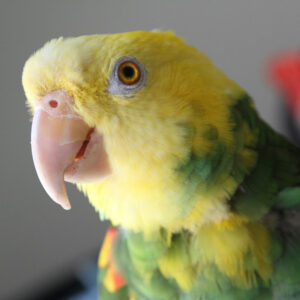

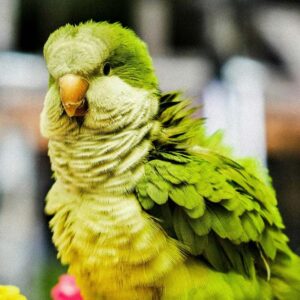
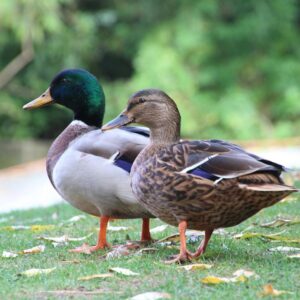
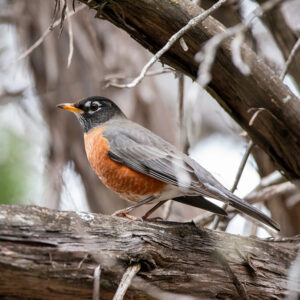
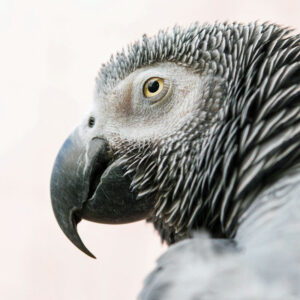
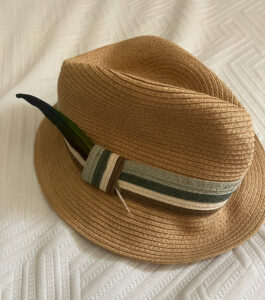
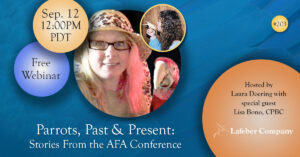 Join us for a FREE, live, interactive webinar hosted by Laura Doering, former editor of Bird Talk magazine and Birds USA magazine. Our special guest, Lisa Bono, CPBC, owner and operator of The Platinum Parrot and a certified parrot behavior consultant specializing in African grey parrots, presents the latest episode of her new series. She was recently Lafeber’s roving reporter at the American Federation of Aviculture’s 51st Annual Conference that was held in Raleigh, NC. Lisa will talk about the AFA and what goes on at the annual conference. Lisa is known for her detailed & very fun reports from bird meetings. “Flying into the Future” is the theme this year. Join us to see what interviews and pictures she has for us this time!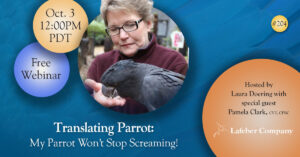
 Join us for a FREE, live, interactive webinar hosted by Laura Doering, former editor of Bird Talk magazine and Birds USA magazine. Our special guest, Tom Tully, DVM, DABVP (Avian Practice), DECZM (Avian), will answer your questions about pet bird health, nutrition, and care. Dr. Tully, a decorated professor and practicing veterinarian at Louisiana State University School of Veterinary Medicine, is an internationally known Veterinarian who has earned specialties in Avian medicine in the United States as well as in Europe. Having this type of access to a Veterinarian of his status is rare, but Dr. Tully believes in the educated bird owner as being the best bird steward. Dr. Tully answers each question in detail and shares his vast knowledge of birds, particularly parrots. Is your bird’s problem health-related or behavioral? Are you offering the right foods to your pet bird? Ask the Vet!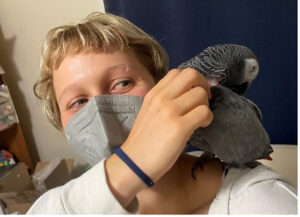
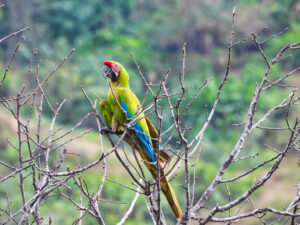
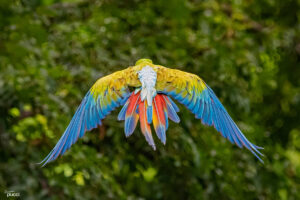

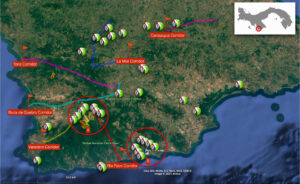
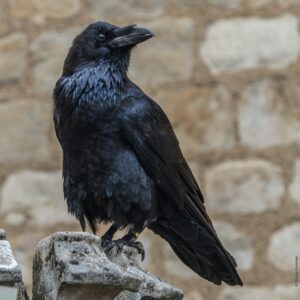
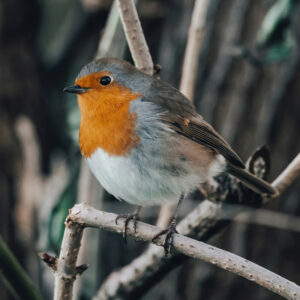
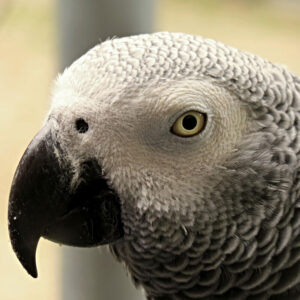
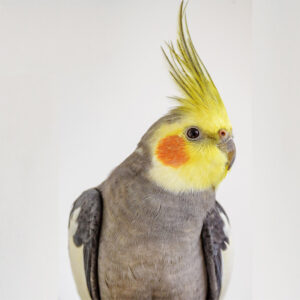
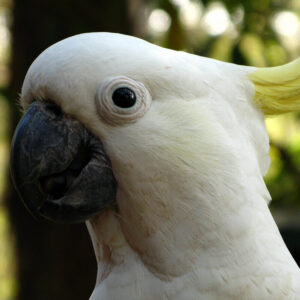
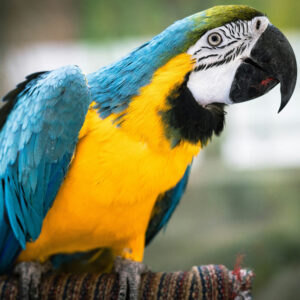
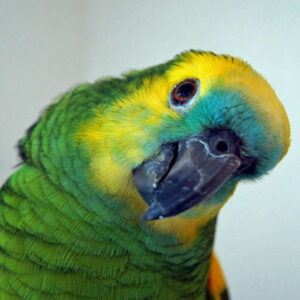
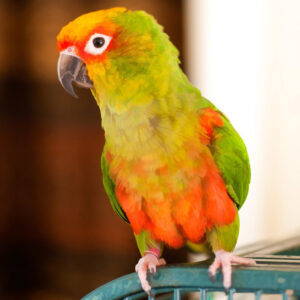
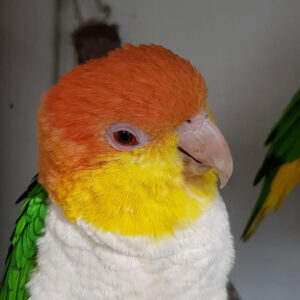
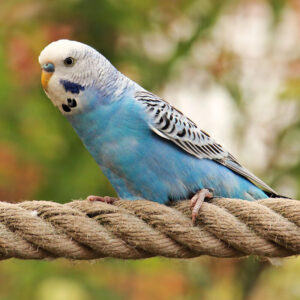
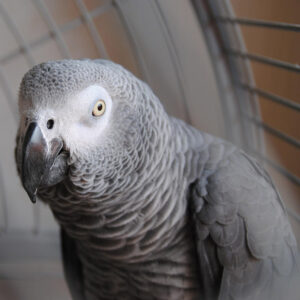
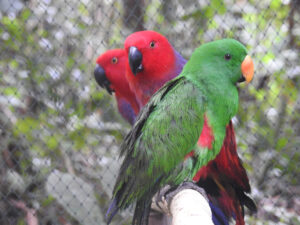
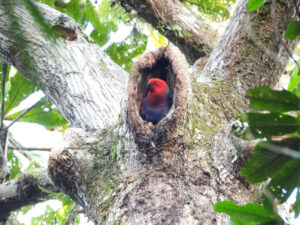
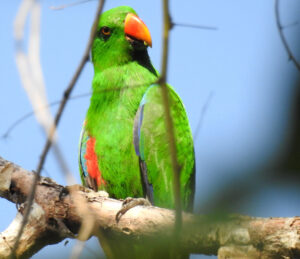
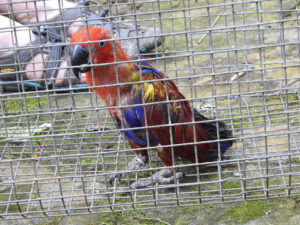
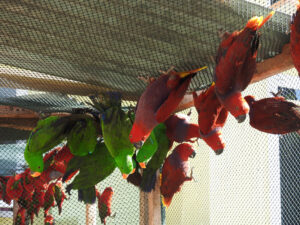
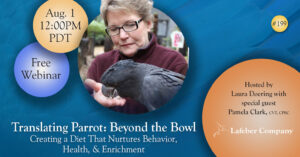 Join us for a FREE, live, interactive webinar hosted by Laura Doering, former editor of Bird Talk magazine and Birds USA magazine. Our special guest,
 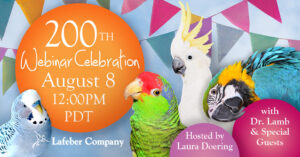 Join us for a FREE, live, interactive webinar hosted by Laura Doering, former editor of Bird Talk magazine and Birds USA magazine. Our special guest, Stephanie Lamb, DVM, DABVP (Avian Practice), will talk about being the first presenter of the Lafeber Pet Birds Webinars. We will welcome other special guests live and by video message. And, of course, there will be giveaways!
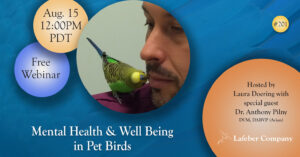 Join us for a FREE, live, interactive webinar hosted by Laura Doering, former editor of Bird Talk magazine and Birds USA magazine. Our special guest, Dr. Anthony Pilny, will discuss mental health in pet birds. Mental health is a key component of overall health and is closely linked to physical health; thus, it is vitally important to address and nurture in our pet birds. Achieving states of well-being leads to emotional stability and may reduce undesirable behavioral issues as well as prevent chronic diseases. Parrots are highly intelligent and need stimulation and social interaction, much like is known in people. An understanding of essential components of a bird’s life and the ways we often obstruct health, as well as ways to improve well-being, is key to keeping healthy and happy birds.
 Join us for a FREE, live, interactive webinar hosted by Laura Doering, former editor of Bird Talk magazine and Birds USA magazine. Our special guest Tom Tully, DVM, DABVP (Avian Practice), DECZM (Avian), will answer your questions about pet bird health, nutrition, & care. Dr. Tully, a decorated Professor & practicing Vet at Louisiana State University School of Veterinary Medicine, is an internationally known Veterinarian who has earned specialties in Avian medicine in the United States as well as in Europe. Having this type of access to a Veterinarian of his status is rare, but Dr. Tully believes in the educated bird owner as being the best bird steward. Dr. Tully answers each question in detail and shares his vast knowledge of birds, particularly parrots. Is your bird’s problem health-related or behavioral? Are you offering the right foods to your pet bird? Ask the Vet!
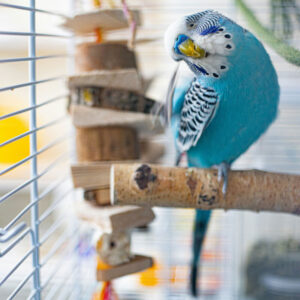
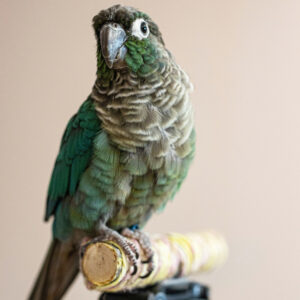
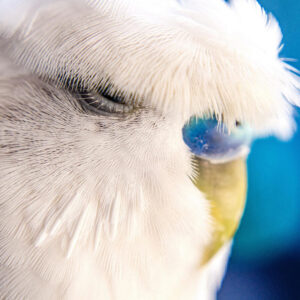
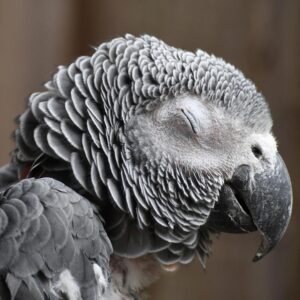
 at the top of the camera screen.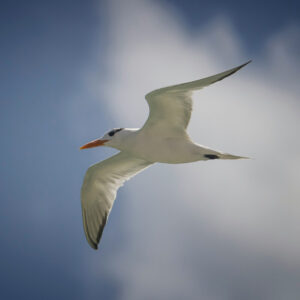

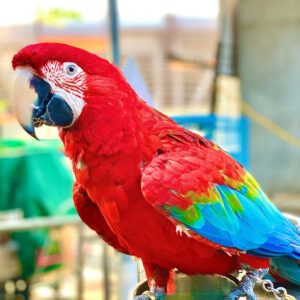
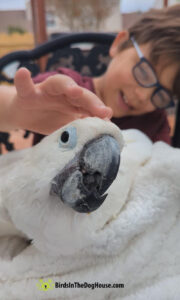
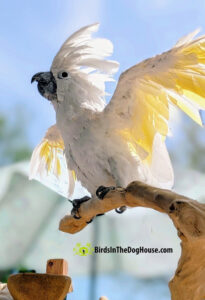
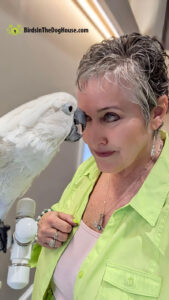
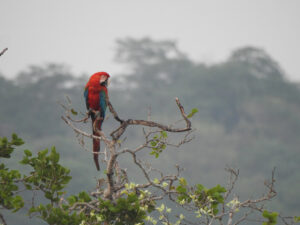
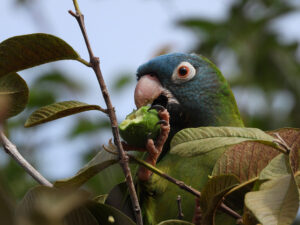
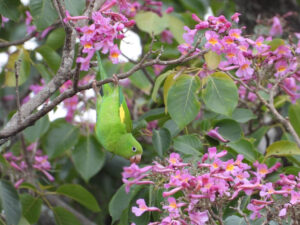
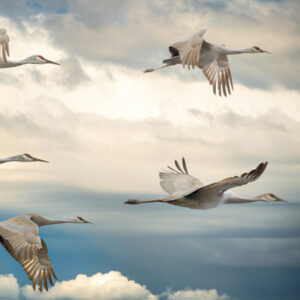
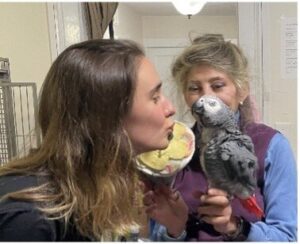
 Join us for a FREE, live, interactive webinar hosted by Laura Doering, former editor of Bird Talk magazine and Birds USA magazine. Our special guest, Pamela Clark, is a well-known author, speaker, IAABC CPBC & retired CVT. Pamela will present Episode 13 of Translating Parrot, a Lafeber Pet Birds Webinar Series focusing on Parrot Behavior & Wellness, based on Pamela’s years of experience with a wide range of parrot species. In this episode, Pamela will answer questions from viewers about baffling behavior issues! This is your chance to ask her about something your parrot does that has you stumped. Pamela’s advice will help you translate what your parrot wants & needs in the newest installment of this informative series!
 Join us for a FREE, live, interactive webinar hosted by Laura Doering, former editor of Bird Talk magazine and Birds USA magazine. Our special guest, Dr. Stephanie Lamb, DVM, DABVP (Avian Practice), will continue her Avian disease deep dives with a discussion on an all-too-common disease. Psittacosis, ornithosis, chlamydiosis, parrot fever – a disease with many names and nothing good about it! Dr. Lamb will explore this complex, zoonotic disease and how it affects our parrots and those who live with them. She will cover this disease from diagnosis, managing a case, and trying to prevent it, in this insider’s view of the daily happenings at your Avian Vet’s clinic.
 Join us for a FREE, live, interactive webinar hosted by Laura Doering, former editor of Bird Talk magazine and Birds USA magazine. Our special guest Tom Tully, DVM, DABVP (Avian Practice), DECZM (Avian), will answer your questions about pet bird health, nutrition, & care. Dr. Tully, a decorated Professor & practicing Vet at Louisiana State University School of Veterinary Medicine, is an internationally known Veterinarian who has earned specialties in Avian medicine in the United States as well as in Europe. Having this type of access to a Veterinarian of his status is rare, but Dr. Tully believes that the educated bird owner is the best bird steward. Dr. Tully answers each question in detail and shares his vast knowledge of birds, particularly parrots. Is your bird’s problem health-related or behavioral? Are you offering the right foods to your pet bird? Ask the Vet!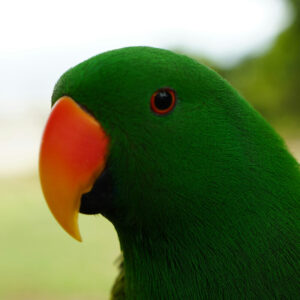
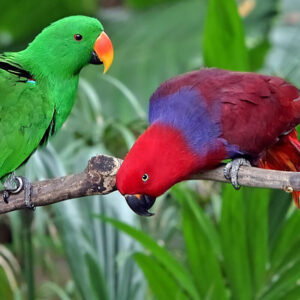
 Join us for a FREE, live, interactive webinar hosted by Laura Doering, former editor of Bird Talk magazine and Birds USA magazine. Our special guest, Lisa Bono, CPBC, owner and operator of The Platinum Parrot and a certified parrot behavior consultant specializing in African grey parrots, presents Episode 31 of The Grey Way, a Lafeber Pet Birds Webinar Series focusing on Congo & Timneh African grey parrots as pets. In this episode, Lisa will discuss summer safety. Summer brings the challenges of hot and extreme weather, travel, and visitors. Learn about the dangers that your bird might face and be prepared to have a safe summer! While Lisa will discuss some Grey-centric issues, her advice can be applied to all species.
 Join us for a FREE, live, interactive webinar hosted by Laura Doering, former editor of Bird Talk magazine and Birds USA magazine. Our special guest, Dr. Stephanie Lamb, DVM, DABVP (Avian Practice), will continue her Avian Medicine deep dives with a discussion about Mycobacteria. Mycobacteria is a rare disease in birds but it does occasionally appear. This bacteria is the causative agent of tuberculosis in humans but it tends to have a different effect in birds. Learn about this rare disease and what veterinarians have to do when they are treating it. Be sure to register to learn about Mycobacteria in depth in this insider’s view of the daily happenings at your Avian Vet’s clinic.
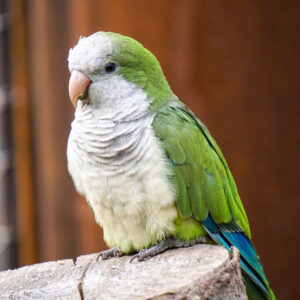
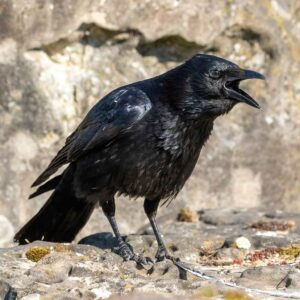
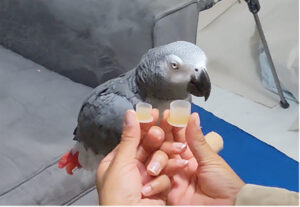
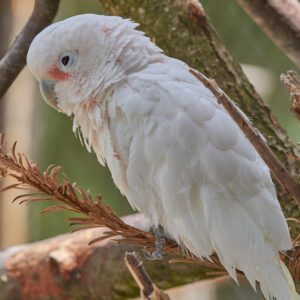
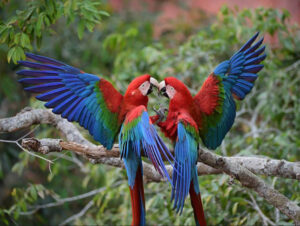
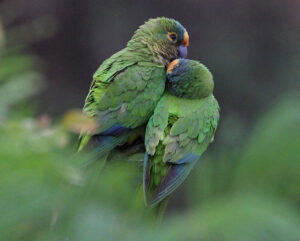
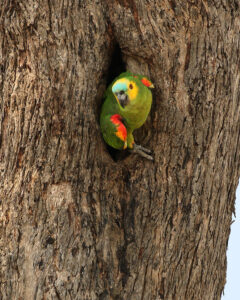
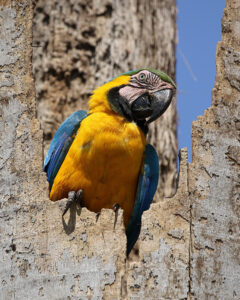
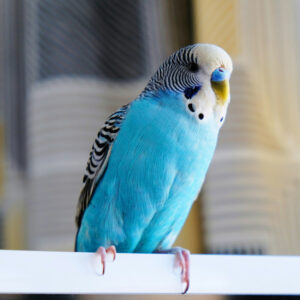
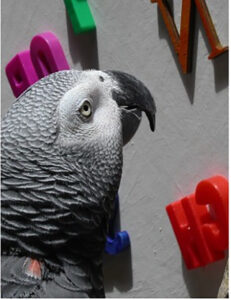
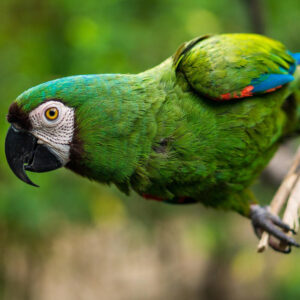
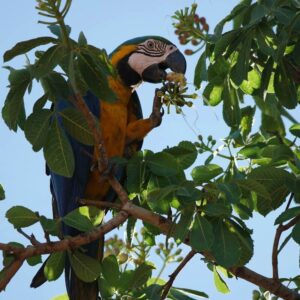
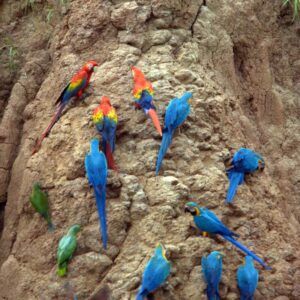

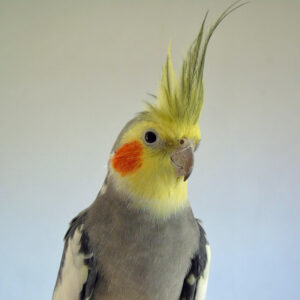
 Join us for a FREE, live, interactive webinar hosted by Laura Doering, former editor of Bird Talk magazine and Birds USA magazine. Our special guest, Lisa Bono, CPBC, will present episode 2 of her new series. In this installment, Lisa will take a look back through the decades at the evolution of cages for pet birds. The cages we know today are very different from what was available “back in the day.” Lisa will discuss what we have learned through the decades about bar spacing, cage materials, trays, stands, and more. Learn about the challenges of cages in the beginning and how improvements have made life better for bird and their owners. Join us for another fun and informative trip through the decades with Lisa!
 Join us for a FREE, live, interactive webinar hosted by Laura Doering, former editor of Bird Talk magazine and Birds USA magazine. Our special guest, Stephanie Lamb, DVM, DABVP (Avian Practice), will continue her Avian Medicine deep dives with a discussion on Aspergillosis. This is another issue we have touched on in many of our webinars. Fungal infections can sometimes be silent killers in birds. In this webinar, she will discuss what to look out for that could indicate that a fungal issue is the problem. She will also discuss how to treat this disease and what an owner can expect for future care. Be sure to register to learn about Aspergillosis in depth in this insider’s view of the daily happenings at your Avian Vet’s clinic.
 Join us for a FREE, live, interactive webinar hosted by Laura Doering, former editor of Bird Talk magazine and Birds USA magazine. Our special guest Tom Tully, DVM, DABVP (Avian Practice), DECZM (Avian), will answer your questions about pet bird health, nutrition, & care. Dr. Tully, a decorated Professor & practicing Vet at Louisiana State University School of Veterinary Medicine, is an internationally known Veterinarian who has earned specialties in Avian medicine in the United States as well as in Europe. Having this type of access to a veterinarian of his status is rare, but Dr. Tully believes in the educated bird owner as being the best bird steward. Dr. Tully answers each question in detail and shares his vast knowledge of birds, particularly parrots. Is your bird’s problem health-related or behavioral? Are you offering the right foods to your pet bird? Ask the Vet!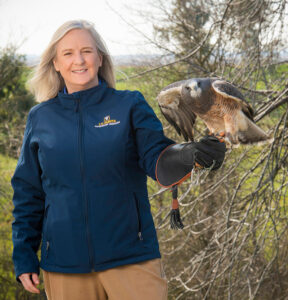
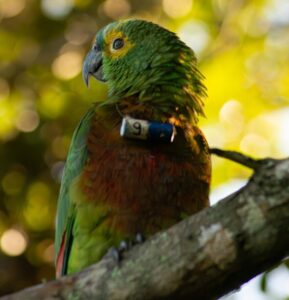
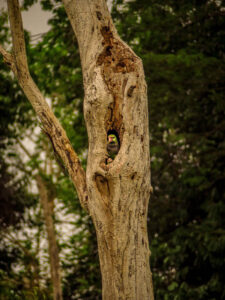
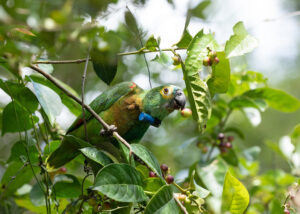
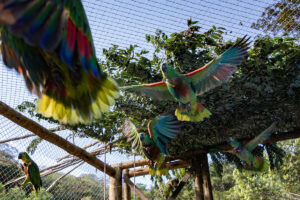
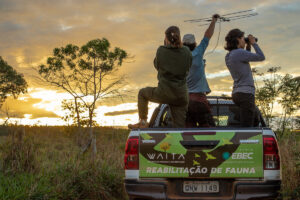
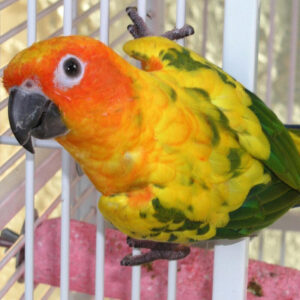
 Join us for a FREE, live, interactive webinar hosted by Laura Doering, former editor of Bird Talk magazine and Birds USA magazine. We will be celebrating our 5th Anniversary of Lafeber Pet Bird webinars with our special guest, Lisa Bono, CPBC! We have some giveaways planned, but we are most excited to announce that we will be launching a brand-new series with Lisa – Parrots, Past & Present. This series will take a look back through the decades at the ever-changing world of parrots in human care. Each episode will feature comparisons of then & now, including caging, toys, diet and general care. Lisa will start out this new series by discussing her beginnings as a bird owner and what inspired her to get her first pet bird. If we knew then what we know now – well, that is up to Lisa to talk about! This series will alternate with her Grey Way series.
 Join us for a FREE, live, interactive webinar hosted by Laura Doering, former editor of Bird Talk magazine and Birds USA magazine. Our special guest, Dr. Stephanie Lamb, DVM, DABVP (Avian Practice), will get back into her Avian Medicine deep dives over her next few webinars. She starts off by discussing Avian Gastric Yeast – AGY. We have touched on the issue in many of our webinars and realized it’s time to devote a webinar to this serious health concern. AGY is a common problem in smaller birds and can lead to lots of frustrations. In this webinar she will discuss what it is, how it is diagnosed, and various treatment options that your vet may want to use. Additionally, we will discuss the difficulties it sometimes causes in clearing it from an individual or a flock. Be sure to register to learn about AGY in depth in this insider’s view of the daily happenings at your Avian Vet’s clinic.