As much as the art of life is ever present in our day-to-day existence, so is the depiction of that life. For ages untold, people have drawn that which fascinates them on canvas elements that include cave walls, tree trunks, cement, and stone. Over the last batches of centuries, canvas has become a commodity that can be purchased and brought to life with our ability to draw and paint. And now, a street artist by the name of Nathan “Nyces” Murdoch has helped an owner of a terrace house to paint parrot murals onto the outside.
There’s No Mistaking The Parrot House
The house belongs to Gordon Squires, who is widely known in the city of Peterborough (a town of roughly 180,000 people located in the east of England) as the “birdman.” Squires is 92 years of age and has has lived in his newly painted house for more than 65 years. During his time in the house, Squires has cared for many exotic birds. Today, he is in possession of around 30, including parakeets, scarlet macaws, African Greys, and other birds. It was his goal to have his house reflect the passion that he has for the birds.
He hired artist Nathan Murdoch to paint three parrots in a mural upon the exterior of his house. After it was done, Squires decided that the three would not be enough, as there was clearly enough room on the outside of the house to paint more. And so, he inquired with Murdoch to “finish” up the entire exterior in beautiful bird art.
An Amazing Artist’s Magical Touch
The entire job required around 50 hours of work. Murdoch was assisted by his painting partner, Jonny Barton. In four days, the entire outside of the terrace house was completed. As the house was being painted, people from all over the area came to watch the painting efforts. Photographs were taken. When the house was finished, it became a landmark to enjoy, not only for the owner but also the neighborhood.
The art of Nathan Murdoch is often done with spray paint. He has painted a surprising amount of “canvas” that include vehicles, cement, and now, of course, the house of Gordon Squires. Murdoch painted the parrots while his painting partner concentrated on the foliage and the backgrounds. In addition to the beautiful work on the parrot house, Murdoch has painted many stunning murals that include Super Mario, Sonic the Hedgehog, and a variety of other subjects. He chronicles his work on his Facebook, including the parrot house in Peterborough. We expect that the art of Nathan Murdoch will become much more visible over the next few years and much more in demand.
There are several smaller parrot species in Australia that deserve our attention, including the superb parrot, the swift parrot, and the orange-bellied parrot. These birds are brightly colored and beautiful, and are often critically endangered as well. There are also growing concerns about the status of the magical palm cockatoo.
Australia’s Difficult Bird Research Group (DBRG) is dedicated to understanding why certain bird species are endangered and to developing new approaches to prevent their extinction. These are the species it labels as “difficult birds” because they are so hard to study. In addition to the smaller species, the palm cockatoo is also on DRBG’s radar because of its extraordinary nature and low reproductive success. DRBG is based at the Australian National University.
Orange-Bellied Parrot
Orange-bellied parrot chicks photo courtesy of DBRG
The orange-bellied parrot is the most threatened Australian parrot species, primarily due to loss of habitat. With a greatly diminished wild population, orange bellies are also bred in captivity for release to the wild. In 2016 only three females and 11 males returned to their breeding ground in rugged southwest Tasmania. However, data from recent years suggests that urgent conservation efforts are working, with the number of birds returning to their breeding grounds each spring now approaching three figures.
This early-stage recovery has been due to the implementation of urgent new approaches to prevent the extinction of this species, as well as solid research on how to reverse the decline. For example, altered fire regimes may be one cause of population decline. DBRG is working with the Tasmanian government to help manage fires in the buttongrass plains to ensure the preservation of the foraging habitat for orange-bellied parrots. And a proposed wind farm in western Tasmania would be required to shut down for five months so breeding of the orange-bellied parrot is not disrupted.
Swift Parrot
Swift parrots rely on flowering trees as a food source. Photo courtesy of DBRG
The swift parrot is a migratory parrot found only in southeastern Australia, with a breeding range in eastern Tasmania. It has also been threatened by sugar gliders, who kill and eat the females while they are incubating their eggs. Sugar gliders are native to the Australian mainland but were introduced to Tasmania where they are now decimating the swift parrot population. Swift parrots have unique habitat requirements – flowering trees for food and preferred tree hollows for nesting that are now rare. Having the right nest dramatically changes the potential for breeding successfully. With climate change and continued habitat destruction, it’s not always possible to find these nests at the time needed for breeding. Therefore, protecting known acceptable nests is now a high priority.
Superb Parrot
The superb parrot (Polytelis swainsonii), also known as Barraband’s parakeet, consumes a diet consisting mainly of eucalypt flowers, fruits, nectar and pollen. Photo courtesy of DBRG
The superb parrot also faces major nesting and feeding habitat losses due to climate fluctuations and land clearing. By conservation standards, it is considered vulnerable, but it is headed toward endangered status. Action is needed now. DBRG is tracking the breeding pairs, defining territories and tree preferences, and making suggestions for more productive nesting sites.
Palm Cockatoo
A palm cockatoo pair perches near a tree-cavity nest. Photo courtesy of Christina N. Zdenek
Lastly, the unique palm cockatoo is facing a risky future. Planning its protection is essential. Unlike any other animal, palm cockatoos make a tool from a stick that they then use to attract a female by creating their own unique drum-like sound against a hollow trunk. Palm cockatoos are found in small groups in far northern Queensland, but are very hard to locate, so studying them can be a challenge. Females are thought to lay only one egg every two years, and that egg only has a 20% chance of surviving through fledging. Queensland upgraded the palm cockatoo from vulnerable to endangered status in 2021 due to threats from bauxite mining and changed fire regimes. There is clearly a need to better understand how this fascinating species can be conserved!
Lafeber’s GLOBAL PARROT grant this month goes to support the work of the Difficult Birds Research Group at the Australian University. You can learn more about their projects here: https://www.difficultbirds.com/
Pale Male, a red-tailed hawk, was well-known in NYC’s Central Park. jeremy Seto, CC BY-SA 2.0, via Wikimedia Commons
Dwellers in New York City find their outdoorsy beauty in the “wilds” of their famed Central Park. They attend the show often. In fact, they have their favorites, all known by name. Recently, an escaped Eurasian eagle owl, from the enclosure at the nearby zoo has enjoyed his freedom with the zoo officials deciding that his enjoyment of the open air was more important than his recapture. His name is Flaco, and he is the subject of many photos from the dedicated bird watchers in Central Park. Another famed bird that was viewed every day by the faithful was known as Pale Male. He was a red-tailed hawk.
Pale Male resided in Central Park since 1991 and is considered a legend. Some birders report that they got into the fun of birding because Pale Male was quite visible and frequently seen. On May 16, the birders of Central Park went into mourning after the reported death of the icon. They have taken to the Manhattan Bird Alert twitter account to post photos and to give brief homage.
A Hawk In The City
Pale Male had such notoriety that he was featured in a 1.5-hour documentary in 2009 called “The Legend of Pale Male.” (You can watch that for free here.) The video concentrates on the first time that Pale Male was recognized more than 30 years ago. He was also featured in an episode of “Nature” and is the subject of three children’s books. Such was the fame of Pale Male.
The cause of death is thought to be renal failure due to old age. Bobby Hovarth, a wildlife rehabilitator, was notified by a park ranger after the hawk was discovered to be seemingly ill and made the trip to get the hawk for veterinary care. Pale Male ate feebly yet showed no change in his weakened state. Hovarth made the announcement to his Facebook account after Pale Male had died. Nevertheless, Pale Male left behind a memorable legacy.
Pale Male had several mates during his lifetime, with his last being Octavia. His fame grew even further when, in 1993, Pale Male and his then-mate, Lola, took up residence on a Fifth Avenue apartment complex window ledge. In 2004, outrage set in as well as a firm hand-slap from the US Fish and Wildlife Service when the apartment removed the nest that Pale Male and Lola created. (Raptor nesting sites are federally protected.) After a short but riotous furor from NYC’s birders, the apartment co-op built a new holder for nesting on the ledge. Pale Male and Lola returned and built a new nest. To date, there have been five known mates: Chocolate, Blue, Lola, Lima, and Octavia. Pale Male survived all but the latter. He has many descendants.
It’s little secret that Pale Male outlived most red-tailed hawks, who have a typical lifespan of 10 to 15 years. Pale Male amply exceeded that limitation quite easily, and for that, his death is celebrated more as the bird that thrilled the birding community in NYC. He was 32 years old, an amazing feat all by itself.
Poster for a conference at the Media Lab in Spring, 2000; picture of one of our parrots using our primitive controller and screen to access the system. Courtesy of Dr. Irene Pepperberg
I’m sure many of you saw the news about how scientists have developed a system whereby parrots can interact with one another online. I did a wee bit of consulting with the authors because I had worked on the original idea with a number of students while I was at the Media Lab, beginning in 1999.
At the time, we called our project “InterPet Explorer” (for the younger folks amongst you, that was a take-off on the name of the old web browser, Internet Explorer). Although quite sophisticated for the time, our project was a pretty primitive attempt. In 1999, neither the hardware nor the software existed to make something that would actually work at the level that is now possible. We were thrilled to be able to use a brand-new LCD (liquid crystal display) monitor, which was necessary for the birds to see something that is somewhat appropriate color-wise and that didn’t flicker in a bothersome range for them (which was the problem with the then-common CRT [cathode ray tube] screens).
At the time, a single LCD monitor cost about $3,000 (in 1999 dollars; in today’s dollars that is close to $5,500!). Because the monitor wasn’t set up to be used as a touch screen, we had to design a separate beak-proof controller—not a simple task. Even our computer processing power—again, state-of-the-art for 1999—was generally less than what a typical phone can do today! Thus, all that we could build was a very basic, “proof-of-concept” device…intriguing and somewhat news-worthy, but nothing that would be commercially feasible. See https://spectrum.mit.edu/winter-2001/smart-talk/. We presented the results in the spring of 2000 at a conference at MIT (see figures below). People were clearly interested, but the limitations were obvious.
Consequently, I was pretty excited to learn that colleagues working on animal-computer interfaces have finally succeeded! The advent of (relatively) inexpensive computer tablets, high-functioning processing power, and Wi-Fi connections have finally come together to make such a system possible. And I was thrilled not just that my colleagues had succeeded, but that when interviewed that they were also very careful about stating both the pros and cons of the system.
The pros are very clear: They emphasized how it can be used to give solo-living parrots access to other birds, to entertain them, and to allow them even to learn from one another on occasion. The authors also made it clear that the system should be used sparingly, and only in the presence of the owners—because the cons might not have been all that obvious, other than the fact that a parrot beak can easily take an unsupervised system apart in short order!
Specifically, the authors were very much aware that a given bird can be intimidated or scared by the other online bird, and that, quite possibly, the system could become addictive—the same pros and cons that social media have for humans. The system was NOT supposed to simply be an all-purpose “bird-sitter” that would supplant other important behavior patterns such as the use of foraging toys and time spent preening or napping—all essential to physical and mental well-being. Nevertheless, it is clear that this is a system that can be commercially developed into a useful addition for improving human-parrot and parrot-parrot interactions.
Thus, the comparisons with humans’ use of ZOOM are fairly obvious. When the system allows us to share our lives with friends who are far away, to collaborate with colleagues at various universities, etc., we find it a real bonus. However, we have all experienced some level of burnout; for example, during the pandemic, when life sometimes became a huge blur of one ZOOM meeting after another for days on end. The trick, therefore, is balance, and I hope that bird owners will appreciate and understand the best ways to use this new technology.
It’s no secret that we share a profound love of the vocal abilities of exotic birds. And one of the most fun of them all is when they sing. Each bird has their quirky musical preferences and often sings them out with gusto. Sometimes they add a nice groove of dance to go along with it. But when you have a creative human, who finds a unique and entertaining way to blend the vocals of a cockatiel, well — you get something that is impossible to shake off. This is the story of David Scott who has recently produced a song with the interesting vocal track of Ginger. Ginger was found on TikTok and Instagram with a video that gave Scott a musical idea.
Music To His Ears
Scott is known musically as The Kiffness. With his abilities, he is known for taking unusual animal vocalizations and creating electronic tracks that entertain those that subscribe to his YouTube channel. His channel has almost two million subscribers who anxiously await each of his collaborative productions. Not long ago, with a completed Ginger video, Scott uploaded the song to his The Kiffness channel and not long after, the video was racking up a ton of hits.
Scott searches Instagram and TikTok animal videos and uses instruments like keyboards, ukeleles, and guitars to create a song that has a sweet spot. Scott, in referencing the Ginger video says, “the duo is here to save humanity with its anthem.” The lyrics include lines such as: “the song has a supernatural ability to cure any sadness for you and me,” and “everybody’s singing the keekoo kee, restoring our faith in humanity.” Ginger was found on TikTok wondrously grooving to its own lyrics of “keekoo keekoo.” The finished Kiffness production is not to be missed.
Birds Dig It Too
And don’t think for a minute that The Kiffness with Ginger only entertains humans. In the comment sections of this specific video, one owner of a Quaker parrot says that his bird is hypnotized by this video. If in another room and this video comes on, the parrot will immediately fly into the room to watch it. Another comment states that his own cockatiel is into it so much that he himself must listen to it on headphones lest his bird gets involved. In just one month, the video had generated almost 3 million views and encouraged almost 3,500 comments. Watch The Kiffness with Ginger the Cockatiel sing the song, “Kookee Kookee” (Club Anthem). But be warned, it is a contagious song, which could very well not only have you return to it numerous times but may also stick in your head for some time to come.
While you’re visiting the Kiffness YouTube channel be sure to take in a few of his other video and song creations, all of which will certainly entertain leaving behind an infectious vibe.
Let’s take a moment to reflect on birds today. (Why, specifically, today? More on that in a bit!) Birds are everywhere. Their chirps and flutters are part of the fabric of our environment, so much so that it’s sometimes easy to take them for granted. Some people find birds to be annoying at times, i.e. a crow’s cawing (it might be a young crow asking for food; young crows look much like adults!), or they might not appreciate the chirping symphonies that greet the sunrise if it comes before the alarm clock sounds. But, make no mistake, birds do much more for us than we do for them, and, sadly, wild bird populations are on a continued decline.
If you Google “Why birds are important” or “Why we need birds,” etc. you’ll get a sense of why birds hold a special and vital place in the world we share. Birds transport seeds (via their droppings) and, by doing so, keep forests and ecosystems healthy. They keep insects in check, they pollinate plants, and so much more.
Bird Day
The last verified Carolina parakeet died in February 1918 in the Cincinnati Zoo. Here is a Carolina parakeet (Conuropsis carolinensis ) on public display at the Field Museum of Natural History, Chicago. “Conuropsis carolinensis (Carolina parakeet) 2” by James St. John, CC BY 2.0
May 4 is “Bird Day” and is credited as being the oldest avian holiday. Let it be a reminder to take a moment to be in awe and appreciative of the birds around us, and learn of ways to help our local wild bird populations.
Charles Almanzo Babcock, a nineteenth-century superintendent of schools in Oil City, PA, appreciated the value of birds when he established “Bird Day” in 1894 for his students. It was the first holiday in the United States dedicated to the celebration of birds and takes place every May 4.
Sadly, during Babcock’s lifetime, two well-known species endemic to North America would go extinct. According to the National Audubon Society, the last known wild Carolina parakeet was killed in Okeechobee County, Florida, in 1904, and the last captive Carolina parakeet died at the Cincinnati Zoo on February 21, 1918. The last known Passenger pigeon, named Martha, also at the Cincinnati Zoo, passed away in September 1914. She was thought to be 29 years old.
There are other bird holidays throughout the year across the globe, such as “World Migratory Bird Day,” coming up on the second Saturday in May in the U.S. and Canada, so by no means should our celebration of birds stop on May 4.
Webinar: The Grey Way — My Bird Wants That! But Does Your Bird Need That?
Date: Friday, June 9, 2023
Time: 12:00 pm PDT (double-check your local time with this time zone converter)
Join us for a FREE, live, interactive webinar hosted by Laura Doering, former editor of Bird Talk magazine and Birds USA magazine. Our special guest, Lisa Bono, CPBC, owner and operator of The Platinum Parrot and a certified parrot behavior consultant specializing in African grey parrots, presents Episode 20 of The Grey Way, a Lafeber Pet Birds Webinar Series focusing on Congo & Timneh African grey parrots as pets. In this episode, Lisa will discuss pet bird products and foods that aren’t in the best interest of your bird, no matter how much your bird, or you, might like it. From sleeping to caging, snacks & toys, Lisa helps you as a good bird steward make the distinction between harmless indulgence versus something that may require some tough love to remove or keep out of your pet bird’s life. While Lisa will focus on Grey-centric concerns, her advice will apply to any parrot species.
Missed our webinar? No problem! You can access the webinar in its entirety here:
Webinar: Ask the Vet with Tom Tully, DVM, DABVP (Avian Practice), DECZM (Avian)
Date: Friday, June 16, 2023
Time: 12:00 pm PDT (double-check your local time with this time zone converter)
Join us for a FREE, live, interactive webinar hosted by Laura Doering, former editor of Bird Talk magazine and Birds USA magazine. Our special guest Tom Tully, DVM, DABVP (Avian Practice), DECZM (Avian), will answer your questions about pet bird health, nutrition, & care. Dr. Tully, a decorated Professor & practicing Vet at Louisiana State University School of Veterinary Medicine, is an internationally known Veterinarian who has earned specialties in Avian medicine in the United States as well as in Europe. Having this type of access to a Veterinarian of his status is rare, but Dr. Tully believes in the educated bird owner as being the best bird steward. Dr. Tully answers each question in detail and shares his vast knowledge of birds, particularly parrots. Is your bird’s problem health-related or behavioral? Are you offering the right foods to your pet bird? Ask the Vet!
Missed our webinar? No problem! You can access the webinar in its entirety here:
Webinar: Avian Vet Insider: “Symptoms” and What They Might Mean
Date: Friday, June 23, 2023
Time: 12:00 pm PDT (double-check your local time with this time zone converter)
Join us for a FREE, live, interactive webinar hosted by Laura Doering, former editor of Bird Talk magazine and Birds USA magazine. Our special guest, Dr. Stephanie Lamb, DVM, DABVP (Avian Practice), will discuss why a vet visit is in order whenever your bird exhibits any type of symptom, or change in behavior, appetite, or appearance. While it might seem like it would be easy to know what is wrong based on a symptom, in most cases, there is a long list of possibilities. Some examples of “What is wrong with my bird” begin with “My bird is limping”, “My bird stopped eating”, “My bird suddenly can’t fly”, “My bird’s eye won’t open” or “My bird only wants to sleep”. The Clinic staff’s challenge is to help a bird owner understand that the Vet must see the bird & tests must be run in order to know how to help the bird. Dr. Lamb will go over some seemingly simple symptoms and some of the possible causes to help you understand the complexities of diagnosing a bird in this insider’s view of the daily happenings at your Avian Vet’s clinic.
Missed our webinar? No problem! You can access the webinar in its entirety here:
Science has studied almost every aspect of the lives of birds. In their studies, they attempt to discover how birds interact with the flocks they are a part of, how they work together to achieve a goal, and how they individually act to stay a vital part of the community that they’re affiliated with. Many species have unique approaches to their own existence, often passed down to others within the flock.
What science discovers is that birds, like other creatures, have commonalities with the human race in the way that binds us together as living beings. One of those is the social standing of birds within their own flock. A recent study by the University of Cincinnati, published in the Behavioral Ecology journal at Phys.org, details the interesting social aspects of the monk parakeet (commonly referred to as the quaker parrot or quaker parakeet).
Monk Parakeet Pecking Order
For a year’s period, the study, led by Annemarie van der Marel, sought to discover the social standing imperative of the monk parakeets by working with three groups of birds. The standing of each bird in each group was determined by their interactions within the group. The more well-placed the bird, the more aggressive they were with the others. Once the standings were determined, the tests to discover how those standings remained were put into play. The standings were noticed by how aggressive the bird was to another, and how each bird reacted to the aggression. If a bird was able to intimidate others, then it was on a higher level of acceptance. If a bird chose to move away from a pecking neighbor, it was determined to be lower on the social spectrum.
The researchers extracted several birds of varying degrees of social standing within each group. The birds were removed for a period of eight days to see how they would reintegrate into the flock. Would the bird retain its standing? Or lose it? As it turned out, the removed birds had lost a lot of social ground and needed to regain, if they could. As birds attain a top-tier standing within the flock, they must continually assert their dominance as others attempt to gain higher standing. By removal, the upper-echelon birds lost much of their rank. After reintroduction, the once “top bird” was found to be bullied by those who took over the position of rank.
When lower and mid-level ranked birds were reintroduced, they were not as bullied as the previous top-ranked birds were. It is assumed that the upper-ranked birds did not feel threatened by the lower-tiered birds and, as such, didn’t pay them much mind upon their return. But the new power elite simply refused to give up their new high ranks by letting the once highly ranked bird regain a position of standing.
The primary purpose of the study was to find ways to improve the health and well-being of all birds within captive environments. With birds being their natural selves, the structures must be evaluated to maintain a sense of safety. Interestingly, the monk parakeets are highly observant. They watch the fights among their flockmates to follow and to remember outcomes. They are aware of their places within the flock.
High rank within a flock allows for better access to food, and other good things meant for survival. While the temperaments of the monk parakeet do not necessarily extend to other species and their modes of social standing, this study does offer insight as to how we might be able to work with other species in captivity to help ensure their safety. It is also a mirror of sorts to the human species, interesting in that we find that we share many traits. We’re all much closer to other species in the animal kingdom than we realize.
African grey Griffin isn’t one to play with toys, but appears to like making his own towel-burrito-style toy. Image courtesy Dr. Irene Pepperberg
As I’ve mentioned several times before, Griffin just isn’t “into” playing with standard parrot toys. He has ignored all the fancy ones we have offered, avoiding everything we’ve tried. [Athena, in contrast, loves playing with her toys—she especially enjoys chewing on those made of softwood, parrot-safe pine cones, and dried corn.]
When on or in his cage, the only objects Griffin likes are ones we make out of construction paper—we roll up several sheets, tie them with a piece of parrot-safe rawhide, and then feather the ends. He spends a decent amount of time chewing these every day. If he is on a table, however, he’ll play with a spoon or a small plastic measuring cup—but not when he’s on his cage. He has also ignored foraging toys in his cage but, again, when on a table or in a testing situation, will do something like pop a plastic lid from a cup to get food—even when the same food is available for free (Smith et al., 2021)—that is, he engages in contrafreeloading.
We understand the contrafreeloading behavior—Griffin gets to play with something fun and get a treat, as opposed to just getting the treat. And although we don’t quite understand why he ignores standard parrot toys, we accept his preferences. Moreover, given that he’s usually involved in a number of different cognitive studies at any one time, we aren’t at all concerned about his being bored. Nevertheless, we were extremely surprised to see that he has begun to make his own foraging toy! The background is as follows….
Griffin The Toy Maker
A close-up of African grey Griffin’s self-styled “food burrito” foraging toy. Image courtesy of Dr. Irene Pepperberg
Recently, Griffin’s arthritis has become bad enough that he has had trouble perching on his food bowls, so we have begun to put his cooked grains on a clean paper towel in a corner on top of his cage instead. He happily eats that way, and we figured that we had solved the problem. One day we noted that he was spending an inordinate amount of time in that corner, and wondered why. When we investigated, we saw that he had actually folded the towel around his food to make a pretty fancy kind of burrito-looking object! (See figures below—and this one isn’t even his best.) He subsequently spent a good part of the rest of the afternoon chewing a big hole in it and then eating the rest of his lunch.
African Grey Griffin
As it turned out, his behavior wasn’t a one-off occurrence. He now does this burrito-building on a daily basis. Maybe it is just another chance to play with something made of paper (and now infused with the flavors of his food)? The only downside is that he has become rather protective of his creation. Consequently, it isn’t all that easy now for the research assistants to clear away the lunch “burrito” so that they can replace it with his dinner grains. We figure that once he begins to realize the pattern—that he gets fresh food and the chance to make a second toy at dinner time—he will become more accommodating.
I’m sure Griffin is not the only parrot to engage in such behavior—but for a bird who has shown so little interest in toys over the course of his lifetime, I have to say that the moral of the story is that these parrots never cease to surprise us!
Reference
Smith, G.E., Greene, D., Hartsfield, L.A., & Pepperberg, I.M. (2021). Initial evidence for contrafreeloading in Grey parrots via the opportunity for playful foraging. J. Comp. Psychol.135(4):516-533.
A grey-breasted parakeet, which is a species of conure, perches on a branch in its native Brazil. Image courtesy Biologist Fabio Nunes/Aquasis
If you have been to Latin America, then you may know that smaller hookbills with long tails are commonly referred to as parakeets – birds we call conures in the U.S. The grey-breasted Parakeet (Pyrrhura griseipectus) was once widely found across northeastern Brazil but now is only found in five locations in the Brazilian state of Ceará. Reduction in its population is a result of the usual conservation challenges — the destruction of the humid mountain forest habitat, which has been reduced to about 13% of its original scope, along with illegal poaching for the pet trade.
In 2003, the Brazilian government recognized the grey-breasted parakeet as critically endangered. In 2007, the non-profit organization AQUASIS founded the Grey-breasted Parakeet Project. AQUASIS was formed by a group of university students in 1992. Its original focus was marine mammal life and conservation. Today, it is also dedicated to the conservation of birds as well as ecological education.
image courtesy of Biologist Fabio Nunes/Aquasis
AQUASIS describes the plight of the Grey-Breasted Parakeet best, as found here on their website and reprinted here with their permission:
The Grey-breasted Parakeet is a social species and lives in family groups of approximately 4 to 15 individuals. This relatively small parakeet measures 22 to 28 cm in length, weighs an average of 5 grams, and eats a variety of fruits, seeds, and flowers. At dusk, they tend to congregate in tree hollows, or among palm leaves and bromeliads, as a means of protection from predators.
Grey-breasted Parakeets breed only once a year, from February to June, and females lay an average of 6 eggs. They nest in natural tree cavities, but as they are not able to excavate their own hollows entirely, they often take advantage of and augment holes created by woodpeckers. When new offspring are hatched, both parents share the task of feeding them. Sometimes a third member of the social group will also help with feeding, thereby supporting the parents in raising their offspring.
Main Threats
Capture of Grey-breasted Parakeets for the illegal pet trade is currently one of the main threats to the species because, in addition to reducing the number of wild individuals, this deplorable practice is responsible for the ongoing destruction of many of the rare, natural nesting cavities of the birds. Indeed, criminal pet traders and the demand of their buyers has resulted in the local extinction of this species from many locations where it is known to have occurred in the past.
A group of grey-chested parakeets take flight in Brazil. Image courtesy of Biologist Fabio Nunes/Aquasis
Deforestation also remains a serious threat to the future of Grey-breasted Parakeets persisting in the wild, as it diminishes the availability of feeding areas and breeding locations, forcing the birds to wander and establish themselves in other locations that remain suitable for their needs.
Knowing the Grey-breasted Parakeet’s population size and understanding its trends over the years is fundamental to directing conservation efforts as the species still faces the possibility of becoming extinct. Supporting sites that are known territories and making artificial nest boxes available to the species is an essential function of the project and helps to collect more accurate life history data.
In 2022, a record number of 472 parakeets fledged from our nest boxes, and with the continuation of these efforts, the number is expected to keep increasing in the coming years. The artificial nest boxes that are installed and maintained by the project team are an extremely important conservation strategy for the Grey-breasted Parakeet. As the species reproduce only once a year, the availability of nests is essential for the reproductive process to occur normally.
A grey-chested parakeet peeks out from a tree cavity in Brazil. Image courtesy of Biologist Fabio Nunes/Aquasis
Time: 12:00 pm PDT (double-check your local time with this time zone converter)
Join us for a FREE, live, interactive webinar hosted by Laura Doering, former editor of Bird Talk magazine and Birds USA magazine. Our special guest, Lisa Bono, CPBC, owner and operator of The Platinum Parrot and a certified parrot behavior consultant specializing in African grey parrots, presents Episode 19 of The Grey Way, a Lafeber Pet Birds Webinar Series focusing on Congo & Timneh African grey parrots as pets. In this episode, Lisa will discuss how to make the most out of your bird’s cage & play areas. She will show the best way to arrange food, foraging, toys & perches to encourage healthy feeding, play & exercise for all parrots, including those with mobility issues. While Lisa will focus on Grey-centric concerns, her advice will apply to any parrot species.
Missed our webinar? No problem! You can access the webinar in its entirety here:
Webinar: Avian Vet Insider—Free Feeding or Meals — What is Best for Parrots?
Date: Friday, May 12, 2023
Time: 12:00 pm PDT (double-check your local time with this time zone converter)
Join us for a FREE, live, interactive webinar hosted by Laura Doering, former editor of Bird Talk magazine and Birds USA magazine. Our special guest, Dr. Stephanie Lamb, DVM, DABVP (Avian Practice), will discuss a new trend of feeding meals to parrots, where they only have access to food for each meal rather than free feeding – having food available at all times. Dr. Lamb will explain the major benefits of free feeding and why it fits more with their physiology in this insider’s view of the daily happenings at your Avian Vet’s clinic.
Missed our webinar? No problem! You can access the webinar in its entirety here:
Webinar: Ask The Vet: Q&A With Tom Tully, DVM, DABVP (Avian Practice), DECZM (Avian)
Date: Friday, May 19, 2023
Time: 12:00 pm PDT (double-check your local time with this time zone converter)
Join us for a FREE, live, interactive webinar hosted by Laura Doering, former editor of Bird Talk magazine and Birds USA magazine. Our special guest Tom Tully, DVM, DABVP (Avian Practice), DECZM (Avian), will answer your questions about pet bird health, nutrition, & care. Dr. Tully, a decorated Professor & practicing Vet at Louisiana State University School of Veterinary Medicine, is an internationally known Veterinarian who has earned specialties in Avian medicine in the United States as well as in Europe. Having this type of access to a Veterinarian of his status is rare, but Dr. Tully believes in the educated bird owner as being the best bird steward. Dr. Tully answers each question in detail and shares his vast knowledge of birds, particularly parrots. Is your bird’s problem health-related or behavioral? Are you offering the right foods to your pet bird? Ask the Vet!
Missed our webinar? No problem! You can access the webinar in its entirety here:
Cockatiels are great fliers, even with a recent wing-feather trim. A sudden fright, gust of wind, or just being in the wrong place, wrong time —like out of the cage when the front door is opened or a window is left ajar — can instantly turn a normal day into a frantic one as you search for your lost bird in the great outdoors. Photo by bluepaints/Pixabay
The birds that live within our homes have unique perspectives on the sphere of life that they are engaged in. It’s almost always a given that our birds have a love of music, often displaying preferences with style by rapt attention and “gettin’ down with it” to the various kinds of music that they’re exposed to. But when the music they love is a factor in retrieving a lost bird, it only stands to reason that music could be used as a tool to recover wayward birds who make their way outside when a door is open for a second too long. That’s the case for Joel, a pet cockatiel who lives in Myrtle Beach, South Carolina, as he took an open door for an invitation to roam.
Joel was adopted by his owner 18 months ago from a rescue adoption facility. In the 18 months that Joel lived with his owner, he learned some of the hits from the catalog of the music of Billy Joel. Obviously, his infatuation with Billy Joel’s music contributed to the naming process. As songs go, it’s “Uptown Girl” that has captured the fancy of the cockatiel becoming its favorite song. With Joel’s escape through an open door, the owner quickly moved to the standard method of discovery by posting “Lost Bird – Reward” flyers. They were posted with the essential help of an international service known as ParrotAlert.com, which uses mapping technologies to help narrow the route to help locate a lost bird.
Nine Days Gone
After nine days with no notices, hope began to wane until a text alerted the owner to the possibility that Joel had been located. An agile worker at the SkyWheel ride (a 200-foot-tall ferris wheel at the beach) heard chirping while 100 feet up on a ladder. It’s there that the worker saw Joel standing on a gondola bar. Being people-aware and trusting, the bird made his way to the worker and perched on his shoulder. Joel was then wrapped in the worker’s hoodie for the descent. Soon, one event led to another, and the flyer eventually sparked a memory that led to the eventual reconnection.
After the connection, the staff played “Piano Man” for the bird, and Joel immediately began grooving to the tune. When that behavior was recognized, they were assured that the lost cockatiel mentioned in the flyer had indeed been found. Pictures of Joel sitting on the shoulder of the office staff were sent, and the recovery was soon completed.
Once the owner and Joel were reunited, a quick visit to the vet was necessary to check him out. After all was deemed well, Joel and his owner were happy to be back with each other once again. Joel had been on an adventure. And it was music that helped to reunite Joel with “Mom.” One of the takeaways from this is that specific familiarity played an important part in identifying who Joel was. The flyers were essential in spreading that information to a wider audience. We’re quite pleased that Joel found his home again.
It’s official—Blossom and Frankie are two geese in love. The couple (photo center) take a stroll through the water surrounded by mallards Canada geese, and a swan. Image courtesy of Riverside Cemetery, Marshalltown, Iowa.
In the wilds of nature, creatures pair up in many ways. For many, there are courtships for the sake of mating. But for some, it’s quite simply “love at first sight.” They develop long-term monogamous relationships and stay with each other for life. There are wolves, primates, beavers, reptiles, and more that remain in relationships throughout lifespans. In the world of birds, there are barn owls, the pride of America’s Bald Eagle, the swan, and geese. And we have a special story of a female goose whose long-time mate has died leaving her to become forlorn.
In Riverside Cemetery, located in Marshalltown, Iowa, a pair of geese had lived for a long time as a couple. Affectionately named Bud and Blossom, they made their home on the lake within the confines of the cemetery. They often wandered to the front office in search of extra food and love. Unfortunately, Bud passed away in August of 2022. This left Blossom wandering the cemetery sadly, often coming to the front office and watching her reflection in the glass of the windows and tombstones that have reflective surfaces. Her demeanor had changed, and it was clear to the staff that Blossom was exhibiting grief, loss, and loneliness. After a time, it was evident that something needed to happen.
Blossom Finds Love Again
The staff decided on the tried-and-true method of personal ads. The ad stated that “a lonely, widowed domestic goose” was looking for a “life partner for companionship.” It wasn’t long before the ad was answered by a couple who had a recently widowed male goose. They called the park, and the two paired up on Valentine’s Day. What occurred was surprising as much as it was life-changing. The new goose, named Frankie, was introduced to Blossom. Blossom meandered up to Frankie, and the pair simply began to walk off together. Since then, they have become inseparable.
This story has gone viral, being addressed in many news services and pages. The Facebook page for Riverside Cemetery has no shortage of photos, anecdotes, and videos of the pair walking in and around the lake. The new couple (as were the old couple) is the pride and joy of the staff and park, something that we adore. If you visit the page, you will find every news item released, and every proud photo depicting them. And beautiful they are. The previous owners of Frankie occasionally visit him. He is excited to be near them when they arrive. But love, being what it is, the story of Bud and Blossom has come to a close, but happily, the story of Frankie and Blossom is just beginning.
The Republic of Costa Rica in Central America is known for its incredible biodiversity. The people, known to themselves as “Ticos,” have elected to honor and protect their native lands and animals through their laws and national parks. This desire to respect nature and its many species is now embedded in their culture. The population has a 97% literacy rate because they also highly value education, a decently paid workforce, and a stable democracy. It is an amazing country, a global model in many ways. In 2017, National Geographic named Costa Rica as the happiest country in the world. Pura Vida, literally meaning pure life, is a common phrase amongst the Ticos.
Costa Rica is also geographically interesting because it borders the Caribbean Sea to the east and the Pacific Ocean to the west. Between shores, there are mountains, and active volcanoes, and a quarter of the central area is comprised of protected jungles. It has a year-round tropical climate, with wet and dry seasons. Ecotourism is a major industry in Costa Rica for good reason, and it remains one of the safest countries in Latin America for travel. English is widely spoken.
Home To The Great Green Macaw
Costa Rica is also home to the magnificent Great Green Macaw (Ara ambiguus), the second largest parrot to the hyacinth macaw. It is red-listed as critically endangered by the IUCN. There are only an estimated 500-1000 Great Greens remaining in the world, with about half of those being on the eastern side of Costa Rica. There are a few smaller groups in parts of Nicaragua, Panama, Columbia, and Honduras.
When I was in Costa Rica in 2000, the Great Green macaw was highly endangered and only a couple hundred supposedly remained in the wild. An American couple, Margo and Rich Frisius, were doing their best to help recover the species under an organization they created called Amigo de los Aves. This organization has since changed leadership and names several times, but it has now been subsumed under the Macaw Recovery Network (MRN). MRN is working hard to grow the Great Green and Scarlet Macaw populations, and it’s making some remarkable strides!
Planting The Seeds Of Hope
One of the biggest challenges to the survival of the Great Green is access to mountain and sea almond trees, used for food and nesting during the breeding season, which is from December to June. The lowland forests were largely decimated decades ago for farming and cattle land. So, the macaws often need to fly long distances to find sufficient food. María Elena Munguía Jiménez, a volunteer for the MRN, had a brilliant idea. After monitoring macaw nests for six months, she saw through simple observation that the parents needed to go farther and farther away to find food to feed their chicks. She suggested that if trees were planted closer to nesting areas, they would not have to fly up to 40 kilometers for sufficient food sources. In 2021, six women began germinating the mountain and sea almond trees in their homes, and in 2022 the local government gave them permission to build a nursery in Boca Topada. Thus began the nurseries managed by the Women Rangers. Their laudable goal is to raise 7,000 trees by mid-2024, each of which has been tenderly planted and nurtured in their nurseries.
During the non-breeding season, the Titor tree is also an essential source of food. The Titor is much harder to germinate and takes a long time to grow. It is not protected by the government like the mountain and sea almond trees, so MRN is asking farmers in the lowlands to plant more of these because food, more than habitat, may be the key to the survival of young macaws. Reforestation takes time, and for some trees, decades.
In February 2023, a group of Phoenix Landing volunteers had the privilege of meeting Mario Jiménez Segura, MRN’s Field Team Leader, and visiting the Women Rangers. Their dedication and enthusiasm are impressive! We were each allowed the opportunity to plant seedlings into pots as a token of our support and appreciation. And the good news – the Great Greens are making a comeback, but what they most need are more reforested areas. Starting in 2022, conservation groups are making a concerted effort to work together across borders to take an annual census during the non-breeding season by searching for roosting areas and counting the number of birds. In addition, people in Costa Rica are encouraged to report all Great Green sightings to MRN. We hope for even better news about their population increase in future years. Meanwhile, the Women Rangers are doing their part by planting the trees needed to sustain a growing macaw population!
Lafeber’s GLOBAL PARROT grant this month goes to support the continued repopulation of the Great Green Macaws of Costa Rica, specifically for the essential nursery and reforestation work by MRN’s Women Rangers. If you would also like to help or learn more, go to: https://macawrecoverynetwork.org/seeds-saplings-and-sowing/
Webinar: Avian Vet Insider—The Avian Musculoskeletal System
Date: Friday, April 14, 2023
Time: 12:00 pm PDT (double-check your local time with this time zone converter)
Join us for a FREE, live, interactive webinar hosted by Laura Doering, former editor of Bird Talk magazine and Birds USA magazine. Our special guest, Dr. Stephanie Lamb, DVM, DABVP (Avian Practice), will discuss the musculoskeletal system of birds and its vital role for normal flight, perching, and movement. She will discuss how this system works including a description of the mechanics of flight and common problems she encounters in pet birds. She will cover fractures and how to deal with them, nutritional disorders that affect the bones, hormone-related problems, and joint disorders in this insider’s view of the daily happenings at your Avian Vet’s clinic.
Missed our webinar? No problem! You can access the webinar in its entirety here:
Webinar: The Grey Way-An Owner’s Guide to an Avian Vet Visit
Date: Friday, April 21, 2023
Time: 12:00 pm PDT (double-check your local time with this time zone converter)
Join us for a FREE, live, interactive webinar hosted by Laura Doering, former editor of Bird Talk magazine and Birds USA magazine. Our special guest, Lisa Bono, CPBC, owner and operator of The Platinum Parrot and a certified parrot behavior consultant specializing in African grey parrots, presents Episode 18 of The Grey Way, a Lafeber Pet Birds Webinar Series focusing on Congo & Timneh African grey parrots as pets. In this episode, Lisa will discuss how to prepare your bird for a trip to the Avian Vet. Her talk will include how to reduce stress, what to bring, what to tell and ask your Vet, what to expect when you get there, and what to do if you have to administer medication. While Lisa will focus on Grey-centric concerns, her information will apply to any pet bird species.
Missed our webinar? No problem! You can access the webinar in its entirety here:
Webinar: Ask The Vet: Q&A With Tom Tully, DVM, DABVP (Avian Practice), DECZM (Avian)
Date: Friday, April 28, 2023
Time: 12:00 pm PST (double-check your local time with this time zone converter)
Join us for a FREE, live, interactive webinar hosted by Laura Doering, former editor of Bird Talk magazine and Birds USA magazine. Our special guest Tom Tully, DVM, DABVP (Avian Practice), DECZM (Avian), will answer your questions about pet bird health, nutrition, & care. Dr. Tully, a decorated Professor & practicing Vet at Louisiana State University School of Veterinary Medicine, is an internationally known Veterinarian who has earned specialties in Avian medicine in the United States as well as in Europe. Having this type of access to a Veterinarian of his status is rare, but Dr. Tully believes in the educated bird owner as being the best bird steward. Dr. Tully answers each question in detail and shares his vast knowledge of birds, particularly parrots. Is your bird’s problem health-related or behavioral? Are you offering the right foods to your pet bird? Ask the Vet!
Missed our webinar? No problem! You can access the webinar in its entirety here:
Dr. Irene Peppberberg “Zooms” with one of her African grey parrots. Courtesy of Dr. Irene Pepperberg
Prior to COVID, my parrots were used to my erratic travel schedule—yes, on my return from a trip I’d get the “cold wing” for a bit, but it was a common occurrence for me to tell them on a given evening something like, “You be good, I’ll see you in 6 days” instead of “tomorrow” or “Monday.”
And although Griffin does know numbers, Athena does not—but they both understand the difference between the two common endings (“tomorrow”, “Monday”) and the odd one (“x days/weeks). They both would exhibit a bit of surprise (pupil size, feathers/head position) at the latter. Nevertheless, they’d still gently nibble my nose with their beaks in farewell, and they seemed to accept that my random appearances and disappearances were just part of life.
Then came COVID…and for over two years, they saw me regularly. My schedule would change a bit from semester to semester, depending on how we were splitting up lab shifts among the few of us still working, but for months at a time, Griffin and Athena could depend on my presence at a given day and a given time. No more traveling, no more erratic schedule.
Zooming With the Flock
Dr. Irene Pepperberg on a Zoom call with one of her African grey parrots. Courtesy of Dr. Irene Pepperberg
And, of course, COVID brought videoconferencing: ZOOM and Skype. I’d meet with my lab manager regularly that way, and with former students with whom I kept in touch. Griffin and Athena seemed to understand something about the system. Although both would tap even a blank phone screen—maybe they saw an interesting reflection? When a familiar person was on a laptop or phone screen, they would aim for the nose to give it their beak taps, suggesting that they had some recognition of who was on the screen. Did they recognize the face or the voice? We don’t know; they could have just recognized the voice and aimed for the appropriate bit of face. And we didn’t do formal tests to see how they might respond to strangers.
We tried to take advantage of their screen-related behavior with respect to training sessions. Recall that during the worst of COVID, only one person was in the lab at a time—which meant we couldn’t do our normal two-person modeling (our M/R training). We, therefore, tried working over ZOOM, but it didn’t go well at all! Neither bird would respond to questions nor even stay attuned. Possibly they associated video with play-time rather than work? Maybe something about the video wasn’t clear enough (either the sound or picture—or both)?
Remember, their hearing range is different from ours (Gupfinger & Kaltenbrunner, 2017), so even if they could distinguish a voice from some other electrical noise, that doesn’t mean they could distinguish specific speech sounds. Ditto for their vision—they see in the ultraviolet (Birkhardt, 1989), so what they actually view on a screen is likely some oddly reduced version of reality.
Whatever Griffin and Athena did or did not see or hear, did or did not know, their behavior still suggested some way to deal with my post-COVID travel schedule and the extent to which it seemed to upset them. “Cold wing” was actually becoming a far too common reaction to me! What if I could interact with them, at least a bit, during the longer trips?
So, when I went to Australia for two weeks in November, I arranged a time to do “WhatsApp”…not easy, given that there is a 15-hour time difference between Sydney and Boston. For example, if it’s 4 p.m. in Boston, it’s 7 a.m. the next day in Sydney! When we tried it, both birds seemed really excited and it seemed to help at least a bit with their reactions upon my return.
So, as I sit in an airport lounge in LAX, en route to 10 days in Hong Kong, I’m eager to see what happens this time. A student and I tested her phone just before I left (pix below of a very, very tired Irene and two seemingly interested parrots!). Fingers crossed that I’ll be able to connect with them and that they will enjoy the process.
References
Burkhardt, D. (1989). UV vision: a bird’s eye view of feathers. Journal of Comparative Physiolgoy A, 164, 787-796.
Gupfinger, R., & Kaltenbrunner, M. (2017). Sonic experiments with Grey parrots. ACI2017, November 21–23, 2017, Milton Keynes, United Kingdom.
This not-so-official National Designation Day can sure come in handy for those of us who live with feathered companions. Are you still holding a grudge against your bird for destroying your table leg or chair … or chewing up your [insert item name here]? Well, birds are natural chewers so “the bad is on you” for not bird-proofing your home. That said, it’s no fun to discover something you love or need (TV remote/phone, etc.) all chewed up … but you really do need to get over it, move on and keep these no-no items out of beak’s reach.
March 9
Popcorn Lover’s Day
Popcorn Lover’s Day is celebrated on the second Thursday in March. Not only can you partake by popping your favorite kernels, but your feathered companion can also enjoy their own bird-friendly popcorn to snack along with you—break out a bag of Lafeber’s Popcorn Nutri-Berrie Treats. This isn’t your typical “people popcorn”; this treat is made from natural, wholesome ingredients and enriched with vitamins and minerals specifically so your bird can enjoy snacking in a nutritionally wholesome way.
Ever find that your bird’s contact calling or other natural vocalizations seem, well … a little more grating when you are overly tired? This year, 2023, Daylight Savings time begins March 12, at 2:00 a.m., which means it will feel like you are waking up an hour earlier come Sunday morning. National Napping Day is celebrated annually on the day following the return of daylight savings time to give us a chance/excuse to nap and catch up on the “hour loss” of our precious sleep. Since most parrots love a mid-day nap, chances are your feathered friend will feel extra special if you partake in naptime along with them. Do not, however, nap with your bird on you or next to you as you lie in bed because you can accidentally roll over and crush your bird. Instead, simply snuggle up on the couch/chair nearest your bird’s cage or wheel your bird’s cage into your bedroom to share in a communal snooze.
March 15
“Everything You Think You Know Is Wrong Day”
Here’s another National Day your family and friends probably don’t know about. But what does it mean? It is said that this funky holiday stands to remind us that we’re not always right; that it’s OK for us not to know everything. So what takeaway does this day offer pet bird enthusiasts? Well, here’s my own personal experience example: Years ago, I thought I knew how to care for a pet bird when I got my little budgie, Fred. But I was wrong on so many levels; from the all-seed diet to assuming he’d naturally take to me petting him, because, after all, my dog liked me to pet him from Day 1, so pet birds must love petting, too, right? Can anyone relate?
March 18
“National Awkward Moments Day”
This day was created to pay homage to all those times you made a fool of yourself in front of others. Sharing your home with a pet bird certainly comes with its own set of awkward moments … like trying to explain that strange, nonsensical talking or honking background noise callers might hear when you answer the phone; or returning home from work or an errand only to discover that you’ve been running around with a dropping on your shirt courtesy of your bird. National Awkward Moments Day is the one day of the year we can collectively say that awkward moments are a part of life … or as pet bird enthusiasts say, “Poop happens!”
Yes, the sentiment behind this not-so-official holiday is exactly as it sounds. Take a moment to put aside your daily stressors to do something fun. For example, if you are feeling the heat of getting your tax paperwork in order take a moment to do a silly dance for your bird (and see if he/she joins in), or speak like Goofy (as in Mickey Mouse’s friend) — your feathered friend will enjoy seeing a goofier you!
March 29
“National Mom & Pop Business Owners Day”
This day honors all small business owners. Time to hit up your favorite avian retailer/independent pet store again (or send a good “Yelp out” for your trusted vet, pet sitter, groomer, or other pet-bird service provider!). The toys and other avian accouterments you bought back on March 7 are waning by now, and you can again show your support of small businesses with a little more shopping for your bird.
Fill in the comment field below to share how you and your bird celebrated any of the above days. What did you need to get over on “Get Over It Day,” and what was the awkward bird-related moment you weathered in honor of “National Awkward Moments Day?”
The world is constantly in a state of flux, both for good and for bad. The bad seems to almost always be the most visible of both, because we’re often shocked by changes that hinder and hurt. But good is not always hidden under shadows. On occasion, there arises something — or someone — that strives hard to make a difference in the lives of creatures and those around them. That individual comes in the person of 12-year-old Spencer Hitchen.
Australia-based Hitchen has dedicated himself to the protection of the dwindling Glossy Black Cockatoo population. Recently, the eastern sub-species was listed as threatened by the IUCN, an organization that monitors the vulnerability of bird species. But Hitchen has a goal to help change that. Here’s the story:
A developer has been given the rights to construct a care and residential village for the aging population of Sunrise Beach. But the area of development is a definite section, albeit a small section, of essential habitats that help the Glossy Black Cockatoo to thrive as best it can. However, there is a consistent development of properties that slowly eat away at the natural environment, reducing the habitat to a smaller spread. This is a strong concern.
Saving Trees To Save Black Glossy Cockatoos
Hitchen, along with the support of his mother, has taken it upon himself to passionately campaign for ceasing the active development. Birdlife Australia agrees, as their fear is that the Glossy Black Cockatoo will suffer “death by a thousand cuts,” each cut being a small reduction of their habitat. The new construction that Hitchen is combating impacts an expanse that contains some 70 she-oak trees that are essential to feeding the Glossy Black Cockatoo. The tree produces cones that the birds feed favorably on, making the plight even direr for their future source.
Hitchen has stated that the trees are too important to remove for the project. It’s not his intent that the facility doesn’t get built, but that it is built elsewhere to leave the habitat untouched. Spencer has undertaken several forms of protest. One is a Change.org petition, which currently has 75,159 signatures out of 150,000. He has a Save Sunrise Glossies Facebook page to help bring further awareness to the issue.
Hitchen is an avid photographer who is often found capturing the birds he loves in beautiful photos. He has produced a calendar of photos filled with a wealth of information. The money he collects is designed to help his cause in small but important ways, and his campaign’s intent is to have the construction stop. Responsibility for the Glossy Black Cockatoo and other wildlife and trees is being sought at the developer level as well as the community level. His calendars can be ordered for 2023 for $20 (email [email protected] to inquire about one for yourself and to help his cause).
It is a rare but impassioned thing to have a young individual like Spencer Hitchen stand up in support of nature. His organization of a strong campaign to protect what is thought to be the right thing to do is a beacon. It helps to send the message that while we know we need to create housing and care facilities, it is also a responsibility to investigate potential habitat infringements and locate facilities appropriately.
A Eurasian eagle-owl, nicknamed Flaco, escaped his long-time enclosure at Central Park Zoo in New York City and took up residence in Central Park. Rhododendrites, CC BY-SA 4.0, via Wikimedia Commons
There is a simply named Central Park Zoo located in the heart of Central Park in Manhattan (NYC). It is home to many creatures represented within the scope of three natural biomes: Tropic Zone, Temperate Territory, and the Polar Circle. Spread out over 7 acres, the Central Park Zoo entertains hundreds of thousands of visitors on an annual basis. This historical zoo first opened its doors in 1861, making it one of the country’s oldest zoos. But it has one exhibit that refuses to be contained — a Eurasian owl known as Flaco.
After An Act Of Vandalism, Relief That Owl Is Surviving On Its Own
Flaco escaped his exhibit on February 2 after his enclosure was vandalized. Someone cut the mesh giving Flaco room to fly off. The Zoo officials worried that his predatory instincts might be somewhat non-existent after having been in captivity since 2010. He was introduced to the zoo near the young age of 1 and had been wholly dependent on the system for food and protection since then. But Flaco was discovered to have been ably and naturally helping with the rat population of the area, thereby assisting with a problem that officials would certainly like to see better solved. As a result, Flaco has been allowed to continue to roam Central Park without new attempts to recover him.
Flaco is recognized in the wild by bird fans and bird watchers, especially the popular Manhattan Bird Alert Twitter account that keeps close eyes on the bird inhabitants of the beautiful world-famous park. After his escape, park officials attempted to recapture him using traps. But Flaco recognized the attempts for what they were and easily avoided them all. With their current decision to leave him be, Flaco has seemingly flourished. However, the zoo is closely monitoring Flaco in case he begins to show signs of distress. With that, they will begin new efforts to recapture Flaco and bring him back to safety. So far, Flaco is doing quite well and is in no need of intervention.
Since early February, Flaco has explored farther north in his natural desire to understand his region. Zoo officials are delighted that his skills and confidence have improved significantly since his escape. The largest concern the Central Park Zoo has is accidental exposure to rat poison, which would harm Flaco should he ingest some of it. Another concern is that Flaco will simply leave the park and completely fall off the “radar” of the officials.
The NYPD once found Flaco on the sidewalks of 5th Avenue, not long after his highly publicized escape. But after a large group had formed surrounding the owl, he simply left and flew back into the park region. Many of the inhabitants of NYC who have come to catch a glimpse of Flaco have been for the most part left the non-native owl alone. A quick photograph and the bird watchers moved on.
An Exception To The Rule
Although Flaco was unharmed when his enclosure was vandalized, some zoo animals are trafficked into the illegal pet trade or stolen to be someone’s pet, which can jeopardize the animal’s health and well-being, especially if the animal requires a specialized diet or care. Flaco’s case is an exception in that Eurasian owls’ conservation status falls under “Least Concerned,” and he doesn’t pose a danger to the public, coupled with the fact that he has proven to be capable of hunting his own food.
Webinar: Avian Vet Insider: Pet Bird Hormones Top 10
Date: Friday, March 17, 2023
Time: 12:00 pm PDT (double-check your local time with this time zone converter)
Join us for a FREE, live, interactive webinar hosted by Laura Doering, former editor of Bird Talk magazine and Birds USA magazine. Our special guest, Dr. Stephanie Lamb, DVM, DABVP (Avian Practice), will revisit our annual March topic – hormones! Most behavior issues & many health issues for pet birds actually begin due to hormones. Dr. Lamb will discuss the Top 10 hormone-related questions and concerns of bird owners in this insider’s view of the daily happenings at your Avian Vet’s clinic.
We will also be celebrating Arroyo’s 9th Hatchday! Dr. Lamb’s Blue-Fronted Amazon, Arroyo, stars in promotional videos for Lafeber Company from time to time. Regular viewers enjoy watching Arroyo the Amazon’s antics in the background, during Dr. Lamb’s webinars. We will start off the webinar with Arroyo opening a special surprise from Lafeber Company. We also plan some extra giveaways in Arroyo’s honor!
Missed our webinar? No problem! You can access the webinar in its entirety here:
Webinar: Ask The Vet: Q&A With Tom Tully, DVM, DABVP (Avian Practice), DECZM (Avian)
Date: Friday, March 24, 2023 CANCELED
Time: 12:00 pm PDT (double-check your local time with this time zone converter)
Join us for a FREE, live, interactive webinar hosted by Laura Doering, former editor of Bird Talk magazine and Birds USA magazine. Our special guest Tom Tully, DVM, DABVP (Avian Practice), DECZM (Avian), joins us once again to answer your questions about pet bird health, nutrition, & care.
Dr. Tully, a decorated professor & practicing vet at Louisiana State University School of Veterinary Medicine, is an internationally known Veterinarian who has earned specialties in Avian medicine in the United States as well as in Europe. He is also the Scientific Editor of the Journal of Avian Medicine & Surgery. Having this type of access to a Veterinarian of his status is rare, but Dr. Tully believes in the educated bird owner as being the best bird steward. Dr. Tully answers each question in detail and shares his vast knowledge of birds, particularly parrots. Is your bird’s problem health-related or behavioral? Are you offering the right foods to your pet bird? Ask the Vet!
Webinar: The Grey Way—African Grey Hormones Top 10
Date: Friday, March 31, 2023
Time: 12:00 pm PDT (double-check your local time with this time zone converter)
Join us for a FREE, live, interactive webinar hosted by Laura Doering, former editor of Bird Talk magazine and Birds USA magazine. Our special guest, Lisa Bono, CPBC, owner and operator of The Platinum Parrot and a certified parrot behavior consultant specializing in African grey parrots, presents Episode 17 of The Grey Way, a Lafeber Pet Birds Webinar Series focusing on Congo & Timneh African grey parrots as pets. In this episode, Lisa will revisit our annual March topic – Hormones – but of course focusing on Africa Greys. Lisa will discuss the top 10 hormone-related questions or complaints from African Grey owners. Lisa will focus on Grey-centric concerns in this very important episode of The Grey Way.
Missed our webinar? No problem! You can access the webinar in its entirety here:
An intriguing paper was just published on tool use in Goffin’s cockatoos (Osuna-Mascaró et al., 2023). The paper builds on previous studies (cited therein) demonstrating that, in the wild, these birds use a tool-kit…multiple objects successively; the human equivalents of crowbars, ice picks, and spoons…to open a particular type of fruit.
In her latest blog, Dr. Irene Pepperberg gives us her take on new research about tool use among Goffin’s cockatoos. She talks about the propensity for tool use among other parrot species and the reasons why cockatoos might be more inclined to use tools compared to others.
The study is fascinating but might not surprise those people who live with cockatoos—I’m always enthralled by the stories I’m told about cockatoo “escape artists” and their cleverness when given complicated foraging toys. The research paper, however, raises an interesting question, of why such behavior doesn’t seem to be common in other parrot lineages. Some evidence exists for tool use in other parrots (e.g., one of my birds used a nutshell to scoop up water from his dish, and several have used keys to scratch their heads; keas have demonstrated some tool use behavior as well; e.g., Goodman et al., 2018, Auerasperg et al., 2011)—but nothing approaching that of cockatoos.
Cockatoos Are A Bit Different
Part of the explanation for the behavioral differences is that cockatoos are, indeed, a separate lineage from other parrots. The overall family of parrots, known as Psittaciformes, comprise three main lineages: Strigopoidea, Psittacoidea and Cacatuoidea. The first lineage encompasses birds such as kea, kaka, and kakapo (all now in New Zealand), from which the other two seem to have evolved. The second group includes, for example, African and South/Central American parrots. From what I can gather, the separation between cockatoos and other parrots occurred about 40 million years ago, which allows for a large divergence in behavioral characteristics—although obviously a lot of convergent evolution also occurred, given some of the great similarities among the cockatoos and the Psittacoidea (e.g., vocal learning of the sounds of other species).
Comparing Beaks
Macaws’ powerful beaks might make tool use less of a necessity. Photo by Cloud11/Pixabay
Tool use may, of course, be related to a species’ specific anatomy. In our lab, we joke that our parrots have a Swiss army knife attached to their faces! But that isn’t the full explanation for why some parrot species aren’t known for their tool use. It may be true for macaws: Their beaks can, for example, crack Brazil nuts and do major damage to a solid wooden door in a short time period (personal observation!)—they therefore probably have little need of tools to obtain food.
Beaks of other parrots, such as greys or Amazons, don’t have nearly the power of those of macaws, but do seem to be appropriate to, and sufficient for, their particular “ecological niche”—that is, for exploiting the specific types of foods they consume in their environment. [NB: Clearly there is a relationship between the environment and type of beak; look at the numerous studies of Darwin’s finches!]
Maybe such is not the case for cockatoos, or maybe changes in their environment (droughts, fires, climate change in general) have forced them to learn to investigate and appropriate novel food sources that cannot easily be accessed with beaks alone. The cockatoos that were studied in the wild, interestingly, were using a collection of tools on Wawai plants, all of whose parts contain toxic cardenoides—which begs the question, are cockatoos one of the few species that are insensitive/less sensitive to these toxins, allowing them to exploit a specific niche that in times of plenty might otherwise be disregarded? Could acquisition of this behavior thus eventually provide an adaptive advantage? Is the behavior fairly recent in origin? We do not yet know the answers to any of these questions.
Tools As Playthings
To some extent, tool use may also be related to playfulness. For example, adult kea and cockatoos have been shown to be far more playful than adult greys (Auersperg et al., 2014; Huber & Gadjon, 2006). Here, I’m not talking just about actions such as chewing up wooden toys, but rather neophilia (immediate interest in novel items, exploratory behavior in new situations), and actions such as inserting objects into other objects or combining them in multiple different ways, in addition to social play with one another (e.g., Auersperg, 2015). Although only a correlation exists between play and tool use (and correlations are just that—not experimental evidence of causation), it makes sense to argue that a species that is more likely to investigate objects, and combine them and manipulate them in various ways, is more likely to discover how these objects can be used as tools.
The point of this blog is absolutely NOT to say that only tool-using parrot species need enrichment materials, but rather to suggest that certain species might benefit even more than others from more complicated types of foraging toys—things that challenge them in the same way as does their natural environment!
For copyright reasons, I can’t add pictures of the cockatoos using their tools, but check them at the link.
References
Auersperg, A.M.I, (2015). Exploration technique and technical innovations in corvids and parrots. In Animal creativity and innovation (pp. 45-72). Academic Press.
Let’s start this article out with a question: How many of you recognize the voice of a loved one? A friend that you’ve known for some time; the sound of your parents’ voices, your children. Each one of them has developed individual vocal patterns and sounds that we know as unique to them. These “signature” sounds are the identifiers for our brains as to who it is we’re recognizing.
Familiarity is a warm thing. As humans, we don’t think about the fact that this is an amazing skill that is part of us. But we do become amazed at the skill when it is displayed by creatures other than ourselves.
A recent biological survey undertaken by the Max Planck Institute of Animal Behavior (Germany) with four scientists (three from Max Planck; one from the Museum of Natural Sciences Barcelona (Spain) set out to determine if Monk Parakeets could recognize exact vocal prints in others of their kind. It would help to create a realization that birds might possibly recognize the ‘voice’ of their close friends, able to accurately identify them in a chorus of other bird calls.
In the study, 229 banded monk parakeets (also known as quaker parakeets) were recorded 5,599 times over a two-year period. The intent was to determine if distinctive vocal patterns occurred across a series of call types, and if it is consistently the same pattern. If so, can it be used to recognize a certain individual parrot by other individual parrots?
The results were amazing if not fully proven (as of yet). What was discovered is that there is evidence that a single parrot produces a unique vocal signature in two out of five call types. In addition, it was determined that individuality in vocal signature was far more variable in individuals than was thought to be evident.
Throughout the study, the scientists look deeper into the realities of the probability of vocal recognition. They recognize that such familiarity can utilize the brain to ponder on decision-making and who to interact with…and stay away from. They understand via previous associative studies that recognition of “voice” can lead a bird to decide to help another, which can lead to benefits not only for the recipient but also for the one responding. Humans have evolved to the point that we not only use sounds to identify threat or friend, we also use facial cues, smells, and other indicators to make a determinant decision to interact.
It is known that other animals produce recognizable variants in sound. For example, the bottle-nose dolphin has specific whistle variants that other dolphins understand when not in visual contact with each other. Various previous studies already understand that birds vary call types (as do bats, and primate species) to alert others.
Birds of all kinds likely learn their specific calls as chicks, changing them as they grow older to coincide with the sounds of a flock. Monk Parakeets are great pets with strong vocal imitation ability. They continue to learn over their lifetimes. Their ability has prompted science to look deeper to determine an ability to recognize each other by ‘voice’. The study believes that they do, in fact, recognize each other, and that they can also create certain dialect by their location.
The study contains complex reviews that go far deeper into the probabilities and the potential impacts of such distinctive vocal patterns and their recognition by other individual Monk Parakeets (test subjects). For a more in-depth review, you can read the actual study here. (The full text is found by selecting a tab.)
A subspecies of the Yellow-Headed Amazon (Amazona oratrix belizensis) is found only in Belize. There are a couple of other yellow-headed subspecies in Mexico, Guatemala, and Honduras; but overall the Amazona oratrix is considered highly endangered by IUCN and is listed as Appendix I on CITIES. In 1994 it was estimated that in just two decades, a population of approximately 70,000 had declined to less than 7,000 — a 90% decrease!
Unfortunately, the population is thought to have declined another 7-10% each year since. In 2016, the estimated population in Belize was 1,200 individuals at best, but funding to staff an updated count is still needed. Belize is now considered the last major stronghold for this highly valued species.
A Familiar Face
Juvenile yellow-headed Amazon parrots wait to be hand-fed at the Belize Bird Rescue. Image courtesy of Belize Bird Rescue.
The yellow-headed Amazon, which includes the double yellow-headed, is very common as a pet bird in captivity. Not only have they been widely trafficked over several decades, but their lands are being rapidly depleted for agriculture in Belize. These parrots are also attracted to the citrus groves, one of the major agricultural crops of Belize. Unfortunately, some farms have been known to use lethal deterrents. Yellow heads nest in deep pine tree cavities, but with wide-open savannahs, the trees and nests are very visible to potential poachers. As prey animals, parrots already have many natural threats, from raptors, mammals, rodents, nature, and other birds, but this prized species of Amazon faces many extra challenges in Belize and elsewhere.
Serious conservation efforts in Belize began in 2014 by the Belize Bird Rescue (BBR) in close collaboration with TIDE (Toledo Institute for Development and Environment). Chicks not likely to fledge or survive because of poachers, nest viability, or overcrowding in the nest were identified and extracted.
These chicks were then hand-raised at BBR, and once weaned were put into a large flight aviary for a further six months. At the start of the following breeding season, they were released back to the wild into the TIDE-managed Payne’s Creek National Park. Throughout that year (2015), all six birds were seen in the area with their wild counterparts. This successful integration effort spearheaded the start of a continuing program to support the conservation of this important species.
Giving Amazons a Fighting Chance
A yellow-headed Amazon chick is cared for at the Belize Bird Rescue center. Image courtesy of Anouk Langerak.
Since starting the program in 2014, 119 at-risk chicks have been saved from inadequate or compromised nests, and all but three have been hand-raised and returned to the wild. Others continue to be brought to the BBR rehabilitation center for rehab and future release. BBR depends on donations to fund the staffing and logistics needed to save these chicks. Without teams in the field to help, many chicks are lost to poachers and nest overcrowding.
In addition, 46 captively-held adults have been successfully released to the wild since 2014, and 38 others remain in rehab for future release. These are birds that people had in their homes and were either surrendered to BBR or confiscated from the illegal pet trade. The good news, it is now illegal to capture or keep wildlife in Belize, and the government is now stepping up enforcement: definitely a start toward better protection for the yellow-heads. But sadly poaching is still a problem for this storied species.
Belize Bird Rescue’s effort to save yellow-headed Amazon parrots includes putting up nest boxes in trees in their native savannah habitat. Image courtesy Belize Bird Rescue.
Between saving chicks for future release, or taking in captive or illegally traded adults, BBR is doing magnificent work that is essential to the survival of this Amazon species in the wild.
Lafeber’s GLOBAL PARROT grant this month goes to support the continued repopulation of the yellow-headed Amazon of Belize and the essential work of the Belize Bird Rescue for their preservation. If you would also like to help or learn more, go to: https://belizebirdrescue.wixsite.com/bbr-1/yellow-head-amazon
The history of LEGO® brand products is rich and varied. Starting back in 1934 (and even earlier if you recognize the ups and downs of the early starts of an emerging company), LEGO began producing assembly-enabled plastic blocks by 1949. The blocks were simple 2×4 bricks that allowed for bricking into various objects.
By 1953, the block name was changed from “automatic binding bricks” to the simpler and more product-defined “LEGO bricks.” The idea was poorly received in this period and eventually, the idea of a toy system was hatched. The bricks themselves were worked on consistently to create a more solid product with solid locking together of parts. The rest is history with LEGO firmly ensconced as the leader in a mass industry of thousands of varied assembly bricks and pre-planned sets…like this new Parrot set that we’re going to talk about.
User-Driven
There is a submission system in place that allows individuals who have created beautiful end products with available plastic LEGO bricks. The system allows builders to submit their build to LEGO for consideration of a mass-produced kit. Previously, one such builder submitted a plan for a Kakapo parrot kit that was rejected. But as luck will have it, they were able to create limited edition sets that were available only by mail order until sold out. This kit sold out immediately. Now LEGO is prompted to revisit a parrot build with a new kind of kit to be referred to as the LEGO® Creator 3in1 Exotic Parrot. Priced by complexity, these Creator 3-in-1 kits deliver three separate builds within the same box depending on how the builder feels on a given day.
A pre-order is now available for a new 3-in-1 launch that will offer a build of a beautiful exotic parrot resplendent in blues and yellows. The parrot is perched on a branch surrounded by pink flowers. All in all, there will be 253 blocks inside the kit. But after you are finished with the parrot, you can disassemble it and use the same blocks to create a colorful frog or an exotic fish. The building kit is rated for builders aged 7 and above, making this an excellent fun toy for your young children (or grandchildren), especially if there is a parrot in the house.
What makes these toy builds more fun is that they are moveable. The parrot has a rotatable body with wings and tail that move independently for posing. The frog has posable legs, and the fish has fins that move up and down.
LEGO provides access to a downloadable app that allows the builder to rotate the pieces, zoom in, save sets, and track the progress of the build. The upcoming 3-in-1 Creator kit is launching on March 1 of 2023. You can click here to arrive at the pre-order link that also offers photos and a write-up of the kit.
Other Creator 3-in-1 kits include one with a forest owl, a rabbit, and a deer, Interestingly, this kit can also be used to create a hedgehog, and a squirrel. Like the parrot, these toys also feature moveable parts. (That can be found here.)
January is Adopt a Rescue Bird Month… although “re-homed bird” might be a better term, as not all birds in a need of a new home were in need of rescuing! There are many companion birds who need (and deserve!) a new start in life. Sadly, there are far too many pet birds relinquished to adoption organizations. Compared to cats and dogs, their longer lifespans put parrots at an even greater risk of losing their homes. Consider improving the well-being of a bird in need. If you’ve put serious thought into welcoming a bird into your home, here are questions to ask yourself and reasons to consider the adoption option.
First things first, it is important to note that not all birds in adoption organizations were in need of “rescuing,” — i.e., from an abusive situation. Many birds in pet bird adoption groups were lovingly cared for by devoted caretakers who subsequently developed health conditions that made it a challenge to maintain the standard of care their birds were accustomed to or the bird’s caretaker passed away. Unforeseeable life situations like job loss or a change in living situation can also cause a bird to lose their home. And there are also individuals who find themselves “in over their heads” in trying to care for birds they might have inherited, found, been gifted, or purchased — they realize that the bird deserves much more than they are capable of providing.
Before You Adopt…
Does the adoption option make sense for you, your household, and your current circumstances? Can you reasonably take on another bird in terms of housing, food, and veterinary care? A “hope for the best, but prepare for the worst” mindset can actually help put things in perspective. There’s no guarantee that a new bird will get along with your established bird(s) and vice versa. Not all birds like each other, even birds of the same species, so be prepared for that reality and consider how you would deal with it. That’s not to say that birds that don’t wish to interact with each other won’t learn to tolerate each other and co-exist peacefully in your home—just know that housing will have to be separate and you might have to rotate out-of-cage time. This is not to scare you away from adoption, but to make you more prepared.
Now that you thoroughly assessed your home and circumstances, here are some excellent reasons why the adoption option can be a win-win for you and a bird in need of a loving home.
A Loving Home
First and foremost, you’ll have a chance to offer a healthy and loving forever home to a bird in need. If you already have bird experience or are willing to study all the nuances that come with sharing your home with a feathered companion, you’re already off to a great start. Many, not all, birds in need of re-homing were in many ways misunderstood. Perhaps they were skittish of hands after too many tries with forced interactions in their previous home and subsequently received little interaction or time outside the cage. Or they were fed an inadequate diet because the owner didn’t know a seed-only diet lacks complete nutrition. Or the bird might have had a loving owner who, due to circumstances beyond their control, could no longer care for them; here’s your opportunity to continue the happiness.
A Better Sense Of The Bird’s Personality
You’ll have a better sense of what the bird is like once he or she reaches sexual maturity. Those who are used to dog and cat companions might not be prepared for the fact that some parrots can be quite different once they reach sexual maturity, which often hits medium to large parrot species around 10 years of age. The “always cuddly” bird a person is used to might be aggressive around the cage during spring. Many pet birds that are available for adoption have already reached sexual maturity and, as such, there is less of a chance of being caught off guard with a “Dr. Jekyll and Mr. Hyde” switch in personality. Or if the bird is just reaching the age of sexual maturity, the adoption group can help you navigate hormonal stages, and this important “Intel” can greatly help you build a relationship of understanding and respect with your new feathered companion.
You Might Have A Talker
Many people buy a specific species of parrot based on the bird’s reputation as a top talker, such as an African grey or Amazon parrot. While many parrots are capable of mimicking human speech, the only way to guarantee that a bird will choose to do so is to adopt a bird that already talks. Wanting a parrot that talks, however, should not be the only reason to welcome a pet bird into your life. Think of talking as an added bonus and as an opportunity to interact, whether to teach new words or phrases or to converse based on the vocabulary your bird has already learned.
You’ll Meet Your Match
Reputable parrot adoption organizations will often try to talk you out of getting a bird. That’s not to say that they do not want to adopt out their birds — they want to make absolutely certain that the match will be mutually beneficial to both person and bird. You might have had your sights on getting an Amazon parrot or cockatoo but, after assessing your pet bird experience, living situation, expectations, and many other factors, a reputable pet bird adoption organization might very well guide you toward another species of bird that would be better fit. And by the time a pet bird has been taken in under a rescue group’s wing, so to speak, they are likely to have good knowledge of the bird’s history, such as how many homes the bird has lived in, under what circumstances, the bird’s behavioral quirks, likes and dislikes, etc. Not only will they be able to recommend a species of bird that is the best fit for you, but they can also help narrow it down to a specific bird based on that bird’s personality, which is more likely to be well-known by the time the bird is available for adoption.
A Healthier Eater
Reputable adoption organizations work very hard to turn a neglected bird’s health around (which typically eats up the largest portion of the organization’s budget!), and that includes switching the bird from a nutritionally deficient diet to a nutrient-rich diet a parrot needs to thrive. All too often, even the most well-meaning but uninformed parrot owners feed the wrong diet. For smaller birds especially, like budgies, lovebirds, cockatiels, and conures, their previous diet might have consisted primarily of seed. It can be a challenge to convert a “seed-only” bird to a diet that provides essential nutrients. What’s more, since parrots can enjoy many of the healthy foods we prepare for ourselves, such as fresh vegetables, cooked sweet potato, whole-wheat pasta, quinoa, yams, etc … it is rewarding and fun to see your bird enjoy what you share with him or her. Many companion parrots take their time to enjoy each and every savory bite of a food they like. Some will squeal with anticipation or delight, others will literally ask their people for some — the love of wholesome food truly makes life with a pet bird an adventure in dining.
Can’t Adopt? Sponsor A Bird!
Adopting a pet bird might not be feasible for you, but you can still make a huge difference in the lives of parrots in need by volunteering your time, donating supplies (many pet bird adoption organizations have wish lists of items they need); or monetarily through donations. You can even sponsor a specific bird in an organization.
Griffin and Athena at breakfast. Athena watches as Griffin gets something to eat; she will get something next—they take turns, mostly patiently. Courtesy of Dr. Irene Pepperberg
I’ve written on this topic several times already, but it is one that consistently tends to surprise people who are rarely around parrots; moreover, parrot owners seem to enjoy hearing about these anecdotes from my lab. And, yes, these are anecdotes, because we can’t study these types of behaviors that are exhibited by the birds in a scientific manner. For science, one needs to observe or reproduce the behavior numerous times to see whether it happened just “by chance” (i.e., was a fluke) or is something that is a stable part of the repertoire.
Anecdotes are definitely in the “by chance” category. Nevertheless, these incidents help us understand something about parrot intelligence, and sometimes, as I’ve noted before, can even lead to actual experiments. None of the following have led us to design any new studies, but they are of interest, even if only to c
Typical Day in the Lab
A typical day starts out with our feeding the parrots part of their breakfast in the kitchen of the apartment that we are currently using as our lab. Athena and Griffin sit on identical small wooden T-stands that are about a foot apart (although she often climbs down, as you can see in the accompanying photo), and our research assistants (RAs) give them, among other foods, spoonsful of warm yam, the beans from cooked green beans, and sliced up steamed Brussels sprouts and broccoli (all organic!). Last month, Athena didn’t like something about one of her sprouts, and threw it…whether she was actually aiming at Griffin wasn’t clear, but she bonked him. He immediately looked at the RA and said, “WANNA GO BACK!”…his phrase when he wants to return to his cage. Even though he hadn’t finished eating, clearly he was through for that morning!
A few days ago, Griffin was beaking through the dry food in the bowl attached to the top of his cage when he looked toward me and, very deliberately, said, “GREEN.” Unlike Alex, he doesn’t normally practice his labels when on top of his cage, so I looked back at him, quizzically. He repeated “GREEN!” quite emphatically. I went to look at his bowl…it was empty of the green pasta, his favorite in his mix of tricolor items. We refilled his bowl, and he happily crunched away.
The Greys Know What’s Going On
Both birds also have a much greater understanding of English speech than can be determined by their production, and it has become very clear that they understand context. Recently, we’ve been doing an experiment that neither of them likes very much. I won’t go into detail at the moment, but it requires them to sit in front of some stimuli and allow us to film their reactions. They don’t get any immediate reward (just a small piece of nut when the time period is over). So, whenever the RA involved in that study is present, neither of them will willingly climb on our hands to leave their cages, because they have figured out that such an action would mean working on this experiment.
However, they make two exceptions; f we tell them it is “cracker time” (when they get to go back into the kitchen and get some lovely organic seeded cracker) or if we ask whether they want to “supervise meal time” (when they go back to the kitchen and watch the RA microwave their lunch or dinner grains)—then both of them climb without any hassle whatsoever, even for the RA involved in that disagreeable study.
They’ve clearly made associations with those phrases and activities they enjoy. [Note: Associations are just that…we can’t claim they know the meaning of all the words in those phrases.] But it isn’t just the time of day, because we’ve mixed up “cracker time” a bit, and sometimes try to get them to climb when it is mealtime without specifically asking them about “supervising.” They also really like their studies on “exclusion” (figuring out where a reward is hidden after being given information about where it can’t possibly be), probably because they get rather large nut rewards—the trials are difficult and require quite a bit of deduction, so they get a bigger nut piece than usual. Thus, even though the task is challenging, as soon as they see us setting up for that study, the clamber to the edge of their cages, waiting to be picked up…again, in this case, they’ll even climb for the RA associated with the study they don’t like.
None of these anecdotes are, individually, all that exciting, but when you add these to the other ones I’ve reported…well, you start to appreciate how much these birds can communicate with us, even with a rather limited vocabulary!
In December 2022, South Africa named the Cape parrot as its Parrot of the Year. This unusual and highly endangered species (Poicephalus robustus) inhabits isolated patches of forest in the Eastern Cape, KwaZulu-Naal and Limopo areas of South Africa, the only country where it can be found. The International Union for Conservation of Nature estimates fewer than 1,800 remaining individuals, with a projected decline without immediate action. Since inland forests are their primary habitat, much of it has been affected by exploitive logging and deforestation, especially of the large yellowwood trees which they use for nesting and food.
Cape parrots take flight in their native South Africa region. Image by Rowan Martin/World Parrot Trust
The Cape parrot is one of the few parrot species that is sexually dimorphic and can be differentiated by gender. Females have bright orange patches on their foreheads, and all adults have small orange patches on their shoulders and leg feathers. This species is not to be confused with two similar ones: the Kuhls Cape parrot or the brown-necked Parrot (Poicephalus fuscicollis) of West Africa; and the Grey-headed Parrot (Poicephalus fuscicollis suahelicus) of East Africa. These two species are found more widely in Africa and are not as endangered at this point. In captivity, we most often see the brown-necked parrot.
Cape Threats
There are several emerging threats to the Cape parrot. Climate change is causing a shift in their habitat; a particular borer beetle is killing the important yellowwood trees valued for food and nesting; and the Cape is especially susceptible to Psittacine Beak & Feather disease, which is often terminal.
Mistbelt forest in Limpopo. Image by Rowan Martin/World Parrot Trust
The Cape parrot and Mistbelt Forest Conservation Action Plan was developed in 2019 as a 10-year roadmap for Cape parrot conservation, both for the species and their forests. As part of this process, there were 48 stakeholders representing 23 organizations, departments, or institutions. Its goal: “A thriving population of Cape Parrots acting as a flagship for the protection and recovery of indigenous forests in South Africa, for the shared benefit of people and nature.”
Lafeber’s GLOBAL PARROT grant this month goes to support the implementation of Cape Parrot and Mistbelt Forest Action Plan which aims to double the area of forest protection for Capes over 10 years. The grant will go towards supporting two key actions of the plan, a recently launched monitoring program of the health of remaining Cape parrot habitat and research into an isolated and threatened population of Cape parrots in the Magoebaskloof area of Limpopo province.
Cape parrots in flight. Image by Cape Parrot Project
Webinar: Avian Vet Insider: Feather Disorders in Pet Birds – Special Time 11AM PST
Date: Friday, February 10, 2023
Time: 11:00 am PST (double-check your local time with this time zone converter)
Join us for a FREE, live, interactive webinar hosted by Laura Doering, former editor of Bird Talk magazine and Birds USA magazine. Our special guest, Dr. Stephanie Lamb, DVM, DABVP (Avian Practice), will continue her series on the different Avian systems by discussing feather disorders in pet birds. Some may think the only feather problem pet birds deal with is behavioral plucking but that is not the case! In this webinar, Dr. Lamb will first explore the various problems that can occur with feathers. She will discuss infectious diseases, nutritional problems, odd disorders, and yes, even that pesky topic-Feather Destructive Behavior(FDB). Learn about some of the things to watch for in your bird’s feathers, and view some fascinating cases, in this insider’s view of the daily happenings at your Avian Vet’s clinic.
Missed our webinar? No problem! You can access the webinar in its entirety here:
Webinar: The Grey Way: Behavior – Why Understanding Instinct is the Key
Date: Friday, February 17, 2023
Time: 12:00 pm PDT (double-check your local time with this time zone converter)
Join us for a FREE, live, interactive webinar hosted by Laura Doering, former editor of Bird Talk magazine and Birds USA magazine. Our special guest, Lisa Bono, CPBC, owner and operator of The Platinum Parrot and a certified parrot behavior consultant specializing in African grey parrots, presents Episode 16 of The Grey Way, a Lafeber Pet Birds Webinar Series focusing on Congo & Timneh African grey parrots as pets. In this episode, Lisa will help owners unravel the mysteries of parrot behavior. Owners forget or simply do not realize that all pet parrots – from budgies to macaws – are exotic species, even when domestically bred. In order to successfully tame or train a bird, one must understand the difference between a domesticated pet versus a domestically raised exotic pet. Lisa will help even the most frustrated bird owner gain a better understanding of why their bird does something, and how the owner can work to change or minimize a behavior through patience, positive reinforcement and being consistent. While Lisa will cover some Grey-centric behaviors, her information can also be applied to any species.
Missed our webinar? No problem! You can access the webinar in its entirety here:
Webinar: Ask The Vet: Q&A With Tom Tully, DVM, DABVP (Avian Practice), DECZM (Avian)
Date: Friday, February 24, 2023
Time: 12:00 pm PST (double-check your local time with this time zone converter)
Join us for a FREE, live, interactive webinar hosted by Laura Doering, former editor of Bird Talk magazine and Birds USA magazine. Our special guest Tom Tully, DVM, DABVP (Avian Practice), DECZM (Avian), joins us once again to answer your questions about pet bird health, nutrition, & care.
Dr. Tully, a decorated professor & practicing vet at Louisiana State University School of Veterinary Medicine, is an internationally known Veterinarian who has earned specialties in Avian medicine in the United States as well as in Europe. He is also the Scientific Editor of the Journal of Avian Medicine & Surgery. Having this type of access to a Veterinarian of his status is rare, but Dr. Tully believes in the educated bird owner as being the best bird steward. Dr. Tully answers each question in detail and shares his vast knowledge of birds, particularly parrots. Is your bird’s problem health-related or behavioral? Are you offering the right foods to your pet bird? Ask the Vet!
Missed our webinar? No problem! You can access the webinar in its entirety here:
Despite being severely injured after being shot by enemies, Cher Ami delivered a vital message that saved the lives of 194 ambushed soldiers known as “The Lost Battalion.” Photo by War Department. U.S. Signal Corps
We have heroes of all kinds within the consciousness of humanity. Heroes in sports, heroes in mentoring, heroes in moments of extreme danger and need, and heroes from the many wars fought. We celebrate heroes as well as we do any other person of extraordinary measure as they represent a love that goes beyond the borders of normality where self-preservation is of the utmost importance.
But sometimes, a hero can be other than a human person. It can be a bird. In this case, the heroes are two species of bird — the Homing and Carrier Pigeons. For this article, there are several pigeons of note that risked their lives to help troops on the ground.
Cher Ami
First is Cher Ami. He was a pigeon that was part of the military’s important arsenal of messaging during World War I. There were no modern-day conveniences of electronic communications; the pigeon was the essential messaging tool. In 1918, Cher Ami once flew to deliver a message of troops being grievously ambushed by German armies and taking active fire. They were in dire need of support. Cher Ami was released and upon taking flight, was spotted by the German army, and was shot in the leg soon right after take-off. The leg was completely severed by the shot but hung from a tendon. The tendon retained the canister that carried the life-saving message. The shot ripped through the leg, entered the breast, and blinded the bird in one eye. Cher Ami fell to the ground after the shot.
In great pain, the bird lifted again and continued his flight for 25 miles to deliver his message. That flight saved the lives of the remaining ambushed 194 soldiers known as “The Lost Battalion.” Army medics worked on Cher Ami to help save his life. He lost his leg but was fitted with a carved wooden leg. Cher Ami was awarded several medals posthumously for his service and died the following year due to the injuries sustained from the shot. To date, the French still train and employ homing pigeons due to the ongoing threat of grid attacks whereby electricity can become unavailable. Cher Ami was inducted into the Racing Pigeons Hall of Fame. He has been taxidermized and is on display at the Smithsonian Institute (since 1921).
President Wilson Pigeon And Others
A little over a hundred years ago, a carrier pigeon (there are differences between a homing pigeon and a carrier pigeon) saved troops under fire by Germans. The pigeon, named President Wilson, carried a message requesting artillery support to assist the infantry unit. As Wilson lifted, he was fired upon and sustained a chest wound and like Cher Ami, lost his leg. He flew the distance delivering the message that saved the infantry unit. Wilson would live another 11 years after his injuries. To date, the taxidermized body of President Wilson resides in the Pentagon where he is proudly displayed for his heroism.
Other notable pigeons include GI Joe (WWII), Mary of Exeter (WWII), Mocker (WWI), Paddy (WWII), Commando (WWII), Winkie (WWII), White Vision (WWII), and William of Orange (WWII, and whose flights saved over 2000 lives for the British Army).
One must wonder just how aware these amazing pigeons were in their time delivering messages.
This is a big world that we live in. We discover new things all the time. And sometimes, some of the things we discover become rarer than we want them to be. There are many areas of the earth that we have not had ample time to be in. Within those spaces are creatures we might not have ever seen, or if we had, we don’t see enough of them.
One such creature is a bird called Araripe manakin, a bird native to Brazil, specifically in what is known as the Araripe Uplands. The Araripe Uplands is a land base approximately 31 miles long, and a little over a half mile wide. But within this tine space lives a bird so rare that there are believed to be only 500 pairs left. This makes the Araripe Manakin one of the rarest birds in the world, who live in such a singular space and nowhere else.
Where Every Inch Of Space Matters
The bird was discovered in 1996, and scientifically described in 1998. By 2000, there were believed to be only 50 of these beautiful birds in existence, thus creating a massive concern. The small bird was listed as Critically Endangered by the IUCN, which monitors and reports on the population of birds throughout the world. Relocating the bird in the hopes that it will fruitfully multiply is a struggle all by itself as it only knows the small land spread where it currently lives. Adapting to another place is a difficult agenda to undertake for the beautiful bird.
The Araripe Manakin is approximately about 6 inches in length, with a long tail. Like the Northern Cardinal, male and female Araripe Manakins differ in appearance. This makes it easy to discern how many of each sex are in the wild. The male is a colorful, predominantly white bird with a red patch that runs from the head down the back. The wings of the male are black as are their tail. The iris of the male is red in color. The female, on the other hand, is completely olive green with their upper region a pale green. The green color of the female helps to keep it camouflaged while the male can be spotted almost anywhere.
The diet of the bird is largely fruit and plant, although the females, with their camouflage-like green color, can spread their diet out and take in more than their brightly colored mates. The males simply stand out to potential predators and must be more careful. The bill of the female is much longer and better suited to fruit picking.
The bird is of special interest as it is included in the Alliance For Zero Extinction primarily because of its strong predilection for a small location. With this, if the bird loses the habitat it currently lives in, it is highly likely to become extinct.
The American Bird Conservancy has helped to purchase over 300 acres of land annexed to the Araripe National Forest. Its primary function is to become a suitable home for the rare manakin in the hopes that the bird will take it as its new habitat. To help with this, the location is filled with trees replicating the ones they accept. Everything is being done to replicate the habitat so that the Araripe Manakin can survive and thrive.
A lot of well-deserved time is spent on the recognition and better understanding of bird intelligence, a process that we are seeing more of these days via in-depth studies. These are not living room observations from backyard birders, either. The uptick in scientific studies surrounding birds has risen incredibly as science begins to home in on not only many species of birds’ obvious intelligence factors, but also a closing gap between possible communication that could create avenues of understanding for us.
A recent study (What Does Polly Say?) undertaken by two ornithologists and a student (Dr. Lauryn Benedict, Alexandra Charles, Amirah Brockington, Dr. Christine R. Dahlin) takes a closer look at parrot vocal collections of words. And this time, they opt out of the more difficult-to-study wild parrots and, instead use companion parrots. They’ve asked parrot owners for data accumulating information involving almost 900 parrots (877, to be exact). Among those birds were white cockatoos, parakeets, African grey parrots, blue-and-gold macaws, and 15 other species. What was discovered was amazing. Although individual owners are already impressed with their birds’ skill sets, the scientists learned a few things.
It’s already known that parrots possess extreme learning abilities having the essential body and brain structures that support vocal learning. It was understood that parrots learn words and sounds quickly and early, although they continue to absorb newer sounds and words throughout their lifespans. It’s known that among the studied parrots, African grey parrots possessed the highest degree of vocal learning.
With this study, it was ideally recognized that companion birds are more exposed to human language. And so, inquiry via surveys to the owners helped to gain valuable data, yielding a precision that gave greater and quicker insight. The surveys were created and presented asking specific questions about their birds’ use of words, phrases, and sounds. The returned data represented the best-drawn data over any study of bird mimicry before it. Another important factor studied was how often the humans interacted with their birds along with those that interacted much less.
Young Learners, Creative Talkers
It was learned that many of the birds acquired their vocabulary as young birds. Even more fascinating, it was learned that a percentage of the birds moved learned words around on their own to create new phrases. Another discovery was that birds used appropriate words and phrases in the correct context without human prompting at interesting points during the day. The gathered data suggests that neither male nor female birds were unequal in their learning capacities. Extreme care was paid to the male/female representation groups to avoid a generalization of assessments.
Cumulative end results show that the age, social, and sex of birds were not the reasons for vocal learning. Rather better examples of mimicry existed with some species over others. This uniquely designed study provides a better ongoing understanding of how birds learn their language and the use of that learned language (and sounds) within socially interactive environments with humans and with other birds. This study will be used as basis data for future, more advanced studies on learning language and sound mimicry within a controlled space with birds
For a fuller understanding and a more accurate breakdown of this study, refer to the journal entry in Scientific Reports found at nature.com. The study is ongoing, and you can contribute your own data to the project. Simply respond to this link. It leads to a Google Doc survey that you can answer and send back.
Izzy the cockatoo. Image courtesy of Gabby Nikolle
One of the more pleasant and longest-running traits of any creature, human included, is the essence of love. We’re no strangers to it in the human category, and we’ve seen more than ample evidence of it in the animal kingdom. But it becomes an even more endearing attribute when the love is vocalized and expressed in many ways. Fortunately, some exotic birds can mimic human speech. Even more, it’s becoming extremely evident that birds can communicate well with humans not only in correctly answering a question but also in expression – the expression of love. This is a story of one of those birds who have more than a cupful of love within her…she overflows with the essence.
Gabby Nikolle, along with her boyfriend, Chris, run a home-based rescue service that caters to the care of reptiles, birds, and small exotic animals. The rescue is called Florida’s Wildest Animal Rescue, which is in Broward County. With a life-long history of love for creatures, the 27-year-old owner has the intent to create the best possible scenarios for the creatures that eventually come under her responsibility. Recently, a caregiver of a cockatoo sought the help of Gabby Nikolle in the hopes that she would be able to transition the bird, who is now known as Izzy, to a more suitable situation that centered heavily on it.
Izzy The’ Too
31-year-old umbrella cockatoo Izzy relaxes in her new home. Image courtesy of Gabby Nikolle
Izzy is a 31-year-old umbrella cockatoo. From her 30 years with her previous owner, Izzy has known nothing but love. As a result, she has become quite affectionate in the way that she interacts with people. And with Izzy, one can sense the reality of her loving nature. Izzy and Gabby had an immediate bonding that was not only apparent to the original owner but also to Gabby, who decided to keep Izzy as her own.
Izzy has come to worldwide fame via a much-viewed TikTok video that showed her genuinely expressing an enormity of love for her new caregiver. After six days with her new caregiver, Izzy is seen leaning into Gabby saying, “I love you”, “Give me a kiss,” and “I love you, baby girl.” The video has, thus far, been viewed more than 270,000 times.
Izzy is undergoing a transition from what was a mostly seed diet to that with scrambled eggs, sprouts, and fresh veggies added, along with Lafeber Nutri-Berries, and Avi-Cakes. According to Gabby, Izzy has a fondness for ice cubes.
Gabby’s Florida’s Wildest Animal Rescue has a Facebook page where the animals are abundantly featured with a strong emphasis on care for the received animals. The love of animals is felt in the posts. The Rescue acquired its Non-Profit status in January of 2022 and intends to make a strong impact on the lives of the creatures it encounters.
Love is a necessity in this big old world. When it’s a bird who has known nothing but love reciprocating that love in a visible and moving way, it serves to reveal that love is an abstract but real force by which we all thread together. We’re in love with Izzy.
Of all the parrot species, African greys are one of the most heavily trafficked for export. In Nigeria, the greys are further threatened because of strong competition for habitat with palm oil farmers and corporations. With ever more people in the world, there is more demand for palm oil, which inevitably leads to less space for grey parrots. Sometimes it takes a special person to look out passionately for a particular species. Enter Ifeanyi Ezenwa, a Nigerian conservationist who started out with a love for nature at a very early age, but it was a volunteer conservation project exploring the African grey population, threats, and trafficking which sparked his desire to do more for this most special species.
Image courtesy of Ifeanyi Ezenwa
In 2022, Ezenwa applied for and was awarded a $15K grant from the Conservation Leadership Program to study possible ways of reconciling the development of palm oil plantations with habitat needs for endangered greys. Since Nigeria’s Trade and Investment Ministry has plans to create an additional three million hectares of palm oil estates by 2027, this will pose an even greater threat to the remaining habitat for greys and other large frugivorous birds, and a conservation plan is imperative.
Saving Land To Save African Greys
Image courtesy of Ifeanyi Ezenwa
Ezenwa has his work cut out for him — navigating the needs of government, community, and business stakeholders. He hopes to develop strategies for sparing land areas with high conservation value from farming exploitation. In addition, he will strategize possible ways that farmers and African greys can share land by keeping key resources for parrots within palm oil commercial areas. The goal — sustainability for both purposes, no small task. As Ezenwa rightly says “the expansion without due consideration of the welfare of biodiversity will lead to the destruction of remaining ecosystems that support wildlife.”
African greys are considered a flagship species. If they can’t survive the expansion of palm oil production, what will this mean for other animal species in Nigeria? We wish Ezenwa much success with this planning project essential to the survival of the African greys in Nigeria!
Lafeber’s Global Parrot Conservation Grant this month goes to support Ezenwa’s Nigerian planning project, via the World Parrot Trust. This donation will directly help the African greys of Nigeria. You can learn more about Ifeanyi Ezenwa’s work here(link below). If you would also like to help, go to https://www.parrots.org/donate and designate your donation for this purpose.
Our worldview often depends heavily on a “set apart” reality. For parrots and other exotic birds, it’s their varied colorful appearances, and their ability to mimic human speech that easily captures our attention. The more common birds, especially those that are of a single color that could be described as nondescript, often get the cold shoulder from the masses.
One of those birds is the crow. The American crow is found in much of the North American landscape and is a large bird. And yet, American crows are quite the smart ones. They have been found to be able to design, create, and store tools that help in problem areas and are also thought to be numbers proficient. Wait, those are human traits, right? Well, we’re finding out birds have incredible abilities that we never thought possible for them. This is why ongoing bird studies are so important.
Crows Know Their Sequences
Science is now discovering an interesting feature of bird understanding. The crow is now thought to be capable of recursion. Recursion is an application of intelligence, logic, and understanding found primarily in the human species. It is used in language, mathematics, music, and even within programming subsets. But after a 2020 study, it was found that rhesus macaque monkeys can be trained in recursive usage whereby elements can be paired within the formation of other similar elements. The monkeys were then rewarded for effective pairing and placement of brackets. It was found that two of the three monkeys in the trial performed correctly in an impressive 26% of the procedures thus producing near the mental capacity of 4–5-year-old humans. This was previously reported in Science Advances. Based on this study, Dr. Diana Liao opted to test crows for this potential skill.
Two crows were trained for the new study to peck pairs of bracket sequences within a central sequence. The crows were then tested to see if they could generate similar recursive sequences using a different set of pairs, like { [ ] }, in various pairings. What was discovered was that the crows could pair sequences within sequences recursively at about a 40% rate – much more skillful and efficient than the monkeys. The monkeys also required more training whereby the crows did not. The crows, as were the monkeys, were on a cognitive par with 4–5-year-old humans — pre-school toddlers. The results of this newer study can be found in Science Advances (here).
Why Crows Pair Sequences
A question was formed from the results of the studies in that while the crows (and monkeys) were able to perform such a human-centric feat, what could possibly be the reason for the ability? While it is eye-opening that non-human creatures can use such skills, it is thought to be potentially indicative of use for other things. One of the thoughts is that recursion can possibly be used within relational pairings within their groupings. But science learning about bird intelligence is at the beginning of its quest. What science is learning now will form the basis of more advanced studies in the future. As more studies are performed, we will come to a fuller understanding of the potential of creature communication.
Another incredible 2020 study unearthed a truth that the crow (Corvid) species are self-aware, a primarily human and primate trait in which one can ponder things in their mind. The full breakdown of this amazing and rare feature would require a new article but can be further investigated here.
Birds just seem to be more advanced than other creatures as we dive into the rabbit hole of knowledge surrounding these magnificent, feathered beings. We may one day be able to actively communicate with them efficiently and with better precision. This study hints at logic within the mind of crows, and likely other birds.
In times past, bird-tracking required the visual occupation of ornithologists, biologists, dedicated watchers, and enthusiasts. They reported their findings to centralized bases, and those bases accumulated and formulated appropriate data sets on the information they received. Science depended heavily on the received data to help make sense of birds of all kinds in their habitats and with their common routines that include migratory habits.
How they acquired the data depended on the technologies available at the time. But today’s technologies allow for myriad ways to track birds without the need to be visually present. These newer methods give the growing science communities a strong pathway into the continued and upgraded understanding of how our birds interact in the wild.
The factors that drive our intense interest in the birds of the world lie not only in our attraction to them. It also lies in the reality that over the last 50 years, we have seen catastrophic numbers related to the decline of the bird population worldwide. And it appears that even as science makes inward strides toward the preservation of our birds, it hasn’t been enough to help staunch the disappearance of billions of birds due to a variety of problem areas. Technology has developed at a fast rate to help us in this arena of bird preservation via means of tracking.
Radio Telemetry For The Birds
One such technology is automated radio telemetry, which uses miniaturized transmitters on nanotags that are received by arrays on the ground. The biggest problem with this kind of detection is that it can often be isolated and not be acquired by the many in need of the invaluable data captured. The Motus Wildlife Tracking System is a collaborative network that was developed to ensure that all accumulated data made it to all interested parties to create simultaneous research projects with results and more data that are shareable worldwide.
Essentially, all acquired data is channeled to a centralized base where researchers can access and use real-time data. And it works not only on birds. It also works with bats and insects. The results are heavily detailed; highly informative and revealing to interested parties. One such viewable application is found on the Audubon Bird Migration Explorer, a database that visually details the pathways of 450 birds as they migrate. At the site, you can hover your mouse pointer over the colorful map and get amazingly detailed information on each bird selected including an animated migration display that shows migration over time periods. You can select data displays that present more or less data as you see fit to take in.
With new technologies being developed almost daily, we’re getting to a place of understanding that we’ve never been to before. We have discovered previously unknown behaviors by migrating birds. We have found other informative data that show deviations from the normal patterns. Eventually, we may come to more fully understand the movement and needs of all birds, bats, and other creatures as they make their way around the world in the various ways that they do.
We are supportive of the new techs that allow us insight into our precious birds, their movements, their familial connections, and their habitat requirements and adaptations.
Webinar: Webinar: Avian Vet Insider – Respiratory Disease in Pet Birds (Special Time 11AM PST)
Date: Friday, December 2, 2022
Time: 11:00 am PST (double-check your local time with this time zone converter)
Join us for a FREE, live, interactive webinar hosted by Laura Doering, former editor of Bird Talk magazine and Birds USA magazine. Our special guest, Dr. Stephanie Lamb, DVM, DABVP (Avian Practice), will discuss common infectious diseases including aspergillosis and chlamydia that are known to classically affect the respiratory system. She will also cover allergic airway disease to bring more awareness to this disorder. And she will talk about coelomic diseases that can present as respiratory disease, stressing the importance of full diagnostics to treat your bird effectively. Don’t miss this free webinar to get another fascinating insider’s view of the daily happenings at your Avian Vet’s clinic.
Missed our webinar? No problem! You can access the webinar in its entirety here:
Webinar: Fun for the Holidays! Annual Pet Bird Holiday Gift Guide & Giveaway
SPECIAL DATE: Tuesday, December 20, 2022
SPECIAL TIME: 11:00 am PST (double-check your local time with this time zone converter)
Join us for a FREE, live, interactive webinar hosted by Laura Doering, former editor of Bird Talk magazine and Birds USA magazine. Our special guest, Lisa Bono, CPBC, owner and operator of The Platinum Parrot and a certified parrot behavior consultant specializing in African grey parrots, has once again secured many wonderful donations for us to give away to some lucky viewers!
In this fun holiday episode, Lisa will discuss each prize, an assortment of toys and supplies that are safe for our feathered companions. We encourage you to shop with our generous donors when doing your holiday shopping for your own flock or for your friend’s flocks. This very special Holiday Webinar is generously sponsored by Lafeber Company & The Platinum Parrot as well as The Alex Foundation, Austin Air Purifiers, Celltei Pak-o-Bird, Harmony House, King’s Cages, Mighty Bird Toys, Parrots Treasures Toys & More!
Missed our webinar? No problem! You can access the webinar in its entirety here:
Webinar: Ask The Vet: Q&A With Tom Tully, DVM, DABVP (Avian Practice), DECZM (Avian)
Date: Friday, December 16, 2022
Time: 12:00 pm PST (double-check your local time with this time zone converter)
Join us for a FREE, live, interactive webinar hosted by Laura Doering, former editor of Bird Talk magazine and Birds USA magazine. Our special guest Tom Tully, DVM, DABVP (Avian Practice), DECZM (Avian), joins us once again to answer your questions about pet bird health, nutrition, & care.
Dr. Tully, a decorated professor & practicing vet at Louisiana State University School of Veterinary Medicine, is an internationally known Veterinarian who has earned specialties in Avian medicine in the United States as well as in Europe. He is also the Scientific Editor of the Journal of Avian Medicine & Surgery. Having this type of access to a Veterinarian of his status is rare, but Dr. Tully believes in the educated bird owner as being the best bird steward. Dr. Tully answers each question in detail and shares his vast knowledge of birds, particularly parrots. Is your bird’s problem health-related or behavioral? Are you offering the right foods to your pet bird? Ask the Vet!
Missed our webinar? No problem! You can access the webinar in its entirety here:
In a time of bird counts, organized conservation efforts, and worldwide appreciation of the creatures in our spheres, we find a genuine interest in how we plan to end up in the long term. As a result of that care and interest, there are many ways for us to attempt that care. But care, as we all know, isn’t free. In a world imbued with the concept of exchanges, it takes money to support efforts to help our birds. As their populations decline throughout the world, a science of count and acquisition of monies are often combined in smartly organized efforts. One that takes place is referred to as the Twitchathon. With this, a challenging race to be the one with the most sightings help with a collection of funds and donations to further conservation efforts.
The National Twitchathon is an Australian annual event with a celebrated almost 30-year history. It’s an event where people gather in teams for a main 30-hour race to see and hear as many birds in the Australian bush as possible. In the past, the race was a full 24-hour event but due to “pushing to the brink” exhaustion, a recently instituted rule (2017) insists that a 6-hour resting period be implemented. This still provides for a full 24-hour period of bird-hunting for the participant teams in the race.
Teams are formed and routes are meticulously planned with the hopes of gaining ground on sightings. The categories include Big Weekend (which houses the full 30-hour race), the Champagne Race, which is completed in a 12-hour setting, and a 3-hour Birdathon. For 2022, the highly anticipated race by sporting birders began on October 29th and concluded on October 30th. The 30-hour Big Weekend is referred to by one participant as “a mega-twitch for the crazy and dedicated”.
There are records to be broken, of course. For the previous 24-hour Big Weekend race, the record is 252 sightings. For the new 30-hour race, a prized increase with 264 species sits in the record books. The intense race involves driving to locations, and on-foot pursuits to probable sweet spots. The results are turned in on the honor system but to qualify for any sighting, more than 50% of a team must agree that a particular bird was actually sighted or heard.
Each year, it is determined which species should get the acquired funding. For 2022, it is the rare Gang Gang cockatoo, which found its population decimated by the 2019/2020 bushfires. The tragedy of the fire took the beautiful black and red cockatoo from a category of least concern to one that is on the endangered list. The hope for 2022 is to raise $30,000 for the Gang Gang Cockatoo conservation effort.
The main event is preceded by an annual Aussie Backyard Bird Count. Started in 2014, this preceding event helps to fill in gaps in acquired data. Plus, it helps to build the excitement for the upcoming Twitchathon. Prizes are doled out for a variety of achievements that include highest count, and highest fundraising, giving prizes for 1st, 2nd, and 3rd place spots.
Keep your eye out for the 2023 event that occurs in October.
Griffin plays with bottle caps. Courtesy of Dr. Irene Pepperberg
Approximately a year ago, I wrote about a study on contrafreeloading that one of my students, Gabriella Smith, had done with The Alex Foundation for her MA work at Hunter College. Contrafreeloading is extremely interesting because it is pretty much unexpected—it involves working for food that could simultaneously be obtained for free, and why would anyone work for something if they didn’t need to do so?
Well, a range of species engage in this behavior to some extent; we hypothesized that it would occur if the task actually is something fun so that the subjects get the double reward of doing something they enjoy and getting some food they would also like. Indeed, we found that African grey parrots would engage in contrafreeloading when they view the task not as work but rather as some kind of play (Smith et al., 2021).
We tested Griffin and Athena in our lab, Pepper and Franco (companion African greys to the Hartsfields, birds who have also been tested in some of our previous experiments), and Lucci (a companion African grey to one of our research assistants) and used two tasks: Experiment 1 involved a small container that could have a loosely attached lid that the parrot could flip off in order to receive a reward. Treats (sometimes of equal desirability and sometimes of differing desirability) were placed in covered or uncovered cups; the latter were “free.”
Experiment 2 involved the choice between a nut still in its shell (i.e., one that required some work to obtain) and an already shelled, “free” nut. The first experiment was “artificial,” in the sense that the specific conditions would never be experienced in nature. The second was “ecological,” in that it reproduced something African grey parrots face in their daily lives in the wild.
To sum up and repeat what we found: What was clear was that for Griffin, lid-popping was fun—he would even pop a lid on an empty container in preference to eating a less favored treat!—and cracking nutshells was work. But the opposite was true for Athena and Franco, who consistently avoided lids but chose the nut with the shell. Pepper didn’t much enjoy lid-popping either; she and Lucci also thought nutshell cracking was work. Interestingly, it was also clear that all four birds in Experiment 1 (Lucci did only Experiment 2) were willing to work a bit (i.e., pop a lid) if it meant getting a more favored food than the food they could have for free (what we called “calculated contrafreeloading”).
Kea’s Come Into the Mix
A kea parrot plays with a tourist’s windshield wiper.
However, the research didn’t end there. Smith had attended a conference where she fortuitously met some researchers who study kea—fortuitously, because kea parrots are purportedly much more playful birds than African grey parrots (e.g., Auersperg et al., 2014; Diamond & Bond, 2004). What if we gave the same tasks to the kea? We hypothesized that, being more playful, they would contrafreeload overall more than the Greys. We were partially correct.
We found that, at the group level, although the overall amounts of kea classic contrafreeloading were nonsignificant (to be expected, given that the behavior is basically unlikely and fairly rare—see Menzel, 1991 and Smith et al., 2021), as a percentage of behavior, kea generally contrafreeloaded more than Grey parrots in Experiment 1, whereas the opposite was true for Experiment 2. It turned out that none of the kea chose to crack the shell of the nut (Smith et al., 2022)!
Differing Results
Why was there such a difference in behavior for Experiment 2? Well, we had decided to give the kea the exact same tasks as the African greys so that we could perform a direct comparison of their actions; however, it turns out that kea parrots, although they are indeed playful and eat a very wide variety of foods (Diamond & Bond, 2004), rarely if ever crack nuts in nature! So, the task was not ecologically valid for them—not something they would normally do; maybe they didn’t even recognize the shell as something that contained food.
Should we have used some activity that was more natural for them, like scrounging? This question is typical of some of the difficult decisions that have to be made when doing an experiment—had we used a more ecologically relevant task for the kea, they probably would have engaged in it more, but then we wouldn’t have had a direct comparison with the African greys. The solution is that, at some point, we—or some other laboratory—will have to run a separate experiment on kea parrots, using a truly ecologically relevant task, to see what will happen.
A wild cockatoo works on cracking a nut.
For now, we are re-running Experiment 2 with some cockatoos that live in a sanctuary near the home of one of my undergraduates. The reason is that cockatoos are also purportedly more playful than African greys (Auersperg et al., 2014) and routinely shell nuts. We’ll report the data when we complete our analyses, but it looks as though the cockatoos are more like the Greys,—that some enjoy nut-cracking and will contrafreeload, whereas others do not (Carroll et al., in prep).
In any case, we think we have provided some decent data to show that contrafreeloading, which really shouldn’t actually occur at all, will happen if the subject finds the task at least somewhat enjoyable. Hey…think about all the humans who spend time with video games, where the only ‘reward’ is likely some flashing lights that they could also likely see for free!
References
Auersperg, A.M.I., Oswald, N., Domanegg, M., Gajdon, G.K. & Bugnyar, T. (2014). Unrewarded object combinations in captive parrots. Anim. Behav. Cogn. 1, 470-488.
Carroll, A, Gray, S.L, & Pepperberg, I.M. (in prep). Contrafreeloading in cockatoos.
Diamond, J. & Bond, A.B. (2004). Social play in kaka (Nestor meridionalis) with comparisons to kea (Nestor notabilis). Behaviour, 141, 777–798 (2004).
Menzel, E.W. (1991). Chimpanzees (Pan troglodytes): Problem seeking versus the bird-in-hand, least-effort strategy. Primates, 32, 497–508.
Smith, G.E., Bastos, A.P.M., Taylor, A.H., & Pepperberg, I.M., (2022). Contrafreeloading in kea (Nestor notabilis) in comparison to Grey parrots (Psittacus erithacus). Sci. Rpts. 12:17415
Smith, G.E., Greene, D., Hartsfield, L.A., & Pepperberg, I.M. (2021). Initial evidence for contrafreeloading in Grey parrots via the opportunity for playful foraging. J. Comp. Psychol.135, 516-533 doi: 10.1037com0000295.
In February 2021, Pedro Viteri Arriola was murdered on his ranch in Guatemala, by poachers of yellow-naped Amazon nests, which were protected on his private property. Some of the chicks were recovered, but conservation lost a hero. Pedro exemplifies the challenge faced by those on the front lines seeking to preserve and rebuild some important wild parrot populations. He was very involved in the Yellow-Naped Parrot Working Group called COLORES, which is a coalition of universities, government agencies, ornithologists, and NGOs created to protect this Amazon species and its habitat, which is still threatened with extinction in Guatemala. The leading non-profit members of this coalition are ARCAS and One Earth Conservation.
image courtesy of One Earth Conservation
Optimistically, it is estimated that only 400-500 yellow-naped Amazons (Amazona auropalliata) exist on Guatemala’s Pacific coast. Currently, there are nine “hot spots” or active areas where there is an effort to protect nests and where the parrot population is counted annually. And as with all conservation projects, the goal is to raise awareness locally and nationally about the value of the birds, and why it is better for them not to live in cages or captivity. Ecotourism is also promoted, which can only be successful with a thriving wild parrot population.
A Family’s Legacy to Save Yellow-Napes
Because of relentless poaching and habitat loss, many wild parrots find refuge on more secure private properties, mangroves, islands, volcanic slopes, and even more dangerous areas. Local groups in Latin America, such as COLORES in Guatemala, are supported by One Earth Conservation, a registered U.S. 501(c)(3) charity. Together, they are working hard to locate any remaining yellow-naped Amazons in remote areas, and to find ways to protect them and grow their numbers.
Pedro’s family is committed to continuing his efforts and protecting the Amazons on their private property. His ranch has also renewed its commitment to conservation of this rapidly declining species. We hope you will as well!
Lafeber’s GLOBAL PARROT grant this month goes to One Earth Conservation, an organization co-founded by LoraKim Joyner, DVM, and Gail Koelln. It works closely with many local organizations in several countries, like COLORES in Guatemala. This donation will directly help projects in Guatemala. If you would also like to help, go to https://www.oneearthconservation.org/donate
Halloween is just around the corner, so let’s scare up some fun with a look at birds people might find downright scary, and/or birds that naturally sport a spooky style.
There’s no doubt that the shoebill stork (Balaeniceps rex) can strike an intimidating stare. Throw in its massive size (between 3 1/2 and 4 1/2 feet in height!), and this long-legged bird that inhabits the large swamps between South Sudan to Zambia can certainly give one a fright. Add to this the fact that the shoebill has a tendency to stay perfectly still for long stretches at a time, making it seem almost statue-like. Imagine this bird staring you down in a swampy marsh at sundown!
Good thing you’re not on the shoebill’s menu. Shoebills prefer lungfish, tilapia, catfish, and other aquatic prey. This bird’s hunting style is to perch on floating vegetation, then it patiently and slowly wades in the water to stalk its prey before launching a quick and violent strike.
If the shoebill’s intimidating stare and creepy way of hunting its prey aren’t scary enough for you, its vocalization might send you ducking for cover. The shoebill’s greeting sounds like machine-gun fire!
But is the shoebill a bird to fear? Thankfully, shoebills are docile with humans and show no threatening behavior.
When you see a bleeding heart dove, your first thought might be, “Poor thing!” Yes, this bird looks like it took a bullet to the chest, with a prominent red circle of feathers featured squarely in the middle of its front side. But before you make a move to render aid, know that this is simply part of the bleeding heart dove’s look—blood-splattered-looking feathers offset with white feathers on the chest area. It’s a dramatic look for sure, and one that makes for nature’s perfect Halloween costume.
This bird is native to the island of Luzon in the Philippines. Officially called the Luzon bleeding heart dove (Gallicoluma luzonica), it is also known as paloma de punalada, which is “stabbed pigeon” in the Tagalog language. From the look of things, it’s no wonder this bird is described as shy and secretive; imagine running around looking like the walking wounded…scary!
Egyptian Goose
No, these are not zombie geese! They are Egyptian geese. Photo by Ajdan28/Pixabay
You might be used to the site of Canada geese foraging on the park grass near your home, but did they turn into zombies overnight? Rest assured, there’s no zombie apocalypse in your town and, in fact, those reddish-eyed creatures are not Canada geese. You are looking at Egyptian geese (Alopochen aegyptiacus). And to make their appearance all the more noteworthy, their yellowish to gray bellies sport dark patches of reddish-brown feathers that give them a wounded look, although not as dramatic as that of the Luzon bleeding heart dove. Best to let these birds be, especially during breeding season. Both sexes can be territorial, even with their own species. They aren’t afraid to resort to aerial dogfights either—there are even reports of them taking on drones.
Finally, we come to perhaps the scariest-sounding bird of them all—a goth-looking parrot nonetheless. The Dracula parrot, also known as Pesquet’s parrot (Psittrichas fulgidus), is found only in the cloud forests in the foothills and lower mountains of New Guinea. This parrot is unique in that it has a parrot body and a vulture-like head. Its featherless head is said to serve a similar function to that of a vulture. Like a vulture, this parrot also digs head-first into its food. But it’s not a carcass like a vulture’s meal of choice—it’s an adaption to avoid feather-matting from sticky fruits. These birds are frugivores, and their diet is composed almost entirely of a few species of figs. That should help you sleep at night—this parrot will not come to suck your blood, but maybe your figs if you’re local to its native region.
Human nature is at its best when it is coalescing to help ease suffering and displacement. Not long ago, a lone veterinarian in Poland offered her services to the refugees coming into Poland from the war-torn Ukraine regions (we wrote about her incredible and selfless work in an article here). It is during times of crisis that real assistance – assistance not measurable in terms of dollars but more so in compassion – gets revealed in collective help that makes a difference in whether lives are saved or lost. With Hurricane Ian lashing unrelentingly through Florida and other states, it is inevitable that not only will people be impacted by its ferocity, so will the pet population that depends heavily on the people hurt by the storm.
The number of rare parrots (and other animals) affected by the storm number into the hundreds. The need to assist is never stronger than during a storm and often in the devastating aftermath. There are multiple tales in the Hurricane Ian storybook. Some of them are too important to ignore as they not only showcase human nature at its most intent, but it also pulls back the curtain on the human traits we know as love, and as care.
After The Storm
The biggest story comes to light after the destruction of a bird sanctuary that is known as Malama Manu Sanctuary. It was in Pine Island, Fl., and was flooded by 4 feet of water, buffeted by strong gale-force winds. The owners, Will Paratino and his partner, Lauren Stepp, were asked to evacuate their home due to the unavoidable arrival of Hurricane Ian. But with the responsibility of around 275 parrots and other creatures, the couple refused to budge. Instead, they gathered up the birds and moved them into their house before Ian could pound its way through the region.
As it happened, an acquaintance of the couple who also owned a bird farm, considered acquiring a boat to assist in moving the parrots off the island to his farm in a bid to not only help save the lives of the owners of Malama Manu, but also every parrot in their care. It was brought to the attention of the friend that a volunteer group known as Project Dynamo was actively involved in helping rescue stranded creatures and people with four boats. With this new project, the team became busy collecting hundreds of macaws, cockatoos, and other parrots including a pair of ultra-rare King Parrots, and taking them to safety.
The brave but focused volunteers willingly dealt with frightened birds, prying them from separate cages and putting them into pens for easier transport. However, by the end of the operation, they had all birds, as well as two lemurs on the boat headed toward safer regions. The operation was notably called Operation Noah’s Ark. It succeeded in saving the life of every bird in the destroyed sanctuary. That is what kept Will and Lauren in the game to protect every bird within their care. In fact, the sanctuary was called Malama Manu for a reason: Malama is Hawaiian for “protect”, and Manu is Hawaiian for “bird”. With the blessings of Project Dynamo, their caring friend, their tenacious approach, and Operation Noah’s Ark, all birds now have a new lease on a once-endangered life. And everyone involved have a story to recount for future generations to appreciate and to retell.
The couple’s GoFundMe page, so far has received $27,000 in pledges to help fund the estimated $200,000 for the rebuild. Our sincere hope is that the sanctuary and all its birds find their lives repositioned for a better outcome.
Griffin plays with bottle caps. Courtesy of Dr. Irene Pepperberg
We all know that providing our parrots with different types of toys improves their lives. Even my parrots, who spend a considerable amount of every day involved in research, also get plenty of time to play. But each individual bird has individual preferences, and it is important to recognize what actually is “fun” for a given bird. Just cluttering their cages with lots of stuff isn’t necessarily the best option, although that might be necessary initially until it is clear what types of toys are preferred.
Toy Preferences
Griffin, unlike most parrots, likes only one type of toy in his cage, and only a few other items elsewhere. We roll up several sheets of construction paper, feather the ends, tie the middle with a piece of rawhide, and fasten it to his cage. He’s 27 years old, and we’ve tried numerous other items…he pays attention to nothing else. However, when he’s on a flat surface, he loves to play with spoons. He rotates and flips them and seems to get quite a charge out of testing gravity—tossing the spoons off the edge of a surface and waiting for his human companions to pick them up and return them. He adores ‘spoon tickles’—when a human uses the spoon to gently scratch his head. He also likes to play with very small clear plastic cups and small jar lids, rolling them around and chewing on them; tossing them to the floor also seems to be fun.
Athena explores her fleece toy (photo by Serena Murphy)
Athena seemed to like many different objects at first, but we’ve learned that such is not the case. She does enjoy certain foraging toys and will prefer to use them to obtain the same food she can get for “free” from her food dishes. She loves to chew flannel. She does not, however, like to chew hard plastic. As for wood…well, we recently found that it has to be softwood! We noticed that she was ignoring all the lovely hardwood toys in her cage and destroying her expensive perches quite quickly—but only those made of softer wood. And we noticed that she didn’t seem to like colored wood (maybe because she associates colors with ‘work’—having to vocally identify the colors before she gets the wood for play!).
One of my research associates brought in a toy made of round pieces of balsa wood. Athena took about a minute to accept it and about 30 mins to destroy it totally! We contacted the company that had been supplying our soft wooden perches (Parrot Wizard—thank you!!) and asked if they had some toys made out of the same product. We ordered a batch, which Athena also promptly destroyed (though these, being a bit more complex, took her a day or two each). She was extremely happy and we also noticed another benefit…she had been doing a certain amount of hormonal feather plucking/chewing of her chest feathers, and that stopped as soon as she received these soft wooden toys! We are going to keep ordering them, but also will order some toy pieces from another company to see if we can construct some interesting items to rotate with the expensive toys make the latter last a bit longer….
All this is not to say that you shouldn’t give your birds a specific type of toy and that you should only give them another particular type of toy—it is to say that we need to pay attention to the individual likes and dislikes of a given parrot. Just like humans, what one bird finds fun, another bird might dislike, and vice versa. For example, I have a dear friend who spends hours each day playing video games, but I find even the thought of doing that completely aversive! And while I love to read books, another friend much prefers audio books. I could go on and on, but I’m sure we are all familiar with similar situations—so why not accept that such is the case for our avian companions?
Playing With Food
We are actually studying this behavior scientifically, though not with standard parrot toys—we are in the process of examining a behavior called ‘contrafreeloading’—defined as working for food that can simultaneously be obtained for free, a study inspired by Athena’s behavior with her foraging toys. Our thesis is that birds will contrafreeload IF they view the task involved as play-like rather than work-like (Smith et al., 2021); that is, something fun to do in addition to/along with getting the food item. We’ve found that a task in which one parrot will engage in order to obtain food is very often one that another parrot will ignore in order to choose the free food. Even for something as mundane as shelling almonds…Athena and another parrot in our study preferred to shell the nut rather than simply eat one from which the shell had already been removed; Griffin and two other parrots preferred that the humans do the shelling for them! (We’ve also been looking at species differences, but more about that next month.) To each his own….
References:
Smith, G.E., Greene, D., Hartsfield, L.A., & Pepperberg, I.M. (2021). Initial evidence for contrafreeloading in Grey parrots via the opportunity for playful foraging. Journal of Comparative Psychology, 135(4), 516-533. doi: 10.1037/com0000295
Webinar: The Grey Way—Planning a Parrot-centric Holiday!
Date: Friday, November 4, 2022
Time: 12:00 pm PDT (double-check your local time with this time zone converter)
Join us for a FREE, live, interactive webinar hosted by Laura Doering, former editor of Bird Talk magazine and Birds USA magazine. Our special guest, Lisa Bono, CPBC, owner and operator of The Platinum Parrot and a certified parrot behavior consultant specializing in African grey parrots, presents Episode 15 of The Grey Way, a Lafeber Pet Birds Webinar Series focusing on Congo & Timneh African grey parrots as pets. In this fun holiday episode, Lisa will discuss different ways to cater to your pet birds and give them their own holiday fun & feasting! This is about what they CAN have, and not about what they can’t. She will give the viewers ideas for holiday-themed activities and toys as well as seasonal foods your birds can enjoy. Get ready to plan your own special holiday fun for your birds this season!
Missed our webinar? No problem! You can access the webinar in its entirety here:
Webinar: Avian Vet Insider—Holiday Hazards for Pet Birds
Date: Friday, November 11, 2022
Special Time: 11:00 am PST (double-check your local time with this time zone converter)
Join us for a FREE, live, interactive webinar hosted by Laura Doering, former editor of Bird Talk magazine and Birds USA magazine. Our special guest, Dr. Stephanie Lamb, DVM, DABVP (Avian Practice), will discuss holiday hazards for pet birds. The holidays are a busy time for everyone, but they can be particularly busy for a Veterinary clinic due to all of the dangers for our pets that can come up during the festivities. Anything from decorations to food to guests in your home can result in a trip to the Vet for your pet birds. Learn about some of the things to watch for, & holiday-related cases that Vets treat in this insider’s view of the holiday happenings at your Avian Vet’s clinic.
Missed our webinar? No problem! You can access the webinar in its entirety here:
Webinar: Ask The Vet: Q&A With Tom Tully, DVM, DABVP (Avian Practice), DECZM (Avian)
Date: Friday, November 18, 2022
Time: 12:00 pm PST (double-check your local time with this time zone converter)
Join us for a FREE, live, interactive webinar hosted by Laura Doering, former editor of Bird Talk magazine and Birds USA magazine. Our special guest Tom Tully, DVM, DABVP (Avian Practice), DECZM (Avian), joins us once again to answer your questions about pet bird health, nutrition, & care.
Dr. Tully, a decorated professor & practicing vet at Louisiana State University School of Veterinary Medicine, is an internationally known Veterinarian who has earned specialties in Avian medicine in the United States as well as in Europe. Having this type of access to a Veterinarian of his status is rare, but Dr. Tully believes in the educated bird owner as being the best bird steward. Dr. Tully answers each question in detail and shares his vast knowledge of birds, particularly parrots. Is your bird’s problem health-related or behavioral? Are you offering the right foods to your pet bird? Ask the Vet!
Missed our webinar? No problem! You can access the webinar in its entirety here:
For the human, the ritual of getting to know each other is quite a process that often results in stress. We find someone who catches our eye, and then we must create a rapport to advance the relationship. It’s a time-honored protocol that no one can avoid. Relationships do not just happen; they are worked on laboriously and intently. This is how we go from generation to generation. This is how the human race continues on.
Charles Darwin had much to say about the advancement and evolution of our species. And not just the human species, but the creatures that fly and roam our earth. They too must catch the eye of a suitor to further the species. And they involve themselves in complex processes, maybe far more complex than the human species. Let’s look at a recent study that tests the concept that female budgerigars aren’t just looking for the pretty bird; they’re looking for the smart bird.
Budgies Find Problem-Solving Skills Attractive
A collaborative study between the Key Laboratory of Animal Ecology and Conservation Biology, Institute of Zoology at the Chinese Academy of Sciences (Beijing), and the Institute of Biology at Leiden University (Netherlands) has put their collective minds together to watch female budgies pick their mate. Previous work has alluded to the possible reality that the female budgie chose her mate based on the ability of the male to solve puzzles. This new study went further to test that thought.
The background of the study is quite involved. It looks at the Australian environment of the parakeet and the need for survival. To help in this, the female parakeet appears to depend on a smart male to help ensure that sustenance and safety is near. This study initiated relational prospects by bringing one female parakeet into contact with two possible male choices. The choice of a partner designated the winning male as the “preferred” male, while the other became “less preferred.” This was determined by who the female budgie spent most of her time with. The rejected male was then removed and placed into difficult training procedures where he was coached to discover how to open troublesome containers that provided food.
The birds that were successful in their training were then reintroduced to the two “chosen” mates. The troublesome containers were placed, and it was the once rejected parakeet that was able to easily open the container, while the “preferred” male could not. To add value to the exercise, the female was given the same container, but clear so that she could be seen that seeds were within.
They experienced the same difficulty as the “preferred” male had in attempting to get the seeds within. This was designed to let the female know what the prize was within and how difficult the procedure for extraction was. After watching the “preferred” male fail the attempts to open the container, and the “less preferred” male succeed at it, it did not take long before the female parakeet was sidling up to the once rejected bird. This happened in so many instances of the study leading to the conclusion that the female was interested not so much in looks and song, but the ability to provide.
To help cement the validity of the experiment, the study group often put the “less preferred” birds back into the cages without the container to show off with. With no incentive to shift allegiance, the female remained with the first chosen male. In short, the study concluded that female parakeets are not far removed from the female human in that the female bird, much as the female human, is attracted to brain power and the ability to provide.
This study in continuance is far from over. There are many questions yet to be answered. As with all studies, we find that birds are much smarter and far more complex than we may have thought them to be. We learn from them, and they can learn from us.
Alex sees a tray of three different sets of colored blocks, and is asked “What color 7?” By answering correctly, he shows that he understands the exact quantity. Note that we would normally use objects of different sizes so that he could not respond based on mass or contour…but this is my only pic (and sadly not very sharp!) Courtesy of Dr. Irene Pepperberg
The last installment of “Alex’s Number Series”—and maybe one of the most interesting, because here I discuss some numerical abilities that have not yet been demonstrated in any nonhuman other than Alex! Such is not to say that it won’t or can’t be demonstrated in another nonhuman, only that Alex was the first and so far the only nonhuman to show this behavior. The technical description of this behavior is that he inferred the cardinal values of new numbers from their ordinal values.
In layman’s terms, what he did was to figure out that the value of every number on his number line (a list of numbers in order: “one, two, three…etc.”) was one more than the number before it, and one less than the number after it (formally known as the “successor function”) and, after learning two new labels for his number line, inferred the numerical value of those labels based on their position on that number line.
The study began when I started a position at the Radcliffe Institute at Harvard in 2004 and initiated a collaboration with two colleagues, Susan Carey and Elizabeth Spelke, who were studying number concepts in children. They both thought that nonhumans really didn’t have the same understanding of numbers as did children, and were eager to test out that hypothesis.
Toddler Talk: Stringing Numbers Together
The issues were as follows. Young children learn their small numbers very slowly (reviewed in Carey, 2009): Not until they are about 2½ years old do they comprehend the concept of “one versus many.” It takes about another nine months for them to understand “one versus two versus many,” and about another five months to succeed on “one versus two versus three versus many.”
Around that time they also learn to recite a number line. Initially, they just string together labels they know are associated with numbers in random patterns (“one, three, six, two”; Fuson, 1988; Le Corre, Van de Walle, Brannon, & Carey, 2006). As they learn more about the meanings of these labels, they begin to understand that the numbers in the line have a particular order (“one, two, three…”; see review in Thompson & Siegler, 2010), and about the time they understand the meaning of “four,” they make the connection between the labels in the number line and the labels that represent quantity, and infer the successor function described above…they immediately comprehend the meaning of the labels “five”, “six”, etc. without any formal instruction (Carey, 2009; Hurtford, 1987).
Alex Gets Vocal About Numbers
Nonhumans, however, take just as long to learn their larger numbers as their smaller ones (e.g., Biron & Matsuzawa, 2001). One problem is that nonhumans are never taught to produce a number line but, as we saw in previous entries here, they can learn the order of their numerals. But what about Alex? Unlike the apes, he hadn’t needed training to understand the order of his numerals; might Alex’s difference from children in terms of acquiring the larger number labels simply involve difficulty in acquiring the English sounds needed to produce the number labels? For any English label, Alex had to learn to coordinate his syrinx, tracheal muscles, glottis, larynx, tongue height and protrusion, beak opening, and even esophagus (Patterson & Pepperberg, 1998). Separating the issues of vocal versus conceptual learning might test this possibility.
In order to determine if production of English speech was the limiting step in Alex’s ability to learn about new numerical labels, we designed the following experiment (Pepperberg & Carey, 2012): We taught Alex to vocally label the Arabic numerals 7 and 8 in the absence of their respective quantities (i.e., any sets of objects). We then trained him that 6<7<8, using our modeling system and plastic numerals, then tested how 7 and 8 related to his other Arabic labels, the same way we had tested his original understanding of the order of his numbers (Pepperberg & Gordon, 2005). If he inferred the new complete number line, he could then be tested on whether he, like children (≥4 years old), spontaneously understood that “seven” represented exactly one more than “sih”, that “eight” represented two more than “sih” and one more than “seven”, by labeling appropriate physical sets on first trials.
Remember, all he knew at this point was that these numerals represented something greater than 6…they could have represented ten or twenty! Data already showed he knew “sih” represented exactly, not approximately, six items. If he succeeded on the new labels, we could claim that he had figured out, without any training whatsoever, the actual (i.e., “cardinal”) meanings of “seven” and “eight” from their positions on his number line (i.e., from their “ordinality”), something no ape (although evolutionarily closer to humans) had yet achieved.
Alex learned to vocally produce the novel Arabic numeral labels; he then figured out exactly where they belonged appropriately in his number line. But, again, he had learned only that they were greater than 6… yet he appropriately labeled, on first trials, novel sets of seven and eight physical items—he did not have to be taught the relationship between the labels and the novel sets (Pepperberg & Carey, 2012). Thus, he responded exactly as would children who knew their counting principles!
References
Biro, D., & Matsuzawa, T. (2001). Use of numerical symbols by the chimpanzee (Pan troglodytes): Cardinals, ordinals, and the introduction of zero. Animal Cognition, 4, 193-199.
Carey, S. (2009). The Origin of Concepts. New York: Oxford University Press.
Fuson, K.C. (1988). Children’s Counting and Concepts of Number. Springer-Verlag: Berlin, Heidelberg, New York.
Hurford, J.R. (1987). Language and Number. Cambridge: Cambridge University Press.
Le Corre, M., Van de Walle, G., Brannon, E.M., & Carey, S. (2006). Re-visiting the competence/performance debate in the acquisition of the counting principles. Cognitive Psychology, 52, 130–169.
Patterson, D.K., & Pepperberg, I.M. (1998). A comparative study of human and Grey parrot phonation: Acoustic and articulatory correlates of stop consonants. Journal of the Acoustical Society of America, 103, 2197-2213.
Pepperberg, I.M., & Carey, S. (2012). Grey Parrot number acquisition: the inference of cardinal value from ordinal position on the numeral list. Cognition, 125, 219-32.
Pepperberg, I. M., & Gordon, J. D. (2005). Number comprehension by a Grey parrot (Psittacus erithacus), including a zero-like concept. Journal of Comparative Psychology, 119, 197–209.
Thompson, C.A., & Siegler, R.S. (2010). Linear numerical-magnitude representations aid children’s memory for numbers. Psychological Science, 21(9) 1274–1281.
Webinar: University Vet Insider: Experiences of an Exotics Pet Vet with Dr. Joerg Mayer
Date: Friday, October 7, 2022
Time: 12:00 pm PDT (double-check your local time with this time zone converter)
Join us for a FREE, live, interactive webinar hosted by Laura Doering, former editor of Bird Talk magazine and Birds USA magazine. Our special guest, Dr. Joerg Mayer DVM, MS, DABVP(ECM), DECZM, DACZM, Professor, joins us again from the University of Georgia College of Veterinary Medicine where he works in Small Animal Medicine & Surgery, Veterinary Teaching Hospital & Zoological Medicine Service. The often hilarious and always entertaining Dr. Mayer will talk about his experiences with treating Exotics, which includes parrots and other bird species as well as exotic mammal & reptile species. His work includes research, new advances in Avian & Exotics Medicine and teaching the next generation of Avian & Exotics Veterinarians. Join us for another fascinating look into Dr. Mayer’s experiences & what goes on at a University Vet College & Vet Hospital – interesting cases, how new medicines and treatments are discovered and how important specialty Vets are for helping our exotic pets live better & longer lives.
Missed our webinar? No problem! You can access the webinar in its entirety here:





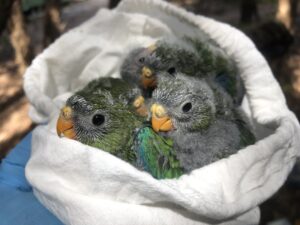
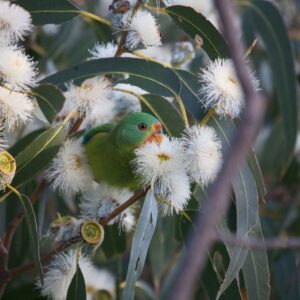
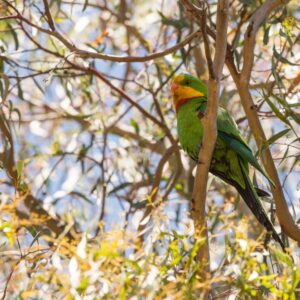
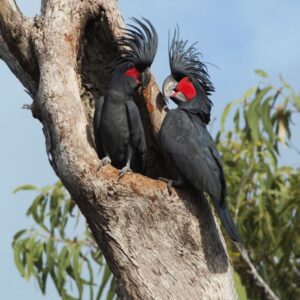
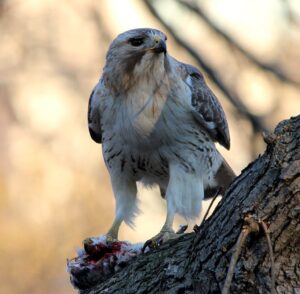

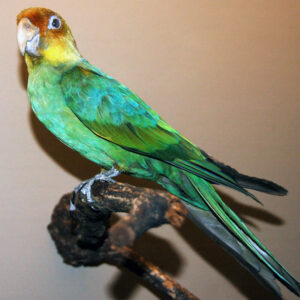
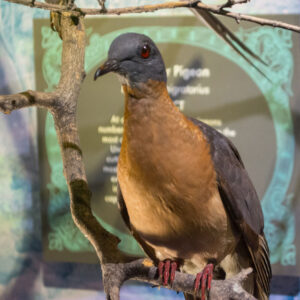
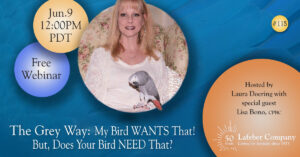 Join us for a FREE, live, interactive webinar hosted by Laura Doering, former editor of Bird Talk magazine and Birds USA magazine. Our special guest, Lisa Bono, CPBC, owner and operator of The Platinum Parrot and a certified parrot behavior consultant specializing in African grey parrots, presents Episode 20 of The Grey Way, a Lafeber Pet Birds Webinar Series focusing on Congo & Timneh African grey parrots as pets. In this episode, Lisa will discuss pet bird products and foods that aren’t in the best interest of your bird, no matter how much your bird, or you, might like it. From sleeping to caging, snacks & toys, Lisa helps you as a good bird steward make the distinction between harmless indulgence versus something that may require some tough love to remove or keep out of your pet bird’s life. While Lisa will focus on Grey-centric concerns, her advice will apply to any parrot species.
 Join us for a FREE, live, interactive webinar hosted by Laura Doering, former editor of Bird Talk magazine and Birds USA magazine. Our special guest Tom Tully, DVM, DABVP (Avian Practice), DECZM (Avian), will answer your questions about pet bird health, nutrition, & care. Dr. Tully, a decorated Professor & practicing Vet at Louisiana State University School of Veterinary Medicine, is an internationally known Veterinarian who has earned specialties in Avian medicine in the United States as well as in Europe. Having this type of access to a Veterinarian of his status is rare, but Dr. Tully believes in the educated bird owner as being the best bird steward. Dr. Tully answers each question in detail and shares his vast knowledge of birds, particularly parrots. Is your bird’s problem health-related or behavioral? Are you offering the right foods to your pet bird? Ask the Vet!
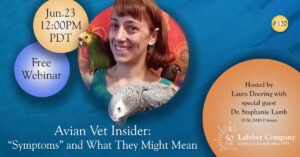 Join us for a FREE, live, interactive webinar hosted by Laura Doering, former editor of Bird Talk magazine and Birds USA magazine. Our special guest, Dr. Stephanie Lamb, DVM, DABVP (Avian Practice), will discuss why a vet visit is in order whenever your bird exhibits any type of symptom, or change in behavior, appetite, or appearance. While it might seem like it would be easy to know what is wrong based on a symptom, in most cases, there is a long list of possibilities. Some examples of “What is wrong with my bird” begin with “My bird is limping”, “My bird stopped eating”, “My bird suddenly can’t fly”, “My bird’s eye won’t open” or “My bird only wants to sleep”. The Clinic staff’s challenge is to help a bird owner understand that the Vet must see the bird & tests must be run in order to know how to help the bird. Dr. Lamb will go over some seemingly simple symptoms and some of the possible causes to help you understand the complexities of diagnosing a bird in this insider’s view of the daily happenings at your Avian Vet’s clinic.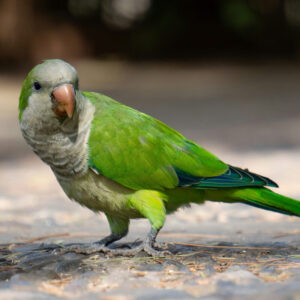
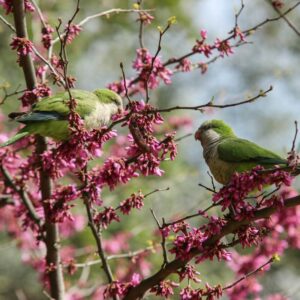
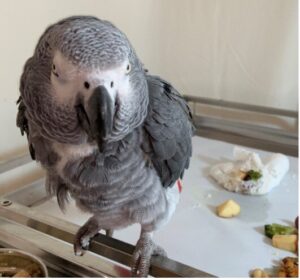
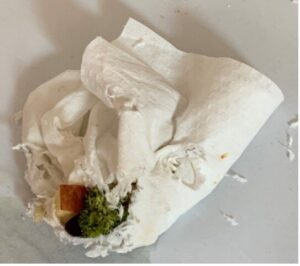
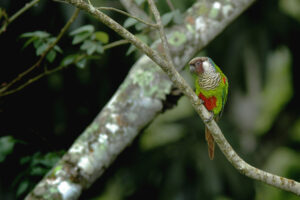
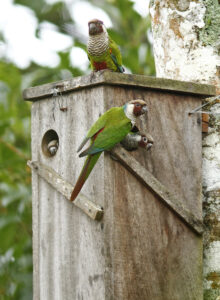
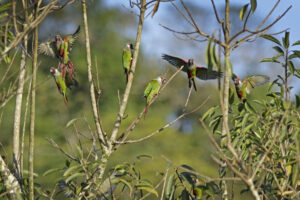
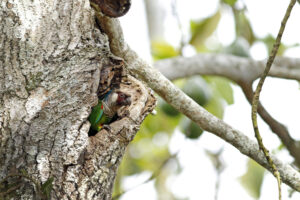
 Join us for a FREE, live, interactive webinar hosted by Laura Doering, former editor of Bird Talk magazine and Birds USA magazine. Our special guest, Lisa Bono, CPBC, owner and operator of The Platinum Parrot and a certified parrot behavior consultant specializing in African grey parrots, presents Episode 19 of The Grey Way, a Lafeber Pet Birds Webinar Series focusing on Congo & Timneh African grey parrots as pets. In this episode, Lisa will discuss how to make the most out of your bird’s cage & play areas. She will show the best way to arrange food, foraging, toys & perches to encourage healthy feeding, play & exercise for all parrots, including those with mobility issues. While Lisa will focus on Grey-centric concerns, her advice will apply to any parrot species.
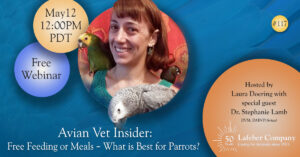 Join us for a FREE, live, interactive webinar hosted by Laura Doering, former editor of Bird Talk magazine and Birds USA magazine. Our special guest, Dr. Stephanie Lamb, DVM, DABVP (Avian Practice), will discuss a new trend of feeding meals to parrots, where they only have access to food for each meal rather than free feeding – having food available at all times. Dr. Lamb will explain the major benefits of free feeding and why it fits more with their physiology in this insider’s view of the daily happenings at your Avian Vet’s clinic.
 Webinar: Ask The Vet: Q&A With Tom Tully, DVM, DABVP (Avian Practice), DECZM (Avian)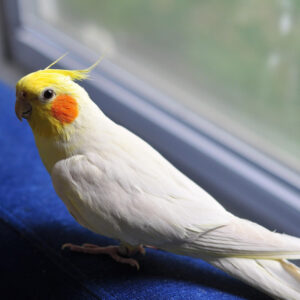
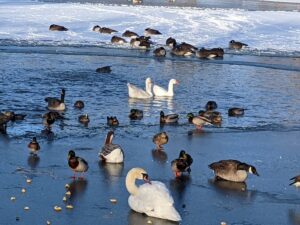
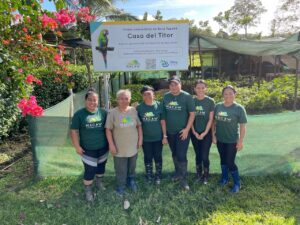
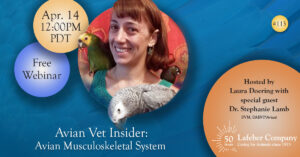 Join us for a FREE, live, interactive webinar hosted by Laura Doering, former editor of Bird Talk magazine and Birds USA magazine. Our special guest, Dr. Stephanie Lamb, DVM, DABVP (Avian Practice), will discuss the musculoskeletal system of birds and its vital role for normal flight, perching, and movement. She will discuss how this system works including a description of the mechanics of flight and common problems she encounters in pet birds. She will cover fractures and how to deal with them, nutritional disorders that affect the bones, hormone-related problems, and joint disorders in this insider’s view of the daily happenings at your Avian Vet’s clinic.
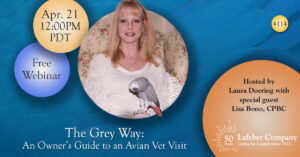 Join us for a FREE, live, interactive webinar hosted by Laura Doering, former editor of Bird Talk magazine and Birds USA magazine. Our special guest, Lisa Bono, CPBC, owner and operator of The Platinum Parrot and a certified parrot behavior consultant specializing in African grey parrots, presents Episode 18 of The Grey Way, a Lafeber Pet Birds Webinar Series focusing on Congo & Timneh African grey parrots as pets. In this episode, Lisa will discuss how to prepare your bird for a trip to the Avian Vet. Her talk will include how to reduce stress, what to bring, what to tell and ask your Vet, what to expect when you get there, and what to do if you have to administer medication. While Lisa will focus on Grey-centric concerns, her information will apply to any pet bird species.
 Join us for a FREE, live, interactive webinar hosted by Laura Doering, former editor of Bird Talk magazine and Birds USA magazine. Our special guest Tom Tully, DVM, DABVP (Avian Practice), DECZM (Avian), will answer your questions about pet bird health, nutrition, & care. Dr. Tully, a decorated Professor & practicing Vet at Louisiana State University School of Veterinary Medicine, is an internationally known Veterinarian who has earned specialties in Avian medicine in the United States as well as in Europe. Having this type of access to a Veterinarian of his status is rare, but Dr. Tully believes in the educated bird owner as being the best bird steward. Dr. Tully answers each question in detail and shares his vast knowledge of birds, particularly parrots. Is your bird’s problem health-related or behavioral? Are you offering the right foods to your pet bird? Ask the Vet!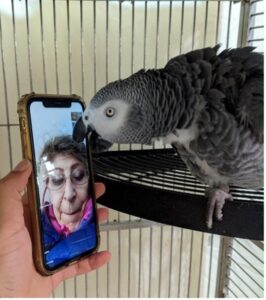
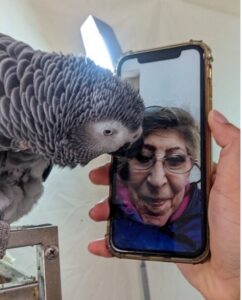
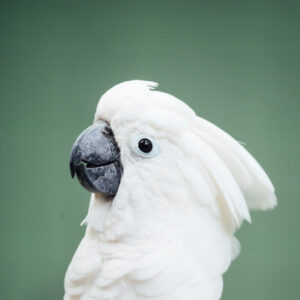
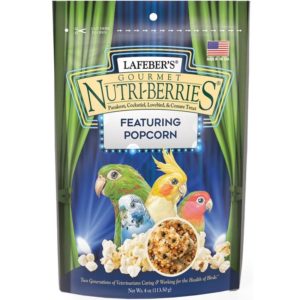 Popcorn Lover’s Day is celebrated on the second Thursday in March. Not only can you partake by popping your favorite kernels, but your feathered companion can also enjoy their own bird-friendly popcorn to snack along with you—break out a bag of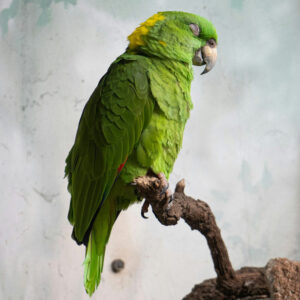
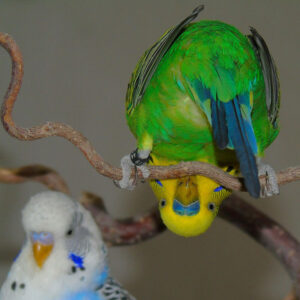
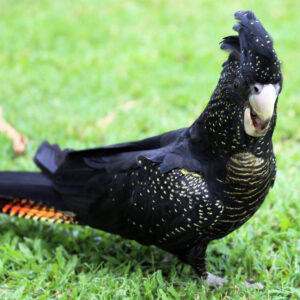
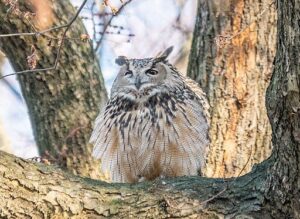
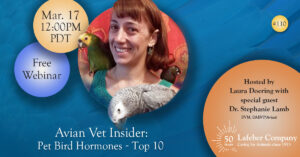 Join us for a FREE, live, interactive webinar hosted by Laura Doering, former editor of Bird Talk magazine and Birds USA magazine. Our special guest, Dr. Stephanie Lamb, DVM, DABVP (Avian Practice), will revisit our annual March topic – hormones! Most behavior issues & many health issues for pet birds actually begin due to hormones. Dr. Lamb will discuss the Top 10 hormone-related questions and concerns of bird owners in this insider’s view of the daily happenings at your Avian Vet’s clinic.
 Join us for a FREE, live, interactive webinar hosted by Laura Doering, former editor of Bird Talk magazine and Birds USA magazine. Our special guest Tom Tully, DVM, DABVP (Avian Practice), DECZM (Avian), joins us once again to answer your questions about pet bird health, nutrition, & care.
 Join us for a FREE, live, interactive webinar hosted by Laura Doering, former editor of Bird Talk magazine and Birds USA magazine. Our special guest, Lisa Bono, CPBC, owner and operator of The Platinum Parrot and a certified parrot behavior consultant specializing in African grey parrots, presents Episode 17 of The Grey Way, a Lafeber Pet Birds Webinar Series focusing on Congo & Timneh African grey parrots as pets. In this episode, Lisa will revisit our annual March topic – Hormones – but of course focusing on Africa Greys. Lisa will discuss the top 10 hormone-related questions or complaints from African Grey owners. Lisa will focus on Grey-centric concerns in this very important episode of The Grey Way.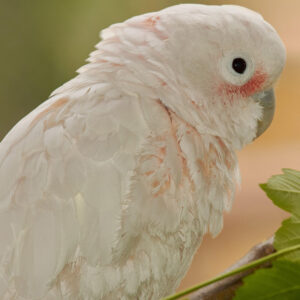
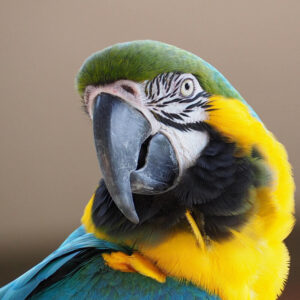
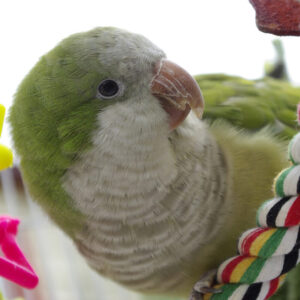
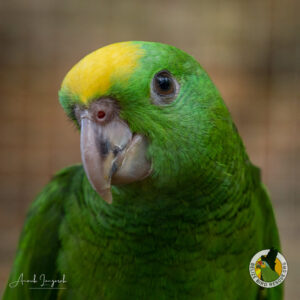
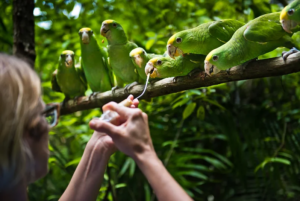
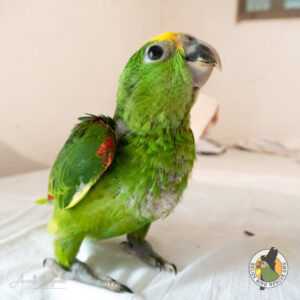
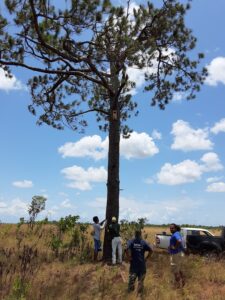
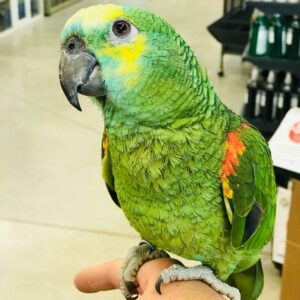

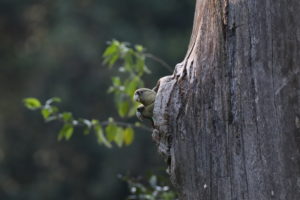
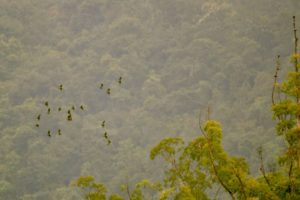
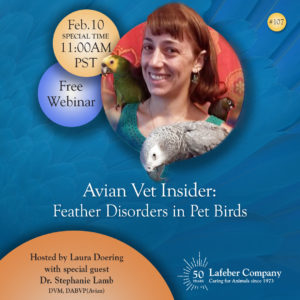 Join us for a FREE, live, interactive webinar hosted by Laura Doering, former editor of Bird Talk magazine and Birds USA magazine. Our special guest, Dr. Stephanie Lamb, DVM, DABVP (Avian Practice), will continue her series on the different Avian systems by discussing feather disorders in pet birds. Some may think the only feather problem pet birds deal with is behavioral plucking but that is not the case! In this webinar, Dr. Lamb will first explore the various problems that can occur with feathers. She will discuss infectious diseases, nutritional problems, odd disorders, and yes, even that pesky topic-Feather Destructive Behavior(FDB). Learn about some of the things to watch for in your bird’s feathers, and view some fascinating cases, in this insider’s view of the daily happenings at your Avian Vet’s clinic.
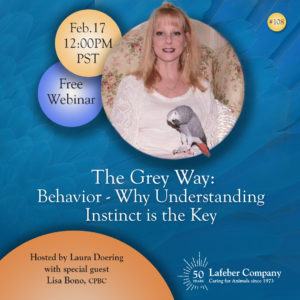 Join us for a FREE, live, interactive webinar hosted by Laura Doering, former editor of Bird Talk magazine and Birds USA magazine. Our special guest, Lisa Bono, CPBC, owner and operator of The Platinum Parrot and a certified parrot behavior consultant specializing in African grey parrots, presents Episode 16 of The Grey Way, a Lafeber Pet Birds Webinar Series focusing on Congo & Timneh African grey parrots as pets. In this episode, Lisa will help owners unravel the mysteries of parrot behavior. Owners forget or simply do not realize that all pet parrots – from budgies to macaws – are exotic species, even when domestically bred. In order to successfully tame or train a bird, one must understand the difference between a domesticated pet versus a domestically raised exotic pet. Lisa will help even the most frustrated bird owner gain a better understanding of why their bird does something, and how the owner can work to change or minimize a behavior through patience, positive reinforcement and being consistent. While Lisa will cover some Grey-centric behaviors, her information can also be applied to any species.
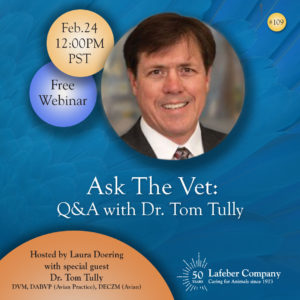 Join us for a FREE, live, interactive webinar hosted by Laura Doering, former editor of Bird Talk magazine and Birds USA magazine. Our special guest Tom Tully, DVM, DABVP (Avian Practice), DECZM (Avian), joins us once again to answer your questions about pet bird health, nutrition, & care.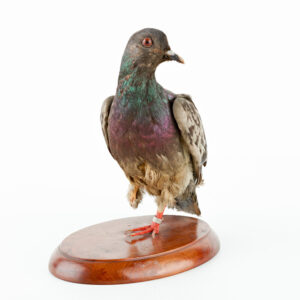
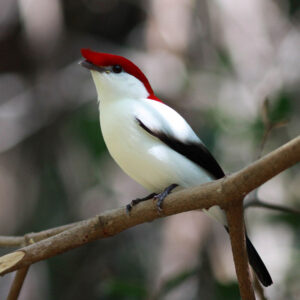
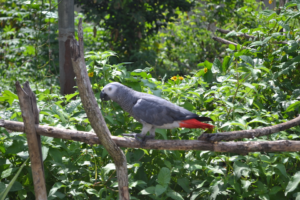

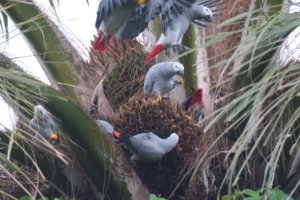
 Join us for a FREE, live, interactive webinar hosted by Laura Doering, former editor of Bird Talk magazine and Birds USA magazine. Our special guest, Dr. Stephanie Lamb, DVM, DABVP (Avian Practice), will discuss common infectious diseases including aspergillosis and chlamydia that are known to classically affect the respiratory system. She will also cover allergic airway disease to bring more awareness to this disorder. And she will talk about coelomic diseases that can present as respiratory disease, stressing the importance of full diagnostics to treat your bird effectively. Don’t miss this free webinar to get another fascinating insider’s view of the daily happenings at your Avian Vet’s clinic.
 Join us for a FREE, live, interactive webinar hosted by Laura Doering, former editor of Bird Talk magazine and Birds USA magazine. Our special guest Tom Tully, DVM, DABVP (Avian Practice), DECZM (Avian), joins us once again to answer your questions about pet bird health, nutrition, & care.
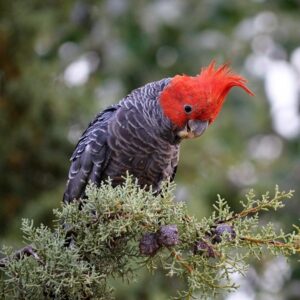
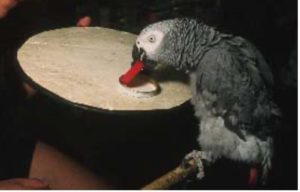
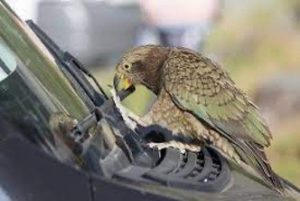
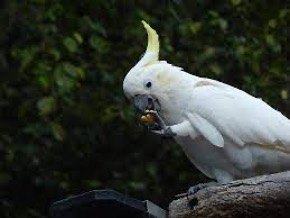
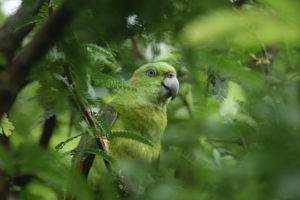
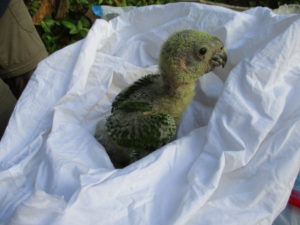
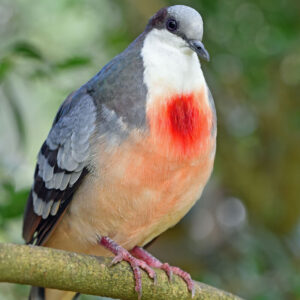
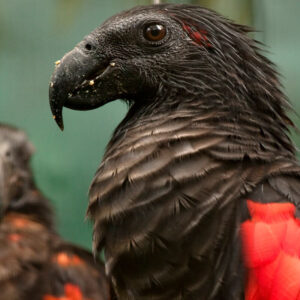
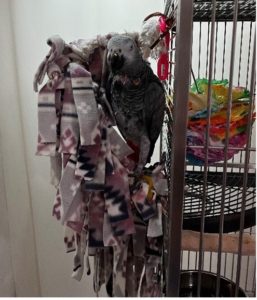
 Join us for a FREE, live, interactive webinar hosted by Laura Doering, former editor of Bird Talk magazine and Birds USA magazine. Our special guest, Lisa Bono, CPBC, owner and operator of The Platinum Parrot and a certified parrot behavior consultant specializing in African grey parrots, presents Episode 15 of The Grey Way, a Lafeber Pet Birds Webinar Series focusing on Congo & Timneh African grey parrots as pets. In this fun holiday episode, Lisa will discuss different ways to cater to your pet birds and give them their own holiday fun & feasting! This is about what they CAN have, and not about what they can’t. She will give the viewers ideas for holiday-themed activities and toys as well as seasonal foods your birds can enjoy. Get ready to plan your own special holiday fun for your birds this season!
 Join us for a FREE, live, interactive webinar hosted by Laura Doering, former editor of Bird Talk magazine and Birds USA magazine. Our special guest, Dr. Stephanie Lamb, DVM, DABVP (Avian Practice), will discuss holiday hazards for pet birds. The holidays are a busy time for everyone, but they can be particularly busy for a Veterinary clinic due to all of the dangers for our pets that can come up during the festivities. Anything from decorations to food to guests in your home can result in a trip to the Vet for your pet birds. Learn about some of the things to watch for, & holiday-related cases that Vets treat in this insider’s view of the holiday happenings at your Avian Vet’s clinic.
 Join us for a FREE, live, interactive webinar hosted by Laura Doering, former editor of Bird Talk magazine and Birds USA magazine. Our special guest Tom Tully, DVM, DABVP (Avian Practice), DECZM (Avian), joins us once again to answer your questions about pet bird health, nutrition, & care.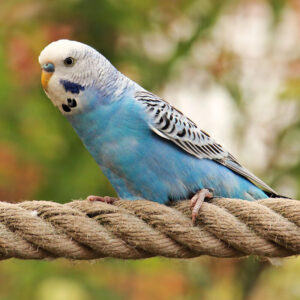
 Join us for a FREE, live, interactive webinar hosted by Laura Doering, former editor of Bird Talk magazine and Birds USA magazine. Our special guest, Dr. Joerg Mayer DVM, MS, DABVP(ECM), DECZM, DACZM, Professor, joins us again from the University of Georgia College of Veterinary Medicine where he works in Small Animal Medicine & Surgery, Veterinary Teaching Hospital & Zoological Medicine Service. The often hilarious and always entertaining Dr. Mayer will talk about his experiences with treating Exotics, which includes parrots and other bird species as well as exotic mammal & reptile species. His work includes research, new advances in Avian & Exotics Medicine and teaching the next generation of Avian & Exotics Veterinarians. Join us for another fascinating look into Dr. Mayer’s experiences & what goes on at a University Vet College & Vet Hospital – interesting cases, how new medicines and treatments are discovered and how important specialty Vets are for helping our exotic pets live better & longer lives.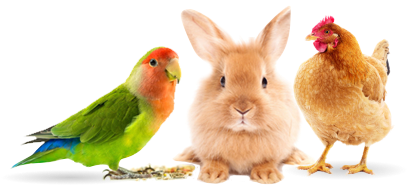

.jpg)

.jpg)
_-_Weltvogelpark_Walsrode_2010-10.jpg)