



The most common health issue for rats is respiratory disease. One reason is that all pet rats are born with Mycoplasma pulmonis, a bacterium that lives within the respiratory tract. It’s highly contagious among rats and can develop into the disease entity murine mycoplasmosis. This can lead to mild to severe chronic respiratory issues and even genital disease. Secondary infection like pneumonia, and other serious health issues such as congestive heart failure could eventually follow. M. pulmonis (or myco as it’s known by rat owners) is essentially the root cause for many of the aliments and diseases rats are susceptible to.
Having myco doesn’t automatically make every rat sick and many can go their entire lives without a single sniffle. But respiratory issues are so prevalent among pet rats that you have to be vigilant in avoiding anything that can trigger or exacerbate these diseases.
Be Aware Of Porphyrin And Sneezing

The first signs of an upper respiratory infection (URI) are frequent sneezing and porphyrin. They can also be symptoms of a respiratory flare caused by stress, allergies, or a nearby irritant. More on this later.
For those new to rats, porphyrin is a red secretion that can look like red tears or nasal discharge, and is often mistaken for blood. I remember the first time I saw it, I thought my rat was bleeding from his eyes! I laugh about this now because porphyrin is pretty much synonymous with rats. It can be pretty scary, though, when you don’t know what it is.
The color of porphyrin can be bright or dark red, pink, or rusty brown and will be around the rat’s nose and eyes. As they groom, it gets spread around their fur and usually leaves a stain around their wrists, and the back of their head and shoulders. This is much more noticeable on lighter-colored rats.
You will probably also find dried droplets of porphyrin around your rat’s cage, especially if they’ve been sneezing a lot. And sometimes, porphyrin even shows up in your rat’s urine or feces.
Other early symptoms of URI are squinting and snuffling. And if it triggers an ear infection, you may also see head tilting, rolling, or face and head rubbing. The head tilt can actually become permanent if the ear infection isn’t treated quickly enough.
In lower respiratory infections the symptoms become more severe and settle into their chest. The audible symptoms are wheezing, crackling, rattling, or coughing. If these, or any sound really, is coming from their nose or chest as they breathe, it means your rat needs to get to a vet immediately.
Same goes for the more visible symptoms, which are labored breathing or gasping, lethargy, a rough coat, a hunched posture, weight loss, lack of appetite, and little interest in activity.
Causes Of Rat Respiratory Issues
There is no cure for myco and there is no foolproof way of preventing a respiratory infection but there are things you can and should do to avoid triggering one or worsening one. The most common culprits are poor breeding, exposure to infection, environmental irritants, and stress.
Avoid Rats With Poor Breeding
Your first line of defense can start before you ever bring rats into your home by not adopting rats that may already being sick. Do not get rats from a pet store, feeder breeder, or any other type of unethical breeder. They are not concerned with good husbandry or what health problems are being passed to their offspring. These rats are also more likely to be raised in overcrowded or tiny cages that induce stress, weaken the immune system, and allow infections to spread easily among them. Instead, adopt your rats from ethical shelters or breeders that care about rat health.
Minimize Exposure To Infection

Second, and this is EXTREMELY important, you need to quarantine any new rats BEFORE bringing them into your home if you already have rats. Respiratory infections are extremely contagious, and if your new friends are ill, they can get your other rats sick. Rat-specific parasites like lice and mites can also be passed back and forth. And for some rats, these parasites can actually weaken their immune system.
A quarantine needs to be done for at least two weeks in a completely different airspace to determine if a rat is contagious. And separating them into different rooms is not enough; viruses can travel through the vents into another room. The quarantine needs to happen in a different location, so ask a friend or family member for help. Watch for respiratory symptoms during this time, along with any excessive scratching or scabs around their neck and shoulders, which are the signs of parasites. If the rats do exhibit any symptoms, get them to a vet and discuss antibiotics for the respiratory symptoms and Revolution made for kittens and puppies as off-label use to treat parasites. The active ingredient is selamectin. Note that Revolution Plus should not be used.
Rats require a full round of these meds and have to be symptom free before the quarantine can end, otherwise they are still contagious. When you visit the newbies during the quarantine, stay away from your home for a few hours afterward and then change clothes and wash your hands and arms thoroughly before touching your rats.
Or, you could adopt from a rat rescue that does their own quarantine period when they take in new surrenders. Rescues like this have quarantine volunteers who house the rats and treat them. Then they go to a foster home until they are adopted. This is a big reason I always adopted from Any Rat Rescue; they took care of the quarantine so I didn’t have to.
Lastly, if your current rats are showing signs of respiratory problems or parasites, wait until they are in the clear before adopting new rats. It goes both ways.
Assess Environmental Risks
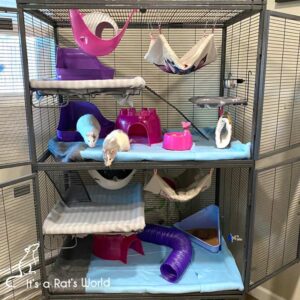
Rats are incredibly sensitive to everything they come into contact with or breathe in.
One absolute no-no for your rats is using pine, cedar, or other soft wood shavings in your rat’s cage. Soft woods contain phenols that are toxic to many rodents and can severely affect their liver. These may also cause major respiratory problems. Unfortunately, picking out a safe bedding for rats or one they aren’t allergic to isn’t always easy, so I highly recommend you research what is currently the safest choice (popular bedding options change a lot over the years). You can also check out the Rat Guide for their information on cage bedding and litter.
It’s also imperative that their cage be well-ventilated, properly sized, and kept clean from any ammonia buildup. You need to also pay attention to what you clean the cage with, along with what you’re using to wash their hammocks and other cloth bedding. My article Resolve To Keep Your Rats’ Habitat Cleaner walks you through this and provides a suggested cleaning schedule.
You also need to think beyond their cage and consider what they are being exposed to throughout your home. What may seem benign to you could actually be toxic or irritating to them. Think of fragrances in the air or on your skin, cleaning products used near their cage, cigarette smoke, or smoke from fireplaces — just to name a few. All these things and more can actually induce a respiratory infection in rats or, at the very least, can cause discomfort or allergies. A sensitivity to these environmental contaminants can also prompt frequent sneezing and porphyrin, which then makes it tricky to tell if your rat is sick or just having a reaction. But don’t be complacent about the latter because constant exposure to irritants can lead to illness.
If the only symptoms you’re seeing are sneezing and porphyrin, start by removing anything new they’ve come into contact with that you think might be the culprit. This may also require a cage cleaning to remove anything that has settled on its surface. If symptoms persist or suddenly worsen, then you need to get your rat to the vet for a checkup and possibly on antibiotics.
To help you figure out what in your home might be contributing to your rat’s health issues, please check out my articles Home Environment: Rats and the Air and Home Environment: Rats and Home Ambience.
Know About Rat Stress
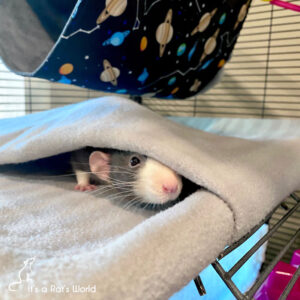
We all know that stress can weaken the immune system, so it’s also important to provide a calming environment for your rats. They can become worked up for all sorts of reasons, though, which is why so many of my past articles offer advice on helping them de-stress. Rather than trying to sum them all up here, please check out the following articles:
Day One And Beyond With Your Pet Rats: Just bringing your rats home that first day can be a stressful event. It’s not uncommon for a rat to have a respiratory flare, where they start sneezing and producing a lot of porphyrin right after getting them. New homes come with new people, new smells, new sounds, other pets, being separated from old cagemates, meeting new cagemates, and so on. Helping them through that process is easier when the owner feels prepared for this getting-to-know-each-other phase. If the sneezing doesn’t resolve in a few days, take your rat to the vet just to rule out an infection.
10 Mistakes To Avoid As A Rat Owner: Avoiding these things will give your rats a happier life.
Honoring Your Rat’s Personal Space: To help you understand your rats and their individual needs.
Why Rats Fight And What To Do When It Happens: Cagemate dynamics can have a negative impact on your rats’ mood and health. This can stem from personality differences, overcrowding in the cage, a rat feeling territorial with a newcomer, a newcomer not feeling welcomed, or sudden aggression from a friend. There’s just a lot of ins and outs to your rat’s social world that can lead to stress and physical confrontations.
Rat Communication: How Your Rats Talk To Each Other: Just in case you want to know even more about the ways rats interact with one another.
Pet Rats Sharing A Home With Other Pets: Information to consider if other pets in your household are creating stress for your rats, or you’re thinking about bringing some in.
Helping A Scared Pet Rat: Tips to try if your rat is dealing with some sort of trauma, which is exacerbating their stress.
Understand Rat Nature
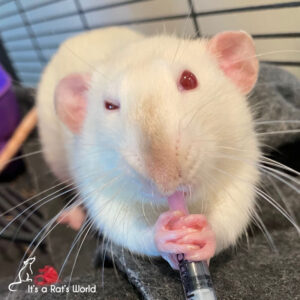
What makes respiratory infections especially frustrating is how unpredictable they are. One rat may respond immediately to a round of antibiotics and never need them again. While another rat could have chronic symptoms that show up again and again, ultimately needing antibiotics for the rest of their life. And then there are the rats who go from fine to deathly ill overnight.
It doesn’t help that rats are notoriously good at hiding pain and illness. So often, by the time you actually start noticing the symptoms, the infection has progressed and you have little time to waste in getting your rat treated. My article Is My Rat Sick Or In Pain? Know The Signs can help you learn all the subtle ways your rat is telling you something is wrong.
I realize this may sound overwhelming, but following these steps, along with consistently providing a proper diet and fresh water of course, go a long way in mitigating respiratory infections.