



The Republic of Panama is the southernmost country of Central America, bordering South America to the south and Costa Rica to the north. The Panama Canal connects the Pacific Ocean with the Caribbean Sea. This strategic canal is a major source of revenue for the country. Approximately 62% of the country is covered with natural forest, including extensive areas of primary (intact) rainforest with a wide diversity of tropical animals and plants, some not found elsewhere in the world.
While much of Panama remains wooded, deforestation for agriculture and cattle ranching is a growing threat. Panama is the only country in Central America that is home to five macaw species, all of which are endangered in the country, and some, such as the great green macaws, are critically endangered worldwide. Of particular concern is the Azuero Peninsula, which includes the Cerro Hoya National Park and the unprotected rainforest of the Azuero massif (a compact group of mountains), both vital for the conservation of the country’s biodiversity.
Panama’s Great Greens
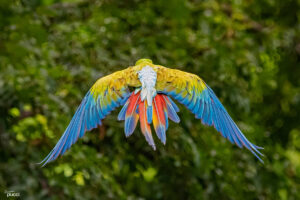
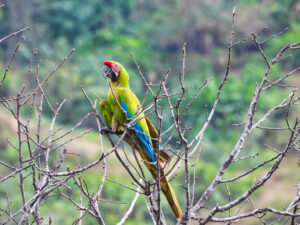
Great green macaws (Ara ambiguus) are long-lived, but they produce very slowly. At best, they fledge one chick a year. They require native tree species for their food sources and breeding nests, such as the mountain almond. In the Azuero Peninsula, they also nest in Cuipo trees (Cavanillesia platanifolia), one of the largest and fastest‑growing native tree species in Latin America, known for its towering height and massive trunk diameter. However, the alarming rate of deforestation has caused the jungle areas to be fragmented, creating patches of pastureland for farming and cattle ranching. Breaking up a tropical landscape causes major disruptions in wildlife’s ability to survive and repopulate successfully.
In 2020, great green macaws were up-listed by IUCN to Critically Endangered, which means they are at a very high risk of extinction in the wild, especially in Panama. In the Azuero region of Panama, which includes the Cerro Hoya National Park, less than 50 great greens have been counted. So, the need for a viable conservation plan is urgent!
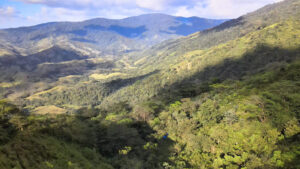
Cerro Hoya, despite its remote location, has experienced significant deforestation, along with illegal poaching of birds for the pet trade. Under the leadership of Dr. Luis Ureña, Director of the Panama Wildlife Conservation Charity (PWC), a new collaborative project is being implemented to create a Reserve Corridor for Cerro Hoya. It is supported by many other charities, including the American Bird Conservancy, Audubon, BirdLife International, and the World Parrot Trust. PWC’s goal is to purchase 3,700 acres of pristine rainforest adjacent to the Cerro Hoya National Park. It will be known as the Ara Panama Sanctuary and provide a corridor of protection not only for the great green macaws, but several other endangered birds and mammals. The cost is about $600 per acre.
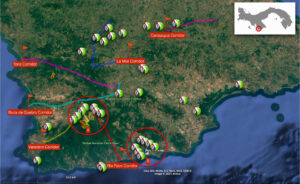
Ara Panama aims to reforest the area with the plant life needed by animals such as the macaws; to foster more community involvement, including an annual Macaw Festival starting this October; enhance nesting capabilities and chick support; and build a science-driven breeding and reintroduction facility to act as a hub for ornithologists and veterinary students. In addition, those who simply love birds will be able to visit, which will provide ecotourism income for a rural community essential to the success of conservation.
To learn more about the Ara Panama project and the NGO Panama Wildlife Conservation Charity, visit www.panamawildlife.org or follow their Instagram account. This month’s Lafeber donation goes to support the Ara Panama Sanctuary project and the future of the great green macaws in Panama!