




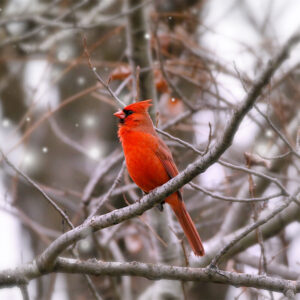
Winter can make even the most resilient birdwatchers stop and wonder: how do birds perch on snow or ice without their feet freezing? Birds have incredible natural adaptations that allow them to survive in cold weather, from heat-conserving circulatory systems to specialized foot structures. Understanding these features not only explains some of their quirky behaviors but can also help pet bird stewards keep their companions cozy indoors.
Nature’s Heat Recycling System
Birds have a remarkable circulatory adaptation called counter-current heat exchange. Warm blood traveling down the leg runs adjacent to cooler blood returning from the foot. As the two bloodstreams pass each other, heat is exchanged, thus warming the returning blood and cooling the blood moving toward the toes. This helps birds conserve energy, while keeping their core warm and their feet from freezing.
This fascinating study shows how birds regulate heat by adjusting leg temperatures, making them cooler than their feathers in winter to conserve warmth, and warmer than their feathers in summer to expel excess heat.
Bird’s Feet Have Better Cold Tolerance

A bird’s foot, parrots included, is made mostly of bone, tendons, keratin scales, and very little soft tissue. Compared to human feet, there’s less fluid to freeze. Birds’ feet also have tough skin, which helps make their feet more cold-resistant. Cold-tolerant parrot species like the kea of New Zealand famously thrive in alpine conditions thanks to this same foot structure.
Smart Foot-Warming Behaviors

Birds also rely on instinctive behaviors to conserve heat. You’ve probably noticed your feathered companion standing on one foot, tucking their feet into their feathers, especially when they’re relaxed or sleepy—a parrot’s way of being snuggly. These behaviors are natural ways birds preserve warmth, and they demonstrate just how well-designed avian bodies are for seasonal changes, even if your parrot lives in a cozy home year-round.
Climate Adaptations
Birds’ feet are remarkably adapted to their environments, with toe length, thickness, and vascular structure playing a key role in thermoregulation. Birds living in cold climates typically have shorter, thicker toes to minimize heat loss. The lesser the surface area exposed to frigid air or snow, the more body heat conserved. Species like penguins also combine short toes with insulating scales or feathers, which help maintain warmth in extreme cold. Conversely, birds in hot climates tend to have longer, thinner toes, which increases the surface area relative to volume, allowing excess heat to dissipate more efficiently.
Cozy Corners For Feathered Feet
When it’s cold inside, we might reach for a cozy pair of slippers. But our feathered friends need their own version of comfort. Providing cozy roosting spots, like natural wood perches, helps birds retain body heat far better than plastic or stainless steel perches. Textured or branch-like perches give birds a secure grip, while rope perches offer gentle insulation and are soft on their feet. Offering a variety of perching options helps keep your bird’s feet warm and comfortable, giving them true “happy feet.”

I was just wondering about this subject. The new bird feeder has metal perches, and it’s been bitterly cold out.