



Every April 22 since 1970, people across every continent come together to honor an essential part of our shared lives — planet Earth. Fortunately, we’re not alone here; countless fascinating and beautiful animals play vital roles in keeping the planet healthy. In honor of Earth Day, here are a few engaging reads that spotlight some unsung environmental heroes — birds that do remarkable things for the world around us.
Hummingbirds: Tiny Wings, Big Impact
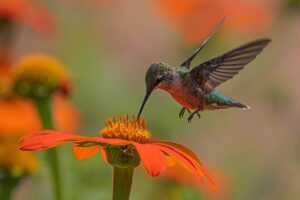
Photo by Dulcey Lima on Unsplash
Hummingbirds may be tiny, but their ecological impact is mighty. These specialized nectar feeders play a critical role in pollination. When flitter from flower to flower to feed on nectar, they transfer pollen between flowers, which helps plants reproduce. This is especially so in environments where other pollinators like bees and butterflies struggle to survive. Their close, co-evolved relationships with specific plants promote biodiversity and support entire ecosystems. Because they are so sensitive to environmental change, hummingbirds also act as early indicators of climate disruption. This One Earth blog takes you on a deep dive into the mighty impact these little birds have on the environment.
Vultures: Nature’s Cleanup Crew
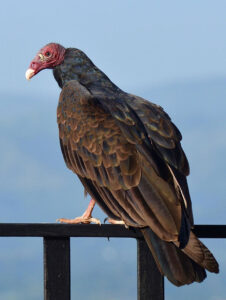
Another planet superhero is a purposely bald and big bird you might see swirling circles in the sky; the vulture. Vultures do the work most of us humans would turn our noses up to; dealing with messes we’d rather not have to deal with, They take care of carcasses before they sit long enough to spread disease. Vultures are blessed with highly acidic digestive systems, which allow them to neutralize dangerous pathogens that we literally, and frankly, couldn’t stomach. Get a close-up look at the ways vultures function as Earth’s sanitation crew and help maintain balance in their environments with this informative article from the World Wildlife Fund (WWE) that touts vultures as Earth’s true “environmental influencers.”
Seabirds: Connecting Land & Sea
Birds, with their gift of flight, also connect ecosystems. Research shows that seabirds transport nutrients from the ocean to land through their droppings, thereby enriching soil and boosting plant growth on islands. This nutrient transfer supports healthier vegetation, which, in turn, stabilizes habitats and benefits other wildlife. By bridging marine and terrestrial systems, birds help maintain the productivity and resilience of entire island ecosystems. Check out this blog to see how birds link land and sea.
Parrots: Forest Gardeners
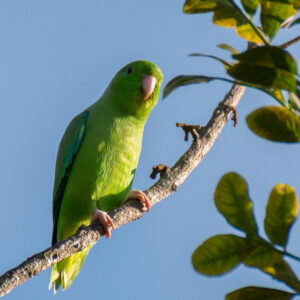
Let’s not leave parrot out of the helping the planet conversation. Research shows that parrots act as “multilinkers” in ecosystems. They disperse seeds, pollinate plants, and they even help control plant pests by feeding on insects. (Yes, parrots in the wild do eat insects!) Their movement across landscapes helps transfer energy and nutrients between different parts of an ecosystem, supporting plant life cycles and biodiversity. In some instances, parrots even aid in forest regeneration by spreading viable seeds over longer distances. Learn all about parrots’ impact on their ecosystems with this very in-depth study on how parrots help power healthy ecosystems.