




The Big Picture: DNA vs. Genomics
Groundbreaking research and investigative tools are now being powered by genomics. The development of sophisticated sequencing machines has enabled scientists to map entire genomes – the complete set of DNA within an organism. This has opened the door to the development of new tools which can help to identify species, individuals, and even map the genomes of entire communities of organisms – metagenomics.
Protecting Endangered Species
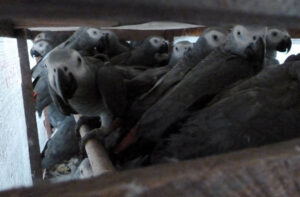
For conservationists, this technology is a potential game-changer in the fight against the illegal wildlife trade. Forensic scientists are developing tools which use profiling of gut microbiomes to distinguish between wild-sourced and captive-bred parrots. This is critical because unscrupulous wildlife traffickers exploit legal supply chains by falsely labeling wild-caught birds as captive-bred.
Each year huge numbers of parrots, are bred and traded between countries, creating opportunities for laundering wild birds into legal supply chains. This legal trade provides major challenges for regulators tasked with protecting wild populations of threatened parrots from illegal capture. Meta-genomics enables the monitoring of legal supply chains for wildlife to prevent them being exploited and provides investigators with tools to uncover trafficking networks.
A Future Laboratory in Your Pocket
Traditional DNA sequencers are often the size of a refrigerator, but in the future, portable devices roughly the size of a USB flash drive— may change the investigative field. These advantages will be transformative:
- On-Site Testing: Investigators will be able to conduct DNA tests during a seizure rather than shipping samples to expensive overseas labs.
- Long-Read Sequencing: Unlike traditional machines that break DNA into tiny fragments, future sequencers will be able to sequences long strands, making it easier to map complex genomes.
- Real-Time Data: Scientists will be able to view data as it is being sequenced, potentially solving crimes and stopping traffickers in their tracks in real time.
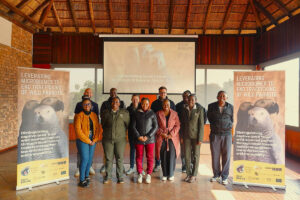
This month’s Lafeber donation supports the World Parrot Trust’s mission to use microbiome profiling as a forensic tool. By identifying the origin of these birds through non-invasive sampling, we can slow the laundering of wild parrots through legal supply chains and protect high-risk species.