




The FIFA World Cup isn’t just a showcase of world-class soccer; it’s also a reminder of the incredible wildlife found in many participating nations. As fans cheer on their favorite teams, bird enthusiasts can take a closer look at the parrots who call these countries home.
Brazil: Parrot Powerhouse
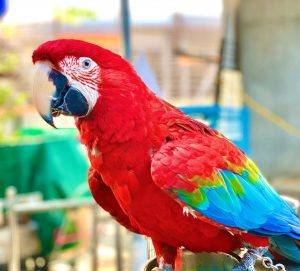
If there were a World Cup for parrots, Brazil would be a top contender. Brazil home to more than 80 parrot species, including the magnificent Hyacinth macaw, other macaws like blue-and-gold macaws, green-winged macaws, mini-macaws, Amazon parrots, conures, and many others! Brazil’s wildlife is so closely tied to parrots that a green-winged macaw appears on the reverse side of the Brazilian 10-real banknote, making Brazil one of the few countries to feature parrots on its currency.
Mexico: Land of Macaws & Amazons
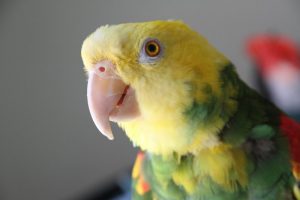
Mexico’s rich variety of habitats makes it a hotspot for parrots, with more than 20 native parrot and parakeet species recorded throughout the country. Several of these species, including the Mexican parrotlet and maroon-fronted conure, are found nowhere else. Military macaws and numerous species of Amazon parrots, such as the double-yellowheaded Amazon and yellow-naped Amazon, are also found in Mexico. As one of FIFA World Cup’s host sites this year, watching a World Cup match in Mexico can be especially exciting for bird lovers, as wild parrots soar overhead in many regions of the country.
Paraguay: Small Country, Big Parrot Diversity
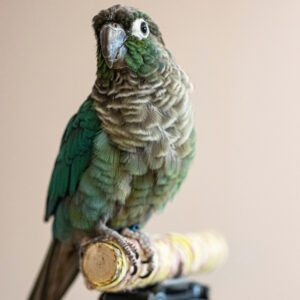
Paraguay is referred to as the “Heart of South America” because of its central location on the continent. For parrot enthusiasts, Paraguay is especially noteworthy: 24 parrot species have been recorded within its borders, ranging from colorful parakeets and conures to larger parrots such as macaws and amazons. This remarkable parrot diversity makes Paraguay an important stronghold for many South American parrot species and a fascinating country for birdwatchers and conservationists alike.
Australia: Cockatoo & Cockatiel Central
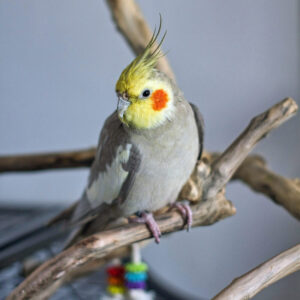
Australia may be best known for kangaroos, but it is also one of the world’s great parrot nations. Sulphur-crested Cockatoos, Galah cockatoos, cockatiels, budgies, Eclectus, rainbow lorikeets, are just a few parrot species who call Australia home. Many of the parrots beloved by pet bird enthusiasts worldwide originated in Australia, making it a must-watch nation for both soccer and bird enthusiasts.
New Zealand: Home of the Mischievous Kea
New Zealand’s parrots are unlike any others. The mountain-dwelling kea is famous for its intelligence, curiosity, and habit of investigating anything left unattended. The country is also home to the Kākā and the critically endangered Kākāpō.
Argentina – Cliff-Nesting Parrots
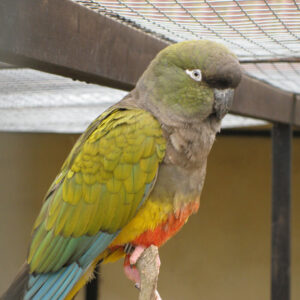
While soccer fans know Argentina for its World Cup success, bird enthusiasts may recognize it as home of the monk parakeet (quaker parrot) and the striking Patagonian conure (also referred to as the burrowing parrot), which nests in massive cliffside colonies across Patagonia, including what is considered the world’s largest parrot breeding colony. Argentina’s parrots showcase an impressive diversity that rivals the nation’s passion for soccer.
Colombia – Macaws & More
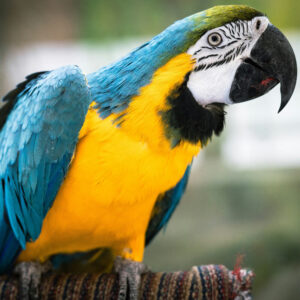
For World Cup visitors, Colombia’s parrots are a reminder that the country’s natural treasures are just as impressive as its soccer talent. Among Colombia’s spectacular parrots are the scarlet macaw, blue-and-gold macaw, military macaw, and the rare Indigo-winged parrot, a species once thought extinct before being rediscovered in the Colombian Andes. The country is also home to several amazon parrots, conures, parakeets, and Pionus parrots that thrive in its diverse habitats.
The Democratic Republic of the Congo – Land of the Grey Parrot

The Democratic Republic of the Congo is perhaps best known among bird lovers as the home of the Grey parrot, one of the world’s most intelligent and celebrated parrot species. The country’s vast forests also support other remarkable parrots, including the Red-fronted parrot, Meyer’s parrot, and several species of lovebirds. As part of the Congo Basin, the Democratic Republic of the Congo provides important habitat for these iconic African parrots. For bird-loving soccer fans, the nation’s World Cup appearance offers a chance to celebrate both its talented athletes and the remarkable birds that call its forests home.
United States – Urban Parrot Flock Flyovers
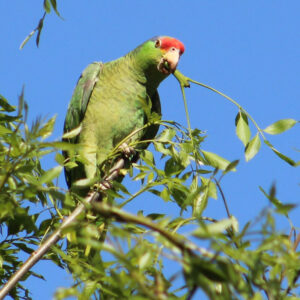
World Cup visitors to the U.S. may be surprised to see parrots flying overhead in several host cities. Decades of escaped and released pet birds have led to the establishment of thriving wild populations in urban areas, particularly in California, Texas, and Florida. Species such as Monk parakeets, Red-crowned Amazons, Nanday conures, and Mitred conures can often be seen and heard in flying over parks and neighborhoods. While these parrots are not native residents, they have become a familiar and beloved part of the urban landscape, offering international visitors an unexpected glimpse of tropical birds during their FIFA World Cup travels.
Canada, Too?!
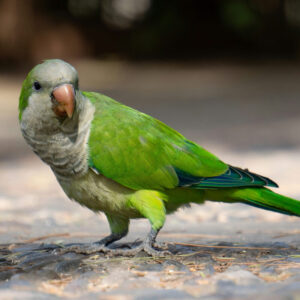
Canada is also a host site for FIFA World Cup 2026 (along with the United States and Mexico). The U.S. has feral parrot flocks, and Canada might too! Monk parrots (aka quaker parakeets) are said to have been recorded breeding in Canada for the first time in 1987 in Montreal.

.JPG)
