



Irene Pepperberg, Ph.D.
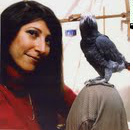
Dr. Irene Pepperberg is a lecturer and research associate at Harvard University in Cambridge, Massachusetts, where her research lab is located. You can help Dr. Pepperberg continue the groundbreaking parrot research she began more than 30 years ago with Alex, the African grey parrot who won admirers from around the world with his cognitive abilities.
If you shop online through sites such as Amazon.com, you can designate the Alex Foundation to receive a percentage of your final sales, or register with the Alex Foundation at iGive.com and a percentage of sales from companies associated with iGive will go to the foundation. The Alex Foundation also has a “Donate” button linked to PayPal. Visit The Alex Foundation and click on the “Support Us” link for more information.
Read more about the lab at The Alex Foundation Facebook page and at The Alex Foundation Twitter account.
Articles by Irene:
Inside Dr. Pepperberg’s Lab: Rethinking Animal Consciousness
Dr. Irene Pepperberg explores how evolving research on animal cognition is reshaping scientific understanding of consciousness and self-awareness in nonhuman species.
Dr. Pepperberg Update: From Stranded in Dubai to Home Again
Dr. Pepperberg gives us an update to her previous blog, sharing how a last-minute lifeline turned her Dubai ordeal into a flight home.
As Missiles Fly In Dubai, Dr. Pepperberg Looks For A Way Home
Stranded in Dubai as regional conflict disrupts travel, Dr. Irene Pepperberg shares a candid dispatch from the field; reflecting on the realities of scientific travel and her simple wish to get home.
Inside Dr. Pepperberg’s Lab: Griffin’s Care Amid Record Cold And Snow
Bitter wind chills and snow-buried streets turn routine care into a round-the-clock mission to keep grey parrot Griffin warm and safe inside Dr. Pepperberg’s cognitive behavior research lab.
Inside Dr. Pepperberg’s Lab: Big Award, Grateful Heart
Dr. Irene Pepperberg celebrates her Lifetime Achievement Award by honoring the people and parrots who power her work and transform how science understands animal minds.
Inside Dr. Pepperberg’s Lab: Griffin Makes A Strategic Snack Move
When a African grey parrot Griffin tucks away a favorite snack for later, it sparks a surprisingly serious question about parrot’s ability to plan ahead.
Inside Dr. Pepperberg’s Lab: Fundraising Powers The Work
Dr. Pepperberg reveals what daily life in her research lab really looks like—and the support that keeps it going.
From Laughter To Lessons: Remembering Athena
In her heartfelt tribute, Dr. Irene Pepperberg remembers Athena, the extraordinary African grey whose brilliance (and cheeky nature!) leaves a lasting impact both inside and beyond her research lab.
Replication In The Lab: Parrots Prove Their Smarts
Dr. Irene Pepperberg examines the challenges of replicating cognitive studies with parrots and reveals that Griffin isn’t the only African grey capable of outperforming young children on reasoning tasks.
Inside Dr. Pepperberg’s Lab: Parrots Get The Final Say On New Hires
In Dr. Pepperberg’s cognitive behavior research lab, landing the job isn’t just about your résumé; it’s about whether African greys Griffin and Athena think you’re a good fit.
The Other AI: Avian Intelligence
Dr. Pepperberg’s latest blo challenges the derogatory use of “stochastic parrot” in AI discourse and defends the intelligence of real parrots as worthy of respect.
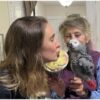
Inside Dr. Pepperberg’s Lab: Parrot Emotions At The End Of The Semester
When familiar faces leave at semester’s end, Dr. Irene Pepperberg’s parrots feel the shift, reminding us how strongly birds respond to changes in routine and relationships.
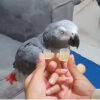
Inside Dr. Pepperberg’s Lab: A Juicy Parrot Study
Dr. Irene Pepperberg shares a lighthearted moment from her parrot research, when African grey Griffin’s juice choice leads to an “Aha!” realization that shows his cleverness.
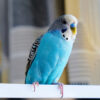
How Budgies Model Human Speech
In her latest blog, Dr. Pepperberg talks about a new study that reveals how the brains of budgerigars may hold clues to how we humans learn to speak.

Inside Dr. Peppberg’s Lab: Falcons Doing Puzzles? A Surprising Experience In Dubai
Dr. Pepperberg’s unexpected journey to Dubai has her exploring falcon intelligence and applying her work with parrots to test their problem-solving skills.
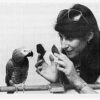
What’s Sparking New Interest In Interspecies Communication?
Dr. Pepperberg explores the resurgence of interspecies communication research—are we advancing or repeating past mistakes?
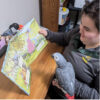
Inside Dr. Pepperberg’s Lab: Reading To Parrots
Inspired by her student who decided to see what happened when reading to parrots, Dr. Irene Pepperberg explores how reading might stimulate cognition and shares the surprising preferences of African greys Griffin and Athena.
Should We Really Treat Parrots Like “Fids?” Dr. Pepperberg Weighs In
In her latest blog, Dr. Irene Pepperberg explores how parrots’ incredible language abilities stem from their unique adaptations to human input, challenging a recent study suggesting they learn like young children.

Dr. Irene Pepperberg Reflects On Chris Davis’ Legacy
Dr. Irene Pepperberg reflects on her friend and colleague Chris Davis, highlighting Chris’ pioneering contributions to avian care and their shared efforts to reshape how parrots are understood and treated.
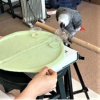
Inside Pepperberg’s Lab: Contrafreeloading In African Grey Parrots
Would the African greys in Pepperberg’s lab engage in contrafreeloading, meaning work for rewards rather than get them for free? Fascinating results emerged after running some thoughtful tests.
Inside Dr. Pepperberg’s Lab: Lateralization In Parrots
In this latest blog, Dr. Irene Pepperberg explores how handedness (lateralization) in parrots, specifically Goffin cockatoos, affects their problem-solving abilities and cognitive behavior.
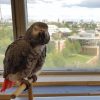
Inside Dr. Pepperberg’s Lab: Greys Vs. Umbrella Cockatoos — Who Likes To Work For Their Food?
In her latest blog, Dr. Irene Pepperberg dishes on a recently published study that shows African greys, keas, and umbrella cockatoos have quirky personalities when it comes to contrafreeloading — working for food! Results varied based on tasks, housing, and even boredom levels!
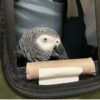
Inside Dr. Pepperberg’s Lab: Prescription For An Arthritic Parrot
Dr. Irene Pepperberg’s latest blog reveals how African grey parrot Griffin—now 29 years old!— is managing a tough arthritis flare-up with a combination of “birdie bed rest” and dedicated care.
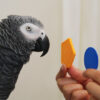
Inside Dr. Pepperberg’s Lab: Parrot Speech Is Not Just Mimicry
Ever wondered if parrots really understand what they’re saying? Dr. Irene Pepperberg takes us back to her studies with African grey parrot Alex and his ability to use appropriate labels in appropriate contexts, as well as Griffin and Athena’s amusing ways of expressing their opinions.
Inside Dr. Pepperberg’s Lab: The Parrot Singalong And Speech Project
Dr. Irene Pepperberg isn’t usually a fan of “citizen science” based studies. One study, however, gets her endorsement, and it’s based on parrot vocalizations!
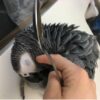
Inside Dr. Pepperberg’s Lab: Griffin’s Tantrum Forces A “Less Is More” Approach
Dr. Irene Pepperberg shares the subtle and not-so-subtle ways African grey parrots Griffin and Athena show their disapproval of her for being gone for too long due to travel and a busier-than-normal schedule.
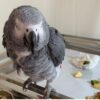
Inside Dr. Pepperberg’s Lab: Griffin “Games” The System!
Dr. Irene Pepperberg’s latest blog explores how African grey parrot Griffin cleverly maximized his rewards, prompting a reevaluation of experimental methods in behavioral research.
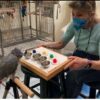
Inside Dr. Pepperberg’s Lab: Being Sensitive To The World As Your Bird Sees It
In her latest blog, Dr. Irene Pepperberg shares a fascinating finding from her cognitive behavior research lab, where African grey parrot, Griffin, suddenly struggled with a once-mastered task. After months of testing and frustration, the team discovered the surprising culprit behind Griffin’s diminished performance. Dive into this lesson on the importance of considering our pets’ unique perspectives.

The Story Of Dr. Pepperberg And Alex The African Grey Turned Into A Play!
In her latest blog, Dr. Irene Pepperberg reflects on the upcoming play “Beyond Words,” which dramatizes her remarkable 30-year research relationship with Alex, the infamous African grey parrot who took the world of animal behavior research by storm. Dr. Pepperberg shares how, despite collaborating on early drafts, witnessing such intimate bonds fictionalized before audiences holds surreal emotional weight. As actors emulate private breakthrough moments in her and Alex’s time working together, she talks about feelings of profound vulnerability, yet revels in Alex’s captivating global recognition through art’s lens.
Inside Dr. Pepperberg’s Lab: Always Have A Back-Up Plan For Cold Weather!
In her latest blog, Dr. Irene Pepperberg speaks to the importance of having a plan, and possibly multiple backup plans, in place to protect our pet birds’ well-being during harsh weather and natural disasters. She cites challenges she and her African grey flock faced during a power outage and how that underscores the critical need to prepare. See how her parrots weathered a recent storm and what she and her colleagues in her cognitive behavior research lab are doing to stay proactive in planning for the unexpected.
Inside Dr. Pepperberg’s Lab: Technology And Companion Animals
In her latest blog, Dr. Irene Pepperberg explores the delicate question: What technologies help animals thrive versus the benefits to us and our ability to control them? For example, from the animals’ perspective, do piped-in soundtracks at zoo habitats make the animals feel at home, or are they played to enhance the experience for zoo visitors? Should you leave the radio or TV on when you leave home so your bird doesn’t feel alone? Read on for Dr. Pepperberg’s overview of the tech effect on animals.
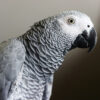
Inside Dr. Pepperberg’s Lab: How Grey Parrots Produce Human Speech
Journey inside the avian vocal tract as Dr. Irene Pepperberg explains how African grey parrots miraculously produce human speech.
Inside Dr. Pepperberg’s Lab: Athena’s Shock Over Her First Egg!
When Athena the African grey parrot laid her very first egg, it took everyone by surprise – including Athena herself! As her caretaker and renowned animal cognition scientist Dr. Irene Pepperberg shares, Athena reacted with apparent shock. Athena’s curious response to suddenly producing her inaugural egg after seeming oblivious beforehand reveals the cognitive complexity of parrots.
Inside Dr. Pepperberg’s Lab: Griffin And Athena’s Wild Weekend Getaway
Dr. Irene Pepperberg’s latest blog takes us along on a chaotic parrot road trip! She recounts the comedy and challenges of a weekend getaway with her world-famous African grey parrots, Griffin and Athena. Finding exotic pet-friendly lodgings was just the first obstacle to overcome!
Inside Dr. Pepperberg’s Lab: Delayed Gratification In African Grey Parrots
The infamous Marshmallow Test showed that young children who can delay gratification (waiting 15 minutes earned them an extra marshmallow) are more likely to succeed later in life. But can parrots also learn to delay gratification? In her latest blog, Dr. Irene Pepperberg walks us through her study with African grey parrot Griffin and fellow African greys Pepper and Franco in which their patience would pay off with more nut treats if they learned to wait. See how the greys faired and the study’s biggest takeaways.
Inside Pepperberg’s Lab: UK Does National Parrot Awareness
In her latest blog, Dr. Irene Pepperberg offers a look at the first-ever Parrot Awareness Week recently held in the UK, an event that featured daily campaigns on parrot-centric topics, such as nutrition, healthcare, and health insurance coverage for feathered family members. The end goal was to improve parrot health and welfare. Dr. Peppberg notes that despite there being many worthy avian veterinary and companion parrot conferences here in the U.S., a national-wide event model similar to that of the UK’s Parrot Awareness Week could be a game changer to raise awareness of the unique needs of parrots to the masses.
Inside Dr. Pepperberg’s Lab: Is Artificial Intelligence The New Dr. Dolittle?
In her latest blog. Dr. Irene Pepperberg shares some of her takeaways after taking part in a Zoom meeting with members of the Earth Species Project, which uses AI to develop ways to understand nonhuman communication. Dr. Pepperberg discusses the potential benefits as well as the risks of using artificial intelligence (AI) to understand animal communication.

Inside Dr. Pepperberg’s Lab: ZOOMing Amongst Parrots
Dr. Irene Pepperberg’s research has helped to change the way we think about parrots and their intelligence— that parrots are capable of learning complex concepts and using language in a meaningful way. In her latest blog, she talks about her 1999 media lab project—aptly referred to as “InterPet Explorer—to see how parrots could or would interact with computers; pre Zoom! See what that research entailed and how she helped spark the latest research in which scientists developed a system whereby parrots can interact with one another online!
Inside Dr. Pepperberg’s Lab: Toy Making—By A Parrot
In her latest blog, Dr. Irene Pepperberg dishes on African grey Griffin’s preferences when it comes to foraging toys—or lack thereof. Unlike his flockmate Athena, African grey Griffin isn’t much of a toy lover. He prefers the basics like construction paper, and his preferences change slightly depending on whether it’s inside or outside the cage. Imagine Dr. Pepperberg’s surprise to discover that Griffin has taken to making his own “burrito-style” foraging toy.
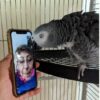
Inside Dr. Pepperberg’s Lab: Zoom Calls With African Greys Griffin And Athena
In her latest blog, Dr. Irene Pepperberg describes what it’s like to connect with African grey parrots Griffin and Athena over video call. She recounts that just like many people pivoted from in-person meetings to Zooming during COVID her cognitive behavior research lab had to do the same, including her flock! Learn how the parrots feel about their videoconference calls when she travels, as well as how a parrot’s hearing and vision differs from ours and the ways this might affect their video-calling experience.
Inside Dr. Pepperberg’s Lab: Tool Use In Parrots
Dr. Irene Pepperberg gives us her take on new research about tool use among Goffin’s cockatoos. She talks about the propensity for tool use among other parrot species and the reasons why cockatoos might be more inclined to use tools compared to others.
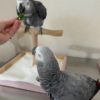
Inside Dr. Pepperberg’s Lab: Understanding And Using Human Speech
In her latest blog[, Dr. Irene Pepperberg talks about a less scientific category but nonetheless worthwhile one when it comes to wrapping our minds around parrot intelligence. The “by chance category,” is filled primarily with anecdotes as opposed to behavior that can be scientifically reproduced.
Inside Dr. Pepperberg’s Lab: Comparing Contrafreeloading In Kea And Grey Parrots
In her latest blog, Dr. Irene Pepperberg tells us about a study in which African greys Griffin and Athena, along with a few companion greys, were tested to see if they would work for food just for the fun of it. The study centered on the concept of “contrafreeloading” and involves working for food that could simultaneously be obtained for free. Interestingly, the same experiment was done with wild Kea parrots. See the different outcomes, as well as what parrot species is next in line to be put to the contrafreeloading test.
Inside Dr. Pepperberg’s Lab: Play Is The Thing—If It Is The Right Type!
In her latest blog, Dr. Irene Pepperberg talks about individual preferences when it comes to parrots and toys. She gives us a glimpse of African greys Griffin and Athena’s favorite toys and their play styles. From paper and spoons to flannel and softwood, see who likes what. Dr. Pepperberg also reveals how Athena’s play behavior inspired a study on “countrafreeloading,” defined as working for food that can simultaneously be obtained for free.

Inside Dr. Pepperberg’s Lab: Alex’s Number Concepts—Part IV
In her last installment of “Alex’s Number Series,” Dr. Irene Pepperberg reveals Alex’s numerical abilities that have yet to be demonstrated by any other nonhuman—quite a feat! Read on to find out how Alex the African grey parrot was the first, and so far the only, nonhuman to show that he inferred the cardinal values of new numbers from their ordinal values. In layman’s terms, Alex understood that numbers in order (i.e. “One, two, three…) meant that a number was one more than the preceding number and one less than the number after it.
Inside Dr. Pepperberg’s Lab: Alex’s Number Abilities—Part III
In her latest blog, Dr. Irene Pepperberg takes us back once again to her studies with Alex, her African grey protégé, and his impressive numerical abilities.
Inside Dr. Pepperberg’s Lab: Alex’s Numerical Abilities — Part II
In her latest blog, Dr. Irene Pepperberg takes us back to when Alex, her African grey protégé, and his numerical abilities: The challenge this time required that Alex comprehend the auditorially presented symbolic numeral label (e.g. “6”) and use its meaning to direct a search for the exact amount specified by that label (e.g. six things); that is, know exactly what a set of “X” individual items is, even when intermixed with other items representing different numerical sets, and he couldn’t just make approximations like label a set of five objects as “six” or “four.” Read on to see why, compared to young children on a similar task, Alex was more successful, and how this study led to an unexpected additional finding.

Dr. Pepperberg’s Avian Cognition Lab Celebrates 45th Anniversary!
The Alex Foundation celebrates a special milestone this week — the 45th anniversary of when Dr. Irene Pepperberg began her groundbreaking collaboration with Alex the African grey! In this very special blog, Dr. Pepperberg takes us back to the early days of convincing others that parrot intelligence was worth studying and redefining the term birdbrained.
Inside Dr. Pepperberg’s Lab: Alex’s Numerical Abilities — Part I
In her latest blog, Dr. Irene Pepperberg talks about how African grey Alex didn’t learn his numbers in the traditional sense, especially when compared to young children. Alex’s number studies were unique in many ways, which also allowed him to outperform some of the other nonhumans on certain tasks. Learn why Dr. Pepperberg started training Alex on the numbers “three” and “four,” first as well as which number posed the biggest phonetic challenge, and more in this Part 1 of a two-part series.
Inside Dr. Pepperberg’s Lab: Hatchday Celebrations — Updated!
In her latest blog, Dr. Irene Pepperberg emphasizes the mantra “happy lab equals happy parrots!” and the importance of celebrating milestones — both for the humans and the birds. This can be a challenge when working around revolving volunteer schedules. One celebration that can’t be missed is the parrots’ hatchday!
Inside Dr. Pepperberg’s Lab: Alex’s Communication Skills
In her latest Lafeber blog, Dr. Irene Pepperberg shares Alex the African grey’s impressive grasp of words and his eagerness to expand his vocabulary. Learn more about Alex’s passion for learning, how his time in the lab differed from that of greys Griffin and Athena, and how he was very particular about his grapes!
Inside Dr. Pepperberg’s Lab: Do My Parrots Enjoy Their Tasks And Training?
Dr. Irene Pepperberg addresses two questions she is often asked: Do her African grey parrots, Griffin and Athena, enjoy the tasks they are given in her cognitive behavior research lab, and are they afforded time in their day to just “be parrots”?

Inside Dr. Pepperberg’s Lab: The Parrots Hold Out For Bigger Treats
In her latest blog, Dr. Irene Pepperberg talks about the frustration — and amusement — of when the African grey parrots in her cognitive behavior research lab attempt to game the system by purposely withholding answers until they are offered larger treat rewards.
Inside Dr. Pepperberg’s Lab: Yes, Our Birds Mean What They Say
The most common question Dr. Irene Pepperberg encounters is if parrots truly understand what they are saying. In her newest blog, Dr. Pepperberg offers some notable experiences with African greys Alex, Griffin, and Athena that might not hold up to scientific scrutiny but are nonetheless valuable in demonstrating parrots’ impressive cognitive abilities.
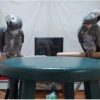
Inside Dr. Pepperberg’s Lab: Parrots On The Move—Again!
In her latest blog, Dr. Irene Pepperberg talks about African greys Griffin and Athena’s recent move into a spacious two-bedroom apartment. Surprisingly, the grey who typically doesn’t like change seems to be adjusting quicker than their flockmate. Dr. Pepperberg gives us the backstory.
Inside Dr. Pepperberg’s Lab: Birds Do Not Like To Be Tricked!
Dr. Irene Pepperberg explains the “treat substitution” trick, where a treat is moved from where the test subject assumes it should be or it is switched out with a less favored treat. Learn the reasons why birds and other prey animals form expectations of where food is located, and why they demonstrate a signs of distress when their expectations are challenged.
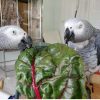
Inside Dr. Pepperberg’s Lab: Dealing With Picky Eaters
Parrots, like people, have their individualized tastes in food. This includes their own interpretations of what constitutes fresh produce, as well as the order in which food should be eaten. In her latest blog, Dr. Irene Pepperberg dishes on African greys Athena and Griffin’s specific food preferences.
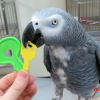
Inside Dr. Pepperberg’s Lab: When Label Acquisition Hits A Snag
In her latest blog, Dr. Irene Pepperberg explains the concept of mutual exclusivity—how it pertains to children and how it can be applied to parrots.
Inside Dr. Pepperberg’s Lab: What Goes Into Research Design
In her latest blog, Dr. Irene Pepperberg explains how, when working with parrots, designing and implementing seemingly simple experiments are never as easy as one might assume.
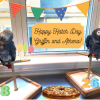
Inside Dr. Pepperberg’s Lab: African Greys Griffin And Athena Celebrate Their Hatchdates
Dr. Pepperberg writes about the changes to hatchday celebrations for the African greys in the lab because of precautions for COVID. Griffin’s 25th hatchday was more subdued that originally planned.