




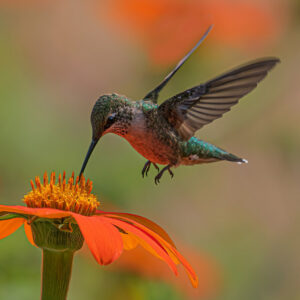
Mid-August through mid-September are the months that many hummingbirds begin to migrate south for their wintering season. It is essential for migrating hummingbirds to get early starts to arrive at their intended warmer locations within a reasonable period of warmth. Most hummingbird migrations are routed in the central to eastern regions of the U.S. southward, although there are some Western hummers that move south as well. The ruby-throated hummingbird gets started as early as July, a bit too early for the rest. It is the sensing of lessening light in the daylight hours of the waning year that triggers the hummingbird’s migratory response to pack up and head south.
Fueling Up Fast Metabolisms
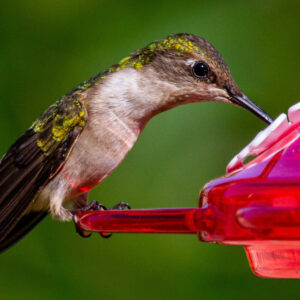
The primary purpose of this article is to alert our bird lovers to this annual, twice-a-year process. The placement, refill, and maintenance of hummingbird feeders help all these migratory species fuel up for the long trip they undertake for their betterment. With that in mind, it becomes essential for those who supply hummingbirds with feeders and the proper mixtures to be prepared to double up on the supply. Hummingbird flight paths require a lot of energy. By having to stop and naturally look for necessary nectars, and the fast movement of their wings, it’s recognizable that they burn a lot of energy. Because of this, hummingbirds often consume three times their weight to maintain their vigorous actions.
These birds fly from many northern regions of Canada and the US. They head towards destinations in the south of the U.S., Mexico, and Central America. Those of you who are already aware of the migration of hummingbirds know that these birds depend heavily on the feeders that are out for them. Some devoted birders even plant nectar-rich flowers in their yards for a more natural acquisition of fuel. (We salute and love you all!)
Offer An Assist
Now that you’re sufficiently aware of this upcoming migration, and you’re interested in assisting hummingbirds along their way, you can help by placing a few (more) feeders. Not only will you be gifted with a large display of species of hummingbirds passing through, but you can also help in logging their arrivals and what they feast on. Typically, it is reported that the male hummingbirds are the first to begin their journey. They are then followed by the female and the juvenile hummers that the females have nurtured. It is hoped that you alert agencies that monitor the migratory habits of the hummingbird. There are multiple sites on the internet that are interested in your reports. Did the birds use your feeders? Did they feed on flowers? All information goes a long way to better understanding migration patterns.
It’s important that you do not use store-bought red syrups, as these contain a chemical red dye that is difficult for the hummers to process. Instead, Audubon suggests a 1:4 concoction of a nectar solution, which means a quarter cup of refined white sugar mixed in with a cup of tap water. Do not use brown sugar, honey, or molasses as they contain other ingredients that can be harmful to the bird.
Keep feeders clean, especially during this period to avoid disease transmission. Clean them at least twice a week. Throw out all nectar before cleaning. However, it is best to clean feeders after every depletion especially if the feeders are in heavy use. Use only hot water to cleanse them.
Get your hummingbird feeders ready to help their fall (and spring 2024) migrations!
I lived in North Carolina, now in Florida. I miss my Hummers. I am trying again put out all the flowers. they like a birdbath with a fountain and a feeder With a protective umbrella so the food doesn’t get diluted and it keeps it fairly cool in a area with plantings around. I started this about a month and a half ago, so by migration they would know where to stop. I haven’t seen one hummer. I live in Melbourne Florida if there’s any Hummer lovers around and you can give me some advice. I would really appreciate it.
Here in north Texas (DFW Metroplex) it as been hotter than usual as I’m sure you’re aware. There aren’t many gardens that have survived the constant sun and heat so I really didn’t see hummingbirds for months! I did keep a few feeders out. Just this week, I’ve seen about 5 hummingbirds around, chasing each other and buzzing around! Then I received this email. Thanks so much for the migration info! Certain feeders are emptying pretty quickly now.
Any floral suggestions that can be planted this late in the season? I haven’t seen many monarchs or giant swallowtails this year either.
Thanks for the reminder!