




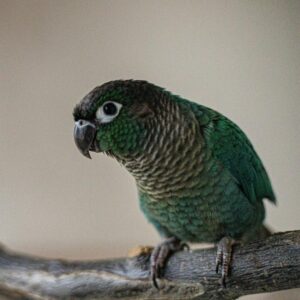
Like us, parrots experience pain; however, how they express discomfort can differ from how we might show pain. September is Animal Pain Awareness Month, which makes this the perfect time to reflect on how we can keep our feathered companions healthy and happy by being aware of what pain in parrots might look like.
Why Parrots Hide Pain
In the animal kingdom, parrots fall into the category of prey animals. A visibly injured or sick preyed-upon animal is more likely to be targeted by a predator. With this in mind, it’s easier to understand why our feathered friends might not show outward signs of pain or illness at the onset as we would. Parrots, and many other prey animals, are hard-wired to do their best to hide signs of weakness for as long as possible. Here’s what pain awareness means for parrots.
Pain in Parrots
- Changes in Vocalizations: If your normally chatty parrot becomes unusually quiet this could be a sign that they are uncomfortable or in pain.
- Appetite Loss: A sudden disinterest in food or water can indicate illness or pain. A bird that refrains from eating for more than a day should be checked by an avian veterinarian as soon as possible.
- Changes in Posture: A parrot in pain might sit fluffed up for long periods, perch awkwardly, or avoid perching altogether. They may also hold one leg up for an extended time without switching positions.
- Behavioral Changes: If your parrot is usually playful, curious, or likes to step up onto your hand but suddenly becomes withdrawn, doesn’t want to leave the cage, is aggressive or unusually quiet, it could be a sign that they are in pain/not feeling well.
- If you have multiple birds, your bird might suddenly not fit into normal flock dynamics, such as choosing to perch alone instead.
- Feather Plucking or Excessive Preening: Some parrots might pluck their feathers over the area on their body where they feel pain/discomfort.
Paying attention to your bird’s normal behavior, posture, and daily routine is crucial to spotting signs of pain or distress early on. Annual health check-ups are equally important, as these visits can catch problems before they have a chance to flare up and needlessly cause your bird pain. Your avian veterinarian can also help you create a pain management plan to ease discomfort, such as medications/supplements or making changes to your bird’s environment (for example, softer perches for an arthritic parrot).
Case In Point
Years ago, my cockatiel Gracie unexpectedly flew on top of my conure Ollie’s cage. When Gracie put his beak through the cage bars, Ollie lunged at him from within the cage. Gracie let out a quick, one-note squawk, which, at the time, I took to mean, “How dare you?!” But that was it, just that one squawk, and I put Gracie back in his cage.
It wasn’t until later in the day that I noticed Gracie, perched behind a toy dangling above his perch, was intermittently shaking his head. I picked him up and that’s when I saw a small puncture at the base of his beak. In the brief moment that Gracie was on top of Ollie’s cage, Ollie managed to pinch Gracie’s beak. Thankfully, my avian veterinarian was able to treat/repair the beak, and a follow-up vet visit later, Gracie was back to his curious self. My little cockatiel literally tried to “shake off” the pain and did his best to play it off as “everything’s fine.”
How Other Pets Express Pain
Dogs
- Aggression. For example, you try to touch your dog’s paw, and your dog snaps at you.
- Licking. Your dog might excessively lick an area of their body that hurts.
- Panting. A dog in pain might pant excessively.
- Shaking. Your dog might try to “shake away the pain.”
- Vocalizing: A dog in pain might yelp out in pain or whimper.
Cats
- Hiding/Avoidance. They might hide under the bed or behind furniture
- Not grooming: It is normal for cats to self-groom throughout the day so a lack of grooming could indicate pain.
- Hissing/Growling: A cat in pain might hiss or growl to keep you away as it might feel vulnerable.
Thank you for the information it was of great helpcupp
your info is of great value to me and i/m sure other parrot/bird lovers thanks for4 adding info on dogs and cats in pain