
Introduction
Celebrate World Giraffe Day LafeberVet-style with fast facts on this special species (Fig 1). Topics covered will include taxonomy, the range and conservation status of giraffes (Giraffa camelopardalis) in the wild as well as basic husbandry and common diseases of captive animals. The anatomy and physiology of the giraffe is too unique to adequately cover in this brief review, however, some interesting facts will be shared with an emphasis on the cardiovascular system.

Figure 1. World Giraffe Day was initiated by the Giraffe Conservation Foundation in 2014 to celebrate the world’s tallest animal on the longest day of the year. Photo: Donnie Ray Jones via Flickr Creative Commons. Clikc image to enlarge.
Range
The giraffe is native to the savannas and open woodlands of Africa (Fig 2). Once widespread across the continent, giraffes are now primarily found as fragmented groups within national parks or game farms in eastern and southern Africa and as scattered populations in west Africa.5,15,21 There are less than 70,000 animals in the wild.21
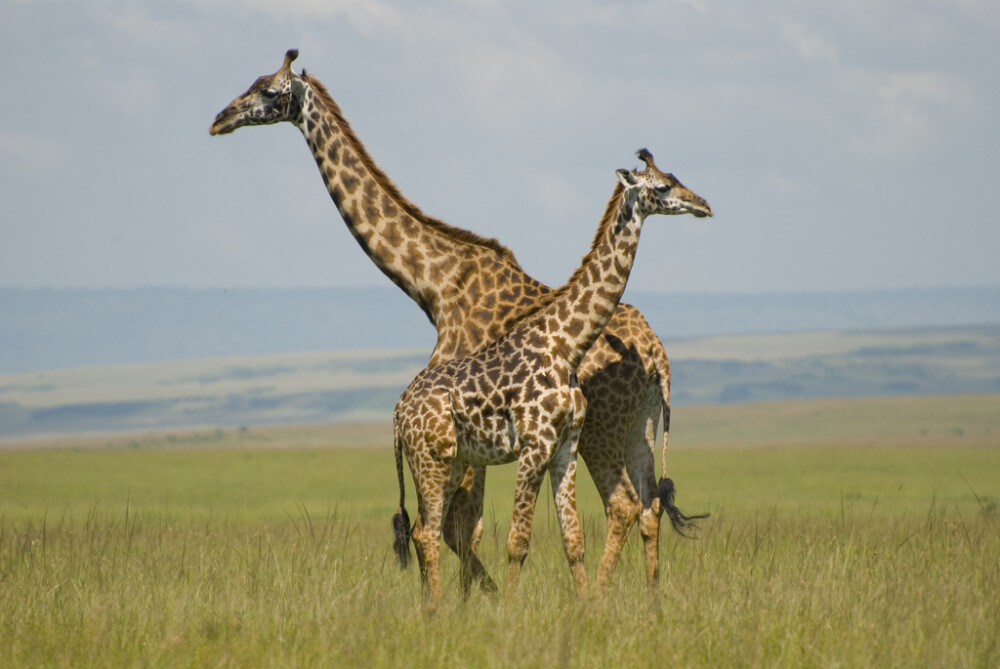
Figure 2. Reticulated giraffes (Giraffa camelopardalis reticulata) in Maasai Mara National Reserve, Kenya. Photo: Paul Mannix via Flickr Creative Commons. Click image to enlarge.
Taxonomy
The International Union for the Conservation of Nature (IUCN) recognizes one giraffe species with nine subspecies (Box 1)21, however, genetic analyses have identified four distinct species: G. camelopardalis, G. giraffa, G. reticulata, and G. tippelskirchi (Fig 3).6,7,11,13
| Box 1. Giraffa sp. taxonomy |
|---|
Class: Mammalia Order: Artiodactyla: even-toed ungulates or hoofstock Suborder: Ruminantia: four-chambered stomach Family: Giraffidae: giraffe and okapi |
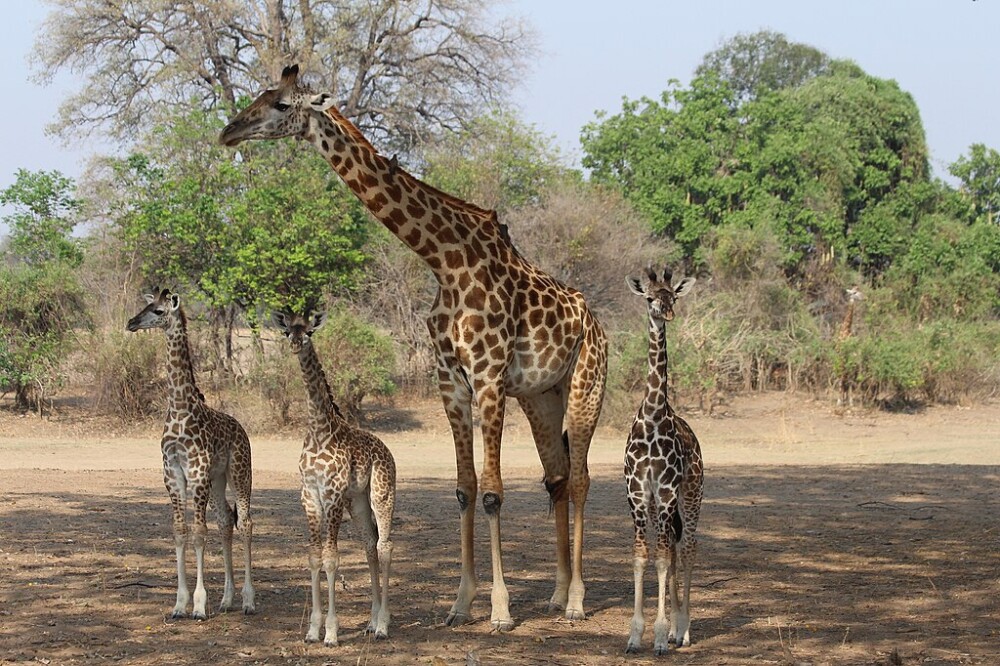
Figure 3. Thornicroft’s giraffe (Giraffa camelopardalis thornicrofti) is a geographically isolated subspecies or species found only in northeast Zambia.12 Photo: Manuel Schwarz via Wikimedia Commons. Click image to enlarge.
Conservation status
The IUCN classifies giraffe populations as “vulnerable”, although West African giraffes (Giraffa c. peralta) and Rothschild’s giraffes (G. c. rothschildi) are categorized as “endangered” (Fig 4).21
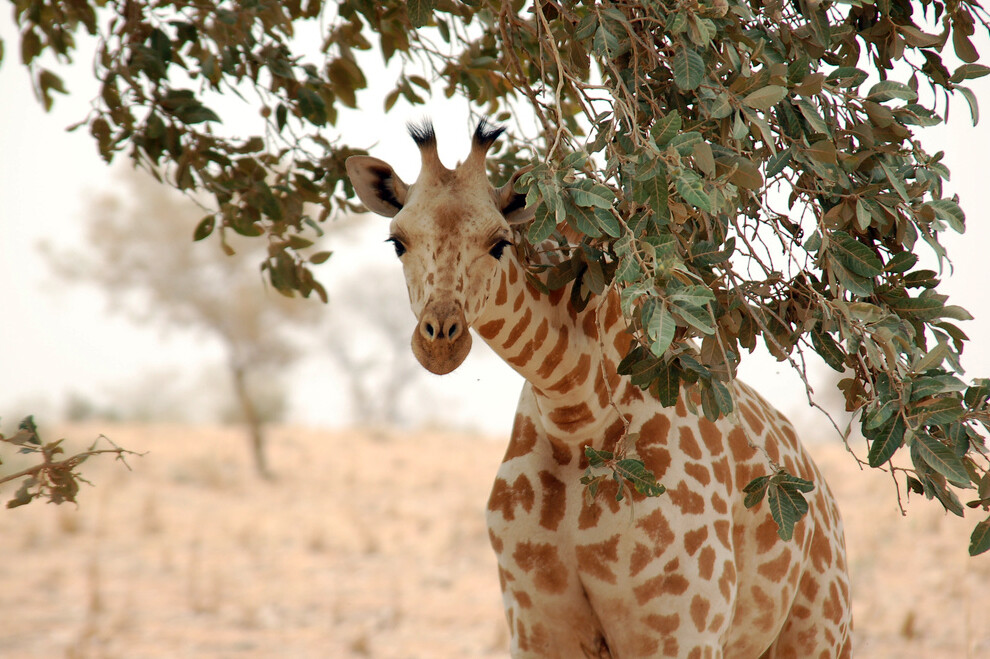
Figure 4. The West African giraffe (Giraffa camelopardalis peralta) was historically spread across much of the Sudano-Sahel region but is now restricted to Niger.15 Photo: Roland H. via Wikimedia Commons. Click image to enlarge.
Height
The giraffe is the world’s tallest animal.21,22 Its long neck and limbs are believed to have evolved to allow better access to high foliage and to improve predator detection (Fig 5).3,22 The male giraffe or bull stands 5.7 m from the ground to the horns, reaching 3.3 m at the shoulders.18 The long neck measures approximately 2.4 m.18 Females (cows) are typically 0.7 to 1 m shorter.18 Calves measure approximately 2 meters from the ground to the shoulders.18
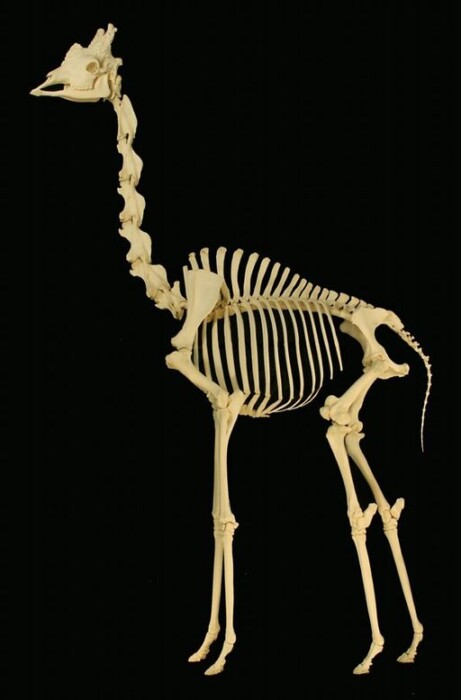
Figure 5. Like all members of class Mammalia, the giraffe (Giraffa spp.) possesses seven elongated cervical vertebrae. Photo: Sklmsta via Wikimedia Commons. Click image to enlarge.
Ossicones
Giraffe horns are called ossicones.18 These permanent, unbranched, bony protuberances are covered with skin and fur and are present in both males and females. Female horns are thin and tufted, while male horns are relatively thick (Fig 6, Fig 7).18 Giraffe are born with small, bony cores surrounded by cartilage that is unattached to the skull and therefore able to lie flat.16 Soon after birth, these cores begin to grow and ossify.16 By the time the giraffe reaches sexual maturity between 3-5 years, the ossicones are completely attached to the skull (Box 2).16

Figure 6. The ossicones of female giraffes (Giraffa spp.) are often relatively thin and tufted with fur. Photo: Rennett Stowe via Flickr Creative Commons. Click image to enlarge.
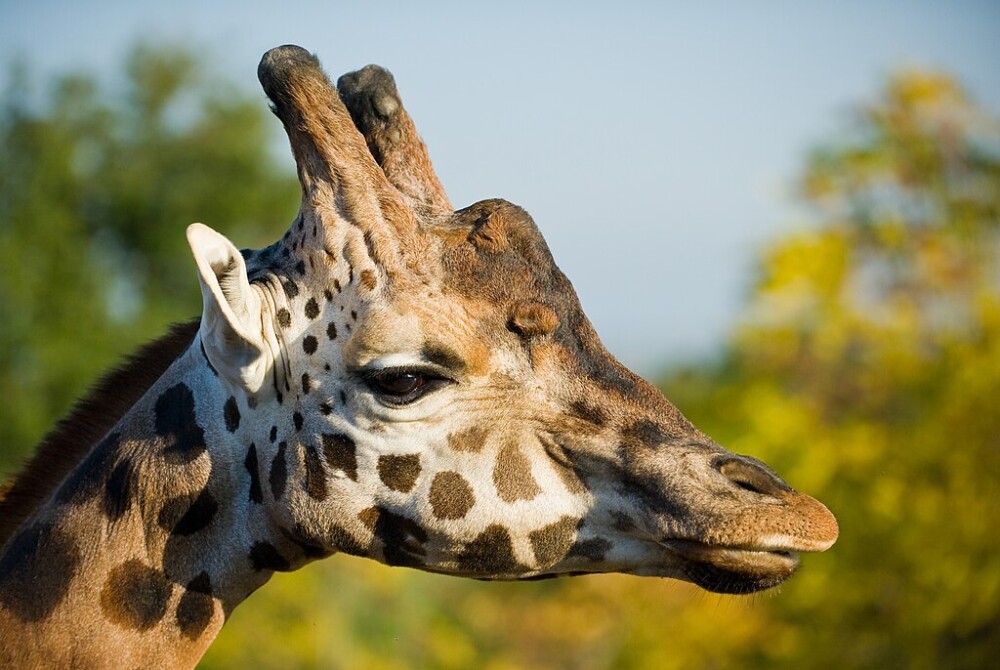
Figure 7. Male giraffes (Giraffa spp.) generally possess thicker ossicones. In free-ranging bulls, the top of the horn becomes bald as a result of frequent necking or sparring.16,18 In some species, bulls grow a second pair of ossicones on the back of the skull.16 Giraffes also possess a central osseous protuberance, which is more prominent in males.5,16 Photo: Stefan Kraus via Wikimedia Commons. Click image to enlarge.
| Box 2. Basic biological characteristics of Giraffa spp.5,13,18 | |
|---|---|
| Parameter | Measurement |
| Lifespan (wild) | 10-15 years |
| Lifespan (captivity) | 20-27 years (mean: 25 years) |
| Adult male BW | 850-1930 kg |
| Adult female BW | 700-1200 kg |
| Newborn BW | 50-55 kg |
| Dental formula | I0/3 C0/1 PM3/3 M3/3 = 33 |
| Puberty, age | 3-4 years (female) 4-5 years (male) |
| Estrus cycle | 14-15 days |
| Gestation | 420-468 days |
| BW: body weight | |
Physiological challenges
The giraffe’s height imposes a variety of challenges on multiple body systems, including the cardiovascular system.1,2,3 Since the heart-to-head distance in the adult giraffe exceeds 2 m, the heart must generate a blood pressure twice that of other mammals to adequately perfuse the brain.5,19,22,27 The normal systolic blood pressure in a healthy adult ranges between 200 and 300 mm Hg (mean: 200 mm Hg) at the level of the heart.1,2,5,22,24 This high arterial blood pressure is needed to maintains cerebral perfusion pressure at approximately 100 mm Hg at the entrance to the brain.2
Blood pressure may exceed 450 mm Hg in the lower limbs. Rigid, thick-walled vessels are needed in this region to withstand elevated hydrostatic pressure.2,3,5 Edema is prevented by “gravity-suit-like fascia and skin”, extensive lymphatics, as well as valve-like structures in the arteries at the stifle and elbow.1,2,5
Although the normal giraffe does not develop edematous limbs secondary to hypertension, high blood pressure does leads to hypertrophy of the giraffe’s left ventricular wall (Fig 8a, Fig 8b).2 In most mammals, hypertension-induced left ventricular thickening leads to cardiac pathologies, such as fibrosis and heart failure, however, the giraffe heart is apparently resistant to developing cellular pathology.2,22

Figure 8a. Pressure-induced concentric thickening of the left ventricle (as shown on the right, bottom arrow) is associated with excellent exercise tolerance and preserved left ventricular diastolic function in the giraffe (Giraffa spp.). Taken from the free full text: Natterson-Horowitz B, Baccouche BM, Mary J, Shivkumar T, et al. Did giraffe cardiovascular evolution solve the problem of heart failure with preserved ejection fraction? Evol Med Public Health. 2021;9(1):248-255. doi: 10.1093/emph/eoab016. PMID: 34447575; PMCID: PMC8385250.
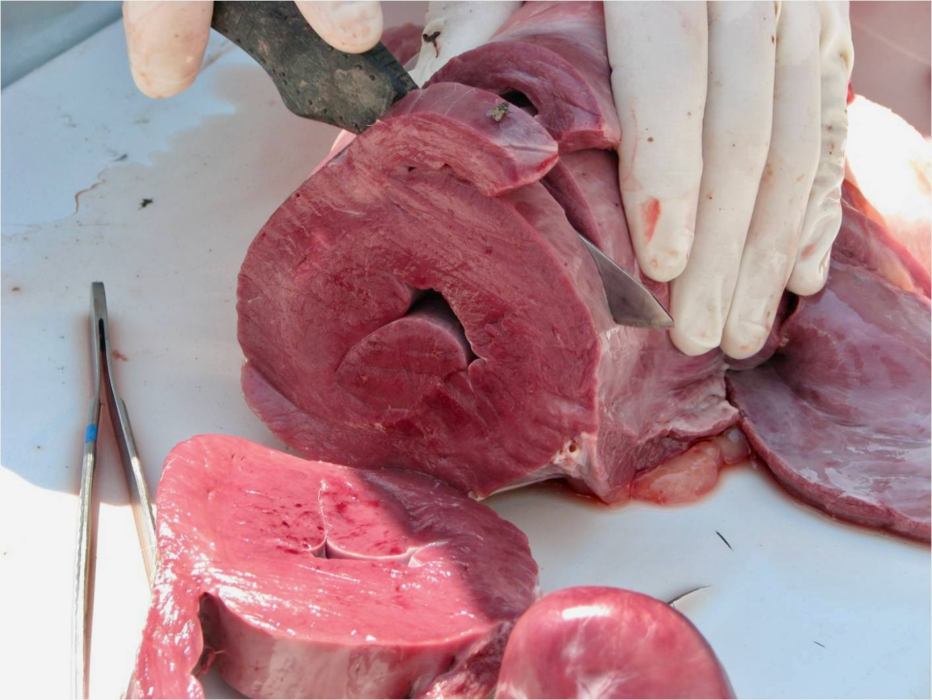
Figure 8b. Concentric hypertrophy of the left ventricle in a normal adult giraffe (Giraffa spp.). Photo: Dr. Mads Bertelsen. Click image to enlarge.
Scientists still have an incomplete understanding of how cerebral circulation is maintained and protected when a giraffe lowers or raises its head (Fig 9).1,2,27 We do know that large, compliant jugular veins allow blood to pool when the head is lowered.2,5 Baroreceptor-based regulation of vascular tone, non-collapsible vertebral veins, and valves within the jugular veins also likely play a role.2,5

Figure 9. The vascular system of the giraffe (Giraffa spp.) is uniquely designed to mitigate the potentially calamitous changes in blood pressure that could occur when a giraffe lowers its head to drink water and then swiftly lifts its head 5-6 m in one sweeping movement.1,2,3,26 Note the blood pressures in the heads of giraffes in different positions. Taken from the free full text: Natterson-Horowitz B, Baccouche BM, Mary J, Shivkumar T, et al. Did giraffe cardiovascular evolution solve the problem of heart failure with preserved ejection fraction? Evol Med Public Health. 2021;9(1):248-255. doi: 10.1093/emph/eoab016. PMID: 34447575; PMCID: PMC8385250.
Interestingly, despite the work that must be done to pump blood vertically, the energy expenditure of the giraffe heart is similar to other mammals (relative to body weight).2 The giraffe heart also makes up the same proportion of body mass (around 0.5%) as seen in other mammals.2
Housing
Giraffes are popular exhibit animals with specialized housing needs.8,14 Giraffes are usually maintained in large paddocks outdoors. Fences do not need to be high because giraffes are reluctant to step over barricades. Indoor facilities are separated into stalls (Fig 10). Several females can be housed together, however males should be separated. Typically, only one male is kept with a herd since bulls may fight for dominance. In temperate climates, indoor facilities should be heated to 18-24ºC (65-75ºF) and outdoor access should be restricted at subzero temperatures.5 Indoor housing should also provide dry, nonslip flooring with adequate drainage.5,13 Soft flooring may promote hoof overgrowth, therefore giraffes should be encouraged to walk on abrasive surfaces, such as brushed concrete.5 Some zoos cover the floor with straw or shavings, while others use coarse gravel to provide traction and wear.5 To reduce the risk of injury from falls or entrapment of the neck or ossicones, careful consideration should be given to the placement of fencing, trees, chains or pulleys, hay racks, and enrichment items.13,14

Figure 10. Indoor giraffe (Giraffa spp.) stall at the London Zoo. Of course giraffe house doors should ideally be high. Although giraffes can learn to lower their heads to walk through doors that are only slightly higher than their withers, they often will not do so when stressed, which could lead to injury.5 Photo: Karen Roe/Flickr Creative Commons. Click image to enlarge.
Selective browsers
Giraffes preferentially select fresh leaves and buds high in protein (>20%). Free-ranging animals primarily feed on Acacia spp.5 Daily browse is a critical part of the captive diet for both nutritional and behavioral reasons (Fig 11).5,13,17 Zoo giraffes are also offered free-choice alfalfa hay and formulated foods to meet dietary requirements.5,13
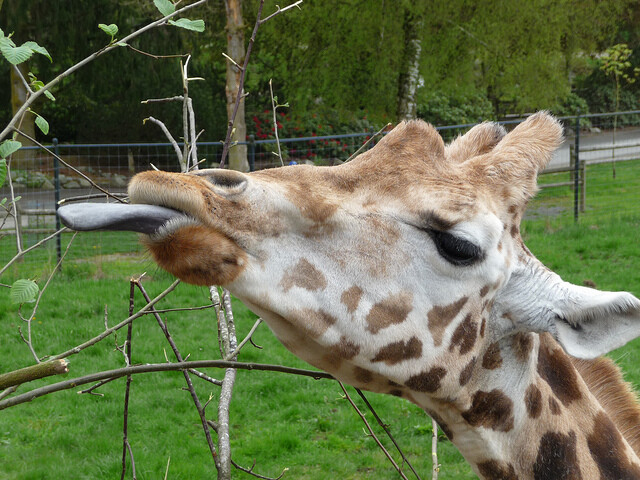
Figure 11. Giraffes (Giraffa spp.) in captivity should be offered low-starch browse on a daily basis to meet both nutritional and behavioral needs. Photo: Dani-Rae Law via Flickr Creative Commons. Click image to enlarge.
Manual restraint
Giraffes are extremely agile and can kick in any direction with all four legs.5 The head can also be used as a battering ram. Chutes or squeezes can be used in conditioned giraffes for minor procedures, such as venipuncture and simple hoof trims (Fig 12).5
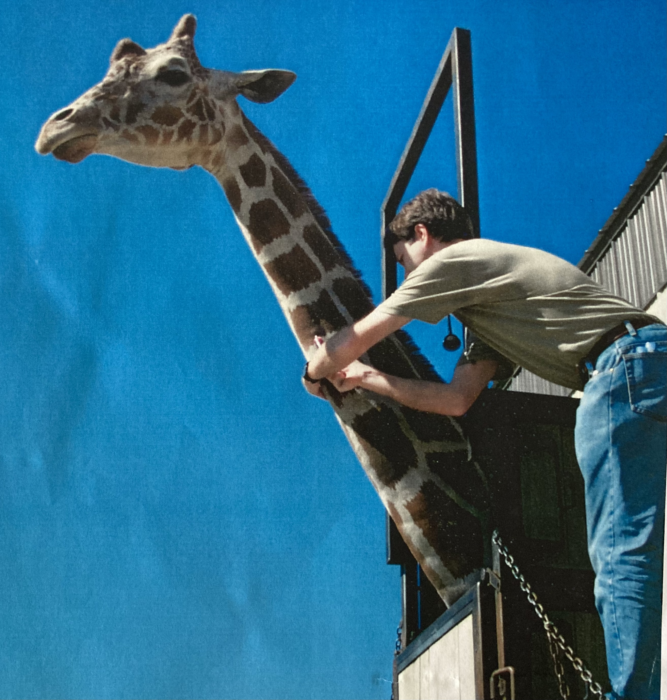
Figure 12. Jugular venipuncture in a giraffe (Giraffa spp) restrained in a chute. Photo: Dr. Adrian Mutlow. Click image to enlarge.
Video 1. Jugular venipuncture in a giraffe (Giraffa spp.) utilizing target training by Dr. Liza Dadone, Giraffe Veterinary Services. Video credit: Lauren Kimbro via Highpoint Haven.
Chemical restraint
“The giraffe has traditionally been considered one of the most challenging animals to anesthetize” 5 and their immobilizations are associated with more anesthetic-related complications and deaths than other members of order Artiodactyla (Fig 13).5,14 Most problems arise during induction and recovery with the primary cause of death being passive regurgitation with subsequent inhalation of rumen contents leading to rapidly fatal inhalation pneumonia.5,10,13 To reduce the risk of regurgitation and stabilize blood pressure, the head is elevated 80-150 cm above heart level.5 The neck is kept as straight as possible using a padded board or ladder and bales of straw.5
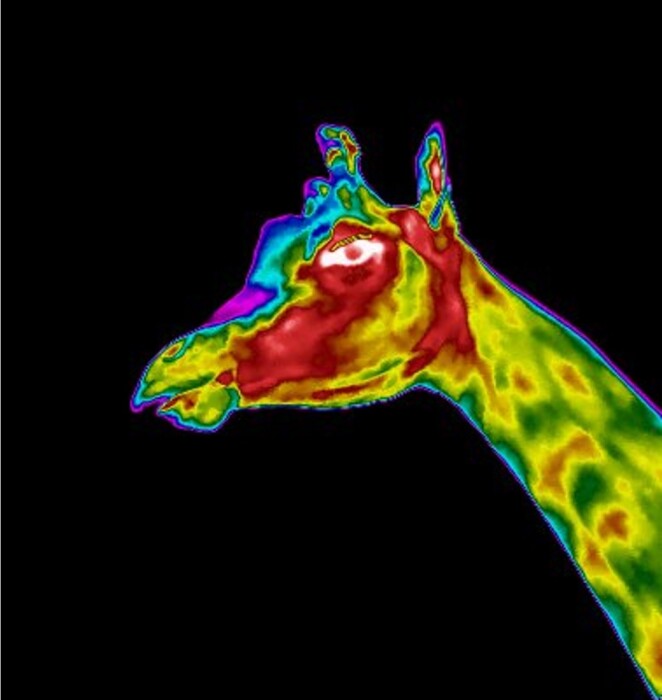
Figure 13. Like many zoo animals that are difficult to examine and challenging to anesthetize, thermography is a valuable tool in giraffes (Giraffa spp.). Photo: Dr. Liza Dadone. Click image to enlarge.
Traumatic injury, such as mandibular fractures, is another common anesthetic complication.4,13 Careful planning and induction within a well-designed restraint device are important.5,13 It is also critical to gain control of the head as soon as the giraffe becomes recumbent as most injuries occur when the groggy giraffe attempts to stand and then falls.5
Lameness
Hoof disease and chronic or intermittent lameness are common problems in adult giraffes at many zoos (Fig 14, Video 2).8,9,13,14,20 In fact, up to 80% of giraffe immobilizations are performed to address hoof lesions and musculoskeletal concerns, including hoof overgrowth, osteoarthritis, and arthropathies.13 Overgrown hooves are frequently associated with changes in weight distribution that can also lead to pedal osteitis and pedal fractures.8,13 Hoof overgrowth may begin at a relatively young age.9,14 The underlying pathogenesis is likely multifactorial, however, proposed factors include abnormal conformation, poor nutrition, insufficient exercise, hypothyroidism, unsuitable flooring, and/or trauma.8,9,13
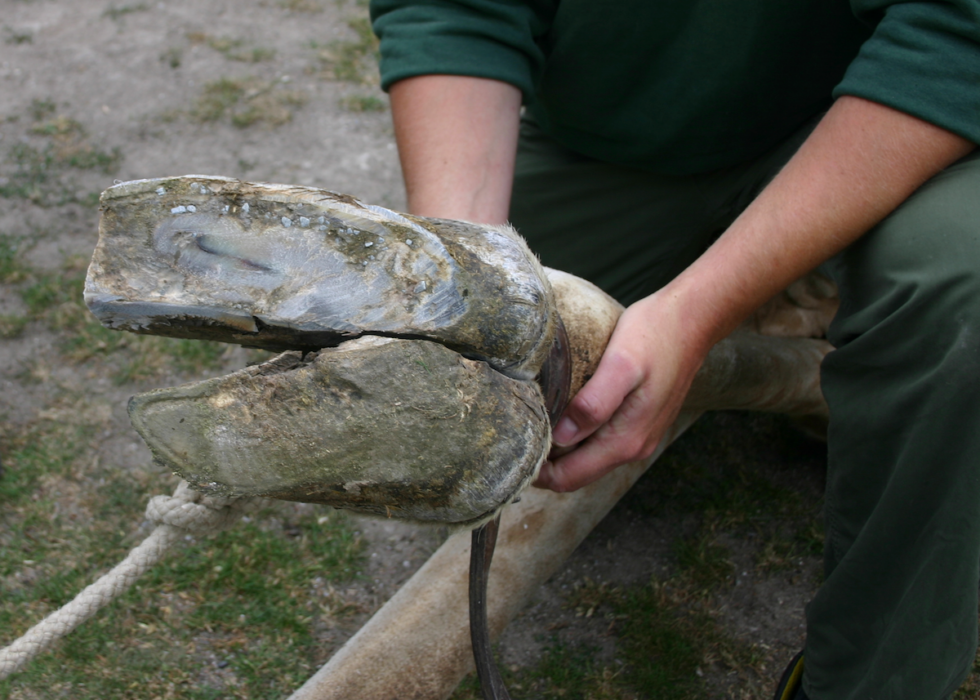
Figure 14. Hoof disease and abnormal conformation in a giraffe (Giraffa spp.). Photo: Dr. Mads Bertelsen. Click image to enlarge.
Video 2. Regular training programs are essential for the prevention or management of hoof disease. Shown here, giraffe footcare performed by Steve Foxworth of the Zoo Hoofstock Trim Program. Video credit: Lauren Kimbro via Highpoint Haven.
Trauma
Life in the wild is far from easy. Lions, leopards, hyenas, and crocodiles are all known to prey on giraffes, particularly the young or elderly.18,25 Nevertheless life in captivity can also be dangerous. Trauma is an important cause of morbidity and mortality in zoos.13,23 Falls due to improper flooring, entanglement in cage furniture, and entrapment in gaps in fencing or barn structures are all risks that have been described.13,23
Conclusion
The giraffe’s extreme height and its many modifications of form and function have intrigued scientists for centuries 2 Although we still possess an incomplete understanding of this fascinating creature, important inroads have been made in our knowledge of giraffe anatomy and physiology.
The conservation status of this special species is considered “vulnerable” in the wild, but fortunately the zoo population is considered self-sustaining.5 These popular exhibit animals require specialized management, but zoo veterinarians continue to make strides in improving giraffe husbandry and medical care.
References
References
- Aalkjær C, Wang T. The cardiovascular challenges in giraffes. J Muscle Res Cell Motil. 2023;44(2):53-60. doi: 10.1007/s10974-022-09626-0. Epub 2022 Jul 25. PMID: 35879488.
- Aalkjær C, Wang T. The remarkable cardiovascular system of giraffes. Annu Rev Physiol. 2021;83:1-15. doi: 10.1146/annurev-physiol-031620-094629. Epub 2020 Nov 9. PMID: 33167747.
- Agaba M, Ishengoma E, Miller WC, et al. Giraffe genome sequence reveals clues to its unique morphology and physiology. Nat Commun. 2016;7:11519. doi: 10.1038/ncomms11519. PMID: 27187213; PMCID: PMC4873664.
- Aprea F, Taylor PM, Routh A, et al. Spinal cord injury during recovery from anaesthesia in a giraffe. Vet Rec. 2011;169(2):50. doi: 10.1136/vr.d1685. Epub 2011 Jun 14. PMID: 21672949.
- Bertelsen MF. Giraffidae. In: Fowler’s Zoo and Wild Animal Medicine Volume 8. St. Louis, MO: Elsevier Saunders; 2015:602-609.
- Bercovitch FB, Berry PSM, Dagg A, et al. How many species of giraffe are there? Curr Biol. 2017;27(4):R136-R137. doi: 10.1016/j.cub.2016.12.039. PMID: 28222287.
- Coimbra RTF, Winter S, Kumar V, et al. Whole-genome analysis of giraffe supports four distinct species. Curr Biol. 2021;31(13):2929-2938.e5. doi: 10.1016/j.cub.2021.04.033. Epub 2021 May 5. PMID: 33957077.
- Dadone L. Lameness diagnosis and management in zoo giraffe. In: Miller RE, Lamberski N, Calle P, eds. Fowler’s Zoo and Wild Animal Medicine Current Therapy. Vol 9. St. Louis, MO: Elsevier; 2019:623–629.
- Dadone L, Olea-Popelka F, Stout E, et al. Clinical conditions found radiographically in the front feet of reticulated giraffe (Giraffa camelopardalis reticulata) in a single zoo. J Zoo Wildl Med. 2019;50(3):528-538. doi: 10.1638/2018-0031. PMID: 33517621.
- Delk KW, Mama KR, Rao S, Radcliffe RW, Lamberski N. Comparison of anesthesia of adult giraffe (Giraffa camelopardalis) using medetomidine-ketamine with and without a potent opioid. J Zoo Wildl Med. 2019;50(2):457-460. doi: 10.1638/2018-0119. PMID: 31260214.
- Fennessy J, Bidon T, Reuss F, et al. Multi-locus analyses reveal four giraffe species instead of one. Curr Biol. 2016;26(18):2543-2549. doi: 10.1016/j.cub.2016.07.036. Epub 2016 Sep 8. PMID: 27618261.
- Fennessy J, Bock F, Tuchings A, Brenneman R, Janke A. Mitochondrial DNA analyses show that Zambia’s South Luangwa Valley giraffe (Giraffa camelopardalis thornicrofti) are genetically isolated. J. Ecol. 2013; 51: 635-640
- Figueroa R, Dadone L, Locklear T, Johnston M. A 30 year (1991-2020) retrospective mortality review of Giraffids (Giraffa and Okapia johnstoni) in managed care. J Zoo Wildl Med. 2024 Mar;55(1):13-21. doi: 10.1638/2023-0091. PMID: 38453483.
- Gage LJ. Giraffe husbandry and welfare. In: Miller RE, Lamberski N, Calle P (eds). Fowler’s Zoo and Wild Animal Medicine Current Therapy. Vol 9. St. Louis, MO: Elsevier; 2019:619-622.
- Gašparová K, Fennessy J, Moussa Zabeirou AR, et al. Saving the last West African giraffe population: A review of its conservation status and management. Animals (Basel). 2024;14(5):702. doi: 10.3390/ani14050702. PMID: 38473087; PMCID: PMC10930505.
- Giraffe Conservation Foundation. Do all giraffe have horns? GCF web site. Available at https://giraffeconservation.org/facts/do-all-giraffe-have-horns/. Accessed June 16, 2024.
- Hatt JM, Schaub D, Wanner M, et al. Energy and fibre intake in a group of captive giraffe (Giraffa camelopardalis) offered increasing amounts of browse. J Vet Med A Physiol Pathol Clin Med. 2005;52(10):485-90. doi: 10.1111/j.1439-0442.2005.00769.x. PMID: 16300655.
- Maisano S. Giraffa camelopardalis. Animal Diversity Web. 2006. Available at https://animaldiversity.org/accounts/Giraffa_camelopardalis/. Accessed June 15, 2024
- Mitchell G, Skinner JD. An allometric analysis of the giraffe cardiovascular system. Comp Biochem Physiol A Mol Integr Physiol. 2009;154(4):523-9. doi: 10.1016/j.cbpa.2009.08.013. Epub 2009 Aug 29. PMID: 19720152.
- Mordoh S, Garcées R, Dadone L, McCauley C. Osteochondritis dissecans in giraffes. Proc Annu Conf American Association of Zoo Veterinarians 2023.
- Muller, Z., Bercovitch, F., Brand, R., et al. Giraffa camelopardalis (amended version of 2016 assessment). The IUCN Red List of Threatened Species. 2018: e.T9194A136266699. Available at https://dx.doi.org/10.2305/IUCN.UK.2016-3.RLTS.T9194A136266699.en. Accessed June 15, 2024.
- Natterson-Horowitz B, Baccouche BM, Mary J, Shivkumar T, et al. Did giraffe cardiovascular evolution solve the problem of heart failure with preserved ejection fraction? Evol Med Public Health. 2021;9(1):248-255. doi: 10.1093/emph/eoab016. PMID: 34447575; PMCID: PMC8385250.
- Remport L, Sós-Koroknai V, Hoitsy M, Sós E. Mandibular fractures in giraffes (Giraffa camelopardalis) in European zoos. J Zoo Wildl Med. 2022;53(2):448-454. doi: 10.1638/2021-0007. PMID: 35758587.
- Smerup M, Damkjær M, Brøndum E, et al. The thick left ventricular wall of the giraffe heart normalises wall tension, but limits stroke volume and cardiac output. J Exp Biol. 2016;219(Pt 3):457-63. doi: 10.1242/jeb.132753. Epub 2015 Dec 7. PMID: 26643090.
- Strauss MKL, Packer C. Using claw marks to study lion predation on giraffes of the Serengeti. Journal of Zoology. 2012;289(2):134-142. doi: 1111/j.1469-7998.2012.00972.x.
- Van Citters RL, Franklin DL, Vatner SF, Patrick T, Warren JV. Cerebral hemodynamics in the giraffe. Trans Assoc Am Physicians. 1969;82:293-304. PMID: 5375153.
- van der Walt MS, Daffue W, Goedhals J, van der Merwe S, Deacon F. A preliminary study on the siphon mechanism in giraffe (Giraffa camelopardalis). Animals (Basel). 2022;12(23):3348. doi: 10.3390/ani12233348. PMID: 36496868; PMCID: PMC9740075.
Pollock C. Giraffe fast facts. LafeberVet web site. June 21, 2024. Available at https://lafeber.com/vet/giraffe-fast-facts/