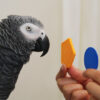
Inside Dr. Pepperberg’s Lab: The Parrot Singalong And Speech Project
Dr. Irene Pepperberg isn’t usually a fan of “citizen science” based studies. One study, however, gets her endorsement, and it’s based on parrot vocalizations!





Dr. Irene Pepperberg isn’t usually a fan of “citizen science” based studies. One study, however, gets her endorsement, and it’s based on parrot vocalizations!
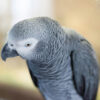
Some birds are inclined to be cautious and wary of new things, while others seem to exhibit an immediate curiosity, and still more land somewhere in between. In her latest blog, Dr. Pepperberg discusses the concept of neophobia (dislike of novelty) and neophilia (attraction to novelty), and the degree of which it can vary among bird species. She also dishes on why our companion parrots tend to like consistent schedules.
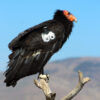
The California Condor, North America’s largest bird, might be small in numbers, but it has strong support in the conservation community. The Peregrine Fund has worked tirelessly since the early ’80s to increase the birds’ wild populations, which includes introducing the birds back into their native habitats.
The John James Audubon Center pays homage to the renowned artist and environmentalist, and, perhaps most famously, author of “The Birds of America.” See what’s inside this new, interactive museum and nature facility that celebrates Audubon’s arrival to the area more than 200 years ago.
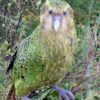
Here’s one parrot you probably couldn’t host on your shoulder, or your hand for that matter. Meet Heracles inexpectatus, the world’s largest species of parrot, recently discovered by palaeontologists in New Zealand. Standing at more than 3 feet tall, this prehistoric parrot has also earned the nickname Squawkzilla.
Can birds understand what their people are saying and/or understand what he or she is saying? Dr. Irene Pepperberg says the answer depends on the type of interactions parrots have with their owners. Discover how the way you interact with your feathered companion, as well as flock dynamics, can influence parrot communication.
Fall is the time of change – particularly along the northern tier in the United States. While we often think about how autumn affects us, a change of seasons also brings out changes in our pet birds.