The Golden Conure, also known as the Queen of Bavaria Conure, is referred to as the Golden Parakeet in South America (Guaruba guarouba). It is endemic to Brazil and is one of the most trafficked New World parrots due to its brilliant and beautiful yellow plumage. I had the enormous privilege of meeting a few individuals in 2012 at the Lymington Foundation in the state of São Paulo, where they are part of a special breeding program seeking to salvage a rapidly declining population.
The Lymington Foundation was started in 2004 by an American couple, Bill and Linda Witikoff. It is now managed by famed Brazilian scientist, Luís Fábio Silveira. He is also the curator of birds at the University of São Paulo’s Museum of Zoology (MZUSP). Luís and biologist Marcelo Vilarta are part of the Golden Parakeet reintroduction project. This project is supported by the Institute for Forest Development and Biodiversity (IDEFLOR-Bio) and the Lymington Foundation.
While Golden Parakeets are more readily available now from captive-breeders, they remain threatened with extinction in the wild. They are currently listed by the IUCN as vulnerable, and on CITIES as Appendix 1, with fewer than 10,000 remaining in the wild. Like so many other parrot species, they face continued threats of deforestation and wildlife trafficking. It is especially devastating when traffickers cut down trees to capture the chicks because they are simultaneously destroying rare and much-needed nest cavities.
Flying the Skies Again in Belém, Brazil
Image by Marcelo Vilarta
But there is some growing good news. In 2017, Marcelo Vilarta and his team set up two aviaries in the Utinga State Park, a green space in the heart of Belém in northern Brazil. Golden Parakeets have been extinct in this area for over 100 years. Belém is the capital and largest city of Brazil’s state of Pará, and it is the gateway to the Amazon River. Its metropolitan area population is estimated at 2.5 million. Belém has also been chosen by the United Nations to host the COP30 climate summit in 2025.
The Utinga State Park aviaries can hold up to 10 Golden Parakeets at a time. The selected birds come from the Lymington Foundation’s captive breeding program and are chosen for their flight and socialization skills. Once established in the aviaries, they are taught to forage, recognize, and eat the kind of vegetation they will find when released – such as acaí berries and nance. They are also taught to recognize potential predators such as boa constrictors.
Once the aviary birds develop the skills required for survival, they are released into the park, which is 60% primary rainforest. Since 2018, 50 individuals have been reintroduced to the wild and, 40 of these have dispersed to surrounding areas. Each is retrofitted with a leg ring and radio collar, although tracking can be a challenge. The remaining 10 parakeets still linger in the park and visit the enclosures with the next group of parakeets in the aviaries.
Photo courtesy of Marcelo Vilarta
For three years following the initial releases, it was discovered that the birds fed on 23 different plant species, 13 of which had not been known earlier. Golden Parakeets are critically important to seed dispersal of the acaí and nance, as well as 21 other plants native to the Amazon. Therefore, their existence is important to the overall health of the Amazon and Belém region!
This month’s Lafeber donation goes to support the Golden Parakeet reintroduction project and the hope it gives to the future of this stunning, rare species! If you would like to learn more about the feeding ecology of reintroduced Golden Parakeets, here is a very informative study.
Raise your dominant hand if you know what August 13th is? If your left hand is up, you are correct — it’s International Left-Handers Day! In honor of southpaws, let’s take a fun, somewhat scientific, look at parrots’ and other animals’ left or right preferences, as well as some surprising ways left-handedness can affect the way we care for our birds.
Animal Instincts: Left Or Right?
Humans aren’t the only ones with left or right-handedness preferences (or left-footed, right-footed, in the case of other animals). Studies show that a surprising number of species prefer to use one side of their body over the other. For example, left-handed chimpanzees are in the minority, because most chimpanzees, like people, are more likely to be right-handed.
Next time you ask a dog to “shake hands” pay attention to which paw they offer. One study shows that male dogs are slightly more inclined to be southpaws and females are more likely to be right-pawed. A study on cats showed that female felines are significantly more likely to be right-pawed, while males are more inclined to be left-pawed.
Similarly, fish also show preferences in which direction they turn to evade a predator. And since we’re talking “handedness,” let’s include the animal with the most arms in the conversation — octopuses! Octopuses have a dominant arm to explore and manipulate objects in their environment. What about parrots?
Parrot Foot Preferences
Offer your bird a Nutri-Berrie or other favorite bite-size food, and see which foot they hold it in— chances are, it will be the left foot!
Parrots, indeed, have a preference for which foot they use to hold food and foot toys, to step up, and more. And parrots tend to be … left footed! Offer your bird a Nutri-Berrie or other favorite bite-size food, and see which foot they hold it in — chances are, it will be the left foot! Not every parrot is left-footed; there are some right-footed parrots — just like not all humans are right-handed, with an estimated 10% of people being left-handed.
How Handedness Can Affect Parrot Care
What about left-handed caregivers; does being left-handed affect how we care for our birds? You might be surprised. Let’s take a look in the kitchen.
Something as simple as using a pair of scissors to open a bag of bird food can be challenging for lefties unless they have left-handed scissors, or have adapted to using “regular” scissors out of necessity due to the scarcity of lefty scissors in most settings.
Prepping sweet potato mash for your bird? It might be a little more frustrating if you’re left-handed. Vegetable peelers have a single sharp side that when held in the right hand allows for a smooth, comfortable motion. However, when held in the left hand, positioning the sharp side for optimal peeling results in awkward, jerky motions. Of course, this can make lefties more accident-prone.
Most kitchen gadgets and appliances, such as can openers, microwaves, and blenders, are ergonomically designed for right-handed use. This means that the handles, grips, and controls are positioned to be comfortable and efficient for right-handed people but might prove awkward for left-handed users.
If you’re preparing a special dish for your bird requiring a measuring cup, get used to metric measurements if you are left-handed. For lefties, measuring cups show the metric measurements, not the cups/ounces amounts. Instead of seeing “1/4 cup/ 2oz.” when you hold the measuring cup in your right hand, you’ll see 50 ml holding it in your left hand.
Living Life As A Lefty
Of course, most lefties are perfectly willing to adapt to right-handed scissors, peeling sweet potatoes awkwardly, or twisting their hand around while using a measuring cup to get a glimpse of the cups/ounces amounts if that means feeding their birds healthy, fun meals. One bonus of being a lefty with the parrot? You can eat next to your bird without worrying about accidentally bumping that Nutri-Berrie out of their left foot — a lefty and a lefty are good table buddies!
The goal for all of us is to understand our beautiful birds and to learn how to help them become better at thriving in their own wild communities. This is essential to avoid the catastrophic loss of some of our beautiful species of every class of bird, particularly our beloved colorful parrot species.
Earlier, a study undertaken by Chicago’s famed Field Museum, headed by Chad M. Eliason and assisted by five other colleagues from institutions in Belgium and the Netherlands, was intended to discover if and how location plays a role in feather coloration. The study also hoped to explain the possible reality that the connection between ecogeographic and climate change influences feather colors and iridescence. For this study, a long review of a whopping 9,409 species helped explore the possibilities of location and coloration as a direct impact.
The Tropics Spur Iridescense
One aspect of the study uncovered that rapid movement toward tropical locations spurred the proliferation of iridescent species. Just as impactful were the differentiation between structural colors (iridescence, as when colors appear to change under circumstances — like feathers that display in a color but when becoming wet and with light, look like a different color variation), and pigmentary colors that do not change color under any circumstances. It was determined that all birds share common evolutionary ancestry that were exclusively iridescent. Certainly, it is the tropics where the quite colorful birds are found. Go further north and birds become more muted in appearance.
What The Data Reveals
As the researchers developed their tree of birds that became an invaluable dataset, they discovered that 415 bird species mostly originated elsewhere, bringing their iridescent colorations with them to the tropics to evolutionarily spur that trait there. They closely examined thousands of photographs and fossils of species of birds, explored their origins and migration pathways.
As more data were accumulated, the researchers concluded that the first birds were, in fact, likely iridescent by nature and that structural coloration today is an evolutionary trait carried on by DNA. The researchers are still unclear as to how and why iridescence evolved at the beginning, but as more studies like this push out the gate, that answer may soon materialize.
Still A Mystery
It is thought that weather impacts could be a part. Some birds change colors as humidity changes and so this could factor in as one reason for influence and any potential natural assistance changes might give the bird in coping with weather changes.
This study, in its infancy, is a potentially vast one with strong elements for further discoveries. See an abstract of the study.
“Beakiation” is a newly coined word to describe how birds in the wild use their beaks to move from tree to tree — similar to how monkeys do with their limbs.
A recent study was launched by the New York Institute of Technology (NYIT), with work done by Edwin Dickinson, Melody W. Young, and Michael C. Granatosky. The study involved four rosy-faced lovebirds. A runway was set up to give the birds a space to move about as they pleased. The purpose was to watch how the birds used their beaks to facilitate movement. The birds performed admirably by often using their beaks to grasp a tree limb while releasing their feet from support surfaces. They moved across spaces by grasping with their beak and “swinging” to the next location.
Faster Movement In Dense Spaces
The reasoning behind this behavioral pattern is that it enables faster movement in tree-dense areas. Flight involves a set of motor movements that require more energy than swinging requires. It also helps birds move faster than ground-based predators, much like monkeys do to evade their predators.
Birds’ beaks are amazingly strong, with a grip that can hold many times the bird’s weight. The upper beak has a hinge between the bill and the skull that allows the bird to amply flex that region. This becomes helpful — much like an extra hand — when grasping a branch to allow the bird to pull itself up. The upper beak is used as a propelling force to give the bird extra power in movement and lift. Taking nothing away from the power of the lower beak, it is clear that each part operates independently of the other to achieve great physical feats.
In the wild, using their beaks to travel more effectively helps parrots avoid ground travel, where predators might lurk. They can do as the monkeys do to get from place to place.
If you have further interest, read the original study and observation of parrot movement. Also, watch this YouTube video showing lovebirds in action.
Many of the things that we do are simple automatic behavior. Nonetheless, we are still quite careful in the way that we handle ourselves to ensure the best possible results. Birds are the same. It’s important to understand just how our beloved birds are different from us in the way they breathe, eat, and other activities we take for granted. The thing to watch for is that we do not allow our normal understanding of how we do things to become how we think we can treat our birds. They are different in many ways. Today, let’s explore how they ingest water.
Water The Wrong Way Can Aspirate
Birds have an airway opening in their mouths that reacts differently in times of stress and in times of normalcy. That opening leads to the trachea, opening and closing with regularity. This physiological difference can lead to a horrible outcome if an unsuspecting person with a new parrot thinks that it is OK to introduce water into their mouths with a dropper. Birds have a controlled way of drinking water that works effectively for them. They know how to keep water from entering the opening leading to their trachea. However, when stressed, the bird’s airway opens and closes rapidly. If you use a dropper because you feel they need water, you run the high and unacceptable risk of asphyxiating the bird if even a single, tiny drop should enter the airway.
If a bird sees you attempting to drip water into their mouth, this will likely initiate a stress event. In this, the danger of several issues is introduced. A drop of water entering the trachea can lead to choking, overhydration, bacterial introduction, and a host of other problems that could lead to the bird’s death. Birds already know how to regulate the amount of water that they drink. They effectively dip their beaks, intake water, lift their heads, and let the life-giving liquid slide naturally down their throats, avoiding the airways altogether. It’s an instinctive behavior that is greatly disrupted if a person feels that water needs to be introduced into the bird’s system.
Safe Ways To Offer Water
The best way to provide water is to leave a dish within their reach. The bird will know how to deal with that. If, however, you believe that the bird is in distress because it is not drinking water, then it is vitally important that you refer the bird to a veterinarian who can get to the bottom of why your bird is not drinking appropriately and possibly help it.
The bottom line here is to warn all bird owners who are unaware of the dangers of introducing water abnormally to a bird. It is never a good idea to introduce water abnormally.
Macaws in Tambopata, Peru. Image courtesy The Macaw Project
The old and lush forests surrounding the Tambopata River in southeast Peru are home to clay licks that attract up to 32 species of parrots, including Amazons, Pionus, several species of macaws, and caiques. The Macaw Society (formerly known as the Tambopata Macaw Project) conducts long-term research about the ecology and conservation of parrots and operates under the direction of Drs. Donald Brightsmith and Gabriela Vigo-Trauco of the Schubot Center for Avian Health at the Texas A&M University.
One of their new projects involves looking into the effects of climate change on the forests of the Tambopata region, and how this, in turn, affects food sources and the breeding success of parrots, especially the macaws that have been part of their research studies since 1989. Having worked in the region for so long, they have a solid baseline of data and information from prior years. Their hypothesis — climate change is affecting access to food sources to sustain successful breeding. Here is more information about their new and important study, in their own words.
Protecting Tambopata’s Parrots: The Impact Of Climate Change
Preparing nest boxes. Image courtesy of The Macaw Society
Global climate change is having major impacts on the structure and function of tropical forests and is predicted to alter the timing and magnitude of forest flowering and fruiting events. Despite the fact that these changes in fruit production will have major impacts on the behavior and survival of a broad array of keystone frugivores, there has been little study of how climate is impacting tropical forest phenology and how these impacts are cascading through local frugivore communities.
One group of iconic species that will likely be impacted by these climate-induced changes are the psittacines (macaws, parrots, and their relatives). This highly endangered group consume mainly forest fruits and seeds acting as both seed predators and fruit dispersers. In previous research, we found that Ara macao breed during the annual peak in fruit availability (November through February). However, this peak in food abundance is short enough that by the time the macaw chicks fledge local food supplies are dropping rapidly. In order to cope with this reduction in food supplies, most A. macao and their young left their breeding ranges and flew about 30 km only 15 to 38 days after their young fledged. Given the poor flying ability of young macaws, traveling with vulnerable young so soon after fledging is not ideal and suggest that food availability patterns in the forests of Tambopata may not be very good for breeding populations of A. macao. If true, this somewhat precarious situation could make A. macao and other parrot species in the region vulnerable to climate-driven changes in the local fruiting patterns.
Macaws fly over the Tambopata River with the Andes Mountains in the background. Image courtesy of The Macaw Projectimage courtesy of The Macaw Society
The core objective of the study is to determine if climate change is driving systematic shifts in tropical forest phenology and how these shifts impact food availability and annual life history patterns of macaws and parrots in the Tambopata region of Madre de Dios. To achieve our objective, we will resurvey forest phenology plots first surveyed 15 years ago to document changes in fruiting patterns. These changes in fruiting will then be compared to long-term data on parrot nesting and natural history patterns from the diverse psittacine community found in the Tambopata region.
Working out of the Malinowski Biological Station, crews will be monitoring both forest plots and macaw nests to determine how both have changed since our work began back in the early 2000s. With 25 years of macaw nesting data and a spread of over 15 years in our forest data, we hope to uncover information on how the changing climate has impacted the forest and birds to date, and help us better predict how future changes in climate and forest fruiting may impact the parrots and macaws of this megadiverse region.
As part of this new research initiative, there is a need to replace some of the most popular nest boxes used by macaw pairs for the past decade. This month’s Lafeber grant goes to support this study and the new nest boxes needed! For more information, you can visit The Macaw Society website.
The conservation of parrots is an active undertaking with many components including study, experimentation, training, and more than a few other tricks to help further declining populations of birds in the wild. And with all this work, you’d hope that the population of rare parrots would be proliferating heartily. Sadly, that’s not the case in most situations. More than a few birds require unique adherence to a distinct set of environmental “rules.” When those “rules begin to deteriorate for the variety of reasons that they do, the birds find it a difficult experience.
One such population is the red-fronted macaw, of which there are less than 300 accounted for in the wild. With their incredibly small range in a desert-like location in the medium altitudinal mountains of Bolivia, these macaws faces extinction if the species doesn’t procreate at a faster rate. The climate is cold at night but warm in the daytime. The birds nest in fissures on the face of the mountain. Interestingly (and adding to the problem), these macaws are the only parrots known to inhabit a climate like the one they live in.
Unique And Endangered Macaws
The red-fronted macaw is a beautiful bird that is largely green but has a red-colored forehead with a red patch over the ears. They also have red or orange colors on their wings, and the rest of the upper part of the wing is a vibrant blue. There is a patch of red on their legs just above their feet, and they have long, blue-green tail feathers. They are around 25” inches in length.
Twycross Zoo, a large zoo located in England, has recently acquired a pair of these birds in the hope that the pair will “fall in love” with each other and find sufficient reason to mate. The birds were moved to Twycross; one from Edinburgh Zoo and the other from Welsh Mountain Zoo as part of a carefully planned conservation effort to encourage the pair to mate. Easy, you say? Not so fast.
The male macaw was the only of his kind to hatch at Edinburgh Zoo. He arrived last year and was the first to hatch for more than 15 years. Interestingly, the current zoo bird curator for Twycross was working at the Edinburgh Zoo when the bird hatched. This is an exciting moment for the curator as well as the zoo. The hope is that the birds will produce more of their kind. The plan is to help replenish the dwindling population of one of the world’s most threatened species.
Keep your fingers crossed as the pair begins to adapt to one another and possibly bring more of these macaws to the world’s stage.
We like to keep our ears to the ground for anything that relates to our feathered friends. That is true when we discover how human-like they can be via scientific studies. It’s also true when we’re able to play games that give us a chance to think like a bird (the boardgame Wingspan and its various add-ons editions). We enjoy artistic photos of birds in flight or stationery, and we love bird art. We even love the occasional LEGO build kits that come our way here and there. But here’s a project that incorporates not only LEGO-like pieces but also adds mechanical pieces to animate the bird. OK, my attention is captured. How about yours?
JMBricklayer is a LEGO-like brand that utilizes the same concept of fitting multi-colored bricks of all shapes and sizes into magnificent creations. And like LEGO, their provide a high-quality experience that is fun to work with and a shareable experience for the entire family. An extra in the JMBricklayer models is that some are mechanized and/or provide lighting to add an exciting immersive effect to the completed build.
A Mechanical Parrot
Their newest parrot model is called The Mechanical Parrot. In addition to the interlocking bricks, the model provides mechanics that allow for movement of the wings, the ability to adjust the tail, and movement of the foot joints, all on a stable base. See a completed build at the JMBricklayer YouTube channel.
This new model (70154) set in the box provides 688 bricks that complete this parrot build and a detailed 32-page booklet. The bricks’ colors are vibrant and project an appreciable reproduction of a parrot. After the completed build, one half of the parrot is designed to replicate a parrot naturally, while the other half is that of a mechanized parrot.
To add to the quality, a green light via a thin tube is added to the parrot so that when a knob on the side of the parrot is turned, a green light emits to add a mysterious charm to the bird. The “mecha” side of the bird provides a transparent green wing to give it an extra exciting appearance. The finished set stands a little over 10 ½ inches tall and a little over 2½ inches wide.
Reviews for this Mechanical Parrot box have been excellent. With a package that can be built with your children (or all by yourself, of course), you can take as long as you like to savor the project. Or you can fast build it and begin to enjoy the unique creation right away. It will display nicely just about anywhere you want to place it. It would look especially nice as a nightlight for a child’s room after they built the package with you.
This unique Mechanical Parrot build is priced at $24.99 with shipping and taxes included within that price point. You can get your own project box directly from JMBricklayer. As of this writing, the company is offering an additional 20% for their mid-year sale. Should you decide to get one for yourself or your child, we hope you enjoy the experience of assembly.
Webinar:AFA: 50 Years of Aviculture – Protection, Conservation, Education
Date: Friday, August 2, 2024
Time: 12:00 pm PDT (double-check your local time with this time zone converter)
Join us for a FREE, live, interactive webinar hosted by Laura Doering, former editor of Bird Talk magazine and Birds USA magazine. Our special guest, Jamie Whittaker, AFA Conference Chair & 2nd Vice President, will give us a sneak peek at the upcoming AFA Annual Conference, celebrating 50 years of the American Federation of Aviculture. This important conference will take place September 4-7 in Costa Mesa, California and will be 3 full days of “Everything Aviculture”! Featuring over 25 presentations by Avian Experts, including Veterinarians, breeders, authors & more! Attend sessions, shop with the vendors, participate in the raffles & auctions. Have fun with other bird enthusiasts at the social events including the Welcome Reception, a Blue’s Bash Party hosted by the Bird Endowment, and the annual AFA Banquet. There will also be a Free Family Fun Day sponsored by Lafeber Company, which will include a free-flight bird show! Come for the Conference, stay for the sights & sounds of Orange County, minutes away from Disneyland & California Adventure with easy access from the Orange County(SNA) Airport or the Los Angeles area airports.
Missed our webinar? No problem! You can access the webinar in its entirety here:
Time: 12:00 pm PDT (double-check your local time with this time zone converter)
Join us for a FREE, live, interactive webinar hosted by Laura Doering, former editor of Bird Talk magazine and Birds USA magazine. Our special guest, Stephanie Lamb, DVM, DABVP (Avian Practice), will continue the fun & informative series, Species Spotlight! Dr. Lamb will show pictures & talk about the 14 parrot species she saw on a trip to Peru. Did you know that learning about species in their natural habitat is very relevant to providing the best life for your pet birds? Observations of wild parrots can give us clues to the behavior of our pet birds, what they would eat in the wild and how & when they would forage for food. Be sure to join us to learn about these 14 different species in their natural habitats!
Missed our webinar? No problem! You can access the webinar in its entirety here:
Webinar: The Grey Way: Moving T Applying Behavior Techniques to Prepare Your Birds
Date: Friday, August 16, 2024
Time: 12:00 pm PDT (double-check your local time with this time zone converter)
Join us for a FREE, live, interactive webinar hosted by Laura Doering, former editor of Bird Talk magazine and Birds USA magazine. Our special guest, Lisa Bono, CPBC, owner and operator of The Platinum Parrot and a certified parrot behavior consultant specializing in African grey parrots, presents Episode 27 of The Grey Way, a Lafeber Pet Birds Webinar Series focusing on Congo & Timneh African grey parrots as pets. In this episode, Lisa will discuss how to prepare your birds for a major move by applying behavior techniques. Lisa will draw on her own experience in moving to a new State with her own flock. This information will also be useful for short trips or travel in general. While Lisa will focus on Grey-centric concerns, her advice will apply to any parrot species.
Missed our webinar? No problem! You can access the webinar in its entirety here:
Webinar: Ask the Vet with Tom Tully, DVM, DABVP (Avian Practice), DECZM (Avian)
Date: Friday, August 23, 2024
Time: 12:00 pm PDT (double-check your local time with this time zone converter)
Join us for a FREE, live, interactive webinar hosted by Laura Doering, former editor of Bird Talk magazine and Birds USA magazine. Our special guest Tom Tully, DVM, DABVP (Avian Practice), DECZM (Avian), will answer your questions about pet bird health, nutrition, & care. Dr. Tully, a decorated Professor & practicing Vet at Louisiana State University School of Veterinary Medicine, is an internationally known Veterinarian who has earned specialties in Avian medicine in the United States and Europe. Having this type of access to a Veterinarian of his status is rare, but Dr. Tully believes in the educated bird owner as being the best bird steward. Dr. Tully answers each question in detail and shares his vast knowledge of birds, particularly parrots. Is your bird’s problem health-related or behavioral? Are you offering the right foods to your pet bird? Ask the Vet!
Missed our webinar? No problem! You can access the webinar in its entirety here:
It has been several years since I wrote about my parrots’ speech comprehension, and when I did so, I discussed only anecdotal evidence. I now realize that it might be useful to delve a bit more deeply into that topic, first discussing the formal studies we did with Alex, and then sharing another anecdote about Griffin and Athena.
When we started working with Alex, the first step in proving that we could demonstrate verbal two-way communication was to show that he could produce appropriate labels in appropriate contexts and transfer that production to various situations (e.g., to know that “paper” is the correct response to the small piece of index card that was the training sample, and then to understand that it is also — without training — the correct response to a large sheet of computer paper).
A Need For Both Comprehension And Production
Demonstrating speech comprehension would not be enough; the reason was simple; many nonhumans comprehend some human speech — that is, it is clear to almost every dog owner that their dog understands certain words and commands, for example—“Sit,” “Stay,” “Walk.” Many dogs even understand a lot more (e.g., see Griebel & Oller, 2012). But such comprehension is usually just a simple association: The animal knows that they get a reward for doing a physical action in response to hearing a particular sound, but doesn’t understand that the sound can be used in indifferent contexts (e.g., when the owner talks about a walk taken while on vacation and the dog runs around and gets its leash, thinking that they will soon go outside).
Comprehension is necessary but not sufficient for full two-way communication. Too, all the chimpanzee studies at the time (e.g., Gardner & Gardner, 1969; Premack, 1971; Rumbaugh et al., 1973) emphasized production. However, as the research progressed, all of us in the field realized that production by itself also was not sufficient; for example, Savage-Rumbaugh (1986) showed that a subject that learned to produce a symbol in an appropriate context might not know what the symbol really meant and needed additional training to do so. For example, apes that could use a label to identify an object might not, when given only the label, find the specified object in a pile.
We believed that by using our modeling system that differed from the training given Savage-Rumbaugh’s apes, and which demonstrated both production and comprehension (as described in a previous blog), Alex had simultaneously learned both production and comprehension — but we had to prove it. Thus, we embarked on two studies that we hoped would allow Alex to demonstrate clear comprehension of his labels.
Alex Study #1
Courtesy of Dr. Irene Pepperberg
In the first study (Pepperberg, 1990), for each test trial Alex was shown a different collection (see Fig 1) of seven physical exemplars (each collection chosen from among 100 objects of various combinations of shapes, colors, and materials) and — without any training — was asked one of four possible vocal questions, each of which requested a different type of information (e.g., “What color/shape is [designated object]?”, “What object is [designated color/shape]?”) about a single item in the collection; he was required to reply vocally to each question.
A correct response indicated that Alex understood all the elements of the question and could use these elements to guide the search for the single object in the collection that provided the requested information. He responded with an accuracy of 81.3%. Many of his errors were on labels that were somewhat difficult to distinguish vocally (rock/box — he produced “box” like “bock”) or to distinguish visually (red/purple) because of his UV vision, so the results, even though not at 100%, were compelling.
Alex Study #2
Courtesy of Dr. Irene Pepperberg
The second study (Pepperberg, 1992) was much more complicated: For each trial, Alex was shown different collections of seven items, each collection again chosen from among 100 items of various combinations of shapes, colors, and materials. He was asked to provide (vocally) information about the specific instance of one category of an item that was uniquely defined by the conjunction of two other categories (e.g., “What color is the [object defined by shape and material]?”).
Other objects exemplified one, but not both, of these defining categories (see Fig 2). Alex responded with an accuracy of 76.5%. He made the same types of errors (confounding similar colors or labels) as in the earlier study. Notably, even though the questions were more difficult, the difference in his accuracy from the first study was not statistically significant. We also tested Alex on how well he comprehended his number labels (Pepperberg & Gordon, 2005) after he had demonstrated their productive use (i.e., labeled specific numerical sets exactly). I described all his number studies in an earlier series of blogs and won’t repeat that material, other than to say that his accuracy in comprehension was close to 90%.
Griffin & Athena Have Their Say
We have never formally tested Griffin or Athena on comprehension. Keep in mind that neither of them have the same extensive repertoire that Alex had. Instead, we’ve been doing more behavioral cognitive tests with them on topics like probability, liquid conservation, and inference by exclusion, comparing their accuracy to that of young children.
However, as I’ve mentioned previously, they both understand quite a bit of English speech and continue to surprise us with their abilities — even though what we can relate are only anecdotes. Such an example occurred last week. One of my research assistants (RAs) usually keeps the birds occupied in the mornings in the living room of the apartment where they live while another RA prepares part of their breakfasts (chopping fresh fruits and vegetables) in the kitchen, out of the parrots’ view.
On this particular day, the first RA unexpectedly had to do everything by herself, and the birds were quite upset at being alone; Griffin kept calling for her to “Come here” and Athena kept whistling and threatening to fly off her cage. Finally, the RA returned to the living room, asking them if they could see anyone else around, telling them that she was the only one there and that they had to calm down if they wanted their morning meal. They both looked at her, ruffled their feathers a few times, and started to preen. We really don’t know how much they understood, but they definitely changed their behavior.
References
Gardner, R.A. & Gardner, B.T. (1969). Teaching sign language to a chimpanzee. Science, 165, 664-672.
Griebel, U., & Oller, D.K. (2012). Vocabulary learning in a Yorkshire terrier: Slow mapping of spoken words. PLoS ONE 7(2): e30182. doi:10.1371/journal.pone.0030182
Pepperberg, I.M. (1990). Cognition in an African grey parrot (Psittacus erithacus): Further evidence for comprehension of categories and labels. Journal of Comparative Psychology, 104(1), 41-52.
Pepperberg, I. M. (1992). Proficient performance of a conjunctive, recursive task by an African grey parrot (Psittacus erithacus). Journal of Comparative Psychology, 106(3), 295-305.
Pepperberg, I. M., & Gordon, J. D. (2005). Number comprehension by a grey parrot (Psittacus erithacus), including a zero-like concept. Journal of Comparative Psychology, 119(2), 197-209.
Premack, D. (1971). Language in chimpanzee? Science, 172, 808-822.
Rumbaugh, D.M., von Glasersfeld, E.C., Warner, H., Pisani, P., Gill, T.V., Brown, J.V., &. Bell, C.L. (1973). A computer-controlled language training system for investigating the language skills of young apes. Behavior Research Methodology and Instrumentation, 5, 385-392.
Savage-Rumbaugh, E.S. (1986). Ape language: From conditioned response to symbol. Columbia University Press, New York.
Flying burrowing parrots in Argentina. Photo by Daiana Lera
One Earth Conservation (OEC) has developed a replicable model for successful parrot conservation projects in the Americas by working in places that receive little attention and where parrots are threatened. OEC works in the field with local, marginalized, and mostly Indigenous people to create local Parrot Conservation Corps (PCC) consisting of conservationists who learn to conduct sustainable conservation projects as OEC supports them with training, funds, guidance, and solidarity.
For the past three years, OEC has also been developing a novel method to start new projects globally by offering year-long online PCC trainings, in English and Spanish, to teach its conservation methods and create mini teams to sprout new projects. OEC encourages participants by offering them stipends for completing the course and small grants for their projects.
The 2022-23 online Spanish language PCC resulted in 20 graduates from Argentina, Mexico, Guatemala, Nicaragua, and Honduras and the completion of 10 mini-projects. The 2023-24 Bilingual online PCC currently includes more than 30 participants from Cameroon, Italy, Kenya, Switzerland, the US, and several Latin American countries.
A Mini-Project Example
A pair of burrowing parrots, also called Patagonian conures, sit side by side. Photo by Carlos Soulier
An example of a project organized by a 2022-23 PCC participant is a parrot count completed in Argentina. This project, organized by Daiana Lera, Ph.D., focused on the burrowing parrot, also called the Patagonian conure, (Cyanoliseus patagonus), which is a neotropical parrot distributed mainly in Argentina and Chile and sporadically observed in Uruguay.
This a threatened species whose populations have decreased due to habitat loss and degradation, capture for the pet trade, and historical persecution because some consider it an agricultural pest. Daiana’s mini project included two burrowing parrot population counts conducted in December 2022 and two in February 2023, in a communal roost in the city of Bahía Blanca, in the province of Buenos Aires, Argentina. This roosting area regularly attracts several hundred to thousands of individuals of this species every night, and the location and accessibility of this site allow long-term estimates of their population size to be developed.
2022-23 PCC participant, Dr. Daiana Lera. Photo provided by Daiana Lera
After she finished the 12-month course, Daiana provided this feedback to OEC:
“The PCC was a beautiful experience, different from the courses I used to take. It provided me with important academic information but I greatly value the contribution on an emotional and spiritual level, knowledge and tools that I consider so important to lead a healthy life that is also reflected in the projects we carry out. These issues are generally not taken into account in training. They managed to integrate everything in perfect harmony.”
What PCC participants all share, whether in OEC’s field projects or our online course, are a passionate commitment to protecting parrots and their environment, an eagerness to learn new skills and knowledge to achieve success with their work, and the strength to deal with both the large and small challenges they may face. These activities can be replicated in the future by reaching out to more communities, co-organizing new in-person and online PCC cohorts, and training other NGOs on our process.”
Rev. Dr. LoraKim Joyner accepts the 2023 Judge’s Choice Solution Search Award. Photo provided by Lorena Velasco
OEC was recognized for its Parrot Conservation Corps program by the 2023 Solution Search contest offered by the nonprofit organization Rare, in the Unsustainable Trade Category. This competition unearths existing and successful solutions that are reducing the illegal and unsustainable wildlife trade by changing people’s behaviors. In recognition of its work, OEC was awarded the 2023 Judge’s Choice award and a $20,000 prize to support the 2023-24 PCC!
The Parrot Conservation Corps is spreading the word globally about the wildlife trade in parrots – and the necessary knowledge and passion – to people who want to do their part to protect these endangered birds. You can learn more about this program at the Parrot Conservation Corps section of the One Earth Conservation website.
Mathematics is often called a universal language, understood by all intelligences in our universe—and perhaps beyond. We know crows are incredibly smart birds. The term “crow” actually refers to all 35 species in the Corvus family. Their intelligence continues to amaze us with new discoveries. Recently, carrion crows were found to count up to four vocally, showcasing their impressive mental and vocal abilities.
Feathered Mathematicians
In a recently published paper in the Science journal, a University of Tubingen (Germany) research team in Animal Physiology comprised of Diana A. Liao, Katharina F. Brecht, Lina Veit (Neurobiology of Vocal Communication), and Andreas Nieder have gained new ground in finding that carrion crows were able to vocally count out their mathematical deductions by tallying a count. The team was aware that crows possessed numerical comprehension but wanted to determine if they could do so out loud, much as a young learning child would. The team discovered that the crows in the tests used specific vocalizations, different for each number up to four.
This amazing feat is not an easy one. According to the study abstract (here), even toddlers have difficulty in voicing numbers. Three crows were used in the tests. They were trained to caw in numerical process as certain sounds in value were played back. The sounds were four caws, three drumbeats, two register dings, and a single guitar chord. The crows would then caw (or count) out the number of the sounds heard. Other tests were performed using a visual screen with Arabic numerals in the hope that the birds would recognize and “vocalize” the number by a corresponding number of caws.
Counting Crows
With the visual cues, crows were encouraged to tap the screen to indicate they were finished with the count. If successful, the crow was rewarded with a mealworm. With the count, the birds displayed a variance of success the more they were expected to count to. At one, they recognized the number and were 100% accurate in vocalizing the number. Number two resulted in 60% accuracy, number three in 50%accuracy, and number four (the toughest number) at 40% accuracy. The birds were reportedly not appreciative of being asked to count to that level and were often attempting to finalize the unfinished count. Regardless of accuracy rates, the reality that the crows were counting at all is an amazing discovery.
Another intriguing find was that the birds paused before cawing their answer, suggesting they were actively thinking and forming coherent thoughts before responding.
What next will we discover about our feathered friends?
Webinar: Avian Vet Insider: What Your Vet Needs to Know
Date: Friday, July 12, 2024
Time: 12:00 pm PDT (double-check your local time with this time zone converter)
Join us for a FREE, live, interactive webinar hosted by Laura Doering, former editor of Bird Talk magazine and Birds USA magazine. Our special guest, Dr. Stephanie Lamb, DVM, DABVP (Avian Practice), will discuss what your Avian Vet needs to know in order to provide the best veterinary care for your bird. When your pet bird is sick, it’s very stressful for the bird & the owner. The last thing you want to do is answer a lot of questions, and it can leave some owners feeling like they are being judged. But every little detail can give your vet clues to what might be going on. Some examples of things a vet might ask is cage size, room temperature, & diet. Be specific – “a big cage” is not as helpful as giving the general dimensions as well as the shape of the cage. Naming the brands of food you offer, and specifics about fresh foods & treats, can be valuable information for your Vet. Dr. Lamb will explain why certain information is needed and why it can help with a diagnosis in this insider’s view of the daily happenings at your Avian Vet’s clinic.
Missed our webinar? No problem! You can access the webinar in its entirety here:
Webinar: Parrot Confiscations & Their Welfare Implications
Date: Friday, July 19, 2024
Time: 12:00 pm PDT (double-check your local time with this time zone converter)
Join us for a FREE, live, interactive webinar hosted by Laura Doering, former editor of Bird Talk magazine and Birds USA magazine. Our special guest, Anthony Pilny, DVM, DABVP (Avian), will discuss the illegal capturing of live wild birds for the pet trade, an escalating crisis of biodiversity loss and horrendous cruelty. This illegal trade deeply affects avian welfare and conservation and can cause serious repercussions in captive and pet bird populations. The fate of the confiscated birds after they are released as evidence, is rarely a topic of welfare discussion and is not well-known within the avian veterinary community or the general public. Dr. Pilny will talk about how avian veterinarians and the public can play a positive role in changing the outcomes for these birds.
Missed our webinar? No problem! You can access the webinar in its entirety here:
Webinar: Ask the Vet with Tom Tully, DVM, DABVP (Avian Practice), DECZM (Avian)
Date: Friday, July 26, 2024
Time: 12:00 pm PDT (double-check your local time with this time zone converter)
Join us for a FREE, live, interactive webinar hosted by Laura Doering, former editor of Bird Talk magazine and Birds USA magazine. Our special guest Tom Tully, DVM, DABVP (Avian Practice), DECZM (Avian), will answer your questions about pet bird health, nutrition, & care. Dr. Tully, a decorated Professor & practicing Vet at Louisiana State University School of Veterinary Medicine, is an internationally known Veterinarian who has earned specialties in Avian medicine in the United States as well as in Europe. Having this type access to a Veterinarian of his status is rare, but Dr. Tully believes in the educated bird owner as being the best bird steward. Dr. Tully answers each question in detail and shares his vast knowledge of birds, particularly parrots. Is your bird’s problem health related or behavioral? Are you offering the right foods to your pet bird? Ask the Vet!
Missed our webinar? No problem! You can access the webinar in its entirety here:
When you see a grouping of birds, it’s called a flock. The practice of flocking serves two known purposes: To fly together during migratory periods or to forage for food. It’s the whole safety in numbers thing.
The visual appearance of a flock is an amazing view all by itself. We’re often awestruck by the uniquely beautiful synchronicity the birds exhibit with their ordered pattern of flights. Flock flight requires amazing coordination and control, otherwise, you’d have a group of birds flying to their own whims, which would result in unsatisfactory and unproductive intent. Therefore, applied natural science is in effect as the birds fly from destination to destination. But what exactly are they doing to maintain such control, to attain a concerted effort for useful results?
Flight Patterns Go With The Flow
Birds must be heavily involved in the attention of their closest neighbors in flight. It is with that acute attention that birds can then pass on flight patterns to others with instantaneous decision-making processes during their flight as a flock. Essential rules in flight involve the interests of avoiding collision with other birds and matching the speed of others to maintain a useful intent. Imagine the intellectual and computational forces those brains must have to calculate to convey immediate intent all within a moment’s notice. As the size of a flock increases, the concern for predators seems to dissipate more than if the flock were a smaller group, but it also increases dissonance for the growing group.
Starlings depend on at least seven of their neighboring flyers to gain information of intended flight patterns. Science communities are continually evaluating these natural efforts as they could also yield useful information for the development of more effective aircraft. When the elements of aerodynamics are naturally used by birds, we pay closer attention to their successes in the hopes that we can replicate them.
Birds take advantage of the natural flow of air in the atmosphere. These flows, modified by their motion, offer a useful reduction of energy needed for the effort. But, as a group gets larger, useful aerodynamics can be impeded to cause disruptions that can lead to collision. In fact, it has been noted that larger groups experience the problem of late-following birds becoming more disconcerted in their attempts to fly with the flock. They seem to have to work harder to stay effective.
Following The Lead
In smaller groups, leading neighbors leave behind a flow of air that can lift and help maintain the flight levels of following birds. Studies have shown that the lead birds help create a better airflow for their nearest neighbors, but the wave-like oscillated air created by lead flyers gain more intensity further down the line, making it more difficult for late-following birds within the flock to maintain an effectual flight pattern.
Recent studies were done at NYU Applied Mathematics Laboratory, where a small team of researchers conducted experiments with 3D-printed flappers that simulate birds’ wings. The flappers were powered by motors in an effort to replicate and watch how air flows around birds’ wings. The experiments yielded surprising results that show how birds might specifically organize to create essential forces and use those forces to help them in their flights in various groupings. We’re learning from birds with their use of natural physics.
Normally, I am not a great fan of “citizen science” when it involves companion animals — the situation in which scientists design an experiment and then ask members of the public to carry out the study. The scientists then collate and analyze the data.
I have good reason for being skeptical of such studies. Even with decades of experience and rigorous protocols, I still sometimes find it difficult to decide exactly when to declare a mistrial during an experiment — that is, determine when not to count a trial as part of the study and instead redo it, usually at a later date. Some mistrials are of course obvious — as when the parrot attacks the experimental apparatus instead of engaging with it! Others — like deciding if the parrot was momentarily distracted during a manipulation — might not be quite so clear and take lots of analysis of videos and notes from the research assistants performing the experiment.
So, my fear is that when asked to report the outcome of trials in an experiment that is designed to examine nonhuman intelligence, the owner of a companion animal, not having those years of experience, might “cherry pick” the data that are being submitted; that is, decide to eliminate imperfect trials that nevertheless should be counted. It is also possible that an owner, wanting to show just how smart their pet can be, might consciously submit only successful trials. Or owners might err unconsciously, inadvertently cuing their animal by not quite understanding the controls that were put in place to avoid such cuing. Even when all the data are correctly collected there is the possibility that owners will overinterpret and/or disseminate the results before the scientists have done their full analyses, thus complicating the entire scientific process.
All that said, every once in a while I find that there are situations in which citizen science can work, and I’m devoting this blog to discussing one of them.
When Citizen Science Works
The researchers involved in this study previously carried out a published survey of parrot vocal learning behavior and were very careful to acknowledge the possible limitations of their findings. They now are collaborating with a much larger group of scientists with a wide range of expertise and are massively expanding the scope of their study.
Personally, to be honest, I must make it clear that I am only peripherally involved in this study — I haven’t had the time or bandwidth to help with the design. But I do know the people involved, and I’ve been following many of their discussions. Plus, this particular study simply involves having humans record themselves and their parrots, and the researchers want the best possible samples for analysis. So, I’ll let the scientists speak for themselves (note that the letter seems to be directed exclusively to parrot owners who had participated in the previous study, but that is not the case; the researchers want as many new owners to submit data as is possible, which is why I am sending this along):
Dear “What Does Polly Say?” Participant,
A couple of years ago you filled out a survey to tell us about your parrot’s vocabulary and help study parrot vocal learning. Thank you again for contributing to that project! In case you haven’t seen it, our first set of results were published in this scientific article: “A survey of vocal mimicry in companion parrots” and was covered by multiple news outlets including Forbes and NPR. Your contributions provided fascinating data that revealed how different species of parrots “talk.”
I am emailing because our research is continuing and expanding to include a new project: The Parrot Singalong and Speech Project. We are seeking recordings of parrots singing, whistling or speaking along with recordings of models that they learned those songs or words from. We will compare the parrot speech and songs with human speech and songs to help understand what sounds parrots can copy and which species are best at it. We hope to uncover new insights into parrot learning, cognition, and musicality. We gratefully invite you to contribute to this research, and to help us spread the word by telling other parrot lovers about it. You can learn more here: manyparrots.org.
We sincerely appreciate the community of parrot companions who are making this research possible. Thank you for your contributions, past and future. We hope that you and your bird(s) are happy, healthy, and chatty.
Sincerely, Lauryn Benedict (on behalf of the research team) [email protected] Professor, Associate Director Department of Biological Sciences University of Northern Colorado
So, please consider this chance to provide information about your parrot’s repetitions of your vocalizations! I’m sure that Lauryn would be happy to answer any questions and provide a link to the news articles if the embedding here doesn’t work.
The study focused on the episodic memory capabilities of Eurasian jays. Alpsdake, CC BY-SA 4.0, via Wikimedia Commons
We all enjoy memories of places we’ve been, things we’ve done, and people we’ve met. Science likes to call the more explicit memory events “episodic memory” as it more easily encapsulates specific information that we access more deeply for various reasons. It turns out that some birds do the same thing. This discovery gives us greater insight into the brains of birds and how they recall specific instances that are important to them.
Episodic memory is the term used to describe a vivid remembrance of details that allow for explicit recall. An example would be if you recalled a memory from, say, 10 years ago. In that recall, you may be able to suddenly remember the color of a wall, the smell of a flower, or several minute details that seemed unimportant at the time. That recall might become important as such detail revealed helps fully expand that memory.
A recent study was conducted at the University of Cambridge (UK) by lead researcher, James R. Davies, along with Nicola S. Clayton (also with the University of Cambridge), and Elias Garcia-Pelegrin of the National University of Singapore on Eurasian jays, which belong to the Corvid family, a group of birds already known to be extremely smart. A Eurasian Jay can store food and remember exactly where it was hidden. They are already known to have other useful traits, which encouraged the researchers to further explore whether the Eurasian jay could go back to a memory to see if they remembered all details, even those which seemed unimportant at the time.
It’s All In The Details!
Seven jays were studied—three females and four males who were raised at an on-site open aviary. They were given a chance to remember cups with different colors, shapes, and patterns that were applied to the cups. The birds watched the researcher place food under some cups. The purpose was to discover if the jays could remember enough seemingly unimportant details about these cups to recall and find the food.
The birds were then removed for 10 minutes to disrupt the line of sight. At first, the birds watched as researchers placed food under similar cups and the bird needed only to remember the cup position. Afterward, the birds were given the same test but with cups that each had different details. As the experiment continued, it was discovered that the birds could remember distinct details about the one cup that they never thought they’d need. But the jays surprised researchers by getting it right far above what is referred to as “chance level.”
However, the tests are primarily focused on food caching scenarios. But that time is coming soon enough as researchers delve deeper into understanding the generality of episodic-like memory across various types of information and contexts. You can read the entire content of the highly fascinating study write-up by the researchers here.
Griffin enjoys his “tickle.” Courtesy of Dr. Irene Pepperberg
In previous blog posts, I’ve written about our daily schedule with the parrots…how we try to balance meals, clean-up, playtime, exercise, and research tasks to ensure that everything gets done on a daily basis. Sometimes, however, good intentions are not enough, and occasionally life conspires to wreck our plans. At those times, we realize that trying to do less will sometimes result in a better outcome overall.
Last week was a perfect example. I had been traveling a lot for several weeks in a row and that always makes both Griffin and Athena, but particularly Griffin, “cranky”…he seems to believe that I need to catch up on all the missed “tickle time” that we normally have. In addition, I had several luncheon meetings scheduled for the week after my return from the most recent trip, and thus I was a bit late getting back to lab three days in a row. Griffin clearly was not pleased, and he acted out rather than perform his experimental trials.
Day 1: Griffin’s Throws a Tantrum
If it hadn’t been so annoying, the first day of his antics would have been funny. The experiment we were trying to run was a four-cup exclusion trial (he is shown that a cup on one side is empty by our removing its cover, so he can infer that a nut is in the other cup and then he has to gamble for a second nut on the other side, guessing between two cups for which he is given no information). Instead of choosing where he thought a nut would be, he grabbed one cup and used it to knock the covers off the others!
Day 2: Demand for Tickles
On the second day, we had a formal inspection from the IACUC (Institutional Care and Use Committee) from Boston University. We adhere to all their standards day in and day out, but we do go over everything a second time on the day of the inspection, just to be sure all is perfect. So, clearly, neither Griffin nor Athena got as much attention as they normally do.
By the time I came in, Griffin was more than a bit ready for his “tickle time,” and even Athena—who really prefers others in the lab to work on her quills—was begging for me to hold her. Both grudgingly did a few trials on one experiment later in the day, but they did not attend closely, and it was clear from their behavior that neither would do a full complement of work. Usually, Griffin is pretty insistent about stating “Wanna nut!” by mid-afternoon—his indication that he is ready to work—but not a peep this time.
Day 3: A Crash Landing
Griffin enjoys his tickles from one of our students. Sometimes he likes to be tickled with a spoon. Image courtesy Dr. Irene Pepperberg
But the third day was even more difficult. It started with the maintenance people from the apartment complex coming in to install the air conditioners for the summer. That meant that the birds were moved from room to room to keep them away from open windows, which totally destroyed their daily schedule. After all the equipment was installed and found to be working properly, the student in charge left the birds for just a few moments to get them some special treats (reward for good behavior) from the kitchen—a very normal occurrence that sometimes triggers calls of “Come here,” but nothing dramatic.
This time, however, Griffin, who can’t fly, launched himself from his cage to try to reach her, landing on a bunch of pillows we keep around his cage for just such an eventuality…but it was still a major fall. Next, I came in with two guests and, even though these were people both birds knew and liked, their presence further disrupted the day. Athena did greet them affectionately…but not Griffin. He gave me his “slitted eye” look as he climbed to my hand and said “Tickle.”
And that was it for the rest of the day. Every time we asked him what he wanted; it was “Tickle.” Even a choice between “Nuts or tickles?” resulted in “tickle.” We figured that it was hopeless to try to do any research, as it was clear that he was not going to pay attention. Athena, who usually likes to spend time on her cage playing with her toys, was also clingy and demanding “Tickle”….so, we just gave in and held off on the research, with fingers crossed that by doing less that day we could accomplish more the next!
An unsettling mystery is unfolding along California’s coastlines as a mass of Brown Pelicans are turning up on California coastlines, injured, ill due to malnutrition, and starving. All these pelicans are being picked up where they’re found and moved to facilities in San Pedro at the Los Angeles Wildlife Center, with most being sent to the International Bird Rescue Center in Fairfield in Northern California.
Since April 20, Brown Pelicans have been showing up in many places in an obvious state of distress. They have been walking in search of food that they cannot find on their own. Worse, up to 40% of the captured brown pelicans have injuries resulting from swallowed fishing hooks and entanglement of fish line, an extra sadness in addition to their state of malnutrition. It is believed that since the birds are not locating their proper foods, they venture to pier locations, become entangled in fishing lines and eat fishing hooks. Some birds have even wandered into establishments such as into a firehouse in Malibu, a nearby pond at SoFi Stadium, and one even walked into a bar. The bottom line to this current dilemma is that the birds are starving to death, and the conservation community is trying to pinpoint the cause.
Searching For The Cause And The Cure
To date, there are more than 260 brown pelicans in the Fairfield facility that are being cared for. After testing, there are no indications of rampant disease that might inhibit the bird from eating even though there are plenty of fish to be had. But this stranding event, which has happened before, is in dire need of assistance from the bird-loving public. While the professionals are actively working to discover the cause of starvation, a call for help is in place. The International Bird Rescue has asked the public to donate, and to attend to wish lists on Amazon to help the facilities to care for these birds.
Back in 2022, a large-scale health-event involved around 800 pelicans. Their stay at the facilities resulted in almost half of the sickened pelicans becoming better and then returning to the wild. It is hoped that with this current batch of pelicans, the reasons for the event can be determined and then eased, while the batch of pelicans now in care can get better and be returned to the wild.
The Bay Area facility has asked the public to donate to help in this crisis. The birds in the facilities consume hundreds of pounds of fish each day. The International Bird Rescue has a posted page with links for donations not only for funding but also a wish list operated from Amazon but linking to Chewy.com.
We sincerely hope that this current event can be resolved for the brown pelicans. We all want nothing more than for the pelicans to re-establish their diet norms and become self-sufficient once again.
Dr. Olah examines a cockatoo feather. Image by George Olah, PhD
George Olah, PhD, of the Australian National University (ANU) College of Science has been on the cutting edge of conservation research, tropical ecology, and sequencing technology for many years. I have been following his work on behalf of wild parrots with awe for a long time — from Tambopata, Peru, to Indonesia. He has created some remarkable documentaries about the plight of parrots while simultaneously conducting invaluable research. His latest project involves the creation of a new DNA database that will assist in tracking the illegal parrot trade, which will also benefit birds that are eligible for reintroduction back to their homes.
New DNA Database Project To Combat Illegal Parrot Trade
This story is best told by a recent press release from ANU as follows:
Dr. Olah of the Australian National University (ANU) College of Science at work in his lab. Image by George Olah, PhD
DNA databases are often used by police to place criminals at the scene of a crime, but Dr. George Olah has something else in his sights: parrots.
“In this case, we’re not catching the parrot as a criminal,” he hastens to add. “The parrot is the victim.”
Parrots are, by number, among the most trafficked bird in the illegal wildlife trade, motivating Dr. Olah, from the Fenner School of Environment and Society at ANU, to develop a project which has been called “CSI, but for parrots”.
Bringing together criminology and conservation, Dr. Olah is creating a forensic genomic toolkit which will help authorities to track illegal trade routes.
As its first test-case, the project is starting in Indonesia, which has been identified as the highest priority country for parrot conservation. “If you want to focus on research that makes an impact, this is it,” says Dr. Olah.
Cockatoos confiscated from illegal trade in Indonesia. Image by George Olah, PhD
The toolkit will consist of cutting-edge, but low-cost, sequencing technology which can be used in the field. Samples will be collected from threatened species, via a feather or a drop of blood taken from a chick, and then fed into a genetic database which authorities can consult when investigating parrots they believe have been taken illegally from the wild. “It will be like the human database, CODIS, which the FBI manages,” Dr. Olah says.
“For traded wildlife, we don’t yet have a DNA database like the one Interpol is using, for instance, to identify missing persons through international police cooperation. Once we have it, we can do network analysis, showing which birds are coming from which islands.
“We hope that after a few years, we would have a map which shows the main trade routes so law authorities can focus on those islands and work with communities there to see who is behind the poaching, and why.
“The database will tell us about the whole dynamics of the trade and help authorities to make a global case.” The toolkit will also facilitate the reintroduction of confiscated parrots, helping depleted wild populations to recover.
“Currently, there might be a confiscation of parrots in Java, but no one knows where in the wild they were taken from, so they end up in rescue centers. I visited a few of these centers and often they’re really crowded.
“But if we can prove to the authorities that the birds come from a particular island, then after health screening and disease testing, we can facilitate them being moved back to this origin.”
As well as being a threat to biodiversity, wildlife trafficking is increasingly a global public health issue because of its role in spreading zoonotic diseases. This is a “huge issue” for the region, Dr. Olah says. “So if we know more about the illegal wildlife market, we can safeguard not only the animal species but humans too.”
Dr. Olah, who has worked on several nature documentaries including BBC’s Seven Worlds, One Planet, hopes the project will increase awareness about the reality of the wildlife trade.
A group of confiscated salmon-crested cockatoos in Indonesia. Photo by George Olah, PhD
“There’s not much information out there about the parrot trade and lots of people assume that it’s all legal. I hope to make a film which can show what’s actually going on under the table, which is that often parrots bought as legal birds are coming from the wild.
“We can show the suffering associated with the trade, which is really horrible for the animals, and also a direct link to how the poaching is negatively influencing the wild population.”
Dr. Olah says that people are naturally attracted to the beauty and intelligence of parrots, and feel a strong connection to them as pets, but having observed them closely in the wild, he believes this is where birds belong.
“I was working with macaws in the Amazon, and when you are on top of these huge tree canopies and you see the immense, endless rainforest from, literally, the birds-eye perspective, it’s just such freedom.
“They belong to that wide open space.”
This month’s Lafeber grant goes to help support the creation of new DNA database technology to help track illegal trade routes and captured wild parrots, assist in enforcement of the traffickers, and facilitate reintroduction of confiscated parrots back to their homelands. You can keep up with this project’s videos, and results at the Stop Parrot Trade website. And you can learn more about Dr. Olah and support his very consequential ongoing work at Wildlife Messengers.
Webinar: Translating Parrot: Pet Bird Behavior Q&A
Date: Friday, June 7, 2024
Time: 12:00 pm PDT (double-check your local time with this time zone converter)
Join us for a FREE, live, interactive webinar hosted by Laura Doering, former editor of Bird Talk magazine and Birds USA magazine. Our special guest, Pamela Clark, is a well-known author, speaker, IAABC CPBC & retired CVT. Pamela will present Episode 9 of Translating Parrot, a Lafeber Pet Birds Webinar Series focusing on Parrot Behavior & Wellness, based on Pamela’s years of experience with a wide range of parrot species. In this episode, Pamela will answer questions from viewers about baffling behavior issues! You have heard the terms – antecedents, target training, positive reinforcement – but what does it all mean? This is your chance to ask her about something your parrot does that has you stumped. Pamela’s advice will help you translate what your parrot wants & needs in the newest installment of this informative series!
Missed our webinar? No problem! You can access the webinar in its entirety here:
Webinar: Ask the Vet with Tom Tully, DVM, DABVP (Avian Practice), DECZM (Avian)
Date: Friday, June 14, 2024
Time: 12:00 pm PDT (double-check your local time with this time zone converter)
Join us for a FREE, live, interactive webinar hosted by Laura Doering, former editor of Bird Talk magazine and Birds USA magazine. Our special guest Tom Tully, DVM, DABVP (Avian Practice), DECZM (Avian), will answer your questions about pet bird health, nutrition, & care. Dr. Tully, a decorated Professor & practicing Vet at Louisiana State University School of Veterinary Medicine, is an internationally known Veterinarian who has earned specialties in Avian medicine in the United States as well as in Europe. Having this type access to a Veterinarian of his status is rare, but Dr. Tully believes in the educated bird owner as being the best bird steward. Dr. Tully answers each question in detail and shares his vast knowledge of birds, particularly parrots. Is your bird’s problem health related or behavioral? Are you offering the right foods to your pet bird? Ask the Vet!
Missed our webinar? No problem! You can access the webinar in its entirety here:
Webinar: The Grey Way: Designing a Bird Room for Maximum Enrichment
Date: Friday, June 21, 2024
Time: 12:00 pm PDT (double-check your local time with this time zone converter)
Join us for a FREE, live, interactive webinar hosted by Laura Doering, former editor of Bird Talk magazine and Birds USA magazine. Our special guest, Lisa Bono, CPBC, owner and operator of The Platinum Parrot and a certified parrot behavior consultant specializing in African grey parrots, presents Episode 26 of The Grey Way, a Lafeber Pet Birds Webinar Series focusing on Congo & Timneh African grey parrots as pets. In this episode, Lisa will discuss how to design a bird room that will provide enrichment opportunities for your birds, and give them their own space where they can be a bird! A bird room should never be isolating, and Lisa will walk you through the steps of creating a space for your birds that is customized for their needs, from play stands to lighting and everything in between. While Lisa will focus on Grey-centric concerns, her advice will apply to any parrot species.
Missed our webinar? No problem! You can access the webinar in its entirety here:
A crow appears to be “anting” by spreading its wing feathers to allow ants to crawl over its body as it sits on the ground. Marie-Lan Taÿ Pamart, CC BY 4.0, via Wikimedia Commons
There are a variety of applicable ointments, salves, lotions, and powders that we use to ease or enhance parts of our bodies. It is either maintenance or a simple relief option that we resort to when the need arises. But did you know that birds (and perhaps many other animals) often resort to tactics and other forms of nature to ease, help mend, or otherwise bring a causative effect to work wonders for them? Well, yes — they do things. Things like anting.
Anting is what a bird does when it likely needs to provide its feathers and skin with an ant-secreted liquid that contains beneficial compounds. These compounds usually contain a natural chemical — formic acid — that could contribute to birds’ needs to rid parasites that form on the feathers. If left unchecked, it is known that some microorganisms that form and stick to the birds’ feathers can, over time, destroy the feathers. Formic acid is an active compound known to prevent the growth of these microorganisms on feathers. Other thoughts on the practice are that anting can help a bird by bringing liquid to the feathers to allow for removal of old preen oils so that the practice can be continued in a useful manner.
An Ant “Spa Bath”
So, what is anting? Simply, the bird can scoop up ants in their bills/beaks and rub them over parts of the feather in a practice that is referred to as “active anting.” Another process is when the bird lies over an anthill (or quite near one) with wings spread and allows the ants to crawl over their body. The bird uses their beak to agitate the ants, causing the ants to scurry over more body area. Birds don’t allow ants on the head. When ants venture too far toward the head, the bird shakes its head vigorously to remove them. This practice is referred to as “passive anting.”
Birds can substitute a variety of other insects to perform the same desired function. Some include snails, millipedes, grasshoppers, and other useful insects that can swarm a bird’s body. Other thoughts as to why some birds do anting is that they are then able to dispel the ants’ harmful secretions so that they can be ingested without harmful side-effects. Other scientists suggest that some birds perform anting simply as a sensory effect. They suggest that the birds find the sensation of crawling ants to be pleasurable and therefore an addictive habit.
Birds That Do Anting
There are thought to be over 200 bird species that ant regularly. And while we’re not exactly sure why a bird performs the practice, the narrowing of probabilities seems to have the reason close by, with removal of microorganisms as the most plausible reality.
Famed ornithologist John James Audubon first recognized the intriguing anting process with turkeys that used anthills to allow ants to swarm their bodies.
Some notable bird species inclined to do “anting” include:
American robins
Babblers
Blue jays
Brown thrashers
Carolina wrens
Common ravens
Crows
Eastern bluebirds
European starlings
Gray catbirds
Northern cardinals
Owls
Pheasants
Song sparrows
Turkeys
Waxbills
Weavers
In March, Wisdom was photographed still dancing with potential mates, still seeking the perfect match. Wisdom_231203_jhp5.JPG, Jon Plissner/USFWS, Public Domain
Wisdom is a Laysan albatross that we have written about before. Back in 2021, Wisdom was 70 and still laying eggs. She was banded in 1956 as a young bird and is currently recognized as the oldest banded bird in the wild. But now, Wisdom has shown herself yet again, this time in search of a new mate. Her previous mate, Akeakamai was her only mate since 2012 (Laysan albatrosses are monogamous in relationship). He has been missing for two mating seasons and is thought to be dead.
In Search Of A New Partner
Recently, Wisdom, whose tag number is famously known as Z333, has turned up testing out potential suitors in the usual dance form. Her home is within the Midway Atoll National Wildlife Refuge, and it is here in the North Pacific Hawaiian set of islands that she has lived for quite some time. It is said that the Laysan albatross usually begins laying their egg in December, but Wisdom at possibly 72 years of age, has earned the right to not have to live her life by the “standard.” In March, Wisdom was photographed still dancing with potential mates, still seeking the perfect match.
Jonathan Plissner is the supervisory wildlife biologist who works for the Pacific Region of the U.S Fish and Wildlife Service in the Midway Atoll Refuge. He has estimated that over the many years Wisdom has been monitored, she has produced 50 to 60 eggs with successful hatching of at least 30 chicks during her lengthy lifespan. That gives her an amazing legacy with a family tree that she will never realize the importance of.
In December, Jon Plissner reported on X (formerly Twitter) that Wisdom was spotted in the area for her nesting period but that her usual mate was not in attendance. Nevertheless, Wisdom is in search mode. Jonathan Plissner has stated that Wisdom “…looks quite spry for a septuagenarian.” (You can follow the news about Wisdom, and other amazing facts on the USFWS X account).
An Annual Tradition Of Nesting
Every year, millions of seabirds arrive in the refuge to nest and raise the hatchlings so that they can become productive seabirds on their own. In December, the USFWS counted almost 500,000 Laysan albatross nests. Other recently taken photos show that there are now thousands of chicks on the island being attended to by their parents. They are growing and beginning to predictably wander from their nests indicating their growing ability to become independent.
Wisdom has shown a unique lust for life as she is now 20 years older than the average lifespan of the albatross family. All told, Wisdom is estimated to have flown an amazing 3.5 million miles within her still-active lifetime.
Birds in the wild and their many species, all full of colors and shapes, are so much fun to watch. But it is often difficult to carve out the minutes from a busy day to dedicate to a bit of “watch time.” With technologies becoming more sophisticated by the day, it’s fun to discover that an enterprising company has married a traditional bird feeder with an internet-enabled camera with alerts to give you instant access to a feeding bird.
The Bird Buddy feeder is a small but tough plastic set that can sit on a pole, hang from a tree, or even attach to an outside wall of your house (if there are no distractions that could scare a bird from landing). The feeder has a molded trough that is constantly kept filled by stored seed within the clear housing. The housing is lightweight, weather-resistant, and designed to be safe for birds.
A Digital Eye On The Birdie
Attached to the housing is a focus-point, smart high-resolution camera module that will identify the bird on your feeder perch and also alert you via your smart phone that one is feeding. You can also video the bird activity and even live stream it for others. The photo capability is set at 5 mega-pixels, and the video is set at 720p. The packed-in microphone provides clear audio. The camera delivers a 120-degree field of view and is powered by a rechargeable lithium-ion battery with an included USB-C cable for recharge. The wi-fi connectivity of the camera is available on 2.4 GHz and via bluetooth. The battery has a charge span of around 15 days with minimal video streaming: five or more days depending on active and continuous streaming.
You can also bling up the feeder with add-ons, such as an attachable solar roof to keep the camera charged, an extendable perch for the fussier and larger birds, a suet-ball holder, a rotating wall mount, and a package that includes a jelly holder, a water bottle, and a fruit stake to add an orange to the feeding regimen. The downloadable app allows up to three people to connect to your camera so they can also watch the action. (There is a pro subscription that allows for up to 10 people to connect to your unique camera.)
The company maintains a growing database of activity the moment it happens. This network captures photos and shares them with those who visit the website. More importantly, photo captures can help the company contribute migratory information to those who can take advantage of the information.
For hummingbird fans, the company is prepping the release of a similarly decked-out feeder designed exclusively for hummingbirds. This unit and its separately available add-ons can currently be pre-ordered.
African grey Griffin. Image courtesy Dr. Irene Pepperberg
Last month, I wrote about how we were having issues with getting Griffin to work on a complicated 4-cup task because he didn’t like testing when Athena was at his back and how simply rotating the apparats 90° took care of the problem. Well, we then had another problem—Griffin was now eager to work, but the issue was that he had figured out how to maximize his nut intake; thereby, making it difficult to complete the study as planned! ‘Tis an interesting story.
I didn’t explain the actual task last time, but it is critical to do that now so that it is clear how cleverly Griffin manipulated and outwitted us. I still won’t go into all the “gory” details but will highlight the important bits. So, let’s follow the logic of the figure to describe the procedure:
Image courtesy of Dr. Irene Pepperberg
Which Cup Has The Nut?
You show Griffin 4 cups, A, B, C, D (a) and that all are empty. You cover A and B, and hide a nut in one of them (b). You next cover C and D, and hide a nut in one of them (c). You then show Griffin that A is empty (d). (Note that you change which cup is shown “empty” on each trial, so that Griffin can’t detect a pattern…this is just an example.) So, if Griffin understands the logic, he should deduce that, given that one nut was in the A-B side and that A is empty, his best bet is to chose B because there has to be a nut there; he could chose C or D, but because he doesn’t know which cup has the nut, he would have only a 50% chance of success. After he chooses B (which he did almost all the time), he is given a second choice.
Now, knowing that A was shown to be empty, and that he emptied B, if he wants another nut, he has to gamble; that is, deduce the logical if not optimal choice. If he guesses right, he gets another big nut. If he guesses wrong, he should get nothing. But, we knew from a previous experiment (Pepperberg et al., 2019) that he would be frustrated and might refuse to make a second choice if he failed to get any reward…thus, we gave him a tiny sliver of nut if he chose an empty cup, so that he would be encouraged to continue the study.
After we had done the rotation of the apparatus, Griffin decided to be a bit innovative. He had previously completed an interesting study (Pepperberg & Hartsfield, 2014) where he had learned about how choice of one option leads to two rewards and choice of the other leads to one; the concept involved balancing certainty and uncertainty. He seemed to apply that logic here…now, after seeing that A was empty, and knowing that B was certain, he began the trial by gambling. He knew B had a nut; if he gambled, he figured he’d get either a big or small nut and then could get the certain nut on the second try. But he did something even more clever.
Griffin’s Gamble
The first two times, he won the gamble, so he got a big nut and then on his second choice got the certain nut; he ended up with two big nuts. No problem with our protocol, though we noted that he was not quite doing what we expected. The third time, however, he chose an empty cup when he gambled, and I gave him the tiny reward. On his second choice, he correctly figured that the cup next to that one would be full, and got a big reward. Hmm… he showed he understood the logic, but that wasn’t what we had intended—he was supposed to switch sides. And, before we could react, he then did switch sides, and grabbed the certain reward!
Thus, he managed to get more than the two big nut rewards…he got two plus the tiny bit! Although we felt that he was still demonstrating an understanding of the logic, we feared that colleagues criticizing the study could argue that he was just working his way down the line of cups, seeing what he could get without really thinking…Clearly, that was not what we wanted! Thus, we decided to discourage gambling—the next time he gambled at the beginning of the trial, we pulled the tray away to show him that the behavior was not acceptable…and he got nothing. The expression on his face was priceless! It was clear that he was shocked. In his mind, he had not done anything wrong! He had simply figured out how to game the system…and was obviously upset that he was being punished. He then refused to do any trials, on any study, the rest of that day. Point taken!! (To be blunt…who was the smart one?)
Our plan now is to give him two choices total, and then pull the tray. If he gambles, wins, and switches sides, we will let him get his nuts, but will call it a mistrial and redo the trial to maintain our protocol. If he gambles, loses, and gets a small nut, we’ll let him do a second trial to get a large nut…but, again, we’ll call it a mistrial and redo the trial. We hope that that way he will realize that he can never get 2+ nuts, but not be so discouraged that he won’t do any more work that day. FINGER X’D!
References
Pepperberg, I.M., & Hartsfield, LA. (2014) Do Grey parrots (Psittacus erithacus) succeed on a “complex” foraging task failed by primates but solved by fish? J. Comp. Psychol. 128:298-306.
Pepperberg, I.M., Gray, S.L., Cornero, F.M., Mody, S., & Carey, S. (2019). Logical reasoning by a Grey parrot (Psittacus erithacus)? A case study of the disjunctive syllogism. Behaviour 156:409-445.
Webinar: A Look Back at the Phoenix Landing Wellness Retreat, Part 2
Date: Friday, May 17, 2024
Time: 12:00 pm PDT (double-check your local time with this time zone converter)
Join us for a free, live, interactive webinar hosted by Laura Doering, the former editor of Bird Talk magazine and Birds USA magazine. Our special guest, Lisa Bono, CPBC, will report on the second day of the recent Phoenix Landing Wellness Retreat held on April 6-7, 2024, in Asheville, NC. This unique meeting is designed for pet bird owners and offers lectures on many aspects of pet bird care. Lisa will continue her coverage of the event, building on her previous webinar on April 26th, where she spoke about day one of the event.
Missed our webinar? No problem! You can access the webinar in its entirety here:
Costa Rica is a remarkable country with a growing national interest in preserving its land and life. It is home to several parrot species, one of which is the yellow-naped Amazon parrot (Amazona auropalliata).
This species has a wide geographic distribution from Mexico down through most of Central America. However, while the yellow-naped Amazon is common in captivity, it faces challenges in most Mesoamerican countries. For example, poachers murdered Mr. Arriola on his ranch in Guatemala in 2021 (see my October 2022 post). IUCN lists yellow-naped parrots as Critically Endangered, and it is cataloged on Appendix I by CITES, which means trade is completely banned. Costa Rica puts the yellow-naped Amazon parrot on its Official List of Species in danger of extinction.
Image courtesy Evelyn Solano
In Costa Rica, the National System of Conservation Areas of the Ministry of Environment and Energy (SINAC-MINAE) is responsible for wildlife conservation. SINAC manages established conservation areas and enforces laws passed for the protection of a species. It also responds to complaints or information about trade, poaching, or illegal possession of parrots in captivity.
There are about 50 complaints per year, which it considers significant, but there are many parrots in homes where no complaint is ever filed. Many of these birds live in situations with poor nutrition or endure physical deformities due to their trapping experience or lack of possible movement in small cages. This means they are destined to permanent lives in captivity, even if found, confiscated, and moved to rehabilitation facilities.
Prior to the 21st century, about 18% of the Costa Rican population kept parrots in their homes; of these 27% were yellow-naped Amazons. Thankfully, things continue to change for the better with an increased interest in conservation, especially in urban areas. However, in the rural areas it is still common to find parrots kept illegally even when people are aware of the penalty or ecological impact. Looters take advantage of this interest, selling birds on a variety of illegal markets. They are sold for $9-36 USD at a local market, or $45-80 USD in urban areas.
A Campaign of Awareness
Photo of Evelyn Solano by Berny Apú
SINAC is working with NGOs, private companies, rescue centers, and the local population to develop awareness campaigns about the plight of the yellow-naped Amazon in Costa Rica. It aspires to take annual counts of the population, and to work with police to stop illegal transport and poaching. SINAC is also developing strategic alliances with surrounding countries because, for conservation of a species to succeed, we must look at the totality of the problem and its possible solutions.
Since 2018, Evelyn Solano Brenes has worked for SINAC as the Manager of the Wildlife Management and Conservation Program in the Guanacaste Conservation Area. Her work and that of SINAC are hopefully going to make a difference for the yellow-naped Amazons of Costa Rica! This month’s Lafeber grant goes to help support those efforts.
In honor of Earth Day, let’s take a look at the many ways birds, including parrots, play vital roles in maintaining healthy ecosystems. Our avian counterparts contribute to the environment in several important ways:
Seed Dispersal
Lorikeets have a uniquely adapted “bottle brush” tongue designed for their primary diet of nectar and soft fruits. Photo by Trevor McKinnon/Unsplash
Many birds, including parrots, play a significant role in dispersing seeds, especially in tropical and subtropical regions, which support tropical forests and other habitats. By consuming fruits and nuts and traveling across large areas, parrots inadvertently deposit seeds in new locations through their droppings, which often contain intact seeds. This behavior aids in the growth and spread of many plant species, enhancing forest density and diversity, which are vital for ecosystem health and stability. Seed dispersal superstars include parrots like African greys, macaws, Amazon parrots, and cockatoos.
And bees aren’t the only pollinators! Birds that feed on flowers’ nectar, most notably hummingbirds, help pollinate their environment. When lories and lorikeets use their brush tongues to feed on flowers, pollen collects on their foreheads and throats. When they move to another flower of the same species, they inadvertently transfer the pollen to another flower. Pollen transfer enables seed production and supports the plant’s reproduction cycle.
Pest Control
Birds consume a large number of insects and in doing so act as nature’s pest control. This natural form of pest management helps reduce the spread of disease and can help agriculture by reducing heavy reliance on chemical pesticides. Some notable bird species that are particularly effective at controlling pests include:
Swallows & Martins: These birds feed almost exclusively on flying insects, including mosquitoes, flies, and moths.
Chickadees & Titmice: In temperate regions, these small birds consume vast amounts of caterpillars and other insects during the breeding season, helping to protect forests and gardens from pest infestations.
Bluebirds: Their diet includes grasshoppers, beetles, and larvae, making them beneficial for natural pest control in gardens and agricultural fields.
Owls: Barn owls and other owl species help control rodent populations.
Purple Martins: These birds consume large quantities of flying insects, including those considered pests.
Sparrows & Finches: We see them every day but did you know that these birds feed on a variety of ground-based insects and seeds and in doing so help to control the spread of weed seeds and harmful bugs?
Ecosystem Indicators
Birds are often considered indicators of the ecological health of an environment. Changes in their populations can indicate changes in the ecosystem, such as pollution levels, climate change, and habitat loss. Monitoring bird populations helps conservationists detect and address environmental issues early. Here are a few bird species that are considered ecosystem indicators around the world:
Puffins: Puffins are often used as indicators in marine ecosystems, particularly in the North Atlantic. Changes in their diet and breeding success can reflect shifts in fish populations and ocean health.
Arctic Terns: With the longest known annual migration, Arctic Terns are indicators of changes in marine ecosystems across the globe. Their breeding success is linked to the availability of fish driven by sea temperature changes.
Common Loons: Used as indicators in freshwater ecosystems, particularly in North America. Their presence and reproductive success are sensitive to changes in water quality and fish populations.
Forest Owls (like the Spotted Owl and the Barred Owl) – These owls indicate the health of forest ecosystems. Their population dynamics can reflect changes in forest structure and prey availability, often impacted by logging and land use changes.
Through their diverse behaviors and ecological roles, birds are integral to environmental health and the sustainability of various ecosystems around the world!
A recent study further explores tablet use in companion birds by creating a unique game that encouraged balloon-popping (displayed as a large single red dot) in a virtual setting. The parrot, intrigued by the appearing red dots on the screen, put their eyes close to the display, and used their tongue and beaks to “pop the dot.” The simplistic game was developed to test how parrots might accept interaction with technology as well as their tolerance for the same. The hope was to determine if that same technology could be further improved for the birds’ usage and benefit. If so, could better programming help birds improve their learning processes even further, much as human counterparts have over the years?
A Look At Screen Time
A presentation will be made to a large group known as the Association of Computing Machinery (ACM) in May of 2024. The peer-reviewed findings will give more insight to the overall animal studies that look to see how technologies can be beneficial to the lives of birds, dogs, and orcas.
The study involved caregivers for the birds, who assisted with cognitive stimulation for the birds by providing a tablet for 30 minutes a day. For three months, the caretakers monitored the birds’ activities while they were engaged with the tablet. The design of the study was to improve the bond that a bird has with their caregivers, and not whether they would simply engage with the games on their own.
During the study, it was discovered that some birds would be wholly devoted to the game, while others worked with their caregivers in a unified manner. One hoped-for benefit of tablet use and game playing is if it could potentially help distract some birds from feather-plucking or other self-destructive behaviors.
The study was headed by INTERACT Animal Lab investigator, Rebecca Kleinberger, who used 17 birds during the three months of activity. Two birds showed no interest in the tablet and so were removed from the study. One other bird showed bouts of anxiety during the study and was also relieved from activities. The remaining parrots were studied within homes by caregivers who followed a schedule of usage and provided praises of encouragement. The Northeastern University abstract from the study can be read here.
A red-tailed hawk chose a peculiar spot to build a nest; it’s on top of a 150-foot camera pole designed to monitor the highway SH114 and its Rochelle Blvd crossing in Irving, TX.
The tales of specific birds and their exploits bring a sense of familiarity and warmth as they create memories to be told for years. In the past, we have had stories of Flaco, the escaped owl that captured the attention of NYC — and the world — for a full year, time-outs for cussing parrots in zoos, singing and dancing birds that bring an extra layer of happiness connecting to the threads of the world, and stories of well-chosen nesting locations that bring the world in on the process.
This article brings to you the tale of a certain red-tailed hawk, who has carefully chosen a 150-foot camera pole designed to monitor the highway SH114 and its Rochelle Blvd crossing in Irving, Texas.
The hawk, now known as Rochelle because of the street that the camera monitors, has nested at this pole for the last decade. Along with her male mate, the nests were constructed under the view of the camera giving the watchful employees of the Texas Department of Transportation (TxDOT) a front window into the entire nesting process that includes the laying, hatching, and nurturing of the assorted chicks over the decade. It must be considered a proper nest location for Rochelle as she continually and lovingly builds her annual nests on a cabinet near the camera.
The red-tailed hawk is common to the U.S. They breed and nest from February until late June. They diligently attend to their newly hatched chicks, bearing with them until they can fend and fly for themselves. The nesting areas they choose need to present a clear view of the area and provide a sense of comfort for the mama and papa hawks as they nurture their young hatchlings to their independent stage.
Watched Like A Hawk
On March 13, the TxDOT issued a write-up on the nesting mother and included a camera capture of the hawk and her comfortable stick-embroidered nest that she was nestling within.
Craig Bergen, the traffic systems administrator for TxDOT in Dallas, has said, “We love them. They’re fun to watch, especially when the eggs hatch and we can watch the chicks grow and feed. The local media has taken a keen interest and has featured them in several broadcasts.”
This year, an unfortunate wind became too much for the nest and the two newly laid eggs were blown from the nest and destroyed. The hawk pair recognized the situation and had since left the camera nest. The employees were devastated and mourned the annual event not only for the deprivation of watching a life process but for the loss that the hawks had to endure. But, as the hawks have been to the nest more than a few times, the employees recognize that the pair will likely return next year during the breeding and nesting period.
It’s not often that hawks, or any nesting birds give the world an open view of the process of life. When we’re given that window, we enjoy the process along with the birds, who are naturally extending the generations for the future. We hope the best for Rochelle and her mate as they go forward.
One of the great mysteries of humans is why we dream. Dreaming — as far as we can determine — is a necessary function that suggests the ability to process the mental and emotional receptions of the day. Dreaming itself is a process that occurs during REM sleep segments. REM (Rapid Eye Movement) is a process that usually takes up approximately 25% of your sleep time and represents a period of brain activity that mimics the times when we are awake. The non-REM period of sleep patterns is believed to help with brain waste removal.
The REM period of sleep is a complex process that requires more than just a few words to list its benefits. With that, we jump into the questions: Do birds have REM-states? Do birds experience dreams? How would we know?
A Fascinating Look At How Birds Sleep
The Max Planck Institute has a group named the Avian Sleep Group. They actively study the functions of sleep, its benefits, and other things as they pertain to our loved birds. As they study the reality of bird sleep, they uncover interesting realities that prove that birds of the world produce similar brain functions as we do when we sleep. How they gauge this is an intriguing process that is much more complicated than merely affixing EEG pads to a prone human sleep subject. In their studies, they have discovered amazing avian feats, feats like birds sleeping during flight.
Some birds can sleep with one hemisphere of the brain asleep and the other fully aware, when needed. They can alternately open an eye while still asleep to remain aware of possible predation. If encroaching dangers are spotted, they can come to awareness quite quickly to address an unfolding situation. It is also believed that birds need far less sleep than a human requires. But…do birds dream while asleep?
A combined study with the Max Planck Institute and scientists at the Ruhr University (Bochum, Germany) used pigeons as a basis to delve more deeply into the world of dreaming birds (read more on this 2023 study here). The researchers used infrared video cameras and emergent MRI technologies to observe 15 trained pigeons (trained to comfortably sleep without being disturbed by observant technologies). They were able to observe strong activity in the brain of the sleeping birds that governed visual processing indicating the possibility of an unfolding dream. As well, they were able to acknowledge activity from the body that included wing signals. This gave the researchers the idea that the birds were dreaming of flight or other things that would involve flight.
Bird Dreams
Interestingly, the researchers also noticed activity within the brain’s amygdala region. This region is responsible for emotional recognition, much of it learned. This would indicate that birds likely have emotional responses to what they are experiencing as they dream. But keep in mind, these are but scientific assumptions. As time becomes more progressive in technologies, it is hoped that better equipment and ideas can more fully realize the reality of dreaming in birds, and their REM function to help birds live better lives.
The ongoing studies of sleep, and the roles that dreams play during sleep patterns, are important for us. In time, we will come to a fuller understanding of how we — and our bird friends — mentally function. With such accumulated knowledge, we will be able to better understand the brain’s complex roles in our well-being.
Webinar: Ask the Vet with Tom Tully, DVM, DABVP (Avian Practice), DECZM (Avian)
Date: Friday, May 3, 2024
Time: 12:00 pm PDT (double-check your local time with this time zone converter)
Join renowned avian veterinarian Tom Tully, DVM, DABVP (Avian Practice), DECZM (Avian), as he answers audience questions about pet bird health, nutrition, and care. Hosted by Laura Doering, this exclusive webinar series offers a rare opportunity to gain insights from an internationally recognized avian-health expert. Dr. Tully, a Professor and practicing veterinarian at Louisiana State University School of Veterinary Medicine, is committed to educating bird owners, from new bird stewards to those who have shared their homes with feathered friends for years. Whether you’re concerned about your bird’s health, behavior, or diet, don’t miss this chance to get expert advice from a highly respected avian veterinarian! Join us on May 3 for your chance to ask the vet or to learn from others asking a question about their pet bird!
Missed our webinar? No problem! You can access the webinar in its entirety here:
Webinar: Avian Vet Insider: Wild Bird Diseases – Is My Parrot at Risk?
Date: Friday, May 10, 2024
Time: 12 p.m. PDT (double-check your local time with this time zone converter)
Join us on May 10th for a FREE, live, interactive webinar hosted by Laura Doering, former editor of Bird Talk magazine and Birds USA magazine. Our special guest, Dr. Stephanie Lamb, DVM, DABVP (Avian Practice), will discuss diseases found in wild bird species in the United States. Dr. Lamb volunteers her services at a wildlife center, and treats wild species there as well as at the Vet clinic where she works. A common concern for pet bird owners is the possibility that their birds could get a disease from a wild bird. Dr. Lamb will address this concern and precautions an owner might need to take in this insider’s view of the daily happenings at your Avian Vet’s clinic.
Missed our webinar? No problem! You can access the webinar in its entirety here:
POSTPONED – Webinar: The Grey Way: Moving – Applying Behavior Techniques to Prepare Your Birds
Date: TBA (New Date coming soon!)
Time: 12 p.m. PDT (double-check your local time with this time zone converter)
Join us for another episode of the Grey Way, a Lafeber Pet Birds Webinar Series focusing on Congo & Timneh African grey parrots as pets, with special guest, Lisa Bono, CPBC, In this episode, Lisa will discuss how to prepare your birds for a major move by applying behavior techniques. Lisa will draw on her own experience in moving to a new state with her own flock. This information will also be useful for short trips or travel in general. This topic was originally scheduled for May 17, but Lisa will be covering Day 2 of her recap of the Phoenix Landing Wellness Retreat on this date. Stay tuned for a new date for her preparing for a major move webinar!
Image by Alison Hales, Paradise Park, Cornwall, UK
Paradise Park is a Wildlife Sanctuary in Cornwall, UK. It is home to many endangered species, but of particular interest to us is their conservation effort for a relatively new group of Lear’s macaws (Anodorhynchus leari).
The Lear’s Macaw is found in northeast Brazil, roosting in communes at the top of sandstone ravines. They live in a very unique, dry, and thorny scrub terrain. They have a similar appearance to the Hyacinth macaw, with a slightly different shade of blue and a less powerful beak, but they are equally majestic and gregarious.
Alison Hales, Paradise Park, Cornwall, UK
Like many macaws, Lear’s macaws feed off of very specialized palm nuts, fruits, and flowers. This means their habitats are also specialized and need protection for this rare species to survive. CITES puts them on Appendix I, which means that trade is only permitted in exceptional circumstances.
On the IUCN Red List, they are listed as Endangered, which means their population is globally threatened. In 2018, the Lear’s population was thought to be fewer than 1,700. Like so many other parrot species, they are threatened by habitat loss, the illegal pet trade, and reduced genetic diversity.
Image by Alison Hales, Paradise Park, Cornwall, UK
Lear’s macaws at the Park originated from a group smuggled into the UK in the 1980s and seized by Custom’s officials. They were kept away from the public view and did produce some offspring. Then in 2023 the organization housing them closed down all of its aviaries. The birds urgently needed rehoming. This is when they found refuge at Paradise Park, which built a set of aviaries just for them. As the only Lear’s macaws in the UK, their preservation is critical. “These are important birds, an Endangered species threatened by habitat loss, hunting, and the wild bird trade,” explained David Woolcock, Curator of Paradise Park. “We are proud to be the only sanctuary in the UK to house them. Our objective is to provide a safe and nurturing environment that helps each bird express their unique character.”
Lear’s Aviaries at Paradise Park. Image by Alison Hales, Paradise Park, Cornwall, UKTwo Lear’s macaws sit side by side. Image by Alison Hales, Paradise Park, Cornwall, UK
Conservation efforts for the rarest species often depend on facilities that have captive breeding programs like Paradise Park. Such efforts hope that offspring raised naturally by their parents may eventually be released back into the wilds of Brazil, thus giving a boost toward repopulating the species.
Paradise Park, in collaboration with the World Parrot Trust (WPT), worked together to create new aviaries for these birds. The WPT was actually founded at Paradise Park in 1989, and it is actively involved in conservation work for Lear’s Macaws in their native Brazil as well.
Future plans for these magnificent birds may include reintroduction into their native habitat as part of the larger conservation project which has studied the species, its food, breeding, and threats for many years. This month’s Lafeber grant goes to help support the breeding program of these rare Lear’s Macaws, with the goal of creating younger generations that can make their way back home.
Sunshine has sufficiently given an untold number of sunbathers warmth and a kind of meditative period as well. But did you know that other animals are equally keen on spending time in the sun? The sun provides a few benefits for people (as well as some concerns due to the possibility of skin cancer), and sunshine can also provide benefits for birds.
Birds have employed sunshine to deal with things like lice and parasitical eradication, warmth after a long, cool night, drying off after a rainfall, and other probable reasons yet to be determined. There are approximately 50 documented families of birds that actively sunbathe according to a 2018 study published in The Royal Society. They undertake a specific pose that effectively lets the sun kill parasites that latch onto hard-to-reach places in the feather. The UV rays have a deadly effect on lice and other parasites, killing many of them. The study reveals that parasites actively avoid UV irradiation by living where the sun doesn’t shine (underside of leaves, deep in the feathers, etc.)
Basking In The Sun
There have been other studies on sunbathing by birds to determine how often they do it as part of their routines and to further discover the actual reasons why they undertake the practice. Another study attempted to take this activity further by testing how effective UV rays are in destroying parasites. It was found that at least half of the parasites were killed off by short-term exposure to UV rays.
One active sunbathing bird is the crow, which takes on interesting positions to sunbathe. Crows prone themselves in direct sunlight, with spread wings and tilted heads for maximum exposure. They undertake this position and stillness for several minutes before going on to their other activities. There are other specific possible reasons for this activity. One is that the feather affected by parasites can contribute to dull and degraded plumage on male birds, which can be problematic when attempting to woo a mate.
It is also thought that sunlight warms gland-secreted oils that help to keep feathers in good shape. When warmed, the oils are more easily distributed around the bird’s body. Another thought is that Vitamin D is manufactured from sunlight interacting with the oils, and then the infused oil is absorbed to help keep birds healthier and more beautiful.
There have been more than a few studies on sunbathing by birds to figure out this part of the mysteries that birds often present.
Note position of Athena’s cage and our setup. Photo courtesy Dr. Irene Pepperberg
Temple Grandin (2006) was one of the first to write extensively for the public on the topic of seeing the world through the eyes of nonhumans. Grandin wrote, for example, about cows that would not walk over shadows or that spooked at a coat hanging from a fence post. She understood that nonhumans process information in different ways — the coat’s position might trigger distant memories of something negative that occurred at the same time that they had seen this same situation, and thus signal danger forevermore. Many people who study animal behavior have used similar knowledge to explain why nonhumans do things that, to humans, fail to make sense.
My colleague and friend Chris Davis was once called to consult about a parrot that had, for no apparent reason, started plucking and acting fearful — the owner could not figure out why her bird had changed behavior so dramatically and suddenly. After asking a number of questions and taking down the history of the bird, Chris was somewhat perplexed herself — until she heard the loud chiming of a grandfather clock in the room. Her next question was, “And when did you install the clock?” Not surprisingly, the parrot’s new stress-related behaviors coincided with the arrival of the bonging “monster.”
In a similar vein, we were recently faced with some unexpected and unacceptable behavior from Griffin — which had a relatively simple solution, once we figured out the issue! The background was that Griffin had succeeded on a very difficult new task, achieving 91% accuracy. However, because his arthritis sometimes made movement on the testing perch painful, we had been repositioning the tray on which the stimuli sat during the trials, so he didn’t have to change his position as he performed the task.
Although the direction of the reposition was not consistent, an argument could be made that he had used the movement of the tray as a cue to direct his behavior and that he wasn’t actually solving the problem we had presented. We thus needed to redo the entire experiment, now without any repositioning — and hope that the various remedies for his arthritic pain were working sufficiently well that he could easily move on his own.
Of course, life is never all that simple. Between the original set and the repeat set of trials, we had to move the lab to a different apartment. We tried to replicate the position of the various pieces of equipment and the cages in the new space so that the birds would adjust to the move quickly and with as little stress as possible. Given the placement of windows and heating vents, that wasn’t exactly possible.
Different Bird’s Eye View, Different Results
Nevertheless, we thought we had done an OK job and started the trial repeats. Griffin, however, would not work. He was now failing miserably, clearly not attending to the stimuli. We thought it was his arthritis, but when we did some much simpler control trials requiring larger physical movements, he had no issues. We tried arranging the stimuli for the difficult task on the tray a bit differently, to no avail. My students were beginning to question my competence, thinking that I had indeed been cuing him on the first set of trials. But when I looked back at the videos taken in the earlier apartment, that did not make any sense; sometimes he needed no repositioning, and he worked perfectly.
However, looking back at the videos made me realize something totally different that just might have been important. On the second set of trials, Griffin was situated so that his back was toward his fellow African grey Athena’s cage — he couldn’t comfortably keep track of her and of the stimuli at the same time — whereas in the first set of trials, Griffin faced to the side of her cage — so he could keep one eye on her and one eye on the stimuli. Could that be an issue?
During times when neither bird was working, he always seemed to be very aware of where she was. I seemed to remember, too, that sometimes when we were starting a trial on the second set, if Athena was squawking at the top of her lungs and I had a student take Athena off her cage and sit with her to the side to quiet her down, that Griffin was more likely to work in those cases. I hadn’t written all that down on the experimental log because I didn’t consider it important, but the recollection — fuzzy as it was — suggested that we should look into the possibility that the position of the two birds was critical.
So, the next time I was in lab, we rotated the experimental set-up 90 degrees. Griffin performed flawlessly. Duh. We had spent months trying to figure out why Griffin could not replicate his initial accuracy, testing out all sorts of small experimental design changes, to no avail. However, looking at the larger picture — and seeing the world from Griffin’s point of view and taking into account his comfort zone and vision — made all the difference!
Webinar: Avian Vet Insider: Passerines — A Lot of Bird in a Little Package
Date: Friday, April 12, 2024
Time: 12 p.m. PDT (double-check your local time with this time zone converter)
Join us for a FREE, live, interactive webinar hosted by Laura Doering, former editor of Bird Talk magazine and Birds USA magazine. Our special guest, Dr. Stephanie Lamb, DVM, DABVP (Avian Practice), will talk about the little birds! Finches, Canaries & More, oh my! These often-overlooked gems are the hidden treasures of pet birds. They are full of personality and enjoy many of the same things as parrots – just on a smaller scale. Most species will sing or chirp away and can be a great alternative for a person who can’t have a loud pet bird, or they can be a nice addition to your parrot flock. Dr. Lamb will discuss common diseases & health issues, as well as basic care, enrichment & diet in this insider’s view of the daily happenings at your Avian Vet’s clinic.
Missed our webinar? No problem! You can access the webinar in its entirety here:
Webinar: Ask the Vet with Tom Tully, DVM, DABVP (Avian Practice), DECZM (Avian)
Date: Friday, April 19, 2024
Time: 12:00 pm PDT (double-check your local time with this time zone converter)
Don’t miss this exclusive opportunity to have your pet bird’s health, nutrition, and care questions answered by Tom Tully, DVM, DABVP (Avian Practice), DECZM (Avian), a decorated professor and practicing veterinarian at Louisiana State University School of Veterinary Medicine and an internationally known veterinarian who has earned specialties in Avian medicine in the United States and Europe. Dr. Tully brings unparalleled expertise to the table. During this free, live webinar hosted by Laura Doering, former editor of Bird Talk and Birds USA magazines, Dr. Tully will provide detailed answers to questions from our webinar attendees, sharing his vast experience with birds, especially parrots. Get expert advice on your bird’s health, behavior, or diet from one of the world’s leading avian veterinarians, or learn from other’s questions. Ask the vet–Dr. Tully is here to help you become the best advocate for your feathered companion’s well-being!
Missed our webinar? No problem! You can access the webinar in its entirety here:
Webinar: A Look Back at the Phoenix Landing Wellness Retreat Part 1
Date: Friday, April 26, 2024
Time: 12:00 p.m. PDT (double-check your local time with this time zone converter)
Join us for a FREE, live, interactive webinar hosted by Laura Doering, former editor of Bird Talk magazine and Birds USA magazine. Our special guest, Lisa Bono, CPBC, will report on the most recent Phoenix Landing Wellness Retreat held on April 6-7, 2024 in Asheville, NC. This unique meeting for pet bird owners offers lectures on many aspects of pet bird care. Lisa will discuss the speakers and topics and what goes on at a meeting like this, as well as why it is important for bird owners and professionals to continue learning through different avenues.
Missed our webinar? No problem! You can access the webinar in its entirety here:
Rose-ringed parakeets were some of the birds observed in the study on birds’ habits when cities became empty during COVID lockdowns. Dick Daniels (http://theworldbirds.org/), CC BY-SA 3.0, via Wikimedia Commons
In a groundbreaking study during Covid-19 lockdowns, researchers from Tel Aviv University and Hebel Normal University used acoustic recorders to monitor the behavior of urban birds in the absence of human activity. The study focused on the hooded crow, rose-winged parakeet, and Prinea in Tel Aviv, revealing that human-dependent birds like crows and parakeets decreased their activity in empty parks; the shy prinia, on the other hand, increased its presence.
The findings highlight the impact of human presence on urban wildlife and the importance of urban parks in providing habitats for various species. The study, which analyzed nearly 400,000 recordings over 3,200 hours, provides valuable insights into how birds adapt to changes in human activity, with human-dependent species following people to residential areas and the Prinia thriving in the absence of humans in parks.
Lockdowns Create Unique Study Environments
During the Covid-19 lockdown, many projects were begun that were often put on the back burner. There was time to use, and the lockdown prevented much of its use in the normal ways, usually outdoor activities. While many things were achieved during the Covid lockdown, they were largely done inside. Scientific communities became interested in how animals used to being in the company of humans were impacted as humans moved indoors. This was especially true in urban settings. This time (start to finish of Covid lockdown) afforded researchers a rare opportunity to see how some animals reacted when the human element “disappeared.”
A combined study with Tel Aviv University (Israel), Hebel Normal University (China), and five researchers set out to monitor several species, including the hooded crow, the rose-winged parakeet, and the prinea. All these birds are quite adapted to human activity. In fact, the parakeet has grown to become dependent on humans for food. The prinia, an urban bird that eats insects, is typically shy of human activity.
Researchers used recorders placed around Tel Aviv to create acoustic recordings allowing for non-human interaction. A total of 17 recorders were randomly placed in parks, residential areas, and along roads where humans were more active. What was discovered were realities that found dependent birds with decreased activity in empty parks, and the shy Prinia with increased activity in those same empty parks. The resulting discoveries were important for researchers to recognize the value of urban parks and how wildlife acts when humans are not around.
A Surprising Change In Birds’ Habits
Previously, such studies were undertaken with watchful eyes. The concern had become that with humans nearby, even their close presence would trigger activity by those creatures that like humans. The hidden recorders with zero human interference (the first of its kind) provided a realistic reality — absence. One interesting feature was that the birds became involved in the opposite of their usual habits, and other creatures who usually came out at night were more apt to explore the parks during the day. Interestingly, it was determined that the human-exploiting birds moved to where human activity was more likely, and the Prinia thrived without humans moving about.
Almost 400,000 recordings were evaluated (approximately 3,200 hours’ worth) over the period of the mandated lockdowns. In the residential areas where human activity increased, human-dependent birds were now found more often, that is, where the food was more likely to be. In the empty parks, the prinia were found to be 12% more active than they had been in the past — still shy but less so. The crow became 50% less seen, and the parakeet was 90% less available.
Such studies are interesting as they show how creatures like the birds in this study will react to the absence of humans. While all the birds had adapted to human activity, it was the crow and the non-native parakeet that had become “friends” to humans, following them to where the humans were most likely to be.
You can read the study itself for a more in-depth look at how it took shape and its fascinating takeaways.
As our climate changes, concerns go not only to how humans will adapt but how Earth’s many creatures will equally adapt to the world around them. Their processes differ from ours in that they have no resources to help them acclimate. Instead, they move from location to location to keep as close to the temperature spreads that they’re comfortable with. If that all changes to models of climate that are not acceptable to birds, then what do they do; where do they go; and how do they adjust or adapt? All these questions are in active research as scientists and bird experts dig deep to discover how birds are handling the changes.
The Royal Society, in its Biology Letters section, has published a study by four researchers that looks at how birds effectively regulate heat loss. Birds’ feathers help them keep them warm. But to shed heat, it was known that they use their beaks. The beaks have no feathers but have veins within. This gives the birds optimal ability to reduce the heat that their feathered bodies cannot by regulating blood flows. Now, we also understand that the birds use their legs to do the same, but to a much greater extent than previously thought. In essence, birds can increase and restrict blood flow to their legs. They increase blood flow to dissipate heat in hot conditions; and restrict blood flow to conserve heat in cold conditions.
The study was undertaken from 2020 through 2023. Fourteen Australian bird species were closely studied with the use of high-resolution thermal camera imaging. Great care was taken to eliminate all manner of interference – accumulated data that were outside the range of the bird interactivity – to produce as precise an informative dataset for evaluation. Such things include if the bird was wet, wind speeds, and surrounding air temperatures impacted by solar heating. The goal was to isolate heat transfer and watch how the bird regulated heat for its own good and on its own initiative.
The collection of many thermal images provided a strong, clear look at how the bird was regulating temperatures. It was discovered that the birds have an active temperature control within the climate they are currently in. It was noted that the larger the bill and/or the legs, the greater the heat exchange. When the days got hotter, birds used their bill and their legs for adjustments. When the days were colder, the beaks shed the heat accumulated while the legs restricted heat loss to help maintain desirably warmer body temperatures.
The bird’s legs act as an effective “thermometer” that allows the bird to continually adjust its body’s temperature in as suitable a way as possible. It is theorized that if the temperatures in the changing climates continually get hotter, birds might evolve longer legs to help even further with their temperature control.
As always, the data is far more detailed than I have written for an article like this. You can get a greater understanding by visiting the actual study writings.
This bit of sad news concerning NYC’s Central Park resident, Flaco, cannot be avoided for several reasons. Chief among those is the high popularity status that Flaco enjoyed for the better part of a year. For those unaware of Flaco and his unique story, Lafeber published two articles. The first was when Flaco discovered freedom outside the enclosure at his home in Central Park Zoo. The second was a recent article celebrating his first year as a free owl in the beautiful Central Park region.
Unfortunately, not long after his one-year anniversary of freedom, news arrived that Flaco had hit a window and was severely incapacitated. He was rushed to veterinarian services, where the injury proved to be too severe. He died not long after being transported.
Flaco’s Unexpected Celebrity
The Eurasian eagle-owl was a daily view for many birding enthusiasts who walk Central Park just to appreciate the wildlife inside the rectangular steel and cement behemoth that is New York City. After Flaco’s escape and his wily avoidance of traps to recover him, Flaco became the toast of New York City as a celebrity owl. He had merchandise of all kinds with his likeness, a dedicated website, Facebook, Instagram, and X (formerly Twitter) accounts.
He was also photographed frequently, usually every day. Those photos would often post to the popular Manhattan Bird Alert X account (here). In short, with every movement and destination Flaco attended to, he was noticeable and high profile. He was infinitely loved as the uncontested mascot of Central Park.
A City Mourns
A Eurasian eagle-owl, nicknamed Flaco, escaped his long-time enclosure at Central Park Zoo in New York City and took up residence in Central Park. Rhododendrites, CC BY-SA 4.0, via Wikimedia Commons
After his death, the world went into a kind of shock. News agencies reported on his death as if the world lost an essential cog within a kind of mechanical operation. Many memorials popped up inside Central Park, and bird sites flooded with memories of his visitations and appearance. The memorials are filled with notes and poems, artwork, flowers, stuffed owls and teddy bears, and other personal objects meant to loudly echo the growing loss felt by many.
A petition is being circulated to ask for a statue to be placed in Flaco’s honor. Additionally, a previously initiated bill crafted to require renovations to existing buildings to help birds from flying blindly into windows is being renamed Flaco’s Act. If ever the time existed to bring attention to this long-concerning issue, Flaco, alone, has multiplied the urgency for it.
An 8th Street mural featuring Flaco had been in the works by Calicho Arevalo and was completed on Saturday after the news of Flaco’s death was announced. To date, he has painted eight murals of Flaco throughout the city. He finds a deep connection to Flaco, who defied those who felt the owl could not survive Central Park all alone.
Flaco was determined to be as healthy as he could have ever been. His current weight equaled his last known weight while at the zoo. That’s our Flaco, who belonged to everyone, and to no one. NYC’s Mayor, Eric Adams, took to X to state, “We were saddened to hear about the passing of our neighbor Flaco, who captivated New Yorkers and reminded us of the beautiful wilderness that exists in our bustling urban landscape. Although he’s gone, his spirit will fly over NYC forever.”
Flaco represents what all of us yearn for and proved that, yes, you can excel. We mourn his demise and feel bad about the way his departure happened. We hope for better infrastructure to help protect our feathered friends.
It’s never been a secret that the human connection among animals exists. If you’re a bird lover — and you most certainly are — then this is not a secret to you, but rather, a full-blown reality. Nevertheless, science always tries to validate what many of us already know by close observation with specific testing procedures. The more tests undertaken, the more validation that birds are not as far from our own behavioral patterns. For this article, it’s the simple process of dunking bread into a liquid to improve its texture for consumption.
Why Do Birds Dunk Their Food?
In a mid-December publishing of a research paper in the Royal Society science journal, J. S. Zewald, and Alice Auersperg, both from the University of Veterinary Medicine Vienna in Austria began to test a theory of foraging innovations with in-house Goffin’s cockatoos (which are often a bird that is observed due to their extreme intelligence). It has been noted that many animal species, including a wide range of birds, dunk their food in water before eating it. In the Goffin lab at the University of Veterinary Medicine Vienna, the pair of scientists noticed that some of the cockatoos were taking their rusk (a twice-baked bread designed to achieve an extra-dried texture) and dunking them into water before eating the dried bread. The researchers set out to enhance some already known indicators of food innovations and brain-size correlations.
The report states that many animals are not known to alter the textures of their food. It is a rare procedure, and so noting that the captive cockatoos were using such behavior became an exciting development to study. Not only is it interesting to see some species in active use of food innovation techniques, but it is also a pathway to understand better the development of the evolution of food preparation that begins in the brain. How does the brain work when a species decides that food could be altered for better enjoyment? This and other questions are under the scope of such studies, particularly this one.
More interesting are other questions that arise. Do the birds dunk to alter the texture for better consumption, or is it also a habit to clean the food before eating it? Have they discovered that dunking a bit of food into salt water (ocean) can add flavor to the morsel? The study also would like to look at the possibility that the birds soak up the food, and use it to transport water to another location, much like a sponge.
Cockatoo Dunkers
Prior to this study, three Goffin’s cockatoos, Kiwi, Pipin, and Muki, were actively observed in the act of dunking their dry rusk before eating it. For this study, 18 Goffin’s cockatoos were used for observation with different foods. For societal necessities, some of the birds were allowed the full roam of the aviary, while some were caged during the observations (due to pure societal orneriness). Breakfasts of egg, noodles, potatoes, or cauliflower with fruit and soy yogurt, and lunches of rusk, dried banana chips, dried coconut chips, corn flakes, dried apple pieces, and seeds were used primarily (dinners were not studied).
Of the 18 cockatoos, seven were active in dunking their food. Some interesting thoughts were ruled out (like flavoring, washing, and cleaning intents due to controlled availability). This study was concluded with the belief that the birds merely wanted to soften their food before eating. What was more interesting was that this behavior requires impulse control, a deliberate effort to move and treat food before consumption. It was also determined that it was possibly indicative of a preference for dry versus wet food among all 18 birds. Even so, the birds that dunked their food only did so with the dry rusk, and the banana and coconut chips. The rest of the food was eaten as is.
We enjoy bringing you looks at current studies undertaken to understand birds (and other creatures) more fully. There are a lot of dots to connect, and science is slowly connecting some of those. The above study is the first of other studies planned to understand parrot foraging innovations behaviors better.
Time: 12:00 p.m. PST (double-check your local time with this time zone converter)
Join us for a FREE, live, interactive webinar hosted by Laura Doering, former editor of Bird Talk magazine and Birds USA magazine. Our special guest, Lisa Bono, CPBC, owner and operator of The Platinum Parrot and a certified parrot behavior consultant specializing in African grey parrots, presents Episode 25 of The Grey Way, a Lafeber Pet Birds Webinar Series focusing on Congo & Timneh African grey parrots as pets. In this episode, Lisa will revisit our annual March topic – Hormones – with the focus on African Greys. For a different approach, Lisa will field questions about hormonal Greys from the viewers! Lisa will focus on Grey-centric hormone concerns in this very important episode of The Grey Way.
Missed our webinar? No problem! You can access the webinar in its entirety here:
Webinar: Translating Parrot: Hormonal Parrots — Just the Facts!
Date: Friday, March 1, 2024
Time: 12:00 p.m. PST (double-check your local time with this time zone converter)
Join us for a FREE, live, interactive webinar hosted by Laura Doering, former editor of Bird Talk magazine and Birds USA magazine. Our special guest, Pamela Clark, is a well-known author, speaker, IAABC CPBC & retired CVT. Pamela will present Episode 8 of Translating Parrot, a Lafeber Pet Birds Webinar Series focusing on Parrot Behavior & Wellness, based on Pamela’s years of experience with a wide range of parrot species. In this episode, Pamela will start our annual March discussion of parrots and how they are influenced by reproductive hormones. There is no doubt that these hormones set the stage for the development of behavior problems. This webinar will present new information about the triggers for these hormones in companion parrots and how to minimize them in your flock. Pamela’s advice will help you translate what your parrot wants & needs in the newest installment of this informative series!
Missed our webinar? No problem! You can access the webinar in its entirety here:
Webinar: Avian Vet Insider: The Pressures of Being a Parrot — Hormones Made Me Do It!
Date: Friday, March 15, 2024
Time: 12:00 pm PDT (double-check your local time with this time zone converter)
Join us for a FREE, live, interactive webinar hosted by Laura Doering, former editor of Bird Talk magazine and Birds USA magazine. Our special guest, Dr. Stephanie Lamb, DVM, DABVP (Avian Practice) and President of the Association of Avian Veterinarians, will revisit our annual March topic – hormones! Most behavior issues & many health issues for pet birds begin due to hormones. Dr. Lamb will discuss hormone-related issues and why parrots do what they do during hormone/breeding season. The twist? She will present the information from the parrot’s perspective in this insider’s view of the daily happenings at your Avian Vet’s clinic.
Missed our webinar? No problem! You can access the webinar in its entirety here:
Webinar: Ask the Vet with Tom Tully, DVM, DABVP (Avian Practice), DECZM (Avian)
Date: Friday, March 22, 2024
Time: 12:00 pm PDT (double-check your local time with this time zone converter)
Join us for a FREE, live, interactive webinar hosted by Laura Doering, former editor of Bird Talk magazine and Birds USA magazine. Our special guest Tom Tully, DVM, DABVP (Avian Practice), DECZM (Avian), will answer your questions about pet bird health, nutrition, and care. Dr. Tully, a decorated professor and practicing veterinarian at Louisiana State University School of Veterinary Medicine, is an internationally known veterinarian who has earned specialties in Avian medicine in the United States and Europe. Having this type of access to a veterinarian of his status is rare, but Dr. Tully believes in the educated bird owner as being the best bird steward. Dr. Tully answers each question in detail and shares his vast knowledge of birds, particularly parrots. Is your bird’s problem health-related or behavioral? Are you offering the right foods to your pet bird? Ask the Vet!
Missed our webinar? No problem! You can access the webinar in its entirety here:
A play, called Beyond Words, will have its premiere in Cambridge, MA, in the middle of March. It is roughly based on the book, “Alex & Me”—thus it is a light fictionalization of my time with Alex. Many people have asked how I feel about the prospect of seeing myself and a person playing Alex on stage. It is a wee bit weird—but I’ve OK’ed the version that will be produced; I was also present for a ‘read through’ (no props, no costumes, no stage sets) in New York City two years ago—and the simple answer is that it wouldn’t have happened if I hadn’t completely trusted the playwright, Laura Censabella.
Alex & Me—New York Times Best-Seller
A bit of background…after the trauma of Alex’s death and the unrelenting media blitz, I immediately—and without fully thinking about what I was doing—agreed to begin working on a manuscript about a relationship I was only beginning to understand. By the time “Alex & Me” was completed, I was pretty much wrung out. Of course, it was absolutely thrilling to have a New York Times best-seller, but the emotional toll of the book tour and the need to figure out how to keep the lab going was almost more than I could handle.
In the ensuing years, I was approached several times by various people wanting permission to write a screenplay, and I couldn’t imagine acquiescing: I learned enough about the process to understand that no matter what agreements were signed, I would have little control over the final product, and that the goal was to make money for those who were funding the project—not to preserve Alex’s and my legacy or to remain true to our story. [Absolutely no offense intended to anyone involved…that’s just the way the world works.]
A Pitch For A Play
A number of years later, however, I was approached by Laura Censabella, who wanted to write a play—for the first time, I was intrigued. As a high school student in Queens, I grew up spending many weekends traveling to Manhattan to watch shows on Broadway—for example, amazing productions like Richard Burton’s Hamlet. I completely fell in love with theater; I knew how a live performance allows for stretches of imagination that can accomplish things impossible on screen.
Still, I was a bit hesitant—could this really work? Laura understood my concerns and invited me to watch her play Paradise—there she deftly wove together threads of science and diverse cultures. Her characters navigated very different sets of circumstances than mine, but they did so in ways in which their humanity was paramount, even when they made what the viewer might think were poor choices.
The play made me realize that she was the one person whom I could trust to portray my own chaotic life and the complicated, nuanced relationship I had with Alex. I was also thrilled with her plan that a person would play Alex. Although I had always been exceeding careful never to think of him nor ever to treat him as a “feathered human,” I realized that by having a human assume his persona, one might thereby have a glimmer of how Alex might have responded had he had the ability to fully express himself in the ways that humans do.
The Collaboration
Laura and I spent a lot of time discussing how to proceed. I had to accept that, on occasion, certain aspects of my life had to be exaggerated to provide a dramatic arc (for example, although I have had far more than my share of “me, too” experiences, I was never physically accosted as occurs in a scene in the play). I also knew that a 2-hour play could only touch on the highlights of Alex’s and my years together, and Laura and I agreed that we would make it absolutely clear that the play was only ‘based on’ “Alex & Me”: Viewers had to understand that that the play would not—and could not—be a literal depiction of my life with Alex, but that it would be as honest a representation as possible AND that the science parts would be absolutely correct.
Laura and I also completely agreed that Alex had to be a central character and that not only his intelligence but also his personality showed through….what, at least in humans, would be considered a kind of wit and even his occasional ‘snarkiness’ had to be clearly depicted. When I saw the first version of the play that Laura was willing to share, I was thrilled…Alex came completely alive! I also must note that I wish that I had actually said some of the lines used by my character—Laura expressed my emotions and meaning better than I actually did in real life!
So, yes, it is a kind of ‘meta’ experience to see actors depict close approximations of oneself and of the important people in one’s life…and, for example, to see a particular character represent a distillation of many folks rather than a specific individual…but I think the end product is worth any discomfort I might experience.
As I write in the program notes: “In sum, my hope is that the play enables viewers to value and understand Alex’s legacy fully and to recognize the importance of the work we did together: to appreciate the intelligence of the other beings with whom we share the planet, to conserve endangered species like Grey parrots, to recognize that the techniques that enabled me to teach him can be adapted for use with humans with communicative disabilities, to understand that misogyny still needs to be addressed, and most of all, to be open to the possibility that paradigm shifts and what might initially seem like outrageous ideas can further our knowledge in amazing ways.”
Last year, a dramatic escape occurred at New York City’s famed Central Park from what is a stop of renown, the Central Park Zoo. On February 2 of 2023, vandals had cut into the enclosure that housed a Eurasian Eagle Owl, who saw an opportunity to find freedom by escaping the enclosure. He roamed the “wilds” of Central Park as the zoo tried every trick in the book to recapture the large apex predator. They feared that the owl would be unable to adapt having lived within an enclosure since 2010.
But as fate would have it, the owl avoided every set means of capture and found Central Park and its metal surroundings to be quite the allure of staying free. Eventually, the zoo realized that the owl was surviving quite nicely and called off every effort to reacquire him. Their intent became to simply watch out for him in a different setting. If he showed any signs of distress, then they would begin anew in their efforts to recapture him. It never became necessary.
Park Life Suits Him
The owl, warmly known as Flaco, became a subject of interest to anyone who knew of his existence within the park. (We published an article detailing the breakout and Flaco’s subsequent orientation within the beautiful Central Park – read here.) Flaco is a daring owl that has thrived on his own, overcoming all concerns by experts. Flaco is clearly Central Park’s singular celebrity as his is regularly photographed by many who look for him…and many who are surprised by his arrival. Over the course of the last year, Flaco has flourished by spending his time of adventure in areas that seem unlikely for him. NYC is a place of strength and requires the same to live within its borders. Flaco has shown its residents that he has plenty of that mettle to call the city his home.
The well-known X (once known as Twitter) account – Manhattan Bird Alert (here) has paid more than close attention to the actions of Flaco over 2023 with photos and announcements of his comings and goings. News agencies still occasionally recount various locations that Flaco likes to frequent. He has visited a surprising number of courtyards and balconies in the Upper West Side of Manhattan and has stayed for a time in some of those places. He even likes flying along Fifth Avenue as the NYPD have reported. But he always makes it back to Central Park, safe and sound.
An industry has grown because of Flaco that includes paintings, murals, tee shirts, mugs, and other works of appreciable art. There is a static web address dedicated to him that has yet to produced content, and a dedicated X account that monitors his daily movements (here).
Flaco has put to rest all fears and concerns that he might ever be subject to the harshness of the wild. He has easily dispelled all those concerns by staying quite visible and loudly vocal (with his hoots) throughout 2023. Photos and videos are still taken of him daily and posted on X, FB, and other social media sites.
Flaco has learned to survive on his own after more than a decade of being cared for by zoo officials. His survival story over the year has underscored his intelligence and determination. The world has its collective eyes on you, Flaco!
Migrating songbirds like the Swainson’s Thrush are at the highest risk of building collisions. Tony Castro, CC BY-SA 4.0, via Wikimedia Commons
The tragedy of bird migration deaths has become a top-desk issue over the last few years. During migration birds of many species fall victim to lights and therefore crash into tall buildings. Fortunately, some cities along the greatest migratory pathways have opted to extinguish lights so that the birds do not become drawn to them unnecessarily.
But even so, birds crash into tall buildings in window collisions that happen outside migration season. The frightful fact compiled by the Chicago Bird Collisions Monitors puts the deaths as high as an eventful billion birds — annually. That is a horrible number of deaths that — on the surface — seems unfortunate due to the need for buildings. This Chicago group goes out daily during the early morning hours to locate injured birds and get them the recuperative help they need. But they are also involved in studies to help change this unnerving number of deaths.
Built With Birds In Mind
As a result of such devastation to our birds, the responsible ethics of the architectural design industry have begun to recognize the need to create more bird-friendly buildings with innovative designs. Chicago has become a standard bearer with such interest. In 2009, The 82-story Aqua Building, architecturally designed by Jeanne Gang, was erected with the purpose of preventing birds from flying into its windows.
It introduced ink-printed glass that contains ground-up glass in a design known as fritted glass. This glass provides an opaque appearance that discourages birds from flying toward it. Additionally, the building was constructed without straight elements. For example, the balconies are outfitted with wavy features that give a natural appearance to them. The forethought put into the Aqua Building’s design gives birds the natural ability to avoid collision.
The built-in fritted glass discourages reflections that confuse birds. What we have with the Aqua Building is a unique construction with its unusual wavy appearance that is also hard at work within its design to avoid bird deaths.
Building Aesthetics That Save Birds
The Aqua Building is not the only attempt being made to create bird-friendly buildings. Others are being designed with birds in mind, specifically to help birds avoid the necessary structures. In many cases, there is lower-level collision avoidance being thought out by planting foliage in front of glass. This foliage encourages birds to land on the limbs rather than be distracted and fly directly into the window. Another trick is to mark windows so that the glass is visible to birds as something to avoid. Art designs discourage birds and are useful for alerting the creatures before they make a fatal mistake.
Other windows have dot appliques applied as a deterrent. Many buildings that use this technique have found that bird deaths have significantly decreased. Other cities have employed the use of artwork and etching on glass to help birds recognize the potential danger in front of them. We have an alert group of forward thinkers concerned about bird impacts that only seems to be growing more thoughtful and fruitful with their designs.
Moving forward, it is hoped that as more buildings are constructed, the designs will be modified to help steer birds away from their windows rather than become death traps. There are now many cities that are thinking about birds. For this, we are immeasurably grateful.
African grey Griffin, Courtesy Dr. Irene Pepperberg
The recent storms here in New England have not been the most serious we’ve ever experienced, but they certainly remind us of the need to have emergency backup plans…something that EVERYONE should have—not only for themselves, but for their companion animals!
At my home, I have a backup generator for electricity, which worked perfectly when my power went out last Saturday (thankfully for only an hour). I also have multiple space heaters that worked perfectly while I waited for my contractor to appear to take care of the failure of my heating system this morning. I’m extremely lucky to have terrific neighbors who can help out if necessary. However, the welfare of my parrots is my greatest concern.
When we were at various universities, our options were somewhat simple. Our parrots were usually in facilities that had backup generators. The lab managers always had electronic alerts, so that they could respond appropriately—mostly by calling the building managers to find out when things would get back to normal, or possibly to “sound the alarm” themselves, or, in a worst-case scenario, get to the lab to deal with the issues.
I or some students lived close enough nearby that if a short-term evacuation was necessary, we could deal with whatever happened fairly easily. Even when the universities were technically shut down for various weather events, there were always on-campus students who could hike to the lab quickly to make sure the birds had care. [The COVID evacuation was clearly different, and I won’t go into the horrible mess that was…let’s just say that thanks to a bunch of folks who really, really cared, we survived very nicely!]
Now that the parrots are in an apartment, life is a bit more complicated. The alerts for the lab managers are even more critical, as we learned last week. Our senior lab manager was awoken at about 5 a.m., with an alarm alerting them to dropping temperatures. They headed directly into the lab, to find that what seemed to be the WHOLE building (about 30 apartments) was without power and, thus, without heat. Further investigation showed that, out of the ENTIRE space, the ONE room that still had electricity was that in which Griffin and Athena resided! Even the rest of our apartment was not spared.
We couldn’t believe our amazing luck, and promptly set up bird-safe space heaters. We also made sure that someone was always overseeing the equipment through the 12 hours it took to restore power and heat. We were able to keep the temperature to within about 2 degrees of optimal. But that made us really aware of the need for multiple backup plans. As you will see, multiple was and is the critical word! What if we hadn’t been so lucky?
Plan 1
Our first plan, of course, was the one we were able to use: Stay in place and deal with the problem. Note that we have an insulated backpack (see image) that could also have kept the birds warm for a while. Also, the birds are trained to get into that backpack quickly and without a fuss, just in case time is of the essence.
But we also had other plans, assuming that we needed to evacuate. Our evacuation Plan 1 is to bring the birds to the home of the RA who lives nearby and who housed them during COVID. But she and her husband are on sabbatical this year in NYC.
Plan 2
On to Plan 2: To bring the birds to the apartment of another local research associate. But she is in the U.K. for several months (although we were able to contact her easily, and she would have quickly arranged access to her apartment had it proved necessary). Other folks either live too far away or have housing conditions (too many roommates, pets, etc.) that would have made it impossible to move the birds there.
Plan 3
We realize that we now needed a Plan 3: So, we are trying to find nearby and not-so-nearby hotels that would allow birds (not as easy as you might imagine—“pet-friendly” hotels understand dogs and cats, but often balk when you talk about a bird—and a local spot might also be lacking power).
When you read the news—hurricanes and floods, tornados, wildfires, record-breaking hot and cold temperatures, for example—being a wee bit scared and very proactive is clearly the way to live. A twist on the financial saying “past performance is no guarantee of future results” would seem to be something to take to heart with respect to conditions that require planning for the safety of ourselves and our companion animals.
A sun conure hangs from a tree branch. Photo courtesy of One Earth Conservation
Sun conures are a very popular pet due to their size and wide availability. But we are only recently learning more about their wild nature and behaviors. The only place to see wild sun parakeets (Aratinga solstitialis) is primarily near the village of Karasabai in the country of Guyana. There are more sun parakeets in Brazil but they are difficult to see because they are in Indigenous Territories where entrance by visitors is heavily restricted. By the way, small to medium-sized birds with long tails are referred to as parakeets in South America.
Guyana is a small country just north and east of Brazil and east of Venezuela. It is considered part of the Commonwealth Caribbean (which includes the English-speaking islands, Belize, and Guyana). Guyana is an indigenous term that means “Land of Many Waters.” It also has one of the largest unspoiled rainforests, mostly because it does not have modern transportation and cannot be easily traveled, except by the people who live in the forest.
In 2021, the sun parakeet was listed as endangered by the IUCN Red List of Threatened Species with an estimated remaining population between 1000-2499. The sun parakeet is possibly even extinct in a substantial part of its former range. The threats are the usual ones – livestock ranching, farming, logging, and trapping. The sun parakeet was heavily trapped and exported in the 1970s and 1980s. While trapping of the sun parakeet is illegal in Guyana and Brazil now, it still goes on, especially for markets in Malaysia and Asia. Its range has been severely reduced in Guyana. There used to be tens of thousands in the savannah and now they are only left in Karasabai.
The sun parakeet is mostly observed in the hilly and mountainous areas, but it often feeds in forested valleys. The parakeet rangers have documented 15 different species of plants that they eat, the most common is monkey brush which has brilliant yellow and red flowers (the perfect camouflage!). According to several studies in the 1980s, including references from the famed Joseph Forshaw, they also eat a variety of wild seeds and fruits, especially Melastomataceous flowering plants in the flooded forests. This parakeet is usually found in small community flocks, but very little has been known about its breeding, nesting, and migratory behaviors until recently.
In September 2022, Dr. LoraKim Joyner from One Earth Conservation journeyed to Karasabai, Guyana along with representatives from the U.S. Fish and Wildlife Service (USFWS) and the U.S. Forest Service (USFS). These agencies were able to help with advice and some grant support through the USAID Caribbean Grant program. Especially helpful, the USFS led a tree-climbing workshop so that local rangers could learn to search out this conure’s tree and nest cavities for the first time.
First conservation climb to sun keet cavity; only trappers had traversed this tree before
In March 2023, the newly trained parakeet rangers of Karasabai climbed their first active sun parakeet nests. Since so little has been known about the species in the wild, this was the start of intensive observation and data collection. It turns out the ecology of sun parakeets varies greatly from other South American parrots like macaws and Amazons. For example, unlike most parrots, it roosts and nests in the same tree cavity. So, if you see a sun parakeet in a tree cavity, it does not mean it is an active nest with chicks, it may just be used for sleeping. Many suns can come and go from the same cavity, making it hard to know if the same birds are involved, or if an individual has a variety of roosting sites and companions. As of October 2022, 37 cavities had been identified, 15 were confirmed to be for roosting only. The other 22 were potential nesting cavities. There are now 59 confirmed cavities based on recent observations.
The sun parakeet normally has a 9-week breeding cycle. It has recently been determined that they have eggs or chicks in the cavities between January and October. Active nests also include parakeets of varying ages – fledglings, juveniles, eggs, chicks, and often multiple adults. There seems to be a community, with females mating or being fed by more than one male and even juveniles feeding younger birds. They appear to be cooperative breeders with likely extra-pair couplings. But we just don’t know for sure! There is an ongoing DNA study in Karasabai. Clearly there is much more to learn about this loud and beautiful parrot in the wild, given its community attributes and unusual breeding patterns.
Karasabai
This month’s Lafeber grant goes to support the Karasabai local rangers through One Earth Conservation. You can learn more about their good works on the sun parakeet page of the One Earth Conservation website.
Lego has a magnificent history of releasing interesting new build sets featuring many facets of popular culture. Their colorful and innovative connecting bricks have covered things from fantasy elements, historical structures, creatures, flowers, and so many other ideas as to lose track of the coverage of them all. We had previously reported on a beautiful 3 in 1 parrot bird for kids that contained 253 bricks in an easy-to-assemble set (read that here). That set also allowed for the building of a frog, and a fish using the same bricks set, however the mood struck for the day. To entertain kids further, the set even allowed for movement in a rotating body. But now it’s the adults’ turn.
A more complex package was announced back in the fourth quarter of 2023 that seemed to take forever to confirm. But when it was confirmed, it was to announce the immediate release of a new Macaw Parrots box. The set is available within the expansive Fauna Collection and will feature macaw parrots in a set that can hang on the wall after building. With homes containing all kinds of artwork on walls, this beautiful set can help express the love of parrots in these two gorgeous Lego builds. One is of a yellow macaw with green coloring that sits on a flowering branch; the other is a pink and green macaw in flight with wings beautifully spread.
What’s In The Box
The Macaw Parrots set contains 644 Lego bricks, which means the build won’t be a fast one. These builds do not stand on their own and are purposely designed to be presented on your wall after their creation. The yellow macaw is over 16 inches in height after it is built, and the in-flight pink macaw is over 13.5 inches in height after building.
The included instructions cover two methods of building the set. The first method is the solitary one for those who find comfort and personal satisfaction in self-building. The other is designed for the social experience that involves bringing others into the fun. All in all, the results will be wonderfully your own.
Eye-Catching Wall Art
What’s even better is that the two parrots can be uniquely displayed with other creative and expressive art that complements these Lego creations. You can dress up your wall (or aviary) with a wide variety of ideas with these parrots as centerpieces.
The model number for this Fauna Collection package is 31211. It can be purchased directly from Lego (here), where you can earn points for future purchases (and we know that there will be other bird sets…eventually). They can also be purchased from the king of online sales – US Amazon (here); UK Amazon (here). The price for the US market is $59.99, while the UK price sits at £44.09.
We hope that if building this set is your wish, you will enjoy a fully immersive experience with your set and its subsequent unique display. Feel free to send us your photos afterward. We’d love to see your creation!







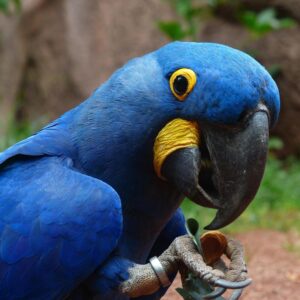


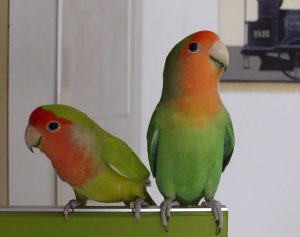
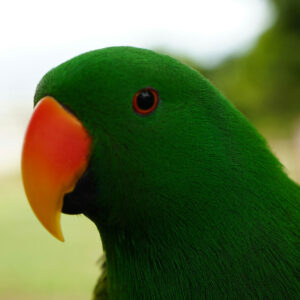


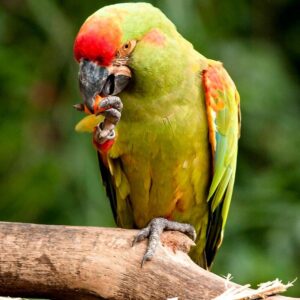
 Join us for a FREE, live, interactive webinar hosted by Laura Doering, former editor of Bird Talk magazine and Birds USA magazine. Our special guest, Jamie Whittaker, AFA Conference Chair & 2nd Vice President, will give us a sneak peek at the upcoming AFA Annual Conference, celebrating 50 years of the American Federation of Aviculture. This important conference will take place September 4-7 in Costa Mesa, California and will be 3 full days of “Everything Aviculture”! Featuring over 25 presentations by Avian Experts, including Veterinarians, breeders, authors & more! Attend sessions, shop with the vendors, participate in the raffles & auctions. Have fun with other bird enthusiasts at the social events including the Welcome Reception, a Blue’s Bash Party hosted by the Bird Endowment, and the annual AFA Banquet. There will also be a Free Family Fun Day sponsored by Lafeber Company, which will include a free-flight bird show! Come for the Conference, stay for the sights & sounds of Orange County, minutes away from Disneyland & California Adventure with easy access from the Orange County(SNA) Airport or the Los Angeles area airports.
 Join us for a FREE, live, interactive webinar hosted by Laura Doering, former editor of Bird Talk magazine and Birds USA magazine. Our special guest, Stephanie Lamb, DVM, DABVP (Avian Practice), will continue the fun & informative series, Species Spotlight! Dr. Lamb will show pictures & talk about the 14 parrot species she saw on a trip to Peru. Did you know that learning about species in their natural habitat is very relevant to providing the best life for your pet birds? Observations of wild parrots can give us clues to the behavior of our pet birds, what they would eat in the wild and how & when they would forage for food. Be sure to join us to learn about these 14 different species in their natural habitats!
 Join us for a FREE, live, interactive webinar hosted by Laura Doering, former editor of Bird Talk magazine and Birds USA magazine. Our special guest, Lisa Bono, CPBC, owner and operator of The Platinum Parrot and a certified parrot behavior consultant specializing in African grey parrots, presents Episode 27 of The Grey Way, a Lafeber Pet Birds Webinar Series focusing on Congo & Timneh African grey parrots as pets. In this episode, Lisa will discuss how to prepare your birds for a major move by applying behavior techniques. Lisa will draw on her own experience in moving to a new State with her own flock. This information will also be useful for short trips or travel in general. While Lisa will focus on Grey-centric concerns, her advice will apply to any parrot species.
 Join us for a FREE, live, interactive webinar hosted by Laura Doering, former editor of Bird Talk magazine and Birds USA magazine. Our special guest Tom Tully, DVM, DABVP (Avian Practice), DECZM (Avian), will answer your questions about pet bird health, nutrition, & care. Dr. Tully, a decorated Professor & practicing Vet at Louisiana State University School of Veterinary Medicine, is an internationally known Veterinarian who has earned specialties in Avian medicine in the United States and Europe. Having this type of access to a Veterinarian of his status is rare, but Dr. Tully believes in the educated bird owner as being the best bird steward. Dr. Tully answers each question in detail and shares his vast knowledge of birds, particularly parrots. Is your bird’s problem health-related or behavioral? Are you offering the right foods to your pet bird? Ask the Vet!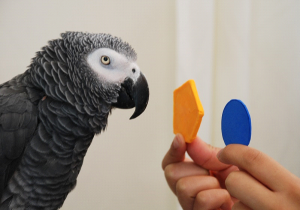


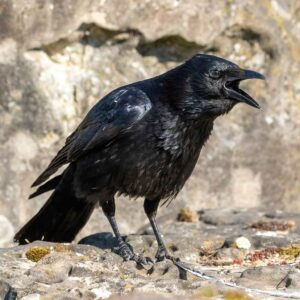
 Join us for a FREE, live, interactive webinar hosted by Laura Doering, former editor of Bird Talk magazine and Birds USA magazine. Our special guest, Dr. Stephanie Lamb, DVM, DABVP (Avian Practice), will discuss what your Avian Vet needs to know in order to provide the best veterinary care for your bird. When your pet bird is sick, it’s very stressful for the bird & the owner. The last thing you want to do is answer a lot of questions, and it can leave some owners feeling like they are being judged. But every little detail can give your vet clues to what might be going on. Some examples of things a vet might ask is cage size, room temperature, & diet. Be specific – “a big cage” is not as helpful as giving the general dimensions as well as the shape of the cage. Naming the brands of food you offer, and specifics about fresh foods & treats, can be valuable information for your Vet. Dr. Lamb will explain why certain information is needed and why it can help with a diagnosis in this insider’s view of the daily happenings at your Avian Vet’s clinic.
 Join us for a FREE, live, interactive webinar hosted by Laura Doering, former editor of Bird Talk magazine and Birds USA magazine. Our special guest, Anthony Pilny, DVM, DABVP (Avian), will discuss the illegal capturing of live wild birds for the pet trade, an escalating crisis of biodiversity loss and horrendous cruelty. This illegal trade deeply affects avian welfare and conservation and can cause serious repercussions in captive and pet bird populations. The fate of the confiscated birds after they are released as evidence, is rarely a topic of welfare discussion and is not well-known within the avian veterinary community or the general public. Dr. Pilny will talk about how avian veterinarians and the public can play a positive role in changing the outcomes for these birds.
 Join us for a FREE, live, interactive webinar hosted by Laura Doering, former editor of Bird Talk magazine and Birds USA magazine. Our special guest Tom Tully, DVM, DABVP (Avian Practice), DECZM (Avian), will answer your questions about pet bird health, nutrition, & care. Dr. Tully, a decorated Professor & practicing Vet at Louisiana State University School of Veterinary Medicine, is an internationally known Veterinarian who has earned specialties in Avian medicine in the United States as well as in Europe. Having this type access to a Veterinarian of his status is rare, but Dr. Tully believes in the educated bird owner as being the best bird steward. Dr. Tully answers each question in detail and shares his vast knowledge of birds, particularly parrots. Is your bird’s problem health related or behavioral? Are you offering the right foods to your pet bird? Ask the Vet!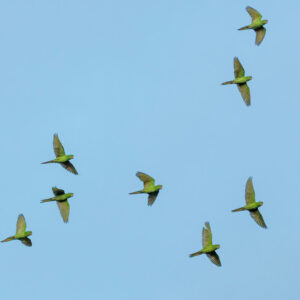
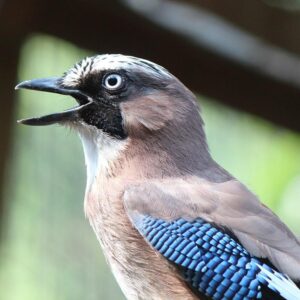


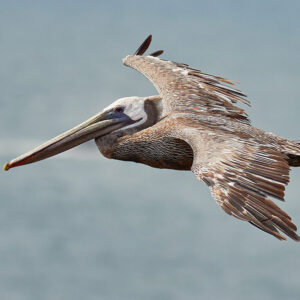


 Join us for a FREE, live, interactive webinar hosted by Laura Doering, former editor of Bird Talk magazine and Birds USA magazine. Our special guest, Pamela Clark, is a well-known author, speaker, IAABC CPBC & retired CVT. Pamela will present Episode 9 of Translating Parrot, a Lafeber Pet Birds Webinar Series focusing on Parrot Behavior & Wellness, based on Pamela’s years of experience with a wide range of parrot species. In this episode, Pamela will answer questions from viewers about baffling behavior issues! You have heard the terms – antecedents, target training, positive reinforcement – but what does it all mean? This is your chance to ask her about something your parrot does that has you stumped. Pamela’s advice will help you translate what your parrot wants & needs in the newest installment of this informative series!
 Join us for a FREE, live, interactive webinar hosted by Laura Doering, former editor of Bird Talk magazine and Birds USA magazine. Our special guest, Lisa Bono, CPBC, owner and operator of The Platinum Parrot and a certified parrot behavior consultant specializing in African grey parrots, presents Episode 26 of The Grey Way, a Lafeber Pet Birds Webinar Series focusing on Congo & Timneh African grey parrots as pets. In this episode, Lisa will discuss how to design a bird room that will provide enrichment opportunities for your birds, and give them their own space where they can be a bird! A bird room should never be isolating, and Lisa will walk you through the steps of creating a space for your birds that is customized for their needs, from play stands to lighting and everything in between. While Lisa will focus on Grey-centric concerns, her advice will apply to any parrot species.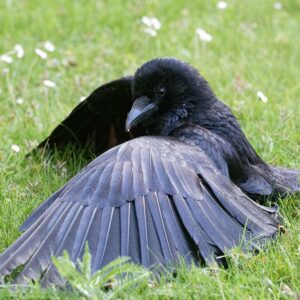
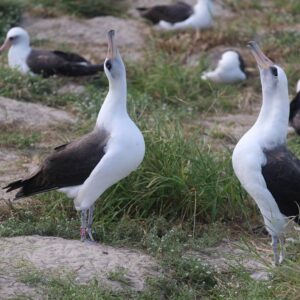
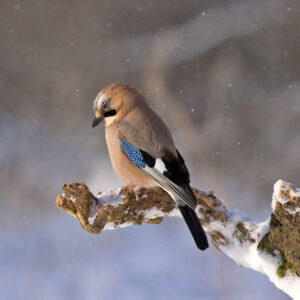
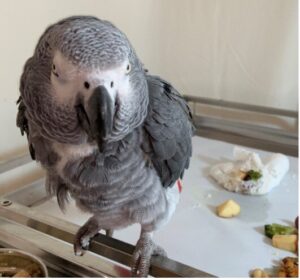

 Join us for a free, live, interactive webinar hosted by Laura Doering, the former editor of Bird Talk magazine and Birds USA magazine. Our special guest, Lisa Bono, CPBC, will report on the second day of the recent Phoenix Landing Wellness Retreat held on April 6-7, 2024, in Asheville, NC. This unique meeting is designed for pet bird owners and offers lectures on many aspects of pet bird care. Lisa will continue her coverage of the event, building on her previous webinar on April 26th, where she spoke about day one of the event.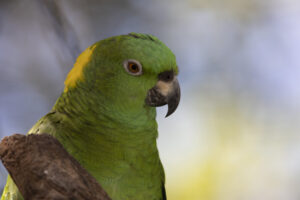


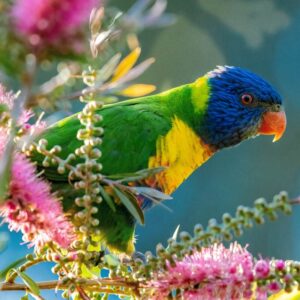
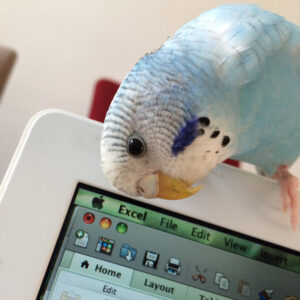
 Join renowned avian veterinarian
 Join us on May 10th for a FREE, live, interactive webinar hosted by Laura Doering, former editor of Bird Talk magazine and Birds USA magazine. Our special guest, Dr. Stephanie Lamb, DVM, DABVP (Avian Practice), will discuss diseases found in wild bird species in the United States. Dr. Lamb volunteers her services at a wildlife center, and treats wild species there as well as at the Vet clinic where she works. A common concern for pet bird owners is the possibility that their birds could get a disease from a wild bird. Dr. Lamb will address this concern and precautions an owner might need to take in this insider’s view of the daily happenings at your Avian Vet’s clinic.

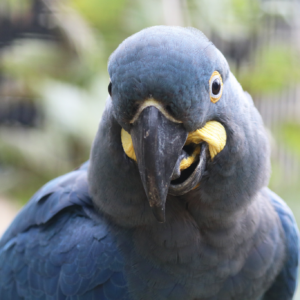


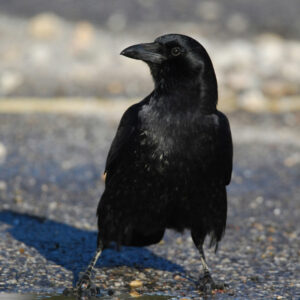
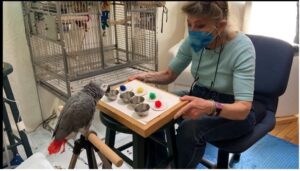
 Join us for a FREE, live, interactive webinar hosted by Laura Doering, former editor of Bird Talk magazine and Birds USA magazine. Our special guest, Dr. Stephanie Lamb, DVM, DABVP (Avian Practice), will talk about the little birds! Finches, Canaries & More, oh my! These often-overlooked gems are the hidden treasures of pet birds. They are full of personality and enjoy many of the same things as parrots – just on a smaller scale. Most species will sing or chirp away and can be a great alternative for a person who can’t have a loud pet bird, or they can be a nice addition to your parrot flock. Dr. Lamb will discuss common diseases & health issues, as well as basic care, enrichment & diet in this insider’s view of the daily happenings at your Avian Vet’s clinic.
 Don’t miss this exclusive opportunity to have your pet bird’s health, nutrition, and care questions answered by
  Join us for a FREE, live, interactive webinar hosted by Laura Doering, former editor of Bird Talk magazine and Birds USA magazine. Our special guest, Lisa Bono, CPBC, will report on the most recent Phoenix Landing Wellness Retreat held on April 6-7, 2024 in Asheville, NC. This unique meeting for pet bird owners offers lectures on many aspects of pet bird care. Lisa will discuss the speakers and topics and what goes on at a meeting like this, as well as why it is important for bird owners and professionals to continue learning through different avenues.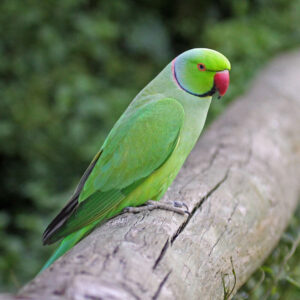
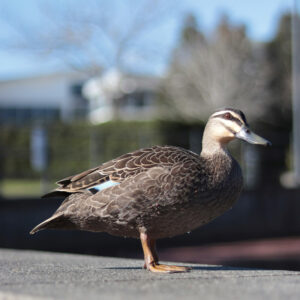
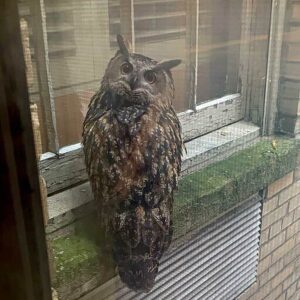
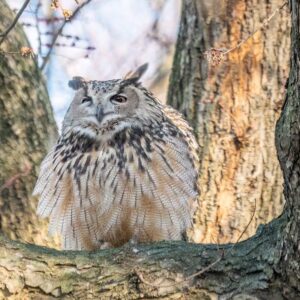
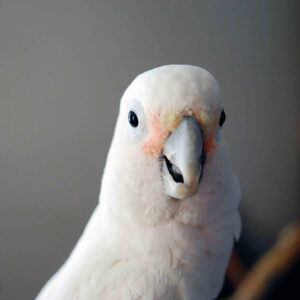
 Join us for a FREE, live, interactive webinar hosted by Laura Doering, former editor of Bird Talk magazine and Birds USA magazine. Our special guest, Pamela Clark, is a well-known author, speaker, IAABC CPBC & retired CVT. Pamela will present Episode 8 of Translating Parrot, a Lafeber Pet Birds Webinar Series focusing on Parrot Behavior & Wellness, based on Pamela’s years of experience with a wide range of parrot species. In this episode, Pamela will start our annual March discussion of parrots and how they are influenced by reproductive hormones. There is no doubt that these hormones set the stage for the development of behavior problems. This webinar will present new information about the triggers for these hormones in companion parrots and how to minimize them in your flock. Pamela’s advice will help you translate what your parrot wants & needs in the newest installment of this informative series!
 Join us for a FREE, live, interactive webinar hosted by Laura Doering, former editor of Bird Talk magazine and Birds USA magazine. Our special guest, Dr. Stephanie Lamb, DVM, DABVP (Avian Practice) and President of the Association of Avian Veterinarians, will revisit our annual March topic – hormones! Most behavior issues & many health issues for pet birds begin due to hormones. Dr. Lamb will discuss hormone-related issues and why parrots do what they do during hormone/breeding season. The twist? She will present the information from the parrot’s perspective in this insider’s view of the daily happenings at your Avian Vet’s clinic.
 Join us for a FREE, live, interactive webinar hosted by Laura Doering, former editor of Bird Talk magazine and Birds USA magazine. Our special guest
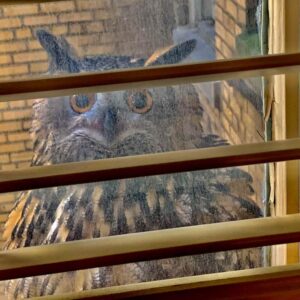
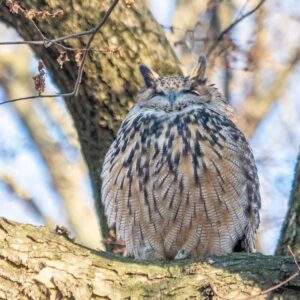
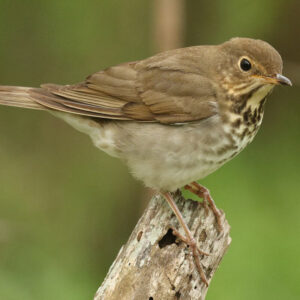
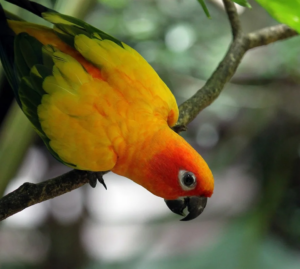


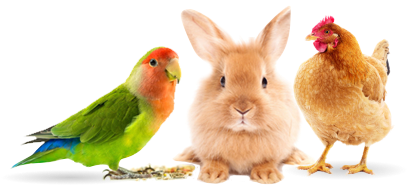

.jpg)


.jpg)

.jpg)
