Webinar: Ask The Vet: Q&A With Tom Tully, DVM, DABVP (Avian Practice), DECZM (Avian)
Date: Friday, February 24, 2023
Time: 12:00 pm PST (double-check your local time with this time zone converter)
Join us for a FREE, live, interactive webinar hosted by Laura Doering, former editor of Bird Talk magazine and Birds USA magazine. Our special guest Tom Tully, DVM, DABVP (Avian Practice), DECZM (Avian), joins us once again to answer your questions about pet bird health, nutrition, & care.
Dr. Tully, a decorated professor & practicing vet at Louisiana State University School of Veterinary Medicine, is an internationally known Veterinarian who has earned specialties in Avian medicine in the United States as well as in Europe. He is also the Scientific Editor of the Journal of Avian Medicine & Surgery. Having this type of access to a Veterinarian of his status is rare, but Dr. Tully believes in the educated bird owner as being the best bird steward. Dr. Tully answers each question in detail and shares his vast knowledge of birds, particularly parrots. Is your bird’s problem health-related or behavioral? Are you offering the right foods to your pet bird? Ask the Vet!
Missed our webinar? No problem! You can access the webinar in its entirety here:
Despite being severely injured after being shot by enemies, Cher Ami delivered a vital message that saved the lives of 194 ambushed soldiers known as “The Lost Battalion.” Photo by War Department. U.S. Signal Corps
We have heroes of all kinds within the consciousness of humanity. Heroes in sports, heroes in mentoring, heroes in moments of extreme danger and need, and heroes from the many wars fought. We celebrate heroes as well as we do any other person of extraordinary measure as they represent a love that goes beyond the borders of normality where self-preservation is of the utmost importance.
But sometimes, a hero can be other than a human person. It can be a bird. In this case, the heroes are two species of bird — the Homing and Carrier Pigeons. For this article, there are several pigeons of note that risked their lives to help troops on the ground.
Cher Ami
First is Cher Ami. He was a pigeon that was part of the military’s important arsenal of messaging during World War I. There were no modern-day conveniences of electronic communications; the pigeon was the essential messaging tool. In 1918, Cher Ami once flew to deliver a message of troops being grievously ambushed by German armies and taking active fire. They were in dire need of support. Cher Ami was released and upon taking flight, was spotted by the German army, and was shot in the leg soon right after take-off. The leg was completely severed by the shot but hung from a tendon. The tendon retained the canister that carried the life-saving message. The shot ripped through the leg, entered the breast, and blinded the bird in one eye. Cher Ami fell to the ground after the shot.
In great pain, the bird lifted again and continued his flight for 25 miles to deliver his message. That flight saved the lives of the remaining ambushed 194 soldiers known as “The Lost Battalion.” Army medics worked on Cher Ami to help save his life. He lost his leg but was fitted with a carved wooden leg. Cher Ami was awarded several medals posthumously for his service and died the following year due to the injuries sustained from the shot. To date, the French still train and employ homing pigeons due to the ongoing threat of grid attacks whereby electricity can become unavailable. Cher Ami was inducted into the Racing Pigeons Hall of Fame. He has been taxidermized and is on display at the Smithsonian Institute (since 1921).
President Wilson Pigeon And Others
A little over a hundred years ago, a carrier pigeon (there are differences between a homing pigeon and a carrier pigeon) saved troops under fire by Germans. The pigeon, named President Wilson, carried a message requesting artillery support to assist the infantry unit. As Wilson lifted, he was fired upon and sustained a chest wound and like Cher Ami, lost his leg. He flew the distance delivering the message that saved the infantry unit. Wilson would live another 11 years after his injuries. To date, the taxidermized body of President Wilson resides in the Pentagon where he is proudly displayed for his heroism.
Other notable pigeons include GI Joe (WWII), Mary of Exeter (WWII), Mocker (WWI), Paddy (WWII), Commando (WWII), Winkie (WWII), White Vision (WWII), and William of Orange (WWII, and whose flights saved over 2000 lives for the British Army).
One must wonder just how aware these amazing pigeons were in their time delivering messages.
This is a big world that we live in. We discover new things all the time. And sometimes, some of the things we discover become rarer than we want them to be. There are many areas of the earth that we have not had ample time to be in. Within those spaces are creatures we might not have ever seen, or if we had, we don’t see enough of them.
One such creature is a bird called Araripe manakin, a bird native to Brazil, specifically in what is known as the Araripe Uplands. The Araripe Uplands is a land base approximately 31 miles long, and a little over a half mile wide. But within this tine space lives a bird so rare that there are believed to be only 500 pairs left. This makes the Araripe Manakin one of the rarest birds in the world, who live in such a singular space and nowhere else.
Where Every Inch Of Space Matters
The bird was discovered in 1996, and scientifically described in 1998. By 2000, there were believed to be only 50 of these beautiful birds in existence, thus creating a massive concern. The small bird was listed as Critically Endangered by the IUCN, which monitors and reports on the population of birds throughout the world. Relocating the bird in the hopes that it will fruitfully multiply is a struggle all by itself as it only knows the small land spread where it currently lives. Adapting to another place is a difficult agenda to undertake for the beautiful bird.
The Araripe Manakin is approximately about 6 inches in length, with a long tail. Like the Northern Cardinal, male and female Araripe Manakins differ in appearance. This makes it easy to discern how many of each sex are in the wild. The male is a colorful, predominantly white bird with a red patch that runs from the head down the back. The wings of the male are black as are their tail. The iris of the male is red in color. The female, on the other hand, is completely olive green with their upper region a pale green. The green color of the female helps to keep it camouflaged while the male can be spotted almost anywhere.
The diet of the bird is largely fruit and plant, although the females, with their camouflage-like green color, can spread their diet out and take in more than their brightly colored mates. The males simply stand out to potential predators and must be more careful. The bill of the female is much longer and better suited to fruit picking.
The bird is of special interest as it is included in the Alliance For Zero Extinction primarily because of its strong predilection for a small location. With this, if the bird loses the habitat it currently lives in, it is highly likely to become extinct.
The American Bird Conservancy has helped to purchase over 300 acres of land annexed to the Araripe National Forest. Its primary function is to become a suitable home for the rare manakin in the hopes that the bird will take it as its new habitat. To help with this, the location is filled with trees replicating the ones they accept. Everything is being done to replicate the habitat so that the Araripe Manakin can survive and thrive.
A lot of well-deserved time is spent on the recognition and better understanding of bird intelligence, a process that we are seeing more of these days via in-depth studies. These are not living room observations from backyard birders, either. The uptick in scientific studies surrounding birds has risen incredibly as science begins to home in on not only many species of birds’ obvious intelligence factors, but also a closing gap between possible communication that could create avenues of understanding for us.
A recent study (What Does Polly Say?) undertaken by two ornithologists and a student (Dr. Lauryn Benedict, Alexandra Charles, Amirah Brockington, Dr. Christine R. Dahlin) takes a closer look at parrot vocal collections of words. And this time, they opt out of the more difficult-to-study wild parrots and, instead use companion parrots. They’ve asked parrot owners for data accumulating information involving almost 900 parrots (877, to be exact). Among those birds were white cockatoos, parakeets, African grey parrots, blue-and-gold macaws, and 15 other species. What was discovered was amazing. Although individual owners are already impressed with their birds’ skill sets, the scientists learned a few things.
It’s already known that parrots possess extreme learning abilities having the essential body and brain structures that support vocal learning. It was understood that parrots learn words and sounds quickly and early, although they continue to absorb newer sounds and words throughout their lifespans. It’s known that among the studied parrots, African grey parrots possessed the highest degree of vocal learning.
With this study, it was ideally recognized that companion birds are more exposed to human language. And so, inquiry via surveys to the owners helped to gain valuable data, yielding a precision that gave greater and quicker insight. The surveys were created and presented asking specific questions about their birds’ use of words, phrases, and sounds. The returned data represented the best-drawn data over any study of bird mimicry before it. Another important factor studied was how often the humans interacted with their birds along with those that interacted much less.
Young Learners, Creative Talkers
It was learned that many of the birds acquired their vocabulary as young birds. Even more fascinating, it was learned that a percentage of the birds moved learned words around on their own to create new phrases. Another discovery was that birds used appropriate words and phrases in the correct context without human prompting at interesting points during the day. The gathered data suggests that neither male nor female birds were unequal in their learning capacities. Extreme care was paid to the male/female representation groups to avoid a generalization of assessments.
Cumulative end results show that the age, social, and sex of birds were not the reasons for vocal learning. Rather better examples of mimicry existed with some species over others. This uniquely designed study provides a better ongoing understanding of how birds learn their language and the use of that learned language (and sounds) within socially interactive environments with humans and with other birds. This study will be used as basis data for future, more advanced studies on learning language and sound mimicry within a controlled space with birds
For a fuller understanding and a more accurate breakdown of this study, refer to the journal entry in Scientific Reports found at nature.com. The study is ongoing, and you can contribute your own data to the project. Simply respond to this link. It leads to a Google Doc survey that you can answer and send back.
Izzy the cockatoo. Image courtesy of Gabby Nikolle
One of the more pleasant and longest-running traits of any creature, human included, is the essence of love. We’re no strangers to it in the human category, and we’ve seen more than ample evidence of it in the animal kingdom. But it becomes an even more endearing attribute when the love is vocalized and expressed in many ways. Fortunately, some exotic birds can mimic human speech. Even more, it’s becoming extremely evident that birds can communicate well with humans not only in correctly answering a question but also in expression – the expression of love. This is a story of one of those birds who have more than a cupful of love within her…she overflows with the essence.
Gabby Nikolle, along with her boyfriend, Chris, run a home-based rescue service that caters to the care of reptiles, birds, and small exotic animals. The rescue is called Florida’s Wildest Animal Rescue, which is in Broward County. With a life-long history of love for creatures, the 27-year-old owner has the intent to create the best possible scenarios for the creatures that eventually come under her responsibility. Recently, a caregiver of a cockatoo sought the help of Gabby Nikolle in the hopes that she would be able to transition the bird, who is now known as Izzy, to a more suitable situation that centered heavily on it.
Izzy The’ Too
31-year-old umbrella cockatoo Izzy relaxes in her new home. Image courtesy of Gabby Nikolle
Izzy is a 31-year-old umbrella cockatoo. From her 30 years with her previous owner, Izzy has known nothing but love. As a result, she has become quite affectionate in the way that she interacts with people. And with Izzy, one can sense the reality of her loving nature. Izzy and Gabby had an immediate bonding that was not only apparent to the original owner but also to Gabby, who decided to keep Izzy as her own.
Izzy has come to worldwide fame via a much-viewed TikTok video that showed her genuinely expressing an enormity of love for her new caregiver. After six days with her new caregiver, Izzy is seen leaning into Gabby saying, “I love you”, “Give me a kiss,” and “I love you, baby girl.” The video has, thus far, been viewed more than 270,000 times.
Izzy is undergoing a transition from what was a mostly seed diet to that with scrambled eggs, sprouts, and fresh veggies added, along with Lafeber Nutri-Berries, and Avi-Cakes. According to Gabby, Izzy has a fondness for ice cubes.
Gabby’s Florida’s Wildest Animal Rescue has a Facebook page where the animals are abundantly featured with a strong emphasis on care for the received animals. The love of animals is felt in the posts. The Rescue acquired its Non-Profit status in January of 2022 and intends to make a strong impact on the lives of the creatures it encounters.
Love is a necessity in this big old world. When it’s a bird who has known nothing but love reciprocating that love in a visible and moving way, it serves to reveal that love is an abstract but real force by which we all thread together. We’re in love with Izzy.
Of all the parrot species, African greys are one of the most heavily trafficked for export. In Nigeria, the greys are further threatened because of strong competition for habitat with palm oil farmers and corporations. With ever more people in the world, there is more demand for palm oil, which inevitably leads to less space for grey parrots. Sometimes it takes a special person to look out passionately for a particular species. Enter Ifeanyi Ezenwa, a Nigerian conservationist who started out with a love for nature at a very early age, but it was a volunteer conservation project exploring the African grey population, threats, and trafficking which sparked his desire to do more for this most special species.
Image courtesy of Ifeanyi Ezenwa
In 2022, Ezenwa applied for and was awarded a $15K grant from the Conservation Leadership Program to study possible ways of reconciling the development of palm oil plantations with habitat needs for endangered greys. Since Nigeria’s Trade and Investment Ministry has plans to create an additional three million hectares of palm oil estates by 2027, this will pose an even greater threat to the remaining habitat for greys and other large frugivorous birds, and a conservation plan is imperative.
Saving Land To Save African Greys
Image courtesy of Ifeanyi Ezenwa
Ezenwa has his work cut out for him — navigating the needs of government, community, and business stakeholders. He hopes to develop strategies for sparing land areas with high conservation value from farming exploitation. In addition, he will strategize possible ways that farmers and African greys can share land by keeping key resources for parrots within palm oil commercial areas. The goal — sustainability for both purposes, no small task. As Ezenwa rightly says “the expansion without due consideration of the welfare of biodiversity will lead to the destruction of remaining ecosystems that support wildlife.”
African greys are considered a flagship species. If they can’t survive the expansion of palm oil production, what will this mean for other animal species in Nigeria? We wish Ezenwa much success with this planning project essential to the survival of the African greys in Nigeria!
Lafeber’s Global Parrot Conservation Grant this month goes to support Ezenwa’s Nigerian planning project, via the World Parrot Trust. This donation will directly help the African greys of Nigeria. You can learn more about Ifeanyi Ezenwa’s work here(link below). If you would also like to help, go to https://www.parrots.org/donate and designate your donation for this purpose.
Our worldview often depends heavily on a “set apart” reality. For parrots and other exotic birds, it’s their varied colorful appearances, and their ability to mimic human speech that easily captures our attention. The more common birds, especially those that are of a single color that could be described as nondescript, often get the cold shoulder from the masses.
One of those birds is the crow. The American crow is found in much of the North American landscape and is a large bird. And yet, American crows are quite the smart ones. They have been found to be able to design, create, and store tools that help in problem areas and are also thought to be numbers proficient. Wait, those are human traits, right? Well, we’re finding out birds have incredible abilities that we never thought possible for them. This is why ongoing bird studies are so important.
Crows Know Their Sequences
Science is now discovering an interesting feature of bird understanding. The crow is now thought to be capable of recursion. Recursion is an application of intelligence, logic, and understanding found primarily in the human species. It is used in language, mathematics, music, and even within programming subsets. But after a 2020 study, it was found that rhesus macaque monkeys can be trained in recursive usage whereby elements can be paired within the formation of other similar elements. The monkeys were then rewarded for effective pairing and placement of brackets. It was found that two of the three monkeys in the trial performed correctly in an impressive 26% of the procedures thus producing near the mental capacity of 4–5-year-old humans. This was previously reported in Science Advances. Based on this study, Dr. Diana Liao opted to test crows for this potential skill.
Two crows were trained for the new study to peck pairs of bracket sequences within a central sequence. The crows were then tested to see if they could generate similar recursive sequences using a different set of pairs, like { [ ] }, in various pairings. What was discovered was that the crows could pair sequences within sequences recursively at about a 40% rate – much more skillful and efficient than the monkeys. The monkeys also required more training whereby the crows did not. The crows, as were the monkeys, were on a cognitive par with 4–5-year-old humans — pre-school toddlers. The results of this newer study can be found in Science Advances (here).
Why Crows Pair Sequences
A question was formed from the results of the studies in that while the crows (and monkeys) were able to perform such a human-centric feat, what could possibly be the reason for the ability? While it is eye-opening that non-human creatures can use such skills, it is thought to be potentially indicative of use for other things. One of the thoughts is that recursion can possibly be used within relational pairings within their groupings. But science learning about bird intelligence is at the beginning of its quest. What science is learning now will form the basis of more advanced studies in the future. As more studies are performed, we will come to a fuller understanding of the potential of creature communication.
Another incredible 2020 study unearthed a truth that the crow (Corvid) species are self-aware, a primarily human and primate trait in which one can ponder things in their mind. The full breakdown of this amazing and rare feature would require a new article but can be further investigated here.
Birds just seem to be more advanced than other creatures as we dive into the rabbit hole of knowledge surrounding these magnificent, feathered beings. We may one day be able to actively communicate with them efficiently and with better precision. This study hints at logic within the mind of crows, and likely other birds.
In times past, bird-tracking required the visual occupation of ornithologists, biologists, dedicated watchers, and enthusiasts. They reported their findings to centralized bases, and those bases accumulated and formulated appropriate data sets on the information they received. Science depended heavily on the received data to help make sense of birds of all kinds in their habitats and with their common routines that include migratory habits.
How they acquired the data depended on the technologies available at the time. But today’s technologies allow for myriad ways to track birds without the need to be visually present. These newer methods give the growing science communities a strong pathway into the continued and upgraded understanding of how our birds interact in the wild.
The factors that drive our intense interest in the birds of the world lie not only in our attraction to them. It also lies in the reality that over the last 50 years, we have seen catastrophic numbers related to the decline of the bird population worldwide. And it appears that even as science makes inward strides toward the preservation of our birds, it hasn’t been enough to help staunch the disappearance of billions of birds due to a variety of problem areas. Technology has developed at a fast rate to help us in this arena of bird preservation via means of tracking.
Radio Telemetry For The Birds
One such technology is automated radio telemetry, which uses miniaturized transmitters on nanotags that are received by arrays on the ground. The biggest problem with this kind of detection is that it can often be isolated and not be acquired by the many in need of the invaluable data captured. The Motus Wildlife Tracking System is a collaborative network that was developed to ensure that all accumulated data made it to all interested parties to create simultaneous research projects with results and more data that are shareable worldwide.
Essentially, all acquired data is channeled to a centralized base where researchers can access and use real-time data. And it works not only on birds. It also works with bats and insects. The results are heavily detailed; highly informative and revealing to interested parties. One such viewable application is found on the Audubon Bird Migration Explorer, a database that visually details the pathways of 450 birds as they migrate. At the site, you can hover your mouse pointer over the colorful map and get amazingly detailed information on each bird selected including an animated migration display that shows migration over time periods. You can select data displays that present more or less data as you see fit to take in.
With new technologies being developed almost daily, we’re getting to a place of understanding that we’ve never been to before. We have discovered previously unknown behaviors by migrating birds. We have found other informative data that show deviations from the normal patterns. Eventually, we may come to more fully understand the movement and needs of all birds, bats, and other creatures as they make their way around the world in the various ways that they do.
We are supportive of the new techs that allow us insight into our precious birds, their movements, their familial connections, and their habitat requirements and adaptations.
Webinar: Webinar: Avian Vet Insider – Respiratory Disease in Pet Birds (Special Time 11AM PST)
Date: Friday, December 2, 2022
Time: 11:00 am PST (double-check your local time with this time zone converter)
Join us for a FREE, live, interactive webinar hosted by Laura Doering, former editor of Bird Talk magazine and Birds USA magazine. Our special guest, Dr. Stephanie Lamb, DVM, DABVP (Avian Practice), will discuss common infectious diseases including aspergillosis and chlamydia that are known to classically affect the respiratory system. She will also cover allergic airway disease to bring more awareness to this disorder. And she will talk about coelomic diseases that can present as respiratory disease, stressing the importance of full diagnostics to treat your bird effectively. Don’t miss this free webinar to get another fascinating insider’s view of the daily happenings at your Avian Vet’s clinic.
Missed our webinar? No problem! You can access the webinar in its entirety here:
Webinar: Fun for the Holidays! Annual Pet Bird Holiday Gift Guide & Giveaway
SPECIAL DATE: Tuesday, December 20, 2022
SPECIAL TIME: 11:00 am PST (double-check your local time with this time zone converter)
Join us for a FREE, live, interactive webinar hosted by Laura Doering, former editor of Bird Talk magazine and Birds USA magazine. Our special guest, Lisa Bono, CPBC, owner and operator of The Platinum Parrot and a certified parrot behavior consultant specializing in African grey parrots, has once again secured many wonderful donations for us to give away to some lucky viewers!
In this fun holiday episode, Lisa will discuss each prize, an assortment of toys and supplies that are safe for our feathered companions. We encourage you to shop with our generous donors when doing your holiday shopping for your own flock or for your friend’s flocks. This very special Holiday Webinar is generously sponsored by Lafeber Company & The Platinum Parrot as well as The Alex Foundation, Austin Air Purifiers, Celltei Pak-o-Bird, Harmony House, King’s Cages, Mighty Bird Toys, Parrots Treasures Toys & More!
Missed our webinar? No problem! You can access the webinar in its entirety here:
Webinar: Ask The Vet: Q&A With Tom Tully, DVM, DABVP (Avian Practice), DECZM (Avian)
Date: Friday, December 16, 2022
Time: 12:00 pm PST (double-check your local time with this time zone converter)
Join us for a FREE, live, interactive webinar hosted by Laura Doering, former editor of Bird Talk magazine and Birds USA magazine. Our special guest Tom Tully, DVM, DABVP (Avian Practice), DECZM (Avian), joins us once again to answer your questions about pet bird health, nutrition, & care.
Dr. Tully, a decorated professor & practicing vet at Louisiana State University School of Veterinary Medicine, is an internationally known Veterinarian who has earned specialties in Avian medicine in the United States as well as in Europe. He is also the Scientific Editor of the Journal of Avian Medicine & Surgery. Having this type of access to a Veterinarian of his status is rare, but Dr. Tully believes in the educated bird owner as being the best bird steward. Dr. Tully answers each question in detail and shares his vast knowledge of birds, particularly parrots. Is your bird’s problem health-related or behavioral? Are you offering the right foods to your pet bird? Ask the Vet!
Missed our webinar? No problem! You can access the webinar in its entirety here:
In a time of bird counts, organized conservation efforts, and worldwide appreciation of the creatures in our spheres, we find a genuine interest in how we plan to end up in the long term. As a result of that care and interest, there are many ways for us to attempt that care. But care, as we all know, isn’t free. In a world imbued with the concept of exchanges, it takes money to support efforts to help our birds. As their populations decline throughout the world, a science of count and acquisition of monies are often combined in smartly organized efforts. One that takes place is referred to as the Twitchathon. With this, a challenging race to be the one with the most sightings help with a collection of funds and donations to further conservation efforts.
The National Twitchathon is an Australian annual event with a celebrated almost 30-year history. It’s an event where people gather in teams for a main 30-hour race to see and hear as many birds in the Australian bush as possible. In the past, the race was a full 24-hour event but due to “pushing to the brink” exhaustion, a recently instituted rule (2017) insists that a 6-hour resting period be implemented. This still provides for a full 24-hour period of bird-hunting for the participant teams in the race.
Teams are formed and routes are meticulously planned with the hopes of gaining ground on sightings. The categories include Big Weekend (which houses the full 30-hour race), the Champagne Race, which is completed in a 12-hour setting, and a 3-hour Birdathon. For 2022, the highly anticipated race by sporting birders began on October 29th and concluded on October 30th. The 30-hour Big Weekend is referred to by one participant as “a mega-twitch for the crazy and dedicated”.
There are records to be broken, of course. For the previous 24-hour Big Weekend race, the record is 252 sightings. For the new 30-hour race, a prized increase with 264 species sits in the record books. The intense race involves driving to locations, and on-foot pursuits to probable sweet spots. The results are turned in on the honor system but to qualify for any sighting, more than 50% of a team must agree that a particular bird was actually sighted or heard.
Each year, it is determined which species should get the acquired funding. For 2022, it is the rare Gang Gang cockatoo, which found its population decimated by the 2019/2020 bushfires. The tragedy of the fire took the beautiful black and red cockatoo from a category of least concern to one that is on the endangered list. The hope for 2022 is to raise $30,000 for the Gang Gang Cockatoo conservation effort.
The main event is preceded by an annual Aussie Backyard Bird Count. Started in 2014, this preceding event helps to fill in gaps in acquired data. Plus, it helps to build the excitement for the upcoming Twitchathon. Prizes are doled out for a variety of achievements that include highest count, and highest fundraising, giving prizes for 1st, 2nd, and 3rd place spots.
Keep your eye out for the 2023 event that occurs in October.
Griffin plays with bottle caps. Courtesy of Dr. Irene Pepperberg
Approximately a year ago, I wrote about a study on contrafreeloading that one of my students, Gabriella Smith, had done with The Alex Foundation for her MA work at Hunter College. Contrafreeloading is extremely interesting because it is pretty much unexpected—it involves working for food that could simultaneously be obtained for free, and why would anyone work for something if they didn’t need to do so?
Well, a range of species engage in this behavior to some extent; we hypothesized that it would occur if the task actually is something fun so that the subjects get the double reward of doing something they enjoy and getting some food they would also like. Indeed, we found that African grey parrots would engage in contrafreeloading when they view the task not as work but rather as some kind of play (Smith et al., 2021).
We tested Griffin and Athena in our lab, Pepper and Franco (companion African greys to the Hartsfields, birds who have also been tested in some of our previous experiments), and Lucci (a companion African grey to one of our research assistants) and used two tasks: Experiment 1 involved a small container that could have a loosely attached lid that the parrot could flip off in order to receive a reward. Treats (sometimes of equal desirability and sometimes of differing desirability) were placed in covered or uncovered cups; the latter were “free.”
Experiment 2 involved the choice between a nut still in its shell (i.e., one that required some work to obtain) and an already shelled, “free” nut. The first experiment was “artificial,” in the sense that the specific conditions would never be experienced in nature. The second was “ecological,” in that it reproduced something African grey parrots face in their daily lives in the wild.
To sum up and repeat what we found: What was clear was that for Griffin, lid-popping was fun—he would even pop a lid on an empty container in preference to eating a less favored treat!—and cracking nutshells was work. But the opposite was true for Athena and Franco, who consistently avoided lids but chose the nut with the shell. Pepper didn’t much enjoy lid-popping either; she and Lucci also thought nutshell cracking was work. Interestingly, it was also clear that all four birds in Experiment 1 (Lucci did only Experiment 2) were willing to work a bit (i.e., pop a lid) if it meant getting a more favored food than the food they could have for free (what we called “calculated contrafreeloading”).
Kea’s Come Into the Mix
A kea parrot plays with a tourist’s windshield wiper.
However, the research didn’t end there. Smith had attended a conference where she fortuitously met some researchers who study kea—fortuitously, because kea parrots are purportedly much more playful birds than African grey parrots (e.g., Auersperg et al., 2014; Diamond & Bond, 2004). What if we gave the same tasks to the kea? We hypothesized that, being more playful, they would contrafreeload overall more than the Greys. We were partially correct.
We found that, at the group level, although the overall amounts of kea classic contrafreeloading were nonsignificant (to be expected, given that the behavior is basically unlikely and fairly rare—see Menzel, 1991 and Smith et al., 2021), as a percentage of behavior, kea generally contrafreeloaded more than Grey parrots in Experiment 1, whereas the opposite was true for Experiment 2. It turned out that none of the kea chose to crack the shell of the nut (Smith et al., 2022)!
Differing Results
Why was there such a difference in behavior for Experiment 2? Well, we had decided to give the kea the exact same tasks as the African greys so that we could perform a direct comparison of their actions; however, it turns out that kea parrots, although they are indeed playful and eat a very wide variety of foods (Diamond & Bond, 2004), rarely if ever crack nuts in nature! So, the task was not ecologically valid for them—not something they would normally do; maybe they didn’t even recognize the shell as something that contained food.
Should we have used some activity that was more natural for them, like scrounging? This question is typical of some of the difficult decisions that have to be made when doing an experiment—had we used a more ecologically relevant task for the kea, they probably would have engaged in it more, but then we wouldn’t have had a direct comparison with the African greys. The solution is that, at some point, we—or some other laboratory—will have to run a separate experiment on kea parrots, using a truly ecologically relevant task, to see what will happen.
A wild cockatoo works on cracking a nut.
For now, we are re-running Experiment 2 with some cockatoos that live in a sanctuary near the home of one of my undergraduates. The reason is that cockatoos are also purportedly more playful than African greys (Auersperg et al., 2014) and routinely shell nuts. We’ll report the data when we complete our analyses, but it looks as though the cockatoos are more like the Greys,—that some enjoy nut-cracking and will contrafreeload, whereas others do not (Carroll et al., in prep).
In any case, we think we have provided some decent data to show that contrafreeloading, which really shouldn’t actually occur at all, will happen if the subject finds the task at least somewhat enjoyable. Hey…think about all the humans who spend time with video games, where the only ‘reward’ is likely some flashing lights that they could also likely see for free!
References
Auersperg, A.M.I., Oswald, N., Domanegg, M., Gajdon, G.K. & Bugnyar, T. (2014). Unrewarded object combinations in captive parrots. Anim. Behav. Cogn. 1, 470-488.
Carroll, A, Gray, S.L, & Pepperberg, I.M. (in prep). Contrafreeloading in cockatoos.
Diamond, J. & Bond, A.B. (2004). Social play in kaka (Nestor meridionalis) with comparisons to kea (Nestor notabilis). Behaviour, 141, 777–798 (2004).
Menzel, E.W. (1991). Chimpanzees (Pan troglodytes): Problem seeking versus the bird-in-hand, least-effort strategy. Primates, 32, 497–508.
Smith, G.E., Bastos, A.P.M., Taylor, A.H., & Pepperberg, I.M., (2022). Contrafreeloading in kea (Nestor notabilis) in comparison to Grey parrots (Psittacus erithacus). Sci. Rpts. 12:17415
Smith, G.E., Greene, D., Hartsfield, L.A., & Pepperberg, I.M. (2021). Initial evidence for contrafreeloading in Grey parrots via the opportunity for playful foraging. J. Comp. Psychol.135, 516-533 doi: 10.1037com0000295.
In February 2021, Pedro Viteri Arriola was murdered on his ranch in Guatemala, by poachers of yellow-naped Amazon nests, which were protected on his private property. Some of the chicks were recovered, but conservation lost a hero. Pedro exemplifies the challenge faced by those on the front lines seeking to preserve and rebuild some important wild parrot populations. He was very involved in the Yellow-Naped Parrot Working Group called COLORES, which is a coalition of universities, government agencies, ornithologists, and NGOs created to protect this Amazon species and its habitat, which is still threatened with extinction in Guatemala. The leading non-profit members of this coalition are ARCAS and One Earth Conservation.
image courtesy of One Earth Conservation
Optimistically, it is estimated that only 400-500 yellow-naped Amazons (Amazona auropalliata) exist on Guatemala’s Pacific coast. Currently, there are nine “hot spots” or active areas where there is an effort to protect nests and where the parrot population is counted annually. And as with all conservation projects, the goal is to raise awareness locally and nationally about the value of the birds, and why it is better for them not to live in cages or captivity. Ecotourism is also promoted, which can only be successful with a thriving wild parrot population.
A Family’s Legacy to Save Yellow-Napes
Because of relentless poaching and habitat loss, many wild parrots find refuge on more secure private properties, mangroves, islands, volcanic slopes, and even more dangerous areas. Local groups in Latin America, such as COLORES in Guatemala, are supported by One Earth Conservation, a registered U.S. 501(c)(3) charity. Together, they are working hard to locate any remaining yellow-naped Amazons in remote areas, and to find ways to protect them and grow their numbers.
Pedro’s family is committed to continuing his efforts and protecting the Amazons on their private property. His ranch has also renewed its commitment to conservation of this rapidly declining species. We hope you will as well!
Lafeber’s GLOBAL PARROT grant this month goes to One Earth Conservation, an organization co-founded by LoraKim Joyner, DVM, and Gail Koelln. It works closely with many local organizations in several countries, like COLORES in Guatemala. This donation will directly help projects in Guatemala. If you would also like to help, go to https://www.oneearthconservation.org/donate
Halloween is just around the corner, so let’s scare up some fun with a look at birds people might find downright scary, and/or birds that naturally sport a spooky style.
There’s no doubt that the shoebill stork (Balaeniceps rex) can strike an intimidating stare. Throw in its massive size (between 3 1/2 and 4 1/2 feet in height!), and this long-legged bird that inhabits the large swamps between South Sudan to Zambia can certainly give one a fright. Add to this the fact that the shoebill has a tendency to stay perfectly still for long stretches at a time, making it seem almost statue-like. Imagine this bird staring you down in a swampy marsh at sundown!
Good thing you’re not on the shoebill’s menu. Shoebills prefer lungfish, tilapia, catfish, and other aquatic prey. This bird’s hunting style is to perch on floating vegetation, then it patiently and slowly wades in the water to stalk its prey before launching a quick and violent strike.
If the shoebill’s intimidating stare and creepy way of hunting its prey aren’t scary enough for you, its vocalization might send you ducking for cover. The shoebill’s greeting sounds like machine-gun fire!
But is the shoebill a bird to fear? Thankfully, shoebills are docile with humans and show no threatening behavior.
When you see a bleeding heart dove, your first thought might be, “Poor thing!” Yes, this bird looks like it took a bullet to the chest, with a prominent red circle of feathers featured squarely in the middle of its front side. But before you make a move to render aid, know that this is simply part of the bleeding heart dove’s look—blood-splattered-looking feathers offset with white feathers on the chest area. It’s a dramatic look for sure, and one that makes for nature’s perfect Halloween costume.
This bird is native to the island of Luzon in the Philippines. Officially called the Luzon bleeding heart dove (Gallicoluma luzonica), it is also known as paloma de punalada, which is “stabbed pigeon” in the Tagalog language. From the look of things, it’s no wonder this bird is described as shy and secretive; imagine running around looking like the walking wounded…scary!
Egyptian Goose
No, these are not zombie geese! They are Egyptian geese. Photo by Ajdan28/Pixabay
You might be used to the site of Canada geese foraging on the park grass near your home, but did they turn into zombies overnight? Rest assured, there’s no zombie apocalypse in your town and, in fact, those reddish-eyed creatures are not Canada geese. You are looking at Egyptian geese (Alopochen aegyptiacus). And to make their appearance all the more noteworthy, their yellowish to gray bellies sport dark patches of reddish-brown feathers that give them a wounded look, although not as dramatic as that of the Luzon bleeding heart dove. Best to let these birds be, especially during breeding season. Both sexes can be territorial, even with their own species. They aren’t afraid to resort to aerial dogfights either—there are even reports of them taking on drones.
Finally, we come to perhaps the scariest-sounding bird of them all—a goth-looking parrot nonetheless. The Dracula parrot, also known as Pesquet’s parrot (Psittrichas fulgidus), is found only in the cloud forests in the foothills and lower mountains of New Guinea. This parrot is unique in that it has a parrot body and a vulture-like head. Its featherless head is said to serve a similar function to that of a vulture. Like a vulture, this parrot also digs head-first into its food. But it’s not a carcass like a vulture’s meal of choice—it’s an adaption to avoid feather-matting from sticky fruits. These birds are frugivores, and their diet is composed almost entirely of a few species of figs. That should help you sleep at night—this parrot will not come to suck your blood, but maybe your figs if you’re local to its native region.
Human nature is at its best when it is coalescing to help ease suffering and displacement. Not long ago, a lone veterinarian in Poland offered her services to the refugees coming into Poland from the war-torn Ukraine regions (we wrote about her incredible and selfless work in an article here). It is during times of crisis that real assistance – assistance not measurable in terms of dollars but more so in compassion – gets revealed in collective help that makes a difference in whether lives are saved or lost. With Hurricane Ian lashing unrelentingly through Florida and other states, it is inevitable that not only will people be impacted by its ferocity, so will the pet population that depends heavily on the people hurt by the storm.
The number of rare parrots (and other animals) affected by the storm number into the hundreds. The need to assist is never stronger than during a storm and often in the devastating aftermath. There are multiple tales in the Hurricane Ian storybook. Some of them are too important to ignore as they not only showcase human nature at its most intent, but it also pulls back the curtain on the human traits we know as love, and as care.
After The Storm
The biggest story comes to light after the destruction of a bird sanctuary that is known as Malama Manu Sanctuary. It was in Pine Island, Fl., and was flooded by 4 feet of water, buffeted by strong gale-force winds. The owners, Will Paratino and his partner, Lauren Stepp, were asked to evacuate their home due to the unavoidable arrival of Hurricane Ian. But with the responsibility of around 275 parrots and other creatures, the couple refused to budge. Instead, they gathered up the birds and moved them into their house before Ian could pound its way through the region.
As it happened, an acquaintance of the couple who also owned a bird farm, considered acquiring a boat to assist in moving the parrots off the island to his farm in a bid to not only help save the lives of the owners of Malama Manu, but also every parrot in their care. It was brought to the attention of the friend that a volunteer group known as Project Dynamo was actively involved in helping rescue stranded creatures and people with four boats. With this new project, the team became busy collecting hundreds of macaws, cockatoos, and other parrots including a pair of ultra-rare King Parrots, and taking them to safety.
The brave but focused volunteers willingly dealt with frightened birds, prying them from separate cages and putting them into pens for easier transport. However, by the end of the operation, they had all birds, as well as two lemurs on the boat headed toward safer regions. The operation was notably called Operation Noah’s Ark. It succeeded in saving the life of every bird in the destroyed sanctuary. That is what kept Will and Lauren in the game to protect every bird within their care. In fact, the sanctuary was called Malama Manu for a reason: Malama is Hawaiian for “protect”, and Manu is Hawaiian for “bird”. With the blessings of Project Dynamo, their caring friend, their tenacious approach, and Operation Noah’s Ark, all birds now have a new lease on a once-endangered life. And everyone involved have a story to recount for future generations to appreciate and to retell.
The couple’s GoFundMe page, so far has received $27,000 in pledges to help fund the estimated $200,000 for the rebuild. Our sincere hope is that the sanctuary and all its birds find their lives repositioned for a better outcome.
Griffin plays with bottle caps. Courtesy of Dr. Irene Pepperberg
We all know that providing our parrots with different types of toys improves their lives. Even my parrots, who spend a considerable amount of every day involved in research, also get plenty of time to play. But each individual bird has individual preferences, and it is important to recognize what actually is “fun” for a given bird. Just cluttering their cages with lots of stuff isn’t necessarily the best option, although that might be necessary initially until it is clear what types of toys are preferred.
Toy Preferences
Griffin, unlike most parrots, likes only one type of toy in his cage, and only a few other items elsewhere. We roll up several sheets of construction paper, feather the ends, tie the middle with a piece of rawhide, and fasten it to his cage. He’s 27 years old, and we’ve tried numerous other items…he pays attention to nothing else. However, when he’s on a flat surface, he loves to play with spoons. He rotates and flips them and seems to get quite a charge out of testing gravity—tossing the spoons off the edge of a surface and waiting for his human companions to pick them up and return them. He adores ‘spoon tickles’—when a human uses the spoon to gently scratch his head. He also likes to play with very small clear plastic cups and small jar lids, rolling them around and chewing on them; tossing them to the floor also seems to be fun.
Athena explores her fleece toy (photo by Serena Murphy)
Athena seemed to like many different objects at first, but we’ve learned that such is not the case. She does enjoy certain foraging toys and will prefer to use them to obtain the same food she can get for “free” from her food dishes. She loves to chew flannel. She does not, however, like to chew hard plastic. As for wood…well, we recently found that it has to be softwood! We noticed that she was ignoring all the lovely hardwood toys in her cage and destroying her expensive perches quite quickly—but only those made of softer wood. And we noticed that she didn’t seem to like colored wood (maybe because she associates colors with ‘work’—having to vocally identify the colors before she gets the wood for play!).
One of my research associates brought in a toy made of round pieces of balsa wood. Athena took about a minute to accept it and about 30 mins to destroy it totally! We contacted the company that had been supplying our soft wooden perches (Parrot Wizard—thank you!!) and asked if they had some toys made out of the same product. We ordered a batch, which Athena also promptly destroyed (though these, being a bit more complex, took her a day or two each). She was extremely happy and we also noticed another benefit…she had been doing a certain amount of hormonal feather plucking/chewing of her chest feathers, and that stopped as soon as she received these soft wooden toys! We are going to keep ordering them, but also will order some toy pieces from another company to see if we can construct some interesting items to rotate with the expensive toys make the latter last a bit longer….
All this is not to say that you shouldn’t give your birds a specific type of toy and that you should only give them another particular type of toy—it is to say that we need to pay attention to the individual likes and dislikes of a given parrot. Just like humans, what one bird finds fun, another bird might dislike, and vice versa. For example, I have a dear friend who spends hours each day playing video games, but I find even the thought of doing that completely aversive! And while I love to read books, another friend much prefers audio books. I could go on and on, but I’m sure we are all familiar with similar situations—so why not accept that such is the case for our avian companions?
Playing With Food
We are actually studying this behavior scientifically, though not with standard parrot toys—we are in the process of examining a behavior called ‘contrafreeloading’—defined as working for food that can simultaneously be obtained for free, a study inspired by Athena’s behavior with her foraging toys. Our thesis is that birds will contrafreeload IF they view the task involved as play-like rather than work-like (Smith et al., 2021); that is, something fun to do in addition to/along with getting the food item. We’ve found that a task in which one parrot will engage in order to obtain food is very often one that another parrot will ignore in order to choose the free food. Even for something as mundane as shelling almonds…Athena and another parrot in our study preferred to shell the nut rather than simply eat one from which the shell had already been removed; Griffin and two other parrots preferred that the humans do the shelling for them! (We’ve also been looking at species differences, but more about that next month.) To each his own….
References:
Smith, G.E., Greene, D., Hartsfield, L.A., & Pepperberg, I.M. (2021). Initial evidence for contrafreeloading in Grey parrots via the opportunity for playful foraging. Journal of Comparative Psychology, 135(4), 516-533. doi: 10.1037/com0000295
Webinar: The Grey Way—Planning a Parrot-centric Holiday!
Date: Friday, November 4, 2022
Time: 12:00 pm PDT (double-check your local time with this time zone converter)
Join us for a FREE, live, interactive webinar hosted by Laura Doering, former editor of Bird Talk magazine and Birds USA magazine. Our special guest, Lisa Bono, CPBC, owner and operator of The Platinum Parrot and a certified parrot behavior consultant specializing in African grey parrots, presents Episode 15 of The Grey Way, a Lafeber Pet Birds Webinar Series focusing on Congo & Timneh African grey parrots as pets. In this fun holiday episode, Lisa will discuss different ways to cater to your pet birds and give them their own holiday fun & feasting! This is about what they CAN have, and not about what they can’t. She will give the viewers ideas for holiday-themed activities and toys as well as seasonal foods your birds can enjoy. Get ready to plan your own special holiday fun for your birds this season!
Missed our webinar? No problem! You can access the webinar in its entirety here:
Webinar: Avian Vet Insider—Holiday Hazards for Pet Birds
Date: Friday, November 11, 2022
Special Time: 11:00 am PST (double-check your local time with this time zone converter)
Join us for a FREE, live, interactive webinar hosted by Laura Doering, former editor of Bird Talk magazine and Birds USA magazine. Our special guest, Dr. Stephanie Lamb, DVM, DABVP (Avian Practice), will discuss holiday hazards for pet birds. The holidays are a busy time for everyone, but they can be particularly busy for a Veterinary clinic due to all of the dangers for our pets that can come up during the festivities. Anything from decorations to food to guests in your home can result in a trip to the Vet for your pet birds. Learn about some of the things to watch for, & holiday-related cases that Vets treat in this insider’s view of the holiday happenings at your Avian Vet’s clinic.
Missed our webinar? No problem! You can access the webinar in its entirety here:
Webinar: Ask The Vet: Q&A With Tom Tully, DVM, DABVP (Avian Practice), DECZM (Avian)
Date: Friday, November 18, 2022
Time: 12:00 pm PST (double-check your local time with this time zone converter)
Join us for a FREE, live, interactive webinar hosted by Laura Doering, former editor of Bird Talk magazine and Birds USA magazine. Our special guest Tom Tully, DVM, DABVP (Avian Practice), DECZM (Avian), joins us once again to answer your questions about pet bird health, nutrition, & care.
Dr. Tully, a decorated professor & practicing vet at Louisiana State University School of Veterinary Medicine, is an internationally known Veterinarian who has earned specialties in Avian medicine in the United States as well as in Europe. Having this type of access to a Veterinarian of his status is rare, but Dr. Tully believes in the educated bird owner as being the best bird steward. Dr. Tully answers each question in detail and shares his vast knowledge of birds, particularly parrots. Is your bird’s problem health-related or behavioral? Are you offering the right foods to your pet bird? Ask the Vet!
Missed our webinar? No problem! You can access the webinar in its entirety here:
For the human, the ritual of getting to know each other is quite a process that often results in stress. We find someone who catches our eye, and then we must create a rapport to advance the relationship. It’s a time-honored protocol that no one can avoid. Relationships do not just happen; they are worked on laboriously and intently. This is how we go from generation to generation. This is how the human race continues on.
Charles Darwin had much to say about the advancement and evolution of our species. And not just the human species, but the creatures that fly and roam our earth. They too must catch the eye of a suitor to further the species. And they involve themselves in complex processes, maybe far more complex than the human species. Let’s look at a recent study that tests the concept that female budgerigars aren’t just looking for the pretty bird; they’re looking for the smart bird.
Budgies Find Problem-Solving Skills Attractive
A collaborative study between the Key Laboratory of Animal Ecology and Conservation Biology, Institute of Zoology at the Chinese Academy of Sciences (Beijing), and the Institute of Biology at Leiden University (Netherlands) has put their collective minds together to watch female budgies pick their mate. Previous work has alluded to the possible reality that the female budgie chose her mate based on the ability of the male to solve puzzles. This new study went further to test that thought.
The background of the study is quite involved. It looks at the Australian environment of the parakeet and the need for survival. To help in this, the female parakeet appears to depend on a smart male to help ensure that sustenance and safety is near. This study initiated relational prospects by bringing one female parakeet into contact with two possible male choices. The choice of a partner designated the winning male as the “preferred” male, while the other became “less preferred.” This was determined by who the female budgie spent most of her time with. The rejected male was then removed and placed into difficult training procedures where he was coached to discover how to open troublesome containers that provided food.
The birds that were successful in their training were then reintroduced to the two “chosen” mates. The troublesome containers were placed, and it was the once rejected parakeet that was able to easily open the container, while the “preferred” male could not. To add value to the exercise, the female was given the same container, but clear so that she could be seen that seeds were within.
They experienced the same difficulty as the “preferred” male had in attempting to get the seeds within. This was designed to let the female know what the prize was within and how difficult the procedure for extraction was. After watching the “preferred” male fail the attempts to open the container, and the “less preferred” male succeed at it, it did not take long before the female parakeet was sidling up to the once rejected bird. This happened in so many instances of the study leading to the conclusion that the female was interested not so much in looks and song, but the ability to provide.
To help cement the validity of the experiment, the study group often put the “less preferred” birds back into the cages without the container to show off with. With no incentive to shift allegiance, the female remained with the first chosen male. In short, the study concluded that female parakeets are not far removed from the female human in that the female bird, much as the female human, is attracted to brain power and the ability to provide.
This study in continuance is far from over. There are many questions yet to be answered. As with all studies, we find that birds are much smarter and far more complex than we may have thought them to be. We learn from them, and they can learn from us.
Alex sees a tray of three different sets of colored blocks, and is asked “What color 7?” By answering correctly, he shows that he understands the exact quantity. Note that we would normally use objects of different sizes so that he could not respond based on mass or contour…but this is my only pic (and sadly not very sharp!) Courtesy of Dr. Irene Pepperberg
The last installment of “Alex’s Number Series”—and maybe one of the most interesting, because here I discuss some numerical abilities that have not yet been demonstrated in any nonhuman other than Alex! Such is not to say that it won’t or can’t be demonstrated in another nonhuman, only that Alex was the first and so far the only nonhuman to show this behavior. The technical description of this behavior is that he inferred the cardinal values of new numbers from their ordinal values.
In layman’s terms, what he did was to figure out that the value of every number on his number line (a list of numbers in order: “one, two, three…etc.”) was one more than the number before it, and one less than the number after it (formally known as the “successor function”) and, after learning two new labels for his number line, inferred the numerical value of those labels based on their position on that number line.
The study began when I started a position at the Radcliffe Institute at Harvard in 2004 and initiated a collaboration with two colleagues, Susan Carey and Elizabeth Spelke, who were studying number concepts in children. They both thought that nonhumans really didn’t have the same understanding of numbers as did children, and were eager to test out that hypothesis.
Toddler Talk: Stringing Numbers Together
The issues were as follows. Young children learn their small numbers very slowly (reviewed in Carey, 2009): Not until they are about 2½ years old do they comprehend the concept of “one versus many.” It takes about another nine months for them to understand “one versus two versus many,” and about another five months to succeed on “one versus two versus three versus many.”
Around that time they also learn to recite a number line. Initially, they just string together labels they know are associated with numbers in random patterns (“one, three, six, two”; Fuson, 1988; Le Corre, Van de Walle, Brannon, & Carey, 2006). As they learn more about the meanings of these labels, they begin to understand that the numbers in the line have a particular order (“one, two, three…”; see review in Thompson & Siegler, 2010), and about the time they understand the meaning of “four,” they make the connection between the labels in the number line and the labels that represent quantity, and infer the successor function described above…they immediately comprehend the meaning of the labels “five”, “six”, etc. without any formal instruction (Carey, 2009; Hurtford, 1987).
Alex Gets Vocal About Numbers
Nonhumans, however, take just as long to learn their larger numbers as their smaller ones (e.g., Biron & Matsuzawa, 2001). One problem is that nonhumans are never taught to produce a number line but, as we saw in previous entries here, they can learn the order of their numerals. But what about Alex? Unlike the apes, he hadn’t needed training to understand the order of his numerals; might Alex’s difference from children in terms of acquiring the larger number labels simply involve difficulty in acquiring the English sounds needed to produce the number labels? For any English label, Alex had to learn to coordinate his syrinx, tracheal muscles, glottis, larynx, tongue height and protrusion, beak opening, and even esophagus (Patterson & Pepperberg, 1998). Separating the issues of vocal versus conceptual learning might test this possibility.
In order to determine if production of English speech was the limiting step in Alex’s ability to learn about new numerical labels, we designed the following experiment (Pepperberg & Carey, 2012): We taught Alex to vocally label the Arabic numerals 7 and 8 in the absence of their respective quantities (i.e., any sets of objects). We then trained him that 6<7<8, using our modeling system and plastic numerals, then tested how 7 and 8 related to his other Arabic labels, the same way we had tested his original understanding of the order of his numbers (Pepperberg & Gordon, 2005). If he inferred the new complete number line, he could then be tested on whether he, like children (≥4 years old), spontaneously understood that “seven” represented exactly one more than “sih”, that “eight” represented two more than “sih” and one more than “seven”, by labeling appropriate physical sets on first trials.
Remember, all he knew at this point was that these numerals represented something greater than 6…they could have represented ten or twenty! Data already showed he knew “sih” represented exactly, not approximately, six items. If he succeeded on the new labels, we could claim that he had figured out, without any training whatsoever, the actual (i.e., “cardinal”) meanings of “seven” and “eight” from their positions on his number line (i.e., from their “ordinality”), something no ape (although evolutionarily closer to humans) had yet achieved.
Alex learned to vocally produce the novel Arabic numeral labels; he then figured out exactly where they belonged appropriately in his number line. But, again, he had learned only that they were greater than 6… yet he appropriately labeled, on first trials, novel sets of seven and eight physical items—he did not have to be taught the relationship between the labels and the novel sets (Pepperberg & Carey, 2012). Thus, he responded exactly as would children who knew their counting principles!
References
Biro, D., & Matsuzawa, T. (2001). Use of numerical symbols by the chimpanzee (Pan troglodytes): Cardinals, ordinals, and the introduction of zero. Animal Cognition, 4, 193-199.
Carey, S. (2009). The Origin of Concepts. New York: Oxford University Press.
Fuson, K.C. (1988). Children’s Counting and Concepts of Number. Springer-Verlag: Berlin, Heidelberg, New York.
Hurford, J.R. (1987). Language and Number. Cambridge: Cambridge University Press.
Le Corre, M., Van de Walle, G., Brannon, E.M., & Carey, S. (2006). Re-visiting the competence/performance debate in the acquisition of the counting principles. Cognitive Psychology, 52, 130–169.
Patterson, D.K., & Pepperberg, I.M. (1998). A comparative study of human and Grey parrot phonation: Acoustic and articulatory correlates of stop consonants. Journal of the Acoustical Society of America, 103, 2197-2213.
Pepperberg, I.M., & Carey, S. (2012). Grey Parrot number acquisition: the inference of cardinal value from ordinal position on the numeral list. Cognition, 125, 219-32.
Pepperberg, I. M., & Gordon, J. D. (2005). Number comprehension by a Grey parrot (Psittacus erithacus), including a zero-like concept. Journal of Comparative Psychology, 119, 197–209.
Thompson, C.A., & Siegler, R.S. (2010). Linear numerical-magnitude representations aid children’s memory for numbers. Psychological Science, 21(9) 1274–1281.
Webinar: University Vet Insider: Experiences of an Exotics Pet Vet with Dr. Joerg Mayer
Date: Friday, October 7, 2022
Time: 12:00 pm PDT (double-check your local time with this time zone converter)
Join us for a FREE, live, interactive webinar hosted by Laura Doering, former editor of Bird Talk magazine and Birds USA magazine. Our special guest, Dr. Joerg Mayer DVM, MS, DABVP(ECM), DECZM, DACZM, Professor, joins us again from the University of Georgia College of Veterinary Medicine where he works in Small Animal Medicine & Surgery, Veterinary Teaching Hospital & Zoological Medicine Service. The often hilarious and always entertaining Dr. Mayer will talk about his experiences with treating Exotics, which includes parrots and other bird species as well as exotic mammal & reptile species. His work includes research, new advances in Avian & Exotics Medicine and teaching the next generation of Avian & Exotics Veterinarians. Join us for another fascinating look into Dr. Mayer’s experiences & what goes on at a University Vet College & Vet Hospital – interesting cases, how new medicines and treatments are discovered and how important specialty Vets are for helping our exotic pets live better & longer lives.
Missed our webinar? No problem! You can access the webinar in its entirety here:
Time: 12:00 pm PDT (double-check your local time with this time zone converter)
Join us for a FREE, live, interactive webinar hosted by Laura Doering, former editor of Bird Talk magazine and Birds USA magazine. Our special guest, Lisa Bono, CPBC, owner and operator of The Platinum Parrot and a certified parrot behavior consultant specializing in African grey parrots, presents Episode 14 of The Grey Way, a Lafeber Pet Birds Webinar Series focusing on Congo & Timneh African grey parrots as pets. In this episode, Lisa will talk about feeding your pet bird. This isn’t another nutrition webinar, but rather a fun approach to offering a variety of healthy foods to your pet bird. My bird won’t touch that! Sound familiar? Lisa is going to show you ways to entice even the pickiest parrot to try something new. While Lisa will address Grey-centric concerns, her feeding tips can apply to any pet bird.
Missed our webinar? No problem! You can access the webinar in its entirety here:
Our 100th Webinar! Dr. Lamb Joins Us Live from Macaw Recovery Network in Costa Rica
Date: Friday, October 21, 2022
Time: 12:00 pm PDT (double-check your local time with this time zone converter)
Join us for a FREE, live, interactive webinar hosted by Laura Doering, former editor of Bird Talk magazine and Birds USA magazine. Our special guest, Dr. Stephanie Lamb, DVM, DABVP (Avian Practice), will join us Live from Costa Rica, along with Dr. Sol Delechuk, the manager of the breeding center. Dr. Lamb will talk about her experiences volunteering at the center for a week. Dr. Sol has extensive experience as a veterinarian, caretaker, trainer, field biologist, and more, and joined the Punta Islita team as Bird Manager in September 2021. She will tell us about the center and its goals and accomplishments. We are beyond excited to be able to present such a valuable conservation project, live from the field, to celebrate our 100th webinar! This is such a special opportunity made possible by Lafeber Company! There will be some fun giveaways, too, so don’t miss this very special event!
Missed our webinar? No problem! You can access the webinar in its entirety here:
Due to a personal emergency, this webinar has been cancelled. Thank you for your understanding!
Webinar: Ask The Vet: Q&A With Tom Tully, DVM, DABVP (Avian Practice), DECZM (Avian)
Date: Friday, October 28, 2022
Time: 12:00 pm PDT (double-check your local time with this time zone converter)
Join us for a FREE, live, interactive webinar hosted by Laura Doering, former editor of Bird Talk magazine and Birds USA magazine. Our special guest Tom Tully, DVM, DABVP (Avian Practice), DECZM (Avian), will answer your questions about pet bird health, nutrition, & care.
Dr. Tully, a decorated Professor & practicing Vet at Louisiana State University School of Veterinary Medicine, is an internationally known Veterinarian who has earned specialties in Avian medicine in the United States as well as in Europe. Having this type of access to a Veterinarian of his status is rare, but Dr. Tully believes in the educated bird owner as being the best bird steward. Dr. Tully answers each question in detail and shares his vast knowledge of birds, particularly parrots. Is your bird’s problem health-related or behavioral? Are you offering the right foods to your pet bird? Ask the Vet!
Timneh greys (Psittacus timneh) are found in parts of west Africa such as Sierra Leone, Guinea, Guinea-Bissau, Liberia, and Côte d’Ivoire. Exact numbers are unknown (estimated 100,000-500,000), but they are decidedly decreasing due to trapping and habitat loss, the usual challenges for parrot conservation.
It was only 10 years ago (2012) that Timneh greys were recognized as a unique and separate species by the International Union for Conservation of Nature (IUCN). However, by 2016, Timnehs were considered endangered on the IUCN Red List and, in 2017, the Timneh was listed on CITES Appendix I (most endangered).
The World Parrot Trust (WPT) summarizes that hundreds of thousands of Timnehs have been heavily traded on the international market, with at least 77% habitat loss. It’s even more serious when nesting ranges become this limited, reducing their genetic strength and opportunity.
During 2021-2022, the WPT has continued developing several important conservation activities focused in Sierra Leone. First, 239 people in 70 communities were surveyed to develop knowledge, discern attitudes, and learn about the distribution and abundance of the Timnehs. By listening to local communities and leveraging local ecological knowledge, WPT has been able to build a picture of seasonal movements and identify roost and nesting areas throughout the region. This has highlighted the vital importance of mangrove areas and built a strong case for protection of several key sites.
Discovery of Largest Roost Offers Hope
One roost that was identified during this work holds several hundred parrots and is the largest known roost for the species on the African mainland. This was an extremely exciting finding and suggests that in some remote areas, Timneh populations may still be relatively healthy. However numerous threats including trapping of adults and the collection of eggs have been identified. This can only get worse as land is further developed. Protection of these remote sites is essential!
In addition, WPT held numerous meetings to bring local leaders, community members, conservationists, and government officials together to discuss the actions needed to conserve and protect Timneh parrots. Billboards were raised at strategic locations to communicate how important it is to protect this unique species. WPT also identified 45 community parrot “monitors” who they will work with going forward to reinforce conservation messages and develop community-based initiatives to protect key nesting and roosting sites.
Lastly, a radio jingle and announcement communicating positive messages about parrot conservation has been regularly played on local radio stations. These have been accompanied by live radio interviews with government officials answering questions about the need to protect Timneh parrots. These type of activities must continue and be regularly reinforced to be successful.
Lafeber’s $500 GLOBAL PARROT conservation grant this month goes to the World Parrot Trust and the efforts led by Dr. Rowan Martin to protect the Timneh greys. You can also help! To make a tax-deductible donation, go to: https://www.parrots.org/donate. Earmark your donation specifically for Timneh African grey conservation and research.
Stories abound about people who have valiantly rescued abandoned creatures found in the wild. There’s nothing more haunting than watching a visibly thin puppy walking alongside a highway, finding baby birds abandoned on the ground, or a newborn kitten all by itself. All are at the mercy of a world that is in constant motion.
By miracle, there seems to be the occasional guardian angel of a human being that is always watchful, always willing to take on a responsibility that would put most people in doubt of themselves. It is within these moments that the value of life is appreciated and attended to in extreme measure, as it requires extreme spirit. Here is an unusual story of a found parakeet egg in a cage at a pet store by one such guardian angel/human after the mother had already been sold.
A man had gone into the pet store and by luck and an observant eye noticed an egg in a cage where only a male parakeet remained. The mother had been sold earlier and the egg went unnoticed by the staff. The man approached the staff and asked to procure the egg. The staff agreed and gave him the parakeet egg free of charge.
The man then placed the tiny egg within a matchbox, took it home, and incubated it. It was his responsibility to turn the egg several times a day to prevent the bird from adhering to one specific side. After a few days, the man was able to detect a beating heart inside the egg, and the die was cast. There would be life soon enough. And he would nurture it.
On the 19th day of careful incubation, the baby parakeet emerged, loudly chirping as it extracted itself from the confines of the protective egg. The parrot was attached to part of the shell by an umbilical cord. The man then removed the remaining shell and surgically severed the cord. The journey was only just beginning for both. There were the means of feeding, a procedure that was heavily researched by the man while the egg incubated. Once hatched, the learned feeding procedures would have to be successfully put into practice.
The man loaded a spoon with a liquid mixture that was created to provide adequate sustenance to the baby parakeet. The parakeet clumsily found the spoon and learned that it held only good things for it. It learned to trust and to depend on that spoon and its content to feed itself. Once finished, the satiated bird rested and then rose to be fed again. This would become a procedure that required feeding eight times a day.
Over time, the young hatchling grew and eventually flew inside the house. The man then called the pet store to find out if the male parakeet remained. It had, and the man purchased the father to house with the son. The two parakeets bonded and now have a home together.
Since the event that changed the life of the man who saved the life of a bird still within an egg, he has gone on to bring hope for many by way of a Patreon (here) that allows for monies acquired to help in this endeavor. In return, the man will help those that are in similar positions as he found himself in. Today, the man has helped many creatures that may not have had a chance at all.
The story was told by a nine-minute-long video found on YouTube in an account called A Chick Called Albert (here). To date, this video has been viewed a stunning 74 million times and has generated almost three million subscribers to follow the life of the lucky budgie that had been lovingly rescued. His YouTube channel houses many stories in video that will charm you, and make you cry with joy.
Figure 1: Alex looks at cups under which different quantities of objects have been hidden, just before he answers “How many total?” Image courtesy Dr. Irene Pepperberg.
Well, I warned readers in Part I that the number work was the equivalent of a book chapter and even though I’m reporting it in several entries, I’m still summarizing the various experiments to get everything presented in a reasonable space. My point is that number studies are complex, and anyone who says anything different simply does not understand numerical concepts.
I left off last time with Alex having demonstrated some simple form of a zero-like concept. At that point, we really didn’t know exactly what he understood, and were in the process of designing some new experiments—but we were also beginning number work with Griffin.
Given that we had done visual, simultaneous numbers with Alex, we wanted to see if it would be easier or more difficult for Griffin to learn auditory, sequential numbers—that is, go back to some of the original number work on grey parrots that was done by Koehler (1943) decades earlier, where he compared the two types of learning.
Alex Counts Finger Snaps
We had worked out a computer system that played different lengths of click sounds, with different inter-click intervals so that only the number of clicks would be relevant, not the amount of sound. One day, however, we were just messing around with Griffin and were using finger snaps, asking him “How many?” We snapped twice, asked him the question—and he refused to answer. We tried again; again he refused to answer. But Alex, right next to us, piped up “Four!” I told him to be quiet, that I had clicked “two.” I tried with Griffin again, and once more Griffin refused to respond. But now Alex said “sih” (his word for six. I realized he was adding! Given that testing auditory addition would be extremely difficult for a number of reasons (I won’t bore you with the details!), we decided to replicate the addition studies of my colleague, Sally Boysen (Boysen & Berntson, 1989).
In that study, Sally’s chimpanzee, Sheba, walked around the lab, uncovering various boxes with different numbers of fruits (apples, oranges, etc.) in each, then went to a number board and tapped on the Arabic number that represented the sum in all the boxes. We couldn’t let Alex do quite the same thing, so we hid different numbers of treats under two different cups, showing him what was under each cup separately, and then, with both quantities covered, asking him “How many total?” (see figure).
Alex Adds Up the Cups
To ensure that he couldn’t use mass or contour as a cue, the task involved summing sets that were made of differently sized and/or irregularly shaped items. We also realized that we could use null-set trials (i.e., leaving both cups empty) to further test. his understanding of zero (Pepperberg, 2006). During questioning, only cups were visible. To respond correctly, Alex had to remember quantities under each cup, perform some combinatorial process, then vocally label the total.
For sets not involving two empty cups, Alex scored ~85% on the first trials; identical-sized items did not improve accuracy (Pepperberg, 2006). Interestingly, he consistently erroneously labeled 5+0 sets as “sih” (six) when visibility was 2-3 seconds, but accurately labeled 4+1 and 2+3 (Pepperberg, 2006). Given the chance, he corrected the few mistakes he made on all sets except 5+0. Only if given 6-10 seconds to view the addends did he correctly (100%) label 5+0 as “five.”
Additional time did not alter accuracy for other sets. Such data suggested he was actually counting for 5: Only above 4 did he, like humans who can accurately estimate sets only up to about 4 when under time pressure, need additional time so as to count/label the set exactly (Pepperberg, 2006). Overall, his data are comparable to children’s (Mix et al., 2002) and, because he added to six, are beyond those published on apes (Boysen & Hallberg, 2000).
His responses for the sets of totally empty cups were also very interesting. Remember, we had never trained him on zero (Pepperberg & Gordon, 2005); we just wanted to see what else about the zero-like concept he had figured out on his own. On the first four trials, Alex simply looked at the tray and said nothing. He would sometimes try to lift the cups himself, and I would then show him again, by lifting the cups one at a time, that there was nothing present. On the fifth, sixth, and seventh trials, he said “one.” On the last trial, he again refused to answer. His answers might seem odd, but think about them for a moment: Numerical competence is based on the assumption that something exists to enumerate, whatever the process involved. My asking Alex to enumerate something that did not exist clearly presented a challenge—it was different from asking him to comment on the attribute of a specific, if absent, set—which is what he had done previously.
Alex’s two different responses to absence were both intriguing. His failure to respond on five trials suggests he recognized something was different from the other trials; that is, even if he did not understand what was expected, he knew his standard number answers would not be correct. He did not, as he has done when bored with a task (e.g., Pepperberg, 1992; Pepperberg & Gordon, 2005), give strings of wrong answers or request treats, or to return to his cage. He acted more like an autistic child (D. Sherman, personal communication, January 17, 2005) who simply stare at the questioner when asked “How many X?” and there is nothing to count. His response of “one” in the fifth, sixth, and seventh trials suggests a comparison to that of Matsuzawa’s number-trained chimpanzee Ai, who confused “one” with “zero” (Biro & Matsuzawa, 2001). Although Alex was never trained on ordinality and had learned numbers in a random order (see Pepperberg, 1999), he, like Ai, seemed to grasp that “none” and “one” represented the lower end of the number spectrum. It thus seemed that he had some, but not a full, understanding of a zero-like concept. Thus, for Alex—who, again, had never been trained on zero—the attribute of a set—its quantity—could be missing from a collection and be labeled “none,” but the missing object itself could not be denoted as “none.” The distinction is subtle but can explain his responses.
Alex’s numerical summation abilities didn’t end there. Subsequently, we found he could extend his understanding to quantities hidden under three cups, and perform equally well if Arabic numerals rather than sets of objects were hidden (Pepperberg, 2012).
Overall, these data provided several new insights into Alex’s abilities. First, as noted at the beginning of this article, I did not initiate the study on my own: Alex himself triggered our interest in addition. Second, the task was more complex than simply labeling a visible set: Alex had to remember the addends and combine them to form a representation of the total, which he then had to identify. Third, he demonstrated that his self-generated concept of zero was not exactly the same as that of adult humans, but did match that of young children and possibly apes. Finally, his behavior provided the first evidence of a counting-like strategy. But still more is yet to come!
References
Biro, D., & Matsuzawa, T. (2001). Use of numerical symbols by the chimpanzee (Pan troglodytes): Cardinals, ordinals, and the introduction of zero. Animal Cognition, 4, 193–199.
Boysen, S.T., & Berntson, G.G. (1989). Numerical competence in a chimpanzee (Pan troglodytes). Journal of Comparative Psychology, 103, 23-31.
Koehler, O. (1943). ‘Zähl’-Versuche an einem Kolkraben und Vergleichsversuche an Menschen. Zeitschrift für Tierpsychologie, 5, 575–712.
Mix, K., Huttenlocher, J., & Levine, S.C. (2002). Quantitative development in infancy and early childhood. New York: Oxford University Press.
Pepperberg, I.M. (1992). Proficient performance of a conjunctive, recursive task by an African Grey parrot (Psittacus erithacus). Journal of Comparative Psychology, 106, 295–305.
Pepperberg, I.M (1999). The Alex studies. Cambridge, MA: Harvard University Press.
Pepperberg, I.M. (2006). Grey parrot (Psittacus erithacus) numerical abilities: addition and further experiments on a zero-like concept. Journal of Comparative Psychology, 120, 1–11.
Pepperberg, I.M. (2012). Further evidence for addition and numerical competence by a Grey parrot (Psittacus erithacus). Animal Cognition, 15, 711-717.
Pepperberg, I.M., & Gordon, J.D. (2005). Number comprehension by a Grey parrot (Psittacus erithacus), including a zero-like concept. Journal of Comparative Psychology, 119, 197–209.
Humans have an appreciation for the nuance of movement. It might be a runner in full stride on a track, feet elevated in thin air to capture the appearance of otherworldly traits. It can also be the blurred speed of a vehicle, an animal, or a person in flight. The camera capture of a bird in flight, wings spread, perhaps in the dramatic moment of retrieving dinner, is something that we call art. The people at Audubon are committed to the livelihood and safety of birds everywhere. But they are also committed to the preservation of their beauty on camera, especially by those skilled in the ability as well as those finding their place in photography. Covering all bases, the annual Audubon Photography contest is a base for the presentation of the best photography of the year. Truth be told, we cannot get enough of the thousands of visual entries that thrill with their variable uniqueness. Even better, we “ooh” and “ahh” over the final selected entries in their respective categories. Here are 2022’s best in the Annual Audubon Photography contest.
For the 2022 contest, there were almost 10,000 entries into the growing event. The 2022 event was entered by almost 2,500 camera buffs and professionals. This year there were seven categories that include Amateur, Professional, Youth, Plants For Birds, Grand Prize, Fisher Prize, Video, and Female Bird Prize. There were twelve judges assigned to various platforms to unenviably choose the winners from each platform.
The Grand Prize was given to Jack Zhi from Costa Mesa, CA, for his shot of two White-tailed Kites in flight with wide-spread wings against a gray background that helped to amplify their white under-bodies. His shot was entered into the Amateur category. He used a Sony a9ii fitted with a Sony 600mm lens and other add-ons.
For the Amateur category, the selected winner was Peter Shen from San Jose, CA. His photo capture was of a Western Grebe with two chicks on her back as they floated on the water in the Calero Reservoir. The mother was holding a fish gifted by the father within her long beak and was feeding the chicks. The photo was taken with a Sony A1 camera with a Sony FE 600mm lens and other attachments.
For the Professional category, the award was given to Liron Gertsman, who also won the Video Award as well as snagging an honorable mention for another of his photos. Liron Gertsman is from Canada. His photo was of a White-tailed Ptarmigan (the “mountain chicken”) on a mountain setting looking out at a mountain range ahead of it. This created a stunning image of the bird ‘observing beauty’ of the snow-topped mountains in its sight. This was snapped at the Jasper National Park using a Canon EOS 5D Mark IV camera with a Canon EF 17-40mm lens. The winning video highlighted a Sharp-tailed Grouse among its pals as it danced and chirped. Liron said of the video, “…some scenes need more than a frame to capture the bigger picture.” And he was right. The video was taken using a Canon EOS R5 with a Canon EF 100-400mm lens along with a mount adapter.
The second annual Plants For Birds winner was Shirley Donald from Canada. She framed a gorgeous shot featuring a Nashville Warbler as it extracted a snail from a scarlet bee balm plant for dinner. The shot was taken using a Canon EOS 5DS R camera fitted with a Canon EF 400mm lens.
The Fisher Prize (in its 4th year as a category) went to Steve Jessmore from Michigan for his magnificent photo of feeding Northern Shoveler ducks with a drake rising in the center of the shot, wings spread. This shot took two hours of waiting to find this perfect capture of power and grace. It was achieved with a Sony Alpha 1 mirrorless camera and a Sony FE 600mm lens. Steve Jessmore won last year’s Audubon Professional category.
The Youth category winner went to Jayden Preussner of Florida for his funny shot of a Black-bellied Whistling Duck who had gone to peer at a buddy who had fallen into a hollowed-out space in a palm tree. As Jayden puts it, it appears as if the duck was looking and thinking, “what an idiot!”. He used a Nikon D850 with a Nikon AFS NIKKOR 200-500mm lens.
And finally, the remaining category, the second annual Female Bird Prize, was gifted to Alan Krakauer for his capture of a Greater Sage-Grouse hen as she walked among the snow-packed ground. He used a Canon EOS 6D camera fitted with a Tamron 150-600mm lens.
There was a collection of Honorable Mentions (because sometimes you just can’t ignore the runner-up). For the complete rundown of the winners and all their details around each winning shot, hit this link…and enjoy. If you need more, here is the link for the top 100 photos and all their details in the entries for 2022.
Lafeber has always loved the many aspects of birds. Their immortalizing in camera shots is one of those aspects that give us a lasting appreciation of birds in all their majesty. Here’s to all those photographers that are currently entrenched at exotic (and sometimes cold) locations for the 2023 Awards.
Webinar: Avian Vet Insider—Kidney Disease in Pet Birds
Date: Friday, September 16, 2022
Time: 12:00 pm PDT (double-check your local time with this time zone converter)
Join us for a FREE, live, interactive webinar hosted by Laura Doering, former editor of Bird Talk magazine and Birds USA magazine. Our special guest, Dr. Stephanie Lamb, DVM, DABVP (Avian Practice), will discuss Kidney Disease in Pet birds. Dr. Lamb will discuss common kidney problems including various infectious causes, toxins, nutritional disorders and metabolic disorders that lead to kidney damage. She will also discuss signs a bird with kidney disease may show and potential treatments that a vet may use to help the bird. Learn more about the kidney disorders that can affect our pet birds & what can be done to help them in this insider’s view of the daily happenings at your Avian Vet’s clinic.
Missed our webinar? No problem! You can access the webinar in its entirety here:
Webinar: The Grey Way: Exercise Your Parrot to Good Health
Date: Friday, September 23, 2022
Time: 12:00 pm PDT (double-check your local time with this time zone converter)
Join us for a FREE, live, interactive webinar hosted by Laura Doering, former editor of Bird Talk magazine and Birds USA magazine. Our special guest, Lisa Bono, CPBC, owner and operator of The Platinum Parrot and a certified parrot behavior consultant specializing in African grey parrots, presents Episode 13 of The Grey Way, a Lafeber Pet Birds Webinar Series focusing on Congo & Timneh African grey parrots as pets. In this episode, Lisa will discuss and demonstrate ways to exercise your parrot! Avian Vets and experts all agree that pet birds do not get enough exercise, and this leads to medical issues over time. But most bird owners are unsure of how to encourage their birds to exercise. Lisa will cover different ways to exercise your bird – whether the bird is flighted or clipped, cage bound or has a physical disability. While Lisa will cover some Grey-centric methods, all species of pet birds can benefit from her suggestions. Don’t miss this opportunity to help your pet birds live happier & healthier lives.
Missed our webinar? No problem! You can access the webinar in its entirety here:
Webinar: Ask The Vet: Q&A With Tom Tully, DVM, DABVP (Avian Practice), DECZM (Avian)
Date: Friday, September 30, 2022
Time: 12:00 pm PDT (double-check your local time with this time zone converter)
Join us for a FREE, live, interactive webinar hosted by Laura Doering, former editor of Bird Talk magazine and Birds USA magazine. Our special guest Tom Tully, DVM, DABVP (Avian Practice), DECZM (Avian), will answer your questions about pet bird health, nutrition, & care. Dr. Tully, a decorated Professor & practicing Vet at Louisiana State University School of Veterinary Medicine, is an internationally known Veterinarian who has earned specialties in Avian medicine in the United States as well as in Europe. Having this type of access to a Veterinarian of his status is rare, but Dr. Tully believes in the educated bird owner as being the best bird steward. Dr. Tully answers each question in detail and shares his vast knowledge of birds, particularly parrots. Is your bird’s problem health-related or behavioral? Are you offering the right foods to your pet bird? Ask the Vet!
Missed our webinar? No problem! You can access the webinar in its entirety here:
We have learned in so many ways the importance of the cleanliness of bird feeders. The hobby of being able to watch birds of many feathers and colors show up in backyards has proliferated over the last 20 years. There are backyards across the world with elaborate setups that are expressly designed to attract a wide range of birds to their locations. That’s a beautiful thing. But as beautiful as it is, there are dangers to the birds themselves. With the attraction of many birds to even a singular bird feeder, their congregation brings each of them quite close to a life-threatening illness. And as they fly and gather between feeders, infected birds can transmit their illnesses to healthy birds. That, of course, invites the spread of illness even further.
Recently, a Fresno State biology professor, Dr. Tricia Van Laar, discovered a dead
in her backyard. She retrieved the bird and ran tests to discover the cause of death. It was determined that the bird had salmonella, a bacteria that can infect both the avian species and humans at alarming rates. Dr. Van Laar enlisted the aid of fellow California State University Fresno professor Dr. Joel Slade to help study the rapid spread of salmonella in birds. Their studies will bring in three Fresno State biology students, who will help gather data, perform labs, work in the field, and help to write up the findings and present them at conference settings.
Tracking Salmonella In Urban Settings
The research will look closely at how the bacterial scourge of salmonella spreads in urbanized settings, as well as the birds’ abilities to fight off the onslaught of the illness when it is first introduced into their system. This research has far-reaching advantages as it will help scientists gain a foothold on how to better protect our beautiful birds in the wild against bacterial disease. The studies will be undertaken with monitored, on-site bird-feeding stations at both Fresno State and the San Joaquin Experimental Range (a research station that originated in 1934 to help researchers on many projects that are dependent on a healthy ecosystem).
The study, which is being funded by the California State University Program for Education and Research in Biotechnology (CSUPERB), will study the differences in urban and rural house finches to determine the effects of the urban setting on infections and immunity in urban-living wildlife. Apparently, rural finches fight salmonella better than urbanized finches. This will, no doubt, lead to more intensive work and other studies as this study uncovers answers among frightening discoveries. The hope is that the answers will help to alleviate the spread of infection, if not help to eradicate it altogether. In a deeper reality, the study also hopes to discover immune genes in the birds in both settings to help to understand how those genes work overall.
Clean Feeders For Healthy Birds
As a precautionary aspect of the core basis for this important study, it cannot be stated often enough that everyone always keep their feeders as clean as possible. The CDC recommends monthly cleaning of wild-bird feeders, although it might be argued that more frequent cleanings, perhaps weekly, might go further in saving birds in all settings. Bleaching is recommended as the cleaning agent, with thorough rinsing afterward to remove all the bleach. Most important of all, if you are made aware of a local outbreak of disease/infections affecting birds, you should remove your feeder immediately to help lessen the spread.
We are appreciative of the ongoing work of all scientific communities in their tireless efforts to improve the health of our beautiful birds in the wild.
Back in 2005, a young lady by the name of Elizabeth Hargrave caught a newfound bug for board games while on a trip. Deeply impacted by the thrill, she wondered if a game could be produced in themes other than the usual historical, and science fiction slants. Being a bird fan, Elizabeth pondered the conversion of a quest for birds and their identities into a satisfying tabletop board game.
With a resurging interest in board games brought on by the newer Cataan sets, Elizabeth Hargrave began the groundwork for a new game. Originally designed within an Excel spreadsheet, the concept was brought to Stonemaier Games, which found the game a fascinating one. They produced the base game of Wingspan, and before the dust had settled after its release, the game became one of the most popular board games available. As of this writing, Wingspan has sold well over one million physical copies, with more than 100,000 digital games additionally for the Nintendo Switch, Microsoft Xbox, and other PC platforms.
New Expansion, New Bird Offerings
After its release, Stonemaier Games has provided two expansion sets for the game that increase the bird offerings with European Expansion, followed by Oceania Expansion. European Expansion adds 81 unique new birds to the set, while Oceania Expansion adds 95 unique bird cards. With Wingspan showing no signs of a slowdown, it’s only natural to keep the top spinning with more expansion sets. Recently, Stonemaier has announced a brand-new expansion pack to be called Asia Expansion.
Asia Expansion will focus uniquely on the birds of Asia. Much of the details of the add-on is being kept tightly under wraps. However, we do know that the new set is planned for early within the fourth quarter of 2022. With likely more than 75 cards to be added, the game itself becomes quite the environment for bird attraction and growth within its amazingly fluid gameplay. Fans of the game are in full anticipation of the Asia Expansion. Stonemaier Games offers a newsletter that promises a reveal of an Asia Expansion bird card a month until the full game reveal occurs. For each pre-order of Asia Expansion, the game company will deliver $1 to a charitable organization that benefits birds in Asia.
We originally published an article on the newly arrived Wingspan back in 2019 (read that here). Since Wingspan has culturally exploded as one of the more influential board games of the new millennium. With expansion sets, Wingspan has opened the floodgates of the game itself making for a long-enduring playing system that can be enjoyed by anyone, including a family.
The Essence of the Game
As a recap, Wingspan is played with the hopes of populating a preserve with as many birds as you can by giving them the elements that they require to settle. Each bird acquired is worth points in the play of the game. Get as many as you can within your preserve to up the chances of winning. Interestingly, the rules provide some surprise elements that can help you win even as others play their turn. There’s plenty to love about Wingspan with its addictive and exciting gameplay.
Wingspan has unprecedented acceptance and is wildly popular within the bird-loving community (and outside of it by avid game lovers looking for something new. Refreshingly, Wingspan is an attractive game that is easily playable by young children aged around ten years old. As Wingspan-mania mounts even further, Stonemaier Games has responded by developing Wingspan jigsaw puzzles for fans of the game. Check those out here.
Explore the world of Wingspan by going to the game site.
A scarlet macaw chick gets weighed. Image courtesy of Nora Magonyi, The Macaw Society
The long renowned team working from the Tambopata Research Center in Perú has moved down river to the Malinosky Biological Station, which is owned and operated by the Peruvian government. Here is an update about the great works of the Macaw Society, written by Roshan Tailor and edited by Don Brightsmith and Gabriela Vigo-Trauco.
Tambopata Conservation & Research
The Macaw Society has been researching and advancing the conservation of the scarlet macaw (Ara macao macao) inside the Tambopata National Reserve, southeast Perú, for over 20 years. Scarlet macaws, though not classified as under threat of extinction, are iconic. Unfortunately, they are under continual threat from habitat loss due to agriculture, mining, and logging. Therefore, they warrant continued conservation efforts. Since these parrots help disperse seeds to facilitate forest regeneration, their conservation benefits the whole ecosystem.
Amazon deforestation severely threatens large trees which significantly impacts the macaws, as reproductive success is often limited by the availability of natural cavities. As those become less available, artificial boxes help populations to grow. These also facilitate the ability to study breeding ecology and behavior with better access to the chicks and nests. It’s also easier to install surveillance cameras and sensors on artificial nests. To date, over 85% of the macaw nesting data comes from artificial nests.
The Macaw Society has experimented with concrete, PVC, and wood nests. PVC and wood have proved to be the most successful. Currently, 9 wooden nests, 12 PVC nests, and an additional 20-plus natural cavities are being monitored. In 20 years, over 300 chicks have successfully fledged! The success of these efforts is confirmed when adult macaws bearing bands placed on them as chicks are located.
Saving Macaws One Chick at a Time
Image courtesy of RashaAridi, The Macaw Project
Between 2007 and 2017, the Macaw Society researched why macaw chicks die in their nests. Cameras placed inside nests transmitted a live feed, showing that some chicks were predated and some succumbed to disease, but approximately 20% died due to starvation. So, chicks with a high probability of starving to death were taken out of nests and relocated to foster parents. This was followed by regular monitoring to ensure that the foster chick was accepted,and the new parents were feeding it. Some chicks were given supplementary feeding so that all chicks could maintain a similar weight. All the chicks were accepted by new parents, and nearly all successfully fledged. In three seasons running the program, almost 30 chicks were saved from starvation. Thus, through provisioning of nests and chick relocation, more chicks fledged per nest each season.
Scarlet macaw chicks in the nest box. Image courtesy of Nora Magonyi, The Macaw Society
One of the responsibilities assumed when providing artificial nests to a wild population of birds is to ensure that they are in perfect condition at the beginning of the breeding season to prevent accidents that endanger reproductive success and future survival. For the upcoming breeding season, three nest boxes must be replaced and repairs made on at least six more.
Lafeber’s GLOBAL PARROT grant this month goes to help the Macaw Society provide much-needed maintenance for the nest boxes in Tambopata. If you would also like to help, go to https://vetmed.tamu.edu/themacawsociety/giving/ to donate.
Expanding Boundaries
A young scarlet macaw poses for the camera in Peru. Image courtesy of RoshanTailor, The Macaw Society
The Macaw Society now carries out conservation research in Costa Rica, where they also work with the Cyanoptera sub-species (Ara macao cyanoptera), which is recognized as endangered, and hope to begin a relocation program there. They also advise the Natura Mexicana project in Mexico and the Wildlife Conservation Society in Guatemala, both for scarlet macaw conservation, as well as the Fundación Rewilding Argentina for the conservation of greenwing macaws. Ann will tell us more about these projects in future Global Parrot Conservation posts.
Webinar: The Grey Way: By the Numbers – Managing a Multi-Bird Household
Date: Friday, August 12, 2022
Time: 12:00 pm PDT (double-check your local time with this time zone converter)
Join us for a FREE, live, interactive webinar hosted by Laura Doering, former editor of Bird Talk magazine and Birds USA magazine. Our special guest, Lisa Bono, CPBC, owner and operator of The Platinum Parrot and a certified parrot behavior consultant specializing in African grey parrots, presents Episode 12 of The Grey Way, a Lafeber Pet Birds Webinar Series focusing on Congo & Timneh African grey parrots as pets. By viewer request, in this episode, Lisa will tell us more about herself, and how she manages a multi-bird household. Many of our viewers have wondered how she maintains her flock of African Greys – keeping things clean & most importantly, keeping the peace! We will learn more about Lisa’s background in parrots and how she learned to be such an awesome steward for her own flock, as well as advising others on how to care for their pet birds. While Lisa now specializes in African Greys, we will learn that her life with parrots didn’t begin with Greys. This will be a fun and fascinating look at Lisa’s world, and include meeting her flock – if they choose to cooperate!
Missed our webinar? No problem! You can access the webinar in its entirety here:
Dr. Tully, a decorated Professor & practicing Vet at Louisiana State University School of Veterinary Medicine, is an internationally known Veterinarian who has earned specialties in Avian medicine in the United States as well as in Europe. Having this type access to a Veterinarian of his status is rare, but Dr. Tully believes in the educated bird owner as being the best bird steward. Dr. Tully answers each question in detail and shares his vast knowledge of birds, particularly parrots. Is your bird’s problem health related or behavioral? Are you offering the right foods to your pet bird? Ask the Vet!
Missed our webinar? No problem! You can access the webinar in its entirety here:
Webinar: A Unique Learning Retreat for Pet Bird Owners
Date: Friday, August 26, 2022
Time: 12:00 pm PDT (double-check your local time with this time zone converter)
Join us for a FREE, live, interactive webinar hosted by Laura Doering, former editor of Bird Talk magazine and Birds USA magazine. Our special guests, Lisa Bono, CPBC, Ann Brooks, and Dr. Susan Orosz will discuss education as the key to being the best bird steward. Lisa will report on the most recent Phoenix Landing Wellness Retreat, which was held June 4-5, 2022 in Asheville, NC. This unique meeting for pet bird owners offers lectures on many aspects of pet bird care. Lisa will discuss the speakers and topics and what goes on at a meeting like this, as well as why it is important for bird owners and professionals to continue learning through different avenues. Ann Brooks will join her to talk about Phoenix Landing, how it came about and why adoption or re-homing are so necessary for parrots. Dr. Susan Orosz will tell us how the idea for this special learning opportunity came about and how it became a place for learning from experts in the field as well as fellow bird owners. This will be the first-of-its-kind discussion for us, featuring three top experts in the field of companion birds, combining their expertise in education, rescue & Avian medicine. We look forward to having viewers join us for this rare treat!
Missed our webinar? No problem! You can access the webinar in its entirety here:
Summer — that sizzling time of the year when we try to stay hydrated and perhaps indulge in water-dense foods like watermelon and other juicy fruits. When exposed to the summer heat, we might break out in a sweat and seek shade to cool our bodies down. What about our feathered friends…how do they stay cool? Here are some interesting facts about birds and heat, and tips for helping our feathered companions stay comfortable all summer long.
Birds Do Not Sweat
Two Eastern rosellas cool off in the water in their native Australia. Photo by Geoffrey Moore/Unsplash
Birds lack sweat glands, so you will not see sweat rolling down your bird’s body feathers or facial feathers no matter how hot it is. Nor will you feel sweaty bird feet when your bird is perched on your hand. If you see moisture on your bird, he or she most likely took a dunk in the water dish. Wild birds dip into puddles, birdbaths and other water sources to shake their feathers so that the droplets reach their skin. Similarly, our pet birds also might seek out ways to cool themselves down with water.
Feathers Help Control Body Temperature
Feathers are more than just a means for a bird to achieve flight. Feathers offer insulation, which helps birds stay warm during cool months. Much as we pull our jacket zippers up when we feel a chill, a bird might hold their feathers tightly against the body to preserve body heat. During warm months, a bird feeling the heat might fluff their feathers as a way to “ventilate” … like us unzipping our jackets. However, a bird with fluffed feathers and drooped wings accompanied by open beak panting is showing signs of heat stress, which is much more than simply feeling uncomfortable during hot weather. A bird displaying this behavior needs to be taken to a cool area right away and misted with cool (think room temperature, not frigid) water.
Not Raised “Sun Ready”
A bird who spends most of their time indoors should not be outdoors in direct sunlight for long (less than 20 minutes), and should never be left unattended. If you start to see signs of heat stress, bring your bird to a shady area or indoors and spray him or her with room-temperature water (frigid water can cause a bird to go into shock). Indoors or outdoors, an easy way to offer your bird a bit of shade is to cover a corner of the cage so that your feathered friend has a cooler spot to retreat to.
Make sure your bird has access to fresh, clean water daily. Summer heat, combined with the fact that many birds enjoy dunking food in their water dish, can combine for a bacteria-laden water bowl. If you have a dunker, be extra diligent about replacing your bird’s drinking water throughout the day. A fun way to help your bird stay hydrated is to offer them fresh, water-dense fruit like watermelon, cantaloupe, cucumber (yes, it has seeds, therefore a fruit!), and pineapple.
Figure 1. Alex being shown a tray of objects for a comprehension task; the question would be, e.g., “What color 5?” Courtesy of Dr. Irene Pepperberg
So, if you’ve read our June article, you know that Alex understood how to vocally produce the appropriate number label when questioned “How many X?” about a particular set of objects — even when they were a subset of a huge collection. His use of symbols definitely gave him an advantage over other nonhumans who lacked such symbols. But true understanding of number — and of counting — is a much more complex behavior, as we shall see!
Specifically, although it might seem from the previous studies that Alex truly understood the meaning of his symbolic number labels, we couldn’t be sure that such was the case. Previous studies with apes and their use of symbolic labels demonstrated that a separation could exist between production and comprehension (see Savage-Rumbaugh et al., 1980).
Number Comprehension In Children
Correct production of number labels for a given set certainly did not ensure comprehension for children: Researchers working with young children (e.g., Wynn, 1990) had initially thought that production and comprehension of number labels were acquired simultaneously — until they tested children who succeeded on number production on a task that involved comprehension instead of production. Here children were given a big bowl of items (like marbles) and told, “Give me X,” where X was a number from 1 to 6. Many children failed here — for numbers greater than 1 or 2, they would just grab a handful and give that to the experimenter! So, we had to test Alex on the same type of task.
“Simple Task” Not So Simple
Because Alex couldn’t pick up sets of objects the same way that children could, we gave him a variation of the production task involving collections of subsets. Here he saw a collection of three separate sets of items, and we asked about the color or material of a specific set (see Fig. 1. Note that usually the objects were of different sizes so that he couldn’t use mass or contour to make his discrimination). We would show him three sets of the same object in different colors (or three sets of different objects in the same color) and, for example, ask “What color/object (is the set of) six?”
This task may seem simple, but it isn’t: The procedure required that he comprehend the auditorially presented symbolic numeral label (e.g., “6”) and use its meaning to direct a search for the exact amount specified by that label (e.g., six things). This tested whether he knew exactly what a set of “X” individual items was, even when intermixed with other items representing different numerical sets. To be correct, he couldn’t make approximations. For example, he couldn’t label a set of five objects “six” or “four.”
Unlike the young children, Alex succeeded: He was correct 88% of the time over 66 trials, and made no errors on his first 10 trials. His performance suggested that he was not learning the task, and he immediately understood what to do. His later errors may have occurred because he was bored and had stopped fully attending to the task.
Remember, the objects were his first reward, and these were old toys that probably were no longer particularly interesting. Too, most of his errors were not number-related, but involved colors that he might visually confuse (e.g., orange and red, because parrots see in the UV), or labels that sounded alike (e.g., “wool” and “wood”). So, we knew that he really did understand the meaning of his number labels. Note, however, that we had to answer many more questions before we could argue that he could actually count. I’ll explain this in a future article.
An Unexpected Finding
This comprehension study was even more interesting than we had planned. It led to an unexpected, additional finding. The behavior occurred on the 10th trial within the first dozen. Alex was asked “What color 3?” to a set of two, three, and six objects. He replied “five.” The questioner asked twice more; each time he replied “five.” The questioner didn’t quite know what to make of Alex’s response, as there was clearly no set of five items on the tray. She finally said “OK, Alex, tell me, what color 5?” Alex immediately responded “none.”
He had learned to state “none” if no category (color, shape, or material) was same or different when queried about similarity or difference for two objects (Pepperberg, 1988). He spontaneously transferred this response to “What color bigger?” for two objects of identical size in a study of relative size (Pepperberg & Brezinsky 1991). Alex had never been taught the concept of absence of quantity nor to respond to absence of an exemplar — only to absence of a feature. Note that he not only provided the correct response, but also set up the situation himself! Had he, on his own, devised a zero-like concept? And had he figured out how to manipulate his trainer so that he could be asked a question that he wanted to answer?
Testing Alex For Zero-Like Concept
We tested the first possibility by randomly inserting trials with respect to the absence of each possible number to ensure that this situation was not an odd happenstance. He was correct on 5/6 such trials, and his one error was to give a color that was not on the tray (sort of correct, in that the color was absent, but…). Clearly, his first response was not mere chance. He understood something about the concept.
We really couldn’t figure out how to test the second possibility. Were it true, it would imply some level of advanced consciousness — and that is something researchers don’t entirely understand even with respect to humans!
Nevertheless, Alex’s use of “none” for the purpose of a zero-like concept was unexpected and impressive for at least four reasons (Pepperberg & Gordon, 2005).
First, labeling what is called a “null” set (one with nothing in it), whether by “zero” or “none”, is a fairly recent human development (i.e., around 1500s; Bialystok & Codd, 2000). That Alex, with a walnut-sized brain whose ancestral evolutionary history with humans likely dates from the dinosaurs, represented zero, even if not in a manner identical to that of humans, is striking.
Second, the notion of none is abstract and relies on the violation of expectation of presence. You can’t acknowledge that something is absent unless you expect it to exist — and that again demonstrates quite an advanced level of cognition. Too, even though Alex already associated “none” with absence of similarity and difference and lack of a size difference, the ability to transfer the notion across domains to quantity, without training or prompting, is quite amazing. No other nonhuman had done so spontaneously.
Third, if parrots represent quantity as do children, then his use of zero/none should not yet have appeared (Wellman & Miller, 1986). Children may have a none/nothing concept before learning that this quantity has a special label, “zero”, but do not use existing labels to express it. Unlike the apes in earlier studies (see Biro & Matsuzawa, 2001), Alex was not taught “zero” but, rather, deliberately — on his own — used “none” in a number comprehension task.
Finally, and likely most importantly, he initiated the topic. He repeatedly stated “five” when asked about “three.” When asked about the nonexistent “five,” he responded appropriately. But how did he figure this out? To this day, we still do not know.
Thus, as usual, Alex’s abilities raised more questions than they did answers. Nevertheless, even if we couldn’t figure out how he made the cognitive leap, we could learn more about his understanding of the concept. Specifically, how closely did his notion of “none” match children’s and animals’ understanding of zero? Stand by for the next installment!
References
Bialystok E., & Codd, J. (2000). Representing quantity beyond whole numbers: some, none and part. Canadian Journal of Experimental Psychology, 54, 117–128.
Biro, D., & Matsuzawa, T. (2001). Use of numerical symbols by the chimpanzee (Pan troglodytes): Cardinals, ordinals, and the introduction of zero. Animal Cognition, 4, 193–199.
Pepperberg, I.M. (1988). Comprehension of ‘absence’ by an African Grey parrot: learning with respect to questions of same/different. Journal of the Experimental Analysis of Behavior, 50, 553–564.
Pepperberg, I.M., & Brezinsky, M.V. (1991). Acquisition of a relative class concept by an African Grey Parrot (Psittacus erithacus): Discriminations based on relative size. Journal of Comparative Psychology, 286–294.
Pepperberg, I.M., & Gordon, J.D. (2005). Number comprehension by a Grey parrot (Psittacus erithacus), including a zero-like concept. Journal of Comparative Psychology, 119, 197–209.
Savage-Rumbaugh, E.S., Rumbaugh, D.M., & Boysen, S. (1980). Do apes use language? American Scientist, 68, 49–61.
Wellman, H.M., & Miller, K.F. (1986). Thinking about nothing: development of concepts of zero. British Journal of Developmental Psychology, 4, 31–42.
Wynn, K. (1990). Children’s understanding of counting. Cognition, 36, 155–193.
A recently released study indicates that parrot chicks babble as they learn new vocalizations, much like toddlers do. Photo by Mariano Mollo/Unsplash
When children grow, naturally their linguistic skills improve as they learn. They learn by the sounds they hear around them. They especially learn by repeating what their parents say as well as that of the influential people around them. All the vocalizing animals of the world might do the same thing as we know human toddlers do — babble in imitation of what they see and hear around them. In a recent scientific study, a team discovered that parrot chicks babble in the nest while they learn the calls and vocalizations that surround them and are important for them to know.
The team of scientists involved in this study was stationed in Venezuela at the Masagural Biological Station. Using the station’s long-run study involving around 10,000 green-rumped parrotlets, they had a ready-made stage for their interest. The birds were already using nesting cavities specially designed to help the parrots create private nesting areas. The new science team used audio-visual installations within the cavities to listen to and watch the birds. It was determined that the male and female chicks quietly “babbled” while alone in a seeming attempt to produce meaningful language. The study also mentions that babbling among songbirds occurs only in males, while this group of babblers occurred in both sexes.
Babble As Practice Calls
The team also discovered that the parrotlet chicks in the study group began to babble incessantly about 20 days after hatching. They slowly reduced babbling afterward as they began to learn the usable language and sounds of their parents and using those learned language parts more. Eventually, the chicks learned proper alarm sounds as well as the proper vocalizations for food requests, and the many other distinct sounds that signify something of importance.
The most important part of this study, while it helps us to understand more about how parrots and other birds learn and develop their shared language, is how it closely mimics that of the human child in learning language and its use. This is important for other ongoing studies in the human child as they learn to speak properly, selecting words and sounds that deliver a satisfying or otherwise productive response. It’s found that stress hormones are produced by the child’s endocrine system around the time they begin to babble. These attempts to communicate with their surroundings and their parents are essential to survival. They are a request for the things necessary for survival in what likely feels like a threatening world.
A Study Of Baby Parrot Babble
The team studying the parrotlets supplied the birds with a minute amount of a stress hormone (corticosterone) and found that the birds increased their babble. Chicks that did not receive the hormone babbled significantly less. The conclusion was that measured introduction of stress hormones at an earlier age than typical babbling begins has a strong effect on brain development in a parrotlet chick. Other, more direct, kinds of study areas are undertaken within the scope of this study to help determine further development of the brain.
There’s much we still do not know of child development in every species, whether that be human or animal, or even insects. But as we begin to isolate the behavior of every living creature into practical and archived knowledge, we consistently learn how to improve on effective development as we grow. This important study is but one area. Science is working to expand that further.
You can read the abstract from that study about vocal babbling in a wild parrot at the Proceedings of The Royal Society B Biological Sciences website.
Mumble when he was a 2-day-old chick. Photo courtesy of Yassin Elmahgoub
They say patience is a virtue. When it comes to pets, patience is indeed a virtue. Creatures — like humans — can be susceptible to debilitating issues and defects. The patience that an owner employs on such needy pets can be rewarding for everyone involved.
Typically, we, as a society of individuals, love the perfect. Unfortunately, perfection is rarely in play; it just often looks good on the outside. As life will have it sometimes, outward displays of imperfection sometimes rear its head. This is true in the case of Mumble.
Mumble The Disabled Parakeet Gets TLC
Mumble the Indian ring-necked parakeet as a young chick. Photo courtesy of Yassin Elmahgoub
Mumble is a blue Indian ring-necked parakeet, who, upon hatching, was woefully disabled. Enter Yassin Elmahgoub, a medical student in Egypt who, along with his friend Sara Haytham, discovered from his pet lovers club that a breeder was dismayed with the condition of Mumble. Mumble was purchased from the breeder and Yassin set about with a hopeful plan for action. If left unattended, the bird would have been unable to walk properly, if at all.
Yassin meticulously hand-fed the young parrot every six hours, four times a day. For nights and days, Yassin worked unceasingly with the bird using physiotherapy and other supportive measures in the hope that he could eventually walk. Yassin sang the bird to sleep every night, gave him vitamins, changed his cast frequently, and promised Mumble that he would not stop until he took his first steps. Vets offered little chance that Mumble would ever walk, and Yassin was determined to prove that prognosis wrong.
Inspired By A Disabled Parakeet Chick
Mumble and Yassin celebrate the day Mumble took his first step. Photo courtesy of photo courtesy of Yassin Elmahgoub
With the help of Sara, it is a happy thing to report that Mumble took its first steps unsupported. Yassin credits Sara as being essential to the supportive efforts extended. There is a video of Mumble on TikTok that has already been viewed well over four million times. Comments on the service are a beautiful appreciation of the ceaseless efforts taken by Yassin to help Mumble learn to overcome his inability to walk.
Mumble acquired his name from Happy Feet, an animated film. In the movie, Mumble is a penguin not accepted by his flock because he was different than the rest. At the end of the movie, Mumble teaches his buddies to dance. This became strong medicine for Yassin as he worked with his bird.
A Path To Success
Mumble stands proud today thanks to the help of Yassin Elmahgoub. Photo courtesy of Yassin Elmahgoub
Yassin credits his five years in an ongoing medical program with producing a large part of his attitude with the effort. Along the way, he learned that medical practice is not all diagnosis, prescription, and treatment. He learned in that time span that love, care, and compassion play massive parts in the care of people who have put their full trust in someone. With this, he and Sara were able to approach the care of Mumble with a refreshingly hopeful outlook and ample displays of kindness and care.
I had the pleasure of talking with Yassin at length about Mumble. He says that after this amazing change, he would undertake such a project again, “Doing it all over again in a heartbeat.”
Spreading Kindness
He came prepared for the experience. Yassin has four birds, a dog, and a cat. He also takes care of the street dogs and street cats in his neighborhood. His interaction with them has yielded not only trust but also a profound love. Yassin wants it known that even small acts of kindness go a long way in many situations. These are the elements that contributed to the success of Mumble’s ability to walk and live life as a normal bird rather than dying or being an outcast.
We love the care and excitement that Yassin and Sara have put forth in the life-saving care of Mumble. It readily shows that when we all work together with a helpful attitude, we benefit from it. Yassin will be a fine doctor when he enters private practice, one that I would have no qualms about enlisting as my own personal caregiver.
One of the more disheartening and unfortunate occurrences in the wild is the disappearance of the Spix’s macaw. The Spix’s macaw (Cyanopsitta spixii) is a medium-sized macaw with shades of blue and a vibrantly colored upper region of feathers. The Spix was named after German naturalist Johann Baptist von Spix who collected a specimen of it in Brazil in 1819 during an expedition. The macaw was named Spix in 1832 by German biologist J.B. Wagler. The parrot was first discovered and cataloged back in 1638 by the German naturalist Georg Marcgrave.
Popularized In Film
The bird had been popularized in two 20th Century Fox animated movies, Rio and Rio 2, giving rise in the public consciousness of the beautiful exotic parrot. In 2019, the Spix’s macaw was designated extinct in the wild by the International Union for Conservation of Nature (IUCN), when the last bird known in existence in the wild disappeared in 2016.
The primary culprits faulted for their extinction are illegal trafficking of the birds, the large-scale reduction of the slow-growing caraibeira trees, and the building of a large dam in the Spix’s natural habitat. This collection of events contributed heavily to the Brazilian bird’s rapid decline from existence. In 1969, the Brazilian government declared it highly illegal to trap and sell the Spix’s macaw nor could anyone own one as a pet.
A Hopeful Reintroduction
The Brazilian government has overseen the preservation of approximately 180 Spix’s macaw parrots with the express purpose of reintroducing them back into the Brazilian landscape. They have hopes that the birds can find new ways to flourish in the wild. The long-term plan was to nurture some of the captive birds and train them to eventually reintegrate into a natural setting.
On June 11, a group of scientists, veterinarians, and other professionals released eight adult Spix’s macaws back into the wild in their once native location. Another 12 adults will follow them in December of 2022 to further enhance the chances of their survival in the wild. The full plan by the consortium has earmarked a span of 20 years for the reintroduction project. Their goal is for the plan to take hold and allow for the natural proliferation of the rare bird.
Conservation Of The Spix’s Macaw
Johann Baptist von Spix, back in 1819 referred to the parrot as “very rare” even then. It’s considered very rare because the species lived exclusively within a small location range that encompassed around 125 miles of space. That small region gave the parrot specific requirements that did not spill over into a broader range.
The parties involved in this new effort include the German agency, the Association for the Conservation of Threatened Parrots (ACTP), and the multi-intent Pairi Daiza Foundation, which specializes in the reintroduction of animal and plant species back into their original environment. Along with the Brazilian government, great strides were made, and we now have a full-fledged project in action, one that we sincerely hope will take root and produce the expected results, and beyond.
May the newly released macaw adults (and those to follow over the 20-year plan) find the old homestead to their liking. Watch the exciting release of the eight adults in this thrilling ABC News-released YouTube video.
Alex, who was picked by chance from among nine other young African grey parrots in a pet store, was with Dr. Pepperberg for 30 years. His passing was covered in news outlets such as the New York Times and The Economist, which is usually reserved for world leaders, or notables like Pavarotti. Courtesy of Dr. Irene Pepperberg
June 15th marked a very special day this year — the 45th anniversary of the start of my work with Alex the African grey! The world of avian behavior was very different then. No one believed that birds were intelligent, particularly given their tiny brains that looked nothing like ours. Even the way intelligence was studied was mostly limited to a standard protocol that involved locking a subject in a box and letting it figure out the task by trial-and-error learning (e.g., a red light shines, then a choice of red versus green appears; if red is chosen, initially by chance — a “match”— a reward is given but if green is chosen, again initially by chance — a nonmatch — a time-out occurs).
But there I was, a young woman whose Ph.D. was actually in theoretical chemistry, sitting across from a nervous, roughly year-old African grey parrot, in a very small room in the basement of the Department of Biological Sciences at Purdue University. I believed that parrots were smart and that I could use a then-revolutionary training technique, based on observational learning, to change the way the world thought about a birdbrain.
The Beginning With Alex The African Grey
Our path wasn’t easy. A friend once jokingly said that it was littered with the remains of those who said it couldn’t be done. And it certainly wasn’t done alone. First and foremost was Alex, who was picked by chance from among nine other young African grey parrots in a pet store. He could have ended up anywhere else! My initial co-workers were also so very important. I started with a very few undergraduates, some high school volunteers, and even some other faculty wives who were determined to help me make more of a place for myself at the university than they had managed. Without them, I could not have put my plan into effect.
I was lucky that a new assistant professor could loan space to me that he initially wasn’t using. And, of course, I’ll never forget the department head, who said that if I could get the dean to agree to let me submit a federal grant without having a faculty appointment (something totally against established protocol), he’d let it proceed (he never thought I could do it, but he kept his end of the bargain).
Of course, there was Dietmar Todt. He had published a short article in a German journal (thankfully in English!) outlining the modeling technique he had used to train a Grey parrot to duet with him. This was the first stage in two-way communication, and the basis for the Model/Rival observational learning technique that we successfully used with Alex. Even my then-husband who, if not exactly fully supportive, at least initially tolerated the endless hours I spent in the lab rather than with him. And although my first grant came back, literally asking me what I was smoking (well, it was the 70s!), reviewers of my second grant thought it was worth giving me a tiny bit of money for a year to see what I could accomplish.
To say that Alex and I hardly had a fairy-tale existence was putting it mildly. Our lives were often more like the old-fashioned Perils of Pauline weekly cinema series, where the heroine endlessly lurches from one crisis to another, leaving the audience to wonder about her survival until the next episode. We dealt with endless moves and temporary positions, losses of grants, and often outright antagonism from colleagues.
Alex The African Grey Shakes Up The Academic World
Athena, along with Griffin, are carrying on Alex’s legacy with the work they are doing with Dr. Pepperberg. Courtesy of Dr. Irene Pepperberg
But, over the years, we persisted. Grants ran out, but then we received both small and generous donations from innumerable individuals. When one position vaporized, we found another. Some colleagues said that birds couldn’t do “X”, so we designed careful, complicated experiments, and Alex showed that the “experts” were wrong. We published paper after paper, and I’ve written about some of his achievements here. He showed abilities comparable to that of a young child, even with a brain the size of a shelled walnut and despite being separated from us by over 300 million years of evolution. He also eventually — grudgingly — helped train our younger parrots, after realizing that aiding us was another way to show off his own intelligence.
When he died after being with me for 30 years, I was totally devastated. The world seemed to mourn with me. His obituary was printed all over the world, most notably in places like the last page of The Economist (usually reserved for world leaders, or notables like Pavarotti) and in the New YorkTimes. The lab received thousands of lettersand thousands more emails and phone calls. Interviews for the media went on for weeks. And that was well before things like Facebook or Twitter.
A Legacy That Goes Beyond Alex
Griffin has played a key role in Dr. Pepperberg’s research on parrots’ cognitive abilities. Courtesy of Dr. Irene Pepperberg
The work continues, supported by our generous donors, with Griffin. It continued for a time with Arthur, and now with the addition of Athena. Griffin has actually exhibited abilities well beyond those of Alex. However, he rarely gets nearly the same level of media attention, probably because he isn’t the “first,” and because many other labs, inspired by our work, have been demonstrating other amazing avian capacities. ‘Tis a bit sad for Griffin, but wonderful for the field!
In any case, Griffin, Athena, and sometimes two pet birds, Pepper and Franco (who belong to a couple who have worked in the lab), have demonstrated several advanced capacities. I’ve written about many of their exploits here. Needless to say, we should no longer consider the term birdbrain an insult!
We hope to continue our research, with the help of our donors (on whom we now exclusively depend!), for the foreseeable future. In the short-term, I plan to work with my research assistants to see how Grey parrots respond to further studies involving various forms of logic, exclusion, optical illusions, contrafreeloading (working for rewards that could be obtained for free), and auditory perception. In the long-term, I plan to hand the reins over to my post-doctoral fellow, Dr. Suzanne Gray, who intends to pursue a faculty position. She will continue some of these projects and continue working on and developing numerous ones of her own.
So, hopefully, 45 years from now, Suzanne will be writing something akin to this missive. Describing her life with Grey parrots — presumably with fewer hiccups than I’ve had along the way — thanking large numbers of people for their assistance and explaining how she plans to turn over the reins to the next generation.
You can help Dr. Pepperberg continue the groundbreaking parrot research she began 45 years with Alex, the African grey parrot who won admirers from around the world with his cognitive abilities. The Alex Foundation has a “Donate” button linked to PayPal. Visit http://alexfoundation.org and click on the “Support Us” link for more information.
Webinar: Avian Vet Insider: Liver Disease In Pet Birds
Date: Friday, July 15, 2022
Time: 12:00 pm PDT (double-check your local time with this time zone converter)
Join us for a FREE, live, interactive webinar hosted by Laura Doering, former editor of Bird Talk magazine and Birds USA magazine.
Our special guest, Dr. Stephanie Lamb, DVM, DABVP (Avian Practice), will discuss liver disease in pet birds. Dr. Lamb will talk about common liver disorders, including fatty liver syndrome, liver infections, toxins, and cancer. She will also discuss which testing your vet may recommend as well as possible treatments.
Learn more about the liver disorders that can affect our pet birds and what can be done to help them in this insider’s view of the daily happenings at your avian vet’s clinic.
Missed our webinar? No problem! You can access the webinar in its entirety here:
Webinar: Avian Bornavirus? Avian Ganglioneuritis?: One Last Q&A! – Special 2-Hour Webinar!
Date: Friday, July 22, 2022
Time: 11:00 am PDT (double-check your local time with this time zone converter)
Join us for this very important FREE, live webinar hosted by Laura Doering, former editor of Bird Talk magazine and Birds USA magazine.
Our special guests are Susan Orosz Ph.D., DVM, DABVP (Avian), DECZM (Avian) and Bob Dahlhausen, DVM. The webinar begins with them answering questions that were submitted by viewers during their last webinar on Avian Bornavirus(ABV) /Avian Ganglioneuritis(AGN). The doctors will then answer your questions related to this topic LIVE!
This is a complicated topic because research is ongoing and there continues to be new findings, which seem to bring about more questions. While this will be the final installment of this series, we will continue to revisit this topic as needed in the future. We recommend viewing the first three (linked below) before attending this one.
Webinar: Ask The Vet: Q&A With Tom Tully, DVM, DABVP (Avian Practice), DECZM (Avian)
Date: Friday, July 29, 2022
Time: 12:00 pm PDT (double-check your local time with this time zone converter)
Join us for a live, interactive webinar hosted by Laura Doering, former editor of Bird Talk magazine and Birds USA magazine.
Our special guest, Tom Tully, DVM, DABVP (Avian Practice), DECZM (Avian), will answer your questions about pet bird health, nutrition, care, and behavior problems. Is your bird’s problem health-related or behavioral? Are you offering the right foods to your pet bird? Ask the Vet!
Missed our webinar? No problem! You can access the webinar in its entirety here:
Some of us have spent a large part of our lives enjoying birds in the wild in a practice branded as birding. It’s fun to watch for certain kinds of birds, to photograph them, to watch their daily interaction, or simply to have the comfort of birds attracted to a location. While birding is an all-encompassing term to identify a hobby, there are specifics that we tend to not recognize as a niche component of birding. One of them is a hobby referred to as earbirding.
Earbirding, or birding by ear, is a practice whereby bird lovers work hard to recognize the sound of a specific species without sighting the bird itself. This is often a secondary level to avid birders who have seen all the birds they want and can easily identify them by sight. This new challenge is a more complex one. It requires extreme attentive behavior and extraordinary learning processes to be able to identify a bird specifically — and only — by sound.
Earbirding Deciphers An Earful Of Birdsong
The art of birdsong and sound is a maturing process in a birder’s life as they learn to identify what the different sounds produced by a single bird might actually mean. They can tell if a bird’s whistle is calm or concerned. They can identify the mating sounds. Basically, any sound a bird can make for whatever reasons they vocalize them can be understood by the seasoned earbirder. Birds themselves are often mimics and can replicate sounds of others. True earbirders can effortlessly differentiate between the real bird and the mimic just by listening.
Female birds and male birds aren’t just different by their gender and sometimes visual appearance, they often sing differently. Of course, this adds to the complexity of identifying birds by sound. Is it a male cardinal or a female cardinal? Who sings more frequently? Do males make a unique sound that females do not? Ask an experienced earbirder, I’m betting you’ll get an earful of information.
Learning The Art Of Earbirding
As in any market, there are books and recordings, and websites that cater to this level of birding. One of the premier books on the sounds of birds is the Peterson Field Guide to Bird Sounds. The guide is sold in two volumes that explore the sounds in either Eastern North America or Western North America. Compiled by Nathan Pieplow, the books detail sounds of over 500 North American birds, provides spectrograms (for the truly discriminating and intense participant in earbirding), and offers access to recorded audio on the publisher’s website.
Amazingly, there are downloadable phone apps that can record the sound of an unfamiliar bird and provide a true spectrogram. The spectrogram can then be looked up (one source is the previously mentioned Peterson Field Guide) and matched to known spectrograms from any bird. Instant knowledge! Both iPhones and Android-based phones have access to these apps. Even Alexa (the Amazon hardware tech assistant) can identify more than 2,000 bird sounds just by asking. The sounds are pulled from the rich Audubon library by Alexa and replayed for you.
As with regular birding, there are clubs and collectives that gather to discuss the intricacies of bird sounds exclusive of sighting. Many birding clubs offer classes and prepared talks about this specific method of birding.
Birding in any form of enjoyment is a calming experience and a fun hobby. The internet is a rich place to discover all methods, providing information on how to improve in every area.
We’ve all seen it: parrots and other exotic birds using their beak to move around. Nothing unusual, right? A bird being a bird. But apparently, it IS a big deal. The interest in this maneuver is the use of the beak as a “limb.” Something that becomes odd simply because science says that, to date, no creature — human or otherwise — has an odd number of limbs. With the results of a recent study, the New York Institute of Technology of Osteopathic Medicine (NYITCOM) has come to the realization that our parrots do absolutely use their beak as a “propulsive third limb.”
Parrot Beak Recognized As Third Limb
Before this study, it was just assumed that birds used their beak as a means for stabilization and grasping support while they moved about. They cannot use their wings to grasp and so are dependent on their beaks to do that work for them. But with new studies on locomotive behavior for our feathered pals, it’s determined that the head of a parrot does indeed assist to support, propel, and to power by tripedal locomotion.
For this study, six peach-faced lovebirds (also referred to as rosy-faced lovebirds) were used as test subjects. The surprising discovery was that the birds do employ their beaks as a third limb, generating the same force of power that a human or primate forearm would generate in climbing and pulling themselves up. This gives truth to the reality that a parrot’s neck is incredibly strong and is biomechanically designed to be a third limb.
Proving Parrots Use Beak As Third Limb
To actualize this study, two separate tests were performed with the six lovebirds. They were free of any malformations that might have encouraged the bird to adapt, to acquire usable data. High-speed cameras were mounted, and flat runways were constructed. The runways were designed to rotate to create several angles of ascent (0.0֯, 22.5֯, 45.0֯, 67.5֯, 90.0֯). As the birds were video-captured running at their own speed across the rotating runway, repeated data was rich enough to extract regarding the use of beak, tail, and wing during the experiment. Other more complex testing was undertaken as well to balance the study and to help solidify the results.
In the initial run experiments, it was easy to see that the parrots began to use their beaks at the 45֯ angle. By the 90֯ angle, the parrots’ beaks were generating the previously mentioned forces of a limb. It was also determined that the birds’ tails produced minimal forces to help the parrot ascend. One of the assumptions pulled from this set of experiments shows that the parrots have likely evolved over time to help them develop these unique climbing forces. As a study conclusion, it is realized that parrots are the only birds known to use the head as a third limb. And the only creature known to do so — period.
This rare locomotive study on parrots will continue for several more years to try to understand how this unusual propulsive behavior is undertaken by the parrots on a muscular and anatomical level.
The new study was published May 18 in the prestigious journal of Proceedings of The Royal Society B: Biological Sciences. The quest was studied and written up by Melody W. Young, Edward Dickinson, Nicholas D. Flaim, and by Michael Granatosky, a Ph.D, who is an assistant Professor of Anatomy.
Webinar: Comprehensive Anatomy Research Project — New Findings To Advance Veterinary Medicine, Part 2
Date: Friday, June 24, 2022
SPECIAL TIME: 11:00 am PDT (double-check your local time with this time zone converter)
EXTENDED WEBINAR – THIS WEBINAR WILL BE 1.5 HOURS
Join us for a FREE, live, interactive webinar hosted by Laura Doering, former editor of Bird Talk magazine and Birds USA magazine.
Our special guest, Scott Echols, DVM, DABVP (Avian Practice), will give part two of his presentation for us on the Comprehensive Anatomy Research Project. As promised, he has some exciting new findings that he is now able to share with us!
This groundbreaking project is easily one of the most significant projects ever for advancements in veterinary medicine. The information gained goes beyond simply identifying anatomy and has been used to better diagnose and treat a multitude of diseases that affect pet birds and all animals. New imaging technology and future directions will also be discussed.
Webinar: Ask The Vet: Q&A With Tom Tully, DVM, DABVP (Avian Practice), DECZM (Avian)
Date: Friday, June 17, 2022
Time: 12:00 pm PDT (double-check your local time with this time zone converter)
Join us for a live, interactive webinar hosted by Laura Doering, former editor of Bird Talk magazine and Birds USA magazine.
Our special guest Tom Tully, DVM, DABVP (Avian Practice), DECZM (Avian), will answer your questions about pet bird health, nutrition, care, and behavior problems. Is your bird’s problem health-related or behavioral? Are you offering the right foods to your pet bird? Ask the Vet!
Missed our webinar? No problem! You can access the webinar in its entirety here:
Webinar: The Grey Way: Summer Safety — Keeping Pet Birds Safe In The Sun
Date: Friday, June 10, 2022
Time: 12:00 pm PDT (double-check your local time with this time zone converter)
Join us for a FREE, live, interactive webinar hosted by Laura Doering, former editor of Bird Talk magazine and Birds USA magazine. Our special guest, Lisa Bono, CPBC, owner and operator of The Platinum Parrot and a certified parrot behavior consultant specializing in African grey parrots, presents Episode 11 of The Grey Way, a Lafeber Pet Birds Webinar Series focusing on Congo & Timneh African grey parrots as pets.
In this episode, Lisa will discuss summer safety tips for pet birds. While natural sunlight and fresh air can be very beneficial for pet birds, there are do’s and don’ts to taking your birds outside. Lisa will talk about harnesses, safe outdoor caging and other ways to take your birds outdoors while keeping them safe from escape and possible dangers. Her talk will also cover household safety to prevent accidental escape of pet birds. While Lisa will focus on many Grey-centric concerns, her information will apply to any pet bird species. Safety First is the key to this very important and timely discussion — this is a must view!
Missed our webinar? No problem! You can access the webinar in its entirety here:
Webinar: Avian Vet Insider: Nutraceuticals — Natural Medications For Pet Birds
Date: Friday, June 3, 2022
Time: 12:00 pm PDT (double-check your local time with this time zone converter)
Join us for a FREE, live, interactive webinar hosted by Laura Doering, former editor of Bird Talk magazine and Birds USA magazine. Our special guest, Dr. Stephanie Lamb, DVM, DABVP (Avian Practice), will discuss the use of natural supplements as medications for pet birds.
Dr. Lamb will discuss common nutraceuticals like omega-3 fatty acids, coenzyme q, milk thistle, Echinacea, dandelion, and more. She will explain why each supplement might be recommended, or given along with conventional medication, in order to help bird owners have a better understanding of what they are giving their birds and why.
Learn more about the nutraceuticals that can help our pet birds in this insider’s view of the daily happenings at your avian vet’s clinic.
Missed our webinar? No problem! You can access the webinar in its entirety here:
Hamlet the Indian ring-necked parakeet has become a TikTok star, and his funny antics have helped lift the spirits of those experiencing bouts of depression. Image courtesy of Bridget Chant.
Birds are just as capable of providing emotional support to people as dogs and cats do. In some respects, and with the proper training, birds as emotional support creatures can add to the quality of life significantly. Sometimes it’s just a bird’s ability to mimic a human voice that can comfort someone with anxieties that may preclude people from public interaction. We enjoy putting a spotlight on owners and the unique ways that their bird pals contribute to their lives, and perhaps the lives of others.
Meet Bridget and her parakeet friend, Hamlet. Hamlet is a beautiful blue Indian ring-necked parakeet that has picked up a few words and phrases along the way. The then 8-week-old Hamlet was acquired when Bridget was in college in Australia to keep her company. The parakeet provided someone to take care of during her college years. This took her mind off her troublesome anxieties. With anxieties a part of her emotional makeup, Hamlet immediately began to help Bridget find a level of calm and peace.
Hamlet The Indian Ring-Necked Parakeet Takes Over TikTok
Hamlet is now a medium-sized, energetic parakeet. For the last four years, he kept Bridget amused and occupied. He was named after the Shakespeare character, because Bridget has a background in theater and acting. On the arrival of the pandemic, Bridget decided to video Hamlet’s outward personality displayed in his antics and the cute phrases that he uses. One of those is “What doing?” He frequently uses this phrase. After a few video posts to the popular short video website TikTok, Bridget discovered quickly that not only was Hamlet helping her, but he was also helping hundreds of thousands in the metaverse as well.
Soon enough, Bridget’s TikTok account was burgeoning with followers. Today, her popular TikTok account is numbered a whopping 4.1 million engaged followers. They watch every video posted with Hamlet involved. And it seems that Hamlet is plugged in on the party line. It’s evident that he is a willing participant in the videos. It appears as if he knows that a camera means showtime.
Bridget originally intended for the TikTok videos to be a joy for others to watch. She didn’t expect the explosive popularity that Hamlet is getting.
Hamlet Brings Joy
Bridget began to receive a large inflow of messages from followers that have depression. They let her know that each video was a source of happiness. The videos provide many with a bad moment the ability to smile and to feel good. Parents with children that have communicative disorders have also written to Bridget to express profound thanks that Hamlet had brightened the day of a child.
Hamlet’s website sells talking, plushie replications of himself, creatively designed “What Doing?” mugs, tees, and even a hoodie. Check out his TikTok page, with its many videos, most with 400,000 likes.
We love Hamlet and his vibrant personality. We wish the best for Hamlet and Bridget, and for their many followers.
I recently gave a talk that reviewed Alex’s numerical abilities and realized that I had never discussed this issue in a blog. The material is far from new, but worth reviewing because Alex’s number studies were unique in several ways.
Not only was he the only nonhuman who used vocal labels (rather than, for example, a point to a specific group or Arabic numeral), but he was also trained in a very unusual manner. And he outperformed some of the other nonhumans on certain tasks as well. I’m not going to discuss all of Alex’s numerical abilities here. That would make this blog as long as a book chapter! But I’ll start the process this month; as the saying goes,“to be continued!”
Alex’s ability to vocally produce his number labels gave us certain advantages. First, we didn’t have to control for inadvertent cuing, such as somehow indicating which numeral he should choose from amongst a physical set (the ape studies were extremely careful, but they did have to include these controls). Second, because he could say anything he wanted — even non-number labels, for example. We could find out a bit more about exactly how he was processing information. This is something I’ll discuss briefly below and more in subsequent blogs.
How We Learn Numbers
When children learn their numbers, they start with the label “1.” Usually, they are about 2 years old before they begin to understand the concept of “1” versus “many.” It takes about another nine months before they understand “1” versus “2” versus “many,” and another five months to add “3” (see Carey, 2009). Around that time, they also begin to repeat a number line in order (e.g., can list their numerals, often well beyond “3”). At first, they don’t generally say them in the correct order.
However, even when they get the order correct, they understand the line about as well as they understand their ABCs at that point. They think LMNOP is one letter. They learned what is essentially a rote phrase. A few months later, about the time they add “4,” they gain a critical insight: They recognize the connection between their number line and the numeral labels they have learned to associate with quantity. They realize that each successive numeral in the number list is exactly one more than its predecessor (Carey, 2009). They then quickly understand what the next numbers in the list mean, and no longer have to be taught each number in turn.
Alex, however, did not learn his numbers this way!
Alex’s Unique Approach To Numbers
Figure 1: Objects set in a random array. Image courtesy Dr. Irene Pepperberg
We started training Alex on “3” and “4,” because he already knew something about those labels. He already knew to identify a triangle as “3-corner” and a square as “4-corner.” Thus, he could already pronounce those labels. He probably understood something about their relationship to the quantities of corners (if nothing else, that the square had more “corners” than the triangle).
It took him a few months of Model/Rival training to transfer use of these labels to a few sets of objects. We then had to test him on novel sets, so that he couldn’t be responding based on things like mass, density, or contour. In order to claim he was answering with respect to number, he had to be able to identify three big pieces of wood as well as three small pieces of paper, and do the same even for objects for which he had no labels! The labels “3” and “4” had to mean the same thing for every possible set of items.
Adding To Alex’s Numerical Abilities
We then taught him “2” and “5”— one more and one less than the numbers he knew. It took him two months to learn “2” and six months to learn “5.” The “f” and “v” sounds are difficult for parrots, because they don’t have lips. At first, his attempts sounded too much like “hide.” (BTW: Griffin refuses to learn “5,” probably for the same reason!)
We then introduced “1” and “6.” It took another two months for him to learn “6.” Interestingly, it took over a year for him to learn “1.” It seemed that he didn’t understand why it was necessary. He had always been able to obtain a single object by just saying its label. Insisting that he now add a number label appeared to confuse him — even though the question was “How many?” instead of “What’s here?” He had previously, occasionally made what we called “generic” errors on other numbers when he gave us only the label of the object in response to “How many?” For “1,” the problem at first was not occasional! It took quite a bit of training to get him to attend to what we wanted.
We didn’t start training him on “7” and “8” for many years, because we were doing many other studies. He learned “8” almost immediately, because he knew how to say the label “grate.” The label “7” took about a year. He kept saying “sss-one,” again omitting that difficult “v” sound. I’ll come back to “7” and “8” next time. Those numbers were part of a very important, separate study (Pepperberg & Carey, 2012).
Exploring Nonhuman, Numerical Abilities
We had really good data early on that Alex had acquired an exact understanding of his number labels “1” through “6” (Pepperberg, 1987). He responded just like two apes, Sheba (Boysen & Berntson, 1989) and Ai (Matsuzawa, 1985), who had also learned the meaning of these Arabic numerals. Thus these three nonhumans had done something far beyond what other nonhumans had achieved. Most nonhumans (and children before they actually learn their number labels) have a limited understanding of quantity; they engage in something called the “approximate number system” or ANS (see Halberta & Feigenson, 2008).
Specifically, almost every nonhuman studied can demonstrate exact numerical understanding of “1,” “2,” and “3,” but then get fuzzy at the larger numbers. When asked to identify “4,” for example, they confuse the quantity with “3” and “5.” And as the numbers get larger, they make more mistakes and the range of errors widens, too. If asked to identify “8,” they not only often confuse it with “7” and “9” but also with “6” and “10.” Thus, they understand only “approximately 8.” When Alex and the two apes erred, their errors were usually random, caused by lack of attention, rather than produced as an approximation.
Figure 2: Subsets of objects. Image courtesy of Dr. Irene Pepperberg
Proving Alex Understood
Of course, to be certain that Alex really did understand his numbers, we had to eliminate other confounds in addition to mass, density, and contour. We thus made sure he could identify objects in random arrays (see Figure 1), so that he wasn’t recognizing a pattern (think of dominoes or dice, or triangles and squares). And we also needed to show that he could identify subsets (e.g., “How many cork?” versus “How many key?” Figure 2): Young children who don’t quite understand their numbers cannot separate out subsets (Greeno et al., 1984; Siegel, 1982). We also had to ensure that, unlike some nonhumans who understood large numbers only approximately, Alex wasn’t doing something like clumping small groups he could recognize with the ANS (e.g., learn that two groups of 3 were “6” without actually understanding “6″). We, therefore, gave him a complex task given to humans (see Figure 3, Trick & Pylyshyn, 1989).
Figure 3: Multiple objects defined by multiple attributes. Image courtesy of Dr. Irene Pepperberg
The researchers performing the study determined that humans couldn’t use a clumping mechanism and the ANS when asked to identify the number of a subset of objects defined by multiple attributes in a very complicated array (e.g., “How many blue wood?” versus “How many blue wool?” versus “How many red wood?” versus “How many red wool?”, Figure 3), but always had to perform an exact quantification for every set.
If Alex were, like the humans, unable to clump in order to use the ANS, he would have made more errors on the larger numbers and his errors would always have been labels that were close to the correct response — but that wasn’t the case! He was just as accurate on the large as the small numbers, and his errors were random (Pepperberg, 1994). So, we had clear evidence that Alex could produce the correct number label in the presence of a corresponding set of objects. That was a big step in learning about his number sense.
However, you’ll notice that throughout this article, I never use the word “count” or “counting.” The reason is that counting is a very special ability, much more complicated than just being able to label sets of objects — something that I’ll discuss next time.
References
Boysen, S. T. and Berntson, G. G. (1989). Numerical competence in a chimpanzee (Pan troglodytes). Journal of Comparative Psychology, 103, 23–31.
Carey, S. (2009). The Origin of Concepts. New York: Oxford University Press.
Greeno, J. G., Riley, M. S. & Gelman, R. (1984). Conceptual competence and children’s counting. Cognitive Psychology, 16, 94–143.
Halberda, J., & Feigenson, L. (2008). Developmental change in the acuity of the ‘‘number sense’’: The approximate number system in 3-, 4-, 5-, and 6-year-olds and adults. Developmental Psychology, 44, 1457–1465.
Matsuzawa, T. (1985). Use of numbers by a chimpanzee. Nature, 315, 57–59.
Pepperberg, I. M. (1987). Evidence for conceptual quantitative abilities in the African Grey parrot: labeling of cardinal sets. Ethology, 75, 37–61.
Pepperberg, I. M. (1994). Evidence for numerical competence in an African Grey parrot (Psittacus erithacus). Journal of Comparative Psychology, 108, 36–44.
Pepperberg, I. M. & Carey, S. (2012). Grey parrot number acquisition: the inference of cardinal value from ordinal position on the numeral list. Cognition, 125, 219–232.
Siegel, L. S. (1982). The development of quantity concepts: perceptual and linguistic factors. In Children’s Logical and Mathematical Cognition, ed. C. J. Brainerd. Berlin, Heidelberg, New York: Springer-Verlag, pp. 123–155.
Trick, L. & Pylyshyn, Z. (1989). Subitizing and the FNST spatial index model. University of Ontario, Ontario, Canada, COGMEM #44.
It’s a good time to revisit the Macaw Recovery Network (MRN) because it’s spring, and the great green macaw chicks are hatching in the MRN breeding facility as well as their native nests, which are largely found in the endangered Mountain Almond tree. Creating successful offspring is a slow, challenging process for wild macaws. They usually lay three to five eggs, with the expectation that only one to three will be fertile and actually fledge successfully. For a critically endangered species like the great greens, every egg matters!
Great green macaw chicks. Image courtesy of the Macaw Recovery Network
The Macaw Recovery Network monitors eggs for viability, standing ready to assist those parents who need help. They first candle the eggs to determine fertility, and, if a breeding pair lays more than three fertile eggs or needs help, the eggs are moved to foster parents just prior to hatching. This helps maximize the total number of chicks that may succeed to fledging during the breeding season.
From “Foster Care” to Family Reunion
This year, two couples in the breeding facility laid more than three eggs (Harry/Cooper and Paul/Rio). Both couples needed help so some of the eggs were moved to experienced foster parents. However, the pair named Chicken/Duck were able to raise all three chicks on their own. When foster parents are able to feed the chick successfully, they will grow and start exploring outside the nest at about three months. Once they are weaned by their foster parents at about 6 to 8 months of age, the chicks are reunited with their siblings. How great is that!?
Image courtesy of the Macaw Recovery Network
There are only an estimated 1,000 critically endangered great green macaws currently left in the wild, 300 of which are in Costa Rica, so the species needs extra help to rebound and build their numbers. Despite obstacles for funding and staffing during the pandemic, MRN still plans to release 28 juvenile great green macaws and 14 scarlet macaw juveniles in 2022. These reintroductions aim to restore populations to areas where those species have gone extinct. We will follow this project and let you know in a few months how the releases go and how the birds are faring in their native habitats.
Image courtesy of the Macaw Recovery Network
Lafeber’s $500 GLOBAL PARROT conservation grant this month goes to help with assessments of the juveniles soon to be released, to ensure each individual bird is a suitable candidate for a life in the wild. If you would also like to help, you can make a donation to the Macaw Recovery Network at https://macawrecoverynetwork.org/
Every parrot owner has feared the escape of their beloved bird. The sequence of opening a door or window, the sudden flap of wings by an inquisitive bird, and the movement of air as the bird flies past you and into the wide, borderless world of adventure and answers can be frightful.
For some, the ending is filled with sadness as the bird they have loved and nurtured disappears forever into that big world. But many have been lucky in that the bird comes back or is found in neighboring locales and successfully retrieved.
This is the harrowing story of Precious, the parrot belonging to the family of Zara Williams and, more specifically, to her 10-year-old autistic daughter, Erin.
Precious In So Many Ways
10-year-old Erin was thrilled to have African grey parrot Precious back at home. Image courtesy Zara Williams
Erin had deeply bonded with Precious, an African grey parrot that the family acquired four years earlier as a companion bird for the family. But as things happen, it was Erin who began to spend a lot of her time with Precious, unlocking a connection that would help each other in many ways.
Erin and Precious talk with each other frequently. For the family, Precious is highly important to Erin’s emotional state. Being autistic has kept Erin close to herself without speaking much to her surrounding family. But Precious has given Erin a sense of trust, a feeling that she can freely chat and communicate with a friend. Precious has attached to that trust and is often found in the company of Erin.
This attachment underscores the power of emotional support animals and creatures like Precious, who amply supply a wealth of comfort to their owners that may be difficult to discover elsewhere. This strong bond would soon lead to an intense concern as Precious would experience a “moment” in the outer world.
Unexpected Wind Leads To Unexpected Flight
Back home safe, Precious the African grey parrot takes a nap. Image courtesy Zara Williams
One day, Precious was taken out onto the family deck to enjoy some of the nice outdoor weather. A gusty instant knocked the cage over, dislodging the latch. In the whirlwind of a frantic second, Precious was outside the cage with a world of possibilities wholly dependent on her decision to stay or take flight. She flew into the unknown.
For two full days and nights, Precious was gone, leaving a grieving child behind. But, as luck would have it, Precious, who was injured in her time away from the safety of her home, was discovered by another family in the next village. Precious was found near their garage shed and in need of immediate attention, which the family provided her. The family then reviewed Facebook for nearby pleas of help in locating the wandering bird.
The Williams family was located and contacted, and they immediately retrieved Precious, reuniting an extremely distraught but now happy child with the bird that has provided her with so much friendship. She had shed tears of happiness that her friend would be returning to her.
There are many instances of emotional support animals that provide comfort. Many animals are trained to go an extra step with aid. But an inner connection can never be taught. That comes naturally. With Erin and Precious, their connection is what makes the world go around. We’re overjoyed that Erin and Precious are once again together.
The Steller’s Sea-Eagle won Bird Watching Magazine’s bracket contest, as the bird most birders wished to see. Photo by Kevinsphotos/Pixabay
One of the thrills of the sporting world is the time-honored ability for folks who enjoy the predictive to guess what the outcome will be. For football, there are the annual office pools. For the Vegas-minded gambler, there’s the pick between matchups. And for basketball, and especially college basketball, there is the bracket. The bracket takes a large grouping of achievers into a 64-team playoff series and attempts a broad scope of predictive skills selects right down to the ultimate winning team. The hope is that the board falls in line with the selections on any individual bracket. Now, that challenge has spread to the world of birding.
Birding’s Bracket
In early March (coinciding with the NCAA basketball tournaments) Bird Watching Magazine, a bimonthly publication that caters to bird-watchers and lovers of all ages and scope, created a bracket to discover which bird in the wilds of the United States and Canada is the most desired to be encountered. They gathered 64 birds within four categories of species. These birds are elusive and are not easily seen in the wild. The result determined which of the 64 birds is the one that most birders hope to see cross their path in 2022.
The four categories included Raptors and Owls; Songbirds; Seabirds and Waterbirds; and the all-inclusive Everyone Else category. The bracket ran in rounds, with readers asked to vote on Facebook and Instagram posts by clicking on birds. The bracket ran through several rounds with the most selected birds being included in each round. As birds “won,” they were moved into the next bracket for the next period.
By April 1, the bird most selected was the Steller’s Sea-Eagle. It won the overall placement with 58% of the vote, more than edging out the number two selection, the Blue-Footed Booby, who took second with a whopping 42% of the votes.
The Steller’s Sea-Eagle is a large raptor. Weighing in at around 15 to 20 pounds, it has a startling appearance. The Sea-Eagle is considered “Vulnerable” in the threat category, numbering at around only 5,000 remaining in the wild. Of course, this is a grave concern and work is being done to increase their numbers. The Sea-Eagle can be seen in the United States and Canada, but these locations are not the bird’s usual locations. Recent sightings include one certain Sea-Eagle in eastern Canada in 2021, then in Massachusetts, and Maine, also in 2021. The same bird was later seen in Maine in March of 2022, and then Nova Scotia in early April. However, its usual range includes Japan, South Korea, and eastern Russia.
Should Bird Watching Magazine do this fun-filled bracket again in 2023, and you want to participate, be sure to sign up for the magazine’s newsletter. The twice-weekly newsletter is not only informative and leads to all kinds of fun but is also designed to keep readers in touch with various co-operative events like the annual East Coast World Series of Birding, where teams of bird-watchers scramble to identify as many birds sighted as they can. As they enjoy this event, money is also being raised to help conservation efforts for the birds of that region.
Happy hatch-date to you! African grey parrots Griffin and Athena co-celebrate their hatch-date anniversaries by digging into their individual banerry-corknut cakes, which are made mostly of apples, almond flour, and ground almonds. Courtesy of Dr. Irene Pepperberg
All labs have a distinct culture. The best labs have a culture of cooperation — everyone working together for a common goal. Of course, it is impossible for harmony to reign 100% of the time, but the idea is to have any problems or issues resolved quickly and appropriately. Our birds are very sensitive to the “mental atmosphere” of the lab, and one way of keeping them happy is to keep lab members happy. (Note that the same is true for birds living in a home — if the household is unhappy, the parrots are likely to feel unsafe and reflect the tension in their behavior patterns.)
Through the years, I’ve learned that one of the best ways to attain and maintain a positive lab culture is to have fun activities in which everyone can participate. Some labs manage that through holiday and end-of-term parties; others through celebrating birthdays or events like having a grant funded or a paper published.
In my own labs, which over the years have relied almost exclusively on undergraduates rather than graduate students and post-doctoral fellows (a much more common situation), arranging something like a lab party is almost impossible. With all the various classes and extracurricular commitments in which a typical undergraduate is involved, simply scheduling times for them to work with the parrots is itself a major challenge. Anything beyond that just isn’t manageable. Thus, we’ve often relied on very simple things, like having coffee and tea available for students all day, and snacks that reflect whatever holiday is relevant (e.g., Valentine’s Day candies, etc.)
There can, of course, be a downside to that solution — as when one of our parrots, Kyaaro, somehow managed to get to the bowl of Easter jelly beans and took a bite out of every bean he could reach! Thankfully it was just sugar. We are, by the way, extremely careful about keeping things like chocolate WAY out of reach!
Happy “Hatchday” Celebrations
One event that we do manage (at least outside of COVID) is a celebration of the parrots’ hatchdays. Last year, I wrote about a “a very merry (un)hatchday” because of COVID, and despite our hopes, this year wasn’t a whole lot better. Still, we are keeping up the tradition. The parrots got the banerry-corknut cake that they adore (see below) and enjoyed it greatly! Thanks to COVID, only two of us were present, but I don’t think the parrots minded, given how focused they were on their treat.
Note that if we don’t know their exact hatchday, we celebrate their first day in lab. When not in the midst of COVID, we bring in an appropriate cake — one that the birds can eat — and share it among all who are in lab at the time. We leave it out for those who arrive later in the day to partake.
Selecting The Right Cake
Determining the cake flavor is not always simple. After Alex swiped a bite of carrot cake from a student, we realized that it was his absolute favorite, and he thus had small pieces yearly (sans the frosting). We even had a second celebration in New York City for Alex’s 25th hatchday, so that our friends there could take part. We had a huge cake and drinks for a large number of Alex’s supporters at the apartment of my friends Debby and Michael Smith in Battery Park; their African grey, Charlie Parker, stood in for Alex in the pictures!
For many years, we gave Griffin a carrot cake as well, although he never seemed to eat much. We should have realized the problem — he would never eat carrots on their own and would actively toss them out of his bowl! Duh! Finally, one of my lab managers found a recipe for the above-mentioned banerry-corknut cake (made mostly of apples, almond flour, and ground almonds). Griffin eats as much as we allow. Thankfully, Athena adores it as well, so we can have one cake for them both. Their hatchdays are only a few days apart, and so we have one celebration for them both.
One of the really neat things about their hatchday celebrations is that students from past years often remember to send the birds timely greetings. I can’t claim that the parrots remember the names of the students when I read the notes, but I can say that the current lab members appreciate hearing from their former compatriots and the news that I relate about what folks who have graduated from the lab have gone on to achieve. It is part of our lab culture, and I do think that knowing that one is part of a long tradition is a positive part of that culture.
Last year I had dreams that by 2022 the world would be back to normal, but such has not been the case. Nevertheless, we are really hoping to be able to have a much bigger event next year, because that is when Athena turns 10, but who knows what is in store for any of us?!?!





 Join us for a FREE, live, interactive webinar hosted by Laura Doering, former editor of Bird Talk magazine and Birds USA magazine. Our special guest Tom Tully, DVM, DABVP (Avian Practice), DECZM (Avian), joins us once again to answer your questions about pet bird health, nutrition, & care.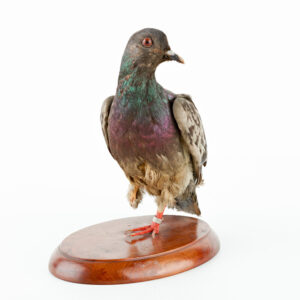
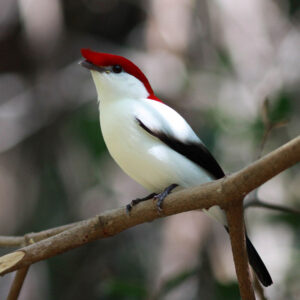
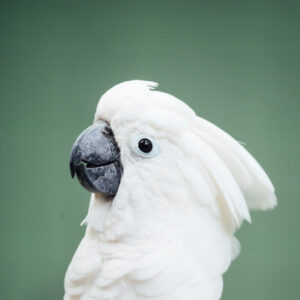
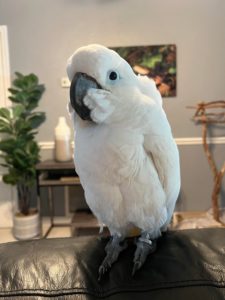
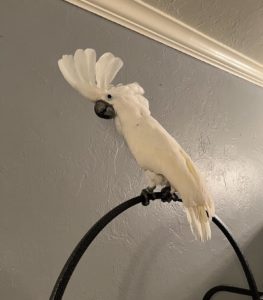
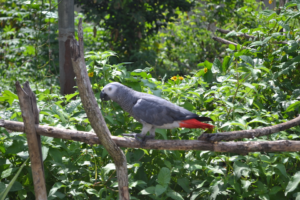

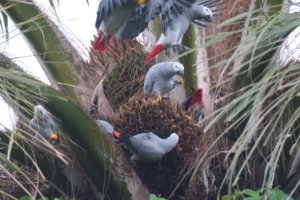
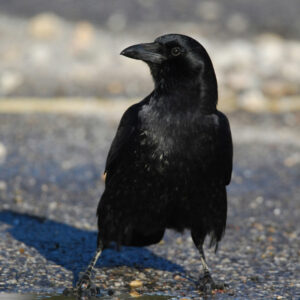
 Join us for a FREE, live, interactive webinar hosted by Laura Doering, former editor of Bird Talk magazine and Birds USA magazine. Our special guest, Dr. Stephanie Lamb, DVM, DABVP (Avian Practice), will discuss common infectious diseases including aspergillosis and chlamydia that are known to classically affect the respiratory system. She will also cover allergic airway disease to bring more awareness to this disorder. And she will talk about coelomic diseases that can present as respiratory disease, stressing the importance of full diagnostics to treat your bird effectively. Don’t miss this free webinar to get another fascinating insider’s view of the daily happenings at your Avian Vet’s clinic.
 Join us for a FREE, live, interactive webinar hosted by Laura Doering, former editor of Bird Talk magazine and Birds USA magazine. Our special guest Tom Tully, DVM, DABVP (Avian Practice), DECZM (Avian), joins us once again to answer your questions about pet bird health, nutrition, & care.
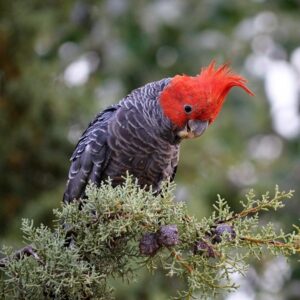
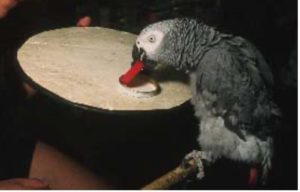
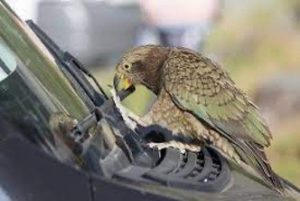
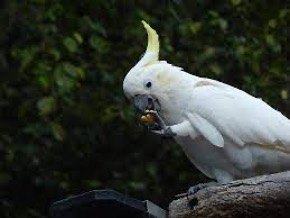
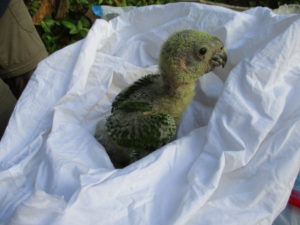
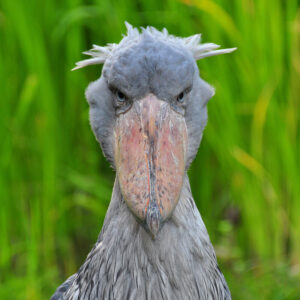
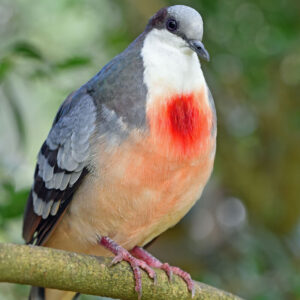
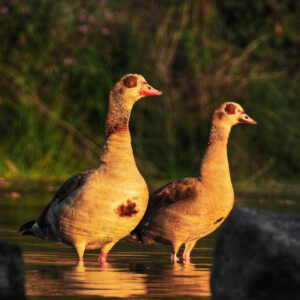
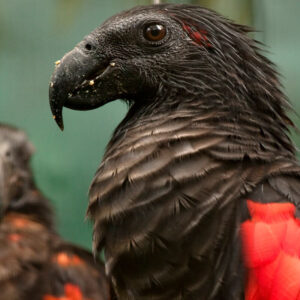
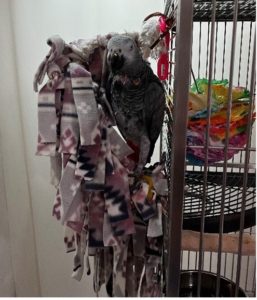
 Join us for a FREE, live, interactive webinar hosted by Laura Doering, former editor of Bird Talk magazine and Birds USA magazine. Our special guest, Lisa Bono, CPBC, owner and operator of The Platinum Parrot and a certified parrot behavior consultant specializing in African grey parrots, presents Episode 15 of The Grey Way, a Lafeber Pet Birds Webinar Series focusing on Congo & Timneh African grey parrots as pets. In this fun holiday episode, Lisa will discuss different ways to cater to your pet birds and give them their own holiday fun & feasting! This is about what they CAN have, and not about what they can’t. She will give the viewers ideas for holiday-themed activities and toys as well as seasonal foods your birds can enjoy. Get ready to plan your own special holiday fun for your birds this season!
 Join us for a FREE, live, interactive webinar hosted by Laura Doering, former editor of Bird Talk magazine and Birds USA magazine. Our special guest, Dr. Stephanie Lamb, DVM, DABVP (Avian Practice), will discuss holiday hazards for pet birds. The holidays are a busy time for everyone, but they can be particularly busy for a Veterinary clinic due to all of the dangers for our pets that can come up during the festivities. Anything from decorations to food to guests in your home can result in a trip to the Vet for your pet birds. Learn about some of the things to watch for, & holiday-related cases that Vets treat in this insider’s view of the holiday happenings at your Avian Vet’s clinic.
 Join us for a FREE, live, interactive webinar hosted by Laura Doering, former editor of Bird Talk magazine and Birds USA magazine. Our special guest Tom Tully, DVM, DABVP (Avian Practice), DECZM (Avian), joins us once again to answer your questions about pet bird health, nutrition, & care.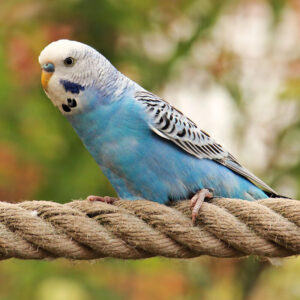
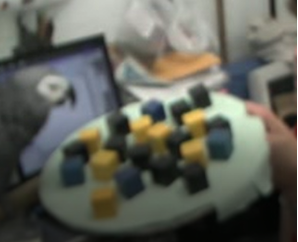
 Join us for a FREE, live, interactive webinar hosted by Laura Doering, former editor of Bird Talk magazine and Birds USA magazine. Our special guest, Dr. Joerg Mayer DVM, MS, DABVP(ECM), DECZM, DACZM, Professor, joins us again from the University of Georgia College of Veterinary Medicine where he works in Small Animal Medicine & Surgery, Veterinary Teaching Hospital & Zoological Medicine Service. The often hilarious and always entertaining Dr. Mayer will talk about his experiences with treating Exotics, which includes parrots and other bird species as well as exotic mammal & reptile species. His work includes research, new advances in Avian & Exotics Medicine and teaching the next generation of Avian & Exotics Veterinarians. Join us for another fascinating look into Dr. Mayer’s experiences & what goes on at a University Vet College & Vet Hospital – interesting cases, how new medicines and treatments are discovered and how important specialty Vets are for helping our exotic pets live better & longer lives.
 Join us for a FREE, live, interactive webinar hosted by Laura Doering, former editor of Bird Talk magazine and Birds USA magazine. Our special guest, Lisa Bono, CPBC, owner and operator of The Platinum Parrot and a certified parrot behavior consultant specializing in African grey parrots, presents Episode 14 of The Grey Way, a Lafeber Pet Birds Webinar Series focusing on Congo & Timneh African grey parrots as pets. In this episode, Lisa will talk about feeding your pet bird. This isn’t another nutrition webinar, but rather a fun approach to offering a variety of healthy foods to your pet bird. My bird won’t touch that! Sound familiar? Lisa is going to show you ways to entice even the pickiest parrot to try something new. While Lisa will address Grey-centric concerns, her feeding tips can apply to any pet bird.
 Join us for a FREE, live, interactive webinar hosted by Laura Doering, former editor of Bird Talk magazine and Birds USA magazine. Our special guest, Dr. Stephanie Lamb, DVM, DABVP (Avian Practice), will join us Live from Costa Rica, along with Dr. Sol Delechuk, the manager of the breeding center. Dr. Lamb will talk about her experiences volunteering at the center for a week. Dr. Sol has extensive experience as a veterinarian, caretaker, trainer, field biologist, and more, and joined the Punta Islita team as Bird Manager in September 2021. She will tell us about the center and its goals and accomplishments. We are beyond excited to be able to present such a valuable conservation project, live from the field, to celebrate our 100th webinar! This is such a special opportunity made possible by Lafeber Company! There will be some fun giveaways, too, so don’t miss this very special event!
 Join us for a FREE, live, interactive webinar hosted by Laura Doering, former editor of Bird Talk magazine and Birds USA magazine. Our special guest Tom Tully, DVM, DABVP (Avian Practice), DECZM (Avian), will answer your questions about pet bird health, nutrition, & care.
 Timneh greys (Psittacus timneh) are found in parts of west Africa such as Sierra Leone, Guinea, Guinea-Bissau, Liberia, and Côte d’Ivoire. Exact numbers are unknown (estimated 100,000-500,000), but they are decidedly decreasing due to trapping and habitat loss, the usual challenges for parrot conservation.
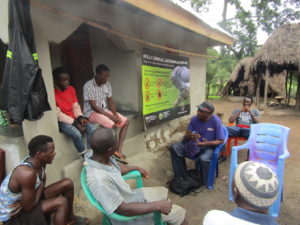 During 2021-2022, the WPT has continued developing several important conservation activities focused in Sierra Leone. First, 239 people in 70 communities were surveyed to develop knowledge, discern attitudes, and learn about the distribution and abundance of the Timnehs. By listening to local communities and leveraging local ecological knowledge, WPT has been able to build a picture of seasonal movements and identify roost and nesting areas throughout the region. This has highlighted the vital importance of mangrove areas and built a strong case for protection of several key sites.
 One roost that was identified during this work holds several hundred parrots and is the largest known roost for the species on the African mainland. This was an extremely exciting finding and suggests that in some remote areas, Timneh populations may still be relatively healthy. However numerous threats including trapping of adults and the collection of eggs have been identified. This can only get worse as land is further developed. Protection of these remote sites is essential!
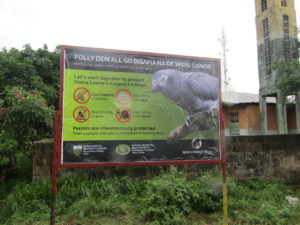 Lastly, a radio jingle and announcement communicating positive messages about parrot conservation has been regularly played on local radio stations. These have been accompanied by live radio interviews with government officials answering questions about the need to protect Timneh parrots. These type of activities must continue and be regularly reinforced to be successful.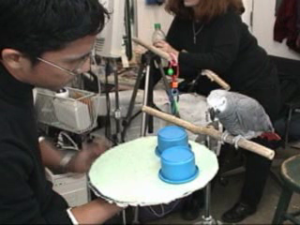
 Join us for a FREE, live, interactive webinar hosted by Laura Doering, former editor of Bird Talk magazine and Birds USA magazine. Our special guest, Lisa Bono, CPBC, owner and operator of The Platinum Parrot and a certified parrot behavior consultant specializing in African grey parrots, presents Episode 13 of The Grey Way, a Lafeber Pet Birds Webinar Series focusing on Congo & Timneh African grey parrots as pets. In this episode, Lisa will discuss and demonstrate ways to exercise your parrot! Avian Vets and experts all agree that pet birds do not get enough exercise, and this leads to medical issues over time. But most bird owners are unsure of how to encourage their birds to exercise. Lisa will cover different ways to exercise your bird – whether the bird is flighted or clipped, cage bound or has a physical disability. While Lisa will cover some Grey-centric methods, all species of pet birds can benefit from her suggestions. Don’t miss this opportunity to help your pet birds live happier & healthier lives.
 Join us for a FREE, live, interactive webinar hosted by Laura Doering, former editor of Bird Talk magazine and Birds USA magazine. Our special guest Tom Tully, DVM, DABVP (Avian Practice), DECZM (Avian), will answer your questions about pet bird health, nutrition, & care. Dr. Tully, a decorated Professor & practicing Vet at Louisiana State University School of Veterinary Medicine, is an internationally known Veterinarian who has earned specialties in Avian medicine in the United States as well as in Europe. Having this type of access to a Veterinarian of his status is rare, but Dr. Tully believes in the educated bird owner as being the best bird steward. Dr. Tully answers each question in detail and shares his vast knowledge of birds, particularly parrots. Is your bird’s problem health-related or behavioral? Are you offering the right foods to your pet bird? Ask the Vet!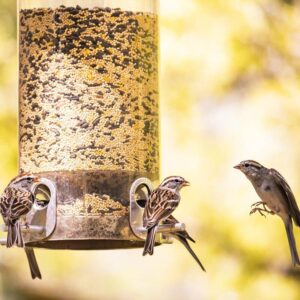
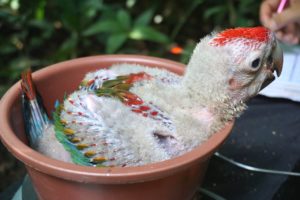
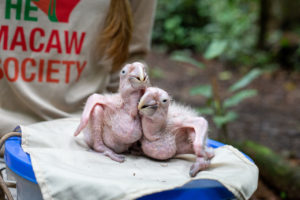
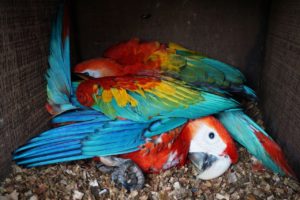
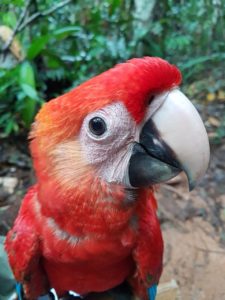
 Join us for a FREE, live, interactive webinar hosted by Laura Doering, former editor of Bird Talk magazine and Birds USA magazine. Our special guest, Lisa Bono, CPBC, owner and operator of The Platinum Parrot and a certified parrot behavior consultant specializing in African grey parrots, presents Episode 12 of The Grey Way, a Lafeber Pet Birds Webinar Series focusing on Congo & Timneh African grey parrots as pets. By viewer request, in this episode, Lisa will tell us more about herself, and how she manages a multi-bird household. Many of our viewers have wondered how she maintains her flock of African Greys – keeping things clean & most importantly, keeping the peace! We will learn more about Lisa’s background in parrots and how she learned to be such an awesome steward for her own flock, as well as advising others on how to care for their pet birds. While Lisa now specializes in African Greys, we will learn that her life with parrots didn’t begin with Greys. This will be a fun and fascinating look at Lisa’s world, and include meeting her flock – if they choose to cooperate!
 Join us for a live, interactive webinar hosted by Laura Doering, former editor of Bird Talk magazine and Birds USA magazine.
 Join us for a FREE, live, interactive webinar hosted by Laura Doering, former editor of Bird Talk magazine and Birds USA magazine. Our special guests, Lisa Bono, CPBC, Ann Brooks, and Dr. Susan Orosz will discuss education as the key to being the best bird steward. Lisa will report on the most recent Phoenix Landing Wellness Retreat, which was held June 4-5, 2022 in Asheville, NC. This unique meeting for pet bird owners offers lectures on many aspects of pet bird care. Lisa will discuss the speakers and topics and what goes on at a meeting like this, as well as why it is important for bird owners and professionals to continue learning through different avenues. Ann Brooks will join her to talk about Phoenix Landing, how it came about and why adoption or re-homing are so necessary for parrots. Dr. Susan Orosz will tell us how the idea for this special learning opportunity came about and how it became a place for learning from experts in the field as well as fellow bird owners. This will be the first-of-its-kind discussion for us, featuring three top experts in the field of companion birds, combining their expertise in education, rescue & Avian medicine. We look forward to having viewers join us for this rare treat!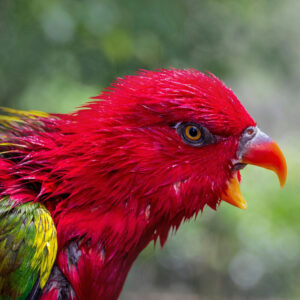
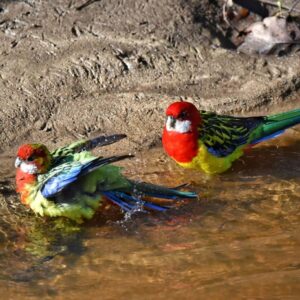
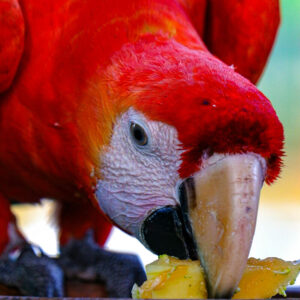
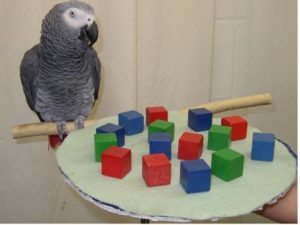

 Join us for a FREE, live, interactive webinar hosted by Laura Doering, former editor of Bird Talk magazine and Birds USA magazine.
 Join us for this very important FREE, live webinar hosted by Laura Doering, former editor of Bird Talk magazine and Birds USA magazine.
 Join us for a live, interactive webinar hosted by Laura Doering, former editor of Bird Talk magazine and Birds USA magazine.
 Join us for a FREE, live, interactive webinar hosted by Laura Doering, former editor of Bird Talk magazine and Birds USA magazine.
 Join us for a live, interactive webinar hosted by Laura Doering, former editor of Bird Talk magazine and Birds USA magazine.
 Join us for a FREE, live, interactive webinar hosted by Laura Doering, former editor of Bird Talk magazine and Birds USA magazine. Our special guest,
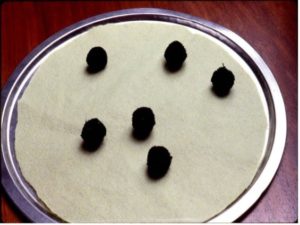
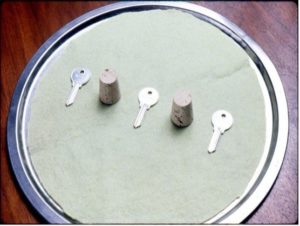
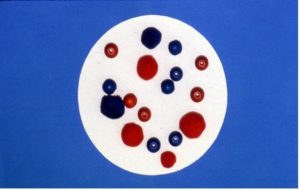
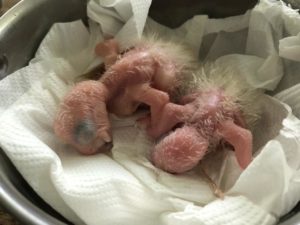
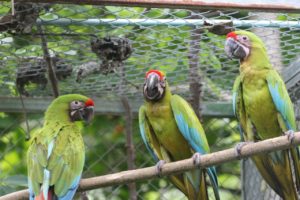
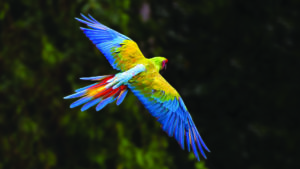
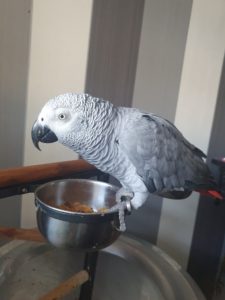
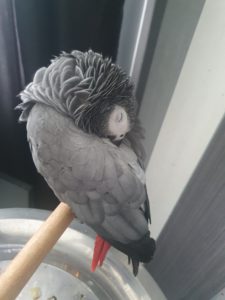
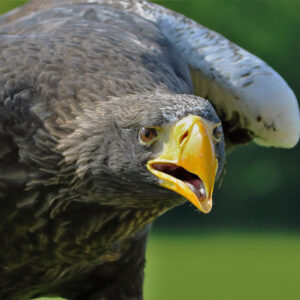
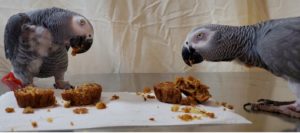
.jpg)
_-_Weltvogelpark_Walsrode_2010-10.jpg)