

New on LafeberVet
-
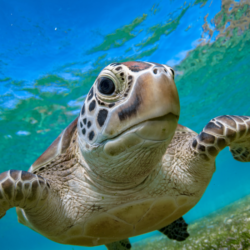
Sea Turtle Medicine
Clinical Topic: Analgesia & Anesthesiology Anatomy-Physiology Critical Care Dental & Oral Health Nutrition Radiology Wildlife Rehabilitation
Taxonomy: Reptiles & Amphibians Turtles & Tortoises -
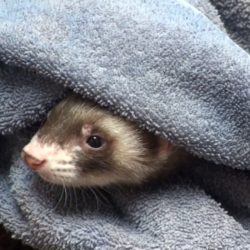
The Collapsing Ferret: More Than Insulinoma
Clinical Topic: Anatomy-Physiology Cardiovascular Critical Care Dental & Oral Health Endocrinology Gastroenterology Musculoskeletal Neurology Supportive Care Supportive Care Therapeutics
Taxonomy: Ferret Mammals -
Sunburned! An Evidence-Based Update on UVB Lighting for Captive Exotic Species
Clinical Topic: Anatomy-Physiology Behavior Husbandry Ophthalmology
Taxonomy: Amphibians Avian Chinchilla Cockatiel Guinea pig Lizard Mammals Parakeet Parrot Rabbit Reptiles & Amphibians Rodent Snake Turtles & Tortoises -

Since 1973, Lafeber Company has specialized in premium nutrition and is now bringing its expertise to the small mammal world
Featured Contributor
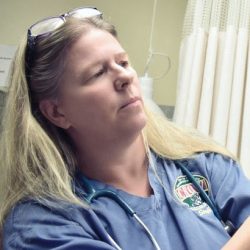
Heather Barron, DVM, DABVP (Avian Practice), CertAqV
Heather Barron has over 30 years of experience in wildlife health, rehabilitation, and clinical care. She serves as Chair of the Wildlife Veterinary Section for the Wildlife Disease Association, and is currently the Chief Science Officer and Veterinarian for Loggerhead Marinelife Center in Juno, Florida. Dr. Barron previously served as the Hospital Director of the Clinic for the Rehabilitation of Wildlife (C.R.O.W.) as well as the Chair of Veterinary Clinical Sciences and Professor of Small and Exotic Animal Medicine at St. Matthew’s University School of Veterinary Medicine in the Cayman Islands…
View all content contributed by Heather Barron, DVM, DABVP (Avian Practice), CertAqVFeatured Content
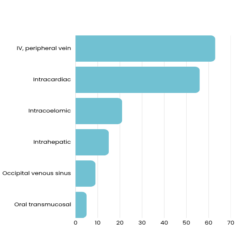
Avian Euthanasia Survey Results
Euthanasia, or providing “a good death,” is an essential, yet often challenging, part of veterinary practice. Euthanasia presents unique difficulties in avian patients, and while many recommendations exist, strong personal opinions also shape clinical practice. View the results of this confidential survey.

A Guide to Esophagostomy Tube Placement in Chelonians
The use of esophagostomy tubes (e-tubes) allows administration of oral medications and critical care nutrition to turtles and tortoises while minimizing stress and the risk of esophageal trauma associated with repeated rigid gavage tube feeding. Esophagostomy tubes are very well tolerated in chelonians and the patient can even eat normally with the tube in place. Patients can be medicated and fed on an outpatient basis, and once fully recovered, the e-tube is easily removed in the veterinary clinic.