
Key Points
- The primary objective when euthanizing a bird is to make its final conscious moments as stress-free as possible.
- Given the diversity of avian species, the method of euthanasia should be based on factors such as species, size, anatomy, physiology, domestication level, environment, clinical condition, and response to restraint.
- Consider providing pre-visit anxiolysis for fearful or stressed companion birds that are syringe- or medication-trained.
- Sedation and/or anesthesia are recommended for free-ranging, fearful, stressed, or excited birds before administering the euthanasia agent.
- Most pet birds that present to clinical practice are not routinely transported or handled and will benefit from some form of sedation prior to euthanasia.
- General anesthesia is often preferred over sedation alone, as sedated birds remain conscious and may respond to stimulation. Once unconscious, the bird can be given an appropriate euthanasia agent.
- Anesthetic overdose is the most common euthanasia method in clinical practice. While various agents are used, the fastest and most reliable approach in birds is intravenous injection of sodium pentobarbital.
- An overdose of inhalant anesthetic or intravenous potassium chloride may be used in patients submitted for post-mortem examination. These agents reduce the risk of artifactual tissue changes commonly seen in patients receiving barbiturates during histopathological evaluation.
- If venous access is not possible, alternative routes in the anesthetized avian patient include intrahepatic, intracardiac, or intraosseous injection.
Introduction
Euthanasia may be considered an essential part of veterinary practice, however the incredible diversity of class Aves creates special challenges for veterinary health professionals seeking to provide a death free of distress or pain (Fig 1).31

Figure 1. A one-size fits all approach to euthanasia of birds is not feasible. Class Aves includes a diverse range of species with varying sizes, anatomy, physiology, environments, domestication levels, clinical conditions, and responses to restraint, each posing unique challenges. Photo credit from upper left to lower right: Jill Murray, RVT, RLATG, VTS; Mario Micklisch/Flickr Creative Commons, Aneesa Malik, and LafeberVet. Click image to enlarge.
The euthanasia method selected should ideally result in rapid loss of consciousness, followed by respiratory and cardiac arrest, and subsequent loss of brain function.4,8 The objective is to provide a ‘quiet and easy death’ 8, while minimizing pain, distress, and discomfort.4,23
The preferred method of avian euthanasia is typically an intravenous (IV) injection of barbiturate.4,37,45 Given that most avian patients presenting for veterinary care are fearful, stressed, or excited, sedation or preferably general anesthesia is recommended to address animal welfare concerns and reduce handling distress.
Personnel and owner considerations
Personnel performing or assisting with euthanasia should be competent in recognizing normal avian behavior as well as signs of stress or fear.4 The ability to appropriately restrain the bird is also important.4
The handler should also have a working knowledge of avian anatomy. Key anatomical features include the absence of a diaphragm, which means that birds possess a coelomic cavity, as well as the presence of air sacs and pneumatized bones. The role of sternal movement in ventilation as well as the enhanced efficiency of the avian respiratory system must also be appreciated.4
The term ‘euthanasia’ is derived from Greek, meaning ‘a good death’. ‘Dysthanasia’ is a term used to describe the opposite 14, whereby there is pain or distress for the animal, improper technique, or anguish of the observers. Therefore, it is important to consider the welfare of the observers or participants as well as the animal. Research evaluating personnel assisting with laboratory rat euthanasia found that euthanasia methods involving minimal violence; little animal manipulation, and the least amount of blood were considered more acceptable.28
It is recognized that the euthanasia of small birds, especially in front of their owners, can be technically challenging.27
Some owners find euthanasia unacceptable. In such cases, comprehensive palliative care that supports a natural death may be a viable alternative.34
Pre-visit anxiolytics
Many pet birds are unaccustomed to handling and transport, and will present to the veterinary hospital in a stressed, fearful state. Pre-visit anxiolysis should ideally be provided to fearful or stressed pet birds or birds that would be expected to have a fear, anxiety, or stress score over three.21
Benzodiazepines are most commonly used to reduce avian anxiety.7,25,36,38,43 Research to guide dosing is ongoing, however, midazolam (1-3 mg/kg) can be given intranasally to most medium-sized pet birds at home by the owner just before the veterinary visit, provided the bird is used to handling and trained to accept this route of administration (Fig 2).7,35,36 Although the dose of intranasal midazolam may need to be increased in smaller species, such as canaries (Serinus canaria) and budgerigars (Melopsittacus undulatus), to 4-6 mg/kg 11,35,36, the author finds that 1-3 mg/kg tends to be equally effective in small, debilitated birds. As a general rule, lower doses are advised for sicker birds and higher doses are advised for birds that are more fearful or unaccustomed to human handling or transport.
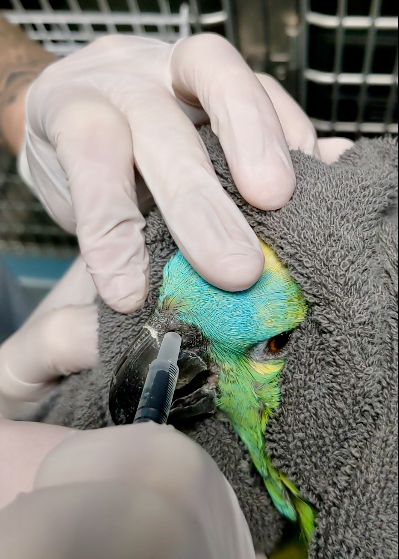
Figure 2. Intranasal administration of midazolam to a blue-fronted Amazon parrot (Amazona aestiva). Photo credit: Aneesa Malik. Click image to enlarge.
Currently, there are no oral pre-visit sedatives routinely given to birds. The use of gabapentin and tramadol are being explored.22 One oral dose of trazadone in pigeons (Columba livia) at 30 mg/kg resulted in plasma drug concentrations consistent with therapeutic effects in humans and dogs, however, no sedative or adverse effects were noted, and further research is needed to understand its clinical effects.17 A single dose of trazadone (50 mg/kg) in Hispaniolan Amazon parrots (Amazona ventralis) resulted in plasma concentrations comparable to other species studied with no adverse effects, however, behavioral effects were not reported.46 A variety of sedatives and antidepressants have also been evaluated in chicks that were socially separated as a model for panic disorder.30 Phenelzine (3.125-25.0 mg/kg), alprazolam (0.065-0.5 mg/kg), imipramine (1.0-15.0 mg/kg) and clonidine (0.1-0.25 mg/kg) attenuated distress vocalizations without significant sedation in cockerels, whereas buspirone (2.5-10.0 mg/kg) and trazodone (0.1-3.0 mg/kg) did not.30
Desmarchelier has described the use of psychopharmacological drugs in exotic animals, including tranquilizing agents, tricyclic antidepressants, and selective serotonin reuptake inhibitors.16 There has also been limited behavioral pharmacology research in pet parrots with behavioral disorders.48 Gabapentin, trazadone, paroxetine and amitriptyline have pharmacokinetic studies in some avian species.16 To the authors’ knowledge there is no research on the use of these drugs for pre-visit anxiolysis.
The use of some level of anxiolysis or sedation prior to anesthesia and euthanasia is also recommended not just for the animal’s welfare but it can make the euthanasia transition smoother and less distressing for the owner.9
General anesthesia
General anesthesia is typically recommended for euthanizing an avian patient, as it minimizes the risk of spontaneous arousal that can occur with sedation, especially when the bird is stimulated.7 General anesthesia also allows the placement of an IV catheter, which may be desirable if the owner would like to be present for euthanasia (Fig 3).
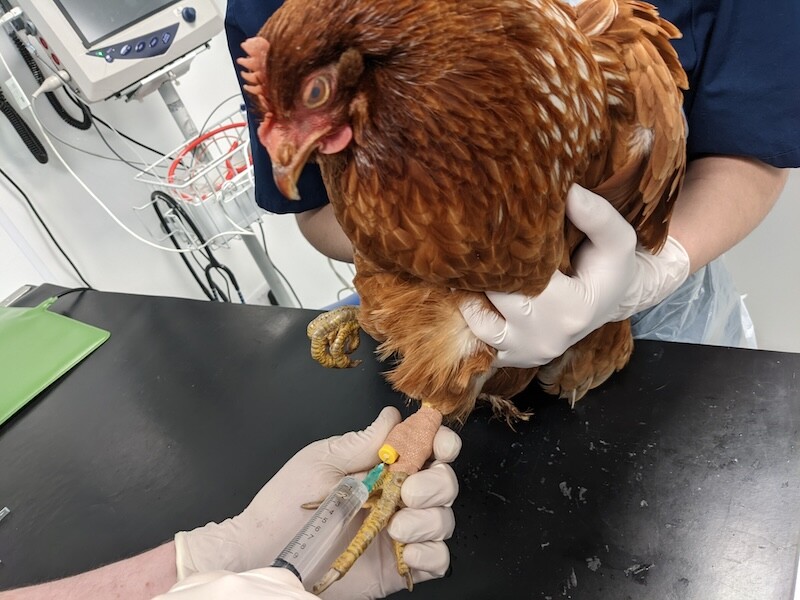
Figure 3. Use of a pre-placed intravenous catheter, as shown in this sedated chicken, is recommended when the owner will be present during euthanasia. Photo credit: Aneesa Malik. Click image to enlarge.
General anesthesia is associated with a loss of consciousness. A deep plane of anesthesia suitable for euthanasia is often associated with complete muscle relaxation, absent reflex limb withdrawal on toe or wing pinch, with a slow or absent corneal reflex.
| Table 1. Signs of loss of consciousness in birds10 |
|---|
| • Loss of the righting reflex • Loss of posture and muscle tone, drooping wings • Absence of rhythmic breathing • Loss of palpebral reflex and spontaneous blinking • Absence of vocalization |
When evaluating euthanasia from an animal welfare perspective, the time between consciousness and unconsciousness, often referred to as “latency to unconsciousness” is more important than the time it takes to achieve brain death. A short interval to insensibility is preferable, to minimize any potential suffering.5 If the bird is completely unconscious, there is also less concern over the method of euthanasia with regards to animal welfare.
Injectable agents
There are a number of anesthetic agents that can be given by IV, intramuscular (IM), or intranasal routes in the bird, such as alpha-2 agonists, ketamine, alfaxalone, and/or opioids (Table 2).7 Although the practitioner is advised to consult species-specific formularies for appropriate doses and combinations, it’s important to note that doses used before euthanasia are often higher, sometimes even doubled.
| Table 2. Common injectable anesthetic/sedative drug combinations administered to avian patients before euthanasia |
|---|
| • Medetomidine with an opioid, such as butorphanol • Medetomidine and ketamine +/- butorphanol • Medetomidine, ketamine, midazolam, butorphanol • Midazolam, ketamine, butorphanol • Alfaxalone +/- an opioid • Xylazine +/- ketamine* |
| *High doses of xylazine are well-tolerated, whereas ketamine appears to cause more discomfort on injection (Angela Lennox, email communication, January 2025) |
The author has had success with IM midazolam-ketamine-butorphanol in garden bird species, such as pigeons and passerines (Table 3).11,26
| Table 3. Intramuscular regimens recommended for garden bird species prior to euthanasia* | ||
|---|---|---|
| Drug | Dosage for sedation | Dosage for anesthesia** |
| Midazolam | 0.5 – 1.5 mg/kg | 1 - 3 mg/kg |
| Ketamine | 5 - 10 mg/kg | 5 – 10 mg/kg |
| Butorphanol | 1-2 mg/kg | 2-4 mg/kg |
| *Check species-specific doses when possible, as individual doses and responses will vary **Renée Schott, email communication, July 2024 |
||
The perception of being unable to escape restraint and being administered an injection has the potential to cause pain, discomfort, and/or distress.
Inhalation agents
The rapid loss of consciousness that can be achieved in birds with inhalation agents, such as sevoflurane or isoflurane, must be weighed against potentially serious disadvantages. The physical properties of halocarbon anesthetics, such as hypoxia, can cause distress. Isoflurane has also been shown to be an irritant to mucous membranes in humans.18 Additionally, all inhaled agents have the potential to cause distress because their effects are not immediate.12,40 The agent must be delivered via face mask or induction chamber; face mask is often preferable due to the disadvantages of chamber induction, outlined below.
FACE MASK INDUCTION
Face masks can be adapted to the size of the bird’s head using conforming bandage or a latex glove (Fig 4). In some species with long beaks, face masks can be created from plastic bottles (Fig 5). The patient can be securely wrapped in a towel during face mask induction.
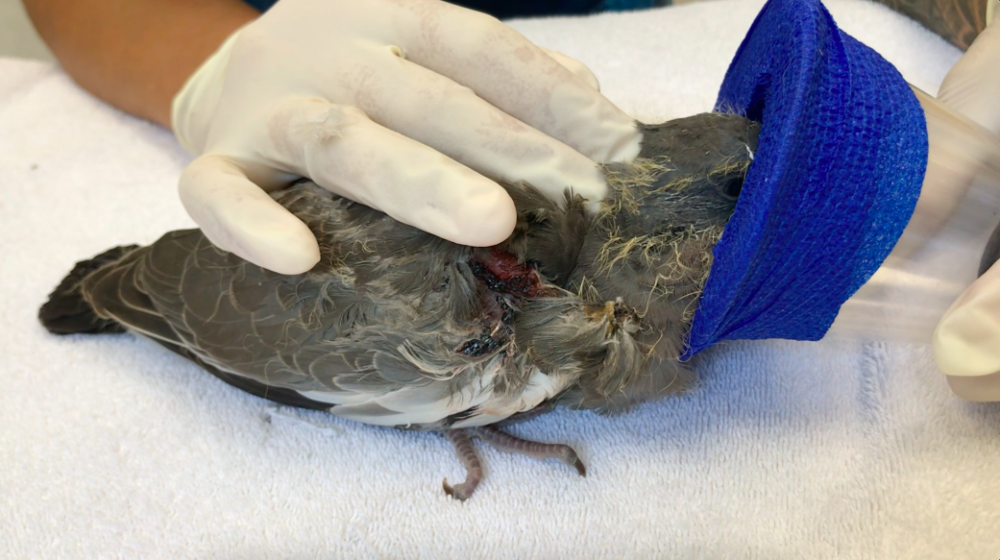
Figure 4. Juvenile wood pigeon (Columba palumbus) masked down with isoflurane and oxygen. A conforming bandage has been used to make an appropriate size hole for the bird’s head. Photo credit: Aneesa Malik. Click image to enlarge.
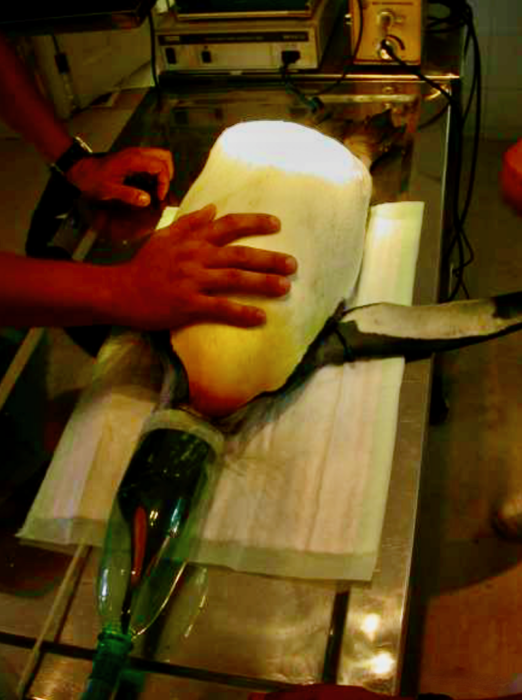
Figure 5. An inhalant anesthetic agent is delivered to a Gentoo penguin (Pygoscelis papua) using a plastic bottle that has been modified to serve as a face mask. Photo credit: Dr. Lorenzo Crosta.
CHAMBER INDUCTION
A dark, covered anesthetic induction chamber may be an option for wild birds that are more stressed by human restraint; however, this technique has several disadvantages. Birds are at risk for further distress or injury if they flap or become disorientated during induction, although padding the sides of the chamber with towels may reduce this risk. Birds also rapidly regain consciousness once removed from the chamber, and must be maintained on a face mask anyway. Additionally, the release of waste anesthetic gases into the environment presents a potential risk for staff and the owner, when present.
Euthanasia agents
Once the bird is unconscious, various euthanasia agents can be selected.
Inhaled agents
Inhaled anesthetics delivered at high concentrations, such as sevoflurane and isoflurane, can be used as a sole method of euthanasia in select avian patients (Table 4).4 Exposure to gas anesthetics also produces minimal tissue damage and results in the least amount of tissue artifact for birds that must be submitted for necropsy.4,33
| Table 4. Considerations for use of inhalant anesthesia for euthanasia of avian patients 4,26,38 | |
|---|---|
| Body size | Consider inhalant anesthetics in relatively small patients or species in which venipuncture may be technically challenging. |
| Breath holding | Diving birds and waterfowl may not respond as readily to inhalation anesthesia due to their breath-holding ability.38 Induction of anesthesia and time to loss of consciousness may be greatly prolonged. Therefore, injectable anesthetic agents will often be more successful in these species. |
| Food animals | Inhaled anesthetics are unsuitable for use in food-producing animals, because large amounts of drug are absorbed, creating potential tissue residues. |
| Sense of smell | Pungent inhaled vapor could be predicted to cause greater distress in avian species known to have a good sense of smell, like vultures or condors (carrion eaters). |
| Fear, anxiety, or stress | Volatile anesthetic agents are irritating to mucous membranes, and the perception of being restrained or unable to escape while being administered anesthetic gases can also cause distress (see below). For instance, inhalant induction has been shown to be stressful for human children.12,40 |
In laboratory settings, inhaled euthanasia agents include carbon dioxide (CO₂), carbon monoxide (CO), nitrogen (N₂), and argon noble (Ar), which induce hypoxia by displacing oxygen.4,42 Studies in turkeys found high CO₂ concentrations aversive 42, while Ar or CO₂-Ar mixtures were generally tolerated.42 In broiler chicks, gases with 90% Ar or N₂ in CO₂ and 80% Ar in CO₂ were least aversive, though all caused some distress.44
A study in zebra finches (Taeniopygia guttata) found CO₂ (80% chamber displacement rate) led to the fastest respiratory arrest but caused open-mouth breathing.45 Isoflurane chamber induction followed by intracoelomic sodium pentobarbital had the longest respiratory arrest time and was linked to distress behaviors like open-mouth breathing, wing flapping, and escape attempts.45
Injectable anesthetic agents
BARBITURATES
All barbituric acid derivatives used for anesthesia are considered acceptable for euthanasia when administered IV. Barbiturates depress the central nervous system and induce anesthesia, beginning with the cerebral cortex. With an overdose, a deep plane of barbiturate anesthesia can lead to apnea and hypoxemia, followed by cardiac arrest.4
Sodium pentobarbital is the most commonly used and widely accepted barbiturate.4 Administer sodium pentobarbital by IV injection (150 mg/kg IV) once the bird is adequately sedated or anesthetized.26 When injected IV, sodium pentobarbital will illicit four stages: voluntary and involuntary excitement, surgical anesthesia, followed by medullary paralysis.29 It is recommended to give the first one-third slowly to further anesthetize the patient.6
Although barbiturates are considered the gold standard for animal euthanasia 11, adverse effects can occur. Agonal gasping is sometimes seen with sodium pentobarbital.26 This caustic solution also causes pain and acts slowly when given by extravascular routes.26 When administered IV, barbiturates can also cause artifactual changes on histopathology, such as erythrolysis, edema, and coagulative tissue changes.33
T- 61
T-61 is a mixture of an anesthetic agent (embrutamide), a paralytic agent (mebozonium iodide), and a local anesthetic (tetracaine hydrochloride) that works by inducing unconsciousness, then cardiopulmonary collapse, followed by death through hypoxia.4,11 T-61 does not cause terminal gasping, as seen with sodium pentobarbital, however, similarly to barbiturates, T-61 can cause histopathological changes on postmortem exam.39 There are also concerns over the possible onset of paralysis prior to unconsciousness when dosage and injection instructions are not closely followed. T-61 was voluntarily withdrawn from the U.S. market due to the distress of personnel euthanizing dogs that appeared to experience pain and suffering prior to death.4
T-61 is considered acceptable in birds when administered IV by trained personnel.1,11 A study evaluating T-61 (0.03 mg/kg IV) in chickens did not find signs of pain or distress within the time frame to ‘insensibility’ (10.5 seconds from the start of the injection and 4 seconds after the end of the injection). Therefore, birds were not conscious during cardiac or circulatory arrest.5
POTASSIUM CHLORIDE
Intravenous administration of potassium chloride (KCl) causes serum levels of potassium to rise so high that heart function ceases. The primary benefit of IV KCl is that it does not cause artifactual changes on postmortem exam.41 A dose of 3 mEq/kg IV has been recommended for birds that will be submitted for histopathological assessment.41
The patient receiving a KCL infusion should always be maintained at a deep plane of anesthesia.11,41 The cardiac arrest which is induced is presumably painful, and seizures and muscle spasm can also occur with KCl administration.11,41 In a study comparing two IV doses of KCl in birds anesthetized with isoflurane, one bird given 3 mEq/kg exhibited mild vocalization.41 At the higher dose (10 mEq/kg), five out of six birds exhibited involuntary muscle tremors.41
Routes of administration for injectable agents
The euthanasia agent selected can be delivered by a variety of methods.
Intravenous
A common site of IV injection in birds is the jugular vein (Fig 6). The right jugular vein tends to be larger and is easily accessible in many species, even tiny birds. The jugular vein is less accessible in pigeons and doves (Columbiformes). Columbids have a diffuse venous plexus in this region that can obscure clear visualization of the jugular vein 13; however, jugular venipuncture is possible and reliable in these species. Additional peripheral IV sites include the medial metatarsal vein and the basilic vein (Fig 7, Fig 8).
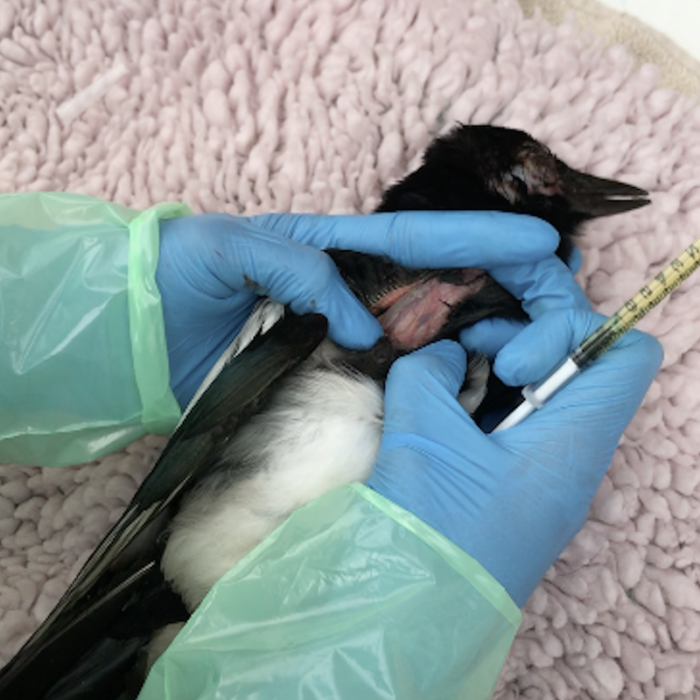
Figure 6. Visualizing the jugular vein in a sedated magpie (Pica pica). Photo credit: Aneesa Malik. Click image to enlarge.
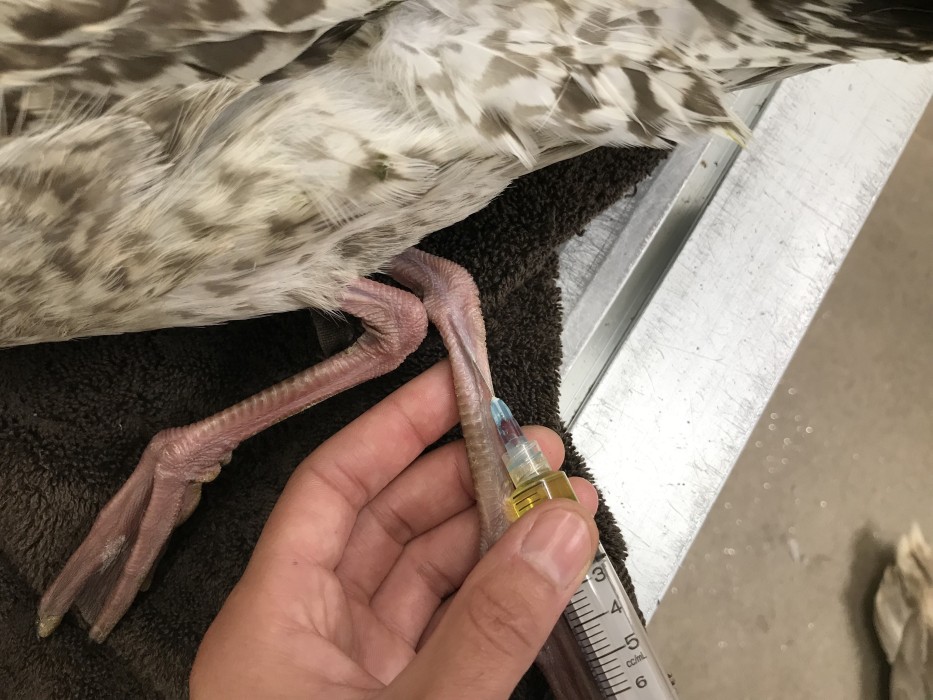
Figure 7. Injection of the medial metatarsal vein as it passes over the medial aspect of the intertarsal joint or “hock” in an anesthetized gull. Click image to enlarge. Photo credit: Aneesa Malik.
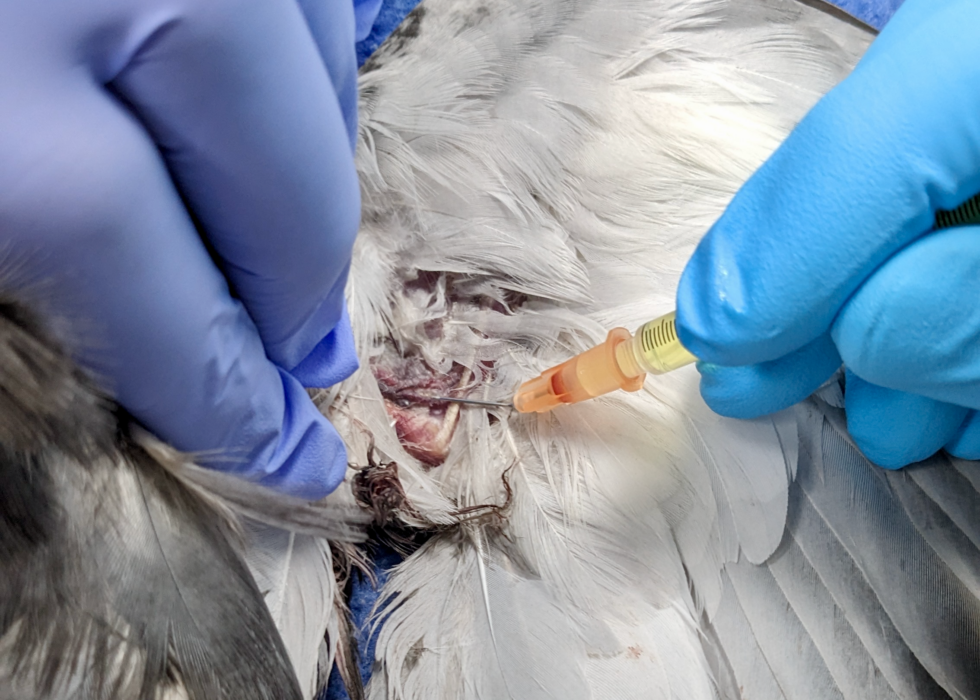
Figure 8. Injection of the basilic or ulnar vein as it passes over the medial surface of the elbow in an anesthetized pigeon (Columba livia). Click image to enlarge. Photo credit: Aneesa Malik
Another peripheral venous site for administration of euthanasia solution is the occipital sinus. This sinus can be accessed by holding the head and neck of the anesthetized bird at a right angle, to expose the space between the dorsal base of the skull and the first cervical vertebrae.49,50 The needle is carefully inserted along the median plane using a 21-25-gauge needle at a 30° to 45° angle (Video 1, Video 2, Fig 9).49,50 The depth of needle entry will vary with the species and size of the bird. An approximately 2-3 mm entry may be required for budgerigars, whereas a large Muscovy duck may require 10-12 mm to access the sinus.49,50 Angle the needle so that it passes just underneath the supraoccipital bone and into the dura mater. Slight resistance may be felt when the needle enters the dura. Anesthesia is essential, as many birds may resist being positioned correctly. Movement can cause the needle to penetrate the skull and/or brain.50
Video 1. Occipital venous sinus injection (no audio) in a Canada goose (Branta canadensis). Source: Katie Lennox-Phillibeck and Dr. Angela Lennox.
Video 2. Occipital venous sinus injection (no audio) in a sparrow (Passer domesticus). Source: Lauren Atkins.
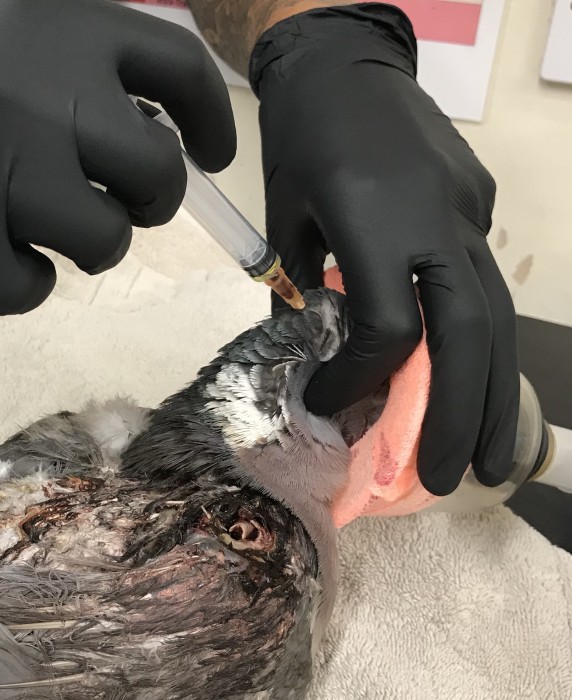
Figure 9. Injection into the occipital sinus in an anesthetized pigeon (Columba palumbus). Note the blood in the needle hub, ensuring correct placement. Photo credit: Aneesa Malik. Click image to enlarge.
Visit Zimmerman (1985) and Vuillaume (1983) for diagrams illustrating needle insertion.49,50
If a vein is inaccessible, alternative techniques may be used in select anesthetized patients.4 Like most barbiturates commonly used for injection, pentobarbital has an alkaline pH of 12- 13 making it irritating and painful when injected directly into tissues.4,32 Therefore, the patient should also be anesthetized when receiving euthanasia solution by these alternative routes.
Intraosseous
Placement of an intraosseous (IO) catheter for the sole purpose of euthanasia may be unnecessary and painful when less invasive routes are available. If the patient already has a catheter in place in the distal ulna, or less commonly the proximal tibiotarsus, this route is certainly an option. There is also potential for pain or discomfort with infusion due to the volume or viscosity of euthanasia solution.15 Therefore, slower injection rates or anesthesia and analgesia may be required.4
Intracardiac
Intracardiac injection of sodium pentobarbital is described as a method of euthanasia in the deeply anesthetized bird and is considered particularly useful in small patients with inaccessible veins.4,24 The heart may be accessed via the thoracic inlet, or through the ribs (laterally, in a region not heavily covered by pectoral musculature), using a needle of sufficient length to reach the chambers of the heart (Fig 10). Care should be taken to avoid the lungs or air sacs.

Figure 10. Intracardiac injection in an anesthetized parrotlet (Forpus coelestis). Photo credit: Aneesa Malik. Click image to enlarge.
Intracoelomic (intrahepatic)
Intracoelomic injection of a euthanasia agent is preferably delivered as an intrahepatic injection in the bird, since misinjection can potentially deliver pentobarbital into the gastrointestinal tract or air sacs. At best, this means the objective of euthanasia is not achieved. At worst, it can flood the respiratory tract, causing drowning and pain.7 Therefore, an attempt at an intrahepatic injection should be considered a last choice.
To perform an intrahepatic injection, insert the needle on midline at the keel base and direct the needle cranially at an approximately 30° angle (Fig 11, Fig 12). Blood aspirated into the needle hub indicates correct placement. In species with a relatively long keel, such as the pigeon, select a relatively long needle (4-5 cm) or pre-measure to ensure the liver is reached. Intrahepatic injections can lead to rapid uptake of barbiturate uptake and rapid unconsciousness.4
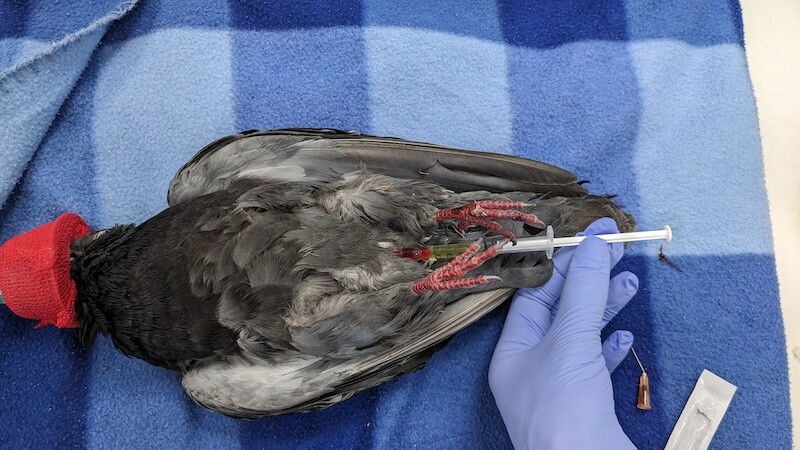
Figure 11. Intrahepatic injection in an anesthetized pigeon (Columba livia) using a 4 cm (1.5-inch) needle. Note the blood within the needle hub, which confirms correct needle placement. Photo credit: Aneesa Malik. Click image to enlarge.
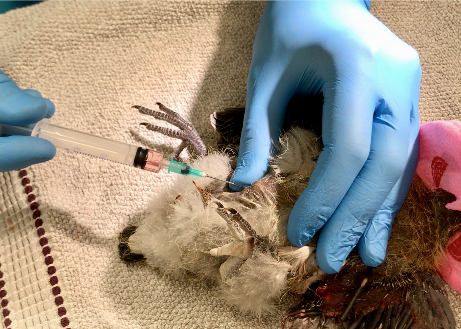
Figure 12. Intrahepatic injection in an anesthetized pigeon (Columba palumbus). Photo credit: Aneesa Malik.
If the intracoloemic injection did not reach the liver, and instead went into the gastrointestinal tract or the coelom, the bird will pass through the stages of euthanasia more slowly.4 If the intracoloemic injection was administered into the air sacs, drowning will occur and gasping is observed.
Oral transmucosal
Research on oral transmucosal application of pentobarbital at five (430 mg/kg), six, and seven times (602 mg/kg) the mammalian IV dose has been carried out in conscious wild birds of varying species.23 Eighty of 110 birds showed no adverse effects. In the 30 remaining birds, adverse effects included agonal breathing, head shaking, wing flapping, head tick, excitation, vocalization, feather erection, possible aspiration, tremors, seizure-like activity, and rigidity.23 Loss of consciousness occurred within 5 minutes at all doses, but was fastest with the higher dose. The higher the dose, the less likely the bird required supplemental IV pentobarbital to achieve asystole within the 5-minute time frame.23
However, pentobarbital is known to be distasteful in mice 19, and the alkaline nature of sodium pentobarbital means that this agent can cause inflammation.20 The study in wild birds concluded that histopathology of oral and gastrointestinal mucosa is warranted to assess for tissue damage.23 The perception of being unable to escape restraint and having the oral cavity administered a distasteful or potentially noxious liquid has the potential for discomfort or distress.
Neonatal or embryonic birds
The same principles and techniques for euthanasia described for adult birds, also apply to neonatal birds (Fig 13).
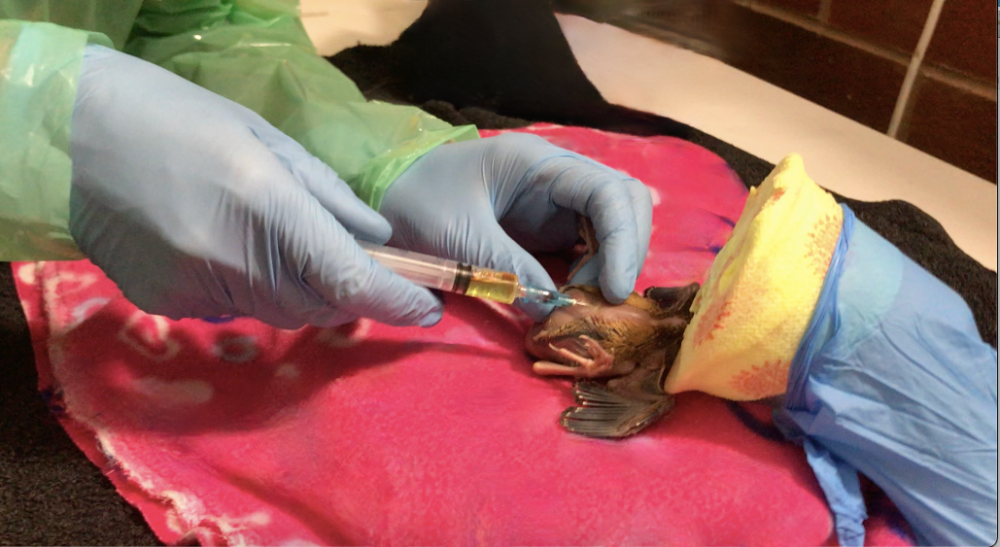
Figure 13. Intrahepatic injection of an anesthetized nestling. Photo credit: Aneesa Malik. Click image to enlarge.
Before hatch, recommendations vary with the degree of embryo development.4 If the embryo is more than 80% through incubation, it can perceive pain; therefore, an anesthetic overdose or prolonged (20-minute) exposure to CO2 is advised.4 Intravenous injection of pentobarbital into the chorioallantoic vasculature or IM injection of ketamine and an alpha-2 agonist has been described in chicken embryos.1 In embryos less than 80% through incubation, cooling at 4.4°C (40°F) for 4 hours or freezing are considered acceptable.4
Field euthanasia
In the event that euthanasia must be performed outdoors and an anesthetic machine for inhalant anesthesia is not available, injectable anesthesia agents can be used to ensure the patient is unconscious prior to IV pentobarbital injection.
If injectable anesthesia drugs are unavailable but isoflurane or sevoflurane are available, gaseous anesthesia can still be used. A sealed ‘induction face mask’ can be created, by placing isoflurane-soaked cotton wool inside a latex glove, attached to one end of the mask (Fig 14). The patient can be securely wrapped in a towel and the head gently placed inside the facemask, with time taken to inhale the isoflurane. Ensure the patient is lower than the glove, as isoflurane is a heavy gas and will fall to the bottom of the mask.
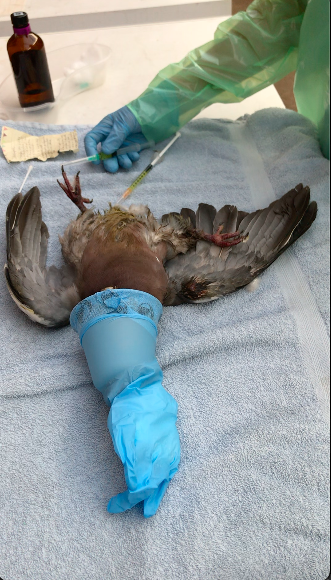
Figure 14. Field euthanasia using isoflurane-soaked cotton wool in a sealed face mask. Photo credit: Aneesa Malik. Click image to enlarge.
Alternatively, the patient can be placed inside a sealed container, alongside a small, unsealed vessel filled with isoflurane. As isoflurane expands, it will diffuse out into the container holding the bird. Ensure personnel wear a face mask and keep above the level of the container so that isoflurane will not be inhaled. The addition of 5 ml of isoflurane to a 1-L capacity container has also been described (Renée Schott, email communication, July 2024).
There are a vast number of resources describing euthanasia methods in farm or field settings, such as depopulation or culling, which are beyond the scope of this article.2,3,10,47
Confirm death
Signs that death is imminent include loss of corneal reflex, fixed and dilated pupils, absent respiration, bradycardia, and reduced heart sounds.7 Death should be confirmed by complete loss of the heart beat or asystole, and/or the onset of rigor mortis.7
The owner may want to spend time with their pet bird after it has passed away. Some long-lived birds may have been part of the family for decades, so the loss of these pets can be especially difficult for owners.27 Footprints or feathers can be offered to serve as a memento.
Survey
Euthanasia, or providing “a good death,” is an essential, yet often challenging, part of veterinary practice. Euthanasia presents unique difficulties in avian patients, and while many recommendations exist, strong personal opinions also shape clinical practice.
Some LafeberVet users completed a brief, confidential survey to share their perspective in fall/winter 2025. View the survey results.
References
References
- Aleksandrowicz E and Herr I., Ethical euthanasia and short- term anaesthesia of the chick embryo. Altex 2015;32(2):143-147. doi: 10.14573/altex.1410031. Epub 2015 Jan 16. PMID: 25592390.
- American Veterinary Medical Association Panel on Animal Depopulation. AVMA Guidelines for the Depopulation of Animals: 2019 edition. American Veterinary Medical Association website. Available at https://www.avma.org/sites/default/files/resources/AVMA-Guidelines-for-the-Depopulation-of-Animals.pdf. Accessed February 4, 2025.
- American Veterinary Medical Association Panel on Humane Slaughter. AVMA guidelines for the humane slaughter of animals: 2024 edition. American Veterinary Medical Association website. Available at: https://www.avma.org/sites/default/files/2024-09/Humane-Slaughter-Guidelines-2024.pdf. Accessed February 4, 2025.
- American Veterinary Medical Association Panel on Euthanasia. AVMA guidelines for the euthanasia of animals: 2020 edition. American Veterinary Medical Association website. Available at https://www.avma.org/sites/default/files/2020-02/Guidelines-on-Euthanasia-2020.pdf. Accessed February 4, 2025.
- Baker-Cook BI, Moritz AL, Zwueste D, Schwean- Lardner K, Machin KL (2021) Evaluation of intravenous T-61 as a euthanasia method for birds. Can Vet J. 2021; 62(4):367-373. PMID: 33867548; PMCID: PMC7953923.
- Barron H. Critical care techniques for avian wildlife emergencies. October 23, 2019. LafeberVet website. Available at https://lafeber.com/vet/critical-care-techniques-for-avian-wildlife-emergencies/. Accessed March 1, 2025.
- Brown S. Considerations for humane euthanasia in exotic pet species. Companion Animal. 2021;26(6):107-113. doi: 10.12968/coan.2020.0102.
- British Veterinary Association (BVA). Guide to Euthanasia. 2016. Available at https://www.bva.co.uk/media/2981/bva_guide_to_euthanasia_2016.pdf. Accessed March 1, 2025.
- Buisson C. Why I sedate every pet for euthanasia – and you should too. 2015. Dr.AndyRoark. Available at https://drandyroark.com/why-i-sedate-every-pet-for-euthanasia-and-you-should-too/#:~:text=Euthanasia%20can%20be%20less%20stressful,we%20do%20what%20we%20do. Accessed March 1, 2025.
- Canadian Food & Drug Administration (CFIA). Mechanical, electrical or gas stunning; slaughter methods and monitoring signs of unconsciousness or consciousness. 2019. Government of Canada website. Available at https://inspection.canada.ca/food-guidance-by-commodity/meat-products-and-food-animals/slaughter-methods-and-monitoring/eng/1539372028443/1539372028884?chap=0. Accessed February 4, 2025.
- Carpenter JW, Harms CA. Exotic Animal Formulary, 6th ed. 2023; Elsevier, St. Louis, Missouri.
- Chorney JM, Kain ZN. Behavioural analysis of children’s response to induction of anaesthesia. Anaesth Analg. 2009;109(5):1434-1440. doi: 10.1213/ane.0b013e3181b412cf. Epub 2009 Aug 27. PMID: 19713262.
- Cooney KA, Chappell JR, Callan RJ, Conally BA. Veterinary Euthanasia Techniques: A Practical Guide. 2012; Wiley-Blackwell, UK.
- Cooney KA, Kipperman B. Ethical and practical considerations associated with companion animal euthanasia. Animals. 2023;13(3):430. PMID: 36766319. PMCID: PMC9913502 . doi: 10.3390/ani13030430 .
- Cummings CO. Are we providing adequate analgesia for intraosseous infusion in exotic animal practice? J Exotic Pet Med. 2023; 44:27. doi: 10.1053/j.jepm.2022.10.005.
- Desmarchelier MR. Clinical psychopharmacology for the exotic animal practitioner. Vet Clin North Am Exot Anim Pract. 2021;24(1):17-35. doi: 10.1016/j.cvex.2020.08.003 .
- Desmarchelier MR, Beaudry F, Ferrell ST, Frank D. Determination of the pharmacokinetics of a single oral dose of trazadone and the effects on the activity level on domestic pigeons (Columba livia). Am J Vet Res. 2019;80(1):102-109. doi: 10.2460/ajvr.80.1.102 .
- Doi M, Ikeda K. Airway irritation produced by volatile anaesthetics during brief inhalation: comparison of halothane, enfluorane, isofluorane and sevofluorane. Can J Anaesth. 1993;40(2):122-126. doi: 10.1007/BF03011308 .
- Dudley ES, Boivin GP. Evaluation of a commercially available euthanasia solution as a voluntarily ingested euthanasia agent in laboratory mice. J Am Assoc Lab Anim Sci. 2021; 57(1):30-34. PMCID: PMC5875095 PMID: 29402349.
- Dutton JW 3rd, Artwohl JE, Huang X, Fortman JD. Assessment of pain associated with the injection of sodium pentobarbital in laboratory mice (Mus musculus). J Am Assoc Lab Anim Sci. 2019 May 1;58(3):373-379. doi: 10.30802/AALAS-JAALAS-18-000094. Epub 2019 Mar 11. PMID: 30857577; PMCID: PMC6526499.
- Fear Anxiety Stress Scale for Birds. Fear Free Pets website. 2019a. Available at https://fearfreepets.com/wp-content/uploads/delightful-downloads/2019/05/FAS-scale-for-birds.pdf. Accessed February 4, 2025.
- Fear Free Veterinary Certification Program Overview. Fear Free Pets website. 2019b. Available at https://fearfreepets.com/fear-free-certification-overview-avian/. Accessed February 4, 2025.
- Gaardhouse S, Beaufrere H, Hawkins MG, et al. Evaluation of oral transmucosal administration of pentobarbital for euthanasia of conscious wild birds. J Appl Anim Welf Sci. 2021;26(1):4 -14. doi: 10.1080/10888705.2021.1911655. Epub 2021 Apr 10.
- Greenacre C. Avian euthanasia: incorporating compassion and the new AVMA Guidelines. dvm360 website. Available at https://dvm360storage.com/cvc/proceedings/sd2015/Avian%20Medicine%20&%20Backyard%20Poultry/Greenacre/Greenacre,%20Cheryl_Avian_euthanasia_STYLED.pdf. Accessed February 4, 2025.
- Hawkins MG, Griffenhagen GM. Raptor sedation and anaesthesia Vet Clin North Am Exot Anim Pract. 2022;25(1):135-161. doi: 10.1016/j.cvex.2021.08.011 .
- Hedley J. Part B: Exotics. In: BSAVA Small Animal Formulary, 11th ed. 2023; BSAVA, Gloucester, UK.
- Hess L. Euthanasia techniques in birds. J Avian Med Surg. 2005;19(3):242-245.
- Hickman DL, Johnson SW. Evaluation of the aesthetics of physical methods of euthanasia of anaesthetised rats. J Am Assoc Lab Anim Sci. 2011;50(5):695-701. PMID: 22330717. PMCID: PMC3189674.
- Humane Society Veterinary Medical Association. Euthanasia Reference Manual, 2nd ed. 2013. The Humane Society of the United States website. Available at https://humanepro.org/sites/default/files/documents/euthanasia-reference-manual.pdf. Accessed February 4, 2025.
- Jason W, Wicks R, Suffka KJ. Modelling anxiety-like states: pharmacological characterisation of the chick separation stress paradigm. Behavioural Pharmacology. 2006; 17(7):581-587. doi: 10.1097/01.fbp.0000236269.87547.9d.
- Keeney CH, Harrison TM. Euthanasia complications in non-domestic species. J Zool Bot Gard. 2022;3(4):616-623. doi: 10.3390/jzbg3040045.
- Laferriere CA, Pang DSJ. Review of intraperitoneal injection of sodium pentobarbital as a method of euthanasia in laboratory rodents. J Am Assoc Lab Anim Sci. 2020;59(3):254 – 263. PMID: 32156325. PMCID: PMC7210732. doi: 10.30802/AALAS-JAALAS-19-000081.
- Latimer KS, Rakich PM. Necropsy examination. In: Ritchie BW, Harrison GJ, Harrison LR (eds). Avian Medicine: Principles and Application. Lake Worth, FL. Wingers Publishing Inc; 1994. Pp. 355-379.
- Lennox AM. End-of-life decisions. Palliative care, hospice and euthanasia for exotic animals. Vet Clin North Am Exot Anim Pract. 2020; 23(3):639-649. doi: 10.1016/j.cvex.2020.06.003 .
- Mans C. Sedation in birds. Proc Annu Conf ExoticsCon. 2023: 94-98.
- Mans C. Sedation of pet birds. J Exot Pet Med. 2014;23(2):152-157. doi: 10.1053/j.jepm.2014.02.009.
- Meredith A. Wildlife triage and decision making. In: Mullineaux L, Keeble E (eds). BSAVA Manual of Wildlife Casualties, 2nd ed. 2016; BSAVA, Gloucester, UK. Pp. 27-36.
- Molter C, Escobar A, Schroeder C. Backyard poultry and waterfowl sedation and anaesthesia. Vet Clin North Am Exot Anim Pract. 2022; 25(1):163-180. doi: 10.1016/j.cvex.2021.08.004
- Port CD, Garvin PJ, Ganote CE, Sawyer DC. Pathologic changes induced by an euthanasia agent. Lab Anim Sci. 1978;28(4):448ł. PMID: 703253.
- Pryzbylo HJ, Tarbell SE, Stevenson GW. Mask fear in children presenting for anaesthesia: aversion, phobia, or both? Paediatr Anaesth. 2005;15(5):366-370. doi: 10.1111/j.1460-9592.2004.01524.x.
- Raghav R, Taylor M, Guincho M, Smith D. Potassium chloride as a euthanasia agent in psittacine birds: Clinical aspects and consequences for histopathologic assessment. Can Vet J. 2011;52(3):303-6. PMID: 21629426; PMCID: PMC3039905.
- Raj AB. Aversive reactions of turkeys to argon, carbon dioxide and a mixture of carbon dioxide and argon. Vet Rec. 1996;138(24):592-3. doi: 10.1136/vr.138.24.592. PMID: 8799986.
- Sabater González M, Adami C. Psittacine sedation and anaesthesia. Vet Clin North Am Exot Anim Pract. 2022;25(1):113-134. doi: 10.1016/j.cvex.2021.08.010 .
- Sandilands V, Raj A, Baker L, Sparks N. Aversion of chickens to various lethal gas mixtures. Animal Welfare. 2011;20(2):253-262. doi:10.1017/S0962728600002736.
- Scott KE, Bracchi LA, Lieberman MT, et al. Evaluation of best practices for the euthanasia of zebra finches (Taeniopygia guttata). J Amer Assoc Lab Anim Sci. 2017;56(6): 802-806. PMID: 29256376. PMCID: PMC5710160.
- Straub HM, Tully TN, Dirikolu L, et al. Pharmacokinetics of trazadone in Hispaniolan parrots (Amazona ventralis) J Avian Med Surg. 2024;38(2):98-107. PMID: 38980819. doi: 10.1647/AVIANMS-D-23-00047.
- van den Berg T, Houdart P. Avian influenza outbreak management: action at time of confirmation, depopulation and disposal methods; the ‘Belgian experience’ during the H7N7 highly pathogenic avian influenza epidemic in 2003. Zoonoses Public Health. 2008;55(1):54-64. doi: 10.1111/j.1863-2378.2007.01103.x. PMID: 18201328.
- van Zeeland Y. Medication for behaviour modification in birds. Vet Clin North Am Exot Anim Pract. 2018;21(1):115- 149. doi: 10.1016/j.cvex.2017.08.005.
- Vuillaume A. A new technique for taking blood samples from ducks and geese. Avian Pathol. 1983;12(3):389-91. doi: 10.1080/03079458308436182. PMID: 18766796.
- Zimmerman NG, Dhillon AS. Blood sampling from the venous occipital sinus of birds. Poultry Sci. 1985; 64(10):1859 – 1862. Available at https://www.sciencedirect.com/science/article/pii/S003257911946968X?via%3Dihub. Accessed on February 4, 2025.
Malik A, Pollock CG. Avian euthanasia: Animal welfare considerations & clinical techniques. March 1, 2025. LafeberVet web site. Available at https://lafeber.com/vet/avian-euthanasia-welfare-and-techniques/