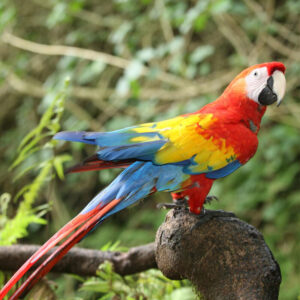
The story of declining populations of exotic bird species is a well-known one. But it is still a sad reminder of a changing world. As humanity continues to find the need to branch out in lands that were once occupied by wild animals and hosts of wild flora, the habitats of so many things become more threatened. Over decades of declines, some extraordinary people have taken it upon themselves to encourage governments to protect, and upper-echelon schools to study, new ways of helping ease, if not eradicate, the rapid population and growth declines we see today. So far, we have been lucky to create unique science to help our remaining birds (and other things) to adapt in a dense world. One such program is The Macaw Society.
A Society To Save Macaws
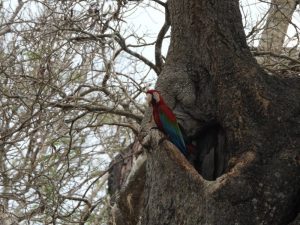
The Macaw Society is a project at the Texas A&M College of Veterinary Medicine and Biomedical Sciences. Located at the Schubot Center for Avian Health within the campus, this study has been ongoing since 1999, when it was then known as the Tambopata Macaw Project. The design of the program is to preserve the Macaw species from extinction and to learn about the ecological changes that work against the Macaw. The team of scientists are led – and have been since the beginning – by Dr. Donald J Brightsmith, and Dr. Gabriela Vigo-Trauco. It is their study and teamwork that produced important advances in the understanding of the evolution of the ecology in the Tambopata region of Peru and other areas that are faced with the decline of exotic birds. In this new decade, it becomes more important to explore the stubborn resistance of macaw conservation on a global basis where it is really needed.
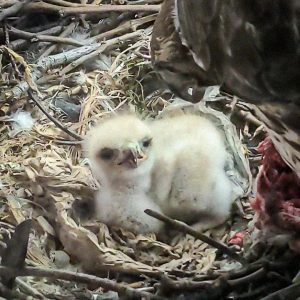
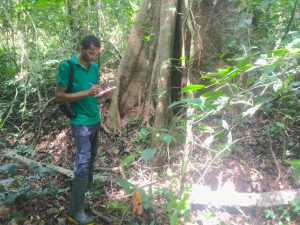
Over 20 years of studies, the two doctors and their highly qualified teams of student scientists have worked in southeastern Peru and have produced nearly 40 scientific papers. They studied the use of clay licks, discovering that they are a valued source of dietary sodium, and not a means to naturally protect from dietary toxins as once thought. They have determined that clay licks are especially used during breeding seasons. There are other branches of understanding that have come to light concerning the handling of chicks by the parents. Essentially, the Macaw parents heavily favor the first chick, with declining care for other chicks hatched. This means that the third and fourth chicks largely become ignored and are much more likely to perish as a result.
With advancements in understanding based on the information gleaned from a decade of study, The Macaw Society is learning to help chicks that are given low parental priority by assigning the neglected chicks to foster parents. Cameras were placed in nest boxes to watch which chicks were being ignored. By removing second, third, and fourth chicks and giving them to adult macaws that have lost their own due to various reasons, the scientists gave these chicks a new chance at life.
Dr. Gabriela Vigo-Trauco, who engineered this study, removes threatened chicks from nests and keeps them for approximately 22 days, or until their eyes open. Once that occurs, the chicks are then placed in different nests and adopted by macaw parents that have no chicks. The first 28 chicks extracted and replaced were all accepted by their “foster” macaw parents and survived to fledge. This study greatly enhanced the opportunity for the declining macaw population to grow in important numbers.
A Facility In The Works
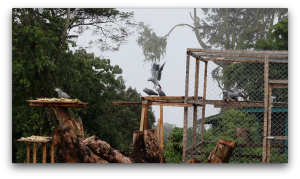
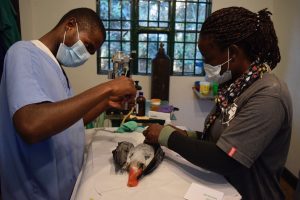
Texas A&M’s Schubot Center for Avian Health is in the stage of constructing a new $3.2 million dollar aviary expressly designed to house, observe, and work with a wide range of exotic birds. Its facilities are state-of-the-art for all manner of study and preservation. It will include an isolation area for the study of avian infectious diseases, quarantine areas for incoming birds, laboratories, and teaching facilities. Their work in avian sciences is as important to the world as all other labs and scientific study arenas that are in existence. It is with studies such as these that we may finally come to fully help threatened birds become more adaptable and therefore greater in numbers in the wild.
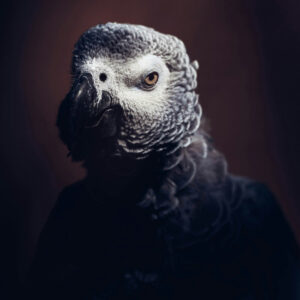

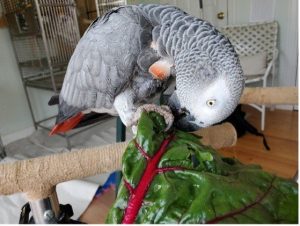
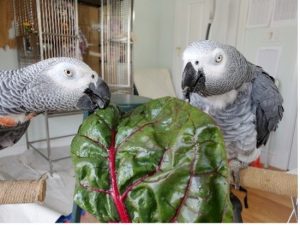
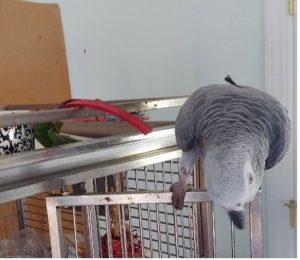
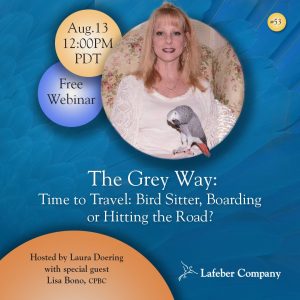 Join us for a FREE, live interactive webinar! Lisa Bono, CPBC, owner and operator of The Platinum Parrot and a certified parrot behavior consultant specializing in African grey parrots, presents Episode 4 of The Grey Way, a Lafeber Pet Birds Webinar Series focusing on Congo & Timneh African grey parrots as pets. In this episode, Lisa discusses your options when planning a trip. How to choose a qualified bird sitter or boarding facility? Is taking your Grey with you an option? Preparing your Grey for a road trip or air travel? There are many factors to consider, and Lisa’s webinar will help you make an informed decision.
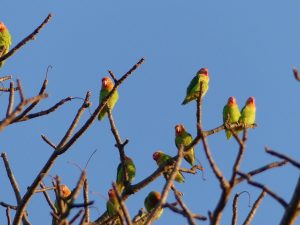
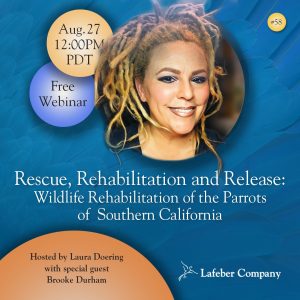 Join us for a FREE, live, interactive webinar hosted by Laura Doering, former editor of Bird Talk magazine and Birds USA magazine. Our special guest, Brooke Durham, will talk about SoCal Parrot, a licensed wildlife rehabilitation facility near San Diego, California. This unique facility is the only psittacine wildlife rehabilitation organization in the world that works solely with wild urban parrots. Brooke will discuss the species they work with, as well as research and conservation efforts the organization is involved with. The work they do goes beyond parrot rescue and rehabilitation. Learn all about the important work this organization does by tuning in to this unique webinar!


 Join us for this very important FREE, live
 Join us for a live, interactive
 Join us for a FREE, live, interactive

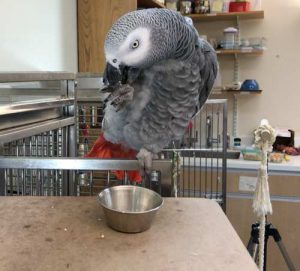
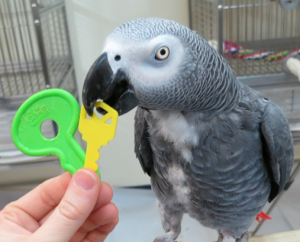
 Join us for a free interactive webinar: Heart to Heart: Pet Bird Behavior Q&A with
 Join us for a FREE, live, interactive webinar hosted by Laura Doering, former editor of Bird Talk magazine and Birds USA magazine. Our special guest,
 Join us for a live, interactive webinar hosted by Laura Doering, former editor of Bird Talk magazine and Birds USA magazine. Our special guest
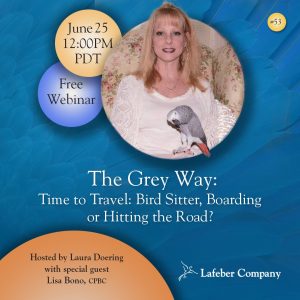 This webinar has been cancelled/postponed due to a medical crisis with one of Lisa’s Greys.
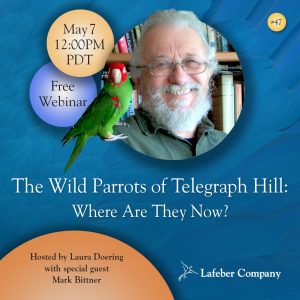 Time: 12:00 pm PDT (double-check your local time with this
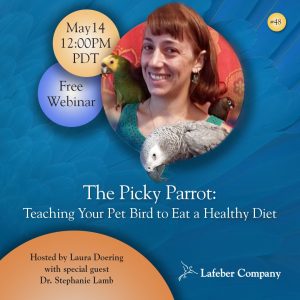 Time: 12:00 pm PDT (double-check your local time with this
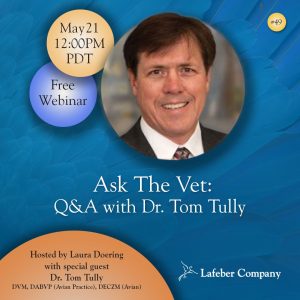 Join us for a live, interactive webinar hosted by Laura Doering, former editor of Bird Talk magazine and Birds USA magazine. Our special guest
 Join us for a free, live interactive webinar!
 Time: 12:00 pm PDT (double-check your local time with this
 Date: Friday, April 16, 2021
 Join us for a live, interactive webinar hosted by Laura Doering, former editor of Bird Talk magazine and Birds USA magazine. Our special guest

 Time: 12:00 pm PDT (double-check your local time with this
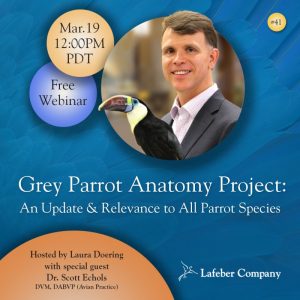 Time: 12:00 p.m. PDT (double-check your local time with this
 Show your feathered friend how much you love them by tuning in to this free webinar focused on bird behavior and the human-bird bond. Inspired by her former Bird Talk Magazine column, Heart to Heart: Pet Bird Behavior Q&A, Chris will share a behavior case or problem and then field viewer’s behavior-related questions. Chris is a pioneer in avian behavior who has helped many bird stewards open the lines of communication and grow their bond with their feathered friends.
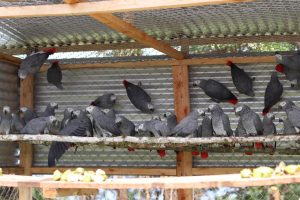
 Lisa Bono, CPBC, owner and operator of The Platinum Parrot and a certified parrot behavior consultant specializing in African grey parrots, presents Episode 2 of The Grey Way, a Lafeber Pet Birds Webinar Series focusing on Congo & Timneh African grey parrots as pets. This episode tackles on common behaviors and quirks exhibited by pet greys. Is this a normal behavior or a problem behavior? Learn how to recognize the difference and what to do during this free, interactive webinar.
 Join us for a live, interactive webinar hosted by Laura Doering, former editor of Bird Talk magazine and Birds USA magazine. Our special guest
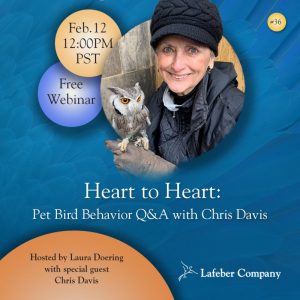 Date: Friday, February 12, 2021
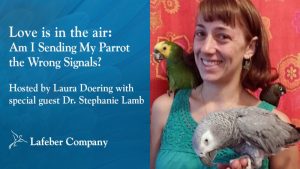
 Join us for a live, interactive webinar hosted by Laura Doering, former editor of Bird Talk magazine and Birds USA magazine. Our special guest