Time: 12:00 pm PDT (double-check your local time with this time zone converter)
Join us for a FREE, live, interactive webinar hosted by Laura Doering, former editor of Bird Talk magazine and Birds USA magazine. Our special guest, Lisa Bono, CPBC, owner and operator of The Platinum Parrot and a certified parrot behavior consultant specializing in African grey parrots, presents Episode 14 of The Grey Way, a Lafeber Pet Birds Webinar Series focusing on Congo & Timneh African grey parrots as pets. In this episode, Lisa will talk about feeding your pet bird. This isn’t another nutrition webinar, but rather a fun approach to offering a variety of healthy foods to your pet bird. My bird won’t touch that! Sound familiar? Lisa is going to show you ways to entice even the pickiest parrot to try something new. While Lisa will address Grey-centric concerns, her feeding tips can apply to any pet bird.
Missed our webinar? No problem! You can access the webinar in its entirety here:
Our 100th Webinar! Dr. Lamb Joins Us Live from Macaw Recovery Network in Costa Rica
Date: Friday, October 21, 2022
Time: 12:00 pm PDT (double-check your local time with this time zone converter)
Join us for a FREE, live, interactive webinar hosted by Laura Doering, former editor of Bird Talk magazine and Birds USA magazine. Our special guest, Dr. Stephanie Lamb, DVM, DABVP (Avian Practice), will join us Live from Costa Rica, along with Dr. Sol Delechuk, the manager of the breeding center. Dr. Lamb will talk about her experiences volunteering at the center for a week. Dr. Sol has extensive experience as a veterinarian, caretaker, trainer, field biologist, and more, and joined the Punta Islita team as Bird Manager in September 2021. She will tell us about the center and its goals and accomplishments. We are beyond excited to be able to present such a valuable conservation project, live from the field, to celebrate our 100th webinar! This is such a special opportunity made possible by Lafeber Company! There will be some fun giveaways, too, so don’t miss this very special event!
Missed our webinar? No problem! You can access the webinar in its entirety here:
Due to a personal emergency, this webinar has been cancelled. Thank you for your understanding!
Webinar: Ask The Vet: Q&A With Tom Tully, DVM, DABVP (Avian Practice), DECZM (Avian)
Date: Friday, October 28, 2022
Time: 12:00 pm PDT (double-check your local time with this time zone converter)
Join us for a FREE, live, interactive webinar hosted by Laura Doering, former editor of Bird Talk magazine and Birds USA magazine. Our special guest Tom Tully, DVM, DABVP (Avian Practice), DECZM (Avian), will answer your questions about pet bird health, nutrition, & care.
Dr. Tully, a decorated Professor & practicing Vet at Louisiana State University School of Veterinary Medicine, is an internationally known Veterinarian who has earned specialties in Avian medicine in the United States as well as in Europe. Having this type of access to a Veterinarian of his status is rare, but Dr. Tully believes in the educated bird owner as being the best bird steward. Dr. Tully answers each question in detail and shares his vast knowledge of birds, particularly parrots. Is your bird’s problem health-related or behavioral? Are you offering the right foods to your pet bird? Ask the Vet!
Timneh greys (Psittacus timneh) are found in parts of west Africa such as Sierra Leone, Guinea, Guinea-Bissau, Liberia, and Côte d’Ivoire. Exact numbers are unknown (estimated 100,000-500,000), but they are decidedly decreasing due to trapping and habitat loss, the usual challenges for parrot conservation.
It was only 10 years ago (2012) that Timneh greys were recognized as a unique and separate species by the International Union for Conservation of Nature (IUCN). However, by 2016, Timnehs were considered endangered on the IUCN Red List and, in 2017, the Timneh was listed on CITES Appendix I (most endangered).
The World Parrot Trust (WPT) summarizes that hundreds of thousands of Timnehs have been heavily traded on the international market, with at least 77% habitat loss. It’s even more serious when nesting ranges become this limited, reducing their genetic strength and opportunity.
During 2021-2022, the WPT has continued developing several important conservation activities focused in Sierra Leone. First, 239 people in 70 communities were surveyed to develop knowledge, discern attitudes, and learn about the distribution and abundance of the Timnehs. By listening to local communities and leveraging local ecological knowledge, WPT has been able to build a picture of seasonal movements and identify roost and nesting areas throughout the region. This has highlighted the vital importance of mangrove areas and built a strong case for protection of several key sites.
Discovery of Largest Roost Offers Hope
One roost that was identified during this work holds several hundred parrots and is the largest known roost for the species on the African mainland. This was an extremely exciting finding and suggests that in some remote areas, Timneh populations may still be relatively healthy. However numerous threats including trapping of adults and the collection of eggs have been identified. This can only get worse as land is further developed. Protection of these remote sites is essential!
In addition, WPT held numerous meetings to bring local leaders, community members, conservationists, and government officials together to discuss the actions needed to conserve and protect Timneh parrots. Billboards were raised at strategic locations to communicate how important it is to protect this unique species. WPT also identified 45 community parrot “monitors” who they will work with going forward to reinforce conservation messages and develop community-based initiatives to protect key nesting and roosting sites.
Lastly, a radio jingle and announcement communicating positive messages about parrot conservation has been regularly played on local radio stations. These have been accompanied by live radio interviews with government officials answering questions about the need to protect Timneh parrots. These type of activities must continue and be regularly reinforced to be successful.
Lafeber’s $500 GLOBAL PARROT conservation grant this month goes to the World Parrot Trust and the efforts led by Dr. Rowan Martin to protect the Timneh greys. You can also help! To make a tax-deductible donation, go to: https://www.parrots.org/donate. Earmark your donation specifically for Timneh African grey conservation and research.
Stories abound about people who have valiantly rescued abandoned creatures found in the wild. There’s nothing more haunting than watching a visibly thin puppy walking alongside a highway, finding baby birds abandoned on the ground, or a newborn kitten all by itself. All are at the mercy of a world that is in constant motion.
By miracle, there seems to be the occasional guardian angel of a human being that is always watchful, always willing to take on a responsibility that would put most people in doubt of themselves. It is within these moments that the value of life is appreciated and attended to in extreme measure, as it requires extreme spirit. Here is an unusual story of a found parakeet egg in a cage at a pet store by one such guardian angel/human after the mother had already been sold.
A man had gone into the pet store and by luck and an observant eye noticed an egg in a cage where only a male parakeet remained. The mother had been sold earlier and the egg went unnoticed by the staff. The man approached the staff and asked to procure the egg. The staff agreed and gave him the parakeet egg free of charge.
The man then placed the tiny egg within a matchbox, took it home, and incubated it. It was his responsibility to turn the egg several times a day to prevent the bird from adhering to one specific side. After a few days, the man was able to detect a beating heart inside the egg, and the die was cast. There would be life soon enough. And he would nurture it.
On the 19th day of careful incubation, the baby parakeet emerged, loudly chirping as it extracted itself from the confines of the protective egg. The parrot was attached to part of the shell by an umbilical cord. The man then removed the remaining shell and surgically severed the cord. The journey was only just beginning for both. There were the means of feeding, a procedure that was heavily researched by the man while the egg incubated. Once hatched, the learned feeding procedures would have to be successfully put into practice.
The man loaded a spoon with a liquid mixture that was created to provide adequate sustenance to the baby parakeet. The parakeet clumsily found the spoon and learned that it held only good things for it. It learned to trust and to depend on that spoon and its content to feed itself. Once finished, the satiated bird rested and then rose to be fed again. This would become a procedure that required feeding eight times a day.
Over time, the young hatchling grew and eventually flew inside the house. The man then called the pet store to find out if the male parakeet remained. It had, and the man purchased the father to house with the son. The two parakeets bonded and now have a home together.
Since the event that changed the life of the man who saved the life of a bird still within an egg, he has gone on to bring hope for many by way of a Patreon (here) that allows for monies acquired to help in this endeavor. In return, the man will help those that are in similar positions as he found himself in. Today, the man has helped many creatures that may not have had a chance at all.
The story was told by a nine-minute-long video found on YouTube in an account called A Chick Called Albert (here). To date, this video has been viewed a stunning 74 million times and has generated almost three million subscribers to follow the life of the lucky budgie that had been lovingly rescued. His YouTube channel houses many stories in video that will charm you, and make you cry with joy.
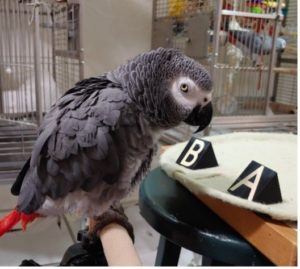
Figure 1: Alex looks at cups under which different quantities of objects have been hidden, just before he answers “How many total?” Image courtesy Dr. Irene Pepperberg.
Well, I warned readers in Part I that the number work was the equivalent of a book chapter and even though I’m reporting it in several entries, I’m still summarizing the various experiments to get everything presented in a reasonable space. My point is that number studies are complex, and anyone who says anything different simply does not understand numerical concepts.
I left off last time with Alex having demonstrated some simple form of a zero-like concept. At that point, we really didn’t know exactly what he understood, and were in the process of designing some new experiments—but we were also beginning number work with Griffin.
Given that we had done visual, simultaneous numbers with Alex, we wanted to see if it would be easier or more difficult for Griffin to learn auditory, sequential numbers—that is, go back to some of the original number work on grey parrots that was done by Koehler (1943) decades earlier, where he compared the two types of learning.
Alex Counts Finger Snaps
We had worked out a computer system that played different lengths of click sounds, with different inter-click intervals so that only the number of clicks would be relevant, not the amount of sound. One day, however, we were just messing around with Griffin and were using finger snaps, asking him “How many?” We snapped twice, asked him the question—and he refused to answer. We tried again; again he refused to answer. But Alex, right next to us, piped up “Four!” I told him to be quiet, that I had clicked “two.” I tried with Griffin again, and once more Griffin refused to respond. But now Alex said “sih” (his word for six. I realized he was adding! Given that testing auditory addition would be extremely difficult for a number of reasons (I won’t bore you with the details!), we decided to replicate the addition studies of my colleague, Sally Boysen (Boysen & Berntson, 1989).
In that study, Sally’s chimpanzee, Sheba, walked around the lab, uncovering various boxes with different numbers of fruits (apples, oranges, etc.) in each, then went to a number board and tapped on the Arabic number that represented the sum in all the boxes. We couldn’t let Alex do quite the same thing, so we hid different numbers of treats under two different cups, showing him what was under each cup separately, and then, with both quantities covered, asking him “How many total?” (see figure).
Alex Adds Up the Cups
To ensure that he couldn’t use mass or contour as a cue, the task involved summing sets that were made of differently sized and/or irregularly shaped items. We also realized that we could use null-set trials (i.e., leaving both cups empty) to further test. his understanding of zero (Pepperberg, 2006). During questioning, only cups were visible. To respond correctly, Alex had to remember quantities under each cup, perform some combinatorial process, then vocally label the total.
For sets not involving two empty cups, Alex scored ~85% on the first trials; identical-sized items did not improve accuracy (Pepperberg, 2006). Interestingly, he consistently erroneously labeled 5+0 sets as “sih” (six) when visibility was 2-3 seconds, but accurately labeled 4+1 and 2+3 (Pepperberg, 2006). Given the chance, he corrected the few mistakes he made on all sets except 5+0. Only if given 6-10 seconds to view the addends did he correctly (100%) label 5+0 as “five.”
Additional time did not alter accuracy for other sets. Such data suggested he was actually counting for 5: Only above 4 did he, like humans who can accurately estimate sets only up to about 4 when under time pressure, need additional time so as to count/label the set exactly (Pepperberg, 2006). Overall, his data are comparable to children’s (Mix et al., 2002) and, because he added to six, are beyond those published on apes (Boysen & Hallberg, 2000).
His responses for the sets of totally empty cups were also very interesting. Remember, we had never trained him on zero (Pepperberg & Gordon, 2005); we just wanted to see what else about the zero-like concept he had figured out on his own. On the first four trials, Alex simply looked at the tray and said nothing. He would sometimes try to lift the cups himself, and I would then show him again, by lifting the cups one at a time, that there was nothing present. On the fifth, sixth, and seventh trials, he said “one.” On the last trial, he again refused to answer. His answers might seem odd, but think about them for a moment: Numerical competence is based on the assumption that something exists to enumerate, whatever the process involved. My asking Alex to enumerate something that did not exist clearly presented a challenge—it was different from asking him to comment on the attribute of a specific, if absent, set—which is what he had done previously.
Alex’s two different responses to absence were both intriguing. His failure to respond on five trials suggests he recognized something was different from the other trials; that is, even if he did not understand what was expected, he knew his standard number answers would not be correct. He did not, as he has done when bored with a task (e.g., Pepperberg, 1992; Pepperberg & Gordon, 2005), give strings of wrong answers or request treats, or to return to his cage. He acted more like an autistic child (D. Sherman, personal communication, January 17, 2005) who simply stare at the questioner when asked “How many X?” and there is nothing to count. His response of “one” in the fifth, sixth, and seventh trials suggests a comparison to that of Matsuzawa’s number-trained chimpanzee Ai, who confused “one” with “zero” (Biro & Matsuzawa, 2001). Although Alex was never trained on ordinality and had learned numbers in a random order (see Pepperberg, 1999), he, like Ai, seemed to grasp that “none” and “one” represented the lower end of the number spectrum. It thus seemed that he had some, but not a full, understanding of a zero-like concept. Thus, for Alex—who, again, had never been trained on zero—the attribute of a set—its quantity—could be missing from a collection and be labeled “none,” but the missing object itself could not be denoted as “none.” The distinction is subtle but can explain his responses.
Alex’s numerical summation abilities didn’t end there. Subsequently, we found he could extend his understanding to quantities hidden under three cups, and perform equally well if Arabic numerals rather than sets of objects were hidden (Pepperberg, 2012).
Overall, these data provided several new insights into Alex’s abilities. First, as noted at the beginning of this article, I did not initiate the study on my own: Alex himself triggered our interest in addition. Second, the task was more complex than simply labeling a visible set: Alex had to remember the addends and combine them to form a representation of the total, which he then had to identify. Third, he demonstrated that his self-generated concept of zero was not exactly the same as that of adult humans, but did match that of young children and possibly apes. Finally, his behavior provided the first evidence of a counting-like strategy. But still more is yet to come!
References
Biro, D., & Matsuzawa, T. (2001). Use of numerical symbols by the chimpanzee (Pan troglodytes): Cardinals, ordinals, and the introduction of zero. Animal Cognition, 4, 193–199.
Boysen, S.T., & Berntson, G.G. (1989). Numerical competence in a chimpanzee (Pan troglodytes). Journal of Comparative Psychology, 103, 23-31.
Koehler, O. (1943). ‘Zähl’-Versuche an einem Kolkraben und Vergleichsversuche an Menschen. Zeitschrift für Tierpsychologie, 5, 575–712.
Mix, K., Huttenlocher, J., & Levine, S.C. (2002). Quantitative development in infancy and early childhood. New York: Oxford University Press.
Pepperberg, I.M. (1992). Proficient performance of a conjunctive, recursive task by an African Grey parrot (Psittacus erithacus). Journal of Comparative Psychology, 106, 295–305.
Pepperberg, I.M (1999). The Alex studies. Cambridge, MA: Harvard University Press.
Pepperberg, I.M. (2006). Grey parrot (Psittacus erithacus) numerical abilities: addition and further experiments on a zero-like concept. Journal of Comparative Psychology, 120, 1–11.
Pepperberg, I.M. (2012). Further evidence for addition and numerical competence by a Grey parrot (Psittacus erithacus). Animal Cognition, 15, 711-717.
Pepperberg, I.M., & Gordon, J.D. (2005). Number comprehension by a Grey parrot (Psittacus erithacus), including a zero-like concept. Journal of Comparative Psychology, 119, 197–209.
Humans have an appreciation for the nuance of movement. It might be a runner in full stride on a track, feet elevated in thin air to capture the appearance of otherworldly traits. It can also be the blurred speed of a vehicle, an animal, or a person in flight. The camera capture of a bird in flight, wings spread, perhaps in the dramatic moment of retrieving dinner, is something that we call art. The people at Audubon are committed to the livelihood and safety of birds everywhere. But they are also committed to the preservation of their beauty on camera, especially by those skilled in the ability as well as those finding their place in photography. Covering all bases, the annual Audubon Photography contest is a base for the presentation of the best photography of the year. Truth be told, we cannot get enough of the thousands of visual entries that thrill with their variable uniqueness. Even better, we “ooh” and “ahh” over the final selected entries in their respective categories. Here are 2022’s best in the Annual Audubon Photography contest.
For the 2022 contest, there were almost 10,000 entries into the growing event. The 2022 event was entered by almost 2,500 camera buffs and professionals. This year there were seven categories that include Amateur, Professional, Youth, Plants For Birds, Grand Prize, Fisher Prize, Video, and Female Bird Prize. There were twelve judges assigned to various platforms to unenviably choose the winners from each platform.
The Grand Prize was given to Jack Zhi from Costa Mesa, CA, for his shot of two White-tailed Kites in flight with wide-spread wings against a gray background that helped to amplify their white under-bodies. His shot was entered into the Amateur category. He used a Sony a9ii fitted with a Sony 600mm lens and other add-ons.
For the Amateur category, the selected winner was Peter Shen from San Jose, CA. His photo capture was of a Western Grebe with two chicks on her back as they floated on the water in the Calero Reservoir. The mother was holding a fish gifted by the father within her long beak and was feeding the chicks. The photo was taken with a Sony A1 camera with a Sony FE 600mm lens and other attachments.
For the Professional category, the award was given to Liron Gertsman, who also won the Video Award as well as snagging an honorable mention for another of his photos. Liron Gertsman is from Canada. His photo was of a White-tailed Ptarmigan (the “mountain chicken”) on a mountain setting looking out at a mountain range ahead of it. This created a stunning image of the bird ‘observing beauty’ of the snow-topped mountains in its sight. This was snapped at the Jasper National Park using a Canon EOS 5D Mark IV camera with a Canon EF 17-40mm lens. The winning video highlighted a Sharp-tailed Grouse among its pals as it danced and chirped. Liron said of the video, “…some scenes need more than a frame to capture the bigger picture.” And he was right. The video was taken using a Canon EOS R5 with a Canon EF 100-400mm lens along with a mount adapter.
The second annual Plants For Birds winner was Shirley Donald from Canada. She framed a gorgeous shot featuring a Nashville Warbler as it extracted a snail from a scarlet bee balm plant for dinner. The shot was taken using a Canon EOS 5DS R camera fitted with a Canon EF 400mm lens.
The Fisher Prize (in its 4th year as a category) went to Steve Jessmore from Michigan for his magnificent photo of feeding Northern Shoveler ducks with a drake rising in the center of the shot, wings spread. This shot took two hours of waiting to find this perfect capture of power and grace. It was achieved with a Sony Alpha 1 mirrorless camera and a Sony FE 600mm lens. Steve Jessmore won last year’s Audubon Professional category.
The Youth category winner went to Jayden Preussner of Florida for his funny shot of a Black-bellied Whistling Duck who had gone to peer at a buddy who had fallen into a hollowed-out space in a palm tree. As Jayden puts it, it appears as if the duck was looking and thinking, “what an idiot!”. He used a Nikon D850 with a Nikon AFS NIKKOR 200-500mm lens.
And finally, the remaining category, the second annual Female Bird Prize, was gifted to Alan Krakauer for his capture of a Greater Sage-Grouse hen as she walked among the snow-packed ground. He used a Canon EOS 6D camera fitted with a Tamron 150-600mm lens.
There was a collection of Honorable Mentions (because sometimes you just can’t ignore the runner-up). For the complete rundown of the winners and all their details around each winning shot, hit this link…and enjoy. If you need more, here is the link for the top 100 photos and all their details in the entries for 2022.
Lafeber has always loved the many aspects of birds. Their immortalizing in camera shots is one of those aspects that give us a lasting appreciation of birds in all their majesty. Here’s to all those photographers that are currently entrenched at exotic (and sometimes cold) locations for the 2023 Awards.
Webinar: Avian Vet Insider—Kidney Disease in Pet Birds
Date: Friday, September 16, 2022
Time: 12:00 pm PDT (double-check your local time with this time zone converter)
Join us for a FREE, live, interactive webinar hosted by Laura Doering, former editor of Bird Talk magazine and Birds USA magazine. Our special guest, Dr. Stephanie Lamb, DVM, DABVP (Avian Practice), will discuss Kidney Disease in Pet birds. Dr. Lamb will discuss common kidney problems including various infectious causes, toxins, nutritional disorders and metabolic disorders that lead to kidney damage. She will also discuss signs a bird with kidney disease may show and potential treatments that a vet may use to help the bird. Learn more about the kidney disorders that can affect our pet birds & what can be done to help them in this insider’s view of the daily happenings at your Avian Vet’s clinic.
Missed our webinar? No problem! You can access the webinar in its entirety here:
Webinar: The Grey Way: Exercise Your Parrot to Good Health
Date: Friday, September 23, 2022
Time: 12:00 pm PDT (double-check your local time with this time zone converter)
Join us for a FREE, live, interactive webinar hosted by Laura Doering, former editor of Bird Talk magazine and Birds USA magazine. Our special guest, Lisa Bono, CPBC, owner and operator of The Platinum Parrot and a certified parrot behavior consultant specializing in African grey parrots, presents Episode 13 of The Grey Way, a Lafeber Pet Birds Webinar Series focusing on Congo & Timneh African grey parrots as pets. In this episode, Lisa will discuss and demonstrate ways to exercise your parrot! Avian Vets and experts all agree that pet birds do not get enough exercise, and this leads to medical issues over time. But most bird owners are unsure of how to encourage their birds to exercise. Lisa will cover different ways to exercise your bird – whether the bird is flighted or clipped, cage bound or has a physical disability. While Lisa will cover some Grey-centric methods, all species of pet birds can benefit from her suggestions. Don’t miss this opportunity to help your pet birds live happier & healthier lives.
Missed our webinar? No problem! You can access the webinar in its entirety here:
Webinar: Ask The Vet: Q&A With Tom Tully, DVM, DABVP (Avian Practice), DECZM (Avian)
Date: Friday, September 30, 2022
Time: 12:00 pm PDT (double-check your local time with this time zone converter)
Join us for a FREE, live, interactive webinar hosted by Laura Doering, former editor of Bird Talk magazine and Birds USA magazine. Our special guest Tom Tully, DVM, DABVP (Avian Practice), DECZM (Avian), will answer your questions about pet bird health, nutrition, & care. Dr. Tully, a decorated Professor & practicing Vet at Louisiana State University School of Veterinary Medicine, is an internationally known Veterinarian who has earned specialties in Avian medicine in the United States as well as in Europe. Having this type of access to a Veterinarian of his status is rare, but Dr. Tully believes in the educated bird owner as being the best bird steward. Dr. Tully answers each question in detail and shares his vast knowledge of birds, particularly parrots. Is your bird’s problem health-related or behavioral? Are you offering the right foods to your pet bird? Ask the Vet!
Missed our webinar? No problem! You can access the webinar in its entirety here:
We have learned in so many ways the importance of the cleanliness of bird feeders. The hobby of being able to watch birds of many feathers and colors show up in backyards has proliferated over the last 20 years. There are backyards across the world with elaborate setups that are expressly designed to attract a wide range of birds to their locations. That’s a beautiful thing. But as beautiful as it is, there are dangers to the birds themselves. With the attraction of many birds to even a singular bird feeder, their congregation brings each of them quite close to a life-threatening illness. And as they fly and gather between feeders, infected birds can transmit their illnesses to healthy birds. That, of course, invites the spread of illness even further.
Recently, a Fresno State biology professor, Dr. Tricia Van Laar, discovered a dead
in her backyard. She retrieved the bird and ran tests to discover the cause of death. It was determined that the bird had salmonella, a bacteria that can infect both the avian species and humans at alarming rates. Dr. Van Laar enlisted the aid of fellow California State University Fresno professor Dr. Joel Slade to help study the rapid spread of salmonella in birds. Their studies will bring in three Fresno State biology students, who will help gather data, perform labs, work in the field, and help to write up the findings and present them at conference settings.
Tracking Salmonella In Urban Settings
The research will look closely at how the bacterial scourge of salmonella spreads in urbanized settings, as well as the birds’ abilities to fight off the onslaught of the illness when it is first introduced into their system. This research has far-reaching advantages as it will help scientists gain a foothold on how to better protect our beautiful birds in the wild against bacterial disease. The studies will be undertaken with monitored, on-site bird-feeding stations at both Fresno State and the San Joaquin Experimental Range (a research station that originated in 1934 to help researchers on many projects that are dependent on a healthy ecosystem).
The study, which is being funded by the California State University Program for Education and Research in Biotechnology (CSUPERB), will study the differences in urban and rural house finches to determine the effects of the urban setting on infections and immunity in urban-living wildlife. Apparently, rural finches fight salmonella better than urbanized finches. This will, no doubt, lead to more intensive work and other studies as this study uncovers answers among frightening discoveries. The hope is that the answers will help to alleviate the spread of infection, if not help to eradicate it altogether. In a deeper reality, the study also hopes to discover immune genes in the birds in both settings to help to understand how those genes work overall.
Clean Feeders For Healthy Birds
As a precautionary aspect of the core basis for this important study, it cannot be stated often enough that everyone always keep their feeders as clean as possible. The CDC recommends monthly cleaning of wild-bird feeders, although it might be argued that more frequent cleanings, perhaps weekly, might go further in saving birds in all settings. Bleaching is recommended as the cleaning agent, with thorough rinsing afterward to remove all the bleach. Most important of all, if you are made aware of a local outbreak of disease/infections affecting birds, you should remove your feeder immediately to help lessen the spread.
We are appreciative of the ongoing work of all scientific communities in their tireless efforts to improve the health of our beautiful birds in the wild.
Back in 2005, a young lady by the name of Elizabeth Hargrave caught a newfound bug for board games while on a trip. Deeply impacted by the thrill, she wondered if a game could be produced in themes other than the usual historical, and science fiction slants. Being a bird fan, Elizabeth pondered the conversion of a quest for birds and their identities into a satisfying tabletop board game.
With a resurging interest in board games brought on by the newer Cataan sets, Elizabeth Hargrave began the groundwork for a new game. Originally designed within an Excel spreadsheet, the concept was brought to Stonemaier Games, which found the game a fascinating one. They produced the base game of Wingspan, and before the dust had settled after its release, the game became one of the most popular board games available. As of this writing, Wingspan has sold well over one million physical copies, with more than 100,000 digital games additionally for the Nintendo Switch, Microsoft Xbox, and other PC platforms.
New Expansion, New Bird Offerings
After its release, Stonemaier Games has provided two expansion sets for the game that increase the bird offerings with European Expansion, followed by Oceania Expansion. European Expansion adds 81 unique new birds to the set, while Oceania Expansion adds 95 unique bird cards. With Wingspan showing no signs of a slowdown, it’s only natural to keep the top spinning with more expansion sets. Recently, Stonemaier has announced a brand-new expansion pack to be called Asia Expansion.
Asia Expansion will focus uniquely on the birds of Asia. Much of the details of the add-on is being kept tightly under wraps. However, we do know that the new set is planned for early within the fourth quarter of 2022. With likely more than 75 cards to be added, the game itself becomes quite the environment for bird attraction and growth within its amazingly fluid gameplay. Fans of the game are in full anticipation of the Asia Expansion. Stonemaier Games offers a newsletter that promises a reveal of an Asia Expansion bird card a month until the full game reveal occurs. For each pre-order of Asia Expansion, the game company will deliver $1 to a charitable organization that benefits birds in Asia.
We originally published an article on the newly arrived Wingspan back in 2019 (read that here). Since Wingspan has culturally exploded as one of the more influential board games of the new millennium. With expansion sets, Wingspan has opened the floodgates of the game itself making for a long-enduring playing system that can be enjoyed by anyone, including a family.
The Essence of the Game
As a recap, Wingspan is played with the hopes of populating a preserve with as many birds as you can by giving them the elements that they require to settle. Each bird acquired is worth points in the play of the game. Get as many as you can within your preserve to up the chances of winning. Interestingly, the rules provide some surprise elements that can help you win even as others play their turn. There’s plenty to love about Wingspan with its addictive and exciting gameplay.
Wingspan has unprecedented acceptance and is wildly popular within the bird-loving community (and outside of it by avid game lovers looking for something new. Refreshingly, Wingspan is an attractive game that is easily playable by young children aged around ten years old. As Wingspan-mania mounts even further, Stonemaier Games has responded by developing Wingspan jigsaw puzzles for fans of the game. Check those out here.
Explore the world of Wingspan by going to the game site.
A scarlet macaw chick gets weighed. Image courtesy of Nora Magonyi, The Macaw Society
The long renowned team working from the Tambopata Research Center in Perú has moved down river to the Malinosky Biological Station, which is owned and operated by the Peruvian government. Here is an update about the great works of the Macaw Society, written by Roshan Tailor and edited by Don Brightsmith and Gabriela Vigo-Trauco.
Tambopata Conservation & Research
The Macaw Society has been researching and advancing the conservation of the scarlet macaw (Ara macao macao) inside the Tambopata National Reserve, southeast Perú, for over 20 years. Scarlet macaws, though not classified as under threat of extinction, are iconic. Unfortunately, they are under continual threat from habitat loss due to agriculture, mining, and logging. Therefore, they warrant continued conservation efforts. Since these parrots help disperse seeds to facilitate forest regeneration, their conservation benefits the whole ecosystem.
Amazon deforestation severely threatens large trees which significantly impacts the macaws, as reproductive success is often limited by the availability of natural cavities. As those become less available, artificial boxes help populations to grow. These also facilitate the ability to study breeding ecology and behavior with better access to the chicks and nests. It’s also easier to install surveillance cameras and sensors on artificial nests. To date, over 85% of the macaw nesting data comes from artificial nests.
The Macaw Society has experimented with concrete, PVC, and wood nests. PVC and wood have proved to be the most successful. Currently, 9 wooden nests, 12 PVC nests, and an additional 20-plus natural cavities are being monitored. In 20 years, over 300 chicks have successfully fledged! The success of these efforts is confirmed when adult macaws bearing bands placed on them as chicks are located.
Saving Macaws One Chick at a Time
Image courtesy of RashaAridi, The Macaw Project
Between 2007 and 2017, the Macaw Society researched why macaw chicks die in their nests. Cameras placed inside nests transmitted a live feed, showing that some chicks were predated and some succumbed to disease, but approximately 20% died due to starvation. So, chicks with a high probability of starving to death were taken out of nests and relocated to foster parents. This was followed by regular monitoring to ensure that the foster chick was accepted,and the new parents were feeding it. Some chicks were given supplementary feeding so that all chicks could maintain a similar weight. All the chicks were accepted by new parents, and nearly all successfully fledged. In three seasons running the program, almost 30 chicks were saved from starvation. Thus, through provisioning of nests and chick relocation, more chicks fledged per nest each season.
Scarlet macaw chicks in the nest box. Image courtesy of Nora Magonyi, The Macaw Society
One of the responsibilities assumed when providing artificial nests to a wild population of birds is to ensure that they are in perfect condition at the beginning of the breeding season to prevent accidents that endanger reproductive success and future survival. For the upcoming breeding season, three nest boxes must be replaced and repairs made on at least six more.
Lafeber’s GLOBAL PARROT grant this month goes to help the Macaw Society provide much-needed maintenance for the nest boxes in Tambopata. If you would also like to help, go to https://vetmed.tamu.edu/themacawsociety/giving/ to donate.
Expanding Boundaries
A young scarlet macaw poses for the camera in Peru. Image courtesy of RoshanTailor, The Macaw Society
The Macaw Society now carries out conservation research in Costa Rica, where they also work with the Cyanoptera sub-species (Ara macao cyanoptera), which is recognized as endangered, and hope to begin a relocation program there. They also advise the Natura Mexicana project in Mexico and the Wildlife Conservation Society in Guatemala, both for scarlet macaw conservation, as well as the Fundación Rewilding Argentina for the conservation of greenwing macaws. Ann will tell us more about these projects in future Global Parrot Conservation posts.
Webinar: The Grey Way: By the Numbers – Managing a Multi-Bird Household
Date: Friday, August 12, 2022
Time: 12:00 pm PDT (double-check your local time with this time zone converter)
Join us for a FREE, live, interactive webinar hosted by Laura Doering, former editor of Bird Talk magazine and Birds USA magazine. Our special guest, Lisa Bono, CPBC, owner and operator of The Platinum Parrot and a certified parrot behavior consultant specializing in African grey parrots, presents Episode 12 of The Grey Way, a Lafeber Pet Birds Webinar Series focusing on Congo & Timneh African grey parrots as pets. By viewer request, in this episode, Lisa will tell us more about herself, and how she manages a multi-bird household. Many of our viewers have wondered how she maintains her flock of African Greys – keeping things clean & most importantly, keeping the peace! We will learn more about Lisa’s background in parrots and how she learned to be such an awesome steward for her own flock, as well as advising others on how to care for their pet birds. While Lisa now specializes in African Greys, we will learn that her life with parrots didn’t begin with Greys. This will be a fun and fascinating look at Lisa’s world, and include meeting her flock – if they choose to cooperate!
Missed our webinar? No problem! You can access the webinar in its entirety here:
Dr. Tully, a decorated Professor & practicing Vet at Louisiana State University School of Veterinary Medicine, is an internationally known Veterinarian who has earned specialties in Avian medicine in the United States as well as in Europe. Having this type access to a Veterinarian of his status is rare, but Dr. Tully believes in the educated bird owner as being the best bird steward. Dr. Tully answers each question in detail and shares his vast knowledge of birds, particularly parrots. Is your bird’s problem health related or behavioral? Are you offering the right foods to your pet bird? Ask the Vet!
Missed our webinar? No problem! You can access the webinar in its entirety here:
Webinar: A Unique Learning Retreat for Pet Bird Owners
Date: Friday, August 26, 2022
Time: 12:00 pm PDT (double-check your local time with this time zone converter)
Join us for a FREE, live, interactive webinar hosted by Laura Doering, former editor of Bird Talk magazine and Birds USA magazine. Our special guests, Lisa Bono, CPBC, Ann Brooks, and Dr. Susan Orosz will discuss education as the key to being the best bird steward. Lisa will report on the most recent Phoenix Landing Wellness Retreat, which was held June 4-5, 2022 in Asheville, NC. This unique meeting for pet bird owners offers lectures on many aspects of pet bird care. Lisa will discuss the speakers and topics and what goes on at a meeting like this, as well as why it is important for bird owners and professionals to continue learning through different avenues. Ann Brooks will join her to talk about Phoenix Landing, how it came about and why adoption or re-homing are so necessary for parrots. Dr. Susan Orosz will tell us how the idea for this special learning opportunity came about and how it became a place for learning from experts in the field as well as fellow bird owners. This will be the first-of-its-kind discussion for us, featuring three top experts in the field of companion birds, combining their expertise in education, rescue & Avian medicine. We look forward to having viewers join us for this rare treat!
Missed our webinar? No problem! You can access the webinar in its entirety here:
Summer — that sizzling time of the year when we try to stay hydrated and perhaps indulge in water-dense foods like watermelon and other juicy fruits. When exposed to the summer heat, we might break out in a sweat and seek shade to cool our bodies down. What about our feathered friends…how do they stay cool? Here are some interesting facts about birds and heat, and tips for helping our feathered companions stay comfortable all summer long.
Birds Do Not Sweat
Two Eastern rosellas cool off in the water in their native Australia. Photo by Geoffrey Moore/Unsplash
Birds lack sweat glands, so you will not see sweat rolling down your bird’s body feathers or facial feathers no matter how hot it is. Nor will you feel sweaty bird feet when your bird is perched on your hand. If you see moisture on your bird, he or she most likely took a dunk in the water dish. Wild birds dip into puddles, birdbaths and other water sources to shake their feathers so that the droplets reach their skin. Similarly, our pet birds also might seek out ways to cool themselves down with water.
Feathers Help Control Body Temperature
Feathers are more than just a means for a bird to achieve flight. Feathers offer insulation, which helps birds stay warm during cool months. Much as we pull our jacket zippers up when we feel a chill, a bird might hold their feathers tightly against the body to preserve body heat. During warm months, a bird feeling the heat might fluff their feathers as a way to “ventilate” … like us unzipping our jackets. However, a bird with fluffed feathers and drooped wings accompanied by open beak panting is showing signs of heat stress, which is much more than simply feeling uncomfortable during hot weather. A bird displaying this behavior needs to be taken to a cool area right away and misted with cool (think room temperature, not frigid) water.
Not Raised “Sun Ready”
A bird who spends most of their time indoors should not be outdoors in direct sunlight for long (less than 20 minutes), and should never be left unattended. If you start to see signs of heat stress, bring your bird to a shady area or indoors and spray him or her with room-temperature water (frigid water can cause a bird to go into shock). Indoors or outdoors, an easy way to offer your bird a bit of shade is to cover a corner of the cage so that your feathered friend has a cooler spot to retreat to.
Make sure your bird has access to fresh, clean water daily. Summer heat, combined with the fact that many birds enjoy dunking food in their water dish, can combine for a bacteria-laden water bowl. If you have a dunker, be extra diligent about replacing your bird’s drinking water throughout the day. A fun way to help your bird stay hydrated is to offer them fresh, water-dense fruit like watermelon, cantaloupe, cucumber (yes, it has seeds, therefore a fruit!), and pineapple.
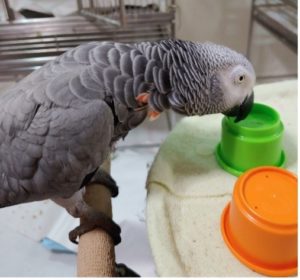
Figure 1. Alex being shown a tray of objects for a comprehension task; the question would be, e.g., “What color 5?” Courtesy of Dr. Irene Pepperberg
So, if you’ve read our June article, you know that Alex understood how to vocally produce the appropriate number label when questioned “How many X?” about a particular set of objects — even when they were a subset of a huge collection. His use of symbols definitely gave him an advantage over other nonhumans who lacked such symbols. But true understanding of number — and of counting — is a much more complex behavior, as we shall see!
Specifically, although it might seem from the previous studies that Alex truly understood the meaning of his symbolic number labels, we couldn’t be sure that such was the case. Previous studies with apes and their use of symbolic labels demonstrated that a separation could exist between production and comprehension (see Savage-Rumbaugh et al., 1980).
Number Comprehension In Children
Correct production of number labels for a given set certainly did not ensure comprehension for children: Researchers working with young children (e.g., Wynn, 1990) had initially thought that production and comprehension of number labels were acquired simultaneously — until they tested children who succeeded on number production on a task that involved comprehension instead of production. Here children were given a big bowl of items (like marbles) and told, “Give me X,” where X was a number from 1 to 6. Many children failed here — for numbers greater than 1 or 2, they would just grab a handful and give that to the experimenter! So, we had to test Alex on the same type of task.
“Simple Task” Not So Simple
Because Alex couldn’t pick up sets of objects the same way that children could, we gave him a variation of the production task involving collections of subsets. Here he saw a collection of three separate sets of items, and we asked about the color or material of a specific set (see Fig. 1. Note that usually the objects were of different sizes so that he couldn’t use mass or contour to make his discrimination). We would show him three sets of the same object in different colors (or three sets of different objects in the same color) and, for example, ask “What color/object (is the set of) six?”
This task may seem simple, but it isn’t: The procedure required that he comprehend the auditorially presented symbolic numeral label (e.g., “6”) and use its meaning to direct a search for the exact amount specified by that label (e.g., six things). This tested whether he knew exactly what a set of “X” individual items was, even when intermixed with other items representing different numerical sets. To be correct, he couldn’t make approximations. For example, he couldn’t label a set of five objects “six” or “four.”
Unlike the young children, Alex succeeded: He was correct 88% of the time over 66 trials, and made no errors on his first 10 trials. His performance suggested that he was not learning the task, and he immediately understood what to do. His later errors may have occurred because he was bored and had stopped fully attending to the task.
Remember, the objects were his first reward, and these were old toys that probably were no longer particularly interesting. Too, most of his errors were not number-related, but involved colors that he might visually confuse (e.g., orange and red, because parrots see in the UV), or labels that sounded alike (e.g., “wool” and “wood”). So, we knew that he really did understand the meaning of his number labels. Note, however, that we had to answer many more questions before we could argue that he could actually count. I’ll explain this in a future article.
An Unexpected Finding
This comprehension study was even more interesting than we had planned. It led to an unexpected, additional finding. The behavior occurred on the 10th trial within the first dozen. Alex was asked “What color 3?” to a set of two, three, and six objects. He replied “five.” The questioner asked twice more; each time he replied “five.” The questioner didn’t quite know what to make of Alex’s response, as there was clearly no set of five items on the tray. She finally said “OK, Alex, tell me, what color 5?” Alex immediately responded “none.”
He had learned to state “none” if no category (color, shape, or material) was same or different when queried about similarity or difference for two objects (Pepperberg, 1988). He spontaneously transferred this response to “What color bigger?” for two objects of identical size in a study of relative size (Pepperberg & Brezinsky 1991). Alex had never been taught the concept of absence of quantity nor to respond to absence of an exemplar — only to absence of a feature. Note that he not only provided the correct response, but also set up the situation himself! Had he, on his own, devised a zero-like concept? And had he figured out how to manipulate his trainer so that he could be asked a question that he wanted to answer?
Testing Alex For Zero-Like Concept
We tested the first possibility by randomly inserting trials with respect to the absence of each possible number to ensure that this situation was not an odd happenstance. He was correct on 5/6 such trials, and his one error was to give a color that was not on the tray (sort of correct, in that the color was absent, but…). Clearly, his first response was not mere chance. He understood something about the concept.
We really couldn’t figure out how to test the second possibility. Were it true, it would imply some level of advanced consciousness — and that is something researchers don’t entirely understand even with respect to humans!
Nevertheless, Alex’s use of “none” for the purpose of a zero-like concept was unexpected and impressive for at least four reasons (Pepperberg & Gordon, 2005).
First, labeling what is called a “null” set (one with nothing in it), whether by “zero” or “none”, is a fairly recent human development (i.e., around 1500s; Bialystok & Codd, 2000). That Alex, with a walnut-sized brain whose ancestral evolutionary history with humans likely dates from the dinosaurs, represented zero, even if not in a manner identical to that of humans, is striking.
Second, the notion of none is abstract and relies on the violation of expectation of presence. You can’t acknowledge that something is absent unless you expect it to exist — and that again demonstrates quite an advanced level of cognition. Too, even though Alex already associated “none” with absence of similarity and difference and lack of a size difference, the ability to transfer the notion across domains to quantity, without training or prompting, is quite amazing. No other nonhuman had done so spontaneously.
Third, if parrots represent quantity as do children, then his use of zero/none should not yet have appeared (Wellman & Miller, 1986). Children may have a none/nothing concept before learning that this quantity has a special label, “zero”, but do not use existing labels to express it. Unlike the apes in earlier studies (see Biro & Matsuzawa, 2001), Alex was not taught “zero” but, rather, deliberately — on his own — used “none” in a number comprehension task.
Finally, and likely most importantly, he initiated the topic. He repeatedly stated “five” when asked about “three.” When asked about the nonexistent “five,” he responded appropriately. But how did he figure this out? To this day, we still do not know.
Thus, as usual, Alex’s abilities raised more questions than they did answers. Nevertheless, even if we couldn’t figure out how he made the cognitive leap, we could learn more about his understanding of the concept. Specifically, how closely did his notion of “none” match children’s and animals’ understanding of zero? Stand by for the next installment!
References
Bialystok E., & Codd, J. (2000). Representing quantity beyond whole numbers: some, none and part. Canadian Journal of Experimental Psychology, 54, 117–128.
Biro, D., & Matsuzawa, T. (2001). Use of numerical symbols by the chimpanzee (Pan troglodytes): Cardinals, ordinals, and the introduction of zero. Animal Cognition, 4, 193–199.
Pepperberg, I.M. (1988). Comprehension of ‘absence’ by an African Grey parrot: learning with respect to questions of same/different. Journal of the Experimental Analysis of Behavior, 50, 553–564.
Pepperberg, I.M., & Brezinsky, M.V. (1991). Acquisition of a relative class concept by an African Grey Parrot (Psittacus erithacus): Discriminations based on relative size. Journal of Comparative Psychology, 286–294.
Pepperberg, I.M., & Gordon, J.D. (2005). Number comprehension by a Grey parrot (Psittacus erithacus), including a zero-like concept. Journal of Comparative Psychology, 119, 197–209.
Savage-Rumbaugh, E.S., Rumbaugh, D.M., & Boysen, S. (1980). Do apes use language? American Scientist, 68, 49–61.
Wellman, H.M., & Miller, K.F. (1986). Thinking about nothing: development of concepts of zero. British Journal of Developmental Psychology, 4, 31–42.
Wynn, K. (1990). Children’s understanding of counting. Cognition, 36, 155–193.
A recently released study indicates that parrot chicks babble as they learn new vocalizations, much like toddlers do. Photo by Mariano Mollo/Unsplash
When children grow, naturally their linguistic skills improve as they learn. They learn by the sounds they hear around them. They especially learn by repeating what their parents say as well as that of the influential people around them. All the vocalizing animals of the world might do the same thing as we know human toddlers do — babble in imitation of what they see and hear around them. In a recent scientific study, a team discovered that parrot chicks babble in the nest while they learn the calls and vocalizations that surround them and are important for them to know.
The team of scientists involved in this study was stationed in Venezuela at the Masagural Biological Station. Using the station’s long-run study involving around 10,000 green-rumped parrotlets, they had a ready-made stage for their interest. The birds were already using nesting cavities specially designed to help the parrots create private nesting areas. The new science team used audio-visual installations within the cavities to listen to and watch the birds. It was determined that the male and female chicks quietly “babbled” while alone in a seeming attempt to produce meaningful language. The study also mentions that babbling among songbirds occurs only in males, while this group of babblers occurred in both sexes.
Babble As Practice Calls
The team also discovered that the parrotlet chicks in the study group began to babble incessantly about 20 days after hatching. They slowly reduced babbling afterward as they began to learn the usable language and sounds of their parents and using those learned language parts more. Eventually, the chicks learned proper alarm sounds as well as the proper vocalizations for food requests, and the many other distinct sounds that signify something of importance.
The most important part of this study, while it helps us to understand more about how parrots and other birds learn and develop their shared language, is how it closely mimics that of the human child in learning language and its use. This is important for other ongoing studies in the human child as they learn to speak properly, selecting words and sounds that deliver a satisfying or otherwise productive response. It’s found that stress hormones are produced by the child’s endocrine system around the time they begin to babble. These attempts to communicate with their surroundings and their parents are essential to survival. They are a request for the things necessary for survival in what likely feels like a threatening world.
A Study Of Baby Parrot Babble
The team studying the parrotlets supplied the birds with a minute amount of a stress hormone (corticosterone) and found that the birds increased their babble. Chicks that did not receive the hormone babbled significantly less. The conclusion was that measured introduction of stress hormones at an earlier age than typical babbling begins has a strong effect on brain development in a parrotlet chick. Other, more direct, kinds of study areas are undertaken within the scope of this study to help determine further development of the brain.
There’s much we still do not know of child development in every species, whether that be human or animal, or even insects. But as we begin to isolate the behavior of every living creature into practical and archived knowledge, we consistently learn how to improve on effective development as we grow. This important study is but one area. Science is working to expand that further.
You can read the abstract from that study about vocal babbling in a wild parrot at the Proceedings of The Royal Society B Biological Sciences website.
Mumble when he was a 2-day-old chick. Photo courtesy of Yassin Elmahgoub
They say patience is a virtue. When it comes to pets, patience is indeed a virtue. Creatures — like humans — can be susceptible to debilitating issues and defects. The patience that an owner employs on such needy pets can be rewarding for everyone involved.
Typically, we, as a society of individuals, love the perfect. Unfortunately, perfection is rarely in play; it just often looks good on the outside. As life will have it sometimes, outward displays of imperfection sometimes rear its head. This is true in the case of Mumble.
Mumble The Disabled Parakeet Gets TLC
Mumble the Indian ring-necked parakeet as a young chick. Photo courtesy of Yassin Elmahgoub
Mumble is a blue Indian ring-necked parakeet, who, upon hatching, was woefully disabled. Enter Yassin Elmahgoub, a medical student in Egypt who, along with his friend Sara Haytham, discovered from his pet lovers club that a breeder was dismayed with the condition of Mumble. Mumble was purchased from the breeder and Yassin set about with a hopeful plan for action. If left unattended, the bird would have been unable to walk properly, if at all.
Yassin meticulously hand-fed the young parrot every six hours, four times a day. For nights and days, Yassin worked unceasingly with the bird using physiotherapy and other supportive measures in the hope that he could eventually walk. Yassin sang the bird to sleep every night, gave him vitamins, changed his cast frequently, and promised Mumble that he would not stop until he took his first steps. Vets offered little chance that Mumble would ever walk, and Yassin was determined to prove that prognosis wrong.
Inspired By A Disabled Parakeet Chick
Mumble and Yassin celebrate the day Mumble took his first step. Photo courtesy of photo courtesy of Yassin Elmahgoub
With the help of Sara, it is a happy thing to report that Mumble took its first steps unsupported. Yassin credits Sara as being essential to the supportive efforts extended. There is a video of Mumble on TikTok that has already been viewed well over four million times. Comments on the service are a beautiful appreciation of the ceaseless efforts taken by Yassin to help Mumble learn to overcome his inability to walk.
Mumble acquired his name from Happy Feet, an animated film. In the movie, Mumble is a penguin not accepted by his flock because he was different than the rest. At the end of the movie, Mumble teaches his buddies to dance. This became strong medicine for Yassin as he worked with his bird.
A Path To Success
Mumble stands proud today thanks to the help of Yassin Elmahgoub. Photo courtesy of Yassin Elmahgoub
Yassin credits his five years in an ongoing medical program with producing a large part of his attitude with the effort. Along the way, he learned that medical practice is not all diagnosis, prescription, and treatment. He learned in that time span that love, care, and compassion play massive parts in the care of people who have put their full trust in someone. With this, he and Sara were able to approach the care of Mumble with a refreshingly hopeful outlook and ample displays of kindness and care.
I had the pleasure of talking with Yassin at length about Mumble. He says that after this amazing change, he would undertake such a project again, “Doing it all over again in a heartbeat.”
Spreading Kindness
He came prepared for the experience. Yassin has four birds, a dog, and a cat. He also takes care of the street dogs and street cats in his neighborhood. His interaction with them has yielded not only trust but also a profound love. Yassin wants it known that even small acts of kindness go a long way in many situations. These are the elements that contributed to the success of Mumble’s ability to walk and live life as a normal bird rather than dying or being an outcast.
We love the care and excitement that Yassin and Sara have put forth in the life-saving care of Mumble. It readily shows that when we all work together with a helpful attitude, we benefit from it. Yassin will be a fine doctor when he enters private practice, one that I would have no qualms about enlisting as my own personal caregiver.
One of the more disheartening and unfortunate occurrences in the wild is the disappearance of the Spix’s macaw. The Spix’s macaw (Cyanopsitta spixii) is a medium-sized macaw with shades of blue and a vibrantly colored upper region of feathers. The Spix was named after German naturalist Johann Baptist von Spix who collected a specimen of it in Brazil in 1819 during an expedition. The macaw was named Spix in 1832 by German biologist J.B. Wagler. The parrot was first discovered and cataloged back in 1638 by the German naturalist Georg Marcgrave.
Popularized In Film
The bird had been popularized in two 20th Century Fox animated movies, Rio and Rio 2, giving rise in the public consciousness of the beautiful exotic parrot. In 2019, the Spix’s macaw was designated extinct in the wild by the International Union for Conservation of Nature (IUCN), when the last bird known in existence in the wild disappeared in 2016.
The primary culprits faulted for their extinction are illegal trafficking of the birds, the large-scale reduction of the slow-growing caraibeira trees, and the building of a large dam in the Spix’s natural habitat. This collection of events contributed heavily to the Brazilian bird’s rapid decline from existence. In 1969, the Brazilian government declared it highly illegal to trap and sell the Spix’s macaw nor could anyone own one as a pet.
A Hopeful Reintroduction
The Brazilian government has overseen the preservation of approximately 180 Spix’s macaw parrots with the express purpose of reintroducing them back into the Brazilian landscape. They have hopes that the birds can find new ways to flourish in the wild. The long-term plan was to nurture some of the captive birds and train them to eventually reintegrate into a natural setting.
On June 11, a group of scientists, veterinarians, and other professionals released eight adult Spix’s macaws back into the wild in their once native location. Another 12 adults will follow them in December of 2022 to further enhance the chances of their survival in the wild. The full plan by the consortium has earmarked a span of 20 years for the reintroduction project. Their goal is for the plan to take hold and allow for the natural proliferation of the rare bird.
Conservation Of The Spix’s Macaw
Johann Baptist von Spix, back in 1819 referred to the parrot as “very rare” even then. It’s considered very rare because the species lived exclusively within a small location range that encompassed around 125 miles of space. That small region gave the parrot specific requirements that did not spill over into a broader range.
The parties involved in this new effort include the German agency, the Association for the Conservation of Threatened Parrots (ACTP), and the multi-intent Pairi Daiza Foundation, which specializes in the reintroduction of animal and plant species back into their original environment. Along with the Brazilian government, great strides were made, and we now have a full-fledged project in action, one that we sincerely hope will take root and produce the expected results, and beyond.
May the newly released macaw adults (and those to follow over the 20-year plan) find the old homestead to their liking. Watch the exciting release of the eight adults in this thrilling ABC News-released YouTube video.
Alex, who was picked by chance from among nine other young African grey parrots in a pet store, was with Dr. Pepperberg for 30 years. His passing was covered in news outlets such as the New York Times and The Economist, which is usually reserved for world leaders, or notables like Pavarotti. Courtesy of Dr. Irene Pepperberg
June 15th marked a very special day this year — the 45th anniversary of the start of my work with Alex the African grey! The world of avian behavior was very different then. No one believed that birds were intelligent, particularly given their tiny brains that looked nothing like ours. Even the way intelligence was studied was mostly limited to a standard protocol that involved locking a subject in a box and letting it figure out the task by trial-and-error learning (e.g., a red light shines, then a choice of red versus green appears; if red is chosen, initially by chance — a “match”— a reward is given but if green is chosen, again initially by chance — a nonmatch — a time-out occurs).
But there I was, a young woman whose Ph.D. was actually in theoretical chemistry, sitting across from a nervous, roughly year-old African grey parrot, in a very small room in the basement of the Department of Biological Sciences at Purdue University. I believed that parrots were smart and that I could use a then-revolutionary training technique, based on observational learning, to change the way the world thought about a birdbrain.
The Beginning With Alex The African Grey
Our path wasn’t easy. A friend once jokingly said that it was littered with the remains of those who said it couldn’t be done. And it certainly wasn’t done alone. First and foremost was Alex, who was picked by chance from among nine other young African grey parrots in a pet store. He could have ended up anywhere else! My initial co-workers were also so very important. I started with a very few undergraduates, some high school volunteers, and even some other faculty wives who were determined to help me make more of a place for myself at the university than they had managed. Without them, I could not have put my plan into effect.
I was lucky that a new assistant professor could loan space to me that he initially wasn’t using. And, of course, I’ll never forget the department head, who said that if I could get the dean to agree to let me submit a federal grant without having a faculty appointment (something totally against established protocol), he’d let it proceed (he never thought I could do it, but he kept his end of the bargain).
Of course, there was Dietmar Todt. He had published a short article in a German journal (thankfully in English!) outlining the modeling technique he had used to train a Grey parrot to duet with him. This was the first stage in two-way communication, and the basis for the Model/Rival observational learning technique that we successfully used with Alex. Even my then-husband who, if not exactly fully supportive, at least initially tolerated the endless hours I spent in the lab rather than with him. And although my first grant came back, literally asking me what I was smoking (well, it was the 70s!), reviewers of my second grant thought it was worth giving me a tiny bit of money for a year to see what I could accomplish.
To say that Alex and I hardly had a fairy-tale existence was putting it mildly. Our lives were often more like the old-fashioned Perils of Pauline weekly cinema series, where the heroine endlessly lurches from one crisis to another, leaving the audience to wonder about her survival until the next episode. We dealt with endless moves and temporary positions, losses of grants, and often outright antagonism from colleagues.
Alex The African Grey Shakes Up The Academic World
Athena, along with Griffin, are carrying on Alex’s legacy with the work they are doing with Dr. Pepperberg. Courtesy of Dr. Irene Pepperberg
But, over the years, we persisted. Grants ran out, but then we received both small and generous donations from innumerable individuals. When one position vaporized, we found another. Some colleagues said that birds couldn’t do “X”, so we designed careful, complicated experiments, and Alex showed that the “experts” were wrong. We published paper after paper, and I’ve written about some of his achievements here. He showed abilities comparable to that of a young child, even with a brain the size of a shelled walnut and despite being separated from us by over 300 million years of evolution. He also eventually — grudgingly — helped train our younger parrots, after realizing that aiding us was another way to show off his own intelligence.
When he died after being with me for 30 years, I was totally devastated. The world seemed to mourn with me. His obituary was printed all over the world, most notably in places like the last page of The Economist (usually reserved for world leaders, or notables like Pavarotti) and in the New YorkTimes. The lab received thousands of lettersand thousands more emails and phone calls. Interviews for the media went on for weeks. And that was well before things like Facebook or Twitter.
A Legacy That Goes Beyond Alex
Griffin has played a key role in Dr. Pepperberg’s research on parrots’ cognitive abilities. Courtesy of Dr. Irene Pepperberg
The work continues, supported by our generous donors, with Griffin. It continued for a time with Arthur, and now with the addition of Athena. Griffin has actually exhibited abilities well beyond those of Alex. However, he rarely gets nearly the same level of media attention, probably because he isn’t the “first,” and because many other labs, inspired by our work, have been demonstrating other amazing avian capacities. ‘Tis a bit sad for Griffin, but wonderful for the field!
In any case, Griffin, Athena, and sometimes two pet birds, Pepper and Franco (who belong to a couple who have worked in the lab), have demonstrated several advanced capacities. I’ve written about many of their exploits here. Needless to say, we should no longer consider the term birdbrain an insult!
We hope to continue our research, with the help of our donors (on whom we now exclusively depend!), for the foreseeable future. In the short-term, I plan to work with my research assistants to see how Grey parrots respond to further studies involving various forms of logic, exclusion, optical illusions, contrafreeloading (working for rewards that could be obtained for free), and auditory perception. In the long-term, I plan to hand the reins over to my post-doctoral fellow, Dr. Suzanne Gray, who intends to pursue a faculty position. She will continue some of these projects and continue working on and developing numerous ones of her own.
So, hopefully, 45 years from now, Suzanne will be writing something akin to this missive. Describing her life with Grey parrots — presumably with fewer hiccups than I’ve had along the way — thanking large numbers of people for their assistance and explaining how she plans to turn over the reins to the next generation.
You can help Dr. Pepperberg continue the groundbreaking parrot research she began 45 years with Alex, the African grey parrot who won admirers from around the world with his cognitive abilities. The Alex Foundation has a “Donate” button linked to PayPal. Visit http://alexfoundation.org and click on the “Support Us” link for more information.
Webinar: Avian Vet Insider: Liver Disease In Pet Birds
Date: Friday, July 15, 2022
Time: 12:00 pm PDT (double-check your local time with this time zone converter)
Join us for a FREE, live, interactive webinar hosted by Laura Doering, former editor of Bird Talk magazine and Birds USA magazine.
Our special guest, Dr. Stephanie Lamb, DVM, DABVP (Avian Practice), will discuss liver disease in pet birds. Dr. Lamb will talk about common liver disorders, including fatty liver syndrome, liver infections, toxins, and cancer. She will also discuss which testing your vet may recommend as well as possible treatments.
Learn more about the liver disorders that can affect our pet birds and what can be done to help them in this insider’s view of the daily happenings at your avian vet’s clinic.
Missed our webinar? No problem! You can access the webinar in its entirety here:
Webinar: Avian Bornavirus? Avian Ganglioneuritis?: One Last Q&A! – Special 2-Hour Webinar!
Date: Friday, July 22, 2022
Time: 11:00 am PDT (double-check your local time with this time zone converter)
Join us for this very important FREE, live webinar hosted by Laura Doering, former editor of Bird Talk magazine and Birds USA magazine.
Our special guests are Susan Orosz Ph.D., DVM, DABVP (Avian), DECZM (Avian) and Bob Dahlhausen, DVM. The webinar begins with them answering questions that were submitted by viewers during their last webinar on Avian Bornavirus(ABV) /Avian Ganglioneuritis(AGN). The doctors will then answer your questions related to this topic LIVE!
This is a complicated topic because research is ongoing and there continues to be new findings, which seem to bring about more questions. While this will be the final installment of this series, we will continue to revisit this topic as needed in the future. We recommend viewing the first three (linked below) before attending this one.
Webinar: Ask The Vet: Q&A With Tom Tully, DVM, DABVP (Avian Practice), DECZM (Avian)
Date: Friday, July 29, 2022
Time: 12:00 pm PDT (double-check your local time with this time zone converter)
Join us for a live, interactive webinar hosted by Laura Doering, former editor of Bird Talk magazine and Birds USA magazine.
Our special guest, Tom Tully, DVM, DABVP (Avian Practice), DECZM (Avian), will answer your questions about pet bird health, nutrition, care, and behavior problems. Is your bird’s problem health-related or behavioral? Are you offering the right foods to your pet bird? Ask the Vet!
Missed our webinar? No problem! You can access the webinar in its entirety here:
Some of us have spent a large part of our lives enjoying birds in the wild in a practice branded as birding. It’s fun to watch for certain kinds of birds, to photograph them, to watch their daily interaction, or simply to have the comfort of birds attracted to a location. While birding is an all-encompassing term to identify a hobby, there are specifics that we tend to not recognize as a niche component of birding. One of them is a hobby referred to as earbirding.
Earbirding, or birding by ear, is a practice whereby bird lovers work hard to recognize the sound of a specific species without sighting the bird itself. This is often a secondary level to avid birders who have seen all the birds they want and can easily identify them by sight. This new challenge is a more complex one. It requires extreme attentive behavior and extraordinary learning processes to be able to identify a bird specifically — and only — by sound.
Earbirding Deciphers An Earful Of Birdsong
The art of birdsong and sound is a maturing process in a birder’s life as they learn to identify what the different sounds produced by a single bird might actually mean. They can tell if a bird’s whistle is calm or concerned. They can identify the mating sounds. Basically, any sound a bird can make for whatever reasons they vocalize them can be understood by the seasoned earbirder. Birds themselves are often mimics and can replicate sounds of others. True earbirders can effortlessly differentiate between the real bird and the mimic just by listening.
Female birds and male birds aren’t just different by their gender and sometimes visual appearance, they often sing differently. Of course, this adds to the complexity of identifying birds by sound. Is it a male cardinal or a female cardinal? Who sings more frequently? Do males make a unique sound that females do not? Ask an experienced earbirder, I’m betting you’ll get an earful of information.
Learning The Art Of Earbirding
As in any market, there are books and recordings, and websites that cater to this level of birding. One of the premier books on the sounds of birds is the Peterson Field Guide to Bird Sounds. The guide is sold in two volumes that explore the sounds in either Eastern North America or Western North America. Compiled by Nathan Pieplow, the books detail sounds of over 500 North American birds, provides spectrograms (for the truly discriminating and intense participant in earbirding), and offers access to recorded audio on the publisher’s website.
Amazingly, there are downloadable phone apps that can record the sound of an unfamiliar bird and provide a true spectrogram. The spectrogram can then be looked up (one source is the previously mentioned Peterson Field Guide) and matched to known spectrograms from any bird. Instant knowledge! Both iPhones and Android-based phones have access to these apps. Even Alexa (the Amazon hardware tech assistant) can identify more than 2,000 bird sounds just by asking. The sounds are pulled from the rich Audubon library by Alexa and replayed for you.
As with regular birding, there are clubs and collectives that gather to discuss the intricacies of bird sounds exclusive of sighting. Many birding clubs offer classes and prepared talks about this specific method of birding.
Birding in any form of enjoyment is a calming experience and a fun hobby. The internet is a rich place to discover all methods, providing information on how to improve in every area.
We’ve all seen it: parrots and other exotic birds using their beak to move around. Nothing unusual, right? A bird being a bird. But apparently, it IS a big deal. The interest in this maneuver is the use of the beak as a “limb.” Something that becomes odd simply because science says that, to date, no creature — human or otherwise — has an odd number of limbs. With the results of a recent study, the New York Institute of Technology of Osteopathic Medicine (NYITCOM) has come to the realization that our parrots do absolutely use their beak as a “propulsive third limb.”
Parrot Beak Recognized As Third Limb
Before this study, it was just assumed that birds used their beak as a means for stabilization and grasping support while they moved about. They cannot use their wings to grasp and so are dependent on their beaks to do that work for them. But with new studies on locomotive behavior for our feathered pals, it’s determined that the head of a parrot does indeed assist to support, propel, and to power by tripedal locomotion.
For this study, six peach-faced lovebirds (also referred to as rosy-faced lovebirds) were used as test subjects. The surprising discovery was that the birds do employ their beaks as a third limb, generating the same force of power that a human or primate forearm would generate in climbing and pulling themselves up. This gives truth to the reality that a parrot’s neck is incredibly strong and is biomechanically designed to be a third limb.
Proving Parrots Use Beak As Third Limb
To actualize this study, two separate tests were performed with the six lovebirds. They were free of any malformations that might have encouraged the bird to adapt, to acquire usable data. High-speed cameras were mounted, and flat runways were constructed. The runways were designed to rotate to create several angles of ascent (0.0֯, 22.5֯, 45.0֯, 67.5֯, 90.0֯). As the birds were video-captured running at their own speed across the rotating runway, repeated data was rich enough to extract regarding the use of beak, tail, and wing during the experiment. Other more complex testing was undertaken as well to balance the study and to help solidify the results.
In the initial run experiments, it was easy to see that the parrots began to use their beaks at the 45֯ angle. By the 90֯ angle, the parrots’ beaks were generating the previously mentioned forces of a limb. It was also determined that the birds’ tails produced minimal forces to help the parrot ascend. One of the assumptions pulled from this set of experiments shows that the parrots have likely evolved over time to help them develop these unique climbing forces. As a study conclusion, it is realized that parrots are the only birds known to use the head as a third limb. And the only creature known to do so — period.
This rare locomotive study on parrots will continue for several more years to try to understand how this unusual propulsive behavior is undertaken by the parrots on a muscular and anatomical level.
The new study was published May 18 in the prestigious journal of Proceedings of The Royal Society B: Biological Sciences. The quest was studied and written up by Melody W. Young, Edward Dickinson, Nicholas D. Flaim, and by Michael Granatosky, a Ph.D, who is an assistant Professor of Anatomy.
Webinar: Comprehensive Anatomy Research Project — New Findings To Advance Veterinary Medicine, Part 2
Date: Friday, June 24, 2022
SPECIAL TIME: 11:00 am PDT (double-check your local time with this time zone converter)
EXTENDED WEBINAR – THIS WEBINAR WILL BE 1.5 HOURS
Join us for a FREE, live, interactive webinar hosted by Laura Doering, former editor of Bird Talk magazine and Birds USA magazine.
Our special guest, Scott Echols, DVM, DABVP (Avian Practice), will give part two of his presentation for us on the Comprehensive Anatomy Research Project. As promised, he has some exciting new findings that he is now able to share with us!
This groundbreaking project is easily one of the most significant projects ever for advancements in veterinary medicine. The information gained goes beyond simply identifying anatomy and has been used to better diagnose and treat a multitude of diseases that affect pet birds and all animals. New imaging technology and future directions will also be discussed.
Webinar: Ask The Vet: Q&A With Tom Tully, DVM, DABVP (Avian Practice), DECZM (Avian)
Date: Friday, June 17, 2022
Time: 12:00 pm PDT (double-check your local time with this time zone converter)
Join us for a live, interactive webinar hosted by Laura Doering, former editor of Bird Talk magazine and Birds USA magazine.
Our special guest Tom Tully, DVM, DABVP (Avian Practice), DECZM (Avian), will answer your questions about pet bird health, nutrition, care, and behavior problems. Is your bird’s problem health-related or behavioral? Are you offering the right foods to your pet bird? Ask the Vet!
Missed our webinar? No problem! You can access the webinar in its entirety here:
Webinar: The Grey Way: Summer Safety — Keeping Pet Birds Safe In The Sun
Date: Friday, June 10, 2022
Time: 12:00 pm PDT (double-check your local time with this time zone converter)
Join us for a FREE, live, interactive webinar hosted by Laura Doering, former editor of Bird Talk magazine and Birds USA magazine. Our special guest, Lisa Bono, CPBC, owner and operator of The Platinum Parrot and a certified parrot behavior consultant specializing in African grey parrots, presents Episode 11 of The Grey Way, a Lafeber Pet Birds Webinar Series focusing on Congo & Timneh African grey parrots as pets.
In this episode, Lisa will discuss summer safety tips for pet birds. While natural sunlight and fresh air can be very beneficial for pet birds, there are do’s and don’ts to taking your birds outside. Lisa will talk about harnesses, safe outdoor caging and other ways to take your birds outdoors while keeping them safe from escape and possible dangers. Her talk will also cover household safety to prevent accidental escape of pet birds. While Lisa will focus on many Grey-centric concerns, her information will apply to any pet bird species. Safety First is the key to this very important and timely discussion — this is a must view!
Missed our webinar? No problem! You can access the webinar in its entirety here:
Webinar: Avian Vet Insider: Nutraceuticals — Natural Medications For Pet Birds
Date: Friday, June 3, 2022
Time: 12:00 pm PDT (double-check your local time with this time zone converter)
Join us for a FREE, live, interactive webinar hosted by Laura Doering, former editor of Bird Talk magazine and Birds USA magazine. Our special guest, Dr. Stephanie Lamb, DVM, DABVP (Avian Practice), will discuss the use of natural supplements as medications for pet birds.
Dr. Lamb will discuss common nutraceuticals like omega-3 fatty acids, coenzyme q, milk thistle, Echinacea, dandelion, and more. She will explain why each supplement might be recommended, or given along with conventional medication, in order to help bird owners have a better understanding of what they are giving their birds and why.
Learn more about the nutraceuticals that can help our pet birds in this insider’s view of the daily happenings at your avian vet’s clinic.
Missed our webinar? No problem! You can access the webinar in its entirety here:
Hamlet the Indian ring-necked parakeet has become a TikTok star, and his funny antics have helped lift the spirits of those experiencing bouts of depression. Image courtesy of Bridget Chant.
Birds are just as capable of providing emotional support to people as dogs and cats do. In some respects, and with the proper training, birds as emotional support creatures can add to the quality of life significantly. Sometimes it’s just a bird’s ability to mimic a human voice that can comfort someone with anxieties that may preclude people from public interaction. We enjoy putting a spotlight on owners and the unique ways that their bird pals contribute to their lives, and perhaps the lives of others.
Meet Bridget and her parakeet friend, Hamlet. Hamlet is a beautiful blue Indian ring-necked parakeet that has picked up a few words and phrases along the way. The then 8-week-old Hamlet was acquired when Bridget was in college in Australia to keep her company. The parakeet provided someone to take care of during her college years. This took her mind off her troublesome anxieties. With anxieties a part of her emotional makeup, Hamlet immediately began to help Bridget find a level of calm and peace.
Hamlet The Indian Ring-Necked Parakeet Takes Over TikTok
Hamlet is now a medium-sized, energetic parakeet. For the last four years, he kept Bridget amused and occupied. He was named after the Shakespeare character, because Bridget has a background in theater and acting. On the arrival of the pandemic, Bridget decided to video Hamlet’s outward personality displayed in his antics and the cute phrases that he uses. One of those is “What doing?” He frequently uses this phrase. After a few video posts to the popular short video website TikTok, Bridget discovered quickly that not only was Hamlet helping her, but he was also helping hundreds of thousands in the metaverse as well.
Soon enough, Bridget’s TikTok account was burgeoning with followers. Today, her popular TikTok account is numbered a whopping 4.1 million engaged followers. They watch every video posted with Hamlet involved. And it seems that Hamlet is plugged in on the party line. It’s evident that he is a willing participant in the videos. It appears as if he knows that a camera means showtime.
Bridget originally intended for the TikTok videos to be a joy for others to watch. She didn’t expect the explosive popularity that Hamlet is getting.
Hamlet Brings Joy
Bridget began to receive a large inflow of messages from followers that have depression. They let her know that each video was a source of happiness. The videos provide many with a bad moment the ability to smile and to feel good. Parents with children that have communicative disorders have also written to Bridget to express profound thanks that Hamlet had brightened the day of a child.
Hamlet’s website sells talking, plushie replications of himself, creatively designed “What Doing?” mugs, tees, and even a hoodie. Check out his TikTok page, with its many videos, most with 400,000 likes.
We love Hamlet and his vibrant personality. We wish the best for Hamlet and Bridget, and for their many followers.
I recently gave a talk that reviewed Alex’s numerical abilities and realized that I had never discussed this issue in a blog. The material is far from new, but worth reviewing because Alex’s number studies were unique in several ways.
Not only was he the only nonhuman who used vocal labels (rather than, for example, a point to a specific group or Arabic numeral), but he was also trained in a very unusual manner. And he outperformed some of the other nonhumans on certain tasks as well. I’m not going to discuss all of Alex’s numerical abilities here. That would make this blog as long as a book chapter! But I’ll start the process this month; as the saying goes,“to be continued!”
Alex’s ability to vocally produce his number labels gave us certain advantages. First, we didn’t have to control for inadvertent cuing, such as somehow indicating which numeral he should choose from amongst a physical set (the ape studies were extremely careful, but they did have to include these controls). Second, because he could say anything he wanted — even non-number labels, for example. We could find out a bit more about exactly how he was processing information. This is something I’ll discuss briefly below and more in subsequent blogs.
How We Learn Numbers
When children learn their numbers, they start with the label “1.” Usually, they are about 2 years old before they begin to understand the concept of “1” versus “many.” It takes about another nine months before they understand “1” versus “2” versus “many,” and another five months to add “3” (see Carey, 2009). Around that time, they also begin to repeat a number line in order (e.g., can list their numerals, often well beyond “3”). At first, they don’t generally say them in the correct order.
However, even when they get the order correct, they understand the line about as well as they understand their ABCs at that point. They think LMNOP is one letter. They learned what is essentially a rote phrase. A few months later, about the time they add “4,” they gain a critical insight: They recognize the connection between their number line and the numeral labels they have learned to associate with quantity. They realize that each successive numeral in the number list is exactly one more than its predecessor (Carey, 2009). They then quickly understand what the next numbers in the list mean, and no longer have to be taught each number in turn.
Alex, however, did not learn his numbers this way!
Alex’s Unique Approach To Numbers
Figure 1: Objects set in a random array. Image courtesy Dr. Irene Pepperberg
We started training Alex on “3” and “4,” because he already knew something about those labels. He already knew to identify a triangle as “3-corner” and a square as “4-corner.” Thus, he could already pronounce those labels. He probably understood something about their relationship to the quantities of corners (if nothing else, that the square had more “corners” than the triangle).
It took him a few months of Model/Rival training to transfer use of these labels to a few sets of objects. We then had to test him on novel sets, so that he couldn’t be responding based on things like mass, density, or contour. In order to claim he was answering with respect to number, he had to be able to identify three big pieces of wood as well as three small pieces of paper, and do the same even for objects for which he had no labels! The labels “3” and “4” had to mean the same thing for every possible set of items.
Adding To Alex’s Numerical Abilities
We then taught him “2” and “5”— one more and one less than the numbers he knew. It took him two months to learn “2” and six months to learn “5.” The “f” and “v” sounds are difficult for parrots, because they don’t have lips. At first, his attempts sounded too much like “hide.” (BTW: Griffin refuses to learn “5,” probably for the same reason!)
We then introduced “1” and “6.” It took another two months for him to learn “6.” Interestingly, it took over a year for him to learn “1.” It seemed that he didn’t understand why it was necessary. He had always been able to obtain a single object by just saying its label. Insisting that he now add a number label appeared to confuse him — even though the question was “How many?” instead of “What’s here?” He had previously, occasionally made what we called “generic” errors on other numbers when he gave us only the label of the object in response to “How many?” For “1,” the problem at first was not occasional! It took quite a bit of training to get him to attend to what we wanted.
We didn’t start training him on “7” and “8” for many years, because we were doing many other studies. He learned “8” almost immediately, because he knew how to say the label “grate.” The label “7” took about a year. He kept saying “sss-one,” again omitting that difficult “v” sound. I’ll come back to “7” and “8” next time. Those numbers were part of a very important, separate study (Pepperberg & Carey, 2012).
Exploring Nonhuman, Numerical Abilities
We had really good data early on that Alex had acquired an exact understanding of his number labels “1” through “6” (Pepperberg, 1987). He responded just like two apes, Sheba (Boysen & Berntson, 1989) and Ai (Matsuzawa, 1985), who had also learned the meaning of these Arabic numerals. Thus these three nonhumans had done something far beyond what other nonhumans had achieved. Most nonhumans (and children before they actually learn their number labels) have a limited understanding of quantity; they engage in something called the “approximate number system” or ANS (see Halberta & Feigenson, 2008).
Specifically, almost every nonhuman studied can demonstrate exact numerical understanding of “1,” “2,” and “3,” but then get fuzzy at the larger numbers. When asked to identify “4,” for example, they confuse the quantity with “3” and “5.” And as the numbers get larger, they make more mistakes and the range of errors widens, too. If asked to identify “8,” they not only often confuse it with “7” and “9” but also with “6” and “10.” Thus, they understand only “approximately 8.” When Alex and the two apes erred, their errors were usually random, caused by lack of attention, rather than produced as an approximation.
Figure 2: Subsets of objects. Image courtesy of Dr. Irene Pepperberg
Proving Alex Understood
Of course, to be certain that Alex really did understand his numbers, we had to eliminate other confounds in addition to mass, density, and contour. We thus made sure he could identify objects in random arrays (see Figure 1), so that he wasn’t recognizing a pattern (think of dominoes or dice, or triangles and squares). And we also needed to show that he could identify subsets (e.g., “How many cork?” versus “How many key?” Figure 2): Young children who don’t quite understand their numbers cannot separate out subsets (Greeno et al., 1984; Siegel, 1982). We also had to ensure that, unlike some nonhumans who understood large numbers only approximately, Alex wasn’t doing something like clumping small groups he could recognize with the ANS (e.g., learn that two groups of 3 were “6” without actually understanding “6″). We, therefore, gave him a complex task given to humans (see Figure 3, Trick & Pylyshyn, 1989).
Figure 3: Multiple objects defined by multiple attributes. Image courtesy of Dr. Irene Pepperberg
The researchers performing the study determined that humans couldn’t use a clumping mechanism and the ANS when asked to identify the number of a subset of objects defined by multiple attributes in a very complicated array (e.g., “How many blue wood?” versus “How many blue wool?” versus “How many red wood?” versus “How many red wool?”, Figure 3), but always had to perform an exact quantification for every set.
If Alex were, like the humans, unable to clump in order to use the ANS, he would have made more errors on the larger numbers and his errors would always have been labels that were close to the correct response — but that wasn’t the case! He was just as accurate on the large as the small numbers, and his errors were random (Pepperberg, 1994). So, we had clear evidence that Alex could produce the correct number label in the presence of a corresponding set of objects. That was a big step in learning about his number sense.
However, you’ll notice that throughout this article, I never use the word “count” or “counting.” The reason is that counting is a very special ability, much more complicated than just being able to label sets of objects — something that I’ll discuss next time.
References
Boysen, S. T. and Berntson, G. G. (1989). Numerical competence in a chimpanzee (Pan troglodytes). Journal of Comparative Psychology, 103, 23–31.
Carey, S. (2009). The Origin of Concepts. New York: Oxford University Press.
Greeno, J. G., Riley, M. S. & Gelman, R. (1984). Conceptual competence and children’s counting. Cognitive Psychology, 16, 94–143.
Halberda, J., & Feigenson, L. (2008). Developmental change in the acuity of the ‘‘number sense’’: The approximate number system in 3-, 4-, 5-, and 6-year-olds and adults. Developmental Psychology, 44, 1457–1465.
Matsuzawa, T. (1985). Use of numbers by a chimpanzee. Nature, 315, 57–59.
Pepperberg, I. M. (1987). Evidence for conceptual quantitative abilities in the African Grey parrot: labeling of cardinal sets. Ethology, 75, 37–61.
Pepperberg, I. M. (1994). Evidence for numerical competence in an African Grey parrot (Psittacus erithacus). Journal of Comparative Psychology, 108, 36–44.
Pepperberg, I. M. & Carey, S. (2012). Grey parrot number acquisition: the inference of cardinal value from ordinal position on the numeral list. Cognition, 125, 219–232.
Siegel, L. S. (1982). The development of quantity concepts: perceptual and linguistic factors. In Children’s Logical and Mathematical Cognition, ed. C. J. Brainerd. Berlin, Heidelberg, New York: Springer-Verlag, pp. 123–155.
Trick, L. & Pylyshyn, Z. (1989). Subitizing and the FNST spatial index model. University of Ontario, Ontario, Canada, COGMEM #44.
It’s a good time to revisit the Macaw Recovery Network (MRN) because it’s spring, and the great green macaw chicks are hatching in the MRN breeding facility as well as their native nests, which are largely found in the endangered Mountain Almond tree. Creating successful offspring is a slow, challenging process for wild macaws. They usually lay three to five eggs, with the expectation that only one to three will be fertile and actually fledge successfully. For a critically endangered species like the great greens, every egg matters!
Great green macaw chicks. Image courtesy of the Macaw Recovery Network
The Macaw Recovery Network monitors eggs for viability, standing ready to assist those parents who need help. They first candle the eggs to determine fertility, and, if a breeding pair lays more than three fertile eggs or needs help, the eggs are moved to foster parents just prior to hatching. This helps maximize the total number of chicks that may succeed to fledging during the breeding season.
From “Foster Care” to Family Reunion
This year, two couples in the breeding facility laid more than three eggs (Harry/Cooper and Paul/Rio). Both couples needed help so some of the eggs were moved to experienced foster parents. However, the pair named Chicken/Duck were able to raise all three chicks on their own. When foster parents are able to feed the chick successfully, they will grow and start exploring outside the nest at about three months. Once they are weaned by their foster parents at about 6 to 8 months of age, the chicks are reunited with their siblings. How great is that!?
Image courtesy of the Macaw Recovery Network
There are only an estimated 1,000 critically endangered great green macaws currently left in the wild, 300 of which are in Costa Rica, so the species needs extra help to rebound and build their numbers. Despite obstacles for funding and staffing during the pandemic, MRN still plans to release 28 juvenile great green macaws and 14 scarlet macaw juveniles in 2022. These reintroductions aim to restore populations to areas where those species have gone extinct. We will follow this project and let you know in a few months how the releases go and how the birds are faring in their native habitats.
Image courtesy of the Macaw Recovery Network
Lafeber’s $500 GLOBAL PARROT conservation grant this month goes to help with assessments of the juveniles soon to be released, to ensure each individual bird is a suitable candidate for a life in the wild. If you would also like to help, you can make a donation to the Macaw Recovery Network at https://macawrecoverynetwork.org/
Every parrot owner has feared the escape of their beloved bird. The sequence of opening a door or window, the sudden flap of wings by an inquisitive bird, and the movement of air as the bird flies past you and into the wide, borderless world of adventure and answers can be frightful.
For some, the ending is filled with sadness as the bird they have loved and nurtured disappears forever into that big world. But many have been lucky in that the bird comes back or is found in neighboring locales and successfully retrieved.
This is the harrowing story of Precious, the parrot belonging to the family of Zara Williams and, more specifically, to her 10-year-old autistic daughter, Erin.
Precious In So Many Ways
10-year-old Erin was thrilled to have African grey parrot Precious back at home. Image courtesy Zara Williams
Erin had deeply bonded with Precious, an African grey parrot that the family acquired four years earlier as a companion bird for the family. But as things happen, it was Erin who began to spend a lot of her time with Precious, unlocking a connection that would help each other in many ways.
Erin and Precious talk with each other frequently. For the family, Precious is highly important to Erin’s emotional state. Being autistic has kept Erin close to herself without speaking much to her surrounding family. But Precious has given Erin a sense of trust, a feeling that she can freely chat and communicate with a friend. Precious has attached to that trust and is often found in the company of Erin.
This attachment underscores the power of emotional support animals and creatures like Precious, who amply supply a wealth of comfort to their owners that may be difficult to discover elsewhere. This strong bond would soon lead to an intense concern as Precious would experience a “moment” in the outer world.
Unexpected Wind Leads To Unexpected Flight
Back home safe, Precious the African grey parrot takes a nap. Image courtesy Zara Williams
One day, Precious was taken out onto the family deck to enjoy some of the nice outdoor weather. A gusty instant knocked the cage over, dislodging the latch. In the whirlwind of a frantic second, Precious was outside the cage with a world of possibilities wholly dependent on her decision to stay or take flight. She flew into the unknown.
For two full days and nights, Precious was gone, leaving a grieving child behind. But, as luck would have it, Precious, who was injured in her time away from the safety of her home, was discovered by another family in the next village. Precious was found near their garage shed and in need of immediate attention, which the family provided her. The family then reviewed Facebook for nearby pleas of help in locating the wandering bird.
The Williams family was located and contacted, and they immediately retrieved Precious, reuniting an extremely distraught but now happy child with the bird that has provided her with so much friendship. She had shed tears of happiness that her friend would be returning to her.
There are many instances of emotional support animals that provide comfort. Many animals are trained to go an extra step with aid. But an inner connection can never be taught. That comes naturally. With Erin and Precious, their connection is what makes the world go around. We’re overjoyed that Erin and Precious are once again together.
The Steller’s Sea-Eagle won Bird Watching Magazine’s bracket contest, as the bird most birders wished to see. Photo by Kevinsphotos/Pixabay
One of the thrills of the sporting world is the time-honored ability for folks who enjoy the predictive to guess what the outcome will be. For football, there are the annual office pools. For the Vegas-minded gambler, there’s the pick between matchups. And for basketball, and especially college basketball, there is the bracket. The bracket takes a large grouping of achievers into a 64-team playoff series and attempts a broad scope of predictive skills selects right down to the ultimate winning team. The hope is that the board falls in line with the selections on any individual bracket. Now, that challenge has spread to the world of birding.
Birding’s Bracket
In early March (coinciding with the NCAA basketball tournaments) Bird Watching Magazine, a bimonthly publication that caters to bird-watchers and lovers of all ages and scope, created a bracket to discover which bird in the wilds of the United States and Canada is the most desired to be encountered. They gathered 64 birds within four categories of species. These birds are elusive and are not easily seen in the wild. The result determined which of the 64 birds is the one that most birders hope to see cross their path in 2022.
The four categories included Raptors and Owls; Songbirds; Seabirds and Waterbirds; and the all-inclusive Everyone Else category. The bracket ran in rounds, with readers asked to vote on Facebook and Instagram posts by clicking on birds. The bracket ran through several rounds with the most selected birds being included in each round. As birds “won,” they were moved into the next bracket for the next period.
By April 1, the bird most selected was the Steller’s Sea-Eagle. It won the overall placement with 58% of the vote, more than edging out the number two selection, the Blue-Footed Booby, who took second with a whopping 42% of the votes.
The Steller’s Sea-Eagle is a large raptor. Weighing in at around 15 to 20 pounds, it has a startling appearance. The Sea-Eagle is considered “Vulnerable” in the threat category, numbering at around only 5,000 remaining in the wild. Of course, this is a grave concern and work is being done to increase their numbers. The Sea-Eagle can be seen in the United States and Canada, but these locations are not the bird’s usual locations. Recent sightings include one certain Sea-Eagle in eastern Canada in 2021, then in Massachusetts, and Maine, also in 2021. The same bird was later seen in Maine in March of 2022, and then Nova Scotia in early April. However, its usual range includes Japan, South Korea, and eastern Russia.
Should Bird Watching Magazine do this fun-filled bracket again in 2023, and you want to participate, be sure to sign up for the magazine’s newsletter. The twice-weekly newsletter is not only informative and leads to all kinds of fun but is also designed to keep readers in touch with various co-operative events like the annual East Coast World Series of Birding, where teams of bird-watchers scramble to identify as many birds sighted as they can. As they enjoy this event, money is also being raised to help conservation efforts for the birds of that region.
Happy hatch-date to you! African grey parrots Griffin and Athena co-celebrate their hatch-date anniversaries by digging into their individual banerry-corknut cakes, which are made mostly of apples, almond flour, and ground almonds. Courtesy of Dr. Irene Pepperberg
All labs have a distinct culture. The best labs have a culture of cooperation — everyone working together for a common goal. Of course, it is impossible for harmony to reign 100% of the time, but the idea is to have any problems or issues resolved quickly and appropriately. Our birds are very sensitive to the “mental atmosphere” of the lab, and one way of keeping them happy is to keep lab members happy. (Note that the same is true for birds living in a home — if the household is unhappy, the parrots are likely to feel unsafe and reflect the tension in their behavior patterns.)
Through the years, I’ve learned that one of the best ways to attain and maintain a positive lab culture is to have fun activities in which everyone can participate. Some labs manage that through holiday and end-of-term parties; others through celebrating birthdays or events like having a grant funded or a paper published.
In my own labs, which over the years have relied almost exclusively on undergraduates rather than graduate students and post-doctoral fellows (a much more common situation), arranging something like a lab party is almost impossible. With all the various classes and extracurricular commitments in which a typical undergraduate is involved, simply scheduling times for them to work with the parrots is itself a major challenge. Anything beyond that just isn’t manageable. Thus, we’ve often relied on very simple things, like having coffee and tea available for students all day, and snacks that reflect whatever holiday is relevant (e.g., Valentine’s Day candies, etc.)
There can, of course, be a downside to that solution — as when one of our parrots, Kyaaro, somehow managed to get to the bowl of Easter jelly beans and took a bite out of every bean he could reach! Thankfully it was just sugar. We are, by the way, extremely careful about keeping things like chocolate WAY out of reach!
Happy “Hatchday” Celebrations
One event that we do manage (at least outside of COVID) is a celebration of the parrots’ hatchdays. Last year, I wrote about a “a very merry (un)hatchday” because of COVID, and despite our hopes, this year wasn’t a whole lot better. Still, we are keeping up the tradition. The parrots got the banerry-corknut cake that they adore (see below) and enjoyed it greatly! Thanks to COVID, only two of us were present, but I don’t think the parrots minded, given how focused they were on their treat.
Note that if we don’t know their exact hatchday, we celebrate their first day in lab. When not in the midst of COVID, we bring in an appropriate cake — one that the birds can eat — and share it among all who are in lab at the time. We leave it out for those who arrive later in the day to partake.
Selecting The Right Cake
Determining the cake flavor is not always simple. After Alex swiped a bite of carrot cake from a student, we realized that it was his absolute favorite, and he thus had small pieces yearly (sans the frosting). We even had a second celebration in New York City for Alex’s 25th hatchday, so that our friends there could take part. We had a huge cake and drinks for a large number of Alex’s supporters at the apartment of my friends Debby and Michael Smith in Battery Park; their African grey, Charlie Parker, stood in for Alex in the pictures!
For many years, we gave Griffin a carrot cake as well, although he never seemed to eat much. We should have realized the problem — he would never eat carrots on their own and would actively toss them out of his bowl! Duh! Finally, one of my lab managers found a recipe for the above-mentioned banerry-corknut cake (made mostly of apples, almond flour, and ground almonds). Griffin eats as much as we allow. Thankfully, Athena adores it as well, so we can have one cake for them both. Their hatchdays are only a few days apart, and so we have one celebration for them both.
One of the really neat things about their hatchday celebrations is that students from past years often remember to send the birds timely greetings. I can’t claim that the parrots remember the names of the students when I read the notes, but I can say that the current lab members appreciate hearing from their former compatriots and the news that I relate about what folks who have graduated from the lab have gone on to achieve. It is part of our lab culture, and I do think that knowing that one is part of a long tradition is a positive part of that culture.
Last year I had dreams that by 2022 the world would be back to normal, but such has not been the case. Nevertheless, we are really hoping to be able to have a much bigger event next year, because that is when Athena turns 10, but who knows what is in store for any of us?!?!
Science is a forward-moving momentous force that helps us to discover better things about the universe that surrounds us. Although we ourselves are encapsulated within the sphere of the planet Earth, the minute discoveries that we build upon allow us to gradually understand our amazing core of existence in a brighter light. It’s why the academic world of science continually launches studies of various things. Those studies will one day open amazing doors that will enrich all life in every way. With birds, it is our rabid interest in how they seem to surpass intelligence tests that keeps science looking harder at their seemingly casual existence.
A recent study undertaken by the Max Planck-Gesellschaft Institute to determine the brain size of parrots and their relationship to life expectancy has turned over a few stones of insight. The study was published in March of 2022 and involved 133, 818 individual birds across an astounding 244 parrot species. The study of longevity in parrots has been negligible up to this point. It has been studied and known among other species of creatures that brain size contributes to longevity in species. Now, with this new study, we’re steps closer to understanding brain size and longevity in parrots.
The Link Between Brain Size & Longevity
The approach to this study depended heavily on two previously formed hypotheses that involve the evolution of birds and their life spans. One was the “cognitive buffer hypothesis” that agrees that cognitive abilities will contribute to longevity. The other is “expensive brain hypothesis,” a thought that the life span of a bird is largely attributed to greater development of offspring with large brains (or that show stronger intelligence). During the study, it was determined that it is true that large brains in birds do, in fact, lend to their longevity. With favoritism toward enhanced intelligent features of the offspring, this naturally selected for longer life.
With larger brains, the developing birds have been able to effectively think out solutions leading to safer conditions that help to prolong life. The understanding is that large brains in living things allow them the ability to proactively think and to effectively rationalize the world around us. This study helped to underscore the concept of survival among us. With birds, such brains likely help them to learn better techniques of eating, food gathering, trust, and other things that lead to a longer life. This certainly explains the many articles written about the ingenuity of large birds to solve complex problems in steps to help them better adapt to a changing world that they find themselves in.
This study is a complex investment of time into the various birds that were used to gather data. Of course, the science of the study is far too complex for a write-up such as this. If you have further interest for the nuts and bolts of the study, follow this link.
In time, science will be able to tally up all the scores among all studies on life expectancy, coupled with the “hows and whys” gleaned from those studies, and may be able to effectively enhance all life on the planet. It’s why we continue to study every pathway with all the myriad of turns: to give us valuable insight for improvement.
Webinar: Pet Bird Housing: Interior Design – Setting Up the Cage for Action
Date: Friday, May 6, 2022
Time: 12:00 pm PDT (double-check your local time with this time zone converter)
Join us for a FREE, live, interactive webinar hosted by Laura Doering, former editor of Bird Talk magazine and Birds USA magazine.
Our special guest, Ann Brooks, is co-founder & president of Phoenix Landing Foundation, a 501(c)(3) non-profit organization dedicated to helping pet birds through education & adoption as well as funding research and conservation programs. Ann will discuss the ideal housing for pet birds. Pet birds spend much of their time in cages and often these cages are not large enough to provide the exercise they need to thrive and remain healthy. They are also generally given all of their food in bowls within easy reach, where they can eat all day with little effort.
In this webinar, viewers will learn about the importance of providing opportunities for exercise, enrichment, and action. Ann will talk about how to set up a bird’s environment, especially their cage, for fun and multiple activities! Her tips will include ideas for perches, plants, cleaning, privacy, foraging, the area outside of the cage, and how to set up adjoining play areas.
Missed our webinar? No problem! You can access the webinar in its entirety here:
Webinar: Avian Vet Insider: Common Medications Your Vet May Prescribe & Why
Date: Friday, May 13, 2022
Time: 12:00 pm PDT (double-check your local time with this time zone converter)
Join us for a FREE, live, interactive webinar hosted by Laura Doering, former editor of Bird Talk magazine and Birds USA magazine.
Our special guest, Dr. Stephanie Lamb, DVM, DABVP (Avian Practice), will discuss some of the most common medications that are prescribed for or administered to pet birds. This will include antibiotics, antifungals, and anti-inflammatories. She will also cover the most common medications used for different “systems”, such as for liver disease, cardiac disease, and more. She will explain why each medication might be prescribed in order to help bird owners have a better understanding of what they are giving their birds and why.
Learn more about the medications that can help our pet birds in this insider’s view of the daily happenings at your Avian Vet’s clinic.
Missed our webinar? No problem! You can access the webinar in its entirety here:
***** POSTPONED *****Webinar: Avian Bornavirus? Avian Ganglioneuritis?: One Last Q&A! Special 2-Hour Webinar
WE ARE SORRY BUT DUE TO A TRAVEL DELAY, DR. BOB WILL BE IN FLIGHT AT THE SCHEDULED TIME FOR THE WEBINAR. WE WILL HAVE TO RESCHEDULE THIS VERY IMPORTANT WEBINAR AS SOON AS WE CAN. WE APOLOGIZE FOR THE INCONVENIENCE.
Date: Friday, May 20, 2022
Time: 11:00 am PDT (double-check your local time with this time zone converter)
*Special 2 Hour Webinar!
Join us for this very important FREE, live webinar hosted by Laura Doering, former editor of Bird Talk magazine and Birds USA magazine.
Our special guests, Susan Orosz PhD, DVM, DABVP (Avian), DECZM (Avian) & Bob Dahlhausen, DVM, will begin with answering questions that were submitted by viewers during their last webinar on Avian Bornavirus(ABV) /Avian Ganglioneuritis(AGN). The doctors will then answer your questions related to this topic LIVE!
This is a complicated topic, because research is ongoing and there continues to be new findings, which seem to bring about more questions. While this will be the final installment of this series, we will continue to revisit this topic as needed in the future. We recommend viewing the first three ABV/AGN webinars before attending this one: https://youtu.be/4D6SJ70OmoY & https://youtu.be/ZDo71HP82B4 & https://youtu.be/SpByi-TLUeY
WE ARE SORRY BUT DUE TO A TRAVEL DELAY, DR. BOB WILL BE IN FLIGHT AT THE SCHEDULED TIME FOR THE WEBINAR. WE WILL HAVE TO RESCHEDULE THIS VERY IMPORTANT WEBINAR AS SOON AS WE CAN. WE APOLOGIZE FOR THE INCONVENIENCE.
Echo the African grey parrot dazzles zoo staff and visitors alike with her artwork. Image courtesy of the Maryland Zoo
The steps in which art is created display a unique expression of interests and an ability for patience. It takes time to create. Choosing colors, making brushstrokes that go on to become a definition of something, and the patience to stay with something that is involving all reveal a dedication for a result. For others, not only does a developing artwork provide an avenue for expression, but it also allows for a needed preoccupation that others do not have a tolerance for. That’s the beauty of art. No one does it the same, and not everyone is capable of it. But, in the end, the finished work is for everyone.
A Touch Of Grey On Display
The Maryland Zoo, situated in Baltimore, is spread out over 135-plus acres. Its main distinction is that it is the third-oldest zoo in the United States. While it is home to approximately 135 species of beautiful creatures from around the world, one of its other distinctions is an African grey parrot named Echo. Echo is a 22-year-old female parrot who has found it a good idea to paint abstract art. And paint she does.
Recently, the zoo posted a video on its Twitter feed that shows Echo taking a sponge dipped in non-toxic paint. She then goes to a canvas, whereby she rubs the surface with a rich display of colors. She is being taught by what the zoo refers to as the “Embassy care staff” to decorate the paper with the dipped sponge of paint. During the process, Echo is rewarded with treats to encourage the next brushstroke. As the video shows, her work is done in dabs overlapping other colors to fill up the surface. Echo is avidly social, and quite an intelligent and confident parrot. She has painted publicly and interacts well with the public.
Smart African Greys
The Embassy staff believes that the painting projects that Echo participates in help to keep her mentally stimulated. What is known about the African grey species is that they are quite smart. They reveal a strong intelligence that is seen as being on par with that of a 5-year-old child. Their skill levels expand to more than just parroting back vocally what they hear. They can also do a variety of other things that underscore their ability to think. Past studies have revealed that the African grey parrot can differentiate between colors and shapes, even words! Therefore, a work much like the one Echo is creating in the video — and others she has already created — can unveil a reflection of what might be going through her mind. After all, art is an extremely personal undertaking.
In the kind of art normally described as abstract art, Echo has created her own masterpieces. A quick review of abstract art shows that a combined collection of colors in uniquely chosen brushstrokes can be deeply interpreted by many observers of art. It can represent thousands of things to reflective appreciators of the style. The fact that interpretation lies in the minds and hearts of many different people amplifies the unique beauty of the pieces that Echo creates.
The Maryland Zoo wonders if Echo will become “the next bird-casso.” We’re equally excited to discover the future works of Echo as she becomes more independently entrenched in her painting.
We think of parrots as tropical creatures, but there is one very unusual psittacine that lives on the ground in the alpine native forests of New Zealand, the kea parrot (Nestor notabilis). It is the only mountain parrot species in the world and is also considered to be one of the most intelligent birds on the planet! Keas are highly social and exhibit complex cognitive skills, which is why their intelligence is extensively studied at several universities.
The other unusual aspect of keas is that they nest on the ground in naturally formed cavities. Females care for the eggs while the male forages for the family. It takes four months for the chicks to fledge. So, like many parrot species, they are long-lived and slow to repopulate, making them more vulnerable over time. Keas have been known to live up to 50 years in captivity, and 30 years in the wild.
Protecting Keas
With the arrival of Europeans in New Zealand in the 19th century, keas were accused of attacking sheep and underwent significant culling. As many as 150,000 were killed in a legal bounty system. The current population is estimated at 5,000 to 6,000, in a limited 13,500-square-mile region. Today, the kea is listed as Endangered by IUCN. It did not receive full protection until 1986, so there’s lots of work to do!
image by Dr. Luis Ortiz-Catedral
The NZ Parrot Trust is working to increase and protect the kea population, along with several other government and non-profit organizations like the Kea Conservation Trust NZ. Several important projects are underway, such as removing lethal lead nails, flashing, and paint in areas frequented by keas. These parrots are naturally curious and known to chew on everything, even if just for fun!
Increased predator control has been initiated around nesting areas in key parks, and more medical care for rehabilitation is being funded at wildlife hospitals. Some keas are now tracked via VHF radio. This allows researchers to learn more about their behavior, and known nests are being monitored for their breeding success. The goal is to build a stronger more sustainable population of keas!
image by Dr. Luis Ortiz-Catedral
Lafeber’s $500 GLOBAL PARROT conservation grant this month goes to NZ Parrot Trust to help support these many worthy projects. You can also help! Click here to learn more and to make a tax-deductible donation.
Millions have been displaced by Russia’s invasion of Ukraine. As people flee their homes, some of them must bring along extra passengers that they love and care for. Those extra passengers include many pets like dogs, cats, and exotic birds. This disruption in a calm daily existence has upset many of those pets’ finely tuned comfort zone. As many cross borders to safety zones, the question remains on how to help the creatures that are brought along.
Aleksandra Kornelia Maj is a Poland-based veterinarian who has gone to great lengths to help evacuees of the Ukraine region who are entering Poland and who have pet parrots. With the array of discord, it becomes difficult to properly care for birds. Help is needed. And Dr. Maj has stepped up to the plate with the extraordinary offer of assistance. On her Instagram page, she has provided important information for people arriving with parrots.
Helping Birds Displaced By War
image courtesy of Dr. Aleksandra Kornelia Maj
The Department of Customs of the Ministry of Finance has developed a plan for those with birds, especially those that meet Endangered Species criteria. The request is to bring the bird(s) to the Customs and Tax Services to shorten the procedures for importation. After this is completed, Dr. Maj has warmly offered a continuance of help with free veterinary care to refugee birds. Remote help and advice are also offered for those unable to get to her or to an otherwise useable facility for care. Temporary rehoming has been offered to help protect parrots that might become otherwise abandoned. It is this for which we are grateful for her unending kindness that is focused on exotic birds. Most importantly, no bird is turned away even if no papers are available.
Dr. Maj has long supported the use of Lafeber Nutri-Berries for birds She asks donors to contribute them as a means of supporting the birds with food as she helps Ukrainians with birds. Fundacja Epicrates is one agency helping with donations via its Facebook page. It is necessary to add to the donation “For Birds From Ukraine.”
image courtesy of Dr. Aleksandra Kornelia Maj
Other professional agencies have also been helpful. Veterinarian services across countries have offered help for any kind of pet misplaced by the invasion. One news service tells of two police officers who hurriedly rushed in to rescue two distraught parrots in a destroyed block of Kyiv.
This is not an easy journey for anyone, including pets who do not understand the excitement. To have people like Dr. Maj step in to help is to have a miracle of assistance when it is most needed.
Alex would sometimes ask new student volunteers to bring him toy after toy, seemingly to test their knowledge of what items were called what. Courtesy of Dr. Irene Pepperberg
All my parrots use the sounds of English speech to communicate with me and with the students in the lab, but none to the extent that made Alex so special. Much of that had to do with Alex being an “only bird” for the first 15 years of his life. But he had a small army of humans who spent about 10 hours/day vocally interacting with him on a one-to-one or two-to-one basis.
Some of that had to do with the different training our subsequent birds experienced. For example, we tested several alternative procedures with Griffin, none of which were nearly as effective as the M/R technique that was Alex’s only training; thus Griffin had much less useful input during his early life, and that likely affected how much he was willing to learn later.
During Athena’s early training, we could never arrange to give her long periods with only human interaction so that she would want to learn more speech than parrot squawks. (As I’ve noted before, she can talk very well but simply doesn’t often care to do so!) Although I don’t think Alex was particularly gifted, he did interact with us to an extraordinary extent, and his skills can best be appreciated by describing several of his vocal activities.
Alex The Vocabulary Teacher
Vocabulary Lesson For Students
Alex engaged in a particular behavior pattern exclusively with new students. They probably thought he was hazing them, but his actions likely had an origin in nature. Each time a new student came into the lab, Alex asked for everything in his repertoire — all of his toys, all of his foods, things of various colors and shapes. It was a constant barrage of “Want X!” These actions would not have been quite so annoying had he actually wanted any of these things. What he did was beak them for a moment and then almost immediately toss them to the ground, only to then shout out “Want Y!”
To keep the students engaged, I had to explain what I thought was the real reason for Alex’s actions: that he wanted to make sure that he and they shared the same repertoire so that they could become part of his flock. Very likely something like that happens in the wild when a new bird tries to join an existent group. All the birds need to be able to communicate fully with one another, so they likely test out their understanding of each other’s utterances. The incoming bird can then learn new vocalizations if necessary.
A Vocabulary Lesson For Me
Sometimes Alex acted as though he expected me to figure out what he meant even if he wasn’t initially making his message clear. I’ll never forget a particular instance that involved one of his favorite foods, grapes. At the time, we were at Purdue University, and finding fresh, beautiful grapes in Indiana in the middle of winter in the late 1970s was a challenge. I was thrilled when I was able to obtain some particularly lovely green ones at the local grocery store. I couldn’t wait to be able to respond to Alex’s “Want grape!” with something other than “Sorry, not today.”
Thus I was quite surprised when I handed one over and he promptly tossed it in my face, and then repeated “Want grape!” He tossed the next one back as well. I ate it, telling him it was “Yummy!” I thought that maybe it had been so long since he had had grapes that he didn’t recognize it. We went through the interaction once more. Finally, he looked at me, ruffled his feathers, and said, “Want grape … URP-LE!” (for some reason, he had trouble with the initial /p/ in “purple”). Point taken. Green grapes just weren’t acceptable, no matter how big and juicy.
Griffin Bullied By Alex
He also used his speech to bully Griffin. We would ask Griffin to identify the color of an item, and Griffin would softly say something like “gree…” From the next cage, Alex would shout out, “Talk clearly! Say better! GREEEEEN!” Griffin would scrunch down, look sheepish, and stop talking. Or Alex would look at Griffin and say, “No! Tell me what shape?” Griffin would look at me, look at Alex, literally shrug his little birdie shoulders as if to say, “To whom should I respond?”Again, he went quiet. Poor Griffin.
Alex The Eager Learner
As I mentioned in last month’s blog, Alex also asked questions in order to learn new labels for objects, colors, shapes, and foods. I never thought too much about that behavior, until a colleague studying nonhuman behavior pointed out that the apes in animal-human communication studies never did so. Some of them, like Alex, would address the problem of dealing with an item they couldn’t name by devising new labels from existing ones (e.g., Washoe called a radish “cry-hurt-food” and produced “water-bird” for a swan; Alex devised “yummy bread” for cake, “banerry” for apple, “cork nut” for almond, etc.).
The apes also always routinely responded to questions, but evidence of their actually asking questions isn’t documented. Alex, however, learned “carrot” by asking us what we were eating, learned “orange” by asking about the color of the carrot, learned “gray” by seeing himself in a mirror and asking, “What color?” and the labels of several other items through repeatedly questioning his trainers. Unlike the apes, he thus understood that he could use his existent phrases as a tool to learn more labels. Sadly, neither Griffin nor Athena seem to have acquired this skill.
Alex The Trickster
Another incident occurred when I was taping a radio program for a media outlet. Given that it was radio, it seemed weird to be asking Alex about objects that the audience couldn’t see, but, hey, if that’s what the outlet wanted. I picked up a toy (I seem to remember it being an orange, wooden triangle) and asked Alex, “What color?” He asked me, “What shape?” I told him, and repeated my query. He asked, “What matter?” I told him, and repeated my query. He then asked, “How many?” I told him there was one toy and repeated my query. He again asked me, “What shape?”
At that point, I lost my patience and figured that the audience would think he was just randomly spouting phrases. Not good. I told him something like, “Enough! I’m going to go away.” I turned my back and began to walk out of the room. The producer tracked the sounds of my heels clicking … and then came a little parrot voice,“I’m sorry…orange!” I don’t know if Alex had intentionally wanted to express his dismay about being asked to identify an old, boring item yet one more time, but he couldn’t have done a better job of it.
Needless to say, I wish that Griffin and Athena were equally chatty, but they both demonstrate their intelligence in many other ways. Griffin in particular has exhibited levels of cognitive processing that continue to surprise my colleagues and surpass some of what Alex had shown. And, of course, given that African grey parrots are open-ended vocal learners, I haven’t given up on either of them.
Webinar: Comprehensive Anatomy Research Project — New Findings to Advance Veterinary Medicine
Date: Friday, April 1, 2022
Time: 12:00 pm PDT (double-check your local time with this time zone converter)
Join us for a FREE, live, interactive webinar hosted by Laura Doering, former editor of Bird Talk magazine and Birds USA magazine.
Our special guest, Scott Echols, DVM, DABVP (Avian Practice), will give his second presentation on the Comprehensive Anatomy Research Project. As promised, he has some exciting new findings that he is now able to share with us! This groundbreaking project is easily one of the most significant projects ever for advancements in Veterinary Medicine.
The information gained goes beyond simply identifying anatomy and has been used to better diagnose and treat a multitude of diseases that affect pet birds and all animals. New imaging technology and future directions will also be discussed. We recommend viewing the first webinar on this topic before attending this one: https://youtu.be/EFOXyobzVkk
Missed our webinar? No problem! You can access the webinar in its entirety here:
Webinar: Avian Vet Insider: Avian Vet Insider — Cardiovascular Disease In Pet Birds, Part 2
Date: Friday, April 8, 2022
Time: 12:00 pm PDT (double-check your local time with this time zone converter)
Join us for a FREE, live, interactive webinar hosted by Laura Doering, former editor of Bird Talk magazine and Birds USA magazine.
Our special guest, Dr. Stephanie Lamb, DVM, DABVP (Avian Practice), will continue her talk about Cardiovascular Disease in pet birds, focusing on the questions that viewers submitted during Part 1 of this discussion.
Dr. Lamb will answer these questions and discuss some cases in this insider’s view of the daily happenings at your Avian Vet’s clinic. We recommend viewing Part 1 before attending this webinar: https://youtu.be/tIK3YNxxoFY
Missed our webinar? No problem! You can access the webinar in its entirety here:
Time: 12:00 pm PDT (double-check your local time with this time zone converter)
Join us for a FREE, live, interactive webinar hosted by Laura Doering, former editor of Bird Talk magazine and Birds USA magazine.
Our special guest, Lisa Bono, CPBC, owner and operator of The Platinum Parrot and a certified parrot behavior consultant specializing in African grey parrots, presents Episode 10 of The Grey Way, a Lafeber Pet Birds Webinar Series focusing on Congo and Timneh African grey parrots as pets.
In this episode, Lisa will discuss how to choose the right type of toys for your birds. There are safe and unsafe toys on the market, but even the safest toy can be a danger if given to the wrong-sized bird. Lisa will help you know what to look for, whether you are shopping for a tiny canary or the largest Macaw. While Lisa will also focus on Grey-centric concerns, her information applies to any pet bird species.
Missed our webinar? No problem! You can access the webinar in its entirety here:
Webinar: Ask The Vet: Q&A With Tom Tully, DVM, DABVP (Avian Practice), DECZM (Avian)
Date: Friday, April 29, 2022
Time: 12:00 pm PDT (double-check your local time with this time zone converter)
Join us for a live, interactive webinar hosted by Laura Doering, former editor of Bird Talk magazine and Birds USA magazine.
Our special guest Tom Tully, DVM, DABVP (Avian Practice), DECZM (Avian), will answer your questions about pet bird health, nutrition, care, and behavior problems. Is your bird’s problem health-related or behavioral? Are you offering the right foods to your pet bird? Ask the Vet!
Missed our webinar? No problem! You can access the webinar in its entirety here:
In the world of animation and print, many cartoons bring humor to our existence to help alleviate the doldrums and stress of a full day. No matter what kind of day you may be involved in, humor is an essential element to help balance the scales. Imagine the source of humor coming from a pair of parakeets and their owner, all coalescing into a look at life from many angles.
Greg Capin is the originator of a YouTube series simply called The Parakeets. Within the short episodes (each episode runs around one to two minutes in length), you are introduced to two funny parakeets that are christened Nubert the Nice and Kirby the Devious. With assigned names like those, you already know you’re in for a strange but pleasant run of comedy that can only be understood by watching. Their owner is Greg.
Catch Up With Season Two
The Parakeets originally began life as a YouTube series in 2018 as a web-based series dreamed up, written, and voiced by Greg Capin. The first year consisted of 11 episodes that pitted mild-mannered Nubert against the hilariously alternate shades of Kirby, with Greg the owner stuck in the thick of it all. Within the first season, you hear Kirby pick on Nubert in many ways by song, anecdotes, lies, and just plain orneriness. I fully admit to many chuckles and warm laughs throughout the episodes, much as I’m sure you will experience and enjoy.
There is a collection of audio commentaries included in the first season that concludes with a ten-hour-long video of the two parakeets involved in a “’Shut up!,’ ‘No, YOU shut up!’” session. While I didn’t watch the whole thing, I must admit to finding it funny. Check out the first season.
Somehow, the series didn’t see the light of day again until just recently when Season 2 episodes of TheParakeets began release in December of 2021. Currently, five episodes are available and others appear to show up erratically. For now, the continued exploits of Nubert and Kirby are seen in available episodes. You can subscribe to the YouTube channel to be notified of next postings of an episode.
The first video takes up with Kirby placed in a separate cage to help avoid any physical altercation between the two opposed birds. And like with Season 1, you will pick right up and enjoy chuckle after chuckle as the two birds obsess and deride each other about Facebook likes, and a host of other antics that children would undertake.
You can catch up on Season Two and subscribe to the channel on YouTube.
A pair of blue-and-gold macaws enjoy a bird’s eye view of the city. Photo Courtesy of PORCIMADECG
In conservation, the story is almost always the same — loss of habitat and food sources, poaching, climate change, and a need for community support. These significant challenges affect many parrot species across all continents.
We’re headed back to Brazil, to the metropolitan city of Campo Grande, where the Instituto Arara Azul has found a novel way to address all these challenges at once. Instead of only focusing on protecting macaws in less populated areas, they are also making it safe for macaws to nest and live in this major city of almost one million. The institute has created community programs to engender appreciation and protection for the birds, and the effort has blossomed. Making it possible for the parrots to thrive in the city is an innovative idea, and perhaps a critical one for the survival of some species. Humans continue to consume more and more of the earth’s land, putting more and more species at risk.
In a prior post about the hyacinth macaws of the Patanal in Brazil, I told you about the Instituto Arara Azul, Neiva Guedes, and her amazing team. She knows how hard it is to preserve native land and rebuild a species. Neiva has also created the Projeto Aves Urbanas — Araras na Cidade (macaws in the city). Its main goals are to monitor the reproductive success of the birds in the city by registering nests, taking photographs, and recording data about nest building, egg laying, parental feeding, fledging, and juvenile flight. Over 80% of the nests have been fully successful from egg laying to juvenile flight, a remarkable accomplishment! Originally it was the blue and golds making nests and surviving in Campo Grande. They are now been joined by a number of greenwing macaws, and a growing number of unusual hybrids (what we call harlequin macaws).
The Instituto Arara Azul is helping native macaws thrive in the Brazilian city of Campo Grande and tracking their breeding success. Photo by Kevin Blaylock Phoenix Landing
Having visited Neiva and her team in Campo Grande several times, I can attest firsthand to the remarkable work the institute is doing, both in facilitating a city-based macaw population as well as expanding a body of scientific knowledge about macaw reproduction and species preservation. The community takes great pride in their local parrot populace and helps to protect nests, whether it’s a tree in the meridian of a busy road or a tree cavity in their back yard, as exemplified by the extra accessories (roof and deck) a family provided for their blue and gold tenant.
Photo Courtesy of Arara Azul
Lafeber’s $500 Global Parrot Conservation Grant this month goes to the Instituto Arara Azul to assist with the community effort to build a thriving macaw population in Campo Grande, and the Instituto Arara Azul team that helps to monitor their health and safety. You can also help! To make a tax-deductible donation go to the donation section of the Parrots International website and choose the Hyacinth Macaw Project.
Golf is a popular worldwide pastime that has millions of fans heading to exotic and challenging courses. Golf has even spawned a secondary pleasure popularly known as Mini-Golf, itself a challenging but leisurely stroll around imaginative courses found in play-areas and on cruise ships. These are experiences that are sought after by humans to unwind (or to compete as it may be). Now imagine a parrot getting interested in the sport. Impossible? I’m not so sure about that.
A while back, it was reported that a smart cockatoo by the name of Figaro had fashioned tools to extract nuts from a box. Figaro is a Goffin’s cockatoo who lives at the University of Veterinary Medicine in Vienna. His home is referred to as the “Goffin Lab.” Not long after this refined skill had been developed by Figaro, several of his cockatoo buddies learned how to do the exact same thing by observation. What came of this was the amazing realization that tool-crafting did not exist solely in the realm of primates and humans. Birds could do it, too! New studies on tool use in the wild by various birds were launched and more commonly observable than previously thought possible.
Cockatoos Nail The Golf Club Task
As newer studies emerge with different tasks being presented to cockatoos, one recent study was published to detail the ability of cockatoos to play golf. Essentially, the study was produced by attempting to test the ability of Goffin’s cockatoos to utilize two separate tools in conjunction to achieve the desired result. The test was referred to as the “Golf Club Task,” which taught the parrot to use one object to control the second object. A successful attempt by the cockatoo yielded an immediate reward. After this, a newer study was undertaken to determine if — as in previous scenarios — these observable tricks can be learned and undertaken by other cockatoos.
The Golf Club Task is a constructed box with its floor outfitted with carpet. The box has two openings, one on either side. One of the sides has a reward placed at it to bait the procedure. To acquire the viewable reward, a ball is dropped into the playing field via a tube at the top of the box. The cockatoo positions at one opening and uses a stick to maneuver the ball to the other hole (with the reward). When the task is completed, the shelf that holds the reward collapses and the cockatoo can retrieve the reward.
There were nine cockatoos used in this test. Of those, three completed the puzzle resulting in nine consecutive successful efforts. Figaro, the first champion of the tool in the previous study was the first to complete this puzzle by his fourth attempt. Even so, he easily picked up on the challenge in his first attempt. He even was able to improve upon his procedures. His first trial took him a little over eight minutes to achieve while his tenth trial took him slightly over 5 seconds.
‘Toos & Tools
The use of tools by cockatoos in the wild is not something they regularly do. But in captivity, Goffin’s cockatoos have become extraordinary in learning and adopting these new skills to achieve end results and rewards. In fact, it was observed that these birds can improve on the puzzle solution over time. We are continually finding our birds, especially Goffin’s cockatoos, to be much more proficient in complex tool usage than we thought beforehand.
It will be interesting to see what comes after this for Figaro and his compadres. You can read details of the study at Scientific Reports.
Webinar: Avian Vet Insider: Parrots & Hormones – Is it Time for “The Talk”?
Date: Friday, March 4, 2022
Special Time: 11:00 am PST (double-check your local time with this time zone converter)
Join us for a FREE, live, interactive webinar hosted by Laura Doering, former editor of Bird Talk magazine and Birds USA magazine.
Our special guest, Dr. Stephanie Lamb, DVM, DABVP (Avian Practice), will revisit a very important topic — hormones! Most behavior issues and many health issues for pet birds actually begin due to hormones.
Dr. Lamb will answer the following questions and more in this insider’s view of the daily happenings at your Avian Vet’s clinic.
How do I recognize hormonal behavior and what can I do about it? Are birds more hormonal in captivity? Do I need to let my female bird lay eggs? Do I need to breed my pet bird? How can being hormonal be harmful for my bird? My bird loves to cuddle — how can this be a problem? Do you really see that many cases related to hormones?
Missed our webinar? No problem! You can access the webinar in its entirety here:
Webinar: Avian Bornavirus? Avian Ganglioneuritis?: Your Questions Answered!
Date: Friday, March 11, 2022
Time: 12:00 pm PDT (double-check your local time with this time zone converter)
Join us for this very important FREE, live webinar hosted by Laura Doering, former editor of Bird Talk magazine and Birds USA magazine.
Our special guests, Susan Orosz Ph.D., DVM, DABVP (Avian), DECZM (Avian) and Bob Dahlhausen, DVM, will provide a brief review on Avian Bornavirus(ABV) /Avian Ganglioneuritis(AGN) and how it can affect our various parrot species. The doctors will then answer your questions related to this topic LIVE!
This is a complicated topic, because research is ongoing and there continues to be new findings, which seem to bring about more questions. We will continue to revisit this topic as needed. We recommend viewing the first two ABV/AGN webinars before attending this one: https://youtu.be/4D6SJ70OmoY & https://youtu.be/ZDo71HP82B4 .
Missed our webinar? No problem! You can access the webinar in its entirety here:
Webinar: The Grey Way: Greys & Hormones — Does My Grey Love Me Too Much?
Date: Friday, March 18, 2022
Time: 12:00 pm PDT (double-check your local time with this time zone converter)
Join us for a FREE, live, interactive webinar hosted by Laura Doering, former editor of Bird Talk magazine and Birds USA magazine.
Our special guest, Lisa Bono, CPBC, owner and operator of The Platinum Parrot and a certified parrot behavior consultant specializing in African grey parrots, presents Episode 9 of The Grey Way, a Lafeber Pet Birds Webinar Series focusing on Congo & Timneh African grey parrots as pets. In this episode, Lisa will discuss “The Hormonal Grey.”
What are the first signs of hormones? How can I address this? Can the way I handle my Grey really affect his or her hormones? Is it important to know the sex of my Grey?
While Lisa will focus on Grey-centric concerns, much of her information in this talk can apply to any pet bird species.
Missed our webinar? No problem! You can access the webinar in its entirety here:
Webinar: Ask The Vet: Q&A with Tom Tully, DVM, DABVP (Avian Practice), DECZM (Avian)
Date: Friday, March 25, 2022
Time: 12:00 pm PST (double-check your local time with this time zone converter)
Join us for a live, interactive webinar hosted by Laura Doering, former editor of Bird Talk magazine and Birds USA magazine.
Our special guest Tom Tully, DVM, DABVP (Avian Practice), DECZM (Avian), will answer your questions about pet bird health, nutrition, care, and behavior problems. Is your bird’s problem health-related or behavioral? Are you offering the right foods to your pet bird? Ask the Vet!
Missed our webinar? No problem! You can access the webinar in its entirety here:
Athena quickly taps the correct cup on her trial. Courtesy of Dr. Irene Pepperberg
I’m sometimes asked if my parrots enjoy their tasks in the lab, or if they find their testing and training stressful. Do they have enough time just to “be parrots.” I think the answer to the first question is not too different from what it would be if the subjects were young children: It depends on the exact type of task that they are being given. As for the second question, a huge amount of time in the lab is devoted to play — by themselves or with the various students. Some days, they have about 10 minutes of trials and 50 minutes of tickles for every hour they spend with their human companions!
But going back to the tasks. At the moment, one of our studies involves something called “inference by exclusion.” This means figuring out where a treat may be hidden after being given information about where it is absent. I’ve previously written about earlier versions of this task. Now we are giving a much more complicated version to Griffin, and running the simpler, earlier version with Athena (see figure below). They both really seem to enjoy these trials.
Harder Tasks Reap Bigger Rewards
It may be a consequence of getting half a cashew per trial, which is a huge bonus, as they generally receive only about an eighth or maybe a quarter of a nut for most correct answers. They really have to watch what is happening, so we use the larger reward to keep them focused. When we run these sessions, we start with Griffin’s trials. He gets only three per session, maximum, because they are so involved and require two choices (and thus the possibility of earning three whole cashews!)
While Griffin is being tested, Athena sits on her cage, squawking for attention, often saying something that sounds quite a bit like, “What about meee!?” She is really eager for her turn to start, and she gets five trials (they are much simpler, and therefore much quicker). Interestingly, when we tried to run her trials with organic, fruit-flavored cereal pieces, she wouldn’t work at all. But once we started using cashews….
Griffin gives “the look” and clearly does not care to participate. Courtesy of Dr. Irene Pepperberg
Another one of our studies is about logic, and eventually, it will be quite complex. The first step, however, is very simple: to get both of the birds to tap one of two blocks with their beaks, depending on the alphabet letter attached. The command is either “Touch A” or “Touch B,” and the choice is, obviously, A versus B.
Given the kinds of difficult tasks my parrots have previously solved, one would think this would be extremely easy and that they would succeed very quickly — that it would almost be like handing out free nuts. But that is very much not the case. They simply will not score above chance (see image of Griffin giving me “the look” instead of working). Maybe it is the small reward (they temporarily paid more attention when I increased the size of the nut reward, but I drew the line at a quarter of a cashew for such an easy task). The situation is quite frustrating for me, and possibly for the parrots as well. Maybe we should follow each correct trial by a few minutes of tickles? Hmm….
Training Challenges
Some tasks they will do correctly, if grudgingly. As I write this, we have only one human in lab at any given time (thank you, COVID: not!), so we can’t do our normal two-person Model/Rival training. Therefore, I try to get Griffin to stand in for a human. It works, but not very well.
If, for example, I ask Griffin to model color labels for Athena by asking, “What color?” he gives me a look that seems to say, “You already know that this thing is orange. And you already know that I know it is orange. And I know that you know that I already know it is orange. So, what is the POINT???” After I repeat the question a few times, he’ll usually give me an annoyed feather flooff, then respond. And Athena will often keep repeating a color she already can say, expecting a reward just for talking. Clearly, we all are looking forward to a return to standard training.
Sometimes they really want to learn a new label and Alex, at least, was proactive. For whatever reason, he wanted to learn to say brown, and he would, over and over, tap a piece of a cardboard box and ask me, “What color?” I’d respond, “brown” and then he would ask again. He hadn’t quite mastered it before he passed away, but he was close.
My friend and colleague, Leigh Ann (a former trainer in our lab), says that her birds, Pepper and Franco, whom we sometimes incorporate into our studies, really enjoy the challenges. Maybe it is because we generally ask them to do only the tasks that are the most ‘”fun” like the inference trials. It certainly is NOT because they are otherwise bored. Leigh Ann is always thinking up new foraging toys or other types of enrichment for them. Maybe it is because they get to work with her during the task? For whatever reason, they almost never seem to balk.
Overall, my impression is that — at least for creatures as smart as African grey parrots — giving them various types of tasks is basically a form of enrichment and a form that, for the most part, they really enjoy.
Remember that, in the wild, they would be flying about 60 kilometers (that’s over 35 miles) per day to forage for various different foods and for water. They would constantly be on the lookout for predators and would also be interacting with many different members of their flock over the course of the day. It would therefore seem that asking our birds to do some tasks — birds who don’t have to forage or avoid predators — would be seen as a way to keep them as mentally stimulated as they would be in nature. And if they find a particular task somewhat boring, well … they just have to wait a short while and something else will be on the schedule!
Nature employs its own immutable rules as to how it moves forward. It does as it wants with little regard to the inhabitants of the world. As living and breathing elements that live within the sphere, all things must adapt if they are able. Even living entities create their own sets of rules within the conformity of nature to ensure that survival is key. But often that results in unfortunate incidents much like the one that Ollie the cockatiel has endured.
As a young chick, Ollie was attacked by his father in the nest resulting in a mangled leg that was dislocated and twisted backward. Other wounds incurred by the attack were concerning. The initial thought was to euthanize the chick, but it was decided that the chick be allowed to pass on its own.
But Ollie was having none of that. Instead, Ollie rebounded, and despite his obvious handicap, Ollie developed completely unhindered by the disability. As of this writing, Ollie is 2 years old and as vibrant as can be.
A ‘Tiel Walkabout
image courtesy of Robyn Chappell
Ollie lives with his “hoomum,” Robyn, who runs Huntington Stable Retreat, a bed and breakfast in Cambridge, New Zealand. Robyn also runs Bird Rescue Cambridge. Recently, it was bandied about that Robyn and Ollie undertake a complete walk on the Te Araroa Trail located in New Zealand at Cape Reinga. It’s roughly over 1,800 miles in length with one 917-mile straight-line trail that ends in Bluff. The intended purpose of the travel was to raise awareness of the need to get out and explore, as well as provide some needed contributions for the upkeep of the trail. A Facebook page, and an Instagram page were created to monitor and document the trip as well as other aspects of Ollie’s beautiful life.
Ollie the cockatiel wearing sweater; article by Robyn Chappell
As it turns out, the COVID pandemic and all the concerns that come with it have disrupted the continuous walk. But they still find the time to visit towns and other locations along the trail, albeit in parts. The goal is still there to urge people off their couches and into nature to enjoy the sights, sounds, and freshness of the experiences that can be had.
A funding page has been started at GiveALittle with the received funds being given to the Te Araroa Trail. You can visit that page here. You can also learn more about the Te Araroa Trail here.
Not only do we love a story of a bird fighting back from seemingly catastrophic odds as Ollie did, but we also love to see how they thrive despite disabilities that are great hindrances to normality. Ollie doesn’t seem to notice his, which we love even more. We wish the absolute best for Ollie, who looks adorable in all the knitted pieces that he wears.
Spotting a blue-footed booby helped bring Kersten’s bird count up to 700 species. Photo by sebastian_photos/Pixabay
Bird-watching and active “get out there and spot ’em” birding has risen in popularity over the past few decades. Annual Bird-Watch events serve multiple purposes, the best being that they help tabulating organizations to keep an eye on species, their locations, and their probable numbers. Of course, the others include the refreshing fun of finding birds and being an essential part of ongoing research projects. In the intended attempts by birders to best their previous records, they go for the “Big Year,” a term emphatically used by hobbyist birdwatchers.
A Very Big Year
Tiffany Kersten is a resident of Texas. She is actively engaged in bird-watching and is owner of Nature Ninja Birding Tours. With that, she takes groups on tours for birding opportunities and for nature walks. On March 8 of 2021, Kersten announced that she would undertake her Big Year with the hopes of sighting 700 birds in the lower 48 states of America. In addition to that lofty goal, she wanted to bring awareness to women birders and their safety while pursuing what should be a stress-free endeavor. As it turns out, Kersten set a record with the sighting of 726 species in 2021. (Her accepted count was 725 but she last spotted a Bat Falcon that needs to be officially accepted by the ABA.)
Kersten traveled to all 48 states in order to help accomplish her goal. She detailed her year-long journey with a blog that meticulously recounted her adventures in birding. Setting an enviable record is a welcome achievement, but Kersten wants it known that women can do birding as effectively as men can … and they want to. But there is a potential threat to women who undertake birding in nature settings that might put them at risk of human predators.
A few years back, Kersten was a victim of sexual assault when she was out in a nature setting. During this Big Year project, she wanted to help make the hobby a safer one for women by starting a GoFundMe page to follow her along on her trips. With the money donated, she purchased She’s Birdie alarms and gave them away to women she encountered.
Safer Birding
What is a She’s Birdie alarm? It’s a unit that can attach to backpacks and belt loops that, if pulled apart, emits a loud alarm and flashes a bright light to help bring attention to a person’s location and threat. The creation of the alarm is a story all by itself. The company partnered with Kersten to match her purchases with one free one, allowing her to gift double the women encountered along the way.
Kersten is one of the pioneers in women safety along nature trails. The need for attention to women safety is ably attended to by her exploits in 2021, and as 2022 progresses. With her new business, and her strong leadership, she will be responsible for continued awareness along our many nature trails.
Congratulations to Kersten for her spectacular ABA record in her Big Year in bird-watching and for her efforts to make birding safer for women across the world.
Electus parrots are one of the few parrot species where males and females can be easily distinguished from one another. Male Eclectus parrots are primarily green, and females are mostly red. Photo by Hans/Pixabay
Many people who are considering welcoming a feathered companion into their family do some research to get a sense of typical behaviors, vocalization levels, care, feeding and housing requirements, and so forth. Sometimes the name comes before the bird. For others, one look at the bird, and the perfect moniker instantly comes to mind.
Avian companions are unique in that, unlike dogs and cats, the sex of the bird is more often than not unknown, unless the bird has been DNA-sexed, laid an egg, or belongs to one of the few visually dimorphic species of parrot, such as Eclectus parrots, where the males are a vibrant green and females a ruby red. For the most part, in most parrot species males and females look the same.
When “He” Is A “She” & Vice Versa
Flock dynamics can instantly change when a “male” bird lays an egg. There is no doubt now that the bird is female. It shouldn’t be too surprising that there are plenty of companion birds with what would be considered gender-opposite traditional names — like a male bird named Betsy, or a female bird named Elvis. Whether or not your bird has a “traditional gender-accurate” name doesn’t really matter. But knowing the sex of your pet bird can be important to your bird’s health.
There can be behavioral differences between males and females, especially as a bird matures. Once a bird reaches the age of sexual maturity (which varies depending on the bird’s species), hormonal behavior can kick in during certain times of the year. The bird’s natural breeding season can signal increased moodiness, aggression, possessiveness, nest building, and more.
Knowing if your bird is male or female can help you be better prepared for changes your bird might go through as it reaches sexual maturity. When hormonal, a female bird might seek out dark spaces around your home to nest. A male might become more vocal and territorial.
Nutritional needs can also differ between male and female birds during the breeding season. A female bird can lay eggs regardless of whether or not another bird is around. A female bird might need extra calcium in her diet, especially if she is an excessive egg layer. Knowing that your bird is female might make you extra diligent in keeping a lookout for signs of being egg-bound, such as swelling in the abdomen, fluffed-up feathers, and general weakness.
A male with a swollen abdomen and general weakness can be an entirely different diagnosis. This information can be important for your veterinarian to know. Awareness of a bird’s sex can also play an important role when considering housing two or more birds together to prevent unwanted breeding — having a male and female of the same species means an egg could indeed be fertile.
A Simple Test To Know Your Bird’s Sex
A lot of people associate DNA testing with discovering their ancestry. DNA testing for companion parrots has been around for years, but with a different focus. Your avian veterinarian can test your bird’s DNA to determine its sex. Typically, this requires a dab of the bird’s blood or a few feathers sent to a laboratory for analysis. Surgical sexing is also possible, where the veterinarian will visually look for testicles (in males) or ovaries (in females), but since this requires anesthesia, it is far less common.
There are also companies that offer mail-in test kits. Again, a few of the bird’s feathers or drop of blood (where the bird’s nail is clipped just enough at the base of the quick to nick the vein so that a spot of blood can be collected on an enclosed blood card) is all that’s needed. Kits typically cost around $20. If you’re not comfortable with collecting blood or feathers from your bird, tell your veterinarian when you schedule a well-bird checkup that you would like to have your bird DNA sexed.
Regardless of whether your bird is a youngster or middle-aged, knowing its sex is one more step you can take to ensure optimum health and well-being. And think of the fun you can have with a gender-reveal party!
Were you convinced that your bird was of a particular sex only to find out you were wrong after the results of a DNA test, or that your “male” was actually a hen after laying an egg? Did it make you look at your bird and his/her behaviors differently? Do tell (in a few sentences or less) in the comment section below.





 Join us for a FREE, live, interactive webinar hosted by Laura Doering, former editor of Bird Talk magazine and Birds USA magazine. Our special guest, Lisa Bono, CPBC, owner and operator of The Platinum Parrot and a certified parrot behavior consultant specializing in African grey parrots, presents Episode 14 of The Grey Way, a Lafeber Pet Birds Webinar Series focusing on Congo & Timneh African grey parrots as pets. In this episode, Lisa will talk about feeding your pet bird. This isn’t another nutrition webinar, but rather a fun approach to offering a variety of healthy foods to your pet bird. My bird won’t touch that! Sound familiar? Lisa is going to show you ways to entice even the pickiest parrot to try something new. While Lisa will address Grey-centric concerns, her feeding tips can apply to any pet bird.
 Join us for a FREE, live, interactive webinar hosted by Laura Doering, former editor of Bird Talk magazine and Birds USA magazine. Our special guest, Dr. Stephanie Lamb, DVM, DABVP (Avian Practice), will join us Live from Costa Rica, along with Dr. Sol Delechuk, the manager of the breeding center. Dr. Lamb will talk about her experiences volunteering at the center for a week. Dr. Sol has extensive experience as a veterinarian, caretaker, trainer, field biologist, and more, and joined the Punta Islita team as Bird Manager in September 2021. She will tell us about the center and its goals and accomplishments. We are beyond excited to be able to present such a valuable conservation project, live from the field, to celebrate our 100th webinar! This is such a special opportunity made possible by Lafeber Company! There will be some fun giveaways, too, so don’t miss this very special event!
 Join us for a FREE, live, interactive webinar hosted by Laura Doering, former editor of Bird Talk magazine and Birds USA magazine. Our special guest Tom Tully, DVM, DABVP (Avian Practice), DECZM (Avian), will answer your questions about pet bird health, nutrition, & care.
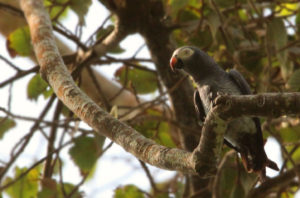 Timneh greys (Psittacus timneh) are found in parts of west Africa such as Sierra Leone, Guinea, Guinea-Bissau, Liberia, and Côte d’Ivoire. Exact numbers are unknown (estimated 100,000-500,000), but they are decidedly decreasing due to trapping and habitat loss, the usual challenges for parrot conservation.
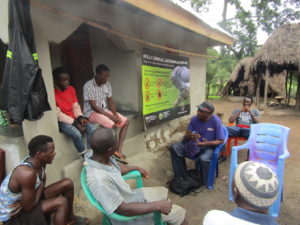 During 2021-2022, the WPT has continued developing several important conservation activities focused in Sierra Leone. First, 239 people in 70 communities were surveyed to develop knowledge, discern attitudes, and learn about the distribution and abundance of the Timnehs. By listening to local communities and leveraging local ecological knowledge, WPT has been able to build a picture of seasonal movements and identify roost and nesting areas throughout the region. This has highlighted the vital importance of mangrove areas and built a strong case for protection of several key sites.
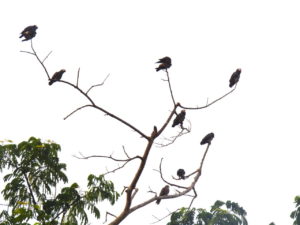 One roost that was identified during this work holds several hundred parrots and is the largest known roost for the species on the African mainland. This was an extremely exciting finding and suggests that in some remote areas, Timneh populations may still be relatively healthy. However numerous threats including trapping of adults and the collection of eggs have been identified. This can only get worse as land is further developed. Protection of these remote sites is essential!
 Lastly, a radio jingle and announcement communicating positive messages about parrot conservation has been regularly played on local radio stations. These have been accompanied by live radio interviews with government officials answering questions about the need to protect Timneh parrots. These type of activities must continue and be regularly reinforced to be successful.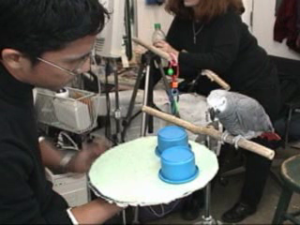
 Join us for a FREE, live, interactive webinar hosted by Laura Doering, former editor of Bird Talk magazine and Birds USA magazine. Our special guest, Lisa Bono, CPBC, owner and operator of The Platinum Parrot and a certified parrot behavior consultant specializing in African grey parrots, presents Episode 13 of The Grey Way, a Lafeber Pet Birds Webinar Series focusing on Congo & Timneh African grey parrots as pets. In this episode, Lisa will discuss and demonstrate ways to exercise your parrot! Avian Vets and experts all agree that pet birds do not get enough exercise, and this leads to medical issues over time. But most bird owners are unsure of how to encourage their birds to exercise. Lisa will cover different ways to exercise your bird – whether the bird is flighted or clipped, cage bound or has a physical disability. While Lisa will cover some Grey-centric methods, all species of pet birds can benefit from her suggestions. Don’t miss this opportunity to help your pet birds live happier & healthier lives.
 Join us for a FREE, live, interactive webinar hosted by Laura Doering, former editor of Bird Talk magazine and Birds USA magazine. Our special guest Tom Tully, DVM, DABVP (Avian Practice), DECZM (Avian), will answer your questions about pet bird health, nutrition, & care. Dr. Tully, a decorated Professor & practicing Vet at Louisiana State University School of Veterinary Medicine, is an internationally known Veterinarian who has earned specialties in Avian medicine in the United States as well as in Europe. Having this type of access to a Veterinarian of his status is rare, but Dr. Tully believes in the educated bird owner as being the best bird steward. Dr. Tully answers each question in detail and shares his vast knowledge of birds, particularly parrots. Is your bird’s problem health-related or behavioral? Are you offering the right foods to your pet bird? Ask the Vet!
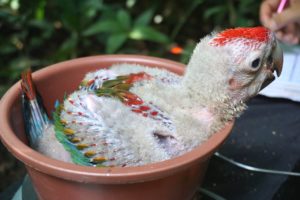
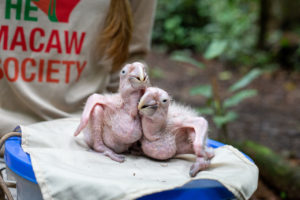
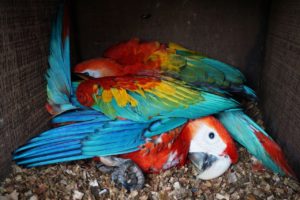
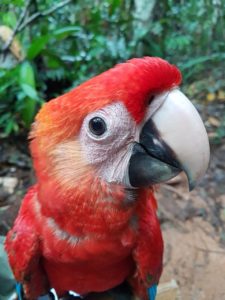
 Join us for a FREE, live, interactive webinar hosted by Laura Doering, former editor of Bird Talk magazine and Birds USA magazine. Our special guest, Lisa Bono, CPBC, owner and operator of The Platinum Parrot and a certified parrot behavior consultant specializing in African grey parrots, presents Episode 12 of The Grey Way, a Lafeber Pet Birds Webinar Series focusing on Congo & Timneh African grey parrots as pets. By viewer request, in this episode, Lisa will tell us more about herself, and how she manages a multi-bird household. Many of our viewers have wondered how she maintains her flock of African Greys – keeping things clean & most importantly, keeping the peace! We will learn more about Lisa’s background in parrots and how she learned to be such an awesome steward for her own flock, as well as advising others on how to care for their pet birds. While Lisa now specializes in African Greys, we will learn that her life with parrots didn’t begin with Greys. This will be a fun and fascinating look at Lisa’s world, and include meeting her flock – if they choose to cooperate!
 Join us for a live, interactive webinar hosted by Laura Doering, former editor of Bird Talk magazine and Birds USA magazine.
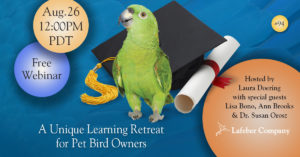 Join us for a FREE, live, interactive webinar hosted by Laura Doering, former editor of Bird Talk magazine and Birds USA magazine. Our special guests, Lisa Bono, CPBC, Ann Brooks, and Dr. Susan Orosz will discuss education as the key to being the best bird steward. Lisa will report on the most recent Phoenix Landing Wellness Retreat, which was held June 4-5, 2022 in Asheville, NC. This unique meeting for pet bird owners offers lectures on many aspects of pet bird care. Lisa will discuss the speakers and topics and what goes on at a meeting like this, as well as why it is important for bird owners and professionals to continue learning through different avenues. Ann Brooks will join her to talk about Phoenix Landing, how it came about and why adoption or re-homing are so necessary for parrots. Dr. Susan Orosz will tell us how the idea for this special learning opportunity came about and how it became a place for learning from experts in the field as well as fellow bird owners. This will be the first-of-its-kind discussion for us, featuring three top experts in the field of companion birds, combining their expertise in education, rescue & Avian medicine. We look forward to having viewers join us for this rare treat!
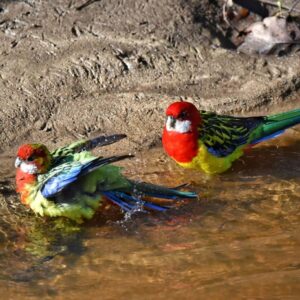
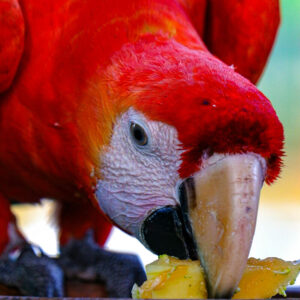
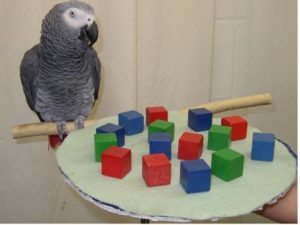
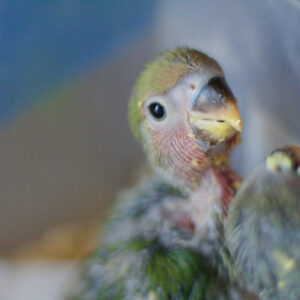
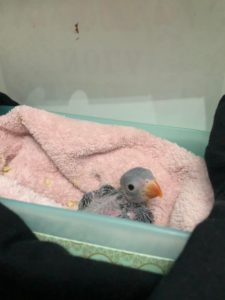
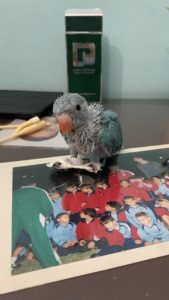
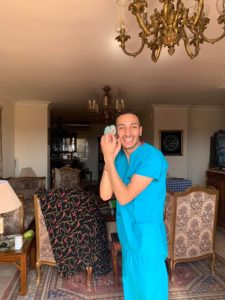
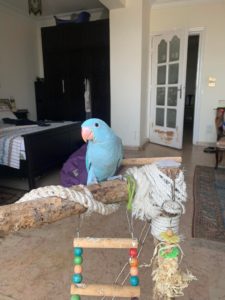
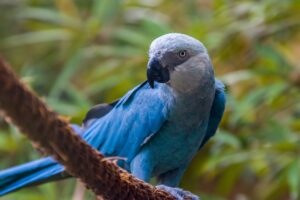
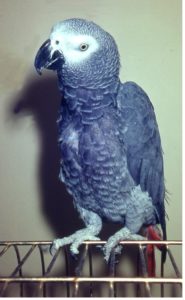

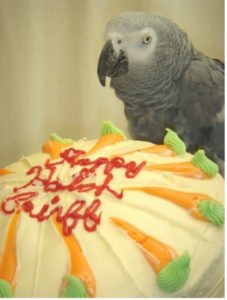
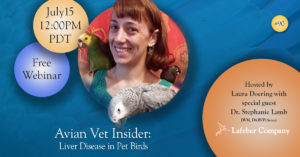 Join us for a FREE, live, interactive webinar hosted by Laura Doering, former editor of Bird Talk magazine and Birds USA magazine.
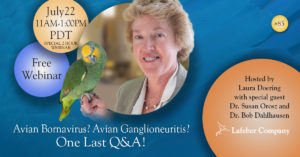 Join us for this very important FREE, live webinar hosted by Laura Doering, former editor of Bird Talk magazine and Birds USA magazine.
 Join us for a live, interactive webinar hosted by Laura Doering, former editor of Bird Talk magazine and Birds USA magazine.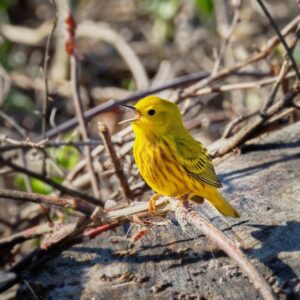
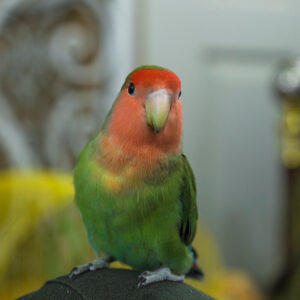
 Join us for a FREE, live, interactive webinar hosted by Laura Doering, former editor of Bird Talk magazine and Birds USA magazine.
 Join us for a live, interactive webinar hosted by Laura Doering, former editor of Bird Talk magazine and Birds USA magazine.
 Join us for a FREE, live, interactive webinar hosted by Laura Doering, former editor of Bird Talk magazine and Birds USA magazine. Our special guest,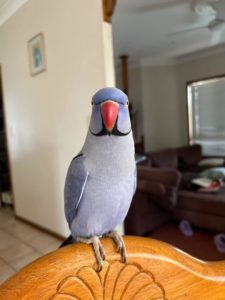
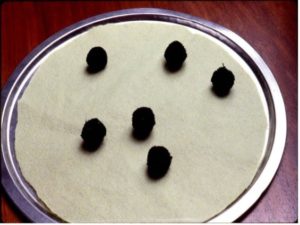
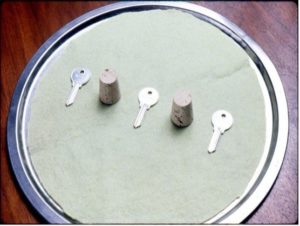
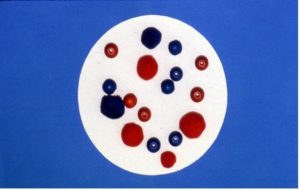
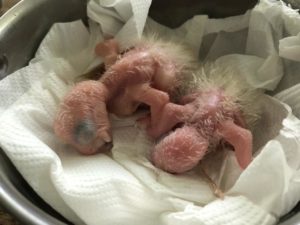
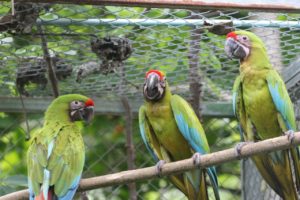
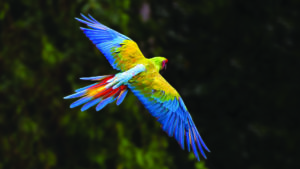
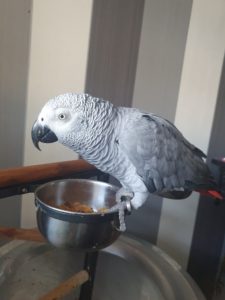
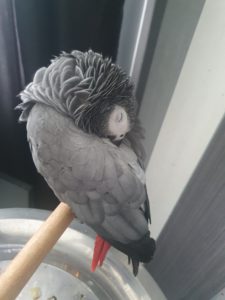
 Join us for a FREE, live, interactive webinar hosted by Laura Doering, former editor of Bird Talk magazine and Birds USA magazine.
 Join us for a FREE, live, interactive webinar hosted by Laura Doering, former editor of Bird Talk magazine and Birds USA magazine.
 Join us for this very important FREE, live webinar hosted by Laura Doering, former editor of Bird Talk magazine and Birds USA magazine.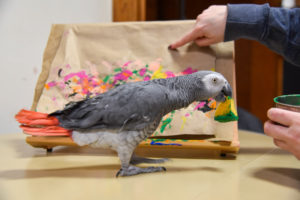
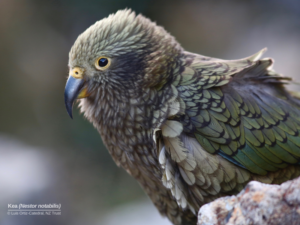
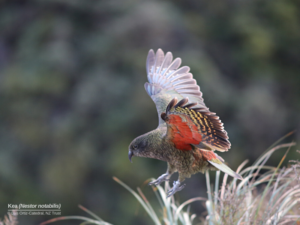

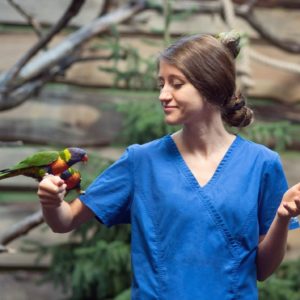
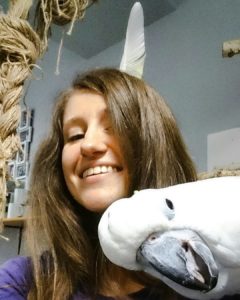
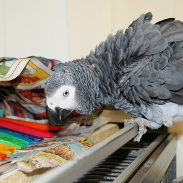
 Join us for a FREE, live, interactive webinar hosted by Laura Doering, former editor of Bird Talk magazine and Birds USA magazine.
 Join us for a FREE, live, interactive webinar hosted by Laura Doering, former editor of Bird Talk magazine and Birds USA magazine.
 Join us for a FREE, live, interactive webinar hosted by Laura Doering, former editor of Bird Talk magazine and Birds USA magazine.
 Join us for a live, interactive webinar hosted by Laura Doering, former editor of Bird Talk magazine and Birds USA magazine.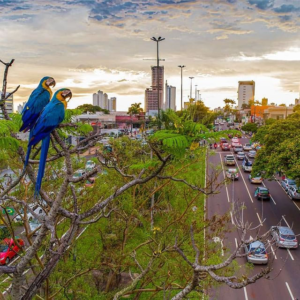
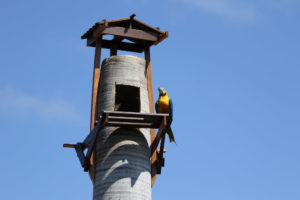

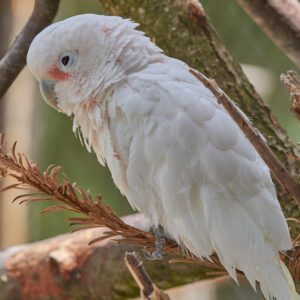
 Join us for a FREE, live, interactive webinar hosted by Laura Doering, former editor of Bird Talk magazine and Birds USA magazine.
 Join us for this very important FREE, live webinar hosted by Laura Doering, former editor of Bird Talk magazine and Birds USA magazine.
 Join us for a FREE, live, interactive webinar hosted by Laura Doering, former editor of Bird Talk magazine and Birds USA magazine.
 Join us for a live, interactive webinar hosted by Laura Doering, former editor of Bird Talk magazine and Birds USA magazine.