



Science is a forward-moving momentous force that helps us to discover better things about the universe that surrounds us. Although we ourselves are encapsulated within the sphere of the planet Earth, the minute discoveries that we build upon allow us to gradually understand our amazing core of existence in a brighter light. It’s why the academic world of science continually launches studies of various things. Those studies will one day open amazing doors that will enrich all life in every way. With birds, it is our rabid interest in how they seem to surpass intelligence tests that keeps science looking harder at their seemingly casual existence.
A recent study undertaken by the Max Planck-Gesellschaft Institute to determine the brain size of parrots and their relationship to life expectancy has turned over a few stones of insight. The study was published in March of 2022 and involved 133, 818 individual birds across an astounding 244 parrot species. The study of longevity in parrots has been negligible up to this point. It has been studied and known among other species of creatures that brain size contributes to longevity in species. Now, with this new study, we’re steps closer to understanding brain size and longevity in parrots.
The Link Between Brain Size & Longevity
The approach to this study depended heavily on two previously formed hypotheses that involve the evolution of birds and their life spans. One was the “cognitive buffer hypothesis” that agrees that cognitive abilities will contribute to longevity. The other is “expensive brain hypothesis,” a thought that the life span of a bird is largely attributed to greater development of offspring with large brains (or that show stronger intelligence). During the study, it was determined that it is true that large brains in birds do, in fact, lend to their longevity. With favoritism toward enhanced intelligent features of the offspring, this naturally selected for longer life.
With larger brains, the developing birds have been able to effectively think out solutions leading to safer conditions that help to prolong life. The understanding is that large brains in living things allow them the ability to proactively think and to effectively rationalize the world around us. This study helped to underscore the concept of survival among us. With birds, such brains likely help them to learn better techniques of eating, food gathering, trust, and other things that lead to a longer life. This certainly explains the many articles written about the ingenuity of large birds to solve complex problems in steps to help them better adapt to a changing world that they find themselves in.
This study is a complex investment of time into the various birds that were used to gather data. Of course, the science of the study is far too complex for a write-up such as this. If you have further interest for the nuts and bolts of the study, follow this link.
In time, science will be able to tally up all the scores among all studies on life expectancy, coupled with the “hows and whys” gleaned from those studies, and may be able to effectively enhance all life on the planet. It’s why we continue to study every pathway with all the myriad of turns: to give us valuable insight for improvement.
 Join us for a FREE, live, interactive webinar hosted by Laura Doering, former editor of Bird Talk magazine and Birds USA magazine.
 Join us for a FREE, live, interactive webinar hosted by Laura Doering, former editor of Bird Talk magazine and Birds USA magazine.
 Join us for this very important FREE, live webinar hosted by Laura Doering, former editor of Bird Talk magazine and Birds USA magazine.

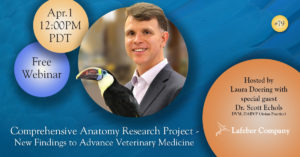 Join us for a FREE, live, interactive webinar hosted by Laura Doering, former editor of Bird Talk magazine and Birds USA magazine.
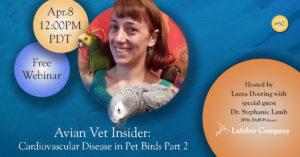 Join us for a FREE, live, interactive webinar hosted by Laura Doering, former editor of Bird Talk magazine and Birds USA magazine.
 Join us for a FREE, live, interactive webinar hosted by Laura Doering, former editor of Bird Talk magazine and Birds USA magazine.
 Join us for a live, interactive webinar hosted by Laura Doering, former editor of Bird Talk magazine and Birds USA magazine.
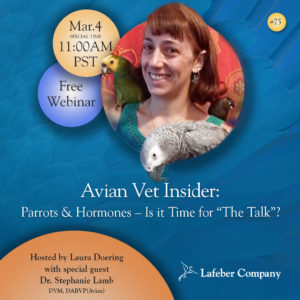 Join us for a FREE, live, interactive webinar hosted by Laura Doering, former editor of Bird Talk magazine and Birds USA magazine.
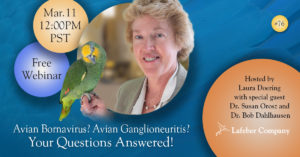 Join us for this very important FREE, live webinar hosted by Laura Doering, former editor of Bird Talk magazine and Birds USA magazine.
 Join us for a FREE, live, interactive webinar hosted by Laura Doering, former editor of Bird Talk magazine and Birds USA magazine.
 Join us for a live, interactive webinar hosted by Laura Doering, former editor of Bird Talk magazine and Birds USA magazine.
 Join us for a FREE, live, interactive webinar hosted by Laura Doering, former editor of Bird Talk magazine and Birds USA magazine.
 Join us for a FREE, live, interactive webinar hosted by Laura Doering, former editor of Bird Talk magazine and Birds USA magazine.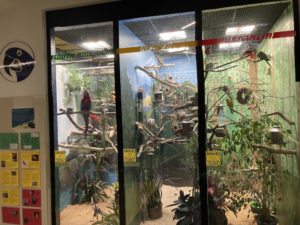
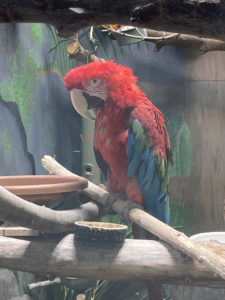
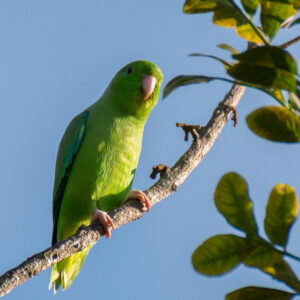
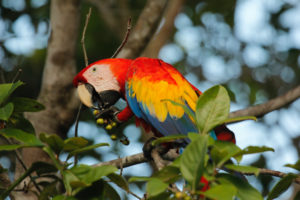
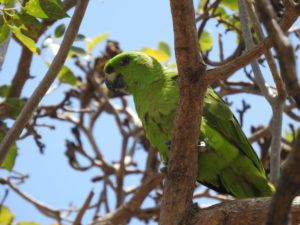
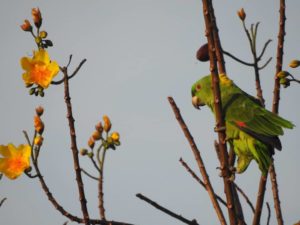
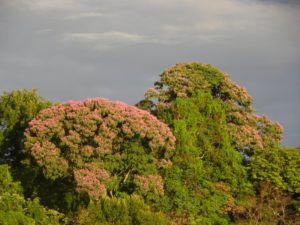
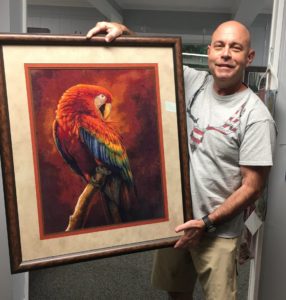
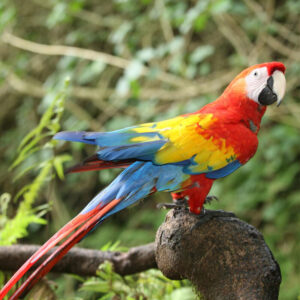
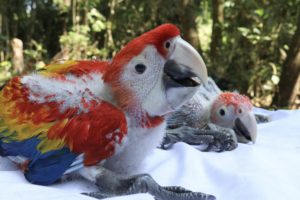 The Maya Biosphere Reserve (MBR) in Guatemala was created in 1990 to protect the tropical forest in Mesoamerica. After the Amazon, Mesoamerica’s Maya Forest is the largest remaining tropical rainforest in the Americas. The MBR is divided into zones with different status levels. The most protected “core zone” covers about 36% of the MBR and is intended to preclude human settlement, logging, or extraction of resources. There are several ancient Mayan cities within this area, and it is part of a tri-national system of contiguous protected areas spanning Guatemala, Belize, and Mexico. It is also home to scarlet macaws. However, this area is facing increased threats due to illegal human settlements, intentional forest fires, oil exploration, and cattle ranching.
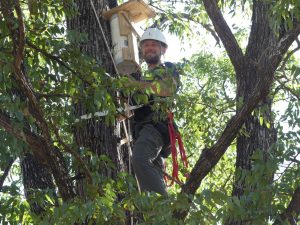
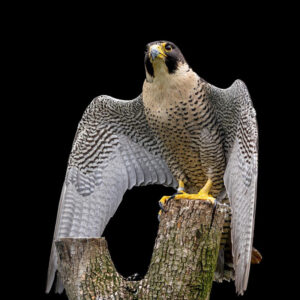
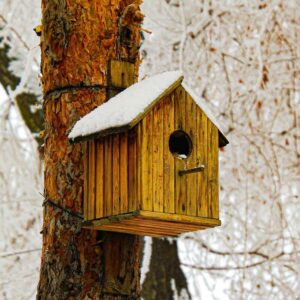
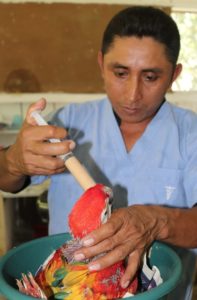 To accelerate recovery of the scarlets in this area, WCS is pulling the low-weight chicks from nests, raising them in a field laboratory, and placing them in foster nests when possible. They are also enlarging possible tree cavities, installing falcon-proof nests, and combatting Africanized bee infestations.
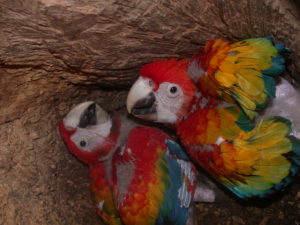 WCS has top-notch scientists working on conservation programs around the world and they produce many important research studies each year. Their mission is to work with indigenous people in order to build sustainable communities for both people and animals.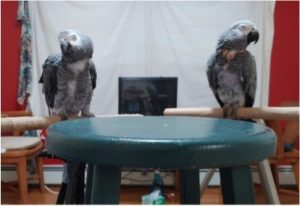
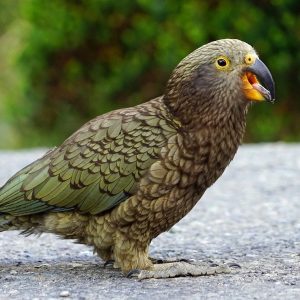
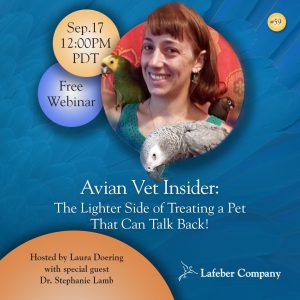
 Join us for a FREE, live, interactive webinar hosted by Laura Doering, former editor of Bird Talk magazine and Birds USA magazine. Our special guest, Dr. Stephanie Lamb, DVM, DABVP (Avian Practice), will talk about the top 5 bird species she treats most often, and the top 5 rarest bird species she has treated. Your Avian Vet will see many of the same species every week. The familiarity with these species can be helpful, even though each case is unique in its own way. On the other end of things, your Avian Vet sometimes sees an uncommon and even very rare avian species as a patient. Cases like this can bring their own set of challenges, especially if this is the first time the Vet has encountered a particular species. Find out what species are treated day-to-day, and how treating a rare species might be different, in this insider’s view of the daily happenings at your Avian Vet’s clinic.
 Join us for a FREE, live, interactive webinar hosted by Laura Doering, former editor of Bird Talk magazine and Birds USA magazine. Our special guest, Lisa Bono, CPBC, owner and operator of The Platinum Parrot and a certified parrot behavior consultant specializing in African grey parrots, presents Episode 6 of The Grey Way, a Lafeber Pet Birds Webinar Series focusing on Congo & Timneh African grey parrots as pets. In this episode, Lisa will talk about keeping your bird safe amidst holiday revelry. The holidays can bring family gatherings, festive decorations, decadent foods, seasonal spirits and all of the additional sounds and loud noises that go with festivities. All of the things that can make the holidays a celebration for people also bring anxiety and dangers for our pets. Greys can be especially sensitive to all of these sudden changes. Lisa will discuss how to prepare and protect our pet birds during the holidays. She will help us know how to still have a good time with family and friends while keeping the stress to a minimum for our birds. While Lisa’s advice will address Grey-centric concerns, the information in this webinar can help all pet birds. Let’s get ready for safe & happy holidays!
 Join us for a live, interactive webinar hosted by Laura Doering, former editor of Bird Talk magazine and Birds USA magazine. Our special guest
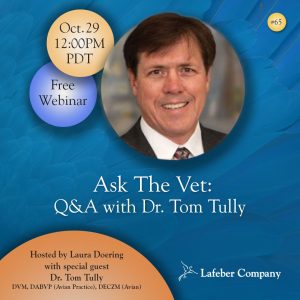 Join us for a live, interactive webinar hosted by Laura Doering, former editor of Bird Talk magazine and Birds USA magazine. Our special guest
 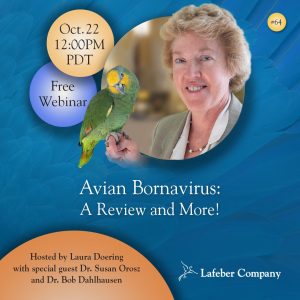 Join us for this very important FREE, live webinar hosted by Laura Doering, former editor of Bird Talk magazine and Birds USA magazine. Our special guests, Susan Orosz PhD, DVM, DABVP (Avian), DECZM (Avian) & Bob Dahlhausen, DVM, will provide a brief review on Avian Bornavirus(ABV) and how it can affect our various parrot species. The doctors will then expand on the information from the first ABV webinar, including more about diagnostic testing & treatments. They will also address questions that were pre-submitted by viewers. In order to provide as much information as possible, we will not be taking live questions.
 Join us for a FREE, live, interactive webinar hosted by Laura Doering, former editor of Bird Talk magazine and Birds USA magazine. Our special guest Stephanie Lamb, DVM, DABVP (Avian Practice), will talk about her experiences at the most recent ExoticsCon – an annual Veterinary conference that brings Vets & Technicians from all aspects of Exotics Medicine together to share new findings and interesting cases. From Scientific Sessions to Hands-On Labs, the specialized Vets & Techs are learning the latest in Exotics Medicine in order to provide the most advanced care for your Exotic Pets. When not in classes, these professionals are networking or visiting the exhibit hall where they can find out about new equipment, food, supplements and more to help their Exotic patients. What is a Hands-On Lab or a Poster Competition? Learn these answers as well as the importance and significance of Veterinary meetings and how they benefit you & your pets, during this insider’s view of ExoticsCon.
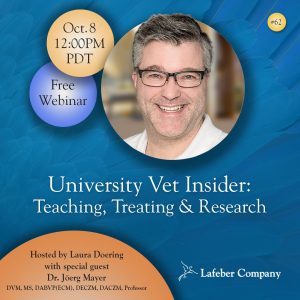 Join us for a FREE, live, interactive webinar hosted by Laura Doering, former editor of Bird Talk magazine and Birds USA magazine. Our special guest
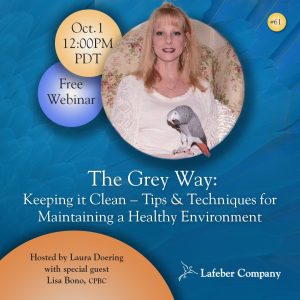 Join us for a FREE, live, interactive webinar hosted by Laura Doering, former editor of Bird Talk magazine and Birds USA magazine. Our special guest, Lisa Bono, CPBC, owner and operator of The Platinum Parrot and a certified parrot behavior consultant specializing in African grey parrots, presents Episode 5 of The Grey Way, a Lafeber Pet Birds Webinar Series focusing on Congo & Timneh African grey parrots as pets. In this episode, Lisa will talk about how to keep your cages & play stands clean to provide a healthy indoor environment for your pet birds. Whether you have one bird or a multi-bird household, cleaning doesn’t have to be a difficult chore if you establish a routine and good husbandry practices. From safe cleaners to keeping the indoor air healthy, Lisa will share tips to help you save time, making your life easier and giving you more quality time with your birds. She will explain why too much cleaning can be a health concern and where to draw the line between too clean and “call the cleaning police!” While Lisa will address grey-centric concerns, her cleaning lessons can help any pet bird owner.