



The steps in which art is created display a unique expression of interests and an ability for patience. It takes time to create. Choosing colors, making brushstrokes that go on to become a definition of something, and the patience to stay with something that is involving all reveal a dedication for a result. For others, not only does a developing artwork provide an avenue for expression, but it also allows for a needed preoccupation that others do not have a tolerance for. That’s the beauty of art. No one does it the same, and not everyone is capable of it. But, in the end, the finished work is for everyone.
A Touch Of Grey On Display
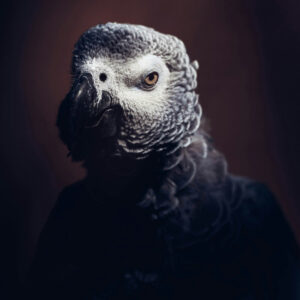
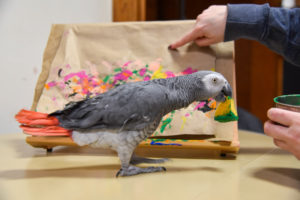
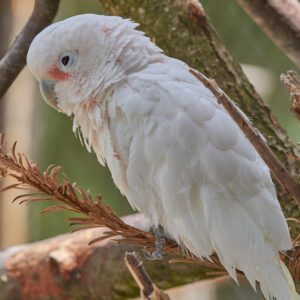
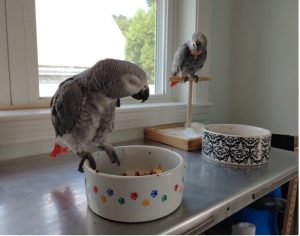
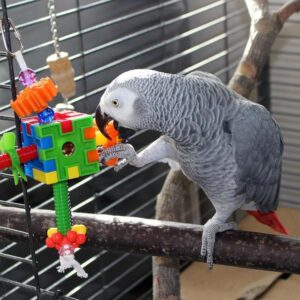
The Maryland Zoo, situated in Baltimore, is spread out over 135-plus acres. Its main distinction is that it is the third-oldest zoo in the United States. While it is home to approximately 135 species of beautiful creatures from around the world, one of its other distinctions is an African grey parrot named Echo. Echo is a 22-year-old female parrot who has found it a good idea to paint abstract art. And paint she does.
Recently, the zoo posted a video on its Twitter feed that shows Echo taking a sponge dipped in non-toxic paint. She then goes to a canvas, whereby she rubs the surface with a rich display of colors. She is being taught by what the zoo refers to as the “Embassy care staff” to decorate the paper with the dipped sponge of paint. During the process, Echo is rewarded with treats to encourage the next brushstroke. As the video shows, her work is done in dabs overlapping other colors to fill up the surface. Echo is avidly social, and quite an intelligent and confident parrot. She has painted publicly and interacts well with the public.
Smart African Greys
The Embassy staff believes that the painting projects that Echo participates in help to keep her mentally stimulated. What is known about the African grey species is that they are quite smart. They reveal a strong intelligence that is seen as being on par with that of a 5-year-old child. Their skill levels expand to more than just parroting back vocally what they hear. They can also do a variety of other things that underscore their ability to think. Past studies have revealed that the African grey parrot can differentiate between colors and shapes, even words! Therefore, a work much like the one Echo is creating in the video — and others she has already created — can unveil a reflection of what might be going through her mind. After all, art is an extremely personal undertaking.
In the kind of art normally described as abstract art, Echo has created her own masterpieces. A quick review of abstract art shows that a combined collection of colors in uniquely chosen brushstrokes can be deeply interpreted by many observers of art. It can represent thousands of things to reflective appreciators of the style. The fact that interpretation lies in the minds and hearts of many different people amplifies the unique beauty of the pieces that Echo creates.
The Maryland Zoo wonders if Echo will become “the next bird-casso.” We’re equally excited to discover the future works of Echo as she becomes more independently entrenched in her painting.

 Join us for a FREE, live, interactive webinar hosted by Laura Doering, former editor of Bird Talk magazine and Birds USA magazine.
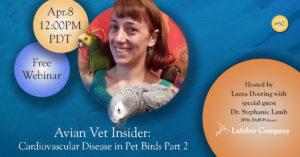 Join us for a FREE, live, interactive webinar hosted by Laura Doering, former editor of Bird Talk magazine and Birds USA magazine.
 Join us for a FREE, live, interactive webinar hosted by Laura Doering, former editor of Bird Talk magazine and Birds USA magazine.
 Join us for a live, interactive webinar hosted by Laura Doering, former editor of Bird Talk magazine and Birds USA magazine.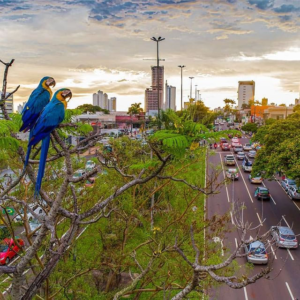
 Join us for a FREE, live, interactive webinar hosted by Laura Doering, former editor of Bird Talk magazine and Birds USA magazine.
 Join us for this very important FREE, live webinar hosted by Laura Doering, former editor of Bird Talk magazine and Birds USA magazine.
 Join us for a FREE, live, interactive webinar hosted by Laura Doering, former editor of Bird Talk magazine and Birds USA magazine.
 Join us for a live, interactive webinar hosted by Laura Doering, former editor of Bird Talk magazine and Birds USA magazine.
 Join us for a FREE, live, interactive webinar hosted by Laura Doering, former editor of Bird Talk magazine and Birds USA magazine.
 Join us for a FREE, live, interactive webinar hosted by Laura Doering, former editor of Bird Talk magazine and Birds USA magazine.
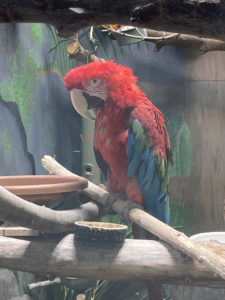
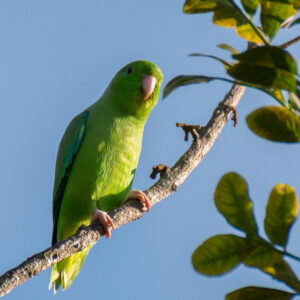
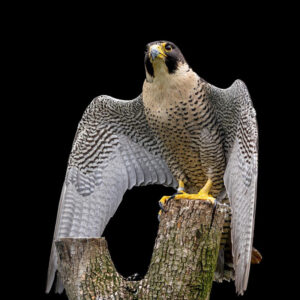
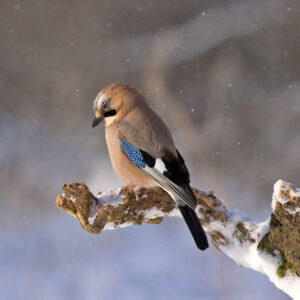
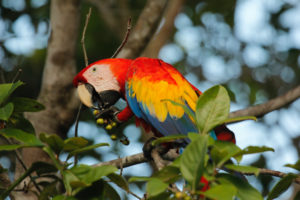
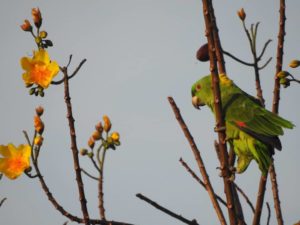
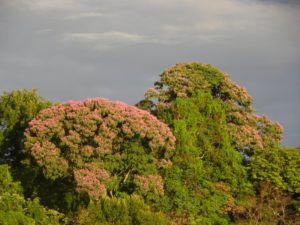
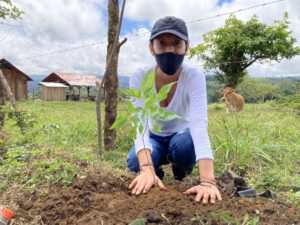
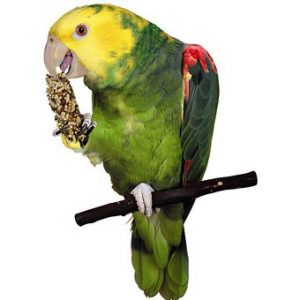
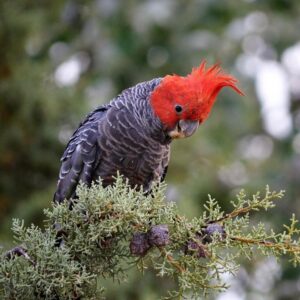
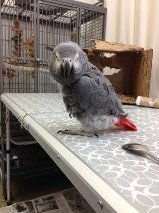
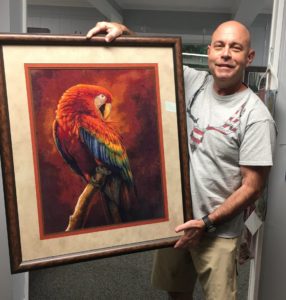
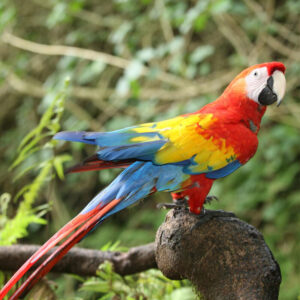
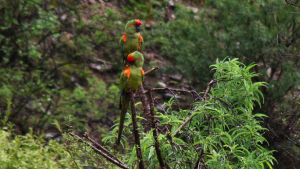
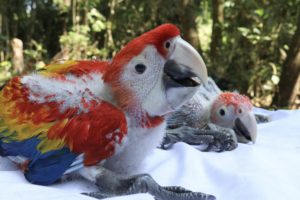 The Maya Biosphere Reserve (MBR) in Guatemala was created in 1990 to protect the tropical forest in Mesoamerica. After the Amazon, Mesoamerica’s Maya Forest is the largest remaining tropical rainforest in the Americas. The MBR is divided into zones with different status levels. The most protected “core zone” covers about 36% of the MBR and is intended to preclude human settlement, logging, or extraction of resources. There are several ancient Mayan cities within this area, and it is part of a tri-national system of contiguous protected areas spanning Guatemala, Belize, and Mexico. It is also home to scarlet macaws. However, this area is facing increased threats due to illegal human settlements, intentional forest fires, oil exploration, and cattle ranching.
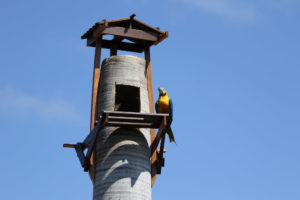
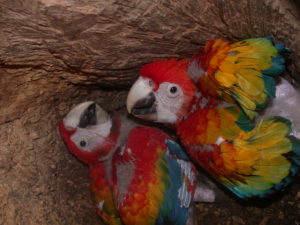
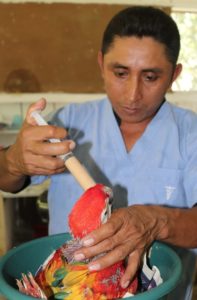 To accelerate recovery of the scarlets in this area, WCS is pulling the low-weight chicks from nests, raising them in a field laboratory, and placing them in foster nests when possible. They are also enlarging possible tree cavities, installing falcon-proof nests, and combatting Africanized bee infestations.
 WCS has top-notch scientists working on conservation programs around the world and they produce many important research studies each year. Their mission is to work with indigenous people in order to build sustainable communities for both people and animals.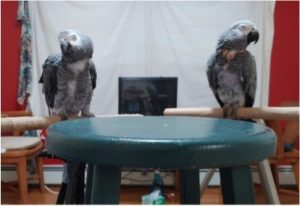
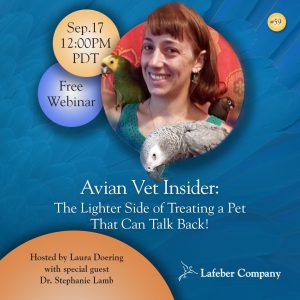
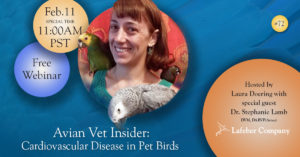
 Join us for a FREE, live, interactive webinar hosted by Laura Doering, former editor of Bird Talk magazine and Birds USA magazine. Our special guest, Dr. Stephanie Lamb, DVM, DABVP (Avian Practice), will talk about the top 5 bird species she treats most often, and the top 5 rarest bird species she has treated. Your Avian Vet will see many of the same species every week. The familiarity with these species can be helpful, even though each case is unique in its own way. On the other end of things, your Avian Vet sometimes sees an uncommon and even very rare avian species as a patient. Cases like this can bring their own set of challenges, especially if this is the first time the Vet has encountered a particular species. Find out what species are treated day-to-day, and how treating a rare species might be different, in this insider’s view of the daily happenings at your Avian Vet’s clinic.
 Join us for a FREE, live, interactive webinar hosted by Laura Doering, former editor of Bird Talk magazine and Birds USA magazine. Our special guest, Lisa Bono, CPBC, owner and operator of The Platinum Parrot and a certified parrot behavior consultant specializing in African grey parrots, presents Episode 6 of The Grey Way, a Lafeber Pet Birds Webinar Series focusing on Congo & Timneh African grey parrots as pets. In this episode, Lisa will talk about keeping your bird safe amidst holiday revelry. The holidays can bring family gatherings, festive decorations, decadent foods, seasonal spirits and all of the additional sounds and loud noises that go with festivities. All of the things that can make the holidays a celebration for people also bring anxiety and dangers for our pets. Greys can be especially sensitive to all of these sudden changes. Lisa will discuss how to prepare and protect our pet birds during the holidays. She will help us know how to still have a good time with family and friends while keeping the stress to a minimum for our birds. While Lisa’s advice will address Grey-centric concerns, the information in this webinar can help all pet birds. Let’s get ready for safe & happy holidays!
 Join us for a live, interactive webinar hosted by Laura Doering, former editor of Bird Talk magazine and Birds USA magazine. Our special guest
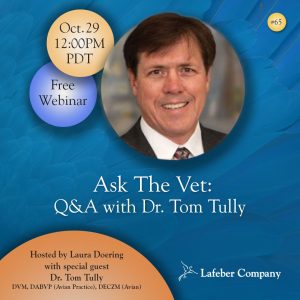 Join us for a live, interactive webinar hosted by Laura Doering, former editor of Bird Talk magazine and Birds USA magazine. Our special guest
 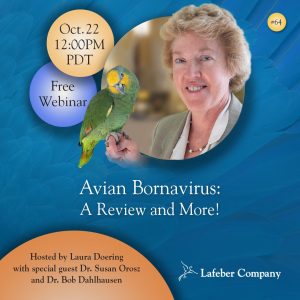 Join us for this very important FREE, live webinar hosted by Laura Doering, former editor of Bird Talk magazine and Birds USA magazine. Our special guests, Susan Orosz PhD, DVM, DABVP (Avian), DECZM (Avian) & Bob Dahlhausen, DVM, will provide a brief review on Avian Bornavirus(ABV) and how it can affect our various parrot species. The doctors will then expand on the information from the first ABV webinar, including more about diagnostic testing & treatments. They will also address questions that were pre-submitted by viewers. In order to provide as much information as possible, we will not be taking live questions.
 Join us for a FREE, live, interactive webinar hosted by Laura Doering, former editor of Bird Talk magazine and Birds USA magazine. Our special guest Stephanie Lamb, DVM, DABVP (Avian Practice), will talk about her experiences at the most recent ExoticsCon – an annual Veterinary conference that brings Vets & Technicians from all aspects of Exotics Medicine together to share new findings and interesting cases. From Scientific Sessions to Hands-On Labs, the specialized Vets & Techs are learning the latest in Exotics Medicine in order to provide the most advanced care for your Exotic Pets. When not in classes, these professionals are networking or visiting the exhibit hall where they can find out about new equipment, food, supplements and more to help their Exotic patients. What is a Hands-On Lab or a Poster Competition? Learn these answers as well as the importance and significance of Veterinary meetings and how they benefit you & your pets, during this insider’s view of ExoticsCon.
 Join us for a FREE, live, interactive webinar hosted by Laura Doering, former editor of Bird Talk magazine and Birds USA magazine. Our special guest
 Join us for a FREE, live, interactive webinar hosted by Laura Doering, former editor of Bird Talk magazine and Birds USA magazine. Our special guest, Lisa Bono, CPBC, owner and operator of The Platinum Parrot and a certified parrot behavior consultant specializing in African grey parrots, presents Episode 5 of The Grey Way, a Lafeber Pet Birds Webinar Series focusing on Congo & Timneh African grey parrots as pets. In this episode, Lisa will talk about how to keep your cages & play stands clean to provide a healthy indoor environment for your pet birds. Whether you have one bird or a multi-bird household, cleaning doesn’t have to be a difficult chore if you establish a routine and good husbandry practices. From safe cleaners to keeping the indoor air healthy, Lisa will share tips to help you save time, making your life easier and giving you more quality time with your birds. She will explain why too much cleaning can be a health concern and where to draw the line between too clean and “call the cleaning police!” While Lisa will address grey-centric concerns, her cleaning lessons can help any pet bird owner.