Bogey’s surgery required a three-week hospital stay, but the results were worth the long stay. Bogey is a visibly happier bird. Image courtesy of Exotic Avian Sanctuary of Tennessee (EAST)
For many hundreds of years, medical science has slowly advanced to its current state of remarkability. Even so, science is consistently working hard to get further within the mechanism of many diseases as well as to learn viable ways of bringing repair to a body afflicted.
Throughout many of those long-ago years, animal health was largely neglected. It wasn’t until the later years of the 18th century that veterinary sciences began. With that, as with human health advancements, animal health has come a long way. We’re amazed at every new kind of procedure that allows for better and extended living in the creatures that we’ve grown to love.
EAST Offers Sanctuary
Kim Hannah of Exotic Avian Sanctuary of Tennessee (EAST) is an avid lover of life. From caring for a displaced Red Wasp queen to 24/7 caring for 80 exotic birds in her self-built aviary, Hannah has long been a champion of life. One of her birds, a 23-year-old umbrella cockatoo named Bogey, repeatedly exhibited a cloacal prolapse, whereby the inner tissues of the cloaca protrude from the bird’s body, causing terrible irritation of the sensitized tissue.
Bogey the cockatoo suffered from chronic cloacal prolapse for years before finally finding relief after being treated by Christoph Mans, a clinical associate professor of zoological medicine at the University of Wisconsin School of Veterinary Medicine. Image courtesy of Exotic Avian Sanctuary of Tennessee (EAST)
The cloaca is the singular outlet for the intestinal, genital, and urinary tracts. The results of chronic cloacal prolapse can have devastating effects on a bird. The infection itself can cause bleeding and possible loss of the bird’s blood supply. It can lead to depression, blood in the droppings, straining episodes, and even death.
Bogey, who has been in the care of EAST since 2019, began experiencing the severity for 16 years and had to be treated repeatedly — and unsuccessfully — by her previous guardian since 2005, the year of her first prolapse. Bogey had been treated using a multitude of hopeful procedures, none of which worked. One such procedure was performed last September but led to Bogey experiencing the prolapse again two short weeks afterward.
That experience led to the one thing no one wants to hear, that nothing else could be done to alleviate the condition. But Kim Hannah is not a quitter.
Bogey Gets Relief
She found possible help with the medical staff of the University of Wisconsin in the person of Dr. Christoph Mans, who is a Clinical Associate Professor of Zoological Medicine at their School of Veterinary Medicine. Dr. Mans had previously read a promising paper on a novel treatment for the problem and agreed to take on Bogey as a patient.
The surgery required a three-week hospital stay for the innovative procedure, but the result was amazing, with Bogey becoming a visibly happy bird. With the surgery behind Bogey for more than a year, there has been no relapse. Hannah credits the expertise of Dr. Mans with giving Bogey a new lease on life. Currently, Bogey receives a hormone implant every six months.
The funding for the procedure was raised via Facebook. With many generous donations to the special procedure, the bill was paid in full. Even better, the success of the procedure encourages not only Dr. Mans in exploring it further, but others to learn the procedure and even advance it to further its effectiveness.
We’re not only pleased for Bogey, but we’re also extremely proud of Hannah for her tenacity and to Dr. Mans for his willingness. We love that medical sciences for our animals are advancing at a great rate, just like this procedure.
Bonaire is a small island in the Caribbean, just north of South America’s Venezuela. It is one of the native homes to the yellow-shouldered parrot (Amazona barbadenis). This Amazon is considered vulnerable to the threat of extinction, and their numbers are dwindling in other countries. But in Bonaire, their future is looking hopeful thanks to the good works of Echo.
Echo was formed in 2010 by Sam Williams, whom you may know from his continuing conservation programs in other parts of Central America. He was followed as Director by Lauren Schmaltz, who is now the U.S. Administrator for the World Parrot Trust. In 2018, the Directorship passed to Julianka Clarenda, a Bonaire native. There are also six local Bonairians on staff. This is the way that conservation succeeds, when the local population assumes leadership to protect their country’s diversity and wildlife.
The local people fondly refer to the yellow-shouldered Amazon as Lora. Perhaps prior to colonization hundreds of years ago, this parrot lived primarily in trees. Once there were fewer trees, Lora adapted to nesting in both the cliffs and trees, a testament to the resilience and adaptability of parrots. At night, these parrots roost in flocks, often in people’s gardens. By day, like most Amazon species, they spend time with only their immediate family. They form long-term monogamous pair bonds, maintaining the same partner across consecutive breeding seasons, though mate switching has been recorded.
Some Accomplishments Of Echo
image courtesy Echo
In 1980, there were about 400 Lora on Bonaire. Today there are close to 1,200, thanks to Echo’s many conservation projects. For example, Echo created a nursery to grow native plants and trees in order to lead an intense reforestation effort. Once these plants are strong enough, volunteers install fencing to keep out the goats. Then volunteers are recruited for planting, even the children in summer camp help. A whopping 13,000 trees have been planted in the last three years!
image courtesy of Echo
Echo also runs a Conservation Center where three pairs of Amazons are breeding for release. These permanent residents are birds that cannot be safely released due to prior injuries or disabilities, but they are doing a great job of helping conservation by producing chicks that will be released. The Center also takes in confiscated or injured birds, brings them to health, and then releases them back to the wild.
Another important effort by Echo is nest monitoring. If we don’t have the data about the problem, we cannot affect useful solutions. Despite an equal number of nests being monitored both in 2010 and in 2021 (25 nests), our 2021 monitoring showed that 19 nests were successful (a 27% increase) and 43 chicks fledged from those nests (a 72% increase). Unfortunately, Echo also found in 2021 that predation and poaching remain real threats against the growth of the wild population (9 died and 4 were poached). Overall, these are positive numbers moving in the right direction and giving hope for the future of this gorgeous Amazon in its native Bonaire!
Lafeber’s $500 GLOBAL PARROT conservation grant this month goes to help with continued reforestation efforts, so that there will be a growing number of trees to support a steady increase of Loras! If you would also like to help, you can make a donation to Echo at its website. You can also listen to a recent presentation by Julianka and Lauren at the Phoenix Landing website.
Webinar: Avian Vet Insider — Cardiovascular Disease in Pet Birds
Date: Friday, February 11, 2022
Special Time: 11:00 am PST (double-check your local time with this time zone converter)
Join us for a FREE, live, interactive webinar hosted by Laura Doering, former editor of Bird Talk magazine and Birds USA magazine.
Our special guest, Dr. Stephanie Lamb, DVM, DABVP (Avian Practice), will talk about Cardiovascular Disease in pet birds, including the most common form — atherosclerosis.
What is cardiovascular disease? How does it happen? How do we diagnose it? And what can we do if we expect it? Dr. Lamb will answer these questions and discuss some cases in this insider’s view of the daily happenings at your Avian Vet’s clinic.
Missed our webinar? No problem! You can access the webinar in its entirety here:
Webinar: The Grey Way: The Healthy Grey — Keeping Your Bird Healthy & Happy
Date: Friday, February 18, 2022
Special Time: 12:00 pm PST (double-check your local time with this time zone converter)
Join us for a FREE, live, interactive webinar hosted by Laura Doering, former editor of Bird Talk magazine and Birds USA magazine.
Our special guest, Lisa Bono, CPBC, owner and operator of The Platinum Parrot and a certified parrot behavior consultant specializing in African grey parrots, presents Episode 8 of The Grey Way, a Lafeber Pet Birds Webinar Series focusing on Congo & Timneh African grey parrots as pets.
In this episode, Lisa discusses what we can do at home to keep our birds healthy & safe by working with your avian veterinarian. She discusses the importance of physical and mental health by maintaining a healthy environment, both through cleaning and enrichment for your birds and providing a healthy diet. She will also discuss the importance of routine vet exams, including routine bloodwork, which can reveal unknown issues.
While Lisa will focus on Grey-centric concerns, her information will apply to any pet bird species.
Missed our webinar? No problem! You can access the webinar in its entirety here:
Webinar: Ask the Vet with Tom Tully, DVM, DABVP (Avian Practice), DECZM (Avian)
Date: Friday, February 25, 2022
Time: 12:00 pm PDT (double-check your local time with this time zone converter)
Join us for a FREE, live, interactive webinar hosted by Laura Doering, former editor of Bird Talk magazine and Birds USA magazine.
Our special guest Tom Tully, DVM, DABVP (Avian Practice), DECZM (Avian), will answer your questions about pet bird health, nutrition, care, and behavior problems. Is your bird’s problem health-related or behavioral? Are you offering the right foods to your pet bird? Ask the Vet!
Missed our webinar? No problem! You can access the webinar in its entirety here:
Aviaries are found in many places including zoos, rehoming and rescue centers, and colleges. The purpose of an aviary is to provide as natural an environment as can be attained for the birds housed within them.
For rescue and care facilities, aviaries give a comforting world to a neglected, unwanted, or otherwise abused bird that needs to be nursed back to health, physically and emotionally. For colleges, they are housing for studied birds designed for learning experiences. And for zoos, they are the only way to display the birds that reside in them, often for life.
Beyond these types of places, aviaries are typically unheard of, as they carry a great expense and high level of upkeep. But a high school in Utah has done what has not been done before — built a bird aviary for the students.
A School For The Birds
Farmington, Utah, is a small town with an approximate population of around 25,000 people. Farmington High School is a relatively new building for Farmington, having been built in 2018. With around 1,500 students and an average cumulative GPA of 3.34, Farmington High has a lot going for it.
In what is likely viewed as a rarity in option, the school offered a starting course in ornithology due to increasing national interest in birds. The program, initiated by science chair, Adam Blundell, has gained in popularity since its inception. As the program consistently matures, students are now lined up to get into the class. In fact, Blundell states, “I have students who absolutely love working with birds. They love this field, and they love my class. They want to be here and be a part of this, and in fact, they just won’t leave. They’re just here all of the time.”
The curriculum for the ornithology classes dives into the study of bird care as well as developing working habits in maintaining a functional aviary. Such in-depth teaching can only have a positive influence on students. The popularity of the courses has allowed it to expand into advanced courses that help students interested in careers in avian care and more advanced studies.
Building Spaces To Learn About Birds
Image courtesy Farmington High School
Last year, the birds used in the classroom needed a better place to stay, so the idea of an aviary was advanced. Promptly approved, the aviary was built and now houses the birds that represent multiple areas of study in the ornithology classes.
A pair of green-winged macaws help represent the South America study, red-crested turaco and a variety of finches represent the Africa exhibit, and Grasskeets and Eastern Rosellas represent the Australia study. Other divisions include Raptor, Horticulture and Botany, Animal Enrichment, and of course, the design of the exhibits. Mr. Blundell remains as the aviary curator.
A fourth exhibit featuring the Rainforest is being planned, with the hope to acquire Toucans and installing misting fixtures. A funding program is half funded for this ambitious project.
The aviary partitions are built in the center of the school with a glass front that allows for students to view the birds from the hallways. The students are assigned aviary care projects and happily attend to them. Some students have helped to build the aviary.
Lafeber has been active in the school program by supplying lower-cost overrun bulk food so the birds can enjoy nutritional, balanced diets.
The birds selected for the studies and that are housed in the aviary are rescue birds. They were unable to be returned to the wild. The care they receive in the school’s aviary is special. They are properly fed, provided freshwater, and well-looked after. Owls and falcons are planned for future exhibits but are dependent on future funding.
Lafeber has been active in the school program by supplying lower-cost overrun bulk food for the birds’ diets. This helps the birds and the burgeoning aviary program immensely.
The beauty of a high school aviary and ornithology classes in a high school setting is that both help to contribute to the awareness of our prized birds of the wild. Bringing this awareness to younger than collegiate-age students with hands-on experience can only deliver future thinkers into the field of advanced studies of all birds.
We celebrate the offering of bird awareness programs for all ages. The news of a ‘first of its kind’ high school aviary hopefully will jumpstart a trend in such projects for other high schools.
Watch a video on this unique Farmington High School aviary here.
Most of the time, our parrots find the tasks we present to them interesting, if challenging, and they really seem to enjoy doing the various trials. They carefully watch us set up the equipment; Griffin will often start asking for a reward (“Wanna nut!”), both to signal us to hurry up and about his readiness to participate.
Despite his request, they mostly get other types of rewards instead of nuts — the chance to interact with the object that they’ve just identified (e.g., to chew on the wood or paper they have correctly labeled), vocal comments (we tell them “Good job!”), and responses to their specific requests (“TICKLE!”). However, nuts are standard for some of the types of choice tasks I describe below. I’ve written previously about times when none of these rewards were enough to get them to continue a task, and, of course, sometimes they just won’t cooperate at all! Lately, they’ve come up with new tactics. But first some background.
Alex — Master Manipulator
Courtesy of Dr. Irene Pepperberg
Alex was a master of noncompliance. If he didn’t want to work during a given session, he would avert his gaze from the tray that held the equipment for the task, would avoid making eye contact with the tester, and instead would endlessly preen, request to be returned to his cage (“Wanna go back!) or demand treats (“Want corn!”, “Want cork!”) that he’d then immediately discard. Sometimes he would utter strings of irrelevant labels (e.g., ones unrelated to the task at hand). Whenever he acted thusly (Pepperberg, 1992; Pepperberg & Gordon, 2005; Pepperberg & Lynn, 2000), we ended the session.
In the worst case, he would respond with all the possible wrong answers to a given question and then repeat them (sometimes for a total of 12 times); statistically, that is impossible unless he knew the correct answer and was carefully avoiding it (Pepperberg & Lynn, 2000)! Usually that happened when we were at the end of an experiment and he had already done a large number of trials — and was obviously bored. Sometimes it seemed as though he were trying to tell us that he thought that we were incredibly stupid. As far as he was concerned, he had already TOLD us the answer many times, and yet we still kept asking the same dumb questions!
Nevertheless, even though repeatedly questioning the birds on the same topic can be boring, we have to engage in such repetition to achieve statistical significance: One correct answer could just be luck, but 18/20 correct answers mean that the subject really understands how to solve the problem.
Interestingly, Griffin seems to have learned some of this undesirable conduct from Alex. He, too, sometimes exhibits the same types of noncompliance behavior patterns (Pepperberg & Nakayama, 2016), all of which can be extremely frustrating.
Griffin & Athena Strike For Bigger Rewards
Griffin eyes his breakfast somewhat suspiciously while Athena looks on. Courtesy of Dr. Irene Pepperberg
Recently, Griffin and Athena have come up with another way to demonstrate that they simply do not want to work in a given situation — throwing their rewards in our faces! Then they literally went on “strike”— it seemed in order to demand larger pieces of nut.
What happened was the following. We had been doing a series of different tasks in which both birds have to choose their answer by tapping on an object. In a few tasks, they must find and then extract the reward; we thus have to use something like half a cashew as the target so that it can easily be tracked. That amount of nut is a windfall; most of the time, the tasks involve giving them two or three choices, and if they act appropriately (e.g., they correctly respond to “Choose X” rather than Y or Z), they receive a sixteenth or at most an eighth of a nut.
After scoring just a bit above chance for several weeks on the latter type of studies (not great, but an indication that they were learning the tasks), they both began sessions by doing a single trial, taking and tossing their reward in our faces, and then preening and ignoring us. Or they would score 0/10. As I noted above, that type of score implies they know the appropriate response and deliberately choose to avoid the correct answer!
Needless to say, their behavior made data collection very difficult, and we usually ended the session and tried another task. My research assistants (RAs) kept thinking that the birds’ behavior was a consequence of a problem with the protocol, and spent a lot of time thinking up ways to change how we presented the tasks. But, looking at the situation from the birds’ point of view, I had another idea. I tried doubling the size of the reward — to roughly a quarter of a cashew.
I was pretty annoyed, but — unlike my RAs — not the least surprised, when Griffin scored 100% and Athena 80% on the very next set of trials. Had they really worked together to force us to cede to their demands? Of course, one never knows what actually is going on in their birdie brains, but it sure seemed as though that was the case. And, of course, to keep from overloading them with nuts, we can now do only half as many trials per session. Interestingly, they don’t seem to like having sessions cut short, and now sometimes balk at leaving the training perch. It will be interesting to see what happens next!
References
Pepperberg, I. M. (1992). Proficient performance of a conjunctive, recursive task by an African Grey parrot (Psittacus erithacus). Journal of Comparative Psychology, 106, 295–305.
Pepperberg, I. M., & Gordon, J. D. (2005). Number comprehension by a Grey parrot (Psittacus erithacus), including a zero-like concept. Journal of Comparative Psychology, 119, 197–209.
Pepperberg, I. M., & Lynn, S. K. (2000). Perceptual consciousness in Grey parrots. American Zoologist, 40, 393–401.
Pepperberg, I. M., & Nakayama, K. (2016). Robust representation of shape in a Grey parrot (Psittacus erithacus). Cognition, 153(21), 146–160.
During our own childhoods, many of us only envisioned robots as plot material for science fiction novels. As the years progressed, the idea of a functional — and useful — robot of any kind slowly took hold, and science produced many variations of them. Now, robots are becoming commonplace, not only in marketplaces and in science-related fields but also on paper as potential breakthrough realities that may change how we live. And so it is with awe that we have a robotic bird that can mimic the perch ability of a peregrine falcon.
Stanford University engineers ran two labs that studied several key interests. One was the study of animal-inspired robots headed by Mark Cutkosky, and the other, a study of a bird-inspired aerial robot headed by David Lentink. (Lentink is currently with the University of Groningen in the Netherlands, where he continues his research.) Both bodies of accumulated research were drawn from studies of birds to help create a robot that was able to perch using the same flight and land principles that birds use to land on surface variations. Yes, that’s an amazing emerging science for whatever applications that might be found for this practicality.
Parrotlets Nail The Landings
Photo of green-rumped parrotlet by Jam.mohd, CC BY-SA 4.0, via Wikimedia Commons
The researchers, with lead study author William Roderick, PhD, have used parrotlets for their flight and grasping studies. (Roderick was a graduate student in both labs mentioned above.) Using video from five high-speed cameras, researchers were able to meticulously document birds’ instinct to land on a variety of surfaces.
It was determined that the parrotlet used the exact same technique of landing and perching no matter what surface they chose to land on. Essentially, the studies concluded that the bird lets the feet adjust and immediately adapt to the various types of surface textures they perch on. Researchers have even used several configurations of feet with toes in front and back with the same results.
Each leg is independently motorized with two motors — one for moving and one for grasping. The muscles and tendons of a bird are replicated using fishing line. The algorithm programmed into the legs allows for stabilization of the unit once the robot has grasped its perch. Amazingly, the robot can grasp a thrown object and land unerringly. Of course, the science around these new sets of tests is heavily involved and would require more than this article to convey the successes it has chalked up.
The Future Of SNAG
Parrotlet-sized legs would be too small for the “avian bot.” To account for the size of the quadcopter, SNAG’s “legs” are based on those of a peregrine falcon. Photo by moonzigg/Pixabay
Many things can be imagined for applications of a refined robot that flies. Suggestions include search and rescue missions, possible undisturbed wildlife and environmental explorations and observations, and furthering avian studies with rehabilitation possibilities. An active mind can come up with even more ideas and applications of a developing robot bird based on the flight of actual birds.
The robot was dubbed SNAG, an acronym for Stereotyped Nature-inspired Aerial Grasper. It is the hope of the researchers to be able to more ably investigate the natural world in a non-invasive manner of data accumulation. This will be especially true once these robotic birds become more sophisticated and highly accurate study tools.
Fall is in full view, and winter is just ahead. With that, it’s time to approach an important part of our backyard bird-watching experience with the readying of advice. Summer celebrates the full array of birds that prefer various locations, but fall and winter are important as they present new, sometimes challenging aspects to the health and acceptance of our birds in the wild.
There are many varieties of backyard birders. Some go to great detail-driven lengths to attract birds. With specialty housing, cameras, specialty foods, and a collection of watering solutions, they maintain a backyard paradise for birds. Others are more casual in their birding experiences and simply ensure the timely and continuous placement of food. Birders of all kinds derive visual enjoyment from watching birds partake in the efforts. A mental state is often achieved with birding that feeds a needed happiness and contentment within us. But to fully enjoy the effort, care must be undertaken in our efforts.
Keep It Clean
It’s important to be sure that all feeders are cleaned on a consistent basis. This is so that diseases carried by birds are not passed on to other birds needlessly. Typically, fall washing of feeders can be achieved with hot, soapy water. Extra precaution can be provided by using a small amount of bleach in your washing solution, followed by thorough rinsing. Not only should this be done per season, but it should be done more frequently, perhaps even monthly (or more).
Proper food that includes seeds and suet should be amply provided, especially when a winter storm is forecast. Cold weather requires expending energy by birds. Available food helps with replenishment of energy to keep warm. Suet provides a great source of energy for birds. And remember that suet feeders need strong cleaning as well as traditional feeders. During the winter months, there is no such thing as too much food.
Water Needs
Water is quite important for birds. With winter temps dropping and freezing many sources of available water, it can be a lifesaver that flowing water is available to them. Some backyard birders provide water sources. In the winter months in colder areas, the water can be kept liquid using de-icing birdbaths. They keep the temperature just right to avoid water freezing during freezing snaps and adjust accordingly as the temperatures rise. As with feeders, birdbaths should be maintained as clean as possible to avoid the transfer of diseases that can hurt birds.
Housing turns from nests to roosts as birds utilize them to help keep warmer during seasonal cold blasts. As with feeders, the roosts should be clean and inviting for birds that are apt to embrace their use. Such shelter is often used as a temporary respite from the cold and should be represented as a place for necessary shelter. Active birders can have several of these makeshift roosts strategically placed around the yard.
Birding is rewarded by a beautiful vision of peace as the birds take full advantage of the things you have provided them. You get enviable photo opportunities, a double, sometimes triple dose of happiness, and the comfort of knowing that you have taken the time to make life easier for our flying friends of nature.
Winter is tough for everyone and everything. Simple preparations for our birds will yield the best of winter for you and them.
The Macaw Recovery Network (MRN) has a long history of saving parrots from the edge of extinction. Headquartered and registered in Costa Rica, it leads and executes an impressive number of growing projects. However, the larger admirable goal of MRN is to continue expanding its collaborative network and projects across the Americas. The name says it all — to build strength through collaboration with other conservation programs, and with people who cherish the preservation of parrots in the wild.
photo courtesy Macaw Recovery Network
Its main conservation programs involve:
breeding for reintroduction to natural habitats
monitoring and research of wild parrot populations
habitat protection and restoration
community empowerment
MRN has developed strong programs in each of these key areas. Following are some examples.
Protecting Wild Populations
In Costa Rica, MRN teams are monitoring and protecting the critically endangered great green macaw across Costa Rica, scarlet macaws in Guanacaste province, and the endangered yellow-naped Amazon across its range in Costa Rica. Since habitat loss and poaching continue to cause the greatest risks, MRN teams are developing strategies to prevent both of these in the future.
Despite obstacles for funding and staffing during the pandemic, MRN is still planning to release 28 great green macaw juveniles and 13 scarlet macaw juveniles in 2022. These reintroductions aim to restore populations to areas where those species have gone extinct.
Habitat Loss
Great green macaws rely heavily on the endangered mountain almond tree as their primary source of food and nesting. Image courtesy Macaw Recovery Network
Some parrot species have evolved to eat very specialized diets, so any loss of these food groups can make repopulation even harder. For example, the endangered mountain almond tree is a primary source of food and nesting (about 85% of its diet & 90% of known nests are in this tree!) for the great green macaw. Funded through a crowdfunding campaign, MRN brilliantly created a native tree nursery in 2020 to germinate native trees and plant seedlings, those most needed for parrot populations to grow and thrive.
Community Outreach
In 2021, ten women who lost their jobs during the pandemic were recruited to form the Women Rangers in the town of Boca Tapada. They were trained and each assigned to monitor their own great green macaw pair, which involved many early mornings during an entire breeding season. And now, through ongoing funding made available by the Disney Foundation, they are building another native tree nursery in their local town, and taking on the challenge to work with local schools to regrow the forests that were lost in recent years.
A woman ranger plants a tree as part of a native tree nursery for great green macaws. Image courtesy Macaw Recovery Network
This year, the Macaw Recovery Network began planning the expansion of its network beyond Costa Rica, a very laudable goal! To succeed in parrot conservation, we must work together for the common goal of preserving species and habitats, and build more opportunities for their populations to grow.
Lafeber’s $500 GLOBAL PARROT conservation grant this month goes to help the pre-release assessments of the juveniles to ensure each individual bird is a suitable candidate for a life in the wild. If you would also like to help, you can make a donation to the Macaw Recovery Network.
In the wild, creatures of all kinds have a level of differing intelligence that assists them in their daily existence. None of this is a surprise. It stands to reason that the ability to process thoughts, decipher problematic situations that occlude the way of necessity and the ability to get along is quite the requirement for any creature — humans included.
For our beloved parrots, a collection of scientific tests and published studies over the decades has uncovered just how smart these majestic exotic birds are. With each study, we find their ability to think logically and to react appropriately and favorably far outweigh our previous understanding. In short, we’re not only learning the vast depths of parrot intelligence, but in so learning, we develop a new understanding of not just birds, but other creatures as well.
The Need For Mental Stimulation
Let’s concentrate on the parrots that are in our homes rather than in the wild. What of their intelligence? Well, we already know they’re smart. But it’s important to recognize that most of the birds in our homes are typically the only one in the setting. In that, they are deprived of a hive learning process. Recently, researchers at the University of Guelph (Canada), University of Bristol (UK), and Utrecht University (Netherlands) studied large-brained parrots in homes. They determined that birds in a home setting need continued and intense stimulation to improve the mental capacity they can achieve.
This new study drew on results from a 1990 study that looked at abnormal behavior in the cage — pacing, biting bars, and other concerning behaviors. That study looked at unchallenging diets, generic housing methods, and a host of other things to recognize how such creatures adjusted to a different life away from their accustomed and wild environment.
It was discovered that a diet of standard seed, insects, and nuts was typically not the best diet to provide to a bird in the home or a zoo setting. Rather, more complex feeding was determined to be best. This gave the parrots a chance to spend a large amount of time foraging and working to extract their foods, a process they readily did in the wild.
Birds in homes are not the only ones impacted by this. In fact, the birds in zoo settings have as much need, if not more. The results of this new study revealed empirically that many large-brained creatures struggled mentally in caged -or closed-in settings.
How To Help Your Feathered Pal
To prevent our birds from becoming mentally corralled leading to adverse behavior, it’s recommended that more mental stimulation be provided. Puzzles that pique the interest of the bird, and a naturalized aviary setting can go a long way in providing the mental stimulation that your bird requires. In fact, understanding the kind of bird that you have in your home can go a long way in helping them exist in a healthy manner — both physically and mentally.
It is estimated that most exotic birds alive today are pets inside homes. This puts an extraordinary responsibility on the owner to ensure that their bird receives the proper mental and physical stimulation, challenging foods, and excellent health care.
If your bird is exhibiting concerning behavior like feather-biting and plucking, take the time to explore what might help them to better exist in their current setting.
This new study was recently published in the Biological Sciences journal, Proceedings of the Royal Society B.
Declines in numbers for many of our exotic birds have plagued the parrot world for many decades. Some of the majestic birds have already become extinct. This includes birds like the New Caledonian Lorikeet, which has been unseen since 1987. Others include the Spix’s Macaw, which has not been seen in the wild since 2000. A small collection of Spix’s macaw are in captivity, so there is hope for a fruitful return to their natural habitat. Of course, there are other species, far too many for any comfort level.
Recently, the alert has been raised for the gang-gang cockatoo, an Australian native bird endemic to the southeastern regions of the continent.
Slow But Steady Decline
Once considered a vibrant and productive species, the gang-gang cockatoo population in Australia has been in decline over the past two decades. The widespread bushfires that decimated much of the continent’s flora and animal population in recent years have further impacted the concerns of extinction.
Due to the fires, the community of gang-gang cockatoos were impacted by the loss of natural nesting locations, referred to as hollows. Before the fires, a noticeable population decline had already been attached to the bird. The fires further declined that by approximately 25%, which is all by itself a frightening downward percentile. With climate issues and other changes to habitats looming, along with more fire threats, the gang-gang cockatoo could be nearly wiped out if steps aren’t taken to change things.
In efforts to help reverse declines for the gang-gang cockatoo (and other creatures), the Eurobodalla Shire Council, an organization that oversees many aspects of the Australian world including conservation, environment controls, land oversight, and much, much more, has begun to build nest boxes to replace the loss of the natural nesting hollows.
Currently, the conservation status does not appropriately indicate the dangers of reduction to the once-vibrant population of these birds. Listed as vulnerable, the council and a collected team of biologists and researchers have asked for “endangered” status. It is hoped that reassessment will lead to a proper designation, which itself will lead to better funding.
A project is underway that hopes to discover where the gang-gang cockatoos have been sighted so that nesting boxes can be constructed in proper areas. For now, there’s not much else left but to fervently hope that these nesting boxes will encourage the bird to breed.
A Striking Red Head
The gang-gang cockatoo is a beautiful bird with a gray body and a red head. The head sports a mohawk-like crest that gives the bird a uniquely beautiful appearance. Their sounds are said to be like that of a “creaky gate,” or a “cork being pulled from a bottle.”
They can be a difficult bird to care for. They have aggressive natures and should be paired. But pairing could result in two birds not liking each other well enough to produce effective home environments. It is their existence in a changing world that is most important, especially when their adopted homeland is fire-ravaged as it has been with the recent bushfires.
It is important to create public awareness of all our creatures that have been challenged with their habitats. Let us all hope for an enduring and fruitful outcome for these beautiful birds.
An old picture of a “grumpy Griffin,” to give you an idea of the kind of looks we get when our behavior is not what he would consider satisfactory. Courtesy of Dr. Irene Pepperberg
The most common question I get at events like parties, when I tell people that I train parrots to communicate with humans in English, is, “But do they really understand what they are saying?”
I have 40-plus years of data and probably over a hundred publications to demonstrate that such is indeed the case. Sometimes, however, it is the anecdote — the once-in-a-blue-moon, not-possible-to-reproduce, I-can’t-believe-that-just-happened-incident — that transforms the general public into believers. These incidents can never hold up to scientific scrutiny, and at most can be the impetus to begin a serious scientific study, but they are consistently interesting and valuable.
Alex Chimes In
It is always exciting when the incident does lead to a series of experiments. Such was the case when we were training Griffin to respond to auditory numbers — sets of clicks. At the time, we made sure that the inter-click intervals were of random lengths and that the lengths of the sounds constituting the clicks were also random so that Griffin could not merely respond to the amount of sound or stimulus duration, but rather had to attend to the exact number.
We were working with “two,” and Griffin simply was not interested. I had clicked twice, asked, “How many?” and Griffin ignored me. I started over: “Griffin, pay attention! Listen! (two clicks) How many?” Again, Griffin continued to preen. Behind me, Alex, from his cage, piped up with a very clear FOUR. I told him he was wrong, that the answer was TWO, and gave Griffin one more chance. Alex then very clearly produced SIH (his label at the time for “six”).
DUH…I realized that Alex was adding the clicks! We quickly designed a study, based on work my colleague Sally Boysen had done with her apes (Boysen & Berntson, 1989), and showed that Alex could indeed sum small quantities of objects, and then Arabic numerals (Pepperberg, 2006, 2012).
Without any training, Alex also transferred his use of the label “none” from indicating a lack of similarity or difference in a pair of objects to the absence of a specific quantity. The details are in Pepperberg & Gordon (2005); basically, he manipulated me into asking him to identify a null set — so that he could use “none”— and that led to our study of his understanding of a zero-like concept.
Choosing What To Follow Up
Sometimes we intended to follow up on an incident, as with Alex’s famous, untrained, and very unexpected spelling out of N-U-T during a demonstration of what was supposed to be a simple identification of sound-letter associations (Pepperberg, 2008). Unfortunately, we never got around to testing him on other possible combinations.
And sometimes the incident is definitely something that we do not care to replicate, as when a student forgot to give Athena fresh water one morning…and she very clearly and, apparently intentionally, uttered WATER. Water deprivation is clearly a situation that we certainly do not want to happen in our lab deliberately! Athena has never again said WATER, even when she is trying to get us to do something like extend her shower. She had, however, made her point.
Griffin Makes His Thoughts Clear
Recently, Griffin added to our anecdote list. Suzanne, our long-time lab manager, who is also a post-doctoral fellow with us this year, was giving the birds a break from sessions. She had Griffin on one hand, was tickling his head with the other, but wasn’t giving him her full attention as she was also trying to read a journal article. Griffin kept saying TICKLE; she would stop reading briefly, completely attend to his needs for a short while, then go back to reading. He kept repeating his request. After a few such repetitions, he blurted out an extremely loud PAPER while he reached over, grabbed the article, threw it to the floor, and then stared at her directly and demanded TICKLE! It was quite clear what he thought of her behavior!
As I said at the outset, I’ve spent over 40 years collecting data and publishing papers to convince my scientific colleagues that my parrots really do have symbolic reference. Formally, the definition is that it “involves semantic and pragmatic use of noniconic symbols — be they auditory/vocal, manual, or lexical — to stand for (but not be limited to) items such as physical objects and their attributes, various concepts, relations among these items and concepts, actions that can be done to or with these items, and comments about these items (e.g., relating to past/ future/hypothetical issues).” (Pepperberg, 2021).
But sometimes it is the simple anecdote that helps people understand the intelligence of these parrots.
Glossary
Semantic: Involving the meanings of symbols
Pragmatic: Involving practical use
Noniconic: An arbitrary relationship. For example, an iconic representation of a dog by a child is the use of the term “bowwow”; noniconic representations are the labels “dog,” “chien,” etc. that have nothing canine-like about them
Lexical: Generally refers to something written
References
Boysen, S. T., & Berntson, G. G. (1989). Numerical competence in a chimpanzee (Pan troglodytes). Journal of Comparative Psychology, 103, 23–31.
Pepperberg, I. M. (2006). Grey parrot (Psittacus erithacus) numerical abilities: addition and further experiments on a zero-like concept. Journal of Comparative Psychology, 120, 1–11.
Pepperberg, I.M. (2008). Alex & Me. New York: Harper-Collins.
Pepperberg, I. M. (2012). Further evidence for addition and numerical competence by a Grey parrot (Psittacus erithacus). Animal Cognition, 15, 711–717.
Pepperberg, I.M. (2021). Nonhuman and nonhuman-human communication: Some issues and questions. Frontiers in Psychology, 12:647841. Doi: 103389/fpsyg.2021.647841.
Pepperberg, I. M., & Gordon, J. D. (2005). Numerical comprehension by a Grey parrot (Psittacus erithacus), including a zero-like concept. Journal of Comparative Psychology, 119, 197–209.
Webinar: Avian Vet Insider — What’s Wrong With That Bird?!? Rare and Fascinating Avian Medicine Cases
Date: Friday, December 3, 2021
Special Time: 11:00 am PST (double-check your local time with this time zone converter)
Join us for a FREE, live, interactive webinar hosted by Laura Doering, former editor of Bird Talk magazine and Birds USA magazine.
Our special guest, Stephanie Lamb, DVM, DABVP (Avian Practice), will talk about some of the rare and even fascinating cases that she has seen. While any pet bird illness or injury can be scary and traumatic for the bird and owner, a rare case can prove to be fascinating as a learning opportunity, which can end up helping other birds with the same illness or injury in the future.
Rare cases often end up being presented at Veterinary Conventions like ExoticsCon. We recently learned why these meetings are so important, and sharing a rare case, no matter the outcome, can teach other avian vets and help other pet birds in the future. Dr. Lamb will detail these rare or less common cases in this insider’s view of the rare happenings at your avian vet’s clinic.
Missed our webinar? No problem! You can access the webinar in its entirety here:
Webinar: The Grey Way—Fun for the Holidays! Pet Bird Holiday Gift Guide with Lisa Bono, CPBC
Date: Friday, December 10, 2021
Time: 12:00 pm PDT (double-check your local time with this time zone converter)
Join us for a FREE, live, interactive webinar hosted by Laura Doering, former editor of Bird Talk magazine and Birds USA magazine.
Our special guest, Lisa Bono, CPBC, owner and operator of The Platinum Parrot and a certified parrot behavior consultant specializing in African grey parrots, presents Episode 7 of The Grey Way, a Lafeber Pet Birds Webinar Series focusing on Congo & Timneh African grey parrots as pets.
In this fun holiday episode, Lisa will showcase holiday-themed, custom-made toys for your pet birds! She will discuss the best toys for different species, and go over safe materials and textures to tempt your feathered friends, keeping them enriched and happy. All of the toys featured can be ordered for your own bird or as the perfect gift for a friend’s bird. There will also be giveaways of toys and Lafeber products for some lucky viewers!
While Lisa will address some Grey-centric toy preferences, the toys featured in this webinar will be appropriate for all pet birds.
This very special Holiday Webinar is generously sponsored by Lafeber Company & The Platinum Parrot as well as the companies who donated prizes. Prizes include Lafeber diets, toys from The Platinum Parrot, a Tabletop Tree Stand with toys from King’s Cages, a Pak-O-Bird carrier from Celltei, a heat panel from Sweeter Heater & additional toy donations from Bonka, Caitec, Mighty Bird Toys, Parrot Toy Workshop, Parrots Treasure, Super Bird Creations & More!
Missed our webinar? No problem! You can access the webinar in its entirety here:
Webinar: Ask The Vet: Q&A with Tom Tully, DVM, DABVP (Avian Practice), DECZM (Avian)
Date: Friday, December 17, 2021
Time: 12:00 pm PST (double-check your local time with this time zone converter)
Join us for a live, interactive webinar hosted by Laura Doering, former editor of Bird Talk magazine and Birds USA magazine. Our special guest Tom Tully, DVM, DABVP (Avian Practice), DECZM (Avian), will answer your questions about pet bird health, nutrition, care, and behavior problems. Is your bird’s problem health-related or behavioral? Are you offering the right foods to your pet bird? Ask the Vet!
Missed our webinar? No problem! You can access the webinar in its entirety here:
Art is a uniquely experienced event. Whether it be a painting, a photograph, a piece of music, or a written word, art is something that says different things to different people. Art that features birds has been around for a long time. The earliest discovered art featuring birds has been found on cave walls. Even then, they were used as descriptive experiences. Lafeber has celebrated the art of birds in almost every medium imaginable. No surprise. Birds are so deeply enmeshed within the human experience that they are completely irretraceable. And who would deny such a thing anyway? Art, even ancient art, shows us just how important birds have been to us, and continue to be. For some, such art can be time-consuming but essential to the expression of what birds mean to us.
Cross-Stitch Art Captures Beauty Of Scarlet Macaw
Philip Brill recently won First Place for a brilliant cross-stitch work that took over 1,000 hours and more than 18 months of intensive work. The subject of the cross stitch is a beautiful scarlet macaw. The inspiration has a backstory, of course, but the creation is so stunning that it is at once a gorgeous work to view. The work is titled Scarlet Macaw with framed dimensions of 32” by 27”. This large-scale work is representative of his youth visiting Parrot Jungle. It was then that he developed an appreciation of the large beautifully colored exotic bird.
After more than 20 years of experience with the self-taught art of cross-stitching, Philip Brill entered the St. Mary’s County Art Council’s annual Art Walk contest with the completed Scarlet Macaw stitch-work. He walked away with First Place in the 2021 event that highlights local artwork by the residents of the county. The displays are showcased in businesses around the small town of Leonardtown. Viewers of all artwork pieces were encouraged to place their votes for the best art. Scarlet Macaw was placed at North End Gallery throughout the month of September of 2021.
Philip Brill’s Scarlet Macaw cross-stitch is an exquisitely detailed work that not only reveals the beauty of the magnificent bird but also underscores the deep reservoir of patience required to create art at this level. He chose the subject for the artwork from an early childhood photo of a scarlet macaw perched on his arm. He planned the craft of the piece carefully before actually pushing the first needle through the chosen congress fabric.
For cross-stitchers, this work is on 22-count congress cloth. The stitching is much smaller to produce a more realistic image. The finished work is 215,000 stitches over a 21” by 28” image area. The actual photo was digitized for the pattern. Sixty thread colors were employed to create this exquisite likeness.
It only takes a single look at the piece to fully appreciate the obvious skill, care, and love that went into its craft. The Scarlet Macaw cross-stitch piece is not for sale and is displayed along with two other bird cross-stitches, both eagles. It has been beautifully and meticulously framed and is expected to become a valued heirloom for generations to enjoy.
The Maya Biosphere Reserve (MBR) in Guatemala was created in 1990 to protect the tropical forest in Mesoamerica. After the Amazon, Mesoamerica’s Maya Forest is the largest remaining tropical rainforest in the Americas. The MBR is divided into zones with different status levels. The most protected “core zone” covers about 36% of the MBR and is intended to preclude human settlement, logging, or extraction of resources. There are several ancient Mayan cities within this area, and it is part of a tri-national system of contiguous protected areas spanning Guatemala, Belize, and Mexico. It is also home to scarlet macaws. However, this area is facing increased threats due to illegal human settlements, intentional forest fires, oil exploration, and cattle ranching.
While scarlet macaws (Ara macao) in general are not considered high on the IUCN Red List status, the Mesoamerican subspecies (Ara macao cyanoptera) has faced large challenges due to diminishing protections in the “core zone.” This subspecies is distributed across the Maya Forest and prefers to nest in the Cantemó tree in the Laguna del Tigre National Park, where some of the worst deforestation has occurred.
The Wildlife Conservation Society (WCS), in partnership with the Guatemalan government, is working hard to improve and preserve several major macaw nesting sites in this area. For 19 years they have also monitored fledging rates to determine macaw population growth. WCS works very closely with the community, the key to any successful long-term conservation effort. These education and outreach programs continue to grow community support.
To accelerate recovery of the scarlets in this area, WCS is pulling the low-weight chicks from nests, raising them in a field laboratory, and placing them in foster nests when possible. They are also enlarging possible tree cavities, installing falcon-proof nests, and combatting Africanized bee infestations.
WCS also continues to develop various tracking mechanisms. It appears that the scarlets may migrate several hundred kilometers in different seasons in concert with food sources, rainfall, and nesting behaviors. It is important to understand these migration patterns so that other essential habitats can also be protected. In addition, tracking devices help the field staff to understand survivorship of the fledglings, and if there is a difference between chicks raised by their parents and those raised in the laboratory.
WCS has top-notch scientists working on conservation programs around the world and they produce many important research studies each year. Their mission is to work with indigenous people in order to build sustainable communities for both people and animals.
Lafeber’s $500 GLOBAL PARROT conservation grant this month goes to much-needed supplies for fieldwork to include natural and artificial nests, gasoline, and supplies in the Laguna del Tigre National Park. If you would also like to help, you can make a donation to the Wildlife Conservation Society at https://www.wcs.org. Let them know it is specifically for its efforts to preserve and increase the scarlet macaw population in Guatemala.
African grey parrots Griffin and Athena in their new space, getting ready for a session. Courtesy of Dr. Irene Pepperberg
I’ve recently written, several times, about how parrots—and particularly African greys—dislike change in their lives. As prey animals, they realize that any change in their environment can be dangerous; that is, the sign of a predator. Given that (1) change is inevitable and (2) change can often be something positive, we always do our best to mitigate any negative aspects of change. For example, new students in our lab generally spend considerable time just taking care of our parrots—chopping vegetables for breakfast, changing floor papers, etc.—until Griffin and Athena realize that they are not a threat. And, of course, we always “play” with a new toy to show it is safe before introducing it into their cages (although Griffin doesn’t care much for any toy other than a feathered roll of construction paper).
So, when it came time to move the parrots into a new space…where almost everything changes all at once…you can imagine that we had considerable trepidation about how well they would adapt. As it turned out, we weren’t very good at predicting their individual responses. Thus, this blog is more a description of the event than a manual on how to manage a move—although, from experience, I do advise that, if at all possible, it is best to organize their living space and everything around it before they are introduced to their new area, so that they can start habituating immediately.
On the Move…Again
In terms of history, Griffin is far from a novice at moving; Athena has also experienced several relocations. We transferred Griffin from his hatch-place in Georgia to a lab at the University of Arizona. From there, we moved him and Alex to space in the Media Lab at MIT in Massachusetts. After my position there ended abruptly, he and Alex spent several months at the home of a friend until we could arrange for lab space at Brandeis University, where Arthur (who had joined the lab at MIT and spent the interim with a friend in New York) returned to the flock. Both Alex and Arthur passed away while we were at Brandeis, leaving Griffin briefly on his own.
We soon arranged lab space for Griffin at Harvard, and shortly thereafter added Athena, which was yet another change for Griffin. And even while at Harvard, because of construction, we moved from the basement to the 8th floor and back—twice! And then, thanks to COVID, we hastily evacuated from Harvard, settling into a third-floor bedroom at the home of one of my RAs. My RA had signed on for 8 weeks; thus it was definitely time to move on after 18 months and a lessening of COVID restrictions! We recently found a spacious two-bedroom apartment that provides plenty of room for training, testing, and storage, and looked forward to ramping up our research. However, it did mean yet another change for Griffin and Athena.
Feeling at Home in New Home
Specifically, given the totally different floor plan compared to our previous living situations, we couldn’t do much about making things look as they had in any of the earlier spaces. All we could do was put Griffin’s and Athena’s cages in the same relative arrangement—and both cages in the same arrangement to the main door as had been the case at Harvard—and hope for the best!
Given the two birds’ personalities, we expected Griffin to be much more perturbed than Athena. Over the years, we’ve noticed that Athena is a bit more open to interacting with novelty than Griffin; we are not sure why, but she has always been that way. Although she does like to see us play with new toys and eat any new food before she accepts either as safe, she has never had any fear of strangers. Griffin, in contrast, is sensitive to any change. Thus, when it came to settling into their new space, we were quite surprised that Athena actually has had more issues than Griffin.
Although we did everything we could imagine to make the move as trauma-free as possible, Fate intervened in guise of the arrival of the groundskeeping crew on our very first day. I and another RA had the birds in one of the bedrooms while another RA was setting up their cages in the living room, and all of a sudden, weed-wackers and leaf blowers were blasting right outside our window. Both birds spooked, and it took quite a bit of soothing to calm them down.
But once they were in their cages, Griffin settled in almost at once. Granted, the new breakfast spot wasn’t quite to his liking; he lost about 20 grams the first week, but quickly gained it back. Athena, however, was, and still is, often unnerved by the sounds of footsteps from the apartment above us. I’m sure she thinks they indicate some kind of nasty predator, particularly after we have left for the night. She seems less and less nervous each day, but still spooks from time to time and has been plucking her chest feathers.
Given that we can’t do anything about the noise, we’ve taken to ignoring it and acting as though it is simply part of the normal course of events, figuring that if we act nonchalantly, she eventually will do so as well. We talk to her soothingly if she does something like fly off a perch after some particularly loud sound (sheknows she’s supposed to fly only on command, so weknow that such flight is definitely a response to something she finds particularly scary), but we attempt not to make too big a deal out of the incident—we are trying to get her to habituate, not to think that spooking will lead to increased attention from the RAs.
Interestingly, as expected, Athena is much more comfortable with the several new RAs than is Griffin, and we are hoping that both birds will soon adjust fully. The good news is that they both are beginning to get back into the “research groove,” where we work on several different types of experiments on any given day. Whether all the activity simply serves to distract them, or whether it reminds them of “life before COVID” doesn’t really matter—what does matter is keeping them happy and healthy!
Every time we turn our heads, we discover another facet of the intelligence diamond that are parrots. As we technologically advance, research and studies on many things improve. Scientific research can delve deeper into the mind and abilities of parrots and other birds. As they do, they discover amazing new things. None of the new discoveries are mundane or repetitive (“same old, same old”). In fact, they reveal even more brainiac moments of our current birds that underscore their intrinsic ability to become more aware of their surroundings and their need to interact with it. That alone is impressive. Let’s see what our birds are up to now.
A Reality Test
A recently published paper in the scientific journal Biology Letters by three researchers from the University of Auckland further investigated the cognitive capabilities of the endangered Kea parrot. In this new study, the researchers explored the parrot’s interest and ability on a computer touchscreen. In this, the ability of the Kea to distinguish reality versus virtual images of an object was tested to see if they are “naïve realists.” The objective of this testing was to discover whether the birds could separate real from virtual regarding a result. “Naive realists” are unable to determine the difference.
The selected six parrots could manipulate real boxes and get an actual ball return with no problem. They could also replicate that experience using a computerized box to get a virtual ball in return. But the problems occurred when a parrot expected an actual result from the computer manipulation. Actual boxes were then placed on sides of computerized images of the similar box. The six subject parrots became confused when the manipulation of the computer box did not produce an actual ball. A similar test with 19-month-old infants reveals that humans can separate virtual results from actual results where one or the other are expected. The purpose of this similar testing on the Kea was a hope to discover a human-like trait in cognitive recognition. In short, to discover if the Kea – and perhaps other parrots – could understand the difference between what is real and not is not real.
Parrots With Computer Skills
This study produced the current understanding that the Kea treats the real and the virtual – or unreal – world as the same thing, continuous and equivalent realities. While these tests might seem to be a useless endeavor, it, in fact, provides the first realization that that virtual stimulus can become a powerful tool in testing all avian species. The birds could not recognize real and virtual differences, but they could be trained using virtual puzzles and rewards. This could help train avian species to understand more in the future with computerized programs. Amazingly, these Keas learned to use a touchscreen computer by licking the virtual object on the screen.
For now, researchers continue to explore the actualized intelligence of parrots and other avian species. This and other emerging tests discover increasingly important and informative data as they pertain to the mind and intent of a bird that expects a specific result from an action. Intense testing such as this one will give us a more effective understanding of the parrot’s ability to interact with its environment and, subsequently, to survive a changing world. In the future, we can learn if birds ever stop acting like “naïve realists” and become able to differentiate the real from the unreal. That will move the bird into the next realm of intelligence and open newer vistas of understanding for dedicated researchers. Here is a link to a video that shows just how these Keas participated in this study.
Special Time: 11:00 am PST (double-check your local time with this time zone converter)
Join us for a FREE, live, interactive webinar hosted by Laura Doering, former editor of Bird Talk magazine and Birds USA magazine. Our special guest, Dr. Stephanie Lamb, DVM, DABVP (Avian Practice), will talk about the top 5 bird species she treats most often, and the top 5 rarest bird species she has treated. Your Avian Vet will see many of the same species every week. The familiarity with these species can be helpful, even though each case is unique in its own way. On the other end of things, your Avian Vet sometimes sees an uncommon and even very rare avian species as a patient. Cases like this can bring their own set of challenges, especially if this is the first time the Vet has encountered a particular species. Find out what species are treated day-to-day, and how treating a rare species might be different, in this insider’s view of the daily happenings at your Avian Vet’s clinic.
Missed our webinar? No problem! You can access the webinar in its entirety here:
Webinar: The Grey Way: Home for the Holidays! Pet Bird Safety Tips with Lisa Bono, CPBC
Date: Friday, November 5, 2021
Time: 12:00 pm PDT (double-check your local time with this time zone converter)
Join us for a FREE, live, interactive webinar hosted by Laura Doering, former editor of Bird Talk magazine and Birds USA magazine. Our special guest, Lisa Bono, CPBC, owner and operator of The Platinum Parrot and a certified parrot behavior consultant specializing in African grey parrots, presents Episode 6 of The Grey Way, a Lafeber Pet Birds Webinar Series focusing on Congo & Timneh African grey parrots as pets. In this episode, Lisa will talk about keeping your bird safe amidst holiday revelry. The holidays can bring family gatherings, festive decorations, decadent foods, seasonal spirits and all of the additional sounds and loud noises that go with festivities. All of the things that can make the holidays a celebration for people also bring anxiety and dangers for our pets. Greys can be especially sensitive to all of these sudden changes. Lisa will discuss how to prepare and protect our pet birds during the holidays. She will help us know how to still have a good time with family and friends while keeping the stress to a minimum for our birds. While Lisa’s advice will address Grey-centric concerns, the information in this webinar can help all pet birds. Let’s get ready for safe & happy holidays!
Missed our webinar? No problem! You can access the webinar in its entirety here:
Webinar: Ask The Vet: Q&A with Tom Tully, DVM, DABVP (Avian Practice), DECZM (Avian)
Date: Friday, November 19, 2021
Time: 12:00 pm PST (double-check your local time with this time zone converter)
Join us for a live, interactive webinar hosted by Laura Doering, former editor of Bird Talk magazine and Birds USA magazine. Our special guest Tom Tully, DVM, DABVP (Avian Practice), DECZM (Avian), will answer your questions about pet bird health, nutrition, care, and behavior problems. Is your bird’s problem health-related or behavioral? Are you offering the right foods to your pet bird? Ask the Vet!
Missed our webinar? No problem! You can access the webinar in its entirety here:
In the effort of living, humans have discovered that crafted tools were essential to making life better. With new tools, things that were difficult became easier. As time progressed, tool-crafting became more sophisticated to better achieve the desired result. That’s the extended history of mankind. Some animals have created tools to make their own lives easier.
People who study parrots and other exotic birds have found that they are able to exercise extraordinary talents in the mode of thought and execution. Recently, we’ve read of cockatoos in Australia teaching themselves the art of trash bin lid opening. The scientific community that centers on birds has closely observed many species, watching them find creative ways to do things.
Cockatoos Creative “Workarounds”
Aviary experts have long observed Goffin’s cockatoos working around problems to achieve an end. These cockatoos have been known to use cardboard strips as a tool to reach for food. They were able to modify the length of the strip if it was not long enough to do the job intended. Other methods of toolmaking and use of tools by these cockatoos have been witnessed and notated. Goffin’s Cockatoos are not habitual tool makers. But if something needs to be done, they don’t shy away from the task.
Recently, it was discovered by biology researchers that some Goffin’s cockatoos observed in the wild have created effective tools with which to eat. This study team works in the Tanimbar Goffin Lab, located in Indonesia, specifically on Yamdena Island within the Tanimbar Islands network. Their main study is the Goffin’s cockatoo, which is endemic to the islands. They keep tabs on the livelihood of the birds, their activities in the wild (and in captivity to better understand behaviors), and their population, which is NT (Near Threatened). The birds in captivity are eventually released to the wild after a time. But what they have been discovered doing this time is incredible.
A few years back, some researchers had found fruit on the ground that had been extracted by the cockatoos. The fruit was identified and brought back to the captive birds to watch their behavior on the extraction of seeds from the pit of the sea mango fruit. Clear access to the seeds within the pit is a difficult thing for birds. The researchers soon witnessed a cockatoo creating a tool with a small branch by making a wedge-shaped implement used to pry the pit open. It then fashioned a sharper tool to pierce the skin that housed the seeds. Then, the cockatoo formed a third tool that was used to make a spoon of sorts to scoop out the seeds to eat — the prize after all of that.
Only two of 15 captive cockatoos fashioned the sets of tools despite all being given the exact same setting. This pointed to the incredible intelligence of the birds who effectively used the tools to get to the seeds. But cockatoos are observant and mindful — as in the case of the Australian cockatoos with their developed lid opening skills. The likelihood that others may soon learn this skill set in the wild is strong as they have the intelligence to achieve it and a history of doing so. There has already been evidence of tool manufacture by cockatoos in the wild that has not been witnessed.
This tool-making study was written and published in “Current Biology.” What this study underscores is that this kind of tool-craft, once the exclusive practice of primates, is now known to be in the domain of birds as well. If you wish to investigate further, follow this link for the “Current Biology” journal entry along with an impressive video and detailed artwork.
I’m sure that those of you who have a Goffin’s cockatoo at home have your own amazing stories to tell of your bird’s abilities to make things happen.
blue-throated macaw pair; photo courtesy CLB Foundation
We are returning to Bolivia this month to highlight another organization that does important scientific work to support endangered species, CIESA – the Endangered Species Research Center. CIESA is the first Research Center in Bolivia in the Beni region to gain approval from the General Directorate of Biodiversity and Protected Areas. It is not easy to form non-governmental organizations in Bolivia, so this is an important recognition for the Center’s work. CIESA specializes in research and conservation of parrots in the wild, and specifically, those critically threatened like the blue-throated macaw.
I have just returned from two weeks in Bolivia as part of a Phoenix Landing ecotour. We had the privilege of seeing several psittacine species. Some are common and doing well, like the canary-winged parakeet and the severe macaw. Other parrot species are more challenged and even endangered, like the red-front and blue-throated macaws. Conservation is absolutely essential to their survival. A highlight of our trip was visiting CIESA and meeting with its leadership and seeing their efforts first-hand. They have a long road ahead but they are determined and committed to the mission of improving the blue-throated macaw population.
red-fronted macaw pair; photo courtesy CLB Foundation
Bringing Back the Blues
In concert with the CLB Foundation, which we highlighted in February 2021, CIESA is working toward establishing a breeding program to reintroduce blue-throated macaws back to the protected area of Gran Mojos–Loreto. There are an estimated 50 blue throats in the area now, but more is needed to ensure the survival and genetic diversity in Gran Mojos. CIESA currently has seven individuals that will be part of this future parenting and reintroduction program. CIESA does a great job of caring for these individuals while awaiting the arrival of future parrots from several international locations. Importing the needed individuals to pair up for breeding is filled with administrative challenges, but the goal is to have this program in operation very soon.
Meanwhile, the birds on-site are being maintained with extreme care in preparation for their future role as parents to birds that will boost the wild population. They are fed a diverse whole-food diet, provided expansive enclosures, and there are two veterinarians at CIESA to ensure their health and well-being. The future offspring of these individuals may be critical to the survival of the species in the region! One of CIESA’s most important current needs is medical supplies, including a microscope. This will help the veterinarians provide regular wellness checks for these mission-essential future blue-throat parents.
Lafeber’s $500 GLOBAL PARROT conservation grant this month goes toward the purchase of a microscope and medical supplies, in concert with a donation from the Phoenix Landing ecotour participants. If you would also like to help, you can make a donation to Phoenix Landing and note that it is for Bolivia/CIESA.
Webinar: Ask The Vet: Q&A with Tom Tully, DVM, DABVP (Avian Practice), DECZM (Avian)
Date: Friday, October 29, 2021
Time: 12:00 pm PDT (double-check your local time with this time zone converter)
Join us for a live, interactive webinar hosted by Laura Doering, former editor of Bird Talk magazine and Birds USA magazine. Our special guest Tom Tully, DVM, DABVP (Avian Practice), DECZM (Avian), will answer your questions about pet bird health, nutrition, care, and behavior problems. Is your bird’s problem health-related or behavioral? Are you offering the right foods to your pet bird? Ask the Vet!
Missed our webinar? No problem! You can access the webinar in its entirety here:
Webinar: Avian Bornavirus Part 2—A Review & More with Dr. Susan Orosz & Dr. Robert Dahlhausen
Date: Friday, October 22, 2021
Time: 12:00 pm PDT (double-check your local time with this time zone converter)
Join us for this very important FREE, live webinar hosted by Laura Doering, former editor of Bird Talk magazine and Birds USA magazine. Our special guests, Susan Orosz PhD, DVM, DABVP (Avian), DECZM (Avian) & Bob Dahlhausen, DVM, will provide a brief review on Avian Bornavirus(ABV) and how it can affect our various parrot species. The doctors will then expand on the information from the first ABV webinar, including more about diagnostic testing & treatments. They will also address questions that were pre-submitted by viewers. In order to provide as much information as possible, we will not be taking live questions.
Dr. Orosz and Dr. Dahlhausen want to help all pet bird owners have a better understanding of this disease, as well as clear up any myths or misconceptions about it. If you have a question about ABV, please submit it as soon as possible to [email protected] with ABV Webinar in the subject line. The doctors need time to review the questions ahead of time so they can address as much of the information as possible. We recommend viewing the first ABV webinar before attending this one.
Missed our webinar? No problem! You can access the webinar in its entirety here:
Webinar: Avian Vet Insider—Road Trip! An Insider’s View of a Veterinary Conference
Date: Friday, October 15, 2021
Time: 12:00 pm PDT (double-check your local time with this time zone converter)
Join us for a FREE, live, interactive webinar hosted by Laura Doering, former editor of Bird Talk magazine and Birds USA magazine. Our special guest Stephanie Lamb, DVM, DABVP (Avian Practice), will talk about her experiences at the most recent ExoticsCon – an annual Veterinary conference that brings Vets & Technicians from all aspects of Exotics Medicine together to share new findings and interesting cases. From Scientific Sessions to Hands-On Labs, the specialized Vets & Techs are learning the latest in Exotics Medicine in order to provide the most advanced care for your Exotic Pets. When not in classes, these professionals are networking or visiting the exhibit hall where they can find out about new equipment, food, supplements and more to help their Exotic patients. What is a Hands-On Lab or a Poster Competition? Learn these answers as well as the importance and significance of Veterinary meetings and how they benefit you & your pets, during this insider’s view of ExoticsCon.
Missed our webinar? No problem! You can access the webinar in its entirety here:
Webinar: University Vet Insider—Teaching, Treating & Research with Dr. Joerg Mayer
Date: Friday, October 8, 2021
Time: 12:00 pm PDT (double-check your local time with this time zone converter)
Join us for a FREE, live, interactive webinar hosted by Laura Doering, former editor of Bird Talk magazine and Birds USA magazine. Our special guest Joerg Mayer DVM, MS, DABVP(ECM), DECZM, DACZM joins us from the University of Georgia College of Veterinary Medicine where he works in Small Animal Medicine & Surgery, Veterinary Teaching Hospital & Zoological Medicine Service. The often hilarious and always entertaining Dr. Mayer will talk about his experiences with treating Exotics, which includes parrots and other bird species as well as exotic mammal & reptile species. His work includes research, new advances in Avian & Exotics Medicine, and teaching the next generation of Avian & Exotics Veterinarians. Join us for this fascinating look into what goes on at a University Vet College & Vet Hospital – interesting cases, how new medicines and treatments are discovered, and how important specialty Vets are for helping our exotic pets live better & longer lives.
Missed our webinar? No problem! You can access the webinar in its entirety here:
Webinar: The Grey Way: Keeping it Clean–Tips & Techniques for Maintaining a Healthy Environment for Pet Birds with Lisa Bono, CPBC
Date: Friday, October 1, 2021
Time: 12:00 pm PDT (double-check your local time with this time zone converter)
Join us for a FREE, live, interactive webinar hosted by Laura Doering, former editor of Bird Talk magazine and Birds USA magazine. Our special guest, Lisa Bono, CPBC, owner and operator of The Platinum Parrot and a certified parrot behavior consultant specializing in African grey parrots, presents Episode 5 of The Grey Way, a Lafeber Pet Birds Webinar Series focusing on Congo & Timneh African grey parrots as pets. In this episode, Lisa will talk about how to keep your cages & play stands clean to provide a healthy indoor environment for your pet birds. Whether you have one bird or a multi-bird household, cleaning doesn’t have to be a difficult chore if you establish a routine and good husbandry practices. From safe cleaners to keeping the indoor air healthy, Lisa will share tips to help you save time, making your life easier and giving you more quality time with your birds. She will explain why too much cleaning can be a health concern and where to draw the line between too clean and “call the cleaning police!” While Lisa will address grey-centric concerns, her cleaning lessons can help any pet bird owner.
Missed our webinar? No problem! You can access the webinar in its entirety here:
A hallmark of life is the ability to make things work despite a debilitating condition that works against the norm. As humans in an advanced technological age, we have crossed great distances in making life easier for those that are in need. A missing leg or arm can be “replaced” with strong titanium prostheses. And while they don’t replace the original, they are excellent and can be optimally worked with. Animals with missing parts have been helped by the utilization of 3D printing and other helpful things. But honestly, a lot of the work must come from the individual. That includes animals and birds that have become debilitated by unfortunate accidents.
Meet Bruce, The Innovative Kea Parrot
In a published report for Nature in their Scientific Reports journal, the story of a disabled kea parrot comes to light. The 8-year-old kea (estimated age) located in New Zealand was discovered in 2013 as a young bird by researchers of kea parrots. His upper beak was found to be mostly missing. The juvenile was captured and taken to a facility where he was brought back to sustainable health. The injury is thought to be a result of being caught in a trap designed for other creatures. The kea was named Bruce by the staff and kept at Willowbank Wildlife Preserve in an aviary for his protection.
In 2019, a keeper witnessed Bruce using an edged pebble from the pathways in the aviary to preen itself. Without the upper part of his beak, necessary and effective preening is difficult. Researchers were alerted and Bruce became an immediate subject of observation. Parrots using tools to do work they are unable to achieve easily is an important study as it reveals to us that a parrot can adapt like a primate could.
A New To Preen
The researchers watched to ensure that the use of a selected pebble to clean its feathers wasn’t an accidental one-time thing. Over the course of nine days, they watched and recorded Bruce continually selecting appropriately shaped pebbles, fit them into his mouth between his tongue and lower beak as a wedge, and use them to move along his feathers to clean them of embedded dirt and embedded parasites.
Tests were created to become assured that Bruce was deliberate in his selection and use of pebbles in preening. If this were his doing, then it was clear that Bruce was being innovative in his actions. It was discovered that in near 95% of the time Bruce picked up a pebble, it was unmistakably being used for the specific purpose of preening his feathers. Bruce had taught himself a trick, thereby successfully overcoming a terrible debilitation and living a fuller, more satisfying life because of his intelligent display. For Bruce, this was a unique display as none of the other Keas in the aviary replicated the process. But Bruce had a need to innovate where the other birds had no need.
To further validate the learned trick, more videos were recorded that showed Bruce reacquiring a dropped pebble or selecting a different one to continue with the preening. Bruce had effectively proven to researchers that Keas are capable of self-care by use of tools if it were necessary. Since Bruce is unusually challenged, this display speaks volumes of the thought processes of a bird and the ability to overcome problems. Bruce the Kea did not always use a pebble to preen but when he went for a pebble, that is exactly what it was used for.
Lafeber could not be any prouder of Bruce and his abilities. And we’re equally proud of researchers discovering how to make the world a better place for our beloved birds.
You can read a more in-depth report of Bruce and the study of his use of rocks and implements here.
The community of living things find ways to exist in a difficult world. Bruce is one of those
The story of declining populations of exotic bird species is a well-known one. But it is still a sad reminder of a changing world. As humanity continues to find the need to branch out in lands that were once occupied by wild animals and hosts of wild flora, the habitats of so many things become more threatened. Over decades of declines, some extraordinary people have taken it upon themselves to encourage governments to protect, and upper-echelon schools to study, new ways of helping ease, if not eradicate, the rapid population and growth declines we see today. So far, we have been lucky to create unique science to help our remaining birds (and other things) to adapt in a dense world. One such program is The Macaw Society.
A Society To Save Macaws
The Macaw Society is a project at the Texas A&M College of Veterinary Medicine and Biomedical Sciences. Located at the Schubot Center for Avian Health within the campus, this study has been ongoing since 1999, when it was then known as the Tambopata Macaw Project. The design of the program is to preserve the Macaw species from extinction and to learn about the ecological changes that work against the Macaw. The team of scientists are led – and have been since the beginning – by Dr. Donald J Brightsmith, and Dr. Gabriela Vigo-Trauco. It is their study and teamwork that produced important advances in the understanding of the evolution of the ecology in the Tambopata region of Peru and other areas that are faced with the decline of exotic birds. In this new decade, it becomes more important to explore the stubborn resistance of macaw conservation on a global basis where it is really needed.
Over 20 years of studies, the two doctors and their highly qualified teams of student scientists have worked in southeastern Peru and have produced nearly 40 scientific papers. They studied the use of clay licks, discovering that they are a valued source of dietary sodium, and not a means to naturally protect from dietary toxins as once thought. They have determined that clay licks are especially used during breeding seasons. There are other branches of understanding that have come to light concerning the handling of chicks by the parents. Essentially, the Macaw parents heavily favor the first chick, with declining care for other chicks hatched. This means that the third and fourth chicks largely become ignored and are much more likely to perish as a result.
With advancements in understanding based on the information gleaned from a decade of study, The Macaw Society is learning to help chicks that are given low parental priority by assigning the neglected chicks to foster parents. Cameras were placed in nest boxes to watch which chicks were being ignored. By removing second, third, and fourth chicks and giving them to adult macaws that have lost their own due to various reasons, the scientists gave these chicks a new chance at life.
Dr. Gabriela Vigo-Trauco, who engineered this study, removes threatened chicks from nests and keeps them for approximately 22 days, or until their eyes open. Once that occurs, the chicks are then placed in different nests and adopted by macaw parents that have no chicks. The first 28 chicks extracted and replaced were all accepted by their “foster” macaw parents and survived to fledge. This study greatly enhanced the opportunity for the declining macaw population to grow in important numbers.
A Facility In The Works
Texas A&M’s Schubot Center for Avian Health is in the stage of constructing a new $3.2 million dollar aviary expressly designed to house, observe, and work with a wide range of exotic birds. Its facilities are state-of-the-art for all manner of study and preservation. It will include an isolation area for the study of avian infectious diseases, quarantine areas for incoming birds, laboratories, and teaching facilities. Their work in avian sciences is as important to the world as all other labs and scientific study arenas that are in existence. It is with studies such as these that we may finally come to fully help threatened birds become more adaptable and therefore greater in numbers in the wild.
A journal article, published this August (Schnell et al., 2021), showed that a species of European jay demonstrates clear distress when their expectations of finding a treat are violated. The experimenters showed the birds that a very desirable food was being hidden under one of two cups, and then, without the birds knowing, the experimenters swapped it for something the birds didn’t like nearly as much. Not all birds reacted strongly, but those that did check under other cups, or squawked and flew away, and usually ignored the less-desired food they had found.
Parrots Dislike Trickery Too!
I wasn’t at all surprised by their results, having observed the same behavior in my parrots (Pepperberg et al., 1997) decades ago! We performed the study as part of an experiment on object permanence—the notion that an object does not cease to exist (is ‘permanent’) even if it is out of sight. The very first studies of this type were performed by a Swiss psychologist, Jean Piaget, who was interested in studying the development of various types of intelligence in children. He started testing babies when they were only a few months old and kept presenting more and more complicated types of tasks as the children got older (Piaget, 1936/1952).
The easiest task just checked to see if the baby could track the object as it was moved around; then the tasks got harder: The object was partially hidden under something like a blanket, then fully hidden; next came tracking when two possible hiding places existed, then three, and so forth. Other researchers (e.g., Uzgaris & Hunt, 1975) looked at even more complicated tasks—actions like hiding the treat in the experimenter’s hand and then moving the hand among several cups before hiding the treat under one cup and showing an empty hand.
When we did the study in question, Alex had already passed all the Uzgiris and Hunt tasks (Pepperberg & Kozak, 1986); here we wanted to track Griffin from a very early age to see if his development paralleled that of children (it did, but he progressed more quickly)—plus, our concern was that our parrots might be smart enough to track something of interest, but not necessarily remember what it was that they were tracking.
One way to check this possibility was to do the ‘treat substitution’ trick. Other researchers (e.g., Tinklepaugh, 1928, 1932) had examined how nonhuman primates reacted to being tricked with “reat substitution,” so we thought that would be an interesting task for our birds. And they reacted similarly—Griffin turned over the cup under which he thought he would find a nut, didn’t find the expected cashew, then turned over all the other cups and, when that didn’t work, ran over to the experimenters!
Alex reacted similarly, but also stared at the experimenters with slitted eyes—an aggressive stance—and added some emphatic banging of his beak on the table, which for him was a signal of displeasure and frustration. At the time we did these experiments, we couldn’t videotape each trial with a tiny camera or a mobile phone as we do now (the experiment was actually done in 1996!), so we don’t have a cinematic record—just our notes (thus no pretty pictures this month).
Of course, this behavior makes a lot of sense when one thinks about the lives of nonhumans that are usually preyed upon in the wild—they form expectations of where food should be over time, and if it is not there, they will have wasted a lot of precious foraging time and effort and possibly exposed themselves to predators for naught. And, of course, if they take the time to break open a particular type of nutshell, they definitely expect to find that type of nut! In general, novelty in the wild is more likely to indicate some form of danger (e.g., an unexpected shadow could be a hawk looking for a meal) rather than something fun, which is why most parrots are somewhat neophobic (i.e., shy away from new objects or situations, and dislike surprises).
Thus, although these findings in parrots and jays may not have violated our expectations, as scientists we are always interested in testing our hypotheses. And we are always excited when we find data to show that those hypotheses were correct!
References
Pepperberg, I.M. & Kozak, F.A. (1986). Object permanence in the African Grey parrot (Psittacus erithacus). Anim. Learn. Behav. 14:322‑330.
Pepperberg, I.M., Willner, M.R., & Gravitz, L.B. (1997). Development of Piagetian object permanence in a Grey parrot (Psittacus erithacus). J. Comp. Psychol. 111:63–75.
Piaget, J. (1952). The origins of intelligence in children (M. Cook, Trans.). New York: International Universities Press. (Original work published 1936)
Schnell, A.K., Maria Loconsole, M., Garcia-Pelegrin, E., Clive Wilkins, C., & Nicola S. Clayton, N.S. (2021). Jays are sensitive to cognitive illusions. R. Soc. Open Sci. 8: 202358. https://doi.org/10.1098/rsos.202358
Tinklepaugh, O. T. (1928). An experimental study of representative factors in monkeys. J. Comp. Psychol. 8:197-236.
Tinklepaugh, O. T. (1932). Multiple delayed reaction with chimpanzees and monkeys. J. Comp. Psychol. 13:207-243.
Uzgiris, I. C., & Hunt, J. (1975). Assessment in infancy: Ordinal scales of psychological development. Champaign: University of Illinois Press.
A flock of wild lovebirds in Africa. Photo by Sascha Düker
Little parrots are important too, so we’re headed back to Africa to see how lovebirds are doing in their native habitat. These colorful little birds are aptly named for their strong, lifelong pair bonding. There are nine species in the lovebird genus, eight are native to continental Africa, and one to Madagascar. They live in small flocks and eat fruit, vegetables, grasses, and seeds. While fairly common in captivity, we have limited knowledge of their behavior and ecology in the wild.
Assessing Lovebird Populations
Between human expansion and natural disasters, some lovebird species are losing their corridors of movement. This greatly diminishes important opportunities for the diversity and overall health of the species. Dr. Tiwonge Gawa, Lovebird Research Officer for the World Parrot Trust (WPT), led the first wide-range study of several lovebird species in South Africa, Zambia, and Malawi. This research may be critical to their survival, because the survey revealed that population distribution is much smaller than expected. This, paired with their known ability to hybridize freely in captivity, may have severe consequences for certain individual species.
photo by Sascha Düker
Lilian lovebirds were found to be most at risk since they depend on the large “cathedral” Mopane trees for roosting and nesting. These trees take years to grow but are being rapidly harvested for logging and charcoal production. A new WPT project is underway to deploy artificial nest boxes to see if these lovebirds might adapt to an alternative in the most affected areas. Lilian lovebirds are hard to breed in captivity, so it is especially important that we protect the species in the wild. This will be the first time that artificial nest boxes have been tried for wild lovebirds, an exciting new project!
Another critical project underway addresses the loss of entire flocks in Malawi where locals poison waterholes for bushmeat near the Liwonde National Park. WPT is working with the most affected communities to support education and long-lasting meaningful change to this destructive and deadly practice.
Sascha Düker checks on a nest box. Photo by Dr. Tiwonge Gawa
Lafeber’s $500 GLOBAL PARROT conservation grant this month goes to the World Parrot Trust and the efforts led by Dr. Gawa and Mr. Sascha Düeker, WPT Lovebird Conservation Coordinator. This donation will help build and deploy first-time nest boxes for the Lilian lovebirds and support further educational efforts to prevent waterhole poisoning near the Liwonde National Park. You can also help! To make a tax-deductible donation, go to the donation section of the World Parrot Trust website. Earmark your donation specifically for African lovebird conservation and research.
Everyone knows what a Lego block is. They’re almost essential learning toy pieces that many of us have grown up with (and continue to grow up with). As the base of older users aged, the need for the acquisition of base pieces and specialty pieces have helped fuel the growth of Lego stores throughout the world. These stores provide Lego accessories and pieces of all kinds in order to effectively build the most complex designs. In addition, Lego has put together build kits that contain hundreds, sometimes thousands, of Lego blocks and pieces to build a specific design.
To help foster more designs, Lego provides a portal to help genius builders bring their designs to Lego’s corporate teams for the possibility of widescale marketing. The way that it works is by requiring 10,000 “supporters” of the build in order for Lego to actively take the design to the next level. However, even if a design gets to the coveted 10,000 supporters who love the idea and wish to acquire a package, acceptance is not always what happens. This is the case with a designer who built a spectacular Lego version of a Kākāpō parrot (Strigops habroptila).
Unique Kakapo Parrot Is A Unique Lego
The designer is a passionate lover of the threatened Kākāpō parrot and wanted to create awareness by his build. It took 473 Lego parts to assemble this beautiful bird replication. Submitted in 2018, the design achieved the coveted 10,000 supporters but was turned down by Lego in the review stage. But fast forward to today, there is a similar product being readied featuring the Kākāpō parrot. The design is a new one and was effectively crowd-funded in the rush to sell 10,000 build kits. As of this writing, the Kākāpō Parrot kit has achieved its needed funding with 3,000 kits already pre-sold. The kit is being marketed by the Bricklink Designer Program for their 2021 Invitational. Several of their designs have already sold out, making the remaining kits highly anticipated.
Order A Kakapo Parrot Now
The Kākāpō Parrot Lego kit is being pre-sold until August 31 in the hopes of achieving sales of 10,000. After August 31, the kit will be considered sold out and will then become unavailable. The kit will feature 1,062 total parts with 183 unique parts created for the set. The parrot build will contain 17 different colors and should easily provide hours, even days, of assembly enjoyment. The kit will be provided with detailed digital building instructions via a Lego Building Instruction app. The app allows you to digitally view your build with zoom and rotate features. It can help you track your progress as you work through the build. Once the parrot is constructed, it will have rotatable and extendable wings and posable tail feathers. The kit will also provide a baby Kākāpō Parrot mini-build to go along with the main. The top part of the head of the parrot can be removed to apply brick headwear. A top hat and a party hat are provided for this purpose, but you can improvise your own using genuine Lego bricks.
The manufacture of the Kākāpō Parrot build kit will begin in September of 2021 with delivery of the original 3,000 kits expected in January of 2022. Kits ordered between August 3 and August 31 will be delivered by June 2022. If you’re interested, you can get started here by creating an account with Lego. If you order, you will only be charged when the item is shipped to you.
You can see the original Lego idea with photos, comments, notations, all the support for it, along with other pieces of information here.
Good luck! And if you acquire one, happy building!
Webinar: Avian Vet Insider—The Lighter Side of Treating a Pet That Can Talk Back!
Date: Friday, September 17, 2021
Time: 12:00 pm PDT (double-check your local time with this time zone converter)
Join us for a FREE, live, interactive webinar hosted by Laura Doering, former editor of Bird Talk magazine and Birds USA magazine. Our special guest, Dr. Stephanie Lamb, DVM, DABVP (Avian Practice), will present another episode of our popular new series, Avian Vet Insider. In this episode, Dr. Lamb looks at the lighter side of clinic life. While she takes each case seriously, her sometimes talkative patients can bring some comic relief. Parrot behavior can be puzzling, and what can be alarming to the owner may not be the serious illness or condition the owner was afraid of. We cover some very serious topics in these webinars, but this time let’s look at the lighter side of things, during this insider’s view of the daily happenings at your Avian Vet’s Clinic.
Missed our webinar? No problem! You can access the webinar in its entirety here:
Webinar: Ask The Vet: Q&A with Tom Tully, DVM, DABVP (Avian Practice), DECZM (Avian)
Date: Friday, September 24, 2021
Time: 12:00 pm PDT (double-check your local time with this time zone converter)
Join us for a live, interactive webinar hosted by Laura Doering, former editor of Bird Talk magazine and Birds USA magazine. Our special guest Tom Tully, DVM, DABVP (Avian Practice), DECZM (Avian), will answer your questions about pet bird health, nutrition, care, and behavior problems. Is your bird’s problem health-related or behavioral? Are you offering the right foods to your pet bird? Ask the Vet!
Missed our webinar? No problem! You can access the webinar in its entirety here:
Anyone who’s shared their life with a cockatoo knows how smart they are! Photo by pen_ash/Pixabay
You know your bird is smart. You’ve seen it in action so many times. Often with that, you can watch their well-thought-out mischief occurring. This is especially true when a bird wants something that is not readily available to them. And as we have learned in the past (or you’ve seen with your own eyes), birds have worked extraordinarily hard to learn the varying methods of acquisition.
In 2018 in the Australian city of Sydney, scientist Richard Major of the Australian Museum saw a sulfur-crested cockatoo opening a garbage bin with a five-step process that involved feet and beak. With this process, the bird was able to gain access to any discarded foods that may have been inside the bin. The scientist was able to video the bird and took it to peers at the Max Planck Institute of Animal Behavior in Germany. The finding was interesting enough to warrant an in-depth study to determine if genetics is the engine of this behavior, or if it is a learned process.
Led by Barbara Klump, and Lucy Aplin (Max Planck Institute), assisted by John Martin (Taronga Conservation Society) and the previously mentioned Richard Major, the study was intended to uncover the cause of the new scavenging ability amply exhibited by these cockatoos in Sydney. As it is, animals typically do not learn from each other but rather operate due to genetic instinct. With these cockatoos, it was discovered that they not only learned the difficult art of opening a bin but passed the trick on to others of their kind. The ability proliferated until the city was filled with birds that understood the skillset needed to scavenge for food inside closed bins.
Hard To Stop A Clever ‘Too!
Back in 2018, a circulating poll revealed that birds in just three suburbs were displaying the ability to open a bin. Just two years later, that number had increased to include 41 more suburbs of Sydney where cockatoos could nimbly pop open a bin’s difficult-to-handle lid. The problem for the scientists was to determine if this was indeed a ‘pass along’ skill or if birds were just responding to a trait that had been untapped. As it probably happened, it was a single observant bird watching a human open a lid. After enough times, the bird worked hard to perfect the technique, with success as the payoff.
Soon enough, birds observed their pals opening a lid and learned the skill as well. Eventually, a city full of cockatoos mastered the ability. One caught the eye and interest of previously mentioned Richard Major. The exotic bird had grabbed the lid with their feet, lifted it, and grabbed it more securely with its beak. It would then walk along the rim of the container enduring the weight of the lid working against gravity to eventually be able to fling the lid back allowing access to the “treasures” inside the bin.
Social learning is a skill learned by humans and some animals — but not many animals can pick up this art of continuance. The scientists published their findings of this rare and amazing learned behavior of the sulfur-crested cockatoos in the Science journal in July.
Parrots are under threat around the world for many reasons. Some are directly caused by humans through poaching or habitat destruction. Natural disasters such as hurricanes and fires can also pose serious threats; some might even argue that humans have had a hand in those also.
In our last post, we highlighted the tragic fires that affected the hyacinth macaws of Brazil’s Pantanal. This month, we go to the other side of the world to talk about the beautiful glossy black cockatoos, who are once again at risk because of the horrid 2019-2020 bushfires that ripped through Australia’s Kangaroo Island.
Extinct on mainland Australia, this unique glossy black cockatoo subspecies (Calyptorhynchus lathami halmaturinus) exists only on Kangaroo Island. Because they live in a constrained environment, they have become very specialized eaters, feeding almost exclusively on the seeds of the drooping sheoak (Allocasuarina verticillate) and building nests in very old Eucalyptus evergreen trees.
Glossy black cockatoos are also very slow to reproduce, sometimes laying only one egg per year. Given possible predation from possums, honeybees, and other predatory cockatoos, raising a chick for 90 days to fledging is already very challenging!
Recovery Efforts Offer Hope
The Nature Foundation began its important recovery effort in 1995, when there were less than 160 individual glossies remaining on Kangaroo Island. These cockatoos were later classified as endangered under Australia’s Environment Protection and Biodiversity Conservation Act of 1999. However, the recovery program was considered highly successful – with a steady increase in population, nest protection measures, and an expanded range for feeding and nesting. Then came the fires.
Unfortunately, over 50% or their sheoak feeding habitat may have been destroyed, and at least 35% of their known nests, mostly along the north coast. Without the prior conservation efforts to expand the glossies range and resources, their future may have been in serious jeopardy once again. But there is good news, 454 glossies were counted after the fires, showing more resilience than expected! However, it is essential to continue increasing the range and resources of this rare and special cockatoo. Without our help, they could be only one more fire away from another major loss.
Lafeber’s $500 GLOBAL PARROT conservation grant this month goes to the Nature Foundation to help propagate the sheoaks, increase nesting options, and protect nests from predation. You can also help! To make a tax-deductible donation go to https://www.naturefoundation.org.au/how-to-help/donate/glossy-black-cockatoo-recovery-program and choose the Glossy Black Cockatoo Recovery option.
Aging is an ongoing event that follows every living creature. Humans can live up to an age of 120 or slightly more, although not many have enjoyed that boast. Many creatures often live a lifespan that is significantly less than a human. One kind of creature that can live to a great age are some exotic birds. In fact, macaws can live up to 50 years of age in the wild and have been known to exist far longer in captivity in and caring good homes. A macaw can conceivably live close to 100 years of age.
In 2016, a Major Mitchell’s cockatoo named Cookie passed away at the age of 83. She had lived in Chicago’s Brookfield Zoo since she was a year old. Poncho, a green-winged macaw is in her 90s. She has starred in a few Hollywood films, including 102 Dalmations and Ace Ventura. And there’s Charlie, a blue-and-gold macaw unofficially pegged at over 115 years of age. Charlie was once the pet bird of Winston Churchill. Yes, with proper diet and care, a macaw – and other birds with the propensity for long life – can live a significantly long time.
Old Man
And then there’s Old Man. Old Man is a scarlet macaw, who recently celebrated his birthday at an astounding 74 years of age. Old Man is housed at the Barn Hill Preserve. Barn Hill Preserve is headquartered in Louisiana but maintains a mobile facility in Delaware. Owner Josh Mueller began the Louisiana location back in 2015. Old Man came to the Preserve in 2016, when his then owner could no longer care for him. The submitted papers that accompanied his transfer registered Old Man as having hatched in 1947.
His celebration was held at the Louisiana site with attendance by local seniors to help Old Man mark the new milestone in his life. Cakes (one for Old Man, and one for the attendees), and a birthday card for Old Man were part of the party.
Scarlets: Ageless Beauties
Scarlet macaws are large birds, as the pictures of Old Man can attest to. The scarlet macaw is native to the jungles of Central and South America. Currently, the large bird, which can get to 32 inches in length and weigh upward of 2 pounds, is listed by the watch organization, IUCN, as not threatened. We are pleased with the fact that Scarlet Macaws are still a common bird in their native region. We’re equally pleased – and quite proud – of the longevity of Old Man, who at 74, is a lucky bird to be loved as he is by the community and the caregivers at Barn Hill Preserve. Go for 100, Old Man!
Athena enjoying chard. Courtesy of Dr. Irene Pepperberg
I’ve written a bit before about our Grey’s diets, and the ways in which we try to introduce new foods. What I haven’t really discussed is just how picky at least my birds can be when it comes to food choices! I’m sure that this behavior derives from eating patterns in the wild—the need to make sure that they do not ingest something that is the least bit spoiled and could cause illness, for example. However, I think we tend to lose sight of that evolutionary rationale when we must deal with that level of fussiness during food preparation time—then the outcomes are sometimes frustrating but can also be extremely amusing.
Parrots’ Opinions on “Fresh” Produce
Griffin thinking about joining Athena in eating chard. Courtesy of Dr. Irene Pepperberg
I’ve mentioned before that Athena loves fresh, organic chard. I’m not sure how much she eats, but she bites off many pieces, plays with the leaves and stems, and obviously clearly enjoys having it around (see Figure 1; in Figure 2, Griffin is intrigued by her behavior and is thinking about trying some). Thus, I was really excited to see organic chard when my local farmers’ market opened one recent Sunday, and I promptly purchased a bunch. After taking it home, I carefully cut off the ends, put it in a jar of freshwater, and put the whole thing in my refrigerator, because I would not be in lab until Wednesday.
Athena ignoring “old” chard. Courtesy of Dr. Irene Pepperberg
Each intervening morning, I repeated the process of trimming the ends and changing the water, and to my eye, the chard looked great. Imagine my dismay when Athena took one glance at it, gave it a single desultory bite, and then completely ignored it (Figure 3). After a moment or two, she actually tossed it from her cage. I guess what looked “fresh” to me definitely didn’t make the grade for her.
We also have to buy two different types of crackers as treats, one for each bird. Griffin likes the Norwegian-style ones that are almost all seeds and grains, whereas Athena likes ones in which flax seeds are baked into the dough. And, as I’ve been told that onion is toxic to parrots, we have to make sure to avoid any crackers with that ingredient as well.
Accommodating Individual Meal Preferences
One of my favorite Griffin stories actually involves his food choices. He prefers most fruits compared to most vegetables, so he tends to eat his breakfast in the following order: grapes, banana, apple (known to him as “banerry”), then whatever veggies are at the bottom. Interestingly, that is also the order in terms of ease of food preparation, and one brand-new student made the mistake of working in that order and thus filling his bowl in that order—that is, with the grapes well below things like broccoli. I happened to walk into lab just a few moments after she had presented him with his meal; his response was to toss everything out and onto the floor in search of those precious grapes. Her response, “Griffin! How dare you waste all that food! Think of all the starving parrots in Africa!”, left me speechless with laughter, having grown up with parents who had basically said the same thing to me when I was a young, vegetable-aversive child.
Alex also had a few preferences. Bananas had to be just the “correct” level of ripeness, and he definitely had a preference when it came to the type of grape he was given. One time the grocery store was completely sold out of anything but some green grapes, so we bought those, thinking “a grape is a grape.”’ Right? Well, he kept asking for “grape,” and then tossing the offending fruit back at us. Finally, after a few tries, he said at the top of his lungs, “Wanna grape…URP-UL!”, which was his way of saying “purple.” Duh…
Now, we humans have our own likes and dislikes, and we do not think such behavior is odd or even funny. I guess we shouldn’t be too surprised when our feathered friends act in similar ways!
Webinar: The Grey Way: Time to Travel: Bird Sitter, Boarding or Hitting the Road? with Lisa Bono, CPBC
Date: Friday, August 13, 2021
Time: 12:00 pm PDT (double-check your local time with this time zone converter)
Join us for a FREE, live interactive webinar! Lisa Bono, CPBC, owner and operator of The Platinum Parrot and a certified parrot behavior consultant specializing in African grey parrots, presents Episode 4 of The Grey Way, a Lafeber Pet Birds Webinar Series focusing on Congo & Timneh African grey parrots as pets. In this episode, Lisa discusses your options when planning a trip. How to choose a qualified bird sitter or boarding facility? Is taking your Grey with you an option? Preparing your Grey for a road trip or air travel? There are many factors to consider, and Lisa’s webinar will help you make an informed decision.
Missed our webinar? No problem! You can access the webinar in its entirety here:
Webinar: Ask The Vet: Q&A with Tom Tully, DVM, DABVP (Avian Practice), DECZM (Avian)
Date: Friday, August 20, 2021
Time: 12:00 pm PDT (double-check your local time with this time zone converter)
Join us for a live, interactive webinar hosted by Laura Doering, former editor of Bird Talk magazine and Birds USA magazine. Our special guest Tom Tully, DVM, DABVP (Avian Practice), DECZM (Avian), will answer your questions about pet bird health, nutrition, care, and behavior problems. Is your bird’s problem health-related or behavioral? Are you offering the right foods to your pet bird? Ask the Vet!
Missed our webinar? No problem! You can access the webinar in its entirety here:
Webinar: Rescue, Rehabilitation, and Release: Wildlife Rehabilitation of the Parrots of Southern California
Date: Friday, August 27, 2021
Time: 12:00 pm PDT (double-check your local time with this time zone converter)
Join us for a FREE, live, interactive webinar hosted by Laura Doering, former editor of Bird Talk magazine and Birds USA magazine. Our special guest, Brooke Durham, will talk about SoCal Parrot, a licensed wildlife rehabilitation facility near San Diego, California. This unique facility is the only psittacine wildlife rehabilitation organization in the world that works solely with wild urban parrots. Brooke will discuss the species they work with, as well as research and conservation efforts the organization is involved with. The work they do goes beyond parrot rescue and rehabilitation. Learn all about the important work this organization does by tuning in to this unique webinar!
Missed our webinar? No problem! You can access the webinar in its entirety here:
It can be said that our world is interpreted through the art that we create. How we understand ourselves, how we perceive events and locations, and how we love other things are all represented in a million ways via our art. The traditional brushstroke of colors in paintings often is the norm for display as is a variety of photography. There are even birds that create art envisioned by humans that see things that many cannot. In that, the human allows the bird to do what it will and then creates permanence for the work.
Art encompasses so many corners that it is one of few things that still finds shadows of originality in its making. A strange but beautiful display of art comes from James Henderson, a photographer who takes the oft-ignored unattached bird feather and creates stunning photographic imagery with them.
A Feathered Inspiration
The journey begins with a walk that led to the casual discovery of a large unattached brown pelican feather. Being a photographer used to seeing things that many do not immediately register, Henderson picked up the feather and took it home. There, he placed it on his desk. Upon closer inspection, he saw photographic possibilities with the feather that had him thinking about texture, color, and style. After a few sessions with the feather, Henderson found the art in it and began work in bringing that art to the fore.
Feathered Focus
Using macro lens on a digital camera and specific lighting for his photos of the feather, Henderson was able to capture exquisite details that soon led to a finished piece. After the sessions with the brown pelican feather, the photographer saw feathers everywhere. As he picked them up, he would sometimes ask questions of individuals to get their conceptual thoughts of the feather. What he discovered was that many people had unique stories and thoughts, some of them ethereally engaging and beautiful. These concepts were used to add an unseen element to the feather that would enhance the visual from the photographer’s perspective.
As Henderson views and contemplates a feather he wishes to use, he begins to see perfection in the imperfect. He focuses on the feather not as a whole, but rather on parts of the feather that are generally ignored. As an example, he may look at a feather and find that a part of it will have a wondrous display of color and/or pattern. It will be something that once focused upon, stands out and become a “featherscape.” Another example is a hummingbird feather. Viewed at one angle it can show a dark color. But turn it slightly, and a splash of colors explode from the sunlight that the feather reflects. This is the kind of unique “featherscape” that Henderson looks for.
Seeing What Was Unseen
Once a feather is chosen for whatever beauty it yields within it, the feather is stabilized and photographed against a black background. Using depth against a black background to cause it to “fall away” from the focus of the photo, the feather image captured takes on more amazing elements of display that causes one to stare in awe at the typically unseen part of any bird’s feather.
Henderson is a professional photographer who has captured beautiful photos of bamboo, spacecraft, old schoolhouses, unique infrared images, and of course, feathers as seen in his Featherscape art photo project. He is also an accomplished filmmaker who had a film on Hulu – Troxler’s Truckers: Memories of Vietnam. We marvel at the portrait-style feather displays of Featherscape.
Even though birds are background to our everyday lives, they do factor in much more significantly than we think they do. These days, we are more attuned to the reality of birds — their noise, their beauty, and their existence. Some birds are plentiful. Some birds have a numbered reality. Science has worked exhaustively to create new and innovative ways to help threatened birds adapt to new habitats.
With the birds within our everyday view, we are constantly treated to a swarm of daily bird appearances, some unique to the regions we find ourselves in. In our lives, these birds become our soundtrack, our peripheral sightings, and our deliberate and intense delight of direct viewing. Occasionally, a dedicated birder emerges that takes the concept of bird-viewing a step further than anticipated and creates a life-changing perspective that impacts the lives of others. This is the story of Virginia Rose.
A Newfound Passion
While a teenager, Virginia fell from an Arabian horse and broke her back. Since that accident, Virginia has been in a wheelchair. Many find a life in a wheelchair an incapacitating event that effectively removes them from a life of normality. And yet, many discover that life isn’t really over because of it. Virginia went on to become an English teacher, a vocation that she found to be a rich experience. After retirement, she became influenced by the avid birding of her younger sister. She opted to incorporate that hobby into her new lifestyle to help her become more fulfilled. As a result of her newfound interest, she became transformed and started to work to transform the lives of others in wheelchairs.
Virginia would spend hours each day exploring birds, their sounds, their appearance, and their individuality. She took classes on birds, joined her local Audubon chapter, and explored with the best of them. But she recognized that she was the only one in a wheelchair enjoying the hobby of birding. Before long, Virginia turned her thoughts to the disabled and especially those who would love to engage in the hobby of birdwatching but were unable. Soon she tracked traversible pathways for those bird lovers in wheelchairs and created a guide of accessibility for Travis Audubon that rated trails for those in wheelchairs. Her involvement in this project came to better fruition when a map company wanted to create an accessibility map for not only wheelchair-bound people but also blind and hard-of-hearing bird lovers who were just as excited to get involved in the hobby of bird watching.
Making Birding More Accessible
As time passed, Virginia started Birdability, an organization that centered itself on “accessibility challenges.” This new organization worked to make birding an easy hobby for all those otherwise disabled, who might find the hobby difficult. Birdability works to remove barriers to the hobby by creating opportunities expressly designed for a wide range of disabilities that encompass physical, intellectual, developmental, and emotional issues. As Birdability grew, the organization became essential to the disabled.
Virginia has been featured in a variety of news outlets and broadcasts. She continues to busy herself during retirement by expanding the role of Birdability to make it the best available option for those who might otherwise be unable to enjoy the hobby of birding.
Birdability operates a website designed to help further facilitate the hobby of birding. It leads to a detailed Birdability map, a useful and entertaining blog, webinars, panel discussions, safety procedures, and scheduled birding festivals. Birdability even works to combat racism as a barrier to bird watching. As with any supportive venture, Birdability relies heavily on volunteerism and donations. You can get involved in whatever way you wish by visiting the website. As the site encourages on its front page, birding is for everybody!
Much has been written about the need to help threatened bird species overcome the disruption of their patterns. Some birds have lived near extinction while others have gone extinct in the wild. Birds have instinctively grown accustomed to a set of “rules” that help them to exist and to mate effectively. When habitats and conditions become disrupted, they generally begin to procreate less leading to their eventual reduction of number. As many factors contribute to the reduction of birds, including illegal trade, the introduction of predatory creatures, and habitat decimation, it is largely up to caring humans to help birds overcome their surroundings and survive — if that is possible. But surprisingly, the Kea parrot may have re-adapted in the past, and if so, it may be able to do so again.
Kea Parrots Look For A Place To Chill
A recent study by five researchers for the University of Otago (New Zealand), Stockholm University (Sweden), along with the Centre for Palaeogenetics (Sweden) and the Swedish Museum of Natural History have suggested that the Kea — “The world’s only alpine parrot” — may have moved itself to the cooler alpine regions to avoid human interaction. In times past, the Kea was thought to be a nuisance in that they were alleged to actively attack and kill farmers’ sheep. Because of this unwanted and supposed behavior, the Kea species were sentenced to reduction by farmers and communities seeking to preserve their farms. Over time, this practice was eliminated by the New Zealand Department of Conservation. With a discovered mass eradication of birds leaving only a small population to exist, necessary steps of protection were implemented. Currently, there is thought to be around 3000-7000 Kea parrots left in the wild.
The study was undertaken in a concern for approaching climate warming and how it could impact the alpine-adapted Kea in time. The availability of cold regions in this area is limited and provides little in the way of what might be acceptable relocation. To understand how the Kea might be impacted by a warmer climate, the study attempted to evaluate the birds’ past adaptation to a cooler habitat, and what evolutionary traits took them there. The thought is that the Kea simply adapted to the alpine region to avoid a human population bent on destroying them. And if that is so, perhaps a possible warming trend might be one that the Kea could evolutionarily overcome.
In the study, the Kea, and their sister species, the forest-dwelling kākā, were found to be genetically similar. In short, there were not any discovered genomic differences that would identify why the Kea prefer the alpine to survive and the Kākā parrots do not. Instead, the Kea was found to have adapted to the cooler regions in much the same way the Kākā display similar adaptive responses to their lower-lying forest areas. If the alpine regions become warmer, it is possible the Kea might return to the forest.
The Kea is an intelligent creature. Large, mostly green in color, and with the ability to create sounds, it is a beautiful bird. A Kea parrot cannot be owned as their IUCN conservation and protection status doesn’t allow for it. In 2017, a Kea Database was created to record Kea observations allowing for monitoring and evaluation of habits. In this way, better information could be further gleaned to help the declining Kea to gain better reproductive traction. It is known that the mortality rate is significantly high among first-year Kea young. The Kea adult can age to around 20 years.
We sincerely hope that more productive information can be discovered to help the Kea regain their place in the world, alpine-located or not.
As the famed Lou Reed song goes, “…New York City is the place where…”, it’s easy to recognize that a metropolis the size of NYC can be home to just about anything. And surely, given the city’s lifespan of approximately 368 years, it has seen more than a fair share of interesting sights and happenings. New York City itself boasts a wide array of statistics, from hosting over 8 million residents inside 300 square miles of urban landmass to a Gross Domestic Product (GDP) of over 800 billion dollars annually; and from a city of 800 languages spoken by an obvious urban diversity of nationalities to massive displays of art, hobbies, and interests. It can go without saying that NYC is home to the artistic. Sometimes, the art produced can be shaped by the things that happen inside this massive city of possibilities.
Room With A Unique View
photo by Michael Palma Mir
Michael Palma Mir is a life-long resident of New York City, specifically Hamilton Heights, Harlem. He is a professional photographer that has documented Upper Manhattan since the ’80s in his photography. In addition, Palma Mir is heavily involved in the support and activism of his community.
Recently, an adult red-tailed hawk decided that the fire escape of Palma Mir’s apartment would be an ideal location to set up a nest. A male hawk built the nest with sticks and other materials and was soon joined by the female. When Palma Mir became aware of the two birds in close proximately to his window, he began to chronicle their lives as they produced two eggs for the nest. The two adult birds were named – Billy (after Palma Mir’s father), and Lilly (after his mother). After a period of 49 days, an egg hatched, then the other. The two hatchlings were named Alba (dawn in Spanish because she was hatched in the morning), and Eli (heights in Spanish, named for The Heights).
photo by Michael Palma Mir
Palma Mir has taken regular photographs of the hawk family and chronicled them with detail and engaging commentary on his Instagram and Facebook pages. Not long after their hatching, Eli – a notably weaker chick – died, leaving Alba as the only bird to be tended to by the parents. Mir installed two surveillance cameras, one from the top of the window, the other below. They are Wi-Fi-enabled and allow him to watch the birds even from his phone. With this ease, there is no interference to the birds at all. In fact, they are unaware of his “presence,” thus giving them complete privacy. In short, they are autonomous in every way, including acquiring food.
Palma Mir has expressed to me his feelings on the appearance of the hawks in his part of New York City. With his corner of Manhattan hit hard by the ravaging Covid-19, he views the arrival of the hawks and the subsequent hatchings of the two young birds as “a ray of hope toward our long road to recovery.” He further states, “The story is really about them, the majestic hawks who decided to build a future right here, and how their struggle, like ours, has captured our awe and imagination about what can be, about what will be, for sure, a brighter future”.
photo by Michael Palma Mir
Life is a gift. Generally, you do not get to watch life unfold in extreme detail as Palma Mir has been able to. Birds are interesting creatures. Their manufacture of essentials to cultivate life is a fascinating adventure to be able to follow. Their dedicated care of their young is a story to tell if you’re lucky enough to watch it progress. Palma Mir is one of the lucky ones with unmatched access to the preparation of the extension of life, in this case, the growth of Alba. The collected photographs of the birds are extraordinary and focused. You can follow the story as it unfolds on Palma Mir’s Facebook page and his Instagram page.
We extend profound thanks to Palma Mir, not only for hosting and chronicling a segment of natural life of the hawks, but also for his willingness to provide us with an expanded – and spiritual – viewpoint of their moments on his fire escape just outside his window.
Our model-rival (M/R) technique is almost always successful in training our parrots to acquire novel labels for objects, actions, attributes, and concepts. (Of course, whether they will subsequently use the labels is a matter of choice: Alex did so constantly, whereas Athena will talk only when absolutely necessary—e.g., when she knows Griffin will get all the green beans unless she pipes up!) When success is elusive, however, some theories and experiments with children often explain the reasons. An interesting example was when Griffin, unlike Alex, couldn’t seem to learn to use his color labels to describe objects. The issue was something called mutual exclusivity.
Mutual Exclusivity in Children
The term describes the behavior of children who, in the process of learning language, may persist in exclusively using the first label that they learn for a given object, and thus have difficulty acquiring additional labels for this item (Liittschwager & Markman, 1991, 1994). They function under the assumption that every object has a label—and only one. Having learned, for example, to refer to their pet as a doggie, such children will often refuse to use any other label for that creature; that is, they will actually insist, “NOT animal, doggie” (see Merriman, 1991). Specifically, they have problems understanding how categories can overlap. Although this may seem like a serious issue, at that stage in acquisition, it actually helps them learn new labels. Thus, given two objects, one whose label is known (e.g., block) and another whose label is not (e.g., tongs), a child using mutual exclusivity will, after hearing the novel label tongs, exclude it from the familiar, already labeled item and assign this new label to the new, unlabeled item (e.g., Tomasello & Akhtar, 1995).
This process is also sometimes called fast mapping (see Carey, 1978), although it often takes the child a while to use the new label appropriately. Eventually, as children develop additional language skills this process is extended to other types of label acquisition (see Markman, 1994); for example, if children are given two balls—that they easily label ball—one red and one an odd greenish-yellow color, and are told to pick up the chartreuse thing, they quickly figure out that the new weird label is a color.
A Parrot’s Grasp of Mutual Exclusivity
Courtesy of Dr. Irene Pepperberg
These findings made us think about the slightly different ways in which African greys Alex and Griffin were taught their object and color labels, and how mutual exclusivity could explain the differences in their subsequent behavior. First, let’s look at Alex. We started with objects that had no real color—for example, white strips of paper, pieces of wood like tongue depressors, silvery keys. He learned to identify them respectively, as “paper,” “wood,” and “key.” A clothespin was labeled “peg wood.” After he could accurately label these objects, as well as “hide” (pieces of rawhide chew toys), we introduced the color “green,” using it not as an alternative label, but as an additional label—so we modeled “green wood” and “green key.”
If the object had no color, he was to respond “wood” or “key,” but if it were colored, he had to produce both labels, “green wood” or “green key.” We used two different objects so that he would recognize that the attribute and label could be used with multiple items. It took some time for him to learn to produce the new sounds (although he had the “eee” from “key”), but he then quickly learned to add the label when asked about the newly tinted items and even transferred the label fairly quickly to “hide”: Although he initially called it “hide,” he attained an accuracy of 60% correct (“green hide”) after only 5 min with the M/R procedure. That is, out of seven presentations immediately following training, he correctly labeled the object “green hide” four times and incorrectly labeled it “hide” three times (Pepperberg, 1981). His accuracy improved rapidly, and he subsequently learned other color names, also as additional labels, without any problem. He did not engage in mutual exclusivity.
Courtesy of Dr. Irene Pepperberg
Griffin, however, was taught very differently (Pepperberg & Wilcox, 2000). Griffin’s experiences with objects were designed to resemble more closely those of small children. Instead of the uncolored items Alex first encountered, Griffin’s objects—wool pompons, bits of paper, toy cars (called truck), and so forth—varied in color and size; only corks were uncolored. Thus, he had a more complicated task than Alex had been given. For example, during initial training, he had to recognize that truck was the common term to describe variously colored and shaped toy cars.
His color training also differed from Alex’s. He was first trained on color labels (rose, green, yellow, orange, blue) by two humans using a computer display (colored circles on a white background) as part of a separate study on how the inability to interact with physical objects might affect label acquisition. And, unlike Alex, he was not required to produce both color and object labels for a colored item; rather, he had to respond with a single label to “What color?” versus “What toy/matter?” The goal was to see whether these differences affected his pattern of learning and eventual success. Once he had acquired several color and object labels, we then queried him about the colors of objects he could already label (“wool” pompons) and items he was simultaneously learning to label (a plastic “cup”). Might he use labels differently in the two cases? And if he did, would he exhibit mutual exclusivity. That is, refuse to use the color label for the object he already knew as “wool” but not for the one he could not quite yet label as “cup”?
And that is exactly what he initially did (Pepperberg & Wilcox, 2000). Although he eventually did learn to use color labels (and later shape labels) appropriately for objects for which he had initially learned material or toy labels, he took many sessions and considerable extra training to do so. The reverse was true for objects for which he first learned color labels, although, again, he eventually learned their object labels as well. What is also of interest is that children who are taught multiple labels are a bit more like the way in which Alex was taught, where multiple labels are introduced in a complementary manner (“This is a kitty; a kitty is a kind of animal” do not exhibit mutual exclusivity (see Gottfried & Tonks, 1996).
Many reasons have been proposed for why any organism might engage in mutual exclusivity (see references in Pepperberg & Wilcox, 2000). The interesting point is that both parrots and humans, separated by over 300 million years of evolution, can exhibit very similar learning strategies!
References
Carey, S. (1978). The child as word learner. In Linguistic Theory and Psychological Reality; ed. M. Halle, J. Bresnan, and A. Miller, pp. 264-293. Cambridge, Mass.: MIT Press.
Gottfried, G. M., & Tonks, J. M. (1996). Specifying the relation between novel and known: Input affects the acquisition of novel color terms. Child Development, 67, 850-866.
Liittschwager, J. C., & Markman, E. M. (1991, April). Mutual exclusivity as a default assumption in second label learning. Paper presented at the biennial meeting of the Society for Research in Child Development, Seattle, WA.
Liittschwager, J. C., & Markman, E. M. (1994). Sixteen- and 24-montholds’ use of mutual exclusivity as a default assumption in second-label learning. Developmental Psychology, 30, 955-968.
Markman, E. M. (1994). Constraints on word meaning in early language acquisition. Lingua, 92, 199-227.
Merriman, W. E. (1991). The mutual exclusivity bias in children’s word learning: A reply to Woodward and Markman. Developmental Review, 11, 164-191.
Pepperberg, I. M. (1981). Functional vocalizations by an African Grey Parrot (Psittacus erithacus). Zeitschrifl fiir Tierpsychologie, 55, 139-160.
Pepperberg, I. M., & Wilcox, S. E. (2000). Evidence for a form of mutual exclusivity during label acquisition by Grey parrots (Psittacus erithacus)? Journal of Comparative Psychology, 114, 219-231.
Tomasello, M., & Akhtar, N. (1995). Two-year-olds use pragmatic cues to differentiate reference to objects and actions. Cognitive Development, 10, 201-224
Webinar: Avian Bornavirus: Common Signs and Treatments
Date: Friday, July 30, 2021
Time: 12:00 pm PDT (double-check your local time with this time zone converter)
Join us for this very important FREE, live webinar hosted by Laura Doering, former editor of Bird Talk magazine and Birds USA magazine. Our special guest, Susan Orosz Ph.D., DVM, DABVP (Avian), DECZM (Avian), will provide an update on Avian Bornavirus(ABV) and how it can affect our various parrot species. She will discuss this complex neurologic disease, including symptoms and some therapies that can help. She will explain why some researchers are using the term Avian Ganglioneuritis for this disease, and how it may be linked to some Feather Destructive Behavior. Editor’s Notes: Because this virus can be “dormant” in a pet bird for decades, with no illness, this is a must-view for all bird owners! We will not be fielding live questions during this webinar, but Dr. Orosz will spend time discussing common questions that come up over birds and their care relating to this condition. However, you may submit questions by email before the webinar, or using Q&A during the webinar, and while they may not be addressed individually, there may be a future webinar based on what bird owners are asking about this disease.
Missed our webinar? No problem! You can access the webinar in its entirety here:
Webinar: Ask The Vet: Q&A with Tom Tully, DVM, DABVP (Avian Practice), DECZM (Avian)
Date: Friday, July 23, 2021
Time: 12:00 pm PDT (double-check your local time with this time zone converter)
Join us for a live, interactive webinar hosted by Laura Doering, former editor of Bird Talk magazine and Birds USA magazine. Our special guest Tom Tully, DVM, DABVP (Avian Practice), DECZM (Avian), will answer your questions about pet bird health, nutrition, care, and behavior problems. Is your bird’s problem health-related or behavioral? Are you offering the right foods to your pet bird? Ask the Vet!
Missed our webinar? No problem! You can access the webinar in its entirety here:
Webinar: Avian Vet Insider: The Routine Pet Bird Exam
Date: Friday, July 16, 2021
Time: 12:00 pm PDT (double-check your local time with this time zone converter)
Join us for a FREE, live, interactive webinar hosted by Laura Doering, former editor of Bird Talk magazine and Birds USA magazine. Our special guest, Dr. Stephanie Lamb, DVM, DABVP (Avian Practice), will present the second episode of our new recurring series, Avian Vet Insider, which debuted in June. In this episode, Dr, Lamb will discuss what to expect for your bird’s routine exam. What will your vet look for? Which tests are usually run? Should your bird be tested for any diseases? Can tests vary by species? What if this is a new bird? Learn the answers to these questions and more during this insider’s view of the daily happenings at your Avian Vet’s Clinic.
Missed our webinar? No problem! You can access the webinar in its entirety here:
Back in the early ’70s, Atari released a simplistic but effective video game named Pong. Just two vertical bars on both sides of the screen and a floating ball moving its sprites from across 720 pixels of screen space. The ball was manipulated by a player (or two) in a competitive bid to earn the greatest number of points. Since that time, video gaming has become a billion-dollar industry that has spanned from the simple pong setup to the intricacies of the 4k screen that can create incredibly realistic gameplay. With the advent of smartphones and accompanying apps to keep them interesting, games have made the jump to lower resolutions but higher stakes small screens. Enter Adam Dhalla.
Birds Got Game
Adam Dhalla is a high school sophomore from Vancouver, British Columbia in Canada. In 2012, Adam Dhalla spotted a wild Snowy Owl and was intrigued enough to become a naturalist. Since then, Adam has become an avid and passionate wildlife photographer. His photos are stunning captures of many types of birds in the wild. But if that were all he did, he would be one of many hobbyists simply doing what he loves to do. And while his photos are excellent for enjoyable viewing, he has taken his love of birding to a newer level.
In April, Adam Dhalla released a phone game app called Find The Birds. Created in collaboration with Thought Generation, the video game explores the expanding art of birding — or bird watching — using real habitats and conservation issues to power the engine of the game. This educational experience uses details from the Cornell Lab of Ornithology to provide accurate and info-rich cards within the game. Traveling within the Saguaro National Park with an animated avatar, the birder wanders and discovers birds. As birds are uncovered, information about the bird including an audio portion of the bird’s ‘language’ is presented to learning and developing young birders. This is what the hope is, that this mobile game — targeted towards 5–15-year-old players — can be a starting gate entry for a young generation.
The plan by both Adam Dhalla and Thought Generation is to continually add in new habitats where more new birds are introduced to the young and interested mind. To help with the development of Find The Birds, a GoFundMe account has been established to help fund the future progress of the game. Currently, this immersive game is free to download for both Android and Apple phones at their respective app stores.
At 12 years of age, young Adam Dhalla was the recipient of 2018 American Birding Association (ABA) Young Birder Of The Year award. Presented as an interactive contest, Adam Dhalla participated with flourish impressing the judges with his photos, journal entries, and assorted modules created for the contest. Today, Adam Dhalla has progressed immeasurably with his beautiful photography (viewable here at his Instagram account), and his continuing development of Find The Birds mobile game. You can better acquaint yourself with Adam at his website and help support the game progression. You can also watch a short video of the game.
Keep it up, Adam! A world of new birders depends on you.
Although this isn’t Juliet, the image shows a blue-and-gold macaw in flight. Photo by christels/Pixabay
There once was a time when the skies of Rio de Janeiro were filled with the colorful and noisy flight of blue-and-gold macaws. And while their population is indeed decreasing (according to the IUCN assignation for the species), they are listed by the watch organization as Least Concern for their conservation status. But the blue-and-gold macaw has disappeared in the Rio de Janeiro region where it has been quite some time since one has been seen in the wild there—until a wild blue-and-gold macaw found the zoo in Rio de Janeiro where others of her kind live. For the last 20 years, a lone macaw named Juliet (by the zoo) has visited the zoo’s macaw population every morning before flying off for the evening. The caregivers at the zoo aren’t sure of the sex of Juliet because it’s impossible to determine by a glance. But they have simply assumed it’s a female and let Juliet do as it will.
Looking For Romeo?
It’s not exactly clear as to why Juliet visits the zoo every morning, but the likely reality is that “she” is lonely and is looking for companionship. Upon arrival in the morning, Juliet navigates the skies to the enclosure that houses other blue-and-gold macaws. Once there, she engages in behavior that indicates that she is interested in a little more than just company. Juliet does this through the enclosure’s fencing. The authorities at the zoo think that loneliness has compelled Juliet to seek a companion in the only place that she may think they exist. She might also be exclusively interested in one of the caged birds.
While many large birds have long lifespans, the lifespan of a blue-and-gold macaw is listed as approximately 30-35 years. Given that Juliet has been visiting the park enclosure for 20 years, it’s realized that Juliet is well advanced in age.
The blue-and-gold macaw is a beautiful bird. It can reach large sizes by weight and length. The bird has been measured as being near 3 feet in length at its mature stage. Once can weigh in at around 2-3 pounds. They get their name by the bright yellow body feather and the bright blue feathers that make up their wing region.
Reintroducing Macaws In Rio
The Rio de Janeiro-based zoo that Juliet visits is known as BioParque Do Rio. It currently has a plan in place to reintroduce blue-and-gold macaws back into the wild of the region. BioParque has aligned with another institution, Refauna, which is an organization that seeks to repopulate protected forestry with displaced creatures in order to reestablish a dwindling eco-system. With their joint venture, the hope is that they can produce 20 macaw chicks. BioParque and Refauna will work to train the chicks to rely only on food sources found in the forest. They will also train the chicks to develop a natural awareness of predators and other dangerous things that could threaten their existence. The intent is to release the trained macaws into the Tijuca Forest National Park in the hopes that the magnificent bird will thrive once again. The plan for reintroduction is at the end of 2022.
We sincerely hope the best for Juliet. We hope that she will find companionship and produce heirs for the skies of Rio.
Hyacinth macaws roost in a tree in Brazil’s Pantanal region. Photo courtesy of Bruno Carvalho.
This month we travel to the Pantanal of Brazil, the world’s largest tropical wetland. It is a magical place, an epic ecosystem. Most years, the grasslands flood from torrential rains, and then the water slowly subsides leaving behind a lush landscape that attracts the highest concentration of wildlife on the continent. Everything in the Pantanal moves in sync with the water, from floods to deep droughts.
Native to the Pantanal biome are the equally magical hyacinth macaws. In the 1980s, it is estimated that 10,000 hyacinths had been captured by traffickers. As a young biologist in 1989, Neiva Guedes was enchanted and inspired when she saw 30 hyacinth macaws sitting in an old tree, and sadly learned that their numbers were rapidly declining. At that time, the population was estimated around 1,500. Since then, Neiva has dedicated her life to the conservation of the species, possibly even bringing it back from the brink of extinction. The current hyacinth macaw population is estimated at a hopeful 6,500.
However, this macaw has very unique needs which can leave it vulnerable. For example, 95% of hyacinth nests are found in the manduvi tree. However, many manduvi trees are felled to support Pantanal livestock farming. The hyacinths are also dependent for food on two specific palms – the acuri and the bocaiúva. So, like many conservation challenges, they face an increasing loss of habitat for both nesting and food production.
Instituto Arara Azul (Hyacinth Macaw Institute)
Neiva evaluates a blue macaw chick at 74 days of age. Photo by Bruno Carvalho.
In 2003, Neiva Guedes founded the Instituto Arara Azul. Its mission is to “promote conservation and biodiversity, seeking rational usage of natural resources and better quality-of-life.” As we must understand, one species cannot survive alone. The Institute is now a sustainable organization composed of scientists and volunteers, dedicated to science, research, and environmental protection. It has many critical projects on its agenda, which I plan to write about in future posts. Phoenix Landing has sponsored several ecotours to Brazil, so I have had the honor of meeting Neiva and her extraordinary team and seeing their good works first-hand. I look forward to sharing more about their other crucial conservation projects later.
Fire In The Pantanal!
Thanks to the São Francisco do Perigara ranch in the Pantanal, and a cluster of bocaiúva palms reserved by the farm’s owner more than 50 years ago, the hyacinths found a major refuge. It has been home to about 20% of the overall hyacinth population. Since 2010, Neiva’s team has been allowed to add numerous artificial nests, in addition to the forest and manduvi trees already protected on the ranch. The macaw population slowly increased, and by 2014, they were actually taken off the endangered species list, thanks in some measure to this special ranch and the Hyacinth Macaw Institute. That’s the good news.
Staff readies artificial nest boxes for macaws in Brazil Pantanal region. Photo courtesy of the Instituto Arara Azul
Now – the bad news. In 2019 and 2020, due to extreme drought and lack of firefighting resources, 92% of the Perigara region of the Pantanal was hit with unprecedented and devastating fires. The highest natural concentration of hyacinth macaws occurs in this region! Unfortunately, the fires also coincided with the hyacinth breeding season. At least 35% of the monitored nests were affected by this disaster. This is expected to affect their population for years to come, and could even put them back on the endangered list.
So, the most important current need for the Pantanal hyacinth macaws is recovering from the horrors of these fires. Neiva’s team has been busy adding more artificial nests, restoring the natural nests, supplementing food and water, and creating fire breaks. They really need our help to protect the remaining hyacinth population in this region.
Lafeber’s $500 GLOBAL PARROT conservation grant this month goes to the Instituto Arara Azul to assist with the resources needed to recover from the fires and to bring the hyacinth macaws back to prosperity in key locations in the Pantanal. You can also help, please! To make a tax-deductible donation go to the Parrots International website to support the Hyacinth Macaw Project.
The purportedly simple task called “match-to-sample” seems straightforward and forms the basis of many more advanced types of studies. In the picture to the right, the subject first sees a red and a green circle (a). After a short delay, that screen disappears, and another with only one circle appears (b). After another short delay, that screen is replaced by the original stimulus. If the subject taps the matching color (c), it gets a reward. Sounds simple, right?
Well, not very. Before anything even begins, the experimenter must make sure that the subject—say, you or your parrot—can distinguish the two colors. Some nonhumans (and humans!) are somewhat color-blind, others—like parrots—see in the ultraviolet. Thus, for the parrots, the “red” and “green” might not actually look like what you and I see as red and green, but the two colors will look different enough for the purposes of the experiment. That isn’t true for all subjects, so some knowledge of the subjects’ visual system must be obtained initially.
Experimenters also have to make sure that the subject doesn’t like one color more than the other so that the subject doesn’t come into the experiment with some kind of preference, which would skew the results. Ditto for a side preference—if for some reason (say, you are left-handed), and you like to tap the left circle more, that would also skew the results.
Everyone Likes Rewards
Courtesy of Dr. Irene Pepperberg
Subjects will also probably have to be taught to tap something for a reward: If I sat you in front of a computer screen with those two circles on it, and gave you no direction—no mouse, no keyboard, just the screen—would you know what to do? At first, I’d have to wait however long it took until you chose to a tap on a circle before I could give you a reward; then, in order not to skew the results, I’d have to reward you for learning to tap both colors and make sure that you are tapping both equally (again, to avoid any preferences)—but of course that teaches you to tap both, which is not what I want you to do eventually. But let’s assume that you are now tapping both colors equally and we start the experiment: After seeing both circles, your screen blanks and the single circle appears, which then disappears and the original screen returns…what should you do? As it turns out, it takes most subjects at least a few trials to figure out what is being tested—to tap the correct “match” and to unlearn the need to tap both circles equally.
Note that even if subjects guess correctly on the first trial and get a reward, it doesn’t mean that the subjects will act the same way on the second trial—they might want to try to find out what happens if they make several different choices. Now, in my lab, we would skip most of these steps by simply demonstrating what we want our birds to learn—by having a bird sit on a perch while two trainers sit in front of the screens that appear and disappear, showing what should be tapped—but we still have to worry about color and side preferences. And that is just for the basic step in many tasks! You can begin to see what is involved.
For some tasks, like studies on object permanence, where we are testing whether subjects understand that something still exists even if they can no longer see it, we hide things in one of several places and then ask them to find it—and thus have to make sure that they can’t tell where the object is through inadvertent cues. One such cue is scent. Even though we think that parrots’ sense of smell is about as good as ours (i.e., not very good), we can’t be sure, so we have to control for possible scent cues. This issue would be especially important for subjects like dogs, that are really good at scent detection.
Griffin doing the bigger/smaller task with the keys in Dr. Pepperberg’s lab. Courtesy of Dr. Irene Pepperberg
We also have to make sure that we touch all the different possible sites after we hide the object and before we let the birds make a choice, to ensure that they aren’t just going to—or avoiding—the last place we touched, as another cue. And we have to make sure that we aren’t cuing them by gazing at the correct spot. Parrots don’t track our eye movements at a close distance, so that’s not usually a problem, but they can track our head movements, so we have to be careful to stare downwards or straight ahead when they make their choices. Of course, other species might be able to track eye movements. Again, you start to see some of the possible subtle issues…and even how the species that is being tested affects the issues.
For some tasks, we have to find two different treats—whether food or toys—that the birds like equally well—something that is not always easy to do. Occasionally that is just impossible, so we show the birds that they can ask for some favorite treat if they’ll play along and choose or identify something that isn’t particularly attractive or fun for them. It often takes a long time for them to agree to work under that condition.
Then there are issues such as “expectation cuing”—something that can occur when the subjects experience many trials on the same topic in a row, so they “expect” that the answers will involve a particular type of response, like a number or color label, and therefore ignore all the other possible answers, which significantly simplifies the task. That is why we do lots of different types of tests all at the same time.
I’ve tried to provide just a sampling of just some of the types of issues that are involved when one is trying to determine the various abilities of nonhumans. Many others exist, but even from this short essay, I hope you can see that the task of designing an experiment is never simple!
Webinar: Heart to Heart: Pet Bird Behavior Q&A with Chris Davis
Date: Friday, June 4, 2021
Time: 12:00 p.m. PST (double-check your local time with this time zone converter)
Join us for a free interactive webinar: Heart to Heart: Pet Bird Behavior Q&A with Chris Davis. This live event marks the return of the popular monthly Bird Talk Magazine feature, as a webinar. Chris will share a behavior case or problem and then field viewer’s behavior-related questions. Chris is a pioneer in avian behavior who has helped many bird stewards open the lines of communication and grow their bond with their feathered friends.
Missed our webinar? No problem! You can access the webinar in its entirety here:
Webinar: Avian Vet Insider: Most Common Cases Your Avian Vet Treats
Date: Friday, June 11, 2021
Time: 12:00 pm PDT (double-check your local time with this time zone converter)
Join us for a FREE, live, interactive webinar hosted by Laura Doering, former editor of Bird Talk magazine and Birds USA magazine. Our special guest, Dr. Stephanie Lamb, DVM, DABVP (Avian Practice), will present the first episode of a new recurring series, Avian Vet Insider. In this installment, Dr. Lamb will describe the most common reasons that pet bird owners bring their bird to an Avian Vet. She will discuss each case, which may include warning signs or indications, diagnoses, prognosis, and treatments or therapies. Join us for this fascinating and informative insider’s view of the daily happenings at your Avian Vet’s Clinic.
Missed our webinar? No problem! You can access the webinar in its entirety here:
Webinar: Ask The Vet: Q&A with Tom Tully, DVM, DABVP (Avian Practice), DECZM (Avian)
Date: Friday, June 18, 2021
Time: 12:00 pm PDT (double-check your local time with this time zone converter)
Join us for a live, interactive webinar hosted by Laura Doering, former editor of Bird Talk magazine and Birds USA magazine. Our special guest Tom Tully, DVM, DABVP (Avian Practice), DECZM (Avian), will answer your questions about pet bird health, nutrition, care, and behavior problems. Is your bird’s problem health-related or behavioral? Are you offering the right foods to your pet bird? Ask the Vet!
Missed our webinar? No problem! You can access the webinar in its entirety here:
CANCELLED – Webinar: The Grey Way: Time to Travel: Bird Sitter, Boarding or Hitting the Road? with Lisa Bono, CPBC
Date: Friday, June 25, 2021 This Webinar will be re-scheduled
Time: 12:00 pm PDT (double-check your local time with this time zone converter)
This webinar has been cancelled/postponed due to a medical crisis with one of Lisa’s Greys.
Join us for a free, live interactive webinar! Lisa Bono, CPBC, owner and operator of The Platinum Parrot and a certified parrot behavior consultant specializing in African grey parrots, presents Episode 4 of The Grey Way, a Lafeber Pet Birds Webinar Series focusing on Congo & Timneh African grey parrots as pets. In this episode, Lisa discusses the options when planning a trip. How to choose a qualified bird sitter or boarding facility? Is taking your Grey with you an option? Preparing your Grey for a road trip or air travel? There are many factors to consider, and Lisa’s webinar will help you make an informed decision.





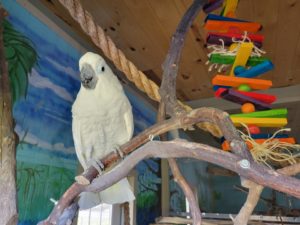
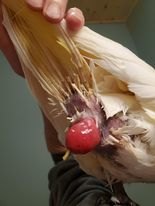
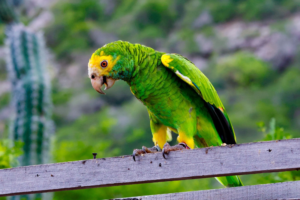
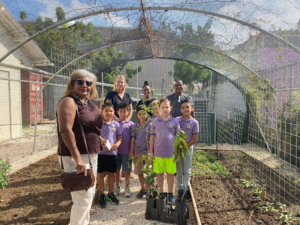
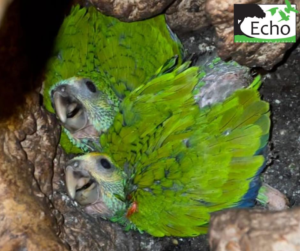
 Join us for a FREE, live, interactive webinar hosted by Laura Doering, former editor of Bird Talk magazine and Birds USA magazine.
 Join us for a FREE, live, interactive webinar hosted by Laura Doering, former editor of Bird Talk magazine and Birds USA magazine.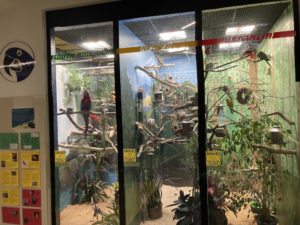
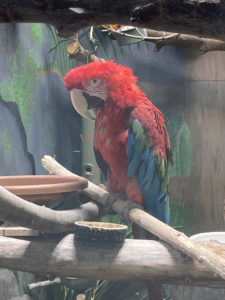
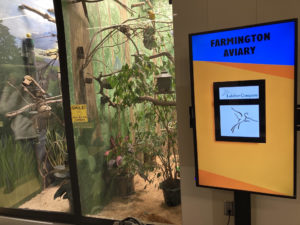
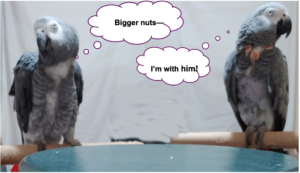
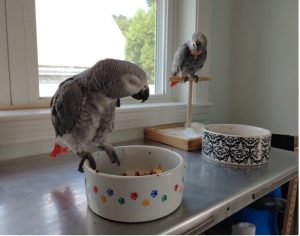
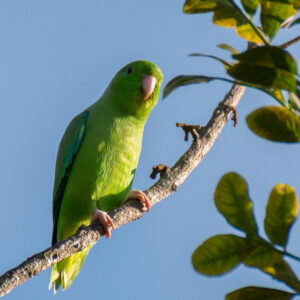
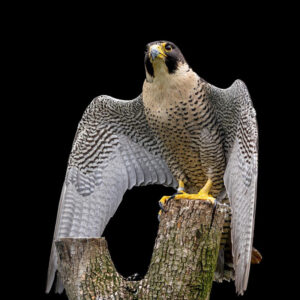
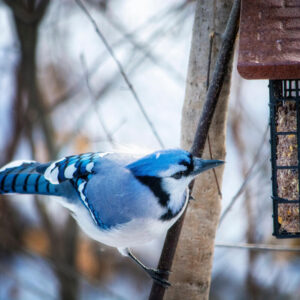
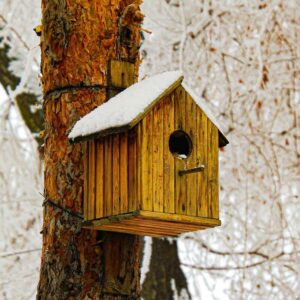
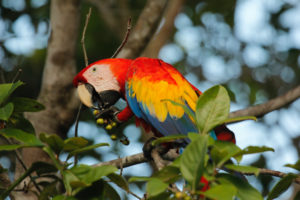
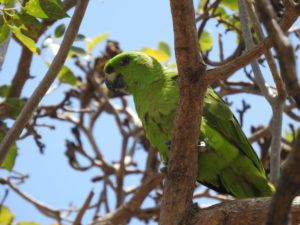
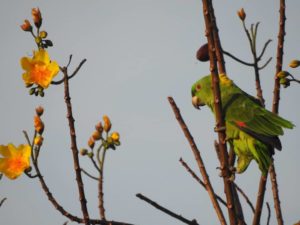
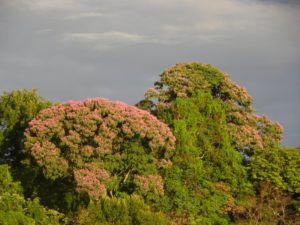
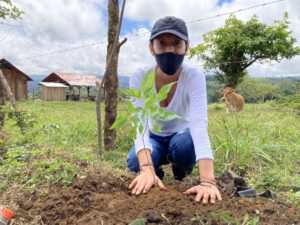
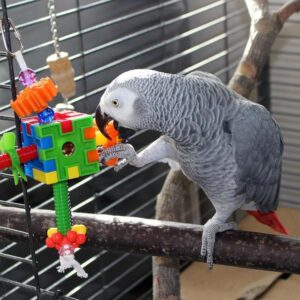
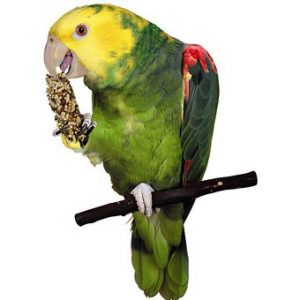
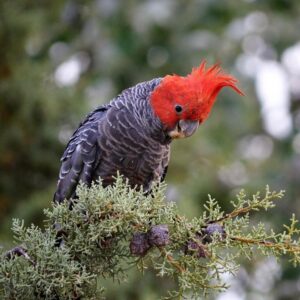
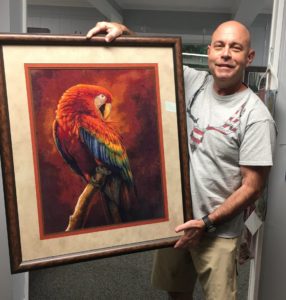
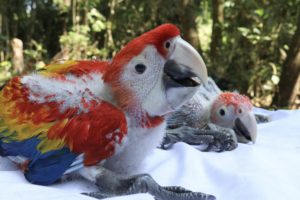 The Maya Biosphere Reserve (MBR) in Guatemala was created in 1990 to protect the tropical forest in Mesoamerica. After the Amazon, Mesoamerica’s Maya Forest is the largest remaining tropical rainforest in the Americas. The MBR is divided into zones with different status levels. The most protected “core zone” covers about 36% of the MBR and is intended to preclude human settlement, logging, or extraction of resources. There are several ancient Mayan cities within this area, and it is part of a tri-national system of contiguous protected areas spanning Guatemala, Belize, and Mexico. It is also home to scarlet macaws. However, this area is facing increased threats due to illegal human settlements, intentional forest fires, oil exploration, and cattle ranching.
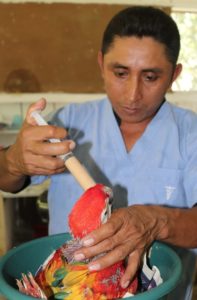 To accelerate recovery of the scarlets in this area, WCS is pulling the low-weight chicks from nests, raising them in a field laboratory, and placing them in foster nests when possible. They are also enlarging possible tree cavities, installing falcon-proof nests, and combatting Africanized bee infestations.
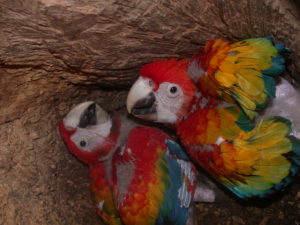 WCS has top-notch scientists working on conservation programs around the world and they produce many important research studies each year. Their mission is to work with indigenous people in order to build sustainable communities for both people and animals.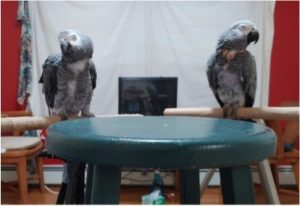
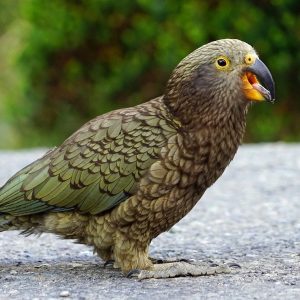
 Join us for a FREE, live, interactive webinar hosted by Laura Doering, former editor of Bird Talk magazine and Birds USA magazine. Our special guest, Dr. Stephanie Lamb, DVM, DABVP (Avian Practice), will talk about the top 5 bird species she treats most often, and the top 5 rarest bird species she has treated. Your Avian Vet will see many of the same species every week. The familiarity with these species can be helpful, even though each case is unique in its own way. On the other end of things, your Avian Vet sometimes sees an uncommon and even very rare avian species as a patient. Cases like this can bring their own set of challenges, especially if this is the first time the Vet has encountered a particular species. Find out what species are treated day-to-day, and how treating a rare species might be different, in this insider’s view of the daily happenings at your Avian Vet’s clinic.
 Join us for a FREE, live, interactive webinar hosted by Laura Doering, former editor of Bird Talk magazine and Birds USA magazine. Our special guest, Lisa Bono, CPBC, owner and operator of The Platinum Parrot and a certified parrot behavior consultant specializing in African grey parrots, presents Episode 6 of The Grey Way, a Lafeber Pet Birds Webinar Series focusing on Congo & Timneh African grey parrots as pets. In this episode, Lisa will talk about keeping your bird safe amidst holiday revelry. The holidays can bring family gatherings, festive decorations, decadent foods, seasonal spirits and all of the additional sounds and loud noises that go with festivities. All of the things that can make the holidays a celebration for people also bring anxiety and dangers for our pets. Greys can be especially sensitive to all of these sudden changes. Lisa will discuss how to prepare and protect our pet birds during the holidays. She will help us know how to still have a good time with family and friends while keeping the stress to a minimum for our birds. While Lisa’s advice will address Grey-centric concerns, the information in this webinar can help all pet birds. Let’s get ready for safe & happy holidays!
 Join us for a live, interactive webinar hosted by Laura Doering, former editor of Bird Talk magazine and Birds USA magazine. Our special guest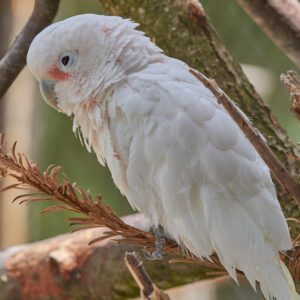

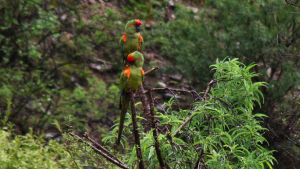
 Join us for a live, interactive webinar hosted by Laura Doering, former editor of Bird Talk magazine and Birds USA magazine. Our special guest
 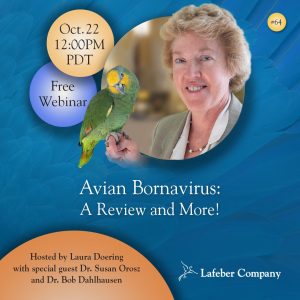 Join us for this very important FREE, live webinar hosted by Laura Doering, former editor of Bird Talk magazine and Birds USA magazine. Our special guests, Susan Orosz PhD, DVM, DABVP (Avian), DECZM (Avian) & Bob Dahlhausen, DVM, will provide a brief review on Avian Bornavirus(ABV) and how it can affect our various parrot species. The doctors will then expand on the information from the first ABV webinar, including more about diagnostic testing & treatments. They will also address questions that were pre-submitted by viewers. In order to provide as much information as possible, we will not be taking live questions.
 Join us for a FREE, live, interactive webinar hosted by Laura Doering, former editor of Bird Talk magazine and Birds USA magazine. Our special guest Stephanie Lamb, DVM, DABVP (Avian Practice), will talk about her experiences at the most recent ExoticsCon – an annual Veterinary conference that brings Vets & Technicians from all aspects of Exotics Medicine together to share new findings and interesting cases. From Scientific Sessions to Hands-On Labs, the specialized Vets & Techs are learning the latest in Exotics Medicine in order to provide the most advanced care for your Exotic Pets. When not in classes, these professionals are networking or visiting the exhibit hall where they can find out about new equipment, food, supplements and more to help their Exotic patients. What is a Hands-On Lab or a Poster Competition? Learn these answers as well as the importance and significance of Veterinary meetings and how they benefit you & your pets, during this insider’s view of ExoticsCon.
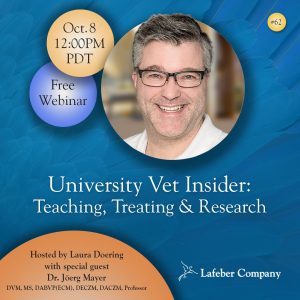 Join us for a FREE, live, interactive webinar hosted by Laura Doering, former editor of Bird Talk magazine and Birds USA magazine. Our special guest
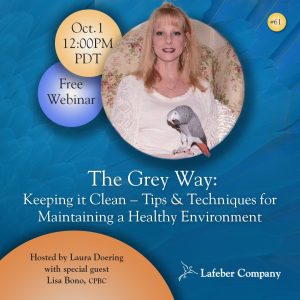 Join us for a FREE, live, interactive webinar hosted by Laura Doering, former editor of Bird Talk magazine and Birds USA magazine. Our special guest, Lisa Bono, CPBC, owner and operator of The Platinum Parrot and a certified parrot behavior consultant specializing in African grey parrots, presents Episode 5 of The Grey Way, a Lafeber Pet Birds Webinar Series focusing on Congo & Timneh African grey parrots as pets. In this episode, Lisa will talk about how to keep your cages & play stands clean to provide a healthy indoor environment for your pet birds. Whether you have one bird or a multi-bird household, cleaning doesn’t have to be a difficult chore if you establish a routine and good husbandry practices. From safe cleaners to keeping the indoor air healthy, Lisa will share tips to help you save time, making your life easier and giving you more quality time with your birds. She will explain why too much cleaning can be a health concern and where to draw the line between too clean and “call the cleaning police!” While Lisa will address grey-centric concerns, her cleaning lessons can help any pet bird owner.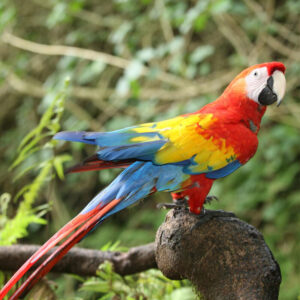
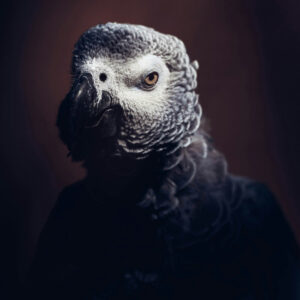
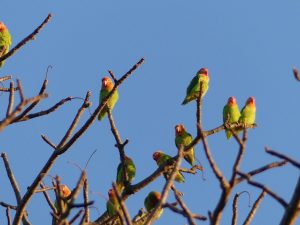
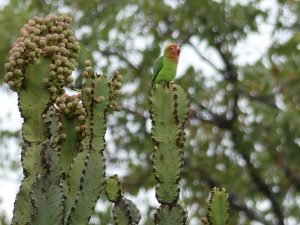
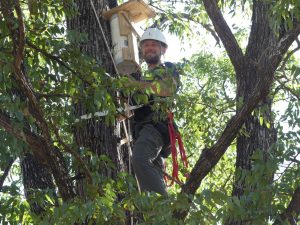

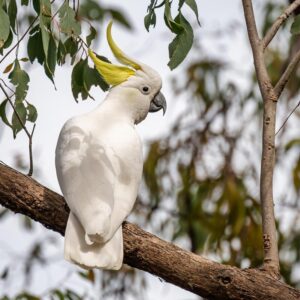
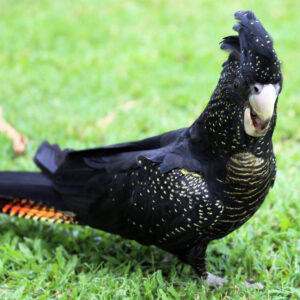
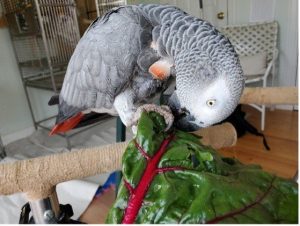
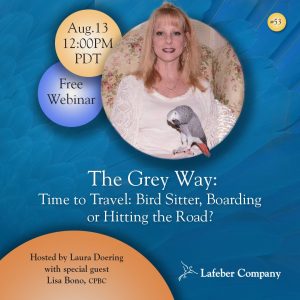 Join us for a FREE, live interactive webinar! Lisa Bono, CPBC, owner and operator of The Platinum Parrot and a certified parrot behavior consultant specializing in African grey parrots, presents Episode 4 of The Grey Way, a Lafeber Pet Birds Webinar Series focusing on Congo & Timneh African grey parrots as pets. In this episode, Lisa discusses your options when planning a trip. How to choose a qualified bird sitter or boarding facility? Is taking your Grey with you an option? Preparing your Grey for a road trip or air travel? There are many factors to consider, and Lisa’s webinar will help you make an informed decision.
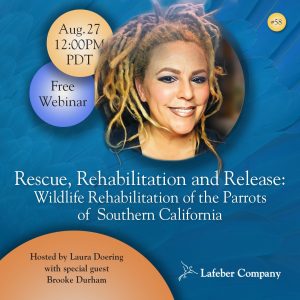 Join us for a FREE, live, interactive webinar hosted by Laura Doering, former editor of Bird Talk magazine and Birds USA magazine. Our special guest, Brooke Durham, will talk about SoCal Parrot, a licensed wildlife rehabilitation facility near San Diego, California. This unique facility is the only psittacine wildlife rehabilitation organization in the world that works solely with wild urban parrots. Brooke will discuss the species they work with, as well as research and conservation efforts the organization is involved with. The work they do goes beyond parrot rescue and rehabilitation. Learn all about the important work this organization does by tuning in to this unique webinar!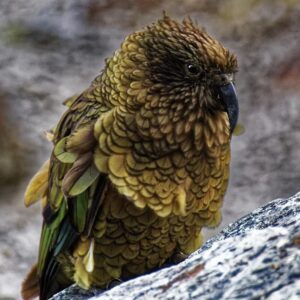


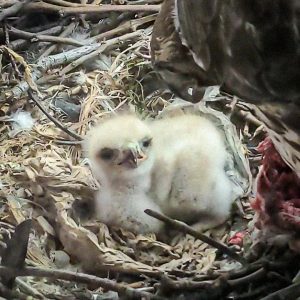
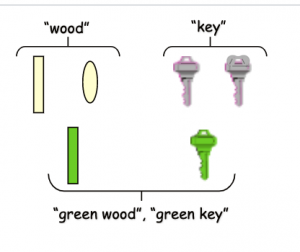
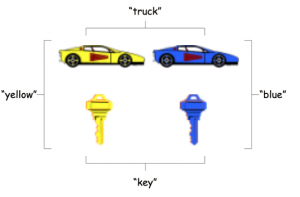
 Join us for this very important FREE, live
  Join us for a live, interactive
  Join us for a FREE, live, interactive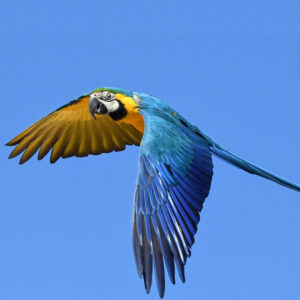
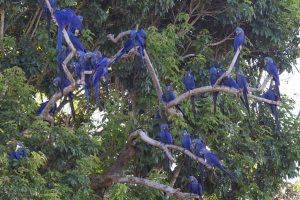
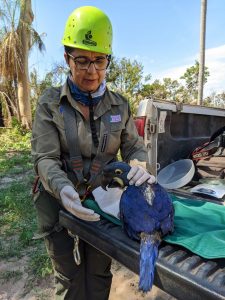

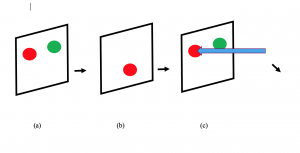
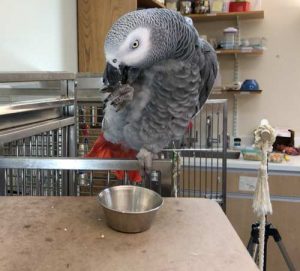
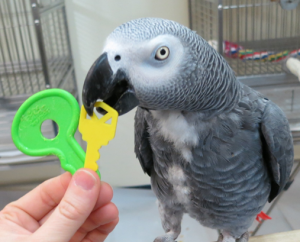
 Join us for a free interactive webinar: Heart to Heart: Pet Bird Behavior Q&A with
  Join us for a FREE, live, interactive webinar hosted by Laura Doering, former editor of Bird Talk magazine and Birds USA magazine. Our special guest,
  Join us for a live, interactive webinar hosted by Laura Doering, former editor of Bird Talk magazine and Birds USA magazine. Our special guest
  This webinar has been cancelled/postponed due to a medical crisis with one of Lisa’s Greys.