
The average small animal veterinarian may easily become comfortable with ferrets. Ferrets are hardy and relatively stoic, and as members of the order Carnivora, ferrets are predator species that approach the world in a manner similar to cats and dogs. A relatively small number of medical problems are seen very commonly in ferrets. Careful study of these conditions and attention to the unique aspects of ferret anatomy and behavior will prepare the veterinarian for basic emergency care of the ferret . . .
Pour les vétérinaires. Par les vétérinaires.
Le site Lafervet.com est conçu pour une utilisation par les vétérinaires. Il est ouvert aux vétérinaires diplômés, aux techniciens vétérinaires diplômés, aux animaliers et aux étudiants dans ces domaines.
Créer un compte pour accéder à des articles et des ressources du site.
L'inscription est gratuite.
Para Profesionales Veterinarios. Por Profesionales Veterinarios.
El sitio Lafervet.com es para uso de los profesionales veterinarios. Está abierto a los veterinarios licenciados, técnicos veterinarios licenciados, rehabilitadores licenciados y estudiantes en estos campos.
Cree una cuenta para acceder a los artículos y recursos del sitio.
La registro es gratis.
Already a LafeberVet Member?
Please Login
Cursory Examination of the Bird
Is your patient strong enough to handle manual restraint and a complete physical examination? In the debilitated or dyspneic patient, initially it may be prudent to place the patient in an incubator or oxygen cage in a dark, quiet room before evaluation. Even after the bird has had time to gather its strength and calm down after the stress of transport, it may only be strong enough to handle diagnostic testing, including physical examination, and treatment in stages . . .
Pour les vétérinaires. Par les vétérinaires.
Le site Lafervet.com est conçu pour une utilisation par les vétérinaires. Il est ouvert aux vétérinaires diplômés, aux techniciens vétérinaires diplômés, aux animaliers et aux étudiants dans ces domaines.
Créer un compte pour accéder à des articles et des ressources du site.
L'inscription est gratuite.
Para Profesionales Veterinarios. Por Profesionales Veterinarios.
El sitio Lafervet.com es para uso de los profesionales veterinarios. Está abierto a los veterinarios licenciados, técnicos veterinarios licenciados, rehabilitadores licenciados y estudiantes en estos campos.
Cree una cuenta para acceder a los artículos y recursos del sitio.
La registro es gratis.
Already a LafeberVet Member?
Please Login
Assessing the Sick Snake
Snake behavior will vary with the species, however the normal snake tends to be alert, responsive, and curious. Frequent tongue flicking is a sensory gathering behavior used to deliver scents to the vomeronasal organ. The normal snake is generally active, often coiling or twining its body. This is particularly true for smaller species. Signs of aggression in the snake may include . . .
Pour les vétérinaires. Par les vétérinaires.
Le site Lafervet.com est conçu pour une utilisation par les vétérinaires. Il est ouvert aux vétérinaires diplômés, aux techniciens vétérinaires diplômés, aux animaliers et aux étudiants dans ces domaines.
Créer un compte pour accéder à des articles et des ressources du site.
L'inscription est gratuite.
Para Profesionales Veterinarios. Por Profesionales Veterinarios.
El sitio Lafervet.com es para uso de los profesionales veterinarios. Está abierto a los veterinarios licenciados, técnicos veterinarios licenciados, rehabilitadores licenciados y estudiantes en estos campos.
Cree una cuenta para acceder a los artículos y recursos del sitio.
La registro es gratis.
Already a LafeberVet Member?
Please Login
Feeding the Hospitalized Turtle or Tortoise
Turtles and tortoises display a variety of dietary strategies ranging from the complete herbivory seen in many tortoises to the strict carnivory displayed in aquatic species like the snapping turtle. There are also many chelonians, such as the Eastern box turtle, that may be considered opportunistic omnivores. This review article, critiqued by reptile nutritionist, Susan Donoghue, discusses clinical concerns related to feeding the hospitalized turtle or tortoise. Topics covered range from recognizing true anorexia to food items to avoid. Practical technical concerns related to nutritional support such as tube feeding and daily caloric requirements are also discussed . . .
Pour les vétérinaires. Par les vétérinaires.
Le site Lafervet.com est conçu pour une utilisation par les vétérinaires. Il est ouvert aux vétérinaires diplômés, aux techniciens vétérinaires diplômés, aux animaliers et aux étudiants dans ces domaines.
Créer un compte pour accéder à des articles et des ressources du site.
L'inscription est gratuite.
Para Profesionales Veterinarios. Por Profesionales Veterinarios.
El sitio Lafervet.com es para uso de los profesionales veterinarios. Está abierto a los veterinarios licenciados, técnicos veterinarios licenciados, rehabilitadores licenciados y estudiantes en estos campos.
Cree una cuenta para acceder a los artículos y recursos del sitio.
La registro es gratis.
Already a LafeberVet Member?
Please Login
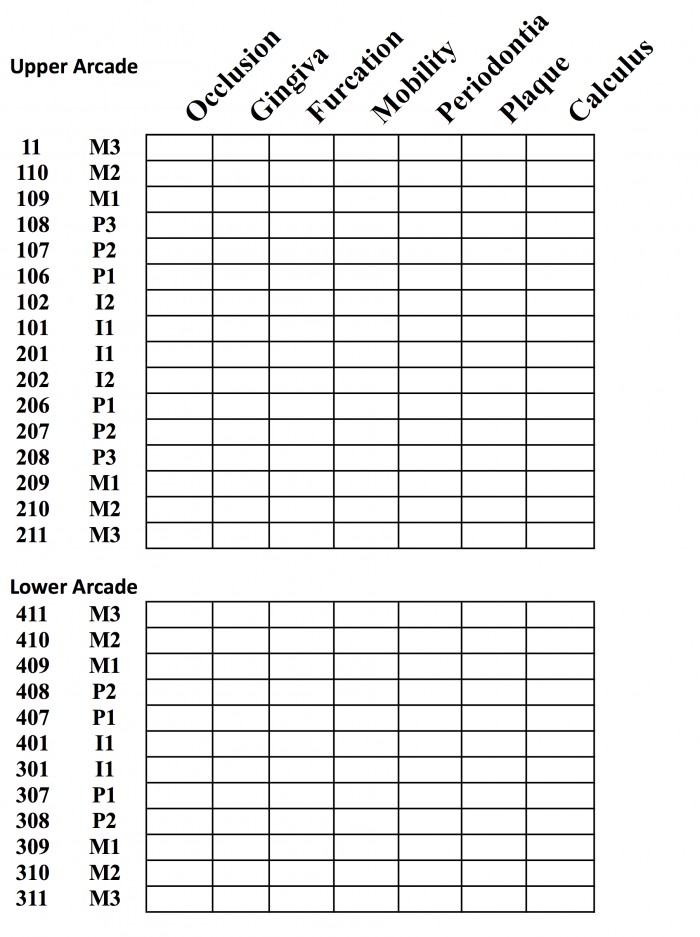
Rabbit Dental Chart
Downloadable charts
Click here to download the 2-page PDF version of the Rabbit Dental Chart (2 MB) or download the reduced size version (143 KB).

Procedures
| Radiographs | Local anesthetic nerve blocks |
|
|
References
Abdominocentesis in Birds
Abdominocentesis or coelomocentesis may be indicated for the accumulation of fluid within one or more of the peritoneal cavities. Peritoneal fluid can accumulate with a variety of diseases, including chronic liver disease, amyloidosis in waterfowl, iron storage disease in mynah birds and toucans, coelomic tumors in budgerigar parakeets, viral infections like Marek’s disease (resulting in cardiac tumors), peritonitis, congestive heart failure, ovarian cysts, and trauma. This article reviews the potential complications of this clinical technique, the equipment needed, sample handling, and cytodiagnosis . . .
Pour les vétérinaires. Par les vétérinaires.
Le site Lafervet.com est conçu pour une utilisation par les vétérinaires. Il est ouvert aux vétérinaires diplômés, aux techniciens vétérinaires diplômés, aux animaliers et aux étudiants dans ces domaines.
Créer un compte pour accéder à des articles et des ressources du site.
L'inscription est gratuite.
Para Profesionales Veterinarios. Por Profesionales Veterinarios.
El sitio Lafervet.com es para uso de los profesionales veterinarios. Está abierto a los veterinarios licenciados, técnicos veterinarios licenciados, rehabilitadores licenciados y estudiantes en estos campos.
Cree una cuenta para acceder a los artículos y recursos del sitio.
La registro es gratis.
Already a LafeberVet Member?
Please Login
Radiology in Birds: Imaging the Possibilities
Radiography is a non-invasive, informative tool that is designed to be used alongside other diagnostic information. This review article first provides tips that will maximize success and describes common radiographic positions. The bulk of this review article describes normal radiographic findings of various body systems but common abnormalities such as organomegaly are also described . . .
Pour les vétérinaires. Par les vétérinaires.
Le site Lafervet.com est conçu pour une utilisation par les vétérinaires. Il est ouvert aux vétérinaires diplômés, aux techniciens vétérinaires diplômés, aux animaliers et aux étudiants dans ces domaines.
Créer un compte pour accéder à des articles et des ressources du site.
L'inscription est gratuite.
Para Profesionales Veterinarios. Por Profesionales Veterinarios.
El sitio Lafervet.com es para uso de los profesionales veterinarios. Está abierto a los veterinarios licenciados, técnicos veterinarios licenciados, rehabilitadores licenciados y estudiantes en estos campos.
Cree una cuenta para acceder a los artículos y recursos del sitio.
La registro es gratis.
Already a LafeberVet Member?
Please Login
Dermatophytosis in Small Mammals
Although fungal disease is uncommon in small mammals, dermatophytosis is the most common mycosis seen in clinical practice. Despite the low incidence of clinical disease, rodents are common asymptomatic carriers of dermatophytes. Fungal pathogens are generally more important for their zoonotic potential. Rodents are frequently asymptomatic carriers of ringworm, and transmission of disease to human caretakers is not uncommon . . .
Pour les vétérinaires. Par les vétérinaires.
Le site Lafervet.com est conçu pour une utilisation par les vétérinaires. Il est ouvert aux vétérinaires diplômés, aux techniciens vétérinaires diplômés, aux animaliers et aux étudiants dans ces domaines.
Créer un compte pour accéder à des articles et des ressources du site.
L'inscription est gratuite.
Para Profesionales Veterinarios. Por Profesionales Veterinarios.
El sitio Lafervet.com es para uso de los profesionales veterinarios. Está abierto a los veterinarios licenciados, técnicos veterinarios licenciados, rehabilitadores licenciados y estudiantes en estos campos.
Cree una cuenta para acceder a los artículos y recursos del sitio.
La registro es gratis.
Already a LafeberVet Member?
Please Login
Presenting problem: Diarrhea in Chelonians
If you see reptiles in your clinical practice, you will encounter diarrhea in tortoises, and less commonly turtles. This paper describes the basics of case management beginning with anamnesis, continuing with information on the examination, tests and potential treatments and concluding with client education . . .
Pour les vétérinaires. Par les vétérinaires.
Le site Lafervet.com est conçu pour une utilisation par les vétérinaires. Il est ouvert aux vétérinaires diplômés, aux techniciens vétérinaires diplômés, aux animaliers et aux étudiants dans ces domaines.
Créer un compte pour accéder à des articles et des ressources du site.
L'inscription est gratuite.
Para Profesionales Veterinarios. Por Profesionales Veterinarios.
El sitio Lafervet.com es para uso de los profesionales veterinarios. Está abierto a los veterinarios licenciados, técnicos veterinarios licenciados, rehabilitadores licenciados y estudiantes en estos campos.
Cree una cuenta para acceder a los artículos y recursos del sitio.
La registro es gratis.
Already a LafeberVet Member?
Please Login
Presenting problem: Beak Trauma
Beak trauma is a common problem in the companion parrot. Beak injury most often occurs secondary to bird bites and other forms of aggression. Other potential causes include damage from inappropriate caging or toys and iatrogenic damage during . . .
Pour les vétérinaires. Par les vétérinaires.
Le site Lafervet.com est conçu pour une utilisation par les vétérinaires. Il est ouvert aux vétérinaires diplômés, aux techniciens vétérinaires diplômés, aux animaliers et aux étudiants dans ces domaines.
Créer un compte pour accéder à des articles et des ressources du site.
L'inscription est gratuite.
Para Profesionales Veterinarios. Por Profesionales Veterinarios.
El sitio Lafervet.com es para uso de los profesionales veterinarios. Está abierto a los veterinarios licenciados, técnicos veterinarios licenciados, rehabilitadores licenciados y estudiantes en estos campos.
Cree una cuenta para acceder a los artículos y recursos del sitio.
La registro es gratis.
Already a LafeberVet Member?
Please Login
Small Mammal Dental Formulas: Cheat Sheet
Introduction
Can’t quite recall the dental formula of the African pygmy hedgehog–or perhaps you never knew? Use LafeberVet’s “Small Mammal Dental Formulas: Cheat Sheet” as a quick and easy clinical resource.

Can’t quite recall an exotic companion mammal dental formula? Look no further…
Small Mammal Dental Formulas
| Species | Incisors | Canines | Premolars | Molars |
|---|---|---|---|---|
| Rabbit | 2/1 | 0/0 | 3/2 | 3/3 |
| Chinchilla | 1/1 | 0/0 | 1/1 | 3/3 |
| Degu | 1/1 | 0/0 | 1/1 | 3/3 |
| Guinea pig | 1/1 | 0/0 | 1/1 | 3/3 |
| Rat | 1/1 | 0/0 | 0/0 | 3/3 |
| Mouse | 1/1 | 0/0 | 0/0 | 3/3 |
| Hamster | 1/1 | 0/0 | 0/0 | 3/3 |
| Gerbil | 1/1 | 0/0 | 0/0 | 3/3 |
| Chipmunk | 1/1 | 0/0 | 1/1 | 3/3 |
| Prairie dog | 1/1 | 0/0 | 2/2 | 3/3 |
| Ferret | 3/3 | 1/1 | 4/3 | 1/2 |
| Pygmy hedgehog | 3/2 | 1/1 | 3/2 | 3/3 |
| Sugar glider | 3/2 | 1/0 | 3/3 | 4/4 |
| Opossum, Virginia | 5/4 | 0-1/1 | 3/3 | 4/4 |
References
Promoting Dental Health in Small Herbivores: Five Things You Can Do
Acquired dental disease is an important problem in pet rabbits and rodents. Clinical management of dental disease is complex, frequently involving invasive technical procedures, therefore it is preferable to promote dental health, rather than treating dental disease. What are five things you can do to promote dental health in small herbivores . . .
Pour les vétérinaires. Par les vétérinaires.
Le site Lafervet.com est conçu pour une utilisation par les vétérinaires. Il est ouvert aux vétérinaires diplômés, aux techniciens vétérinaires diplômés, aux animaliers et aux étudiants dans ces domaines.
Créer un compte pour accéder à des articles et des ressources du site.
L'inscription est gratuite.
Para Profesionales Veterinarios. Por Profesionales Veterinarios.
El sitio Lafervet.com es para uso de los profesionales veterinarios. Está abierto a los veterinarios licenciados, técnicos veterinarios licenciados, rehabilitadores licenciados y estudiantes en estos campos.
Cree una cuenta para acceder a los artículos y recursos del sitio.
La registro es gratis.
Already a LafeberVet Member?
Please Login
Presenting problem: Cardiac Dysrhythmia in the Ferret
Have you ausculted an arrhythmia in a ferret. Now what? Cardiac dysrhythmias can encompass a wide range of clinical syndromes that vary in significance and signs.
Do you consider ferret arrhythmias a cinch? Take our quiz to confirm you're ready to auscult in a pinch . . .
Pour les vétérinaires. Par les vétérinaires.
Le site Lafervet.com est conçu pour une utilisation par les vétérinaires. Il est ouvert aux vétérinaires diplômés, aux techniciens vétérinaires diplômés, aux animaliers et aux étudiants dans ces domaines.
Créer un compte pour accéder à des articles et des ressources du site.
L'inscription est gratuite.
Para Profesionales Veterinarios. Por Profesionales Veterinarios.
El sitio Lafervet.com es para uso de los profesionales veterinarios. Está abierto a los veterinarios licenciados, técnicos veterinarios licenciados, rehabilitadores licenciados y estudiantes en estos campos.
Cree una cuenta para acceder a los artículos y recursos del sitio.
La registro es gratis.
Already a LafeberVet Member?
Please Login
Tacy Rupp, MS, DVM, DACVIM
Tacy Rupp, DVM, MS, Dipl. ACVIM is a board-certified veterinary cardiologist. Her practice in southern Florida, Veterinary Cardiopulmonary Care Center, is devoted exclusively to veterinary cardiology and pulmonary medicine. Dr. Rupp received her doctorate from The Ohio State University College of Veterinary Medicine in 1994. She completed a small animal internship at North Carolina State Veterinary Teaching Hospital, and then returned to Ohio State to complete a residency in cardiology and a Master’s of Science degree.
Presenting problem: Dyspnea in Rats
Unfortunately respiratory disease is common in pet rats. Although most cases of respiratory disease in the rat are multifactorial, the most significant and serious bacterial pathogen is Mycoplasma pulmonis. Institute medical therapy as soon as possible in rats with respiratory disease since this improves . . .
Pour les vétérinaires. Par les vétérinaires.
Le site Lafervet.com est conçu pour une utilisation par les vétérinaires. Il est ouvert aux vétérinaires diplômés, aux techniciens vétérinaires diplômés, aux animaliers et aux étudiants dans ces domaines.
Créer un compte pour accéder à des articles et des ressources du site.
L'inscription est gratuite.
Para Profesionales Veterinarios. Por Profesionales Veterinarios.
El sitio Lafervet.com es para uso de los profesionales veterinarios. Está abierto a los veterinarios licenciados, técnicos veterinarios licenciados, rehabilitadores licenciados y estudiantes en estos campos.
Cree una cuenta para acceder a los artículos y recursos del sitio.
La registro es gratis.
Already a LafeberVet Member?
Please Login
Presenting problem: Urethral Obstruction in the Ferret
Urethral obstruction is an important reason for emergency presentation of the male ferret. If not corrected, obstruction can result in severe metabolic disturbances, coma, and death.
Signs of complete urethral obstruction are usually not very subtle. Ferrets may strain violently or cry when attempting to urinate. Owners may misinterpret the straining observed as “constipation”, and tenesmus may even lead to diarrhea in some cases. Occasionally, a ferret with blockage will present for lethargy, weakness, anorexia, and even collapse without obvious signs of dysuria although the urinary bladder will be . . .
Pour les vétérinaires. Par les vétérinaires.
Le site Lafervet.com est conçu pour une utilisation par les vétérinaires. Il est ouvert aux vétérinaires diplômés, aux techniciens vétérinaires diplômés, aux animaliers et aux étudiants dans ces domaines.
Créer un compte pour accéder à des articles et des ressources du site.
L'inscription est gratuite.
Para Profesionales Veterinarios. Por Profesionales Veterinarios.
El sitio Lafervet.com es para uso de los profesionales veterinarios. Está abierto a los veterinarios licenciados, técnicos veterinarios licenciados, rehabilitadores licenciados y estudiantes en estos campos.
Cree una cuenta para acceder a los artículos y recursos del sitio.
La registro es gratis.
Already a LafeberVet Member?
Please Login
Pain Management in Small Mammals
This brief article was created to serve as a synopsis of LafeberVet's longer, more detailed "Analgesia in Small Mammals" authored by veterinary anesthesiologist, Dr. Paul Flecknell . . .
Pour les vétérinaires. Par les vétérinaires.
Le site Lafervet.com est conçu pour une utilisation par les vétérinaires. Il est ouvert aux vétérinaires diplômés, aux techniciens vétérinaires diplômés, aux animaliers et aux étudiants dans ces domaines.
Créer un compte pour accéder à des articles et des ressources du site.
L'inscription est gratuite.
Para Profesionales Veterinarios. Por Profesionales Veterinarios.
El sitio Lafervet.com es para uso de los profesionales veterinarios. Está abierto a los veterinarios licenciados, técnicos veterinarios licenciados, rehabilitadores licenciados y estudiantes en estos campos.
Cree una cuenta para acceder a los artículos y recursos del sitio.
La registro es gratis.
Already a LafeberVet Member?
Please Login
Feeding the Hospitalized Lizard
Introduction
Most reptiles will not waste away if they skip a meal or two. A more common mistake is to feed the hospitalized lizard too quickly before the animal is hydrated and warm (Fig 1). Reptiles are ectothermic or poikilothermic therefore body temperature relies on the environment rather than internal metabolism. To minimize stress, provide patients with an appropriate temperature gradient and take measures to meet other environmental requirements, which can vary widely. For instance a species native to an arid environment, such as the bearded dragon (Pogona vitticeps) requires a much lower relative humidity when compared to a tropical species such as the crested gecko (Rhacodactylus spp). Crested geckos do well in moderate humidity provided by live plants, a shallow water bowl and daily misting (Table 1). (See Hospitalizing Non-Traditional Pets for more specific advice.)
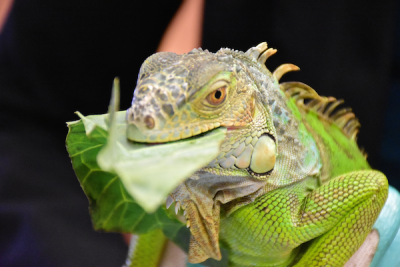
Figure 1. Ensure the lizard is hydrated and warm enough to handle nutritional support. Photo credit: Resa McLellan. Click image to enlarge.
| Table 1. A comparison of husbandry requirements for the bearded dragon and crested gecko | ||
|---|---|---|
| Bearded dragon | Crested gecko | |
| Preferred optimum temperature zone | 27-31°C (80-88 °F) | 22-27°C (72-80°F) |
| Basking light | 33-35°C (92-95°F) | |
| Nighttime low | 16-21°C (60-70°F) | 18°C (mid-60s°F ) |
| Relative humidity | 30-50% | 65-75% |
Dehydration is a common finding in sick reptiles. Dehydrated lizards may display sunken eyes and dry loose skin fold. Maintenance fluid replacement has been estimated at 20-40 ml/kg/day for lizards.
Dietary strategies
Most lizards are insectivores or omnivores, however a wide range of dietary strategies are employed (Table 2), and as in other taxa, dietary strategies in lizards do not always fall into easy categories:
- Spiny-tailed lizard (Uromastyx spp.) are herbivore-granivore-insectivores that should be offered greens, a variety of seeds, such as peas, lentils, and bird seed, as well as the occasional invertebrate.
- Small monitors and tegus may eat some fruit even though they are predominately carnivorous.
- The Savannah monitor (Varanus exanthematicus) is a carnivore-insectivore.
- Chuckwallas (Sauromalus spp.) are herbivore-insectivores.
- Although chameleons are insectivorous, the veiled chameleon (Chamaeleo calyptratus) can also consume small amounts of leaves, greens, or fruit.
- Crested geckos and day geckos (Phelsuma spp.) are insectivore-nectarivores. Captive specimens are fed insects and fruit baby food.
| Table 2. Dietary strategies practiced in lizards. | ||||
|---|---|---|---|---|
| Dietary strategy | Gastrointestinal tract | Primary sources of dietary energy | Examples | Prey or natural food items |
| Carnivore (vertebrates) | Relatively short and simple gut | Fat, protein | Large monitors (Varanidae) |
See Self-feeding for more details. |
| Insectivore (invertebrates) | Enzymes that digest chitin have been found within the gut, pancreas and liver of insectivorous reptiles (Micha 1973, Marsh 2001). | Fat, protein |
|
See Self-feeding for more details. |
| Herbivore | The distal gut is relatively large for bacterial fermentation of fiber. | Fermented fiber and soluble carbohydrate |
|
See Self-feeding for more details. |
| Omnivore | Fat, protein, and soluble carbohydrate. |
|
See Self-feeding for more details. |
|
Recognizing true anorexia
Fasting may be expected in lizards during certain times of the year. Many gravid females eat less or go off feed entirely due to the large number of eggs filling the coelom (Gregory 1999). Some species also fast for weeks or months as an adaptation to excess heat or cold, drought, or lack of food. This dormancy in reptiles is called brumation as opposed to true hibernation. Fasting may be observed in captive animals, such as bearded dragons, even when kept warm with adequate food and water.
True brumation is associated with very little weight loss since the metabolic rate slows dramatically and the lizard consumes much less energy. Routine weighing is recommended for fasting reptiles. Prolonged or multiple fasts in less than ideal conditions or brumation of a sick or thin reptile can lead to starvation and debilitation.
Nutritional support
To determine if nutritional support is indicated in your lizard patient, obtain a detailed history and look for evidence of clinical disease. The first questions to ask when evaluating an anorectic lizard are: Does this species normally brumate in the wild? And Is this individual gravid? Even if your patient is brumating or gravid, it can still encounter health problems so next determine if there has been significant weight loss. The slower metabolism of the reptile means that body weight may not be the most sensitive clinical parameter. Evaluate body condition by assessing the degree of muscle and fat over bony protuberances. The vertebral processes, ribs, and pelvic girdle should not be readily palpable.
Laboratory diagnosis of starvation can be difficult in the reptile. Blood glucose and electrolytes decrease inconsistently. Low plasma albumin may also suggest malnutrition. Survey radiographs may be used to rule out gastrointestinal obstruction or impaction. Use ultrasound to confirm the presence of intracoelomic fat bodies.
Once the need for nutritional support has been confirmed, determine how to best deliver food to your patient. Encourage self-feeding (see below) whenever possible, however limit insects to critically ill reptiles. Chitin in the insect’s exoskeleton is a source of nonprotein nitrogen which can be deleterious to water balance and renal function in the critical patient (Donoghue 2006).
Critically ill reptiles may be syringe or tube fed EmerAid critical care formula. When tube feeding, select a relatively wide bore tube such as a red rubber catheter or a stainless steel feeding needle. Use a speculum to hold the mouth open and take care not to injure the teeth. Rubber spatulas, some bird speculums, or padded hemostats can all serve as mouth specula.
Visit Nutritional Support in Reptiles for demonstrations of syringe/tube feeding lizards.
To syringe or tube feed a lizard:
- First weigh the patient on a gram scale.
- Provide fluids and electrolytes as needed.
- Calculate caloric requirements. Daily energy needs are estimated as SMR = 32 (BW0.75)for reptiles kept at 86°F (30°C) where SMR is basal metabolic rate in kcalories per day and BW is in kilograms (Table 3). Variations in metabolism have been documented between seasons, gender age diet, and habitat.
Table 3. Estimated daily maintenance caloric requirements (1XSMR) in reptiles based on 32 (BW0.75)* Body weight (grams) Daily caloric requirements (kcal/day) 5 0.60 10 1.01 25 2.01 50 3.38 75 4.59 100 5.69 150 7.71 200 9.57 300 12.97 400 16.10 500 19.03 600 21.82 700 24.49 800 27.07 900 29.57 1000 32.00 2000 53.82 3000 72.94 4000 90.51 5000 107.00 10,000 179.95 15,000 243.90 20,000 302.64 25,000 357.77 30,000 410.20 * BW stands for body weight in kilograms; based on values at 30°C (86°F) (Donoghue 2006) - For the first 2-4 days, feed debilitated patients 40%-75% of daily energy requirements to avoid digestive and metabolic upset. Overfeeding a starved critically ill patient can lead to life-threatening decreases in potassium and phosphorus. Rapid administration of calories, particularly carbohydrates, predisposes patients to this “refeeding syndrome”. Gradually increase calories fed to 100% of calculated energy requirements.
- When feeding, also keep mechanical limitations in mind. The stomach capacity of most adult lizards ranges from 2%-5% body weight. Therefore the stomach of a 100 gram lizard should theoretically be able to hold somewhere between 2-5 ml of formula.
- Monitor patients for stool production
- Gradually taper off assisted feeding whenever possible.
Self-feeding lizards
To stimulate voluntary feeding of the hospitalized lizard, house the patient in an environment appropriate for the species with a basking light and an appropriate temperature gradient.
Offer hospitalized carnivorous lizards warm meat baby food or warm, pre-killed whole prey. Feeding rates vary with species, age, size, and condition. Depending on these factors, those eating vertebrate prey are fed from 3-times weekly to once monthly. Reptiles eating invertebrate prey may be fed several times daily to about twice weekly.
Although short-term feeding of frozen foods is economical and convenient, offer herbivorous lizards fresh produce whenever possible. Wash all fruits and vegetables, and then chop into bite-size portions. Allow salad mixtures to reach room temperature for 30-60 minutes before feeding. Flat plates are preferable to bowls for many species, however the lizard can easily walk through its meal so take care to minimize or prevent fecal contamination.
- The bulk of the green iguana (Iguana iguana) diet should consist of raw, chopped, dark, leafy greens (i.e. mustard greens, collard greens, turnip greens, dandelion greens, escarole, endive, water cress). Mix leafy greens with other vegetables such as legumes, carrot tops, okra, bell pepper, mushrooms, zucchini, mild peppers, and pumpkin.
- Small amounts of brightly colored produce such as strawberry, tomato, melon, banana (with peel), yellow squash, and sweet potato can attract attention and stimulate the appetite.
- Well-washed, chemical-free leaves and blossoms such as clover, dandelion, grape leaves, Hibiscus, kudzu, Nasturtium, Pothos, and rose are consumed by green iguanas and Uromastyx spp.
The bearded dragon is a popular omnivorous lizard. The diet of the adult bearded dragon should include:
- Crickets and other insects
- Dark, leafy greens such as collard greens, kale, romaine, dandelion, turnip greens, mustard greens, beet greens, bok choy, Swiss chard, spinach, chicory, and escarole.
- Mix greens with other vegetables such as squash, zucchini, sweet potato, broccoli, peas, carrot, beans, okra, bean sprouts, or frozen mixed vegetables
- Flower blossoms like hibiscus make great treats.
- Commercial diets are sold for bearded dragons. The completeness, balance, efficacy and safety of these products have not been confirmed by independent evaluations or trials.
Insect eaters are often fed mealworms purchased at the local pet store or grown in a mealworm “farm”. Earthworms may be obtained from a local bait shop.
As a general rule, invertebrate prey should be no longer than the width of the lizard’s head or preferably insect prey should be 75% of head width.
Invertebrates are typically fed alive because their movement stimulates feeding behavior. Allow insect prey to roam freely through the habitat or place them in a bowl or cup. Place insects intended for chameleons directly in front of the animal or within a smooth-sided bowl suspended in the branches. Be sure to count the number of insects before placing them in the cage so the amount eaten may be determined. Never place more insects in the cage than may be eaten at one time. Feed adult lizards once daily; feed juveniles two to three times a day. Insect prey should be removed if uneaten after 6-8 hours as they can nibble on lizard toes, eyes, or other body parts.
Food items to avoid
Avoid feeding in large quantities:
- Broccoli, kale, bok choy, radish as they contain goiterogenic or iodine-binding substances.
- Spinach, beets, celery stalks, and carrots are high in oxalates.
The following food items are considered toxic based on anecdotal evidence:
- Avocados (although iguanas have been observed eating in the wild)
- Rhubarb
- Eggplant
- Azaleas
- Tulips
- Daffodils
- Fireflies (toxicity documented in bearded dragons)
- Eastern tent caterpillar
- Invertebrates in contact with pesticides or herbicides
Feeding long-term
During a short-term hospital stay, vitamin-mineral supplementation may not be absolutely necessary. Long-term feeding requires supplementation for good health, however supplement with care to minimize the risk of under- or over-supplementation.
- Young, growing lizards should receive vitamins once or twice weekly and calcium once daily.
- Donoghue has recommended the vitamin supplement contain 100 parts vitamin A to 10 parts vitamin D3 to 1 part vitamin E.
- The rate of dusting should decrease as the animal grows. Food intended for mature adults is generally dusted with calcium once or twice weekly, and with a multivitamin every 2-4 weeks.
- Invertebrates are dusted with supplement by placing prey in a container and shaking. Alternatively, add food items to a bowl with supplement.
Water
Unless the lizard has neurologic deficits or is extremely weak, make water available at all times. Many, but not all, lizards will drink from bowls. Also provide a large, shallow, sturdy container that allows easy entry and exit for soaking. Soaking enhances water uptake, stimulates defecation, and aids shedding.
Arboreal species, like Old World chameleons, geckos, and anoles, only lap droplets from leaves. Provide chameleons with a water drip system. Dropper systems are commercially available. Makeshift systems may be created with intravenous tubing, or a plastic container of water set on top of the cage with a pinhole in the bottom. Most tropical species should have access to water misted onto plants once or twice daily.
References
Evaluation of Bird Droppings
Normal bird droppings consist of three components: feces, urine, and urates. Urine and urates are the products of the avian kidney. The medullary or mammalian nephron of the bird kidney produces urine. The more numerous cortical or reptilian nephron produces a soluble form of uric acid or . . .
Pour les vétérinaires. Par les vétérinaires.
Le site Lafervet.com est conçu pour une utilisation par les vétérinaires. Il est ouvert aux vétérinaires diplômés, aux techniciens vétérinaires diplômés, aux animaliers et aux étudiants dans ces domaines.
Créer un compte pour accéder à des articles et des ressources du site.
L'inscription est gratuite.
Para Profesionales Veterinarios. Por Profesionales Veterinarios.
El sitio Lafervet.com es para uso de los profesionales veterinarios. Está abierto a los veterinarios licenciados, técnicos veterinarios licenciados, rehabilitadores licenciados y estudiantes en estos campos.
Cree una cuenta para acceder a los artículos y recursos del sitio.
La registro es gratis.
Already a LafeberVet Member?
Please Login
Presenting problem: Shelled Egg Palpable
Understanding dystocia in the bird
Detecting a shelled egg on physical examination is not necessarily a problem—birds lay eggs everyday! However palpation of a shelled egg is an important clinical finding that can be associated with dystocia. The egg is shelled in a distal part of the oviduct called the uterus or shell gland. Therefore a shelled egg would normally be palpable in either the uterus, vagina or cloaca.
Egg binding occurs when the egg fails to pass though the oviduct at a normal rate. In most parrots, an egg typically moves through the oviduct over 24-48 hours. In egg binding, the hen does not show active signs of “oviposition” or “labor”. She is not in distress although an egg moving slowly through the reproductive tract is at an increased risk for problems such as adhesion formation.
In dystocia the egg is stuck in the caudal uterus, vagina, or uterovaginal sphincter (the bird’s analog to the cervix). Dystocia is a critical condition that requires immediate action. The egg (especially an overly large egg) can compress vessels leading to cold, pale feet, or even shock. Nerve compression can lead to paresis or paralysis. An egg can also interfere with elimination leading to metabolic problems, and pressure on the oviductal wall can lead to necrosis and rupture.
Key points of urgent care
Direct initial efforts towards stabilizing the patient:
- Provide pain relief as needed such as meloxicam (0.2-0.5 mg/kg PO, IM, SC q12-24h) and/or butorphanol (1-4 mg/kg IM q6-12h)
- Give warmed fluids with or without dextrose.
- Place the bird in a warm, dark, humidified environment.
- Calcium gluconate (50-100 mg/kg SC, IM diluted with an equal volume of sterile water or saline) is indicated in birds on an all-seed diet, chronic egg layers, or in hens without radiographic evidence of osteomyelosclerosis.
In some cases, heat, steam and calcium will allow the egg to pass. Gentle coelomic massage can also be helpful.
A medium to large-sized parrot may be observed for up to 24 hours as long as the bird is stable. The smaller the patient the more aggressive the approach required. Start drug therapy within an hour or so if an egg has not passed in tiny songbirds like canaries or finches. See therapy below.
Case management
Signalment
Reproductive disease is most commonly seen in small parrots:
- Cockatiel (Nymphicus hollandicus)
- Lovebird (Agapornis spp.)
- Budgerigar parakeet (Melopsittacus undulatus)
History and examination
Obtain a complete history including information about husbandry including mineral supplementation as well as a reproductive history. Carefully evaluate droppings. Blood may be seen in the droppings with dystocia.
Reproductive history should include:
- When was the last clutch (or collection of eggs) laid?
- How many eggs were laid?
- Were the eggs normal in size and shape?
- Has broody (or reproductive) behavior been observed such as a increase in appetite, particularly for calcium-rich foods? Does the bird seek dark places or exhibit nest-building behavior like paper shredding? Some hens may become cage protective or aggressive?
A chronic egg layer produces a larger than normal clutch or it produces repeated clutches, regardless of the existence of a suitable mate or the season. Without special modifications to the diet, repeated egg production leads to a depletion of body calcium and protein stores, which may promote egg binding, dystocia, and weight loss.
Physical examination should include careful evaluation of the oropharynx and crop, coelomic palpation, and inspection of the vent.
| Distinguishing normal oviposition from dystocia: | |
|---|---|
Normal egg laying or oviposition:
|
Dystocia:
Blood may be seen from the vent or in the droppings. |
Large eggs may cause air sac compression, which can lead to tachypnea or dyspnea. If increased respiratory effort is observed, it may be prudent to postpone physical examination of dyspneic birds until after the bird has rested in an oxygen cage.
Physical examination should include careful evaluation of the oropharynx and crop, coelomic palpation, and inspection of the vent.
| Examination of the bird with shelled egg | |
|---|---|
| Oropharynx |
|
| Crop |
|
| Coelomic palpation |
|
| Vent |
|
Differential diagnoses
A shelled egg should be present at the level of the shell gland or lower. The presence of the egg can be a normal physiologic finding or may be due to egg binding or dystocia.
Multiple factors are believed to be involved in the development of dystocia and egg binding:
- Chronic egg production
- Large, misshapen or malformed eggs
- Obesity or lack of exercise
- Elderly birds, birds laying their first clutch, and birds bred out of season
- Calcium deficiency, vitamin E/selenium deficiency
- Oviductal disease (infection, neoplasia, or trauma)
- Cloacal masses
- Systemic disease or other stressors
- Heredity
Less commonly, a shelled egg may be moved higher within the oviduct by retroperistalsis. In rare instances, a shelled egg may even be found free within the coelom. Ectopic eggs occur secondary to retroperistalsis or after uterine rupture.
Diagnostics
Distinguishing dystocia from egg binding often relies on history, observation of the patient, and careful palpation, however if the bird is sufficiently stable use radiography and clinical pathology, especially calcium levels. Take survey whole body radiographs to evaluate egg size, shape, and position (Fig 1).

Figure 1. Take survey whole body radiographs to evaluate egg size, shape, and position. Note: The position of the round and pointed ends of the egg normally varies. Click image to enlarge.
Also look for the presence of osteomyelosclerosis. Ossification of long bones or osteomyelosclerosis is a normal radiographic finding in the hen gearing up to lay eggs is. Bone marrow ossification occurs secondary to rising estrogen levels and provides a critical calcium reserve for the hen to shell and pass the egg through the reproductive tract (Fig 2). The absence of osteomyelosclerosis in a hen with a shelled egg is very significant because this suggests she lacks the calcium reserves needed for normal uterine contraction waves that will expel the egg.

Figure 2. Ossification of long bones or osteomyelosclerosis (yellow arrows) compared to normal radiographic appearance of bone in the bird (red arrows). Click image to enlarge.
Therapy
Stimulate uterine contractions using oxytocin or prostaglandin F2 alpha (Lutalyse®, Pfizer). Remember neither drug relaxes the uterovaginal sphincter, so their use in complicated cases of dystocia (i.e. adhesions, oversized egg, oviductal torsion) can lead to reverse peristalsis or even uterine rupture. Drug therapy can be attempted for 12 to 24 hours in most patients unless the bird’s clinical condition requires more rapid intervention (i.e. cold, pale feet; recumbency, not defecating).
More aggressive techniques that may be practiced by avian veterinarians include:
- Ovocentesis
- Manual expression of the egg using gentle digital pressure under general anesthesia.
- Laparotomy and hysterectomy
For management of egg binding, provide fluids and calcium supplementation to promote movement of the egg. Antibiotics are indicated when metritis or salpingitis are thought to play a role in egg binding.
After the egg has been laid:
- Administer a drug to inhibit egg laying such as human chorionic gonadotropin (HCG) (500 IU/kg IM on Day 1, 3 and 7), or more commonly, leuprolide acetate (Depo Lupron, TAP Pharmaceuticals) (100-200 µg/kg IM q 2-4 weeks).
- Consider antibiotics since assisted egg laying may lead to a flaccid cervix allowing the reflux of feces, urine, or urates into the uterus and secondary salpingitis or metritis.
- Improve the bird’s plane of nutrition, particularly the calcium and protein content of the diet
- Also recommend behavioral and environmental changes that can halt egg laying (see the Client handout: Chronic egg laying).
- Identify the underlying cause of dystocia.
References
Gastrointestinal Problems in Rabbits
Gastrointestinal problems are common in the pet rabbit. A thorough history, including a detailed dietary history, can provide invaluable clues to the problem at hand. Signs of gastrointestinal discomfort in the rabbit may include bruxism, reluctance to move, and anorexia. If there is a history of anorexia, it is imperative to differentiate whether the rabbit is not eating because it has no interest in food, or if it is showing an interest in food but unable to eat. A complete lack of appetite is most commonly seen with physiological problems such as renal failure, whereas a reluctance to eat is . . .
Pour les vétérinaires. Par les vétérinaires.
Le site Lafervet.com est conçu pour une utilisation par les vétérinaires. Il est ouvert aux vétérinaires diplômés, aux techniciens vétérinaires diplômés, aux animaliers et aux étudiants dans ces domaines.
Créer un compte pour accéder à des articles et des ressources du site.
L'inscription est gratuite.
Para Profesionales Veterinarios. Por Profesionales Veterinarios.
El sitio Lafervet.com es para uso de los profesionales veterinarios. Está abierto a los veterinarios licenciados, técnicos veterinarios licenciados, rehabilitadores licenciados y estudiantes en estos campos.
Cree una cuenta para acceder a los artículos y recursos del sitio.
La registro es gratis.
Already a LafeberVet Member?
Please Login
How to Feed the Small Herbivore Gastrointestinal Tract
Introduction
Small herbivores are able to utilize a high-fiber, low-grain diet. Larger herbivores, like the capybara (Hydrochoerus hydrochaeris) are grazers, able to subsist on poor-quality, low-energy bulk or roughage, however many small herbivores like the rabbit (Oryctolagus cuniculus) are “browsers” or concentrate selectors. When allowed to select their own diet in a natural setting, rabbits will select the most tender, nutrient-dense parts of the plant.
Gastrointestinal anatomy and physiology
Among small herbivorous non-ruminants, the gastrointestinal tract of the rabbit is the most specialized and this manuscript will focus on unique features of this species’ anatomy and physiology. The rabbit possesses a simple, non-compartmentalized stomach and a large hindgut. The rabbit cecum is relatively large with a capacity 10 times that of the stomach. The cecum forms a spiral that fills much of the abdominal cavity, making up approximately 40% of gut volume.
As digesta enters the hindgut at the ileocecal-colic junction, a sorting mechanism separates indigestible fiber from non-fiber components of the diet like protein and soluble carbohydrates. Muscular contractions facilitate the separation of large, coarse fiber particles from the small, non-fiber particles. Antiperistaltic waves move fluid and non-fiber to the cecum for fermentation. A series of peristaltic waves move indigestible fiber through the colon expelling it from the body as hard or day feces (Fig 1) approximately 4 hours after consumption of the diet.

Figure 1. Indigestible fiber is expelled from the colon as hard feces, also known as day feces. Image by Mr. Greenjeans. Click on image to enlarge.
Fiber
Insoluble dietary fiber plays a critical role in maintaining the health of the rabbit gastrointestinal tract. Dietary fiber stimulates gut motility, minimizes the risk of enteritis, and reduces the incidence of fur chewing in commercial operations. Rabbits require a minimum dietary fiber level of 25% to maintain gut health. Low fiber diets result in gut hypomotility, reduced cecotrope formation (see below), prolonged retention time in the hindgut, and possibly enteritis.
Fermentation
All mammalian herbivores lack the enzymes necessary to break down cellulose in their plant-based diets so they must rely on symbiotic microorganisms. The main site of fermentation in most rodents and lagomorphs is the cecum (Table 1). The hamster is an exception to this rule of thumb because it is a pre-gastric fermenter. The hamster stomach is compartmentalized with a distinct forestomach and a glandular stomach.
Table 1. Fermentative capacity expressed as percentage of total digestive tract (From Van Soest 1994)
| Species | Cecum (%) | Colon (%) |
|---|---|---|
| Capybara (Hydrochoerus hydrochaeris) | 71 | 9 |
| Guinea pig (Cavia porcellus) | 46 | 20 |
| Rat (Rattus spp.) | 32 | 29 |
| Rabbit (Oryctolagus cuniculus) | 43 | 6 |
The microbial population in the hindgut of the rabbit consists primarily of Bacteroides spp. Similarly to what occurs in the rumen of ruminants, these microbes breakdown plant materials converting them intovolatile fatty acids and some vitamins like vitamin B and K. Their bodies will serve as a source of amino acids to the host mammal Volatile fatty acids (VFA) such as butyrate serve as a major source of energy in the colon. More VFA are produced in rabbits on starch-based diets than on forage or hay, however, high-starch diets are incompletely digested within the small intestine resulting in more starch available for microbial fermentation. The excess starch allows extremely rapid growth of microbes. If toxin-producing bacteria like Clostridium spiroforme are present, high levels of starch can lead to enteritis and possibly death.
Cecotropes and coprophagy
Cecotropes, also known as “soft feces” or “night feces” (Fig 2), are usually voided within 8-19 hours after consumption of the diet. Cecotropes are formed after fermentation of non-fiber dietary components within the cecum. Cecotropes contain vitamins produced by the microbes and amino acids (protein) from the microbe bodies, and are normally consumed by rabbits directly from the anus. While dry or day feces appear as distinct, brown balls (Fig 1), cecotrophs tend to be passed in small clusters. They are soft and sweet smelling with an outer mucoid membrane. The practice of consuming cecotropes or “night feces” is called cecotrophy; while coprophagy is the consumption of stool. These terms are often used interchangeably and their practice is considered an integral part of the digestive process in small herbivores.

Figure 2. Cecotropes or “night feces” are formed after fermenation of non-fiber dietary components within the cecum. Click on image to enlarge.
Coprophagy is basically a form of nutritional recycling that allows small herbivores to capture microbial protein and vitamins that the stomach was unable to absorb during the first pass of a meal through the gut. Food moves through the gut relatively rapidly, and whatever nutrients are not absorbed the “first time around” have a chance to be captured through ingestion of the feces. A normal rabbit practicing cecotrophy can digest 75% to 85% of the protein present in alfalfa hay. If a rabbit is fitted with a collar that prevents coprophagy, digestibility of the diet is significantly reduced, even when a highly digestible diet is fed. Cecotrope ingestion increases when a rabbit is fed a low-energy, low protein diet. High levels of dietary protein reduce cecotrope consumption.
Practical feeding strategies
A balanced rabbit diet contains adequate fiber (minimum 25%), minimal starch, and low to moderate protein levels (12% to 16%). Alfalfa is relatively high in protein and calcium; therefore alfalfa hay and alfalfa-based pellets are recommended for young, growing rabbits. Feed mature small herbivores a maintenance diet of grass hay, which contains less protein and calcium.
Calcium metabolism is unique in rabbits compared to all other mammals allowing this species to absorb dietary calcium without the help of vitamin D or activation of calcium-binding proteins within the gastrointestinal tract. This results in elevated blood calcium levels that must be excreted in the urine, a pathway unlike other animals. Chronic elevations in dietary calcium can result in calciuria, calcium-based uroliths, and in severe cases, calcification of soft tissues such as the aorta and kidney. Hypercalcemia may be intensified when rabbits are over-supplemented with vitamin D, as would occur when commercial rabbit pellets make up the bulk of the diet.
Feed adult small herbivores only small amounts of a high-fiber pellet. If rabbits at maintenance are fed a high-quality pellet ad libitum, they will become obese. Feed up to 26 g of high-fiber pellet (25% crude fiber) per kilogram body weight (approximately ¼ to ½ cup per 6 lbs) to maintain body condition. The amount of pellets fed can be increased to meet energy demands for gestation and lactation.
Not all pellets are created equal. A coarse grinding process is recommended for optimal health. Grains such as soybean hulls and wheat middlings are often ground up and incorporated into pellets. Grains processed too finely can lead to rapid bacterial fermentation of starch and subsequent enterotoxemia.
Probably the most important additive seen in small herbivore diets is vitamin C to guinea pig pellets. Unlike the vast majority of mammals, guinea pigs are unable to synthesize endogenous vitamin C or ascorbic acid. The additive, copper sulfate, is also commonly used in feeds given to small herbivores. Copper sulfate acts by inhibiting the growth of pathogenic bacteria and its use may lower the incidence of enteritis.
Summary
Small, herbivorous, non-ruminants possess a simple stomach paired with a large cecum and colon. Microbial fermentation within the hindgut allows digestion of the cellulose component of the plant-based diet. Small herbivores have a relatively high feed intake and a relatively rapid gastrointestinal transit time. They are able to meet their nutritional needs by practicing coprophagy. Coprophagy in rabbits is particularly specialized due to the ingestion of cecotrophs or night feces. Cecotrophs are protein and vitamin-rich droppings normally consumed directly from the rabbit’s anus.
A balanced small herbivore diet contains adequate fiber (minimum 25%), minimal starch, and low to moderate protein levels (12% to 16%). Fiber is essential to maintain gastrointestinal health as insoluble fiber stimulates gut motility. Alfalfa is relatively high in protein and calcium, and is recommended for young, growing animals. Feed mature animals a maintenance diet of grass hay, which contains less protein and calcium, along with small amounts of high fiber pellets.
References
Zoonotic concern: Salmonellosis in Reptiles
Most reptiles are asymptomatic carriers of Salmonella spp., which can be spread through direct or indirect contact with the reptile or its droppings. This brief zoonotic concern article asks: How is Salmonella transmitted to humans? Who is most at risk? What are the signs of salmonellosis in human patients? And how can reptile-associated salmonellosis be prevented . . .
Pour les vétérinaires. Par les vétérinaires.
Le site Lafervet.com est conçu pour une utilisation par les vétérinaires. Il est ouvert aux vétérinaires diplômés, aux techniciens vétérinaires diplômés, aux animaliers et aux étudiants dans ces domaines.
Créer un compte pour accéder à des articles et des ressources du site.
L'inscription est gratuite.
Para Profesionales Veterinarios. Por Profesionales Veterinarios.
El sitio Lafervet.com es para uso de los profesionales veterinarios. Está abierto a los veterinarios licenciados, técnicos veterinarios licenciados, rehabilitadores licenciados y estudiantes en estos campos.
Cree una cuenta para acceder a los artículos y recursos del sitio.
La registro es gratis.
Already a LafeberVet Member?
Please Login
Donald Zantop Remembered
Donald W. Zantop, DVM, Dipl. ABVP-Avian, long time member and Past-President of the Association of Avian Veterinarians, was lost in a diving accident on Thursday, October 13, 2011.
After being nominated by his peers for several years as a finalist for the T.J. Lafeber Avian Practitioner of the Year award , Dr. Zantop wrote a brief letter to the selection committee in 2006. This tongue-in-cheek account provides a vivid description of Dr. Zantop’s wonderful sense of humor and his ready smile.
Well, as always, I am flattered and mystified by my nomination for the Lafeber Avian Practitioner of the Year Award. I am especially amazed because I have done everything in my power to remove myself from the service of avian practice unless it pertains to my personal clients and patients. I think you must have me confused with another overworked, tired-but-not-yet-burned-out avian veterinarian.
Public speaking has always made little shivers of fear run up and down my spine. After making repeated attempts over the years to overcome my anxiety, I now refuse to go to bird shows and bird club meetings to give lectures. I refuse to lecture at professional seminars, and my greatest fear is that I will actually win this award and have to put together a coherent presentation before my distinguished colleagues.
My practice keeps me so busy that I no longer write articles for professional publications, and I’m fairly certain that my skills are all sliding down the tubes. Why, just yesterday I was taloned by a bald eagle that was coming out of anesthesia after I had re-bandaged the ungrateful raptor’s foot. I don’t think that would have happened to a more agile practitioner. At any rate, my long-suffering wife is tired of editing my work due to the relentless deterioration of my spelling and grammar. (However, if you read between the lines, you will see her mark all over this submission.)
Although I keep my dues current, I’m not active in any veterinary organizations at any level. Six years of working on the ABVP’s avian certification exam were the final nails in that coffin.
But, I have to tell you, I still love these birds and their crazy owners. They continue to come from a 100-mile radius of my inconveniently-located practice, many bearing gifts such as potholders in the shape of cockatoos and chocolate chip cookies and even expensive bottles of wine (the latter get preferred treatment, of course).
I continue to marvel at the resilience of wildlife and of the people who rescue and rehabilitate them and continue to fight for them.
I continue to take in veterinary students on their senior rotations, hoping that some day there will be enough avian veterinarians to give us old guys a break.
I’ll be happy to finish my streak as a runner-up, but if, by chance, the committee shines it favor upon me, I will do my best not to embarrass you, my esteemed friends and colleagues.
Respectfully submitted,Don Zantop, D.V.M., ABVP, Avian Practice
Our sympathies go out to Dr. Zantop’s family. In lieu of flowers, the family requests donations in his memory be sent to the Association of Avian Veterinarians Research Fund.
Supportive Care for Birds: The Basics
Exotic animal practice is challenging! To approach any exotic animal patient requires a balancing act between the principles of “One Medicine-One Health” and species-specific information. The basic principles of avian medicine are the same as for a human being or a horse or a cat or a dog, and in many instances, veterinary care of birds may be extrapolated from basic medical principles. However this approach can only take one so far and these basic principles must be weighed against species-specific information . . .
Pour les vétérinaires. Par les vétérinaires.
Le site Lafervet.com est conçu pour une utilisation par les vétérinaires. Il est ouvert aux vétérinaires diplômés, aux techniciens vétérinaires diplômés, aux animaliers et aux étudiants dans ces domaines.
Créer un compte pour accéder à des articles et des ressources du site.
L'inscription est gratuite.
Para Profesionales Veterinarios. Por Profesionales Veterinarios.
El sitio Lafervet.com es para uso de los profesionales veterinarios. Está abierto a los veterinarios licenciados, técnicos veterinarios licenciados, rehabilitadores licenciados y estudiantes en estos campos.
Cree una cuenta para acceder a los artículos y recursos del sitio.
La registro es gratis.
Already a LafeberVet Member?
Please Login
Presenting problem: Burns in Snakes and Lizards
Thermal burns are a common injury in snakes and lizards. Companion snakes and lizards may come in contact with poorly protected heat sources or old “hot rocks” that short circuit. Even free-ranging reptiles may be at risk for thermal injuries during grass or forest fires. This presenting problem article “Burns in Snakes and Lizards”, explores a basic understanding of burns in reptiles, then moves onto key points of urgent care as well as general aspects of case management, including patient history, physical examination, differential diagnoses, diagnostics, therapy, and finally prognosis . . .
Pour les vétérinaires. Par les vétérinaires.
Le site Lafervet.com est conçu pour une utilisation par les vétérinaires. Il est ouvert aux vétérinaires diplômés, aux techniciens vétérinaires diplômés, aux animaliers et aux étudiants dans ces domaines.
Créer un compte pour accéder à des articles et des ressources du site.
L'inscription est gratuite.
Para Profesionales Veterinarios. Por Profesionales Veterinarios.
El sitio Lafervet.com es para uso de los profesionales veterinarios. Está abierto a los veterinarios licenciados, técnicos veterinarios licenciados, rehabilitadores licenciados y estudiantes en estos campos.
Cree una cuenta para acceder a los artículos y recursos del sitio.
La registro es gratis.
Already a LafeberVet Member?
Please Login
Presenting problem: Anorexia in Birds
Anorexia may be the only indication of poor health in the critically ill bird and by the time other clinical signs are apparent disease may be quite advanced. This means that all reports of poor appetite in the avian patient must be taken very seriously . . .
Pour les vétérinaires. Par les vétérinaires.
Le site Lafervet.com est conçu pour une utilisation par les vétérinaires. Il est ouvert aux vétérinaires diplômés, aux techniciens vétérinaires diplômés, aux animaliers et aux étudiants dans ces domaines.
Créer un compte pour accéder à des articles et des ressources du site.
L'inscription est gratuite.
Para Profesionales Veterinarios. Por Profesionales Veterinarios.
El sitio Lafervet.com es para uso de los profesionales veterinarios. Está abierto a los veterinarios licenciados, técnicos veterinarios licenciados, rehabilitadores licenciados y estudiantes en estos campos.
Cree una cuenta para acceder a los artículos y recursos del sitio.
La registro es gratis.
Already a LafeberVet Member?
Please Login
Restraint & Handling of Small Exotic Companion Mammals Webinar
Manual restraint of exotic companion mammals is a challenging but necessary part of veterinary practice. In this webinar recording, Ms. McClellan reviews the approach to predator and prey species as well as the principles of capture and handling of several species of small exotic companion animals in a hospital setting including from rabbits, guinea pigs, and chinchillas to small rodents, hedgehogs, and sugar gliders . . .
Pour les vétérinaires. Par les vétérinaires.
Le site Lafervet.com est conçu pour une utilisation par les vétérinaires. Il est ouvert aux vétérinaires diplômés, aux techniciens vétérinaires diplômés, aux animaliers et aux étudiants dans ces domaines.
Créer un compte pour accéder à des articles et des ressources du site.
L'inscription est gratuite.
Para Profesionales Veterinarios. Por Profesionales Veterinarios.
El sitio Lafervet.com es para uso de los profesionales veterinarios. Está abierto a los veterinarios licenciados, técnicos veterinarios licenciados, rehabilitadores licenciados y estudiantes en estos campos.
Cree una cuenta para acceder a los artículos y recursos del sitio.
La registro es gratis.
Already a LafeberVet Member?
Please Login
Restraint & Handling of Small Exotic Companion Mammals Webinar Post Test
Veterinary nurses and veterinary technicians take the post-test. With a passing grade of 70% or higher, you will receive a continuing education certificate for 1 hour of continuing education credit in jurisdictions that recognize AAVSB R.A.C.E. approval . . .
Pour les vétérinaires. Par les vétérinaires.
Le site Lafervet.com est conçu pour une utilisation par les vétérinaires. Il est ouvert aux vétérinaires diplômés, aux techniciens vétérinaires diplômés, aux animaliers et aux étudiants dans ces domaines.
Créer un compte pour accéder à des articles et des ressources du site.
L'inscription est gratuite.
Para Profesionales Veterinarios. Por Profesionales Veterinarios.
El sitio Lafervet.com es para uso de los profesionales veterinarios. Está abierto a los veterinarios licenciados, técnicos veterinarios licenciados, rehabilitadores licenciados y estudiantes en estos campos.
Cree una cuenta para acceder a los artículos y recursos del sitio.
La registro es gratis.
Already a LafeberVet Member?
Please Login
Presenting problem: Fever of Unknown Origin in the Ferret
Disseminated idiopathic myofasciitis (DIM) is a severe inflammatory disease that primarily affects skeletal, smooth, and cardiac muscles as well as surrounding connective tissues. This recently identified disease typically affects young ferrets, less than 18 months of age. The cause of DIM is unknown, but this condition is suspected to be an acquired immune-mediated disease. The onset of DIM is usually acute to subacute, followed by a rapid decline over 12-36 hours. The most prominent clinical signs include a high fever ranging from . . .
Pour les vétérinaires. Par les vétérinaires.
Le site Lafervet.com est conçu pour une utilisation par les vétérinaires. Il est ouvert aux vétérinaires diplômés, aux techniciens vétérinaires diplômés, aux animaliers et aux étudiants dans ces domaines.
Créer un compte pour accéder à des articles et des ressources du site.
L'inscription est gratuite.
Para Profesionales Veterinarios. Por Profesionales Veterinarios.
El sitio Lafervet.com es para uso de los profesionales veterinarios. Está abierto a los veterinarios licenciados, técnicos veterinarios licenciados, rehabilitadores licenciados y estudiantes en estos campos.
Cree una cuenta para acceder a los artículos y recursos del sitio.
La registro es gratis.
Already a LafeberVet Member?
Please Login
Presenting problem: Diarrhea in Birds
Diarrhea may be defined as any change in the consistency or formation of the fecal portion of the dropping. Diarrhea is a common clinical presentation in birds, but it is important to differentiate true diarrhea from changes in other components of the droppings . . .
Pour les vétérinaires. Par les vétérinaires.
Le site Lafervet.com est conçu pour une utilisation par les vétérinaires. Il est ouvert aux vétérinaires diplômés, aux techniciens vétérinaires diplômés, aux animaliers et aux étudiants dans ces domaines.
Créer un compte pour accéder à des articles et des ressources du site.
L'inscription est gratuite.
Para Profesionales Veterinarios. Por Profesionales Veterinarios.
El sitio Lafervet.com es para uso de los profesionales veterinarios. Está abierto a los veterinarios licenciados, técnicos veterinarios licenciados, rehabilitadores licenciados y estudiantes en estos campos.
Cree una cuenta para acceder a los artículos y recursos del sitio.
La registro es gratis.
Already a LafeberVet Member?
Please Login
Presenting problem: Dyspnea in Rabbits
It is critical to approach the dyspneic rabbit quietly, carefully, and gently. Many rabbits with respiratory disease are unstable upon presentation, given the stress of their condition compounded by the stress of transport and the strange smells, sights and sounds of the veterinary clinic. In many cases, it is prudent to delay handling the patient. Transfer the rabbit to . . .
Pour les vétérinaires. Par les vétérinaires.
Le site Lafervet.com est conçu pour une utilisation par les vétérinaires. Il est ouvert aux vétérinaires diplômés, aux techniciens vétérinaires diplômés, aux animaliers et aux étudiants dans ces domaines.
Créer un compte pour accéder à des articles et des ressources du site.
L'inscription est gratuite.
Para Profesionales Veterinarios. Por Profesionales Veterinarios.
El sitio Lafervet.com es para uso de los profesionales veterinarios. Está abierto a los veterinarios licenciados, técnicos veterinarios licenciados, rehabilitadores licenciados y estudiantes en estos campos.
Cree una cuenta para acceder a los artículos y recursos del sitio.
La registro es gratis.
Already a LafeberVet Member?
Please Login
Falconry Vocabulary Terms
Introduction
Is your comfort level with free-ranging raptor medicine and surgery growing, but you feel a bit unnerved by falconers and falconry lingo (Fig 1)?

Figure 1. Harris hawk (Parabuteo unicinctus) with leather jesses (arrow) strapped around its legs. Image by Dr. Mike Jones.
Although the definitions for some falconry terms are intuitive, many modern falconry words are French in origin and their meanings may not be immediately obvious. You will feel more comfortable “talking the talk” after you review our falconry vocabulary list below.
Vocabulary
| Table 1. Falconry vocabulary terms | |
|---|---|
| Term | Definition |
| BATE | Bating is when a bird tethered by jesses attempts to fly from the fist or perch |
| CAST | Casting or egestion is the production of a pellet consisting of compressed indigestible material |
| COPE | ‘Coping’ is the term for trimming raptor beaks and talons. |
| CREANCE | A long, light cord attached to leather straps or ‘jesses’, which are fitted around the bird’s legs. The creance is used to prevent the bird from flying away during training. |
| EYAS (EYASSES plural) | A young raptor that has been removed from parent birds and taken before it is capable of flight. This term usually refers to birds taken before 15 days of age so they will imprint on human handlers. |
| FALCON or HEN | Female raptor |
| HAGGARD | Term for a raptor caught as an adult—and therefore very difficult to train. |
| IMP | A procedure performed to repair a broken flight feather by splicing it to an undamaged feather. |
| JESSES | Leather straps which are fitted around the raptor’s legs. |
| LURE | A man-made object made to resemble a prey item that is garnished with meat. The lure is swung on a long line to call in the falcon and to exercise the bird. |
| MANTLE | A raptor spreading its wings to guard its prey. |
| MEWS | ‘Mews’ are the falconry equivalent of stables. Mews were originally the place where raptors were housed during the summer molt. |
| MUTES | Raptor droppings |
| PASSAGES or PASSAGE BIRDS | Fledged, free-flying juvenile birds that are trapped on their first migration (or passage) southward. These birds become tame but do not imprint therefore they may retain some survival skills if lost. |
| RANGLE | The deliberate feeding of stones to captive hawks or falcons so they can cast up the stones to “cleanse” the stomach, theoretically making the bird hungrier and a better hunter. Some falconers practice this technique up to once monthly during the hunting season, however there is little evidence to show this works and the practice should be avoided (Ford 2008) |
| STOOP | The head first high-velocity dive used by falcons to take their prey from above. |
| TIERCEL | Male raptor |
References
Chinchillas 101
New to chinchillas or has it just been awhile since you’ve seen this species? Review LafeberVet’s list of the Top 10 things you should know before entering the examination room . . .
Pour les vétérinaires. Par les vétérinaires.
Le site Lafervet.com est conçu pour une utilisation par les vétérinaires. Il est ouvert aux vétérinaires diplômés, aux techniciens vétérinaires diplômés, aux animaliers et aux étudiants dans ces domaines.
Créer un compte pour accéder à des articles et des ressources du site.
L'inscription est gratuite.
Para Profesionales Veterinarios. Por Profesionales Veterinarios.
El sitio Lafervet.com es para uso de los profesionales veterinarios. Está abierto a los veterinarios licenciados, técnicos veterinarios licenciados, rehabilitadores licenciados y estudiantes en estos campos.
Cree una cuenta para acceder a los artículos y recursos del sitio.
La registro es gratis.
Already a LafeberVet Member?
Please Login
Presenting problem: Upper Respiratory Signs in the Ferret
Clinical signs of upper respiratory tract disease in the ferret can include congestion, sneezing, oculonasal discharge, and non-specific signs of illness, such as reduced appetite, lethargy, and weight loss. If disease extends lower into the respiratory tract, cough, tachypnea, and . . .
Pour les vétérinaires. Par les vétérinaires.
Le site Lafervet.com est conçu pour une utilisation par les vétérinaires. Il est ouvert aux vétérinaires diplômés, aux techniciens vétérinaires diplômés, aux animaliers et aux étudiants dans ces domaines.
Créer un compte pour accéder à des articles et des ressources du site.
L'inscription est gratuite.
Para Profesionales Veterinarios. Por Profesionales Veterinarios.
El sitio Lafervet.com es para uso de los profesionales veterinarios. Está abierto a los veterinarios licenciados, técnicos veterinarios licenciados, rehabilitadores licenciados y estudiantes en estos campos.
Cree una cuenta para acceder a los artículos y recursos del sitio.
La registro es gratis.
Already a LafeberVet Member?
Please Login
Zoonotic concern: Tularemia in Rabbits and Rodents
Tularemia is a highly pathogenic disease of animals and humans that has been reported throughout the northern hemisphere including North America, Europe, and Asia. In the United States, naturally occurring infections have been reported in all states except Hawaii. This brief review article answers several questions. What species are most commonly affected by tularemia? How do humans contract tularemia? What are the signs of tularemia in humans, and what can be done to prevent exposure . . .
Pour les vétérinaires. Par les vétérinaires.
Le site Lafervet.com est conçu pour une utilisation par les vétérinaires. Il est ouvert aux vétérinaires diplômés, aux techniciens vétérinaires diplômés, aux animaliers et aux étudiants dans ces domaines.
Créer un compte pour accéder à des articles et des ressources du site.
L'inscription est gratuite.
Para Profesionales Veterinarios. Por Profesionales Veterinarios.
El sitio Lafervet.com es para uso de los profesionales veterinarios. Está abierto a los veterinarios licenciados, técnicos veterinarios licenciados, rehabilitadores licenciados y estudiantes en estos campos.
Cree una cuenta para acceder a los artículos y recursos del sitio.
La registro es gratis.
Already a LafeberVet Member?
Please Login
Intramuscular Injections in Small Mammals
In exotic companion mammals, intramuscular injections are primarily given in the large muscles of the rear legs or the epaxial muscles. This review article features a brief video illustrating epaxial muscle injection as well as a discussion of potential complications and a step-by-step description of injections into both thigh and epaxial musculature . . .
Pour les vétérinaires. Par les vétérinaires.
Le site Lafervet.com est conçu pour une utilisation par les vétérinaires. Il est ouvert aux vétérinaires diplômés, aux techniciens vétérinaires diplômés, aux animaliers et aux étudiants dans ces domaines.
Créer un compte pour accéder à des articles et des ressources du site.
L'inscription est gratuite.
Para Profesionales Veterinarios. Por Profesionales Veterinarios.
El sitio Lafervet.com es para uso de los profesionales veterinarios. Está abierto a los veterinarios licenciados, técnicos veterinarios licenciados, rehabilitadores licenciados y estudiantes en estos campos.
Cree una cuenta para acceder a los artículos y recursos del sitio.
La registro es gratis.
Already a LafeberVet Member?
Please Login
Principles of Wound Healing: Anatomy and Physiology
Traumatic wounds are seen in exotic animals, and are particularly common in wildlife patients. Proper initial management of the wound is critical for a successful outcome and rapid healing, and an understanding of anatomy of the skin and physiology of wound healing is necessary for effective treatment . . .
Pour les vétérinaires. Par les vétérinaires.
Le site Lafervet.com est conçu pour une utilisation par les vétérinaires. Il est ouvert aux vétérinaires diplômés, aux techniciens vétérinaires diplômés, aux animaliers et aux étudiants dans ces domaines.
Créer un compte pour accéder à des articles et des ressources du site.
L'inscription est gratuite.
Para Profesionales Veterinarios. Por Profesionales Veterinarios.
El sitio Lafervet.com es para uso de los profesionales veterinarios. Está abierto a los veterinarios licenciados, técnicos veterinarios licenciados, rehabilitadores licenciados y estudiantes en estos campos.
Cree una cuenta para acceder a los artículos y recursos del sitio.
La registro es gratis.
Already a LafeberVet Member?
Please Login
Presenting problem: Upper Respiratory Signs in the Bird
Rhinitis or sinusitis in the bird can include a host of clinical signs including congestion, sneezing, oculonasal discharge, exophthalmos, as well as non-specific signs of illness such as reduced appetite, lethargy, and weight loss. If disease extends lower into the lower respiratory tract, cough, tachypnea, and . . .
Pour les vétérinaires. Par les vétérinaires.
Le site Lafervet.com est conçu pour une utilisation par les vétérinaires. Il est ouvert aux vétérinaires diplômés, aux techniciens vétérinaires diplômés, aux animaliers et aux étudiants dans ces domaines.
Créer un compte pour accéder à des articles et des ressources du site.
L'inscription est gratuite.
Para Profesionales Veterinarios. Por Profesionales Veterinarios.
El sitio Lafervet.com es para uso de los profesionales veterinarios. Está abierto a los veterinarios licenciados, técnicos veterinarios licenciados, rehabilitadores licenciados y estudiantes en estos campos.
Cree una cuenta para acceder a los artículos y recursos del sitio.
La registro es gratis.
Already a LafeberVet Member?
Please Login
Cystocentesis in the Rabbit
Cystocentesis may be performed in the conscious rabbit, however it is not unusual for the rabbit to jump or flinch strongly when the needle enters the abdomen. In some individuals, it may help to restrain the rabbit in dorsal recumbency while the nose or head is stroked. If the rabbit resists manual restraint or is particularly high strung or nervous, then sedation or general anesthesia is indicated . . .
Pour les vétérinaires. Par les vétérinaires.
Le site Lafervet.com est conçu pour une utilisation par les vétérinaires. Il est ouvert aux vétérinaires diplômés, aux techniciens vétérinaires diplômés, aux animaliers et aux étudiants dans ces domaines.
Créer un compte pour accéder à des articles et des ressources du site.
L'inscription est gratuite.
Para Profesionales Veterinarios. Por Profesionales Veterinarios.
El sitio Lafervet.com es para uso de los profesionales veterinarios. Está abierto a los veterinarios licenciados, técnicos veterinarios licenciados, rehabilitadores licenciados y estudiantes en estos campos.
Cree una cuenta para acceder a los artículos y recursos del sitio.
La registro es gratis.
Already a LafeberVet Member?
Please Login
Fluid Administration in Reptiles
The basic principles of fluid therapy are the same in the reptile as seen in birds and mammals, however reptile anatomy and physiology make some features of this crucial supportive care procedure unique. This article reviews fluid resuscitation with the use of crystalloid fluids and colloids, indications for replacement fluids including signs of dehydration and osmolarity values reported in reptiles. Routes of fluid administration in reptiles are described include subcutaneous, oral, soaking, intracoelomic, intraosseous, and intravenous via the cephalic vein, jugular vein, and in rare instances intracardiac catheter placement. Patient monitoring, including blood pressure measurement and signs of overhydration, are . . .
Pour les vétérinaires. Par les vétérinaires.
Le site Lafervet.com est conçu pour une utilisation par les vétérinaires. Il est ouvert aux vétérinaires diplômés, aux techniciens vétérinaires diplômés, aux animaliers et aux étudiants dans ces domaines.
Créer un compte pour accéder à des articles et des ressources du site.
L'inscription est gratuite.
Para Profesionales Veterinarios. Por Profesionales Veterinarios.
El sitio Lafervet.com es para uso de los profesionales veterinarios. Está abierto a los veterinarios licenciados, técnicos veterinarios licenciados, rehabilitadores licenciados y estudiantes en estos campos.
Cree una cuenta para acceder a los artículos y recursos del sitio.
La registro es gratis.
Already a LafeberVet Member?
Please Login
Presenting problem: Vaccine Reaction in Ferrets
Pet ferrets are routinely vaccinated against canine distemper virus and rabies virus. Anecdotally, hypersensitivity reactions to vaccines are common in the ferret, and can potentially be fatal . . .
Pour les vétérinaires. Par les vétérinaires.
Le site Lafervet.com est conçu pour une utilisation par les vétérinaires. Il est ouvert aux vétérinaires diplômés, aux techniciens vétérinaires diplômés, aux animaliers et aux étudiants dans ces domaines.
Créer un compte pour accéder à des articles et des ressources du site.
L'inscription est gratuite.
Para Profesionales Veterinarios. Por Profesionales Veterinarios.
El sitio Lafervet.com es para uso de los profesionales veterinarios. Está abierto a los veterinarios licenciados, técnicos veterinarios licenciados, rehabilitadores licenciados y estudiantes en estos campos.
Cree una cuenta para acceder a los artículos y recursos del sitio.
La registro es gratis.
Already a LafeberVet Member?
Please Login
Presenting problem: Ocular Problems in Chinchillas
Conjunctivitis is a common clinical problem in chinchillas. Ocular irritation can arise from excessive dust bathing, inadequate cage ventilation and/or . . .
Pour les vétérinaires. Par les vétérinaires.
Le site Lafervet.com est conçu pour une utilisation par les vétérinaires. Il est ouvert aux vétérinaires diplômés, aux techniciens vétérinaires diplômés, aux animaliers et aux étudiants dans ces domaines.
Créer un compte pour accéder à des articles et des ressources du site.
L'inscription est gratuite.
Para Profesionales Veterinarios. Por Profesionales Veterinarios.
El sitio Lafervet.com es para uso de los profesionales veterinarios. Está abierto a los veterinarios licenciados, técnicos veterinarios licenciados, rehabilitadores licenciados y estudiantes en estos campos.
Cree una cuenta para acceder a los artículos y recursos del sitio.
La registro es gratis.
Already a LafeberVet Member?
Please Login
Presenting problem: Voice Change in Birds
Change in bird song or loss of voice can be valuable diagnostic clues. When a bird is presented for a change in or loss of voice, this will localize lesions to the . . .
Pour les vétérinaires. Par les vétérinaires.
Le site Lafervet.com est conçu pour une utilisation par les vétérinaires. Il est ouvert aux vétérinaires diplômés, aux techniciens vétérinaires diplômés, aux animaliers et aux étudiants dans ces domaines.
Créer un compte pour accéder à des articles et des ressources du site.
L'inscription est gratuite.
Para Profesionales Veterinarios. Por Profesionales Veterinarios.
El sitio Lafervet.com es para uso de los profesionales veterinarios. Está abierto a los veterinarios licenciados, técnicos veterinarios licenciados, rehabilitadores licenciados y estudiantes en estos campos.
Cree una cuenta para acceder a los artículos y recursos del sitio.
La registro es gratis.
Already a LafeberVet Member?
Please Login
Presenting problem: Neurologic Deficits in Ferrets
Unfortunately, neurologic disease is a common presenting problem in the ferret. Neurologic deficits may include an altered level of consciousness, paresis, ataxia, or even pelvic limb paralysis or collapse . . .
Pour les vétérinaires. Par les vétérinaires.
Le site Lafervet.com est conçu pour une utilisation par les vétérinaires. Il est ouvert aux vétérinaires diplômés, aux techniciens vétérinaires diplômés, aux animaliers et aux étudiants dans ces domaines.
Créer un compte pour accéder à des articles et des ressources du site.
L'inscription est gratuite.
Para Profesionales Veterinarios. Por Profesionales Veterinarios.
El sitio Lafervet.com es para uso de los profesionales veterinarios. Está abierto a los veterinarios licenciados, técnicos veterinarios licenciados, rehabilitadores licenciados y estudiantes en estos campos.
Cree una cuenta para acceder a los artículos y recursos del sitio.
La registro es gratis.
Already a LafeberVet Member?
Please Login
Emergency Equipment Checklist for Avian Practice
When planning to accept avian patients, prepare yourself and your staff, prepare your hospital including hospital caging and exam rooms, and consider the equipment necessary for proper care . . .
Pour les vétérinaires. Par les vétérinaires.
Le site Lafervet.com est conçu pour une utilisation par les vétérinaires. Il est ouvert aux vétérinaires diplômés, aux techniciens vétérinaires diplômés, aux animaliers et aux étudiants dans ces domaines.
Créer un compte pour accéder à des articles et des ressources du site.
L'inscription est gratuite.
Para Profesionales Veterinarios. Por Profesionales Veterinarios.
El sitio Lafervet.com es para uso de los profesionales veterinarios. Está abierto a los veterinarios licenciados, técnicos veterinarios licenciados, rehabilitadores licenciados y estudiantes en estos campos.
Cree una cuenta para acceder a los artículos y recursos del sitio.
La registro es gratis.
Already a LafeberVet Member?
Please Login
Crop Stasis in Birds
The crop or ingluvies is a diverticulum of the esophagus present in many but not all, bird species. The crop serves as a food storage organ, regulating the flow of food through the gastrointestinal tract. Food within the crop is also softened by mucus glands. Crop stasis is a common clinical sign in which the crop fails to empty in a timely manner . . .
Pour les vétérinaires. Par les vétérinaires.
Le site Lafervet.com est conçu pour une utilisation par les vétérinaires. Il est ouvert aux vétérinaires diplômés, aux techniciens vétérinaires diplômés, aux animaliers et aux étudiants dans ces domaines.
Créer un compte pour accéder à des articles et des ressources du site.
L'inscription est gratuite.
Para Profesionales Veterinarios. Por Profesionales Veterinarios.
El sitio Lafervet.com es para uso de los profesionales veterinarios. Está abierto a los veterinarios licenciados, técnicos veterinarios licenciados, rehabilitadores licenciados y estudiantes en estos campos.
Cree una cuenta para acceder a los artículos y recursos del sitio.
La registro es gratis.
Already a LafeberVet Member?
Please Login
Normal Body Weights in Birds
“Normal Body Weights in Birds” is a collection of normal reported weights in common companion birds and birds of prey presented in table format. Keep in mind that reported normal body weights for a given species can vary significantly . . .
Pour les vétérinaires. Par les vétérinaires.
Le site Lafervet.com est conçu pour une utilisation par les vétérinaires. Il est ouvert aux vétérinaires diplômés, aux techniciens vétérinaires diplômés, aux animaliers et aux étudiants dans ces domaines.
Créer un compte pour accéder à des articles et des ressources du site.
L'inscription est gratuite.
Para Profesionales Veterinarios. Por Profesionales Veterinarios.
El sitio Lafervet.com es para uso de los profesionales veterinarios. Está abierto a los veterinarios licenciados, técnicos veterinarios licenciados, rehabilitadores licenciados y estudiantes en estos campos.
Cree una cuenta para acceder a los artículos y recursos del sitio.
La registro es gratis.
Already a LafeberVet Member?
Please Login
Common Radiographic Findings in the Rabbit
Radiography can be challenging in the rabbit. This article reviews equipment needs, clinical techniques, as well as normal and common abnormal findings in the abdomen, chest, musculoskeletal system, as well as ears and nose . . .
Pour les vétérinaires. Par les vétérinaires.
Le site Lafervet.com est conçu pour une utilisation par les vétérinaires. Il est ouvert aux vétérinaires diplômés, aux techniciens vétérinaires diplômés, aux animaliers et aux étudiants dans ces domaines.
Créer un compte pour accéder à des articles et des ressources du site.
L'inscription est gratuite.
Para Profesionales Veterinarios. Por Profesionales Veterinarios.
El sitio Lafervet.com es para uso de los profesionales veterinarios. Está abierto a los veterinarios licenciados, técnicos veterinarios licenciados, rehabilitadores licenciados y estudiantes en estos campos.
Cree una cuenta para acceder a los artículos y recursos del sitio.
La registro es gratis.
Already a LafeberVet Member?
Please Login
Crop Wash in Birds
Crop wash, also known as crop lavage or crop infusion, is indicated in patients with a history of persistent regurgitation unrelated to sexual behavior, crop stasis, crop impaction, or palpable abnormalities of the crop . . .
Pour les vétérinaires. Par les vétérinaires.
Le site Lafervet.com est conçu pour une utilisation par les vétérinaires. Il est ouvert aux vétérinaires diplômés, aux techniciens vétérinaires diplômés, aux animaliers et aux étudiants dans ces domaines.
Créer un compte pour accéder à des articles et des ressources du site.
L'inscription est gratuite.
Para Profesionales Veterinarios. Por Profesionales Veterinarios.
El sitio Lafervet.com es para uso de los profesionales veterinarios. Está abierto a los veterinarios licenciados, técnicos veterinarios licenciados, rehabilitadores licenciados y estudiantes en estos campos.
Cree una cuenta para acceder a los artículos y recursos del sitio.
La registro es gratis.
Already a LafeberVet Member?
Please Login
Waterfowl Commonly Seen in Practice
Waterfowl are commonly encountered in clinical practice as backyard fowl, pets, zoo specimens, or as injured wildlife. Waterfowl belong to Family Anatidae, which includes swans, geese, and ducks. Ducks are divided into two categories: dabbling ducks and diving ducks . . .
Pour les vétérinaires. Par les vétérinaires.
Le site Lafervet.com est conçu pour une utilisation par les vétérinaires. Il est ouvert aux vétérinaires diplômés, aux techniciens vétérinaires diplômés, aux animaliers et aux étudiants dans ces domaines.
Créer un compte pour accéder à des articles et des ressources du site.
L'inscription est gratuite.
Para Profesionales Veterinarios. Por Profesionales Veterinarios.
El sitio Lafervet.com es para uso de los profesionales veterinarios. Está abierto a los veterinarios licenciados, técnicos veterinarios licenciados, rehabilitadores licenciados y estudiantes en estos campos.
Cree una cuenta para acceder a los artículos y recursos del sitio.
La registro es gratis.
Already a LafeberVet Member?
Please Login
Fluid Administration in Amphibians
Most amphibians do not drink water. Fluid instead diffuses across semipermeable skin, and sometimes gills, directly from water or moist substrates. Excess fluid is excreted primarily by the kidneys, while conserving electrolyte levels. In some amphibians, skin is also involved in osmoregulation and respiration . . .
Pour les vétérinaires. Par les vétérinaires.
Le site Lafervet.com est conçu pour une utilisation par les vétérinaires. Il est ouvert aux vétérinaires diplômés, aux techniciens vétérinaires diplômés, aux animaliers et aux étudiants dans ces domaines.
Créer un compte pour accéder à des articles et des ressources du site.
L'inscription est gratuite.
Para Profesionales Veterinarios. Por Profesionales Veterinarios.
El sitio Lafervet.com es para uso de los profesionales veterinarios. Está abierto a los veterinarios licenciados, técnicos veterinarios licenciados, rehabilitadores licenciados y estudiantes en estos campos.
Cree una cuenta para acceder a los artículos y recursos del sitio.
La registro es gratis.
Already a LafeberVet Member?
Please Login
Basic Information Sheet: European Rabbit
European Rabbit (Oryctolagus cuniculus)
Image by William Warby from Flickr Creative Commons
Natural history
Originally from the Iberian peninsula, the rabbit was introduced to the Romans over 2000 years ago. Rabbits were fully domesticated by the 17th century, and they became popular as children’s pets during the Victorian era.
Originally from the Iberian Peninsula, southern France, and northern Africa, the European rabbit was introduced as livestock to the Romans over 2,000 years ago and was fully domesticated by the 17th century. Today the European rabbit is spread throughout Europe, except northern Scandinavia. It is naturalized in South Africa, New Zealand, Australia, portions of North and South America, as well as numerous islands of the Pacific, African coast, and the Caribbean. Rabbits became popular as children’s pets during the Victorian era, and they are one of the most commonly used species in animal experiments.
Taxonomy
Class: Mammalia
Order: Lagamorpha
Family: Leporidae – hares, rabbits
Genus: Oryctolagus – European rabbits
Oryctolagus cuniculus
Breeds
There are at least 42 pet rabbit breeds. Popular breeds include the Dutch, Netherland dwarf (adults weigh 1 kg or less), and Rex rabbit.
There are at least 60 pet rabbit breeds, which range in size from the very large Flemish Giant rabbit (up to 22 lb or 9.97 kg) to the smallest breed, the Netherland dwarf, which weighs 1 kg or less). Popular breeds include the Dutch, Lionhead rabbit, Mini lop, and Rex rabbit.
Diet
Hay is essential to a rabbit’s health. Rabbits should also be fed a small amount of high fiber pellets (minimum 18% fiber), and a variety of vegetables including leafy green like cilantro and parsley as well as root vegetables
Rabbits are strict herbivores and hay is essential to a rabbit’s health. Hay should make up the bulk of the adult rabbit diet. High-quality, well-structured hay must always be freely available. The hay should be dry, but not dusty, and it must not smell musty or moldy. Dried herbs, flowers and leaves can be given in addition to hay. Myxomatosis and rabbit hemorrhagic disease may be introduced with grass or leaves from the outside (see Vaccination below).
Fresh vegetables should make up approximately 25% of the adult diet. Rabbits should also be fed variety of vegetables, including leafy greens like cilantro and parsley, as well as root vegetables and/or leaves of unsprayed deciduous trees (hazelnut, willow, birch). Download the client education handout, Basic Rabbit Care for additional information.
Fruits are not suitable for rabbits because of the high amount of sugar disrupts the health of the gastrointestinal tract.
Grass hay-based rabbit pellets, free of grains and nuts, can also be offered in small quantities to adults. The amount offered can be higher during pregnancy. Pellets should contain at least 18% (better 20-22%) fiber. Maximal 1 teaspoon/day/animal of pellets should be given.
Young, growing rabbits under 5 months require higher protein levels than adults. Offer alfalfa hay-based pellets ad lib may be useful, as well as a variety of fresh vegetables and hay.
Rabbits have an extremely digestive system. Never introduce new food items abruptly, and when changing diets, the new feed should be gradually mixed in with the known food over a period of 14 days.
Husbandry
Rabbits are crepuscular, but they can adjust their schedule somewhat to that of their human family’s schedule. Rabbits are also very social animals. Therefore rabbits should ideally never be kept alone. Pairs, harems and single sex groups can all live together peacefully. Female rabbits tend to fight than castrated males. For the inexperienced owner that does not plan to breed, a single sex group of castrated males or a pair (female and castrated male) is preferable.
Rabbits have a strong hierarchy in their groups and are very territorial. Fighting within a group are seen mostly only in the first days. Once the hierarchy is established, fighting is extremely rare. Introductions of new animals can be challenging and should be done outside the known territory.
House rabbits on solid flooring with recycled paper product or aspen shavings. If wire flooring must be used, cover at least a portion with carpet remnants, grass mats, synthetic sheepskin, or towels (monitor for chewing). Rabbits may be litter pan trained.
If held in cages, rabbits need at least 1 hour playtime outside the cage a day. “Bunny proof” the home (or a room) by preventing access to electrical cords and other dangerous items while providing safe, chewable items and toys. Rabbits should also be provided with visual security such as a hide box (e.g. wooden house, untreated cardboard box, cork bark tube).
Cage furniture should include items that rabbits can gnaw or nibble. Various woods, branches, bark, and root pieces should be offered to satisfy this natural behavior and promote normal dentition.
Normal physiologic values
| Temperature | 101.3-103 F | 38.0-39.6 C |
| Pulse | 180-325 bpm | |
| Respiration | 30-60 bpm | |
| Blood pressure | Arterial 80-91 mmHg/td> | Systolic 92.7-135 mmHg Diastolic 64-75 mmHg |
| Blood volume | 55-65 ml/kg | |
| Mean life span | 6-10 years | |
| Sexual maturity | 4-6 months
(breeding maturity F: 7-8 months M: 8-9 months) |
smaller breeds 4-4.5 months |
| larger breeds 4.5-5 months | ||
| Gestation | 30-33 days | Induced ovulators |
| Birth weight | 40-50 g | |
| Litter size | 1-6 (average 2) | |
| Weaning age | 6-8 weeks | |
| Target environmental temperature: | 60-70 F | 15.6-21.0 C |
| Daily water intake | 120 ml/kg/day |
Anatomy / physiology
Eyes-ears-nose-throat
- The large ears of the rabbit are highly vascular, fragile and sensitive.
- Rabbits possess a well-developed nictitans or third eyelid.
- The eyes are positioned laterally and rabbits possess a wide field of vision and a central blind spot.
- Rabbits compensate for the central blind spot and poor near vision, by relying on sensitive whiskers and lips to find forage.
- The rabbit is an obligate nasal breather.
Dentition
- Dental formula: Incisors 2/1 Canines 0/0 Premolars 3/2 Molars 3/3
- The peg teeth are the second pair of maxillary incisors positioned behind the first larger, chisel-like incisors. At rest the mandibular incisors have contact with the upper jaw incisive. Their tip hits the palatal surface of the maxillary incisors.
- All teeth are open rooted, erupting continuously through life.
- The diastema is a large gap that functionally separates the incisors and cheek teeth.
- Rabbits possess a long, narrow oral cavity.
Integumentary system
- Rabbits have delicate skin and fine hair.
- The dewlap is a fold of skin at the throat of many, large female rabbits and some males.
- Rabbits do not have footpads. Instead coarse fur covers the toes and hocks.
Gastrointestinal system
- The rabbit is a true herbivore with a simple stomach.
- Indigestible fiber (cellulose, lignin) drives gastrointestinal motility.
- Bacterial fermentation occurs in the large cecum.
- Rabbits produce cecotropes (“night feces”), which are regularly ingested. Cecotrophy provides vitamins B and K, amino acids, and fiber.
Urinary system
- Calcium metabolism is unique in rabbits. All ingested calcium is excreted by the kidneys. Therefore urine varies with diet, and may appear thick and creamy white in rabbits on a high-calcium diet.
Reproduction
- Female rabbits are induced ovulators. The uterus consists of two uterine horns with no uterine body that communicates with two cervices. The oviducts are very long and coiled.
- Does nurse their young once or twice daily for 3-5 minutes at a time (the milk is extremely rich).
Musculoskeletal system
- The rabbit skeleton is relatively thin and lightweight, making up 6-8% of body weight.
- Rabbit neutrophils are called heterophils.
- The thymus lies ventral to the heart, and extends up into the thoracic inlet. The large thymus persists, even into adulthood.
Restraint
Rabbits possess a relatively lightweight, delicate skeleton paired with extremely strong, well-developed back and leg muscles. With improper restraint, rabbits that struggle or kick run the risk of a broken back or leg. Always restrain rabbits on a non-slip surface such as a large, heavy towel or pad.
Preventive medicine
- Castration is recommended to reduce the risk of urine spraying and improve pet quality.
- Ovariohysterectomy is recommended to prevent uterine adenocarcinoma and improve pet quality. Spaying before 6 months of age is recommended to avoid excess fat.
Collect larger volumes of blood from the jugular vein or lateral saphenous vein.
Smaller samples may be taken from the cephalic vein.
Important medical conditions
Crystalluria, urolithiasis
Encephalitozoonosis
Gastrointestinal stasis
Lumbosacral fracture, luxation
Pasteurellosis
Rabbit hemorrhagic disease
Uterine adenocarcinoma
Antibiotics to Avoid
Avoid antimicrobials that attack only gram-positive bacteria such as beta-lactams.
P.L.A.C.E.:
- Penicillin
- Lincosamide, lincomycin
- Amoxicillin, ampicillin
- Cephalosporins, clindamycin
- Erythromycin
References and further reading
Heavy Metal Poisoning in Birds
Introduction
Heavy metal poisoning in birds most commonly occurs from the ingestion of substances containing lead, or less commonly zinc.
Lead
Acute heavy metal toxicity is occasionally seen in companion parrots that ingest or chew on objects containing metal because of their curious nature and innate desire to forage. Chronic lead poisoning most frequently affects free-ranging wildlife, such as ducks, geese, swans, and loons (Elliott 2025) (Fig 1). Lead toxicity also occasionally occurs in upland game birds, such as mourning doves (Zenaida macroura), wild turkey (Meleagris gallopavo), pheasants and quail. Lead poisoning has also been reported in raptors from the ingestion of lead-contaminated prey. Bald eagles (Haliaeetus leucocephalus) have repeatedly been shown to be more sensitive to lead toxicity than other wild avian species, including red-tailed hawks (Buteo jamaicensis), swans (Cygnus spp), and turkey vultures (Cathartes aura) (Elliott 2025, McTee 2023, Fallon 2017).
Figure 1. Waterfowl like these mallard ducks can be exposed to lead through the ingestion of spent lead shot, bullet fragments, and fishing sinkers. Photo credit: nature80020/Flickr Creative Commons. Click image to enlarge.
Lead toxicity in wild birds is most commonly seen during migration in the late fall and early spring (McTee 2023). In heavily contaminated areas, toxicity may be observed at any time of the year.
Sources of lead
Lead may be found in many household items (see Box 1):
|
|
An important source is lead from ammunition used by hunters. Raptors ingest lead in the form of gunshot and bullet fragments present within the viscera of prey and scavenge (including ingested shot) or embedded in tissues (Elliott 2025, Monoclús 2020)
Avian scavenger species, including birds of prey, like bald eagles (Haliaeetus leucocephalus) and vultures, are particularly prone to incidental ingestion of lead in spent ammunition or fragmented lead shot embedded within the tissues of carcasses or wounded animals (Elliott 2025, McTee 2023, Bassi 2021, Monoclus 2020).
Several nations have implemented national bans on lead shotgun ammunition, including Norway, the Netherlands, and Switzerland. In the United States, lead shot has been banned for hunting waterfowl, however, spent lead shot is still present in waterways (Aljohani 2023). Waterfowl ingest spent ammunition or lead tackle from fishing gear…when it is mistaken for grit in water sediment (Elliott 2025). Ingestion of one to three lead shotgun pellets has been reported to be lethal in waterfowl (Beasley 1999).
Lead is also widely distributed and persistent in the environment. Exposure to lead in the environment can also result from numerous sources, such as lead-based paint, fuel, batteries, fishing sinkers, mining activities, production of fertilizers, industrial activities, and waste disposal (Elliott 2025, Aljohani 2023, Monoclús 2020). Lead-contaminated soil is a persistent and widespread source of elevated blood lead (Gillings 2024).
Pathogenesis
Lead is relatively insoluble. Small amounts of this heavy metal are absorbed from the gastrointestinal tract after ingestion. Lead is absorbed in the small intestine, where it then enters systemic circulation (Elliott 2025). Lead is then transported around the body, reaching all organs and tissues, including the liver and kidneys, bones, and growing feathers (Monoclus 2020). Approximately 6% of systemic lead is stored in soft tissues, including blood, muscle, parenchymal tissues, and the nervous system, and the remaining 94% is stored in bone (Elliott 2025). The presence of grit within the ventriculus or gizzard increases the absorption of lead, which is first retained in soft tissues and eventually bone, which can retain elevated lead levels for years. The half-life of lead is weeks to months in soft tissues and approximately 2 weeks in blood (Monoclús 2020).
Lead causes endothelial damage while also inhibiting enzymes needed for cellular metabolism. Pathologic changes may include:
- Epithelial necrosis in the gastrointestinal system
- Increased erythrocyte fragility
- Bone marrow suppression leading to inhibition of erythrocyte production and function
- Damage to capillaries within the brain resulting in cerebral edema
Clinical signs of lead toxicosis
Clinical signs in birds vary with the dose and rate of lead exposure, and systemic effects can differ widely between individuals and species (Elliott 2025)
In cases of acute exposure, birds typically show non-specific signs of illness, such as bright green feces, labored breathing, as well as problems associated with the gastrointestinal tract, urinary tract and/or nervous system (Elliott 2025) (Box 2). It is also possible for acute toxicity to result in sudden death; the affected bird is usually in good body condition (Elliott 2025, Monoclús 2020). Neurologic signs, such as hind limb paresis, depressed mentation, and visual impairment, are most commonly observed in birds with higher blood lead levels (Elliott 2025).
| Non-specific signs of illness | Weakness or depression, pallor and anorexia |
| Gastrointestinal signs | Anorexia, crop stasis, vomiting or regurgitation, biliverdinuria and diarrhea (i.e. loose, dark or black stool) |
| Urinary signs | Hematuria or hemoglobinuria, particularly in Amazon parrots (Amazona spp.) |
| Neurologic signs | Twitching, circling, convulsions and/or blindness |
Chronic lead toxicity is often associated with gradual weight loss and poor body condition, weakness, anemia, and depression (Elliott 2025).
Diagnosis of lead toxicosis
A history of exposure to lead should significantly increase the index of suspicion. If lead toxicosis is suspected, perform a complete blood cell count or at minimum a packed cell volume. Mild to moderate anemia may be documented; however basophilic stippling is extremely rare in birds (Gillings 2024) (Box 3).
| History of exposure | Mild to moderate anemia |
| Hematology | Mild to moderate anemia (basophilic stippling rare) |
| Survey radiographs | Metallic density |
| Whole blood levels | Lead > 0.2 ppm |
Survey radiographs are also recommended since some, but NOT ALL cases of lead toxicosis will reveal a discrete, metallic density within the gastrointestinal tract (Fig 2). In a survey of mallards (Anas platyrhynchos) dosed with lead shot, only 1.2% had a pellet in their ventriculus at necropsy (Rodriguez 2010).

Figure 2. Metal density in the ventriculus. Photo credit: Dr. Greg Rich. Click on image to enlarge.
Collect heparinized whole blood to measure blood lead levels. Antemortem levels can be measured using various methods, with spectrometry considered the gold standard (Elliott 2025). The most direct route for laboratory heavy metal testing includes resources such as:
Portable point-of-care analyzers (LeadCare, LeadCare II; Magellan Diagnostics) can also be used on whole blood and have been applied in field studies and wildlife rehabilitation (Elliott 2025, Manning 2019, Herring 2018, Fallon 2017).
Previously established avian blood lead toxicosis categories include (Elliott 2025, Golden 2016):
- Background: < 20 μg/dL
- Subclinical: 20 to 60 μg/dL)
- Clinical: > 60 μg/dL)
- Severely elevated: > 100 μg/dL)
A bird with a blood lead level > 60 µg/dL is more likely to present with neurologic disease and have a poor case outcome (Elliott 2025). With chronic toxicity, blood with blood lead levels often range between 60 and 100 μg/dL (Wismer 2016). With acute toxicity, blood lead levels are often severely elevated (Elliott 2025, Wismer 2016).
Inhibition of the enzyme, δ-aminolevulinic acid dehydratase (ALAD) also occurs with lead toxicity and ALAD levels may be measured. Aminolevulinic acid dehydratase levels have been described primarily in wildlife studies (van den Heever 2024).
Lead primarily accumulates in the renal cortex, liver, reproductive organs, and lungs with chronic exposure, though it can also be found in the brain and splenic red pulp (Aljohani 2023, Bassi 2021, Torimoto 2021). In a study of 93 bald eagles with severe lead poisoning, the most common gross necropsy lesions involved the heart and included multifocal myocardial pallor and apex rounding (Manning 2019). Brain lesions, including petechiae or hemorrhagic necrosis, were also observed in some birds. Other frequently reported findings in wild birds include gallbladder enlargement, proventricular impaction, and a cracked or peeling ventricular lining, with or without lead shot. Liver and kidney tissues are often collected to assess tissue lead levels.
Treatment of lead toxicosis
There are three goals for treatment of heavy metal toxicity. First, stabilize the patient by providing supportive care, such as supplemental heat, fluids to prevent dehydration, and medication to stop tremors or seizures.
Then remove heavy metal from bodily tissues with a binding or chelating agent:
- Calcium EDTA (Calcium disodium versenate, 3M Pharmaceuticals): 35-50 mg/kg every 8-12 hours by intramuscular or subcutaneous route for 5 days (Elliott 2025, Wismer 2016)
- Dimercaptosuccinic acid (Succimer, Chemet): 25 mg/kg every 24 hours by mouth for 10 days. In a study evaluating cockatiels (Nymphicus hollandicus), both DMSA and Ca EDTA were effective chelating agents in. Because DMSA is administered orally, it may be easier than other chelating agents for bird owners to administer at home. However, the narrow margin of safety of DMSA indicates that this agent should be used with caution (Denver 2000).
- D-Penicillamine (Cuprimine, Merck): 30 mg/kg by mouth every 12 hours for 7 days minimum
Chelation therapy may be unnecessary if the lead source is promptly removed. If initiated, renal function should be monitored throughout treatment (Richardson 2006). Lead stored in bone and soft tissues can complicate therapy, causing fluctuating blood lead levels. Redistribution of tissue-stored lead has been observed with both CaEDTA and DMSA.”
If a source of heavy metal is seen on radiographs, removal of lead from the gastrointestinal tract via endoscopy, surgery, or gastric lavage may also be indicated. Lubricants such as mineral oil or corn oil, cathartics (i.e. magnesium sulfate), or bulk agents such as peanut butter, psyllium or oral cellulose products may also be used to remove heavy metal from the digestive tract.
Removal of particles with an iron base using a feeding catheter loaded with neodymium-ferro-borium alloy magnets has also been described.
Prevention of lead toxiciosis
Since companion parrots are curious by nature, it can be challenging to prevent chewing and ingestion of undesirable objects. Pet birds should always be supervised during their time outside of the cage, and owners should also remove all known sources of heavy metal or limit exposure to areas with heavy metals (Box 1).
Control of problem areas for wildlife consists of plowing to lessen the availability of spent shot to birds. The use of non-toxic steel or bismuth shot for waterfowl hunting is also now required in the United States. This switch from lead to non-toxic shot has reduced the number of birds dying from lead poisoning in America. The United States and Canada are also considering a ban on lead fishing sinkers.
Zinc
Zinc is a trace metal or mineral essential for health. Zinc is involved in cell replication and in development of cartilage and bone (McDonald 2006). The primary target organs in zinc toxicity are the kidneys and pancreas.
Sources of zinc
Zinc toxicity usually arises from the ingestion of zinc-coated wire or metallic foreign bodies such as pennies minted after 1983. One penny contains approximately 2440 mg of elemental zinc (Richardson 2006).
|
|
Galvanized wire is another common source of zinc intoxication in parrots, especially cheap, imported wire. Aviary birds are often housed in galvanized steel wire cages. Galvanized coatings can contain up to 99.9% zinc, however galvanized wire can also contain lead (Platt 2006). Galvanized dishes should never be used since zinc can leach into the water.
Powder coating is a protective coating for the cage. While formulas differ by manufacturers, most contain no zinc, however some imported powder-coated cages use zinc to expedite setting of powder coating (Richardson 2006).
Zinc can also leach out of zinc-coated iron shot into the environment. Waterfowl can then ingest vegetation and sediments contaminated by zinc (Platt 2006).
A number of websites report that the adhesive in paper towel and toilet paper rolls contains significant amounts of zinc, however this appears to be more urban legend than fact.
Once, when we had a look at the actual zinc content in the glue in those paper rolls, and then “borrowed” the nutritional requirements for zinc in chickens; presuming that the requirements in a parrot would be similar, we were able to show that if a parrot ate toilet paper exclusively with that zinc containing glue, there would still be a need for zinc supplementation to meet the nutritional requirements for the bird. (Speer 2010, Veterinary Information Network)
Clinical signs of zinc toxicosis
As with lead toxicity, signs of zinc toxicity can be vague and non-specific, but clinical signs are often related to disease of the gastrointestinal tract, pancreas, kidneys and/or central nervous system. Although this is a bit controversial and reports are anecdotal, zinc toxicity has also been associated with an “extreme” loss of plumage and feather damaging behavior (Box 5).
| Box 5. Clinical signs of zinc toxicity | |
|---|---|
|
|
Diagnosis of zinc toxicosis
The minimum database in zinc toxicosis may be relatively unremarkable. Mild to moderate regenerative anemia due to erythrocyte loss has been described with zinc toxicity (Box 6). Since zinc toxicosis typically results from chronic exposure to fine metal powder, a metallic density is rarely observed on survey radiographs.
| Box 6. Diagnostic testing for zinc toxicity | |
|---|---|
| Hematology | Mild to moderate anemia |
| Whole blood levels | Zinc > 2 ppm |
The normal blood zinc ranges are only weakly understood for a variety of species. Additionally, in a trial following induced zinc toxicity in cockatiels, blood zinc levels were extremely inconsistent as a diagnostic predictor (Howard 1992). Part of the confusion stems from the fact that zinc is an essential nutrient. Normal homeostasis regulates zinc levels based on variations in gastrointestinal content, bioavailability and individual nutritional needs. Significant diurnal variations in zinc values have also been documented in 15 adult psittacine birds (Rosenthal 2005).
Nevertheless in the presence of clinical signs, blood zinc levels exceeding 200 μg/dl (or 2 ppm) are suggestive of toxicity. Collect heparinized whole blood to measure zinc levels. Take care in how the blood sample is drawn and stored to avoid contamination.
- Although microtainers are typically used for companion birds, remember that the
rubber stoppers in red-topped tubes contain zinc. The presence of rubber can cause an artifactual elevation in zinc levels. - Royal blue-topped tubes are an alternative collection tube to test for zinc and
other metals.
The pancreas is the tissue of choice for postmortem zinc analysis (Box 7). Liver and kidney samples may also be collected to measure tissue zinc levels.
| Box 7. Pancreatic tissue zinc levels in cockatiels (Dumonceaux 1994) | |
|---|---|
| Normal | 26.11 μg/gram (dry weight basis) |
| Toxic | 312.4-2418 μg/gram |
Important pathologic lesions seen with zinc toxiciosis include ileus and focal mononuclear degeneration of the liver, kidneys and pancreas (LaBonde 1995). Necrotizing pancreatitis and erosive ventriculitis are other common manifestations. Histologically, the koilin layer is disrupted and there is ulceration of the underlying mucosa and dysplasia of the ventricular glands.
Treatment of zinc toxicosis
The goals for treatment are the same as with lead toxicity. The most important difference is that zinc is not stored in bone, and therefore blood and tissue levels equilibrate faster. This means that the response to chelation therapy is also faster (LaBonde 1995).
Prevention of zinc toxicosis
Scrubbing all new galvanized cage wiring with a mildly acidic solution such as vinegar, then drying carefully, may reduce zinc levels.
Copper
Copper toxicosis is rare in birds. Sources of copper include wire, pennies minted before 1982, copper sulfate, anti-fouling paints and possibly copper ammunition (Franson 2011). An important source of acute copper toxicosis in free-ranging waterfowl and other aquatic birds are acid metalliferous water bodies.
Clinical signs of copper toxicosis may include depression, weakness, anemia, convulsions and coma. Black discoloration of the parenchyma is an important gross finding. Common histopathological lesions include proventricular and ventricular necrosis, ventricular hemorrhage and/or congestion, erosion and ulceration of the koilin layer and duodenal hemorrhage (Isanhart 2011).
Like zinc, significant diurnal variations in blood copper levels have been documented (Rosenthal 2005).
Iron
Iron toxicosis in companion parrots can result from exposure to cast-iron feeding bowls with chipped enamel. Non-specific signs of illness predominate such as lethargy, emaciation and anorexia. Deferoxamine is the treatment of choice in mammals, but calcium EDTA also works well (LaBonde 1995).
For more information on iron overload, see Iron Storage Disease in Birds.
References and further reading
Zoonotic concern: Lymphocytic Choriomeningitis Virus in Rodents
The physical and psychological benefits of pet ownership have been well established, however close contact with pets is not without risks including the potential for transmission of zoonotic disease. Rodents can carry a number of potential pathogens including lymphocytic choriomeningitis virus. Lymphocytic choriomeningitis virus is found throughout the world in wild rodents. Disease is especially common in . . .
Pour les vétérinaires. Par les vétérinaires.
Le site Lafervet.com est conçu pour une utilisation par les vétérinaires. Il est ouvert aux vétérinaires diplômés, aux techniciens vétérinaires diplômés, aux animaliers et aux étudiants dans ces domaines.
Créer un compte pour accéder à des articles et des ressources du site.
L'inscription est gratuite.
Para Profesionales Veterinarios. Por Profesionales Veterinarios.
El sitio Lafervet.com es para uso de los profesionales veterinarios. Está abierto a los veterinarios licenciados, técnicos veterinarios licenciados, rehabilitadores licenciados y estudiantes en estos campos.
Cree una cuenta para acceder a los artículos y recursos del sitio.
La registro es gratis.
Already a LafeberVet Member?
Please Login
Spinal Injuries in Birds
Traumatic injury is the most common reason for admission of wild birds to rehabilitation centers. Spinal injuries in birds are particularly problematic, as they are incredibly difficult to diagnose, localize, and manage.
Unique anatomic features of the avian spine . . .
Pour les vétérinaires. Par les vétérinaires.
Le site Lafervet.com est conçu pour une utilisation par les vétérinaires. Il est ouvert aux vétérinaires diplômés, aux techniciens vétérinaires diplômés, aux animaliers et aux étudiants dans ces domaines.
Créer un compte pour accéder à des articles et des ressources du site.
L'inscription est gratuite.
Para Profesionales Veterinarios. Por Profesionales Veterinarios.
El sitio Lafervet.com es para uso de los profesionales veterinarios. Está abierto a los veterinarios licenciados, técnicos veterinarios licenciados, rehabilitadores licenciados y estudiantes en estos campos.
Cree una cuenta para acceder a los artículos y recursos del sitio.
La registro es gratis.
Already a LafeberVet Member?
Please Login
Top Ten Fluid Therapy Facts
Water is the single most important medium for sustaining life. Although there are unique considerations for avian, exotic companion mammal, and reptile patients, the basic principles of fluid therapy hold true for all animals. This brief article reviews 10 important facts related to water and organ homeostasis . . .
Pour les vétérinaires. Par les vétérinaires.
Le site Lafervet.com est conçu pour une utilisation par les vétérinaires. Il est ouvert aux vétérinaires diplômés, aux techniciens vétérinaires diplômés, aux animaliers et aux étudiants dans ces domaines.
Créer un compte pour accéder à des articles et des ressources du site.
L'inscription est gratuite.
Para Profesionales Veterinarios. Por Profesionales Veterinarios.
El sitio Lafervet.com es para uso de los profesionales veterinarios. Está abierto a los veterinarios licenciados, técnicos veterinarios licenciados, rehabilitadores licenciados y estudiantes en estos campos.
Cree una cuenta para acceder a los artículos y recursos del sitio.
La registro es gratis.
Already a LafeberVet Member?
Please Login
Understanding Shock: Ten Important Facts
Rewarming is an important part of the resuscitation plan for small patients. As body temperature falls, adrenergic receptors are theorized to become refractory to catecholamine release. Therefore active rewarming is indicated for patients with moderate to severe hypothermia. Use forced warm air blankets, incubators, circulating warm water blankets, and/or . . .
Pour les vétérinaires. Par les vétérinaires.
Le site Lafervet.com est conçu pour une utilisation par les vétérinaires. Il est ouvert aux vétérinaires diplômés, aux techniciens vétérinaires diplômés, aux animaliers et aux étudiants dans ces domaines.
Créer un compte pour accéder à des articles et des ressources du site.
L'inscription est gratuite.
Para Profesionales Veterinarios. Por Profesionales Veterinarios.
El sitio Lafervet.com es para uso de los profesionales veterinarios. Está abierto a los veterinarios licenciados, técnicos veterinarios licenciados, rehabilitadores licenciados y estudiantes en estos campos.
Cree una cuenta para acceder a los artículos y recursos del sitio.
La registro es gratis.
Already a LafeberVet Member?
Please Login
Wound Management in Exotic Animals
Traumatic wounds are frequently seen in exotic animals, and are particularly common in wildlife patients. Appropriate wound management of wounds has significant impact on healing time and success . . .
Pour les vétérinaires. Par les vétérinaires.
Le site Lafervet.com est conçu pour une utilisation par les vétérinaires. Il est ouvert aux vétérinaires diplômés, aux techniciens vétérinaires diplômés, aux animaliers et aux étudiants dans ces domaines.
Créer un compte pour accéder à des articles et des ressources du site.
L'inscription est gratuite.
Para Profesionales Veterinarios. Por Profesionales Veterinarios.
El sitio Lafervet.com es para uso de los profesionales veterinarios. Está abierto a los veterinarios licenciados, técnicos veterinarios licenciados, rehabilitadores licenciados y estudiantes en estos campos.
Cree una cuenta para acceder a los artículos y recursos del sitio.
La registro es gratis.
Already a LafeberVet Member?
Please Login
How to Perform an Orthopedic Examination in the Bird
Injuries of the thoracic limb may present as a wing droop or an inability to fly. Injuries of the pelvic limb may present as lameness, unequal weight bearing, and/or an uneven grip . . .
Pour les vétérinaires. Par les vétérinaires.
Le site Lafervet.com est conçu pour une utilisation par les vétérinaires. Il est ouvert aux vétérinaires diplômés, aux techniciens vétérinaires diplômés, aux animaliers et aux étudiants dans ces domaines.
Créer un compte pour accéder à des articles et des ressources du site.
L'inscription est gratuite.
Para Profesionales Veterinarios. Por Profesionales Veterinarios.
El sitio Lafervet.com es para uso de los profesionales veterinarios. Está abierto a los veterinarios licenciados, técnicos veterinarios licenciados, rehabilitadores licenciados y estudiantes en estos campos.
Cree una cuenta para acceder a los artículos y recursos del sitio.
La registro es gratis.
Already a LafeberVet Member?
Please Login
Presenting problem: Regurgitation in Birds
Regurgitation is a non-specific clinical sign, and it is not pathognomonic for any specific problem. Regurgitation can indicate a problem anywhere along the gastrointestinal tract or it may occur secondary to crop stasis caused by systemic illness . . .
Pour les vétérinaires. Par les vétérinaires.
Le site Lafervet.com est conçu pour une utilisation par les vétérinaires. Il est ouvert aux vétérinaires diplômés, aux techniciens vétérinaires diplômés, aux animaliers et aux étudiants dans ces domaines.
Créer un compte pour accéder à des articles et des ressources du site.
L'inscription est gratuite.
Para Profesionales Veterinarios. Por Profesionales Veterinarios.
El sitio Lafervet.com es para uso de los profesionales veterinarios. Está abierto a los veterinarios licenciados, técnicos veterinarios licenciados, rehabilitadores licenciados y estudiantes en estos campos.
Cree una cuenta para acceder a los artículos y recursos del sitio.
La registro es gratis.
Already a LafeberVet Member?
Please Login
Ten Tips for Evaluating Chicks in the Exam Room
When approaching a baby bird for physical examination, keep the following facts in mind:
First, this may be your patient’s first veterinary visit. Set the stage for a positive veterinary relationship. Puppies and kittens are obviously juveniles, but a fully-fledged baby bird can look a lot like the adult bird to the uninitiated. Nevertheless this fully feathered creature is a baby and should be approached as such. Strive to create a benevolent, protective atmosphere, and never . . .
Pour les vétérinaires. Par les vétérinaires.
Le site Lafervet.com est conçu pour une utilisation par les vétérinaires. Il est ouvert aux vétérinaires diplômés, aux techniciens vétérinaires diplômés, aux animaliers et aux étudiants dans ces domaines.
Créer un compte pour accéder à des articles et des ressources du site.
L'inscription est gratuite.
Para Profesionales Veterinarios. Por Profesionales Veterinarios.
El sitio Lafervet.com es para uso de los profesionales veterinarios. Está abierto a los veterinarios licenciados, técnicos veterinarios licenciados, rehabilitadores licenciados y estudiantes en estos campos.
Cree una cuenta para acceder a los artículos y recursos del sitio.
La registro es gratis.
Already a LafeberVet Member?
Please Login
Samuel Rivera, DVM, DABVP (Avian Practice)
 Dr. Samuel Rivera is an associate veterinarian at Zoo Atlanta. Dr. Rivera received his doctorate of veterinary medicine from Kansas State University, and he is board certified in avian medicine. Dr. Rivera is an associate editor of the Journal of Avian Medicine and Surgery and a member of the Steering Committee of the Turtle Survival Alliance.
Radiology in the Ferret
In many ways, radiographic anatomy of the ferret is similar to that seen in dogs and cats. Unique features include the . . .
Pour les vétérinaires. Par les vétérinaires.
Le site Lafervet.com est conçu pour une utilisation par les vétérinaires. Il est ouvert aux vétérinaires diplômés, aux techniciens vétérinaires diplômés, aux animaliers et aux étudiants dans ces domaines.
Créer un compte pour accéder à des articles et des ressources du site.
L'inscription est gratuite.
Para Profesionales Veterinarios. Por Profesionales Veterinarios.
El sitio Lafervet.com es para uso de los profesionales veterinarios. Está abierto a los veterinarios licenciados, técnicos veterinarios licenciados, rehabilitadores licenciados y estudiantes en estos campos.
Cree una cuenta para acceder a los artículos y recursos del sitio.
La registro es gratis.
Already a LafeberVet Member?
Please Login
Scott Ford, DVM, DABVP (Avian Practice)
 Scott Ford owns and operates Avian Veterinary Specialty Services, providing avian veterinary consultation and surgical services, primarily for wildlife projects, throughout North America. He is also an avian consultant for the Veterinary Information Network. Scott became interested in birds as a teenager and worked in raptor centers in Alaska and Washington to earn the experience needed for veterinary school. He earned his DVM from Washington State University in 1998. In 2006, he achieved board certification in avian medicine and surgery through the American Board of Veterinary Practitioners. Dr. Ford has practiced in Washington, California, Alaska, and now is located in Milwaukee, Wisconsin. Dr. Ford sees avian patients at VCA Milwaukee Emergency Center for Animals, where he provides advanced medical care, diagnostic, surgical, and emergency services on a part-time basis when not on field work assignments.
Required Reading for Animal Care Staff: Zoonoses
More than 200 diseases are zoonotic or common to animals and humans. Veterinary staff members are continually exposed to animals that potentially carry infectious disease. This risk is an acceptable one as long as the risk is known, understood, and preventive measures are taken. These preventive measures are fairly straightforward and include . . .
Pour les vétérinaires. Par les vétérinaires.
Le site Lafervet.com est conçu pour une utilisation par les vétérinaires. Il est ouvert aux vétérinaires diplômés, aux techniciens vétérinaires diplômés, aux animaliers et aux étudiants dans ces domaines.
Créer un compte pour accéder à des articles et des ressources du site.
L'inscription est gratuite.
Para Profesionales Veterinarios. Por Profesionales Veterinarios.
El sitio Lafervet.com es para uso de los profesionales veterinarios. Está abierto a los veterinarios licenciados, técnicos veterinarios licenciados, rehabilitadores licenciados y estudiantes en estos campos.
Cree una cuenta para acceder a los artículos y recursos del sitio.
La registro es gratis.
Already a LafeberVet Member?
Please Login
Evaluating Hydration Status in Birds
Physical examination parameters used to assess hydration are essentially the same in birds and mammals. Reduced elasticity of the skin or decreased skin turgor is seen with dehydration however normal bird skin is relatively inelastic and checking skin turgor is not as straightforward as in mammals. To check skin turgor in birds, tent the skin on the on the . . .
Pour les vétérinaires. Par les vétérinaires.
Le site Lafervet.com est conçu pour une utilisation par les vétérinaires. Il est ouvert aux vétérinaires diplômés, aux techniciens vétérinaires diplômés, aux animaliers et aux étudiants dans ces domaines.
Créer un compte pour accéder à des articles et des ressources du site.
L'inscription est gratuite.
Para Profesionales Veterinarios. Por Profesionales Veterinarios.
El sitio Lafervet.com es para uso de los profesionales veterinarios. Está abierto a los veterinarios licenciados, técnicos veterinarios licenciados, rehabilitadores licenciados y estudiantes en estos campos.
Cree una cuenta para acceder a los artículos y recursos del sitio.
La registro es gratis.
Already a LafeberVet Member?
Please Login
Salmonellosis in Songbirds – Five Key Facts
It is important for animal health care professionals to recognize the potential hazards of working with passerine birds so that appropriate measures can be taken to minimize the risk of contracting disease. Wild bird isolates of Salmonella enterica serotype typhimurium may not represent a large zoonotic risk to the general population, however the vast majority of sick and dying songbirds harbor this microbe . . .
Pour les vétérinaires. Par les vétérinaires.
Le site Lafervet.com est conçu pour une utilisation par les vétérinaires. Il est ouvert aux vétérinaires diplômés, aux techniciens vétérinaires diplômés, aux animaliers et aux étudiants dans ces domaines.
Créer un compte pour accéder à des articles et des ressources du site.
L'inscription est gratuite.
Para Profesionales Veterinarios. Por Profesionales Veterinarios.
El sitio Lafervet.com es para uso de los profesionales veterinarios. Está abierto a los veterinarios licenciados, técnicos veterinarios licenciados, rehabilitadores licenciados y estudiantes en estos campos.
Cree una cuenta para acceder a los artículos y recursos del sitio.
La registro es gratis.
Already a LafeberVet Member?
Please Login
Diseases of Songbirds: A “Cheat Sheet”
Approach to the passerine relies on the same concepts of “One Medicine” used as in all animals. Nevertheless many of the infectious agents diagnosed in songbirds are relatively unique to this taxonomic group, or at least much more prevalent when compared to parrots or birds of prey . . .
Pour les vétérinaires. Par les vétérinaires.
Le site Lafervet.com est conçu pour une utilisation par les vétérinaires. Il est ouvert aux vétérinaires diplômés, aux techniciens vétérinaires diplômés, aux animaliers et aux étudiants dans ces domaines.
Créer un compte pour accéder à des articles et des ressources du site.
L'inscription est gratuite.
Para Profesionales Veterinarios. Por Profesionales Veterinarios.
El sitio Lafervet.com es para uso de los profesionales veterinarios. Está abierto a los veterinarios licenciados, técnicos veterinarios licenciados, rehabilitadores licenciados y estudiantes en estos campos.
Cree una cuenta para acceder a los artículos y recursos del sitio.
La registro es gratis.
Already a LafeberVet Member?
Please Login
Basic Husbandry: Hospitalizing Non-Traditional Pets
No single hospital environment can meet the needs of every exotic animal and caging systems must be tailored to meet the specific needs of each patient. Read about those caging requirements that remain constant among exotic animals as well as the species-specific needs of each taxa from birds and small mammals to fish, amphibians, and reptiles . . .
Pour les vétérinaires. Par les vétérinaires.
Le site Lafervet.com est conçu pour une utilisation par les vétérinaires. Il est ouvert aux vétérinaires diplômés, aux techniciens vétérinaires diplômés, aux animaliers et aux étudiants dans ces domaines.
Créer un compte pour accéder à des articles et des ressources du site.
L'inscription est gratuite.
Para Profesionales Veterinarios. Por Profesionales Veterinarios.
El sitio Lafervet.com es para uso de los profesionales veterinarios. Está abierto a los veterinarios licenciados, técnicos veterinarios licenciados, rehabilitadores licenciados y estudiantes en estos campos.
Cree una cuenta para acceder a los artículos y recursos del sitio.
La registro es gratis.
Already a LafeberVet Member?
Please Login
Kevin Wright, DVM, DABVP (Reptile & Amphibian Practice)
 Dr. Kevin Wright provided veterinary care throughout the Phoenix, Arizona, metropolitan area with his mobile practice, Wright Bird & Exotic Pet House Calls.* In the first year this specialty was offered (2010), Dr. Wright became a Diplomate of the American Board of Veterinary Practitioners specializing in Reptile and Amphibian Practice. In 2008 Dr. Wright was named the Exotic DVM of the Year. In 2009 and 2012 he was awarded Exotics Speaker of the Year by the North American Veterinary Conference. Kevin earned his DVM from the University of Florida. He then worked in private practice for a couple of years, before completing a residency in zoological medicine at the Philadelphia Zoo and the University of Pennsylvania’s School of Veterinary Medicine. Dr. Wright then served as the veterinarian and curator for the amphibian and reptile collection at the Philadelphia Zoo. In 1999, he went to work for The Phoenix Zoo, but returned to private practice in 2005. He co-founded Arizona Exotic Animal Hospital in 2007 and sold his interest in summer of 2012 to open his mobile bird & exotic pet practice. Dr. Wright was the co-author of Amphibian Medicine and Captive Husbandry. He also contributed chapters to many other texts, and wrote over 150 articles related to zoological medicine for both professional and lay audiences.
*Editor’s note: The herpetology and veterinary communities lost Dr. Wright when he passed away on September 26, 2013. Visit the ARAV website for information on the Dr. Kevin Wright Memorial Fund.
Avian Polyomavirus Primer
Signs of avian polyomavirus type 1 in the budgerigar parakeet can be quite variable. Feather dystrophy or abnormal feather growth can lead to deformed flight feathers. Affected birds are unable to fly and are called “runners” or “creepers”. “French molt” is a term sometimes used for this slow, debilitating disease in parakeets characterized by progressive development of abnormal feathers. Bleeding is another hallmark of clinical avian polyomavirus infection . . .
Pour les vétérinaires. Par les vétérinaires.
Le site Lafervet.com est conçu pour une utilisation par les vétérinaires. Il est ouvert aux vétérinaires diplômés, aux techniciens vétérinaires diplômés, aux animaliers et aux étudiants dans ces domaines.
Créer un compte pour accéder à des articles et des ressources du site.
L'inscription est gratuite.
Para Profesionales Veterinarios. Por Profesionales Veterinarios.
El sitio Lafervet.com es para uso de los profesionales veterinarios. Está abierto a los veterinarios licenciados, técnicos veterinarios licenciados, rehabilitadores licenciados y estudiantes en estos campos.
Cree una cuenta para acceder a los artículos y recursos del sitio.
La registro es gratis.
Already a LafeberVet Member?
Please Login
Presenting problem: Pallor and Anemia in the Ferret
Although the medical approach to anemia is the same as in dogs & cats, some red cell parameters and some differentials differ in the ferret.
The ferret with moderate to severe anemia will exhibit pallor of the mucous membranes, nasal planum and skin. If a clotting disorder exists, petechial, ecchymotic and purpural hemorrhages can also be observed. The owner may complain of lethargy and reduced activity . . .
Pour les vétérinaires. Par les vétérinaires.
Le site Lafervet.com est conçu pour une utilisation par les vétérinaires. Il est ouvert aux vétérinaires diplômés, aux techniciens vétérinaires diplômés, aux animaliers et aux étudiants dans ces domaines.
Créer un compte pour accéder à des articles et des ressources du site.
L'inscription est gratuite.
Para Profesionales Veterinarios. Por Profesionales Veterinarios.
El sitio Lafervet.com es para uso de los profesionales veterinarios. Está abierto a los veterinarios licenciados, técnicos veterinarios licenciados, rehabilitadores licenciados y estudiantes en estos campos.
Cree una cuenta para acceder a los artículos y recursos del sitio.
La registro es gratis.
Already a LafeberVet Member?
Please Login
Reproductive Anatomy & Physiology in Reptiles: Nine Key Facts
The paired ovaries and testes, which range in color from yellow to grayish-pink, are located dorsomedially within the coelom although their exact location is species-specific. The right gonad sits cranial to the left, particularly in snakes. Females possess a right and left oviduct, but no true uterus. The oviduct empties directly into the cloaca through a genital papillae . . .
Pour les vétérinaires. Par les vétérinaires.
Le site Lafervet.com est conçu pour une utilisation par les vétérinaires. Il est ouvert aux vétérinaires diplômés, aux techniciens vétérinaires diplômés, aux animaliers et aux étudiants dans ces domaines.
Créer un compte pour accéder à des articles et des ressources du site.
L'inscription est gratuite.
Para Profesionales Veterinarios. Por Profesionales Veterinarios.
El sitio Lafervet.com es para uso de los profesionales veterinarios. Está abierto a los veterinarios licenciados, técnicos veterinarios licenciados, rehabilitadores licenciados y estudiantes en estos campos.
Cree una cuenta para acceder a los artículos y recursos del sitio.
La registro es gratis.
Already a LafeberVet Member?
Please Login
Temporary Tracheostomy Kits
In no way, should the reader believe the use of tracheostomy tubes is common in exotic companion mammals like the guinea pig. This technique is exceedingly rare. However given the frequent lack of airway control and the particular concerns when anesthetizing guinea pigs, those concerned with emergency and critical care should be aware of this technique as a “back up” option. In most instances, use of this surgical approach would mean that the clinician has failed to exercise foresight and planning for their patient’s airway control. Nevertheless anyone who sees rodents, particularly on an emergency basis, should consider compiling . . .
Pour les vétérinaires. Par les vétérinaires.
Le site Lafervet.com est conçu pour une utilisation par les vétérinaires. Il est ouvert aux vétérinaires diplômés, aux techniciens vétérinaires diplômés, aux animaliers et aux étudiants dans ces domaines.
Créer un compte pour accéder à des articles et des ressources du site.
L'inscription est gratuite.
Para Profesionales Veterinarios. Por Profesionales Veterinarios.
El sitio Lafervet.com es para uso de los profesionales veterinarios. Está abierto a los veterinarios licenciados, técnicos veterinarios licenciados, rehabilitadores licenciados y estudiantes en estos campos.
Cree una cuenta para acceder a los artículos y recursos del sitio.
La registro es gratis.
Already a LafeberVet Member?
Please Login
Presenting problem: Bite Wounds
Bite wounds are not confined to small animal practice. Bite wounds are a common and significant problem in clinical practice, and LafeberVet's presenting problem article features urgent care tips for this universal problem of veterinary patients. The incidence of bite wounds increases with a history of exposure to the outdoors or to other animals. The owner may even report a fight or interaction that results in a bite wound . . .
Pour les vétérinaires. Par les vétérinaires.
Le site Lafervet.com est conçu pour une utilisation par les vétérinaires. Il est ouvert aux vétérinaires diplômés, aux techniciens vétérinaires diplômés, aux animaliers et aux étudiants dans ces domaines.
Créer un compte pour accéder à des articles et des ressources du site.
L'inscription est gratuite.
Para Profesionales Veterinarios. Por Profesionales Veterinarios.
El sitio Lafervet.com es para uso de los profesionales veterinarios. Está abierto a los veterinarios licenciados, técnicos veterinarios licenciados, rehabilitadores licenciados y estudiantes en estos campos.
Cree una cuenta para acceder a los artículos y recursos del sitio.
La registro es gratis.
Already a LafeberVet Member?
Please Login
How to Verify Life (and Death) in Reptiles
Nowhere is the mystery of life and death more apparent than when dealing with reptiles.
Detecting the reptile heart rate: Even in the active, healthy reptile the stethoscope is generally a useless piece of equipment. The presence of scales or the shell makes auscultation of the heart difficult, if not impossible, in many instances. Therefore ancillary testing such as ultrasonography or electrocardiography is required . . .
Pour les vétérinaires. Par les vétérinaires.
Le site Lafervet.com est conçu pour une utilisation par les vétérinaires. Il est ouvert aux vétérinaires diplômés, aux techniciens vétérinaires diplômés, aux animaliers et aux étudiants dans ces domaines.
Créer un compte pour accéder à des articles et des ressources du site.
L'inscription est gratuite.
Para Profesionales Veterinarios. Por Profesionales Veterinarios.
El sitio Lafervet.com es para uso de los profesionales veterinarios. Está abierto a los veterinarios licenciados, técnicos veterinarios licenciados, rehabilitadores licenciados y estudiantes en estos campos.
Cree una cuenta para acceder a los artículos y recursos del sitio.
La registro es gratis.
Already a LafeberVet Member?
Please Login
Are Canada Goose Populations a Public Health Concern?
Unlike many waterfowl species, Canada geese tend to travel further from water to feed. In turn, this allows birds to spread their feces over large areas. While feeding, one Canada goose can produce approximately one dropping per minute. Total daily fecal production may reach approximately 2 pounds or more of waste per goose . . .
Pour les vétérinaires. Par les vétérinaires.
Le site Lafervet.com est conçu pour une utilisation par les vétérinaires. Il est ouvert aux vétérinaires diplômés, aux techniciens vétérinaires diplômés, aux animaliers et aux étudiants dans ces domaines.
Créer un compte pour accéder à des articles et des ressources du site.
L'inscription est gratuite.
Para Profesionales Veterinarios. Por Profesionales Veterinarios.
El sitio Lafervet.com es para uso de los profesionales veterinarios. Está abierto a los veterinarios licenciados, técnicos veterinarios licenciados, rehabilitadores licenciados y estudiantes en estos campos.
Cree una cuenta para acceder a los artículos y recursos del sitio.
La registro es gratis.
Already a LafeberVet Member?
Please Login
Assessing the Sick Frog or Toad
So a frog hops into your exam room...
Know just enough amphibian medicine to feel dangerous? Read Assessing the Sick Frog or Toad for practical information that will help you--and your patient--in the exam room.
Always happy to see frog and toad patients? 'Hop to' our brief quiz . . .
Pour les vétérinaires. Par les vétérinaires.
Le site Lafervet.com est conçu pour une utilisation par les vétérinaires. Il est ouvert aux vétérinaires diplômés, aux techniciens vétérinaires diplômés, aux animaliers et aux étudiants dans ces domaines.
Créer un compte pour accéder à des articles et des ressources du site.
L'inscription est gratuite.
Para Profesionales Veterinarios. Por Profesionales Veterinarios.
El sitio Lafervet.com es para uso de los profesionales veterinarios. Está abierto a los veterinarios licenciados, técnicos veterinarios licenciados, rehabilitadores licenciados y estudiantes en estos campos.
Cree una cuenta para acceder a los artículos y recursos del sitio.
La registro es gratis.
Already a LafeberVet Member?
Please Login
Natalie Mylniczenko, MS, DVM, DACZM
 Dr. Natalie Mylniczenko spent several years practicing zoological medicine at Lincoln Park Zoo, Shedd Aquarium and Brookfield Zoo before joining Disney’s Animal Programs veterinary team in Florida. Dr. Mylniczenko is a Diplomate of the American College of Zoological Medicine and she has a Master’s Degree in veterinary pathobiology. Her clinical and research interests are widespread and include elasmobranch medicine, primate reproductive disease, as well as hemochromatosis in a variety of species. She is involved with the Association of Zoos and Aquariums animal health committee and is the veterinary advisor for the Old World monkey taxon advisory group (TAG) and the marine mammal TAG.
Diseases of Songbirds: A “Cheat” Sheet
Approach to the passerine bird relies on the same concepts of “One Medicine” used in all animals. Nevertheless many of the infectious agents diagnosed in songbirds are relatively unique to this taxonomic group, or at least much more prevalent when compared to psittacine birds or birds of prey . . .
Pour les vétérinaires. Par les vétérinaires.
Le site Lafervet.com est conçu pour une utilisation par les vétérinaires. Il est ouvert aux vétérinaires diplômés, aux techniciens vétérinaires diplômés, aux animaliers et aux étudiants dans ces domaines.
Créer un compte pour accéder à des articles et des ressources du site.
L'inscription est gratuite.
Para Profesionales Veterinarios. Por Profesionales Veterinarios.
El sitio Lafervet.com es para uso de los profesionales veterinarios. Está abierto a los veterinarios licenciados, técnicos veterinarios licenciados, rehabilitadores licenciados y estudiantes en estos campos.
Cree una cuenta para acceder a los artículos y recursos del sitio.
La registro es gratis.
Already a LafeberVet Member?
Please Login
Songbird Housing Checklist
When hospitalizing any wildlife patient, the goal should always be to transfer the animal to an experienced, licensed wildlife rehabilitator as soon as possible. In the meantime, it is imperative that the passerine bird be housed appropriately to promote recovery and prevent injury . . .
Pour les vétérinaires. Par les vétérinaires.
Le site Lafervet.com est conçu pour une utilisation par les vétérinaires. Il est ouvert aux vétérinaires diplômés, aux techniciens vétérinaires diplômés, aux animaliers et aux étudiants dans ces domaines.
Créer un compte pour accéder à des articles et des ressources du site.
L'inscription est gratuite.
Para Profesionales Veterinarios. Por Profesionales Veterinarios.
El sitio Lafervet.com es para uso de los profesionales veterinarios. Está abierto a los veterinarios licenciados, técnicos veterinarios licenciados, rehabilitadores licenciados y estudiantes en estos campos.
Cree una cuenta para acceder a los artículos y recursos del sitio.
La registro es gratis.
Already a LafeberVet Member?
Please Login
Five Features of Marsupial Anatomy: With Focus on the Sugar Glider Physical Exam
Free-ranging sugar gliders live in the treetops and glide from tree to tree using their patagium like a kite and their tail as a rudder to control the direction of flight. The patagium is a furred membrane of skin or gliding membrane that stretches between the forelimbs and hind legs. These skin folds are extensions of the lateral body wall. When the glider is at rest, this excess skin appears as a rippled border along the sides. During a glide, the skin spreads out to form a rectangle . . .
Pour les vétérinaires. Par les vétérinaires.
Le site Lafervet.com est conçu pour une utilisation par les vétérinaires. Il est ouvert aux vétérinaires diplômés, aux techniciens vétérinaires diplômés, aux animaliers et aux étudiants dans ces domaines.
Créer un compte pour accéder à des articles et des ressources du site.
L'inscription est gratuite.
Para Profesionales Veterinarios. Por Profesionales Veterinarios.
El sitio Lafervet.com es para uso de los profesionales veterinarios. Está abierto a los veterinarios licenciados, técnicos veterinarios licenciados, rehabilitadores licenciados y estudiantes en estos campos.
Cree una cuenta para acceder a los artículos y recursos del sitio.
La registro es gratis.
Already a LafeberVet Member?
Please Login
Heatstroke in Exotic Companion Mammals
Heatstroke is the most severe form of heat-related illnesses. In this life-threatening condition, the body is unable to dissipate heat load at a rate that accommodates excessive heat levels.
Begin treatment immediately once heatstroke is suspected. Intensive care is aimed at reducing body temperature while supporting organ function. A variety of techniques can be used to lower core body temperature. Administration of intravenous or intraosseous fluids is a popular internal cooling technique that also serves to support organ function . . .
Pour les vétérinaires. Par les vétérinaires.
Le site Lafervet.com est conçu pour une utilisation par les vétérinaires. Il est ouvert aux vétérinaires diplômés, aux techniciens vétérinaires diplômés, aux animaliers et aux étudiants dans ces domaines.
Créer un compte pour accéder à des articles et des ressources du site.
L'inscription est gratuite.
Para Profesionales Veterinarios. Por Profesionales Veterinarios.
El sitio Lafervet.com es para uso de los profesionales veterinarios. Está abierto a los veterinarios licenciados, técnicos veterinarios licenciados, rehabilitadores licenciados y estudiantes en estos campos.
Cree una cuenta para acceder a los artículos y recursos del sitio.
La registro es gratis.
Already a LafeberVet Member?
Please Login
Lafeber Product Chart
Intended for use in . . . | Critical Care Nutrition | Veterinary Diets | Enrichment & Foraging | Adult Maintenance | Growth | Reproductive activity |
||
|---|---|---|---|---|---|---|---|---|
| Emeraid Critical Care System | MOST SPECIES | X | X | |||||
| Emeraid Carbo-Boost | MOST SPECIES | X | X | |||||
| Emeraid Nutri-Support | BIRDS | X | ||||||
| Custom Mixes & Pellets | MOST SPECIES | X | X | X | X |
|||
| Stick-A-Roos | BIRDS | X | X | |||||
| Nutri-Berries | BIRDS | X | X | X | ||||
| Nutri-Forage | BIRDS | X | ||||||
| Avi-Cakes | BIRDS | X | X | X | ||||
| Nutri-An Cakes: Foraging & Weight Maintenance | BIRDS | X | X | X | ||||
| Nutri-An Cakes: Recovery & Nutritional Support | BIRDS | X | ||||||
| Nutri-Meals | BIRDS | X | X | X | ||||
| Nutri-Start Baby Bird Formula | BIRDS | X | ||||||
| Pellet-Berries | BIRDS | X | X | X | ||||
| Premium Daily Diet Pellets | BIRDS | X | X |
Custom Mixes
Small Batch Mixes and Pellets: Have Them Made Your Way

Superior quality
Lafeber Company introduced the first companion bird pellets in 1973 and has perfected the technique of high-quality, low volume production.
Our manufacturing facility is located on Lafeber family farmland, and many grains are grown right outside our front door. All of our products are mixed, formed, and packaged under one roof with equipment specifically designed for small batches. The ability to monitor food production from start to finish allows us to uphold our high-quality standards.
Low volume
- Mixes are available in batches from 45-1,800 kg (100-4,000 lbs).
- Pelleted diets are sold in lots of 900-1800 kg (2,000-4,000 lbs).
Pellet sizes great or small
Whether you’re feeding small rodents or large hoofstock, we can provide the right pellet size for you and your zoo:
- 1.8 mm pellet diameter
- 2.5 mm
- 3.2 mm
- 4.8 mm
- 9.5 mm
Vascular Cutdown Techniques
Among exotic animals, venous cutdown is most commonly employed in reptiles like lizards and snakes although intraosseous catheters are also placed in lizards. Similarly, when an exotic companion mammal like a ferret or rabbit suffers from severe hypovolemia, dehydration, hypotension, and vascular collapse, intraosseous catheters have largely replaced venous cutdowns but this technique is occasionally employed . . .
Pour les vétérinaires. Par les vétérinaires.
Le site Lafervet.com est conçu pour une utilisation par les vétérinaires. Il est ouvert aux vétérinaires diplômés, aux techniciens vétérinaires diplômés, aux animaliers et aux étudiants dans ces domaines.
Créer un compte pour accéder à des articles et des ressources du site.
L'inscription est gratuite.
Para Profesionales Veterinarios. Por Profesionales Veterinarios.
El sitio Lafervet.com es para uso de los profesionales veterinarios. Está abierto a los veterinarios licenciados, técnicos veterinarios licenciados, rehabilitadores licenciados y estudiantes en estos campos.
Cree una cuenta para acceder a los artículos y recursos del sitio.
La registro es gratis.
Already a LafeberVet Member?
Please Login
Reproductive Disease in Reptiles: Twelve Key Facts
Common reproductive conditions of the reptile include prolapse of the cloaca, oviduct or copulatory organ, yolk coelomitis, dystocia or egg binding, as well as follicular stasis. This review article on twelve key facts explores clinically relevant anatomy and physiology and appropriate husbandry as well as key points of urgent care and general principles of case management . . .
Pour les vétérinaires. Par les vétérinaires.
Le site Lafervet.com est conçu pour une utilisation par les vétérinaires. Il est ouvert aux vétérinaires diplômés, aux techniciens vétérinaires diplômés, aux animaliers et aux étudiants dans ces domaines.
Créer un compte pour accéder à des articles et des ressources du site.
L'inscription est gratuite.
Para Profesionales Veterinarios. Por Profesionales Veterinarios.
El sitio Lafervet.com es para uso de los profesionales veterinarios. Está abierto a los veterinarios licenciados, técnicos veterinarios licenciados, rehabilitadores licenciados y estudiantes en estos campos.
Cree una cuenta para acceder a los artículos y recursos del sitio.
La registro es gratis.
Already a LafeberVet Member?
Please Login
Presenting problem: Prolapse in Reptiles
Prolapse in reptiles can involve the cloaca, a common receiving chamber for the reproductive, urinary, and gastrointestinal tracts. Prolapses can also originate from the distal gastrointestinal tract, reproductive organ, or urinary bladder—in those species with a bladder like the green iguana and leopard gecko . . .
Pour les vétérinaires. Par les vétérinaires.
Le site Lafervet.com est conçu pour une utilisation par les vétérinaires. Il est ouvert aux vétérinaires diplômés, aux techniciens vétérinaires diplômés, aux animaliers et aux étudiants dans ces domaines.
Créer un compte pour accéder à des articles et des ressources du site.
L'inscription est gratuite.
Para Profesionales Veterinarios. Por Profesionales Veterinarios.
El sitio Lafervet.com es para uso de los profesionales veterinarios. Está abierto a los veterinarios licenciados, técnicos veterinarios licenciados, rehabilitadores licenciados y estudiantes en estos campos.
Cree una cuenta para acceder a los artículos y recursos del sitio.
La registro es gratis.
Already a LafeberVet Member?
Please Login
Why Did the Chicken…?
Probably the best ever collection of “Why did the chicken cross the road?” answers!
Photo credit: Wikimedia Creative Commons
TEACHER: To get to the other side.
PLATO: For the greater good.
ARISTOTLE: It is in the nature of chickens to cross roads.
KARL MARX: It was a historical inevitability.
TIMOTHY LEARY: Because that’s the only kind of trip the Establishment would let it take.
CAPTAIN JAMES T. KIRK: To boldly go where no chicken has gone before.
MARTIN LUTHER KING JR.: I envision a world where chickens are free to cross roads without having their motives called into question.
MOSES (Monty Python style): And God came down from the Heavens, and he said unto the chicken, “Thou shalt cross the road.” And the chicken crossed the road…and it was good.
RICHARD M. NIXON: The chicken did not cross the road. I repeat, the chicken did NOT cross the road.
MACHIAVELLI: The point is the chicken crossed the road. Who cares why? The end of crossing the road justifies whatever motive there was.
FREUD: The fact that you are at all concerned that the chicken crossed the road reveals your underlying sexual insecurity.
BILL GATES: I have just released Chicken Office 2000 (with integrated Seed Explorer), which not only cross roads, but will lay eggs, file your important documents and balance your checkbook.
OLIVER STONE: The question is not “Why did the chicken cross the road?”. Rather it is “Who is crossing the road at the same time, and whom we overlooked in our haste to observe the chicken crossing?”
DARWIN: Chickens, over great periods of time have been naturally selected in such a way that they are genetically disposed to cross roads.
EINSTEIN: Whether the chicken crossed the road or the road crossed the chicken depends upon your frame of reference.
BUDDHA: Asking the question denies your own chicken nature.
ERNEST HEMINGWAY: To die. In the rain.
COLONEL SANDERS: I missed one?
The above list of is taken from David Madore, 3/27/99
ANONYMOUS: To show deer how it’s done.
Added 6/9/16