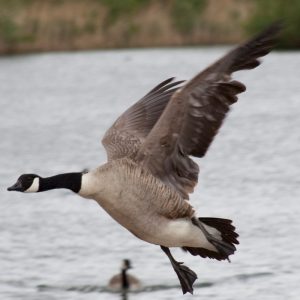




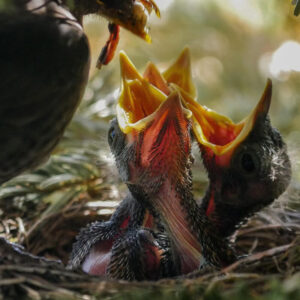
When springtime hits, we see increased activity not only on the human side of the world, but also in the creature, plant, and insect side. Everyone and everything bustles to take in the advantages that warmer weather brings. Things grow beautifully. That’s the wonder of the life we’re blessed with. Grasses and flowers awaken and provide splashes of colors for us to enjoy. Increased activities deliver fresh sights and sounds that those of us who experience weather distinctions welcome emphatically. Of most importance is the rush of new life. And while there are no ends to the new life that emerges, it’s important to take special care to the arrival of nests and the babies that experience their initial growth in them.
I’ve personally have had nests made in interesting places. I’ve had birds form nests in my air vents, inside the lids of grills (sneaking in through the rotisserie holes), under busy decks, and on hose racks alongside houses where I’m dived at by parent birds if I even get too close for their comfort. I’ve even had a nest resting on the hinge of an open window in between the screen and the window. With that, let’s run through a reasonable list of preparatory ideas for the arrival of birds and nests during the busy nesting season.
Help Building The Nest
Some bird lovers want to attract nests to their back yards. For those, some want specific types for various reasons. For people who have Purple Martins in their hopes, it may be because of the insect controls they bring. For others it’s the beauty of Blue Jays, or the comfort and familiarity of Robins. And others simply love the interaction and shared spaces with one of nature’s great marvels of flight.
It’s important to provide easy access to food. That could be a collection of natural food sources like berries, nuts, and seeds. Additionally, a well-placed feeder can be essential to supplement the diets that you attend to with natural plants. Sources of non-stagnant water are necessary to provide places of refreshment and cleaning.
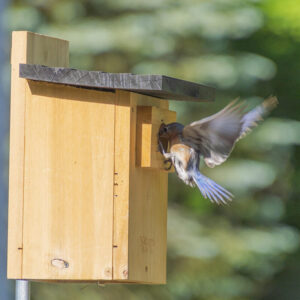
To create safer locations for nesting birds, it’s perfect to set up manufactured, clean, and roomy bird houses for them. This will help to deter birds from nesting in unwanted places (like air vents and grill lids). If you provide nesting boxes, it’s important to learn simple rules. Various birds prefer their nest boxes facing in different directions. Some of them like the bird houses in shrubs and small trees, while other likes them high. Typically, this is because of the types of insects they eat. Some – like Purple Martins – can build nests in large, multi-celled boxes, while others prefer the single room box. It’s up to you to determine the kind of bird(s) you want in those boxes, and which kind of boxes to provide. When Spring approaches and before you have birds in nests, make sure your houses are clean in every way. If you want to help further, leave the expected materials they use to build their nests in a nearby location. Again, proper research will give you tons of ideas.
Once birds have fallen in love with your back yard accommodations, and have settled in for the nesting seasons, it’s important to keep your natural interest in check. As with us, birds are incredibly focused on the safety of their young ones. If you become too invasive, you may disrupt the process, and worse, encourage the birds to stay away from your yard in the future. That’s no fun.
With all of this preparatory information– and this is by no means a complete guide – you can also help in scientific studies with NestWatch. NestWatch is a data-gathering site hosted by the famed Cornell Lab of Ornithology (accessed here). With it, you can use essential online data tools to provide needed information of what’s happening in your backyard habitats that you have carefully created. Birds and their nesting patterns are always in a state of flux. With new climate issues unfolding, we begin to see changing habits of birds in attempts to maintain the same type of environment they’re historically accustomed to. NestWatch monitors all incoming data to determine changes in the migration and active choices of birds. If a climate change has created a non-effective habitat for a kind of bird (for any reason), their nesting processes begin to fail, which has long-term catastrophic results.
NestWatch is also a deep well of information in regards to types of houses, habitat and habitat preparation, natural and assistive food sources, and many other things. Don’t hesitate to use its wealth of information to help create one of the most exciting backyard thrills that you can sit at, watch, and enjoy for years to come.
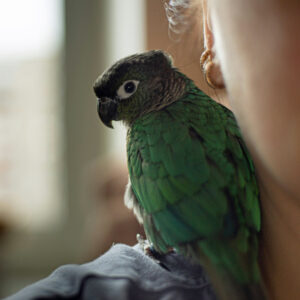
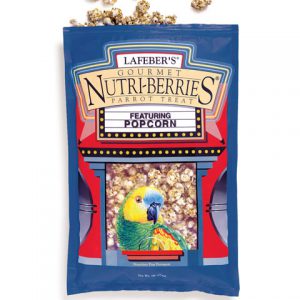 Snuggle with your feathered friend, pop some popcorn for you, break open a bag of
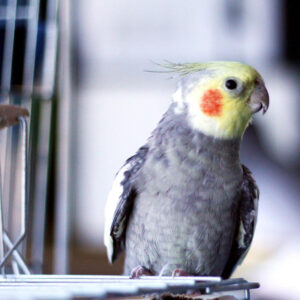

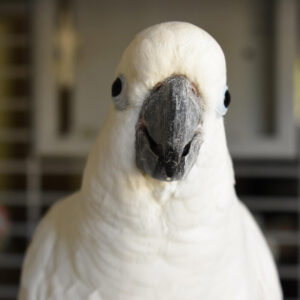
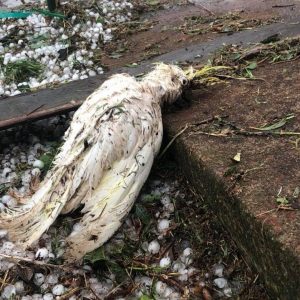 Throughout history, there has been no lack of extraordinary tales of extreme determination against overwhelming odds. Some of them are history book worthy. And while there are many more stories of bravery that fill the all the pages of life’s book, none of them are less memorable than the other. This particularly heartwarming tale involves the tale of the aptly named Lazarus the Cockatoo.