
Kara M. Burns, MS, MEd, LVT,VTS (Nutrition) presented this distance-learning event for the veterinary medical students at the University of Minnesota College of Veterinary Medicine as part of the Lafeber Company Student Program. View the RACE-approved webinar recording, then take the brief post-test to earn 1 hour of continuing education credit . . .
Pour les vétérinaires. Par les vétérinaires.
Le site Lafervet.com est conçu pour une utilisation par les vétérinaires. Il est ouvert aux vétérinaires diplômés, aux techniciens vétérinaires diplômés, aux animaliers et aux étudiants dans ces domaines.
Créer un compte pour accéder à des articles et des ressources du site.
L'inscription est gratuite.
Para Profesionales Veterinarios. Por Profesionales Veterinarios.
El sitio Lafervet.com es para uso de los profesionales veterinarios. Está abierto a los veterinarios licenciados, técnicos veterinarios licenciados, rehabilitadores licenciados y estudiantes en estos campos.
Cree una cuenta para acceder a los artículos y recursos del sitio.
La registro es gratis.
Already a LafeberVet Member?
Please Login
Zoonoses Associated with Exotic Pets Quiz
. . .
Pour les vétérinaires. Par les vétérinaires.
Le site Lafervet.com est conçu pour une utilisation par les vétérinaires. Il est ouvert aux vétérinaires diplômés, aux techniciens vétérinaires diplômés, aux animaliers et aux étudiants dans ces domaines.
Créer un compte pour accéder à des articles et des ressources du site.
L'inscription est gratuite.
Para Profesionales Veterinarios. Por Profesionales Veterinarios.
El sitio Lafervet.com es para uso de los profesionales veterinarios. Está abierto a los veterinarios licenciados, técnicos veterinarios licenciados, rehabilitadores licenciados y estudiantes en estos campos.
Cree una cuenta para acceder a los artículos y recursos del sitio.
La registro es gratis.
Already a LafeberVet Member?
Please Login
The Raccoon Roundworm
The raccoon roundworm, Baylisascaris procyonis is widespread in raccoons in North America, however this parasite has also been introduced to Europe and Asia. Use this client education handout to increase awareness of this zoonotic pathogen in caretakers of young children, home owners living in areas where raccoons might be present, as well as workers exposed to raccoons or their feces during the course of their day. This handout provides simple tips that can be used to curb infection caused by the raccoon roundworm, emphasizing avoidance and prevention of exposure to infective eggs.

Download the PDF version of this public health client education handout, or modify the DOCX version version for your veterinary hospital.
Avian Radiology: Basic Principles, Reference Values & Clinical Cases
View this webinar recording by Minh Huynh, DVM, MRCVS, DECZM (Avian), DAZCM, RACE-approved for 1 credit hour. Avian radiography is an invaluable tool to assess internal disorders and to screen for subclinical disease in birds. Coelomic organs can be examined for cardiorespiratory, digestive, or urogenital disease. Radiographs are also extremely useful to diagnose appendicular skeleton lesions, especially in case of trauma. Proper positioning is crucial for accurate interpretation and general anesthesia or sedation is usually recommended for optimal image acquisition. Standard and non-standard views as well as indications and limitations of radiography will be discussed. This presentation also . . .
Pour les vétérinaires. Par les vétérinaires.
Le site Lafervet.com est conçu pour une utilisation par les vétérinaires. Il est ouvert aux vétérinaires diplômés, aux techniciens vétérinaires diplômés, aux animaliers et aux étudiants dans ces domaines.
Créer un compte pour accéder à des articles et des ressources du site.
L'inscription est gratuite.
Para Profesionales Veterinarios. Por Profesionales Veterinarios.
El sitio Lafervet.com es para uso de los profesionales veterinarios. Está abierto a los veterinarios licenciados, técnicos veterinarios licenciados, rehabilitadores licenciados y estudiantes en estos campos.
Cree una cuenta para acceder a los artículos y recursos del sitio.
La registro es gratis.
Already a LafeberVet Member?
Please Login
Zoonotic concern: Baylisascaris procyonis
This zoonotic concern article reviews Baylisascaris procyonis or the raccoon roundworm. Baylisascaris procyonis exhibits a typical ascarid life cycle with adult female worms in the raccoon intestine depositing eggs that are shed in the raccoon feces. Humans can serve as paratenic or accidental hosts of B. procyonis, however more than 150 species of free-ranging and captive wildlife, zoo animals, and domestic animals have also been afflicted. When infective eggs are ingested by paratenic hosts, Baylisascaris larvae can migrate through the brain, eye, and other organs, causing serious health issues. Who is most at risk? What strategies can be implemented . . .
Pour les vétérinaires. Par les vétérinaires.
Le site Lafervet.com est conçu pour une utilisation par les vétérinaires. Il est ouvert aux vétérinaires diplômés, aux techniciens vétérinaires diplômés, aux animaliers et aux étudiants dans ces domaines.
Créer un compte pour accéder à des articles et des ressources du site.
L'inscription est gratuite.
Para Profesionales Veterinarios. Por Profesionales Veterinarios.
El sitio Lafervet.com es para uso de los profesionales veterinarios. Está abierto a los veterinarios licenciados, técnicos veterinarios licenciados, rehabilitadores licenciados y estudiantes en estos campos.
Cree una cuenta para acceder a los artículos y recursos del sitio.
La registro es gratis.
Already a LafeberVet Member?
Please Login
Carla Christman, DVM

Carla Christman is the owner of Healthy Pet Veterinary Clinic in Madison, Wisconsin. Dr. Christman is a 1996 graduate of the University of Wisconsin School of Veterinary Medicine. While she began her veterinary career at a large animal hospital, Dr. Christman opened her small animal practice in 2001. Dr. Christman is a member of the American Veterinary Medical Association, the Wisconsin Veterinary Medical Association, Dane County Veterinary Medical Association, the American Ferret Association, and the Association of Exotic Mammal Veterinarians (AEMV). Dr. Christman currently serves as the Chairperson of the AEMV Student Committee. Dr. Christman also works closely with several animal rescue groups and she shares her home with several pets, including two dogs, three cats, four ferrets, and two guinea pigs.
AEMV Veterinary Medical Student Case Report Contest
Lafeber Company is proud to sponsor the Fifth Annual
Association of Exotic Mammal Veterinarians
Veterinary Medical Student Case Report Contest
Who is eligible?
ALL veterinary students EVERYWHERE
Case report
Submit a two (2) page, English-language case report (1500 words or less) about an exotic companion mammal case seen at your college of veterinary medicine OR during an experience in a clinical setting.
Case reports should include:
- Abstract, maximum 250 words
- History/physical examination findings
- Diagnostic workup, treatment, and outcome
- Discussion
- References, maximum eight
For blinding purposes, please:
- Avoid including the name of the institution at which the work was performed or initials of the authors within the text.
- Remove institution names from illustrations in order to maintain anonymity.
- Include a title page, separate from the case report and include the title of the paper, names and qualifications of all authors, affiliations and full mailing address including email addresses, and contact telephone number of student and clinician.
Sample [download PDF]
See below for additional details.
Prizes
1st Place: |
The famous “pink book”: Quesenberry KE, Orcutt CJ, Mans C, Carpenter JW (eds). Ferrets, Rabbits, and Rodents: Clinical Medicine and Surgery, 4th ed. St. Louis: Elsevier; 2021.
Carpenter JW, Marion C (eds). Exotic Animal Formulary, 5th ed. St. Louis: Elsevier; 2017. Cash prize of $100 USD |
| 2nd Place: | Carpenter JW (ed). Exotic Animal Formulary, 5th ed. Elsevier, 2017.
Cash prize of $100 USD |
| 3rd Place: | Cash prize of $100 USD |
Permission and privacy concerns
Obtain permission from the supervising clinician (required) and the owner (optional depending on local privacy laws or facility standards). The supervising clinician(s) must be included as a case report co-author; but only identified as such in the separate title page as outlined above.
Winning case report abstracts will be posted on the members-only sections of the Association of Exotic Mammal Veterinarians (AEMV) website, the AEMV Facebook page, and LafeberVet.
Deadline
Submissions to [email protected] must be received by 11:59 pm EDT (UTC-4) on Friday, April 1, 2022.
Entries will be evaluated and graded by members of the AEMV Student Committee and winners will be notified April 29, 2022.
Learn more
See the abstracts of the 2021 winning case reports.
Interested in learning more about exotic companion mammal medicine? Visit AEMV.org or email [email protected] for more information about the Association of Exotic Mammal Veterinarians’ Student Chapter Program and Student Membership.
Medical, Nursing & Cosmetic Procedures Part 2 Post-Test
Medical, Nursing & Cosmetic Procedures Part 2 Post-Test . . .
Pour les vétérinaires. Par les vétérinaires.
Le site Lafervet.com est conçu pour une utilisation par les vétérinaires. Il est ouvert aux vétérinaires diplômés, aux techniciens vétérinaires diplômés, aux animaliers et aux étudiants dans ces domaines.
Créer un compte pour accéder à des articles et des ressources du site.
L'inscription est gratuite.
Para Profesionales Veterinarios. Por Profesionales Veterinarios.
El sitio Lafervet.com es para uso de los profesionales veterinarios. Está abierto a los veterinarios licenciados, técnicos veterinarios licenciados, rehabilitadores licenciados y estudiantes en estos campos.
Cree una cuenta para acceder a los artículos y recursos del sitio.
La registro es gratis.
Already a LafeberVet Member?
Please Login
Medical, Nursing & Cosmetic Procedures of Birds of Prey Part 1 Post-Test
Medical, Nursing & Cosmetic Procedures of Birds of Prey Part 1 Post-Test . . .
Pour les vétérinaires. Par les vétérinaires.
Le site Lafervet.com est conçu pour une utilisation par les vétérinaires. Il est ouvert aux vétérinaires diplômés, aux techniciens vétérinaires diplômés, aux animaliers et aux étudiants dans ces domaines.
Créer un compte pour accéder à des articles et des ressources du site.
L'inscription est gratuite.
Para Profesionales Veterinarios. Por Profesionales Veterinarios.
El sitio Lafervet.com es para uso de los profesionales veterinarios. Está abierto a los veterinarios licenciados, técnicos veterinarios licenciados, rehabilitadores licenciados y estudiantes en estos campos.
Cree una cuenta para acceder a los artículos y recursos del sitio.
La registro es gratis.
Already a LafeberVet Member?
Please Login
AEMV Veterinary Technology Client Education Materials Contest
Lafeber Company is proud to sponsor the Second Annual
Association of Exotic Mammal Veterinarians
Veterinary Technician/Technologist and Technician Student
Client Education Materials Contest
Introduction
Veterinary technologists play a vital role in client education in the veterinary practice. While many clients are quick to consult “Dr. Google,” the veterinary team should be quick to combat misinformation with credible and reliable guidance.
Who is eligible?
This contest is open to credentialed veterinary technicians, veterinary technologists, and veterinary nurses all over the world (AHT, CVT, LVT, LVMT, RVT, RVN, or credentialed by their country of origin) as well as students attending an accredited veterinary technician/technologist program (AVMA, CVMA, or other).
Client education materials
Submit a two (2) page, English-language educational handout (1500 words or less) about a companion exotic mammal health and wellness topic.
A list of proposed topics is included below:
- Dental health in rabbits or small mammal herbivores
- Guinea pig nutrition
- Chinchilla nutrition
- Masking phenomenon in exotic pets
- The importance of laboratory testing in exotic pets
- Environmental enrichment for exotic companion mammals
Other suitable topics are also welcome for submission. If you are concerned about the suitability of your topic, please contact [email protected].
Authorship: Submissions may have a maximum of ONE author.
References: Submissions should include suitable references from the primary literature. These references will not be included in the total word count but should include a maximum of eight (8) references.
Media: Relevant photographs with illustrative value can be included. If these images contain client-owned animals, the candidate must obtain permission from the pet owner (as required by local privacy laws or facility standards). Diagrams or illustrations must be original content produced by the candidate. Plagiarism will not be tolerated and will result in immediate dismissal from the contest.
Judging criteria are as follows:
- Accuracy of information presented based on current clinical, nutritional, behavioral science
- Conciseness of information presented in a client-friendly manner
- Relevance of information to pet owners
- Quality of references cited
- Overall presentation of the topic
For blinding purposes, please:
- Avoid including the institution name in the text or illustrations
- Avoid including author initials within the text
- Include a title page, separate from the client education material. Include the title of the client education material, names and qualifications of all authors, affiliations and full mailing address including email addresses, and contact telephone number of the candidate.
Prizes
| 1st Place Technician/Technologist (estimated value $130 USD)  |
3M™ Littmann® Classic II Pediatric Stethoscope
Nursing kit (pouch with bandage scissors, hemostat, suture scissors 1 year of FREE Association of Exotic Mammal Veterinarians membership |
| 1st Place Technician/Technology Student (estimated value $130 USD)
|
3M™ Littmann® Classic II Pediatric Stethoscope
Nursing kit (pouch with bandage scissors, hemostat, suture scissors) 1 year of FREE Association of Exotic Mammal Veterinarians membership |
| 2nd Place Technician/Technologist (estimated value $80 USD) |
Nursing kit (pouch with bandage scissors, hemostat, suture scissors
Exotic Animal Medicine: A Quick Reference Guide (2nd ed) by Lance Jepson 1 year of FREE Association of Exotic Mammal Veterinarians membership |
| 2nd Place Technician/Technology Student (estimated value $80 USD) | Nursing kit (pouch with bandage scissors, hemostat, suture scissors
Exotic Animal Medicine: A Quick Reference Guide (2nd ed) by Lance Jepson 1 year of FREE Association of Exotic Mammal Veterinarians membership |
| 3rd Place Technician/Technologist (estimated value $40 USD) |
Nursing kit (pouch with bandage scissors, hemostat, suture scissors
1 year of FREE Association of Exotic Mammal Veterinarians membership |
| 3rd Place Technician/Technology Student (estimated value $40 USD) | Nursing kit (pouch with bandage scissors, hemostat, suture scissors
1 year of FREE Association of Exotic Mammal Veterinarians membership |
Permission and privacy concerns
Winning client educational material will be posted on the members-only sections of the Association of Exotic Mammal Veterinarians (AEMV) website, the AEMV Facebook page, and LafeberVet.
Deadline
Submissions to [email protected] must be received by 11:59 pm EDT (UTC-4) on Friday, April 1, 2022.
Entries will be evaluated and graded by members of the AEMV Technician Committee and winners will be notified April 29, 2022.
Learn more
See the 2021 winning client education material.
Interested in learning more about exotic companion mammal medicine? Visit AEMV.org or email [email protected] for more information about AEMV Technician Membership, as well as Student Membership and the Student Chapter Program.
Ultrasound in Birds
Dr. Petra Schnitzer presented this distance-learning event for the veterinary medical students at the University of Georgia at Athens College of Veterinary Medicine as part of the Lafeber Company Student Program. View this webinar recording, RACE-approved for 1 credit hour . . .
Pour les vétérinaires. Par les vétérinaires.
Le site Lafervet.com est conçu pour une utilisation par les vétérinaires. Il est ouvert aux vétérinaires diplômés, aux techniciens vétérinaires diplômés, aux animaliers et aux étudiants dans ces domaines.
Créer un compte pour accéder à des articles et des ressources du site.
L'inscription est gratuite.
Para Profesionales Veterinarios. Por Profesionales Veterinarios.
El sitio Lafervet.com es para uso de los profesionales veterinarios. Está abierto a los veterinarios licenciados, técnicos veterinarios licenciados, rehabilitadores licenciados y estudiantes en estos campos.
Cree una cuenta para acceder a los artículos y recursos del sitio.
La registro es gratis.
Already a LafeberVet Member?
Please Login
Petra Schnitzer, DVM, med vet, GPCert (Exotic Animal Practice)
 Petra Schnitzer graduated from the University of Vienna, and she went on to complete externships in northern Italy and Brazil. Petra then practiced as an associate veterinarian at the Loro Parque (Tenerife, Spain), which has the most extensive parrot collection in the world before returning to Europe, where she almost exclusively worked with exotic animals in Italy, Spain, and Austria. Petra completed a residency for the European College of Zoological Medicine (Avian Specialty) and she holds the General Practitioner Certificate (GPCert) in Exotic Animals, and she is also a lecturer for the same GPCert in Spain. Dr. Schnitzer also holds a postgraduate certificate in Laboratory Animal Welfare and Care from the University of Milan. In 2019, Petra moved to Camden to join the team at The University of Sydney Avian, Reptile & Exotics Pet Hospital (AREPH). When the AREPH temporarily closed due to the staffing challenges associated with the pandemic, Petra returned to Europe.
Zoonoses Associated with Exotic Pets
Zoonoses are diseases that are transmitted from animals to humans, and some estimate that 75% of emerging human infectious diseases are zoonotic. Many of these zoonoses come from non-domestic animals. This RACE-approved webinar recording presented by Marcy Souza, DVM, MPH MPPA, DABVP (Avian), DACVPM provided an overview of common zoonoses associated with non-domestic or exotic pets, including but not limited to salmonellosis, influenza, chlamydiosis, monkeypox, rabies, and various parasitic diseases. Recent outbreaks of zoonoses in exotic pets and people are also highlighted. Dr. Souza also discusses the potential role of non-domestic species in the emergence and . . .
Pour les vétérinaires. Par les vétérinaires.
Le site Lafervet.com est conçu pour une utilisation par les vétérinaires. Il est ouvert aux vétérinaires diplômés, aux techniciens vétérinaires diplômés, aux animaliers et aux étudiants dans ces domaines.
Créer un compte pour accéder à des articles et des ressources du site.
L'inscription est gratuite.
Para Profesionales Veterinarios. Por Profesionales Veterinarios.
El sitio Lafervet.com es para uso de los profesionales veterinarios. Está abierto a los veterinarios licenciados, técnicos veterinarios licenciados, rehabilitadores licenciados y estudiantes en estos campos.
Cree una cuenta para acceder a los artículos y recursos del sitio.
La registro es gratis.
Already a LafeberVet Member?
Please Login
Reptile and Amphibian Nutrition Quiz
Quiz for the Reptile and Amphibian Nutrition webinar . . .
Pour les vétérinaires. Par les vétérinaires.
Le site Lafervet.com est conçu pour une utilisation par les vétérinaires. Il est ouvert aux vétérinaires diplômés, aux techniciens vétérinaires diplômés, aux animaliers et aux étudiants dans ces domaines.
Créer un compte pour accéder à des articles et des ressources du site.
L'inscription est gratuite.
Para Profesionales Veterinarios. Por Profesionales Veterinarios.
El sitio Lafervet.com es para uso de los profesionales veterinarios. Está abierto a los veterinarios licenciados, técnicos veterinarios licenciados, rehabilitadores licenciados y estudiantes en estos campos.
Cree una cuenta para acceder a los artículos y recursos del sitio.
La registro es gratis.
Already a LafeberVet Member?
Please Login
Shachar Malka, DVM, DABVP (Avian Practice)
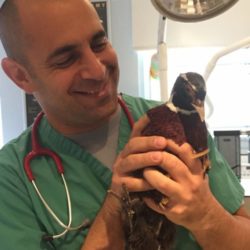 Shachar Malka is the medical director of Long Island Bird & Exotics Veterinary Clinic. He has more than 20 years of experience working with birds, exotic species, and wildlife. After earning his Doctor of Veterinary Medicine from The Hebrew University of Jerusalem, Dr. Malka completed an internship at the University of Guelph, Canada and a 3-year residency program at the University of California at Davis in avian and exotic pet medicine and surgery. Dr. Malka’s professional interests include advanced anesthesia, minimally invasive surgery, such as endoscopic surgery, and advanced imaging. Shachar continues to publish scientific articles on a variety of topics in avian and exotic animal medicine and he lectures at international veterinary conferences as well as other regional events. Dr. Malka is a also member of the Association of Avian Veterinarians, the Association of Exotic Mammal Veterinarians, the Association of Reptile and Amphibian Veterinarians, the America Association of Zoo Veterinarians, and the American Veterinary Medical Association.
Janina A. Krumbeck, PhD
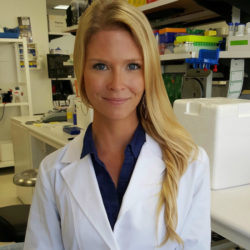 Janina Krumbeck is the director of MiDOG LLC (Irvine, California) and is leading the efforts to bring novel diagnostic tools to veterinarians to improve the diagnosis of infectious diseases in companion animals. Using molecular DNA sequencing to understand the animal microbiome, Dr. Krumbeck has published several peer-reviewed manuscripts on the microbiome of pets in health and disease. She earned her PhD from the University of Nebraska-Lincoln in cell and molecular biology with an emphasis on microbial gastrointestinal ecology. Dr. Krumbeck has studied the interaction between microbes and their hosts for over 10 years in order to understand how they specifically affect health and disease. She is passionate about applying the current knowledge about of the pet microbiome to improve knowledge about of the pet microbiome to improve infections disease diagnostics and promote good antibiotic stewardship.
Natasha S. Holden, MSc
 Natasha Holden graduated from Boston University in 2018 with a degree in biological anthropology and a minor in biology. Natasha went on to earn a Master of Science (MSc) in Global Health and Development from University College London, where she gained research and coursework experience in microbiome health. Currently, Holden is a research intern at MiDOG LLC (Irvine, California) and a first-year medical student at Western University of Health Sciences.
Marcy J. Souza, DVM, MPH, MPPA, DABVP (Avian Practice), DACVPM
 Marcy Souza is a Professor of Veterinary Public Health and Wildlife Medicine at the University of Tennessee (UT) College of Veterinary Medicine. She completed a Bachelor of Science at the University of Maryland, then earned her Doctor of Veterinary Medicine at North Carolina State University (2004) and a Master of Public Health at UT (2008). Marcy became of Diplomate of the American Board of Veterinary Practitioners (Avian Practice) in 2007 and she also completed a 3-year clinical residency in avian and zoological medicine at UT (2008). Dr. Souza also became a Diplomate of the American College of Veterinary Preventive Medicine in 2010. Dr. Souza serves on the Knoxville Animal Control Board, the AVMA Committee on Environmental Issues, and she is a One Health Scholar at UT.
Post Test: Moving From Compassion Fatigue to Compassion Resilience
Post webinar test for Moving From Compassion Fatigue to Compassion Resilience . . .
Pour les vétérinaires. Par les vétérinaires.
Le site Lafervet.com est conçu pour une utilisation par les vétérinaires. Il est ouvert aux vétérinaires diplômés, aux techniciens vétérinaires diplômés, aux animaliers et aux étudiants dans ces domaines.
Créer un compte pour accéder à des articles et des ressources du site.
L'inscription est gratuite.
Para Profesionales Veterinarios. Por Profesionales Veterinarios.
El sitio Lafervet.com es para uso de los profesionales veterinarios. Está abierto a los veterinarios licenciados, técnicos veterinarios licenciados, rehabilitadores licenciados y estudiantes en estos campos.
Cree una cuenta para acceder a los artículos y recursos del sitio.
La registro es gratis.
Already a LafeberVet Member?
Please Login
Stephen Kania, PhD

Stephen Kania received his Master’s degree in microbiology from Washington State University in the Department of Veterinary Microbiology and Pathology. He earned his PhD in veterinary infectious diseases from the University of Florida and joined the faculty of the University of Tennessee College of Veterinary Medicine in 1992. He has combined his interests in molecular microbiology and immunology to study the molecular epidemiology, virulence, and antimicrobial resistance of staphylococci of veterinary importance and to develop vaccines to treat and prevent staphylococcal infections. He is currently Professor and Assistant Dean for Research and Graduate Studies and Director of Clinical Immunology.
Care of Toucans, Toucanets & Aracaris
This client education handout reviews basic care for members of family Ramphastidae, such as the toucan, toucanette, and araçari. This handout briefly discusses natural history and sexual dimorphism. Topics covered in more detail include housing, such as space and temperature, as well as well as diet and breeding.
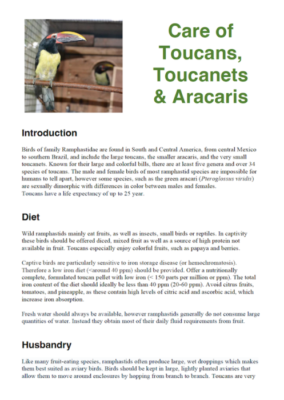
Download the PDF version of this ramphastid client education handout, or modify the DOCX version for your veterinary hospital.
Reptile and Amphibian Nutrition
Dr. Thomas Boyer presented this live, interactive webinar. The RACE-approved recording discusses nutrition, the leading cause of disease in reptiles and amphibians. Chronic nutritional diseases remain common, including nutritional secondary hyperparathyroidism, hepatic lipidosis, protein deficiency, hypovitaminosis A, hypervitaminosis A, pyramidal shell growth, renal disease, urocystoliths, thiamine deficiency, vitamin E/selenium deficiency, steatitis, corneal lipidosis, and obesity. The goal of this web-based seminar is to educate veterinary health professionals such that they can provide sound nutritional advice to reptile and amphibian keepers. Dr. Boyer has also shared his client education handout on growing mealworms and superworms . . .
Pour les vétérinaires. Par les vétérinaires.
Le site Lafervet.com est conçu pour une utilisation par les vétérinaires. Il est ouvert aux vétérinaires diplômés, aux techniciens vétérinaires diplômés, aux animaliers et aux étudiants dans ces domaines.
Créer un compte pour accéder à des articles et des ressources du site.
L'inscription est gratuite.
Para Profesionales Veterinarios. Por Profesionales Veterinarios.
El sitio Lafervet.com es para uso de los profesionales veterinarios. Está abierto a los veterinarios licenciados, técnicos veterinarios licenciados, rehabilitadores licenciados y estudiantes en estos campos.
Cree una cuenta para acceder a los artículos y recursos del sitio.
La registro es gratis.
Already a LafeberVet Member?
Please Login
Basic Information Sheet: Ramphastidae
Ramphastidae
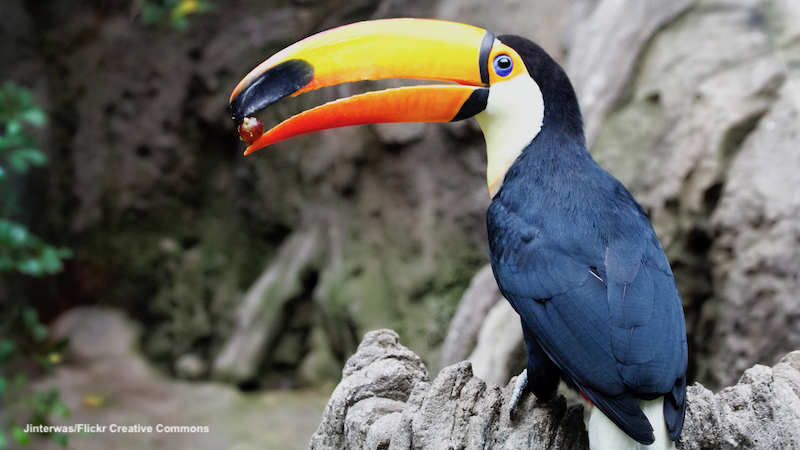
Natural history and taxonomy
The birds of family Ramphastidae are found in South and Central America, from central Mexico to southern Brazil, and include the large toucans, the small aracaris, and smaller toucanets.1 Known for their large and colorful bills, this group consists of at least five genera and over 40 species.23
Class: Aves
Order: Piciformes (woodpeckers, honeyguides, barbets, jacamars, puffbirds)
Family: Ramphastidae
Ramphastos: large, black toucans
Andigena: large, mountain-ranging toucans
Pteroglossus: araçaris
Aulacorhynchus: green mountain toucanets
Selenidera: lowland, forest-ranging toucanets
In captivity, toucans are charismatic birds that are popular in zoos and aviaries. They are occasionally kept by aviculturists or as household pets.25,26 Toco toucans (Ramphastos toco) and sulfur-breasted or keel-billed toucans (R. sulfuratus) are commonly seen in clinical practice.25 Swainson’s toucan, also known as the chestnut-mandibled toucan (Ramphastos ambiguus swainsonii) is also commonly imported. Many araçaris and toucanet species are also seen in aviculture and as pets (Kuchinski, email message to editor, Nov 3, 2021).
Conservation status
The International Union for Conservation of Nature (IUCN) Red List describes most free-ranging ramphastid populations as of “least concern”.13 Although numbers are decreasing for most species, few species are threatened with extinction.13
| Species | IUCN Assessment |
|---|---|
| Grey-breasted mountain toucan (Andigena hypoglauca) | Near threatened |
| Plate-billed mountain toucan (Andigena laminirostris) | Near threatened |
| Saffron toucanet (Pteroglossus bailloni) | Near threatened |
| Yellow-throated toucan (Ramphastos ambiguus) | Near threatened |
| Channel-billed toucan (Ramphastos vitellinus) | Vulnerable |
| Red-billed toucan (Ramphastos tucanus) | Vulnerable |
| Yellow-ridged toucan (Ramphastos culminates) | Vulnerable |
| Ariel toucan (Ramphastos ariel) | Endangered |
| Eastern red-necked araçari (Pteroglossus bitorquatus) | Endangered |
Normal physiologic values
When properly cared for, toco toucans have a life expectancy of up to 25 years 9b,10b.
| Ramphastid species | Body weight (grams)1 | |
| Green aracari | Pteroglossus viridis | 120-160 |
| Ivory-billed aracari | P. azara | 130-160 |
| Curl-crested aracari | P. beauharnaisii | 180-280 |
| Crimson-rumped toucanet | Aulacorhynchus haematopygus | 200-230 |
| Black necked aracari | P. aracari | 230-250 |
| Keel-billed toucan | Ramphastos sulfuratus | 280-400 |
| Plate-billed mountain toucan | Andigena laminirostris | 300-350 |
| White-throated toucan | R. tucanus | 450-600 |
| Toco toucan | R. toco | 550-800 |
Anatomy/physiology
| Musculoskeletal | The feet of these birds are zygodactyl, with digits 2 and 3 facing forward and digits 1 and 4 directed back.16 The tail vertebrae are modified so that birds are capable of rotating their tails forwards to touch their heads. This is a common sleeping position.23 |
||
| Gastrointestinal | The large bill consists of spongy bone protected by a thin wall of keratin, the rhamphotheca.10,21 The bill is serrated, highly vascular and extremely sensitive. The internal beak is supported by bony struts, but the beak is also very lightweight and can be easily injured (see common medical conditions below).23 Many functions have been proposed for these magnificent bills, including foraging, courtship, aggression, and thermoregulation.23,24 The thin, delicate tongue features laminated sides and a brush-like tip. Some ramphastids will rattle the tongue against their bill to produce a characteristic rattling sound. Ramphastids do not have a crop or cecum.3,23 Some toucans possess an elongated gall bladder.15 Ramphastids produce voluminous, wet fecal droppings. In fact, the droppings frequently look like undigested food, particularly fruit (Cubas and Kuchinski, email messages to editor, Nov 3, 2021). A survey of normal cloacal flora in toucans and aracari found Gram-negative bacteria (E. coli, Klebsiella spp., Enterobacter spp.) as well as Gram-positive cocci (Staphylococcus spp., Streptococcus spp.) (Cornelissen 1991) |
||
Respiratory 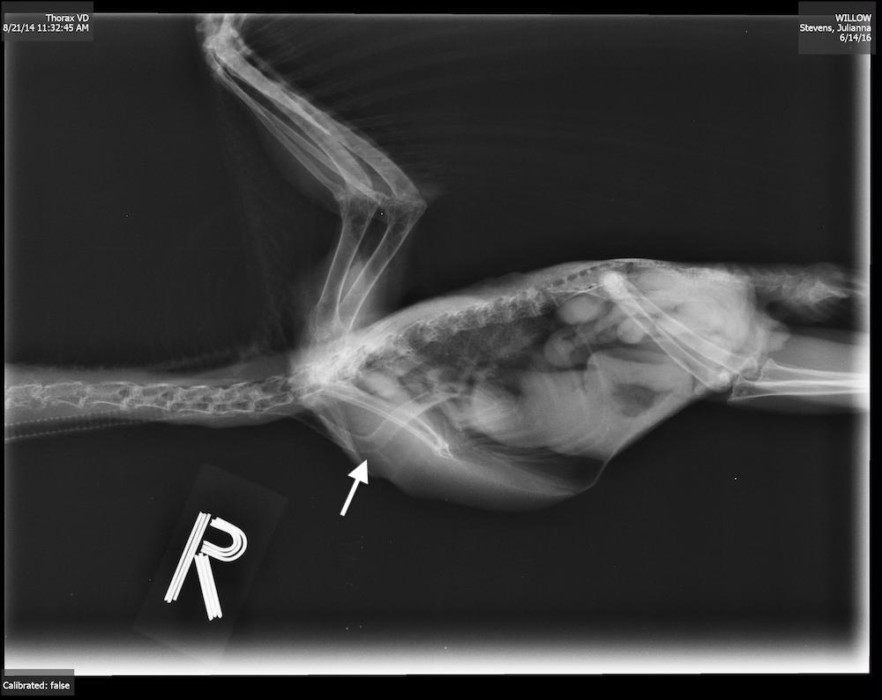  | Ramphastids have a ventral deviation of the trachea at the thoracic inlet which can be appreciated radiographically (select lateral radiograph image left to enlarge).6,23 |
||
| Integumentary | Adult birds lack down feathers 16, although powder down has been described in toucans.20 The apterylae, or the space between feather tracts, can be quite large making venipuncture relatively easy. Plumage color may become faded in captive birds due to inadequate dietary carotenoids (Cubas, email message to editor, Oct 18, 2021). |
||
| Reproductive | Most ramphastids, including the keel-billed toucan, have melanistic or colored gonads.25 The vast majority of captive ramphastids are kept as aviary birds in breeding situations.25 Toucans are cavity-nesting birds. Some species take over the nests of woodpeckers, while others, especially the larger species, use their bills to make a hole and hollow out decaying limbs of trees. Both sexes share incubation and rearing duties.23 The general convention in captive toucans is to provide a hollowed-out section of palm log to facilitate breeding. Some breeders have been successful with conventional plywood nest boxes, especially when they have been modified to include an external bark tile covering with cork over the entrance hole to allow the birds to “hollow it out”. Captive birds may be parent reared but are also often hand reared.23 See Behavior for additional information. |
||
| Pediatrics | Eggs per clutch in toucans, toucanets: 2 to 4 23 Incubation period in toucans, toucanets: 15-16 days23 When compared to toucans, toucanet and araçari offspring have higher survival rates, averaging 80% (Dislich 2014). Causes of chick mortality include infanticide by parents, stomach impaction, and bacterial disease (Dislich 2014). Neonates usually have a hypotarsal pad (or heel pad) on their hocks, that they use to rest on the ground, rather than standing on two feet while in the nest. These pads atrophy as birds mature.6,23 Chicks leave the nest at 6-7 weeks of age and begin eating on their own at 10-12 weeks of age (Dislich 2014).23 See Diet for information on hand feeding. |
||
| Sexual dimorphism | Most ramphastids are phenotypically monomorphic 23, although male birds tend to have a larger beak than females.4,25 Measurement of the upper bill from the origination with the facial skin to the tip may also be helpful in determining sex. In mature toco toucans, it has been suggested that birds with upper bill length <15.5 cm are usually females but if the length exceeds 16 cm the bird is usually a male.25 DNA sexing and endoscopy are the most reliable methods of sex determination in monomorphic species. Sexually dimorphic birds include lowland toucanets of genus Selenidera and two of the araçaris, P. viridis and P. inscriptus (lettered araçaris).23,25 |
||

A female green araçari (Pteroglossus viridis) with dark, chestnut-colored feathers on the head. Photo credit: Dr. Tariq Abou-Zahr. Click image to enlarge

A male green araçari (Pteroglossus viridis): Note the prominent black feathering around the head. Photo credit: Tanaka Juuyoh via Flickr Creative Commons. Click image to enlarge
Diet
Ramphastids are primarily frugivores, although they are opportunists and will also eat insects and small birds or reptiles.23 Free-ranging ramphastids play a crucial ecological role in the dispersal of the seeds of fruit trees. Ramphastids consume a variety of fruits and seeds, such as fruits of Ficus, guava, and palm trees (Euterpe spp.) as well as chili pepper 10b.
In captivity, ramphastids should be offered diced, mixed fruit. Toucans especially enjoy colorful fruits, such as papaya and berries.14 They will also readily consume bananas and a variety of melons.14 Due to the high risk of iron storage disease in these birds, the diet should be iron restricted. Avoid citrus fruits, tomatoes, and pineapple, as these contain high levels of citric acid and ascorbic acid, which increase iron absorption.14,23
Ramphastids also require a source of high protein not available in fruit.14 Offer a nutritionally complete, formulated toucan pellet with low iron (< 150 ppm). The total iron content of the diet should ideally be less than 40 ppm (20-60 ppm). There is some debate about the best dietary iron levels for optimal reproductive performance (Kuchinski, email message to editor, Nov 3, 2021), however dietary iron is generally limited except when raising chicks, which need animal protein for growth.23
Fresh water should always be available, however ramphastids generally do not consume large quantities of water. Instead they obtain most of their daily fluid requirements from fruit.14,25
When compared to psittacine birds, hand feeding time is prolonged due to the absence of a crop.22b, 23 For instance, it can take up to 30 minutes to feed a 2-3 week old bird.22b Commercial hand feeding formulas developed for psittacine birds can be used in toucans; this diet can be supplemented with fruit.22b,23
Husbandry
Ramphastids are very active birds that should be housed in large, lightly planted aviaries that allow them to move around enclosures by hopping from branch to branch.9,14,23 Ramphastids also require ample space.23 Large toucans should be housed in aviaries 4 m wide, 7-8 m deep, and 2-3 m high.9,14 It is also important that some visual security be provided. 9,14
Although most ramphastids are relatively cold-tolerant, these birds can be sensitive to frostbite in temperate climates. Some species, such as the toco toucan, have been reported to be particularly susceptible to frostbite in winter.25 These birds should be brought inside during the colder months in temperate climates.23
Although some of the larger toucans, and to a lesser extent the larger araçaris like the chestnut-eared (P. castanotis), can be noisy, these birds are far quieter than most psittacine birds.
Ramphastids enjoy bathing and should be provided large water receptacles.14
Sanitation and vermin control are also important (see Infectious Diseases and yersiniosis below). Elevate food dishes off of the ground, ideally on freestanding structures.23
Behavior
Toucans are social birds that often spend their time in flocks of dozens. Pairs may split off for breeding but return to flocks with their offspring.
Toucans are also territorial birds.23 Mate aggression, fights between males, and interspecies aggression are common.10 Reproductively active birds are particularly territorial. During the breeding season, males caged next to each other without the presence of a visual barrier may injure their beaks by engaging in beak jousting.10
Many captive parent birds will reject their young in response to stressors, such as inspection of the nest log. Therefore some breeders place a camera in the nest box to minimize both the need for inspections and parental stress (Kuchinski, email message to editor, Nov 3, 2021).
Restraint
Manual restraint
Ramphastids can be aggressive and can inflict painful injuries to handlers. Use a towel to remove birds from the cage. Manual restraint can involve holding the bill, taking care not to obstruct the nares, which are located at the base of the upper bill.10 The beak is easily damaged if too much side-to-side pressure is applied.12
Netting is also theoretically possible, but realistically quite challenging. Ramphastids can be remarkably quick putting birds at significant risk for injury during capture.
Chemical restraint
Inhalant anesthetic induction of a toco toucan using a small human pediatric mask placed over the nares at the base of the bill has been described 12, alternatively a mask can be constructed from a cylindrical plastic bottle, like a soda bottle, to accommodate the long beak.10,12,23 To reduce mechanical dead space the mask should be the exact size of the beak.10 The beak of the smaller araçaris and toucanets fit into a large dog mask.
Endotracheal intubation is a relatively simple procedure in ramphastids. The small, filamentous tongue makes the glottis easy to visualize.10
Important medical conditions
Iron storage disease
Iron storage disease is the most famous clinical condition of ramphastids.6,7,22,23 It is important to make the distinction between hemosiderosis and hemochromatosis, the former being a potentially physiological presence of iron in the tissues which does not result in inflammation, the latter being a pathological condition which results in cellular derangements.
More research is needed, however it is thought that high levels of dietary iron is an important predisposing factor. Free-ranging ramphastids typically eat diets that are low in iron and have potentially evolved to retain iron very effectively.2 Diets should be limited to 20-60 ppm of iron, although they may be slightly higher during the breeding season when chicks are being reared. A lack of tannins in the diet has also been theorized as a possible risk factor for excess absorption of iron in the intestines. It is thought that wild birds consume water from cavities in trees that have been leached with tannins from plants. Ascorbic acid increases the bioavailability of iron and diets containing citrus fruits may also predispose to iron storage disease. Stress has also been suggested as a contributing factor.6,7,22,23
Clinical signs include lethargy, anorexia, abdominal distension, ascites, dyspnea, neurological signs, and sudden death. Liver biopsy is the diagnostic test of choice. Liver enzymes and bile acids may be elevated on biochemistry analysis. The use of MRI to measure the iron content of the liver has shown promise in other species and may have a place in avian medicine for diagnosis and monitoring of this condition. Treatment is with weekly phlebotomy of 1% of body weight. The use of iron chelators such as deferoxamine (100 mg/kg q24h SQ) or deferiprone (50 mg/kg q12h PO) for 30 days has also shown positive results.6,7,22,23 Intestinal iron absorption can also be reduced by adding tannin-rich items, such as black tea, and phytates 10b. Supportive care and symptomatic treatment is also indicated.6,7,22,23
Infectious diseases
Ramphastids are known to be especially sensitive to yersiniosis (Yersinia pseudotuberculosis). This disease is usually spread by rodents entering enclosures and a strict rodent exclusion protocol is particularly important where these birds are kept.18
Bacterial septicemia has often been reported in ramphastids, caused by a variety of species including Coxiella spp., Bacteroides spp., Mycobacteria spp., Escherichia coli and Salmonella spp.23
Capillariosis is common and a significant cause of mortality in captive toucans.10,23 Clinical findings may include lethargy, dehydration, and emaciation.23 Many birds will ingest their droppings, which can be an issue when trying to control parasite loads within aviaries (Kuchinski, email message to editor, Nov 3, 2021).
Damage to the beak
The beak is very lightweight and can be easily injured.25 Beak injuries occur most frequently in young birds that are learning to fly or that have been recently introduced into a new flight.25 The beak also tends to be softer and more susceptible to injury in juvenile birds.23
Urgent care of beak injury involves control of hemorrhage. Apply pressure for a few minutes with a gauze pad moistened with an antiseptic solution. Remove debris and gently clean, then thoroughly dry the wound.10 Take care not to introduce liquid or debris into the spongy bone, which can carry contaminants to deeper parts of the beak or sinuses.10 Apply water-soluble antibiotic ointments to the wound and tape gauze dressings over the defect.10 Replace dressings every 24 hours until hemorrhage and infection are controlled.10 Parenteral antibiotics are often indicated. Biocompatible cellulose membrane or other dressings can be used to treat open wounds and fractures in the beak.
Beak repair techniques using dental adhesive systems, orthognathic correction with molds, surgeries and beak prosthesis can be employed in toucans 10c. Both natural and artificial beak prostheses have been used to restore function in birds with traumatic beak deficits. Natural beak prostheses may be alloplastic (from the same species) or heteroplastic (from a different species).9,11
Diabetes
Diabetes mellitus has been reported in keel-billed and toco toucans. As in other species, weight loss, polyuria, polydipsia, and polyphagia may all be seen. Hyperglycemia and glycosuria are usually appreciable with diagnostic investigation. Initial treatment with PZI or NPH insulin has been successful, followed by long-term insulin treatment on a daily or every other day basis. Dietary modification may also be a consideration. 17,23
Diabetes may be associated with iron storage disease, since iron deposits may be seen in the pancreas as well as the liver 9b (Cubas, email message to editor, Oct 18, 2021).
Metabolic bone disease
Nutritional secondary hyperparathyroidism is reported commonly in young birds fed a calcium-deficient diet.23 Chicks may refuse to eat formulated diet in preference to tastier fruit.23,25 The beak may become soft and rubbery, or the pelvic limbs may be bent or bowed. In some cases, trauma from flying into aviary walls with underlying metabolic bone disease issue can result in fracture of the bill tip. Recommended dietary modifications include increasing calcium levels along with supplementation of calcium or vitamin D3. Provision of an UVB bird lamp is also likely to be beneficial for birds that are housed indoors.
Other reported conditions
- Foreign body ingestion may be seen in ramphastids due to the curious nature of these birds.25 Foreign bodies, such as sticks or large insects, can also be fed to chicks by parent birds (Kuchinski, email message to editor, Nov 3, 2021).
- Herpesvirus infection causing necrotizing hepatitis and sudden death was reported in a toucan, species unknown. The etiologic agent was thought to be distinct from psittacine herpesvirus (Pacheco’s disease).5
- An outbreak of ulcerative enteritis caused by Clostridium colinum caused sudden death in a group of young toucans 24b.
- Chlamydia psittaci has been demonstrated in toucans, however these birds do not seem as predisposed to developing clinical disease as other species, such as psittacine birds.19
- Candidiasis has also been reported in ramphastids, especially in young, hand fed birds.23 Other fungal diseases, such as aspergillosis, have also been described.23
References and further reading
The Importance of Next-Generation Sequencing in Avian Veterinary Medicine
Effective treatment of diseases requires accurate diagnose, and infectious diseases in avian medicine present special diagnostic challenges. Molecular diagnostic tools, such as DNA sequencing, are available to aid the urgent medical need to detect and identify all culprits that cause infections. Next-generation DNA sequencing offers the ability to diagnose infections using microbial DNA as the analyte, thus bypassing culture testing along with its deficiencies. This article briefly explains this useful laboratory technique as well as its applications in avian medicine . . .
Pour les vétérinaires. Par les vétérinaires.
Le site Lafervet.com est conçu pour une utilisation par les vétérinaires. Il est ouvert aux vétérinaires diplômés, aux techniciens vétérinaires diplômés, aux animaliers et aux étudiants dans ces domaines.
Créer un compte pour accéder à des articles et des ressources du site.
L'inscription est gratuite.
Para Profesionales Veterinarios. Por Profesionales Veterinarios.
El sitio Lafervet.com es para uso de los profesionales veterinarios. Está abierto a los veterinarios licenciados, técnicos veterinarios licenciados, rehabilitadores licenciados y estudiantes en estos campos.
Cree una cuenta para acceder a los artículos y recursos del sitio.
La registro es gratis.
Already a LafeberVet Member?
Please Login
Thomas H. Boyer, DVM, DABVP (Reptile and Amphibian Practice)

Thomas Boyer earned his Doctorate of Veterinary Medicine from Colorado State University College of Veterinary Medicine in 1989. Dr. Boyer co-founded the Association of Reptile and Amphibian Veterinarians in 1991 and he started and served as editor for the Journal of Herpetological Medicine and Surgery for 18 years. Dr. Boyer also helped establish and became one of the first Diplomates of the American Board of Veterinary Practitioners in Reptile and Amphibian Practice in 2011. Dr. Boyer owns the Pet Hospital of Penasquitos in San Diego, California, where he treats a diverse reptile caseload.
In Memoriam: Dr. Drury Reavill

Exotic animal medicine has lost a leader, a colleague, and a friend in Dr. Drury Reavill
Education and certification
Dr. Drury Reavill was a 1986 graduate of Colorado State University School of Veterinary Medicine, where a professor informed her that she could not make a living doing solely exotics. She practiced at the Avian Medical Center of Sacramento and also clinical consultation and laboratory services to practitioners through the California Avian Laboratory, a national service exclusively devoted to avian and exotic animals, as well as the California Veterinary Diagnostic Labs of West Sacramento and finally IDEXX labs. During this time, Drury became one of the first avian practitioners certified in avian practice through the American Board of Veterinary Practitioners (ABVP) in 1993. Leaving clinical practice, Dr. Reavill completed a 4-year residency in anatomic pathology, including work at the Armed Forces Institute of Pathology, and in zoo pathology becoming a Diplomate of the American College of Veterinary Pathologists (2000). In 2013, she not only recertified in avian practice with ABVP, but also earned certification in reptile and amphibian practice.
Experience
Dr. Reavill was the director of Zoo/Exotic Pathology Service from 1998 to 2019, which received samples from private practitioners and zoos throughout the US, Europe, and China. She published over 100 articles and chapters in avian and exotic animal books and journals. Drury was also a co-editor and author of Pathology of Pet and Aviary Birds, 2nd edition. She also served as a lecturer at the University of California at Davis School of Veterinary Medicine, the Western Career College for veterinary technicians, and she also taught courses for the Veterinary Information Network. Drury worked as a part-time veterinary pathology consultant for ZNLabs Veterinary Diagnostics in 2019, before retiring in 2020.
Awards & honors
Dr. Reavill received numerous Awards in 2020, including the Oxbow Quest Award for Excellence & Innovation in the field of Exotic Mammal Health as well as the Reptile and Amphibian Veterinary Excellence Award, which honors an individual of the Association of Reptile and Amphibian Veterinarians (ARAV). Drury also received an Inaugural Award for Outstanding Contributions to Exotic Animal Medicine, presented jointly by the Association of Avian Veterinarians (AAV), Association of Exotic Mammal Veterinarians (AEMV), and ARAV at ExoticsCon Virtual in recognition of her outstanding achievements in the field of exotic animal medicine. This latter Award recognized Dr. Reavill’s role as a pillar in the exotic animal medicine community. Drury helped further our understanding of disease processes in exotic animals, and she has educated so many through book chapters, lectures, publications, and even personal communications. In 2021, AEMV also announced the annual Drury R. Reavill Research Grant.
Personal life
Drury lived outside of Sacramento, California with her husband, John, a veterinary surgeon, and their numerous Corydoras catfish, tortoises, birds, cats, and dogs. In her “free time” she loved to play the piano or World of Warcraft.
Donations
Drury passed away peacefully on October 30, 2021 from cancer-related illness. She was deeply respected and admired and she will be sorely missed. Before passing, Drury specifically requested in lieu of flowers that donations be made to her beloved Association of Avian Veterinarians (AAV), Association of Exotic Mammal Veterinarians (AEMV), and/or the Association of Reptile and Amphibian Veterinarians (ARAV).


In Drury’s honor, Lafeber Company has donated $500 to each of these veterinary organizations. To learn more about Drury and her connection to AAV and avian medicine, please visit her 2017 AAV Member Spotlight.
Tariq Abou-Zahr BVSc CertAVP (ZooMed) DECZM (Avian) MRCVS EBVS® European Veterinary Specialist in Zoological Medicine (Avian Medicine & Surgery)

Dr. Abou-Zahr is an avian and exotic veterinary surgeon from the United Kingdom, currently practicing at Valley Vets in Cardiff, Wales. He graduated from the University of Bristol in 2014 and gained the Royal College of Veterinary Surgeons Certificate of Advanced Veterinary Practice in Zoological Medicine in 2018. Tariq completed a 4-year combined internship and residency program at Great Western Exotic Vets in Swindon and was the last resident of Neil Forbes, the 2004 T.J. Lafeber Avian Practitioner of the Year. He became board-certified by the European College of Zoological Medicine in the Avian Medicine & Surgery specialty in 2021.
Zalmir Silvino Cubas, DVM

Zalmir Silvino Cubas earned a doctorate in veterinary medicine (1985) and a master in veterinary sciences (2008) from the Federal University of Paraná (Brazil). Zalmir then served as both a staff veterinarian and chief veterinarian for the Curitiba Zoo (Brazil) for 9 years after graduation. He also completed a residency in zoological medicine at the University of California at Davis. He then became the Director of the Parque das Aves Foz Tropicana, Brazil. Dr. Silvino Cubas has also served as the Director of the Department of Environment for the Municipality of Foz do Iguaçu and a veterinarian for the Três Fronteiras Conservation and Breeding Center, Foz do Iguaçu. Zalmir also worked at the Itaipu Binacional company wildlife refuge, zoo and veterinary hospital from 2006 to 2020, in the areas of animal care, management, research and wildlife conservation.
Dr. Silvino Cubas co-edited Biology, Medicine and Surgery of South American Wild Animals (2001) with Professor Murray Fowler. He is also the editor of the first and second editions of the Tratado de Animais Selvagens-Medicina Veterinária (Treatise on Wildlife Veterinary Medicine). He has also co-authored several scientific articles and book chapters, and he served as an adjunct editor of the wild animals section for the Brazilian Journal of Veterinary Research. Zalmir also taught wild animal medicine at the Centro Universitário Dinâmica das Cataratas (UDC), Brazil from 2014 to 2018. He is a full academic at the Paraná Academy of Veterinary Medicine and has presented courses in Brazil, Argentina and Paraguay on the emergency care of wild birds and related topics. Zalmir currently teaches postgraduate courses at the Faculty Qualittas and other veterinary medical institutions in Brazil.
Jessica Magnotti, DVM
 Jessica Magnotti is completing a residency in avian medicine at Stahl Exotic Animal Veterinary Services. Jessica attended George Mason University, where she earned a Bachelor of Science degree in biology with a concentration in microbiology in 2013. Throughout undergrad and for several years following, she worked as a veterinary technician at a small animal hospital. Dr. Magnotti graduated from the Virginia-Maryland College of Veterinary Medicine in 2020. She has published research in Gila monsters and beaded lizards, as well as northern cardinals. Dr. Magnotti has a special interest in pathology and has presented cases at several veterinary pathology conferences.
Medical, Nursing & Cosmetic Procedures of Birds of Prey
Dr. Jaime Samour presented Part 1 (medical and nursing procedures) of his presentation for the Avian, Wildlife & Exotics club at the University of Tennessee College of Veterinary Medicine, and Part 2 (cosmetic procedures) for Mississippi State University. These distance-learning events were hosted by the Lafeber Company Student Program and the webinar recordings are RACE approved for up to 2.0 hours of continuing education credit . . .
Pour les vétérinaires. Par les vétérinaires.
Le site Lafervet.com est conçu pour une utilisation par les vétérinaires. Il est ouvert aux vétérinaires diplômés, aux techniciens vétérinaires diplômés, aux animaliers et aux étudiants dans ces domaines.
Créer un compte pour accéder à des articles et des ressources du site.
L'inscription est gratuite.
Para Profesionales Veterinarios. Por Profesionales Veterinarios.
El sitio Lafervet.com es para uso de los profesionales veterinarios. Está abierto a los veterinarios licenciados, técnicos veterinarios licenciados, rehabilitadores licenciados y estudiantes en estos campos.
Cree una cuenta para acceder a los artículos y recursos del sitio.
La registro es gratis.
Already a LafeberVet Member?
Please Login
Gastrointestinal Stasis in Rabbits
Dr. Jessica Magnotti of Stahl Exotic Animal Veterinary Services presented this distance-learning event for the veterinary medical students at Virginia-Maryland College of Veterinary Medicine as part of the Lafeber Company Student Program. View this webinar recording “GI Stasis in Rabbits: Demystifying the ‘Silent Killer . . .
Pour les vétérinaires. Par les vétérinaires.
Le site Lafervet.com est conçu pour une utilisation par les vétérinaires. Il est ouvert aux vétérinaires diplômés, aux techniciens vétérinaires diplômés, aux animaliers et aux étudiants dans ces domaines.
Créer un compte pour accéder à des articles et des ressources du site.
L'inscription est gratuite.
Para Profesionales Veterinarios. Por Profesionales Veterinarios.
El sitio Lafervet.com es para uso de los profesionales veterinarios. Está abierto a los veterinarios licenciados, técnicos veterinarios licenciados, rehabilitadores licenciados y estudiantes en estos campos.
Cree una cuenta para acceder a los artículos y recursos del sitio.
La registro es gratis.
Already a LafeberVet Member?
Please Login
Aneesa Malik MSc, RVN, Cert VNES, Cert VNECC, APVN (Zoo)
 Aneesa Malik is a registered veterinary nurse from the United Kingdom. She has worked in first opinion, charity, emergency, referral, exotics, and with some species of British wildlife. Aneesa has completed the Advanced Programme in Nursing (APVN) of Zoo Animals course and she is also Fear Free certified. Her interests and learning aims within nursing are veterinary ethics and welfare. Specifically, her focus is the emergency and critical patient, the wildlife and exotic patient, animal pain, and the end-of-life patient.
Moving From Compassion Fatigue to Compassion Resilience
Caring for others can be extremely satisfying, yet it can also incur a cost, “the cost of caring,” commonly known as compassion fatigue. Compassion fatigue is recognized as an occupational hazard within the high care professions where compassion is at the core of practice. Debbie L. Stoewn, DVM, MSW, RSW, PhD presented this live, interactive, 1-hour RACE-approved webinar, hosted by LafeberVet. Topics covered include compassion, a healthcare priority, core value, and ethical imperative, understanding compassion fatigue as the manifestation of secondary traumatic stress and burnout or chronic empathic distress, as well as causes, symptoms, and consequences of compassion . . .
Pour les vétérinaires. Par les vétérinaires.
Le site Lafervet.com est conçu pour une utilisation par les vétérinaires. Il est ouvert aux vétérinaires diplômés, aux techniciens vétérinaires diplômés, aux animaliers et aux étudiants dans ces domaines.
Créer un compte pour accéder à des articles et des ressources du site.
L'inscription est gratuite.
Para Profesionales Veterinarios. Por Profesionales Veterinarios.
El sitio Lafervet.com es para uso de los profesionales veterinarios. Está abierto a los veterinarios licenciados, técnicos veterinarios licenciados, rehabilitadores licenciados y estudiantes en estos campos.
Cree una cuenta para acceder a los artículos y recursos del sitio.
La registro es gratis.
Already a LafeberVet Member?
Please Login
Debbie L. Stoewen DVM, MSW, RSW, PhD

Dr. Debbie Stoewen is a licensed veterinarian and registered social worker with a PhD in the field of veterinary medical communication. With 25 years of practice experience, including being the founder and sole proprietor of a companion animal hospital, she is well-versed in the daily realities of veterinary practice. Debbie earned both her Doctor of Veterinary Medicine (1983) and Doctor of Philosophy (2012) from the University of Guelph. She also earned a Master of Social Work (MSW) from Wilfrid Laurier University in Waterloo, Ontario (2005). Since 2013, Dr. Stoewen has been a member of the Board of Directors for The Farley Foundation, which was established by the Ontario Veterinary Medical Association to assist people in need by subsidizing the cost of veterinary care for their sick or injured pets. Dr. Stoewen is also on the Board of Directors and serves as the Director of Education for One Health Partners.
Dr. Stoewen is an acclaimed animal health speaker, educator, and innovator. She was the Care & Empathy Officer (CEO) and Director of Veterinary Services at Pets Plus Us from 2013 to 2020. Here she provided a fully accredited veterinary continuing education program called “The Social Side of Practice” for veterinarians and their teams across Canada, as well as a professional counseling service for pet owners across Canada on difficult pet-related issues. From 2018 to 2020, Debbie also served as the Director of Veterinary Affairs of LifeLearn Animal Health, where she developed innovative continuing education to help veterinarians and their teams address the challenges of veterinary practice. Debbie is a member of a number of veterinary associations, nationally and internationally, and she is a member of the World Small Animal Veterinary Association’s Professional Wellness Group. She is also a member of the Ontario Association of Social Workers and the International Association of Veterinary Social Work. She is the wellness columnist for the Canadian Veterinary Journal and has published textbook chapters on compassion fatigue as well as a variety of articles in veterinary and social work journals.
Small Mammal Imaging and Radiographic Cases Quiz
. . .
Pour les vétérinaires. Par les vétérinaires.
Le site Lafervet.com est conçu pour une utilisation par les vétérinaires. Il est ouvert aux vétérinaires diplômés, aux techniciens vétérinaires diplômés, aux animaliers et aux étudiants dans ces domaines.
Créer un compte pour accéder à des articles et des ressources du site.
L'inscription est gratuite.
Para Profesionales Veterinarios. Por Profesionales Veterinarios.
El sitio Lafervet.com es para uso de los profesionales veterinarios. Está abierto a los veterinarios licenciados, técnicos veterinarios licenciados, rehabilitadores licenciados y estudiantes en estos campos.
Cree una cuenta para acceder a los artículos y recursos del sitio.
La registro es gratis.
Already a LafeberVet Member?
Please Login
Small Mammal Imaging and Radiographic Cases
Abstract
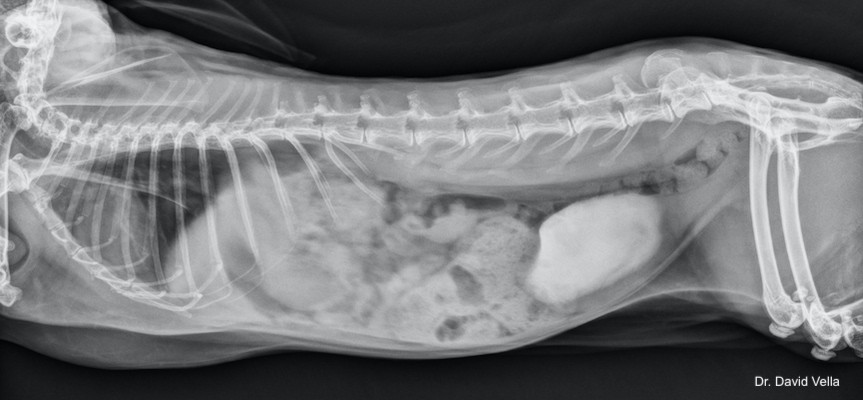
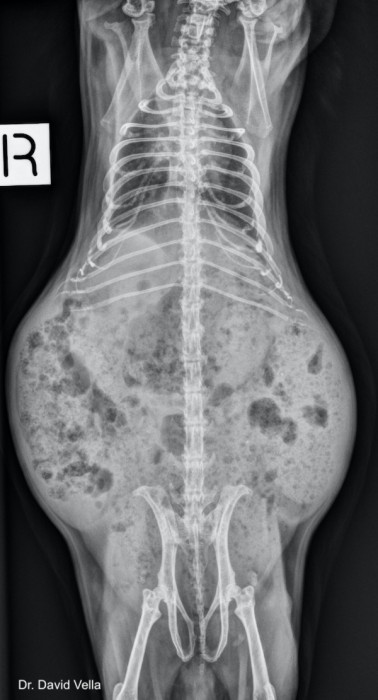
Radiography of exotic pets can be challenging. Small patient size makes restraint and positioning difficult. The small size and unique anatomy of small exotic patients can also cause confusion when interpreting images, and even the slightest amount of motion artifact can complicate interpretation. Familiarity with normal anatomy is the basis for radiographic interpretation in any species.
The choice between manual restraint or sedation for radiographs should be determined by several factors. For some exotic pets, manual restraint is effective for radiographic imaging, however, the overall condition of the patient, including its stress level, as well as the speed of the X-ray generating equipment, should all be considered. Perhaps most importantly, the expertise level of the staff restraining the patient must also be considered. Dyspneic animals should almost always be anesthetized for radiography.
This presentation reviews the normal radiographic and sonographic anatomy of ferrets (Mustela putorius furo), rabbits (Oryctolagus cuniculus), and popular rodents in detail, while also touching upon some unique anatomic features of the sugar glider (Petaurus breviceps) and hedgehog (Atelerix albiventris). Common pathologic conditions and typical radiographic findings are also explored. Case examples are used to introduce these concepts.
Outline
 |
|
|
Download a PDF of a detailed presentation outline. 
About the presenter
Dr. Natalie Antinoff is the owner of Antinoff Veterinary Services, which provides veterinary relief and consulting for various practices, primarily specialty facilities. Dr. Antinoff also regularly provides scheduled per diem care for non-traditional pets at Texas Avian & Exotic Animal Hospital in Grapevine, Texas and Mountain West Veterinary Specialists in Layton, Utah. Dr. Antinoff has also been a consultant for the Veterinary Information Network since 1997. [Learn more].
Webinar recording
Post-test
With a passing grade of 70% or higher, you will receive a continuing education certificate for 2 hours of continuing education credit in jurisdictions that recognize American Association of Veterinary State Boards (AAVSB) Registry of Approved Continuing Education (RACE) approval.
RACE approval
This program is approved for 2 hours of continuing credit for veterinarians and veterinary technicians in jurisdictions that recognize AAVSB RACE approval.
Reference
Boehmer E, Crossley D. Objective interpretation of dental disease in rabbits, guinea pigs and chinchillas: Use of anatomical reference lines. Tierärztl Prax 2009;37(K):250-260. Available at http://www.medirabbit.com/GE/Zahnkrankheit/Publications/rabbit_dental_lines.pdf.
Post-Test Australian Wildfire Series Part 2: Animal Welfare & Ethics in Natural Disasters
. . .
Pour les vétérinaires. Par les vétérinaires.
Le site Lafervet.com est conçu pour une utilisation par les vétérinaires. Il est ouvert aux vétérinaires diplômés, aux techniciens vétérinaires diplômés, aux animaliers et aux étudiants dans ces domaines.
Créer un compte pour accéder à des articles et des ressources du site.
L'inscription est gratuite.
Para Profesionales Veterinarios. Por Profesionales Veterinarios.
El sitio Lafervet.com es para uso de los profesionales veterinarios. Está abierto a los veterinarios licenciados, técnicos veterinarios licenciados, rehabilitadores licenciados y estudiantes en estos campos.
Cree una cuenta para acceder a los artículos y recursos del sitio.
La registro es gratis.
Already a LafeberVet Member?
Please Login
Post-Test Australian Wildfire Series Part 1: Bushfires & Treatment of Australian Wildlife
. . .
Pour les vétérinaires. Par les vétérinaires.
Le site Lafervet.com est conçu pour une utilisation par les vétérinaires. Il est ouvert aux vétérinaires diplômés, aux techniciens vétérinaires diplômés, aux animaliers et aux étudiants dans ces domaines.
Créer un compte pour accéder à des articles et des ressources du site.
L'inscription est gratuite.
Para Profesionales Veterinarios. Por Profesionales Veterinarios.
El sitio Lafervet.com es para uso de los profesionales veterinarios. Está abierto a los veterinarios licenciados, técnicos veterinarios licenciados, rehabilitadores licenciados y estudiantes en estos campos.
Cree una cuenta para acceder a los artículos y recursos del sitio.
La registro es gratis.
Already a LafeberVet Member?
Please Login
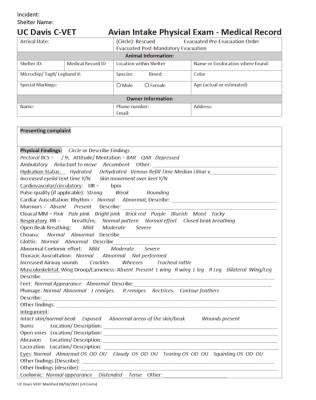
Shelter Avian Intake Physical Exam Form
Introduction
The California Veterinary Emergency Team (CVET) Shelter Entrance Avian Examination Form, shared by Dr. Michelle Hawkins, includes entrance exam considerations helpful in a triage situation. This form is divided into four sections: animal and owner information, physical findings, problem list/medication and plan, as well notes.
Avian intake form
Download the PDF version of the CVET avian intake physical exam (posted with permission) or modify the DOCX version for use by your facility.
2021 T.J. Lafeber Avian Practitioner of the Year
Dr. Y.R.A. (Yvonne) van Zeeland
named Avian Practitioner of the Year
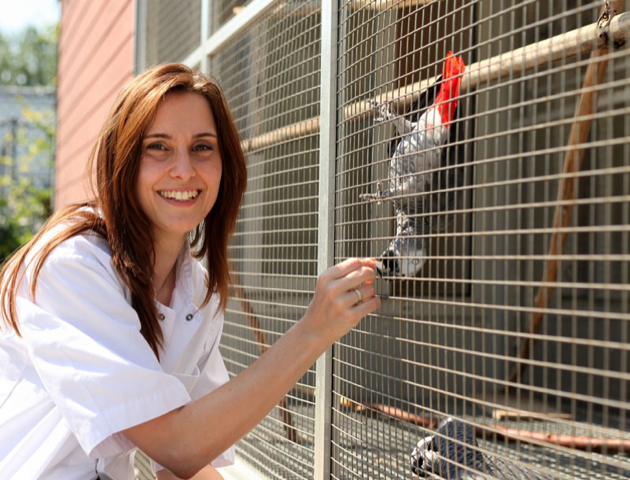
Thirty-three exceptional avian veterinarians from all around the world were nominated for the 2021 T.J. Lafeber Avian Practitioner of the Year. The independent Selection Committee narrowed this list to four finalists and the Award recipient, Dr. Yvonne van Zeeland, was announced during the Plenary Session at the 2021 ExoticsCon.
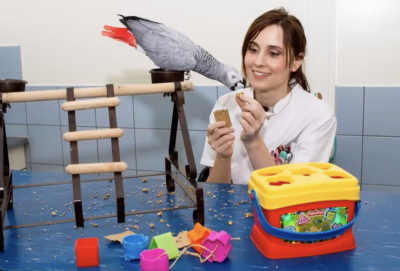
Yvonne van Zeeland, DVM, MVR, PhD, DECZM (Avian Practice, Small Mammals) is an Assistant Professor in the Division of Zoological Medicine at the Utrecht University, the Netherlands .

Download and share the press release.
Award recipients
Visit Lafeber.com to learn more about Dr. van Zeeland and for a list of previous Award recipients.

Did you know…?
The T.J. Lafeber Avian Practitioner of the Year is nominated by their peers: YOU. The Awardee is NOT, and has never been, selected by Lafeber Company.
This autonomous committee, consisting of Association of Avian Veterinarians members, is led by Dr. Kenneth Welle, Professor and Chief of the Zoological Medicine Service at the University of Illinois School of Veterinary Medicine. A Lafeber Company Veterinary Consultant, who does NOT vote on the Award recipient, manages committee paperwork and scheduling only.
Lead Exposure in Backyard Poultry
Although backyard poultry are kept for a variety of reasons, many owners raise backyard chickens for personal consumption of meat and eggs. There is some concern that poultry can be exposed to heavy metals, such as lead, and then pass lead on to people in their eggs or meat. This client education handout briefly reviews tips on monitoring flocks for lead exposure.

Download the PDF version of this client education handout, or modify the DOCX version for your veterinary hospital.
Care of the Backyard Chicken
This client education handout reviews basic care of backyard poultry, specifically the pet chicken. Topics covered include housing, such as space, substrate, temperature, ventilation, predator proofing, perching, nest boxes, and sanitation, as well as diet and basic principles of biosecurity and quarantine.
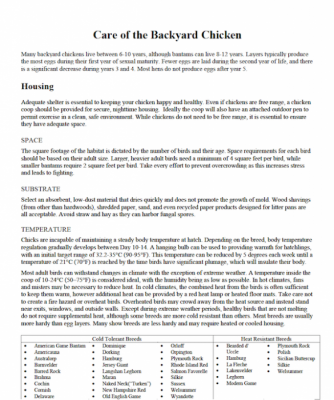
Download the PDF version of this backyard poultry client education handout, or modify the DOCX version for your veterinary hospital.
Poultry and Public Health
Although keeping backyard poultry can be enjoyable, owners should be aware that healthy birds can sometimes carry harmful germs that make people sick. Public health concerns linked to backyard poultry include infection caused by Salmonella spp., E. coli, Campylobacter spp., and avian influenza. Whether the owner is building their very first coop or is a seasoned backyard poultry owner, this client handout provide tips on simple things that can be done to stay healthy.
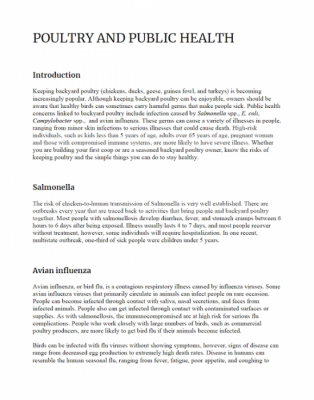
Download the PDF version of this public health client education handout, or modify the DOCX version version for your veterinary hospital.
Fowl Detectives Post-Test
Post test for Fowl Detectives: Using Physical Exam & Clinical Signs to Diagnose Poultry Diseases . . .
Pour les vétérinaires. Par les vétérinaires.
Le site Lafervet.com est conçu pour une utilisation par les vétérinaires. Il est ouvert aux vétérinaires diplômés, aux techniciens vétérinaires diplômés, aux animaliers et aux étudiants dans ces domaines.
Créer un compte pour accéder à des articles et des ressources du site.
L'inscription est gratuite.
Para Profesionales Veterinarios. Por Profesionales Veterinarios.
El sitio Lafervet.com es para uso de los profesionales veterinarios. Está abierto a los veterinarios licenciados, técnicos veterinarios licenciados, rehabilitadores licenciados y estudiantes en estos campos.
Cree una cuenta para acceder a los artículos y recursos del sitio.
La registro es gratis.
Already a LafeberVet Member?
Please Login
Australian Wildfire & Wildlife Insights
The 2019/2020 wildfires put the plight of Australian wildlife and the realities of climate change on the international stage. This RACE-approved webinar course consists of two, 1-hour recordings that explore the impact of Australian bushfires on wildlife. Part 1, presented by Dr. Bree Talbot, explores the basics of patient assessment and triage as well as management of pain, smoke inhalation, and burns for the unique species found in Australia. Part 2 summarizes Dr. Michelle Campbell-Ward’s research evaluating the key rescue/rehabilitation-related wild animal welfare outcomes and ethical dilemmas encountered during the Australian bushfires . . .
Pour les vétérinaires. Par les vétérinaires.
Le site Lafervet.com est conçu pour une utilisation par les vétérinaires. Il est ouvert aux vétérinaires diplômés, aux techniciens vétérinaires diplômés, aux animaliers et aux étudiants dans ces domaines.
Créer un compte pour accéder à des articles et des ressources du site.
L'inscription est gratuite.
Para Profesionales Veterinarios. Por Profesionales Veterinarios.
El sitio Lafervet.com es para uso de los profesionales veterinarios. Está abierto a los veterinarios licenciados, técnicos veterinarios licenciados, rehabilitadores licenciados y estudiantes en estos campos.
Cree una cuenta para acceder a los artículos y recursos del sitio.
La registro es gratis.
Already a LafeberVet Member?
Please Login
Fowl Detectives
View this RACE-approved webinar recording "Fowl Detectives: Using Physical Exam & Clinical Signs to Diagnose Poultry Diseases" presented by Teresa Morishita, DVM, PhD, DACPV. This program is approved for 1 hour of continuing credit in jurisdictions that recognize American Association of Veterinary State Boards (AAVSB) Registry of Approved Continuing Education (RACE) approval . . .
Pour les vétérinaires. Par les vétérinaires.
Le site Lafervet.com est conçu pour une utilisation par les vétérinaires. Il est ouvert aux vétérinaires diplômés, aux techniciens vétérinaires diplômés, aux animaliers et aux étudiants dans ces domaines.
Créer un compte pour accéder à des articles et des ressources du site.
L'inscription est gratuite.
Para Profesionales Veterinarios. Por Profesionales Veterinarios.
El sitio Lafervet.com es para uso de los profesionales veterinarios. Está abierto a los veterinarios licenciados, técnicos veterinarios licenciados, rehabilitadores licenciados y estudiantes en estos campos.
Cree una cuenta para acceder a los artículos y recursos del sitio.
La registro es gratis.
Already a LafeberVet Member?
Please Login
Michelle Campbell-Ward BSc BVSc (Hons I) PGCertIAWEL MANZCVS (Zoo Medicine) DZooMed (Mammalian) MRCVS
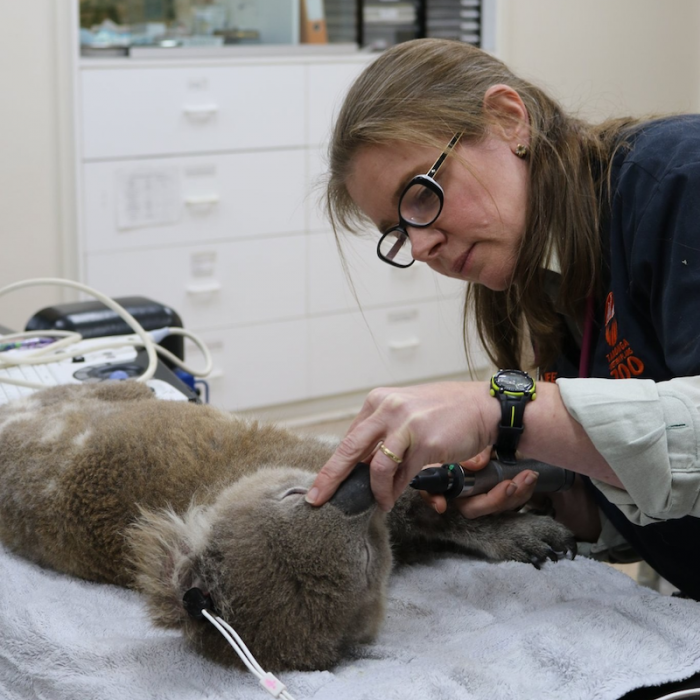 Michelle Campbell-Ward is a Senior Program and Policy Officer for Animal Welfare in the Department of Regional New South Wales (NSW). She has also worked as a zoo and wildlife veterinarian with the Taronga Conservation Society, based in Dubbo NSW, since 2008. Michelle studied zoology and veterinary medicine at the University of Sydney. After working in domestic animal practice for a number of years, she completed a residency in zoological medicine at the University of Edinburgh in 2007. Michelle became a Royal College of Veterinary Surgeons (RVCS) Recognised Specialist in Zoo and Wildlife Medicine in 2008 and she has been an exotic animal medicine consultant for the Veterinary Information Network since 2014. She is President of the Australian and New Zealand College of Veterinary Scientists Zoo and Wildlife Medicine Chapter. Dr. Campbell-Ward is also an Adjunct Senior Lecturer with Charles Sturt University. She has authored many scientific publications and has regularly given presentations at international conferences. Her professional interests include conservation medicine, zoo nutrition, One Health-One Welfare, and the ethics associated with the care and management of captive and free-ranging non-domestic species.
Jessica Rosen
Jessica Rosen is a veterinary technology student at Santa Rosa Junior College in Santa Rosa, California. Jessica won 2nd place in the Veterinary Technology Student division of the inaugural 2021 AEMV Veterinary Technology Contest. Jessica currently works at a veterinary hospital and volunteers at a wildlife rescue, and she hopes to make a career rehabilitating native wildlife.
Harley Swan
Harley A. Swan is a veterinary technology student at Tidewater Community College in Virginia Beach, Virginia. Harley won 1st place in the Technology Student division of the inaugural 2021 AEMV Veterinary Technology Contest.
Jovanna Berls, CVA, LVT
Jovanna Berls is a licensed veterinary technician at ABC Animal & Bird Clinic in Sugar Land, Texas. Jovanna won 3rd place in the Veterinary Technician division of the inaugural 2021 AEMV Veterinary Technology Contest.
Dylan Farr
 Dylan Farr has been in veterinary medicine since 2006 when he started as a kennel technician and then was subsequently promoted to veterinary assistant later that year. He moved to Johnson City, Tennessee to attend college at East Tennessee State University and then returned to Florida, where he began working as an emergency technician at a specialty practice, where he was promoted to Lead Emergency Nurse within 1 year. While emergency medicine quickly became his passion, the Florida Keys, was a stronger draw! Dylan worked and learned under the acclaimed exotic animal veterinarian Douglas Mader, DABVP DABVP (Reptile) DECZM (Herpetology), learning about and treating many varying exotic species and becoming proficient in exotic species anesthesia. Currently, Dylan is a Technician Supervisor at Marathon Veterinary Hospital and he recently completed his Fear-Free certification. Today he still lives in the Florida Keys with his wife, cat, two dogs, and a harlequin macaw.
Stefanie Kotschwar BScH (Zoology, Nutrition), MSc (Zoo Conservation), RVT
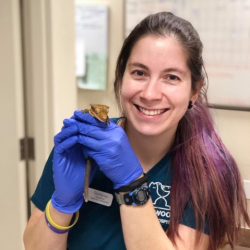
Stefanie Kotschwar is a registered veterinary technician (RVT) that has worked at Lynwood Animal Hospital in Ottawa, ON, Canada since 2016. Stephanie has an international background, growing up in Austria and Colombia before moving to Canada in 2004. Prior to becoming an RVT in 2017, Stefanie obtained her Bachelor of Science (BSc) with honors in zoology from the University of Guelph in 2008 and her Masters of Sciences (MSc) in zoo conservation biology from Plymouth University in 2010. While working as veterinary assistant in Guelph, Stefanie did the Distance Education Veterinary Program through Cedar Valley College (now Dallas College) and graduated in 2014. Stefanie has a variety of experiences, having worked in both general and emergency practice as well as multiple humane societies and zoos. She has a special interest in exotic medicine, nutrition, and emergency care. Her long term goal is to obtain Veterinary Technician Specialty in Clinical Practice (Exotic Medicine).
Exotic Companion Mammal Enrichment Client Handout
Have you heard about environmental enrichment but are wondering what it really means and how to implement it to benefit your pets? This client education handout explores the definition of enrichment, the benefits of enrichment, as well as practical suggestions on implementation. Enrichment can be enjoyable as you get to create an array of fun, interactive enclosures and toys for your pet. This client education handout was awarded first place in the 2021 inaugural Association of Exotic Mammal Veterinarians (AEMV) Veterinary Technology Client Education Materials Contest, sponsored by Lafeber Company.
Download the PDF, in either its original color version or a simplified version of this environmental enrichment client education handout, or modify the DOCX version for your veterinary hospital.
Nutrition: The Key to Your Chinchilla’s Health
Your chinchilla’s diet plays a key role in maintaining optimal condition. This client education handout reviews the foods eaten by chinchillas in the wild, recommendations for a healthy pet chinchilla diet, as well as why a high-fiber diet is essential to your chinchilla’s health. This educational material was awarded third place in the 2021 Association of Exotic Mammal Veterinarians (AEMV) Veterinary Technology Client Education Materials Contest, sponsored by Lafeber Company.

Download the PDF version of this chinchilla nutrition client education handout, or modify the DOCX version or DOC version for your veterinary hospital.
Pigs and Dogs: A Recipe for Disaster
Dogs remain one of the most common household companions, and as miniature pigs grow in popularity as pets, the question invariably comes up: how might dogs and pigs get along in the same household? This client education handout reviews normal predator (pack) versus prey (herd) behavior, as well as the significant risk for pet pigs when they are left unsupervised with dogs.
This client education handout was awarded first place in the 2021 inaugural Association of Exotic Mammal Veterinarians (AEMV) Veterinary Technology Student Client Education Materials Contest, sponsored by Lafeber Company.
Download the PDF version of this client education handout, or modify the DOCX version for your veterinary hospital.
Nutritional Requirements for Guinea Pigs
This client education handout reviews the nutritional requirements of guinea pigs. Providing guinea pigs the correct diet is an essential part of keeping these fun, loving creatures happy and healthy. Two extremely important nutrients that play a vital role in maintaining the health of guinea pigs are calcium and vitamin C. This educational material was awarded second place in the 2021 Association of Exotic Mammal Veterinarians (AEMV) Veterinary Technology Student Client Education Materials Contest, sponsored by Lafeber Company.
Download the PDF version of this guinea pig nutrition client education handout, or modify the DOCX version or DOC version for your veterinary hospital.
Mask Off! How to Recognize the Masking Phenomenon in Your Exotic Pet
This client education handout reviews the masking phenomenon observed in exotic pets. Why do exotic animals attempt to hide signs of illness or injury and what can the attentive owner do to offset this behavior? This client education handout was awarded second place in the 2021 inaugural Association of Exotic Mammal Veterinarians (AEMV) Veterinary Technology Client Education Materials Contest, sponsored by Lafeber Company.

Download the PDF version of this masking phenomenon client education handout, or modify the DOCX version or DOC version for your veterinary hospital.
2021 AEMV Veterinary Medical Student Case Report Contest

Introduction
Lafeber Company was proud to sponsor the Association of Exotic Mammal Veterinarians (AEMV) Veterinary Medical Student Case Report Contest. Veterinary students from all over the world were encouraged to write a 2-page case report (1500 words or less) about an exotic companion mammal seen at their college of veterinary medicine or during a clinical experience.
Submissions closed April 30, 2021. Cases reports were received from eight nations: Brazil, Hungary, Mexico, Poland, Portugal, USA, and the United Kingdom. Judges from the Research Committee evaluating the case reports were blinded to the students, mentors, co-authors, and institutions at which the cases were seen.
Posted below are brief summaries of each winning case report. Each student has also been encouraged to submit their paper for peer-reviewed publication.
First place
Matilde Alves Ribeiro (Student – Universidade do Porto, Portugal):
What if it’s not a trichofolliculoma? High-grade pleomorphic sarcoma with local lymph node metastasis in a guinea pig (Cavia porcellus)
A 3-year-old male intact guinea pig (Cavia porcellus) was presented at the clinic with a cutaneous, excoriated mass, in the left axillary region. No additional diagnostics or surgery were accepted by the owner. Two months later the mass had increased significantly, ulcerated, and started to involve the left thoracic limb, reducing the animal’s mobility and quality of life. Surgery to remove the nodule was then scheduled. The hematological analysis performed on the day of the surgery showed the animal had a slight anemia and leukopenia. Biochemical analysis revealed the animal was slightly hyperglycemic and had a borderline low total protein. The nodule was successfully removed and sent for histopathological analysis. The lesion was diagnosed as a high-grade pleomorphic sarcoma with local lymph node metastasis. Immunohistochemistry was performed and the neoplastic cells were found to be vimentin positive and CD18 negative, confirming a sarcoma. Although the most frequent cutaneous neoplasms in guinea pigs are benign, this nodule was shown to be a highly malignant metastasized neoplasm, underscoring the importance of a timely cytological or histopathological diagnosis and prompt subsequent treatment.
Second place
Ivana H. Levy (Student – University of Illinois, USA):
An emerging epidemic: Rabbit hemorrhagic disease virus (RHDV) as a differential diagnosis in a septic domestic rabbit (Oryctolagus cuniculus)
An 8-month female spayed rabbit (Oryctolagus cuniculus) presented for gastrointestinal stasis, ecchymoses, and marked pyrexia 12 days after ovariohysterectomy. Bloodwork (leukopenia, thrombocytopenia), clinical signs at presentation (multifocal hemorrhage, fever, tachypnea), and a hypercoagulable state noted on coagulation panels were suggestive of systemic inflammatory response syndrome with disseminated intravascular coagulation. However, many of the examination and clinicopathologic findings were consistent with the acute form of rabbit hemorrhagic diseases virus (RHDV) and thus, this differential was considered. The patient was hospitalized and administered intensive supportive care, including fluid therapy, analgesia, oxygen therapy, broad-spectrum antibiotics, and assist-feeding, but ultimately died within 12 hours of presentation. Post-mortem tissue samples were confirmed to be negative for RHDV prior to necropsy being performed. Bacterial sepsis stemming from bilateral ovarian pedicle granulomas was ultimately diagnosed. Although not confirmed in this case, RHDV is a rapidly emerging and internationally reportable disease caused by a calicivirus affecting both wild and companion rabbits. Because RHDV2 is highly contagious and exhibits high fatality rates, it should be included as a differential diagnosis for any rabbit presenting with compatible examination and clinicopathologic findings even if it has not yet been reported in a given state.
Third place
Arianna Rizzi (Student – The Royal Veterinary College, UK):
Treatment of large granulocytic leukemia in a rat (Rattus norvegicus) with chemotherapy
Large granulocytic lymphocytic leukemia (LGL) is a common cause of mortality in geriatric laboratory rats (Rattus norvegicus). Large granulocytic lymphocytic leukemia is usually untreated and the diagnosed patients are often euthanized or die naturally. A 2-year-old male domestic rat presented with lethargy and a palpable abdominal mass. A diagnosis of LGL with an unclassified white cell count of 2.48×10⁵ was made. White blood cell (WBC) count levels above 11.06×10³ are considered elevated. Following diagnosis, he was treated with chemotherapy consisting of cyclophosphamide, cytarabine, vincristine, L-asparaginase (Elspar), and prednisolone, which resulted in minimal side effects. His white cell count was monitored throughout treatment and decrease, leading to remission for 36 days. Throughout treatment, the patient was pruritic and presented with wounds which were attributed to self- mutilation and ectoparasite infections that were continuously monitored. These wounds improved by time of death. One month prior to natural death, the rat developed a multifocal ventricular tachyarrhythmia and progressive posterior paresis. To the authors’ knowledge, this is the first documentation of long-term chemotherapy treatment for LGL in a rat. Reports of LGL in rats are predominantly found in the F344 strain, where clinical signs and pathogenesis are well documented.
Prizes
| 1st Place: | 1 year of FREE Association of Exotic Mammal Veterinarians membership
Carpenter JW (ed). Exotic Animal Formulary, 5th ed. Elsevier, 2017. Mayer J, Donnelly TM. Clinical Veterinary Advisor: Birds and Exotic Pets. St. Louis: Saunders; 2012 Quesenberry KE, Orcutt CJ, Mans C, Carpenter JW (eds). Ferrets, Rabbits, and Rodents: Clinical Medicine and Surgery, 4th ed. St. Louis: Elsevier; 2021. |
| 2nd Place: | 1 year of FREE Association of Exotic Mammal Veterinarians membership
Carpenter JW (ed). Exotic Animal Formulary, 5th ed. Elsevier, 2017. Quesenberry KE, Orcutt CJ, Mans C, Carpenter JW (eds). Ferrets, Rabbits, and Rodents: Clinical Medicine and Surgery, 4th ed. St. Louis: Elsevier; 2021. |
| 3rd Place: | 1 year of FREE Association of Exotic Mammal Veterinarians membership
Quesenberry KE, Orcutt CJ, Mans C, Carpenter JW (eds). Ferrets, Rabbits, and Rodents: Clinical Medicine and Surgery, 4th ed. St. Louis: Elsevier; 2021. |
Permission was obtained from the supervising clinician (required) and the owner (optional depending on local privacy laws or facility standards).
Learn more
Interested in learning more about exotic companion mammals? Visit AEMV.org or email [email protected] for more information.

2021 AEMV Veterinary Technology Contest
Introduction
Lafeber Company was proud to sponsor the Association of Exotic Mammal Veterinarians (AEMV) Veterinary Technology Client Education Materials Contest. Credentialed veterinary technicians, veterinary technologists, veterinary nurses, as well as students in this field were encouraged to submit a two-page, English-language educational handout (1500 words or less) about a companion exotic mammal health and wellness topic.
Submissions closed April 30 and 17 client education handouts were received. The AEMV Technician Committee evaluated this educational material and they were blinded to the identify of each veterinary technologist or student.
Winners
| 1st Place Technologist
Stefanie Kotschwar, BScH, MSc, RVT Lynwood Animal Hospital Nepean, Ontario, Canada |
Exotic Companion Animal Enrichment
|
| 1st Place Technology Student
Harley A. Swan Tidewater Community College Virginia Beach, Virginia USA
Veterinary Assistant Midway Veterinary Hospital Chesapeake, Virginia USA |
Pigs and Dogs: A Recipe for Disaster
|
| 2nd Place Technician
Dylan Farr, Technician Supervisor Jessica Bedinghaus, CVT Marathon Veterinary Hospital Marathon, Florida USA |
Mask Off! How to Recognize the Masking Phenomenon in Your Exotic Pet
|
| 2nd Place Technology Student
Jessica Rosen Santa Rosa Junior College Santa Rosa, California USA
|
Nutritional Requirements for Guinea Pigs
|
| 3rd Place Technician
Jovanna Berls, CVA, LVT ABC Animal & Bird Clinic Sugar Land, Texas USA
|
Nutrition: The Key to Your Chinchilla’s Health
|


Prizes
| 1st Place Technician/Technologist (estimated value $130 USD) |
3M™ Littmann® Classic II Pediatric Stethoscope
Nursing kit (pouch with bandage scissors, hemostat, suture scissors 1 year of FREE Association of Exotic Mammal Veterinarians membership |
| 1st Place Technician/Technology Student (estimated value $130 USD)
|
3M™ Littmann® Classic II Pediatric Stethoscope
Nursing kit (pouch with bandage scissors, hemostat, suture scissors) 1 year of FREE Association of Exotic Mammal Veterinarians membership |
| 2nd Place Technician/Technologist (estimated value $80 USD) |
Nursing kit (pouch with bandage scissors, hemostat, suture scissors
Exotic Animal Medicine: A Quick Reference Guide (2nd ed) by Lance Jepson 1 year of FREE Association of Exotic Mammal Veterinarians membership |
| 2nd Place Technician/Technology Student (estimated value $80 USD) | Nursing kit (pouch with bandage scissors, hemostat, suture scissors
Exotic Animal Medicine: A Quick Reference Guide (2nd ed) by Lance Jepson 1 year of FREE Association of Exotic Mammal Veterinarians membership |
| 3rd Place Technician/Technologist (estimated value $40 USD) |
Nursing kit (pouch with bandage scissors, hemostat, suture scissors
1 year of FREE Association of Exotic Mammal Veterinarians membership |
Learn more
Interested in learning more about exotic companion mammal medicine? Visit AEMV.org or email [email protected] for more information about AEMV Technician Membership, as well as Student Membership and the Student Chapter Program.
Post-test: Structure and Function in Raptors
This program is approved by the American Association of Veterinary State Boards Registry of Approved Continuing Education (R.A.C.E.) to offer a total of 1.00 CE Credits (1.00 max) being available to any one veterinarian: and/or 1.00 Veterinary Technician CE Credits (1.00 max). This approval is valid in jurisdictions which recognize AAVSB RACE; however, participants are responsible for ascertaining each board's CE requirements. RACE does not “accredit” or “endorse” or “certify” any program or person, nor does RACE approval . . .
Pour les vétérinaires. Par les vétérinaires.
Le site Lafervet.com est conçu pour une utilisation par les vétérinaires. Il est ouvert aux vétérinaires diplômés, aux techniciens vétérinaires diplômés, aux animaliers et aux étudiants dans ces domaines.
Créer un compte pour accéder à des articles et des ressources du site.
L'inscription est gratuite.
Para Profesionales Veterinarios. Por Profesionales Veterinarios.
El sitio Lafervet.com es para uso de los profesionales veterinarios. Está abierto a los veterinarios licenciados, técnicos veterinarios licenciados, rehabilitadores licenciados y estudiantes en estos campos.
Cree una cuenta para acceder a los artículos y recursos del sitio.
La registro es gratis.
Already a LafeberVet Member?
Please Login
Structure and Function in Raptors
This continuing education webinar recording, presented by Dr. Jaime Samour, is a terrific opportunity to review (or discover) avian anatomy in general and raptor anatomy in particular. This 1-hour system-by-system review begins with the integumentary system, including plumage, beak, and talons, then moves through the raptor musculoskeletal, respiratory, digestive, urinary, and male and female reproductive systems, as well as circulation, brain and intelligence, plus special senses. View the 1 hour webinar recording, then take the brief quiz to earn 1 hour of continuing education credit . . .
Pour les vétérinaires. Par les vétérinaires.
Le site Lafervet.com est conçu pour une utilisation par les vétérinaires. Il est ouvert aux vétérinaires diplômés, aux techniciens vétérinaires diplômés, aux animaliers et aux étudiants dans ces domaines.
Créer un compte pour accéder à des articles et des ressources du site.
L'inscription est gratuite.
Para Profesionales Veterinarios. Por Profesionales Veterinarios.
El sitio Lafervet.com es para uso de los profesionales veterinarios. Está abierto a los veterinarios licenciados, técnicos veterinarios licenciados, rehabilitadores licenciados y estudiantes en estos campos.
Cree una cuenta para acceder a los artículos y recursos del sitio.
La registro es gratis.
Already a LafeberVet Member?
Please Login
Jaime Samour MVZ (Honours), PhD, DECZM (Avian), FRSB
 Jaime Samour has dedicated most of his professional life to falcon medicine. He graduated with Honours from the Faculty of Veterinary Medicine, Veracruz University, Veracruz, Mexico in 1978. After a brief period of time working in private practice in El Salvador, he returned to Veracruz University and became an Associate Professor. In 1981, Jaime traveled to London to study and conduct research projects in reptile and avian medicine at the Institute of Zoology, Zoological Society of London. He also learned hematology under the supervision of Dr. Christine Hawkey and Mike Hart. He received his Doctorate degree in Avian Reproductive Biology from the Royal College of Veterinary Medicine in 1987. Immediately afterwards, Jaime moved to the Middle East where he has worked ever since, first in the Kingdoms of Bahrain and Saudi Arabia and finally in the United Arab Emirates (UAE). His professional experiences include (but are not limited to) serving as the Director of Wildlife at the Wildlife Division of Wrsan in the UAE (2006-2020), Medical Director at the Falcon Specialist Hospital and Research Institute in Saudi Arabia (1998-2006), Head of the Veterinary Science Department at the National Avian Research Centre in the UAE (1993-1998), and the Senior Veterinary Officer at the Wildlife Park and Reserve in Bahrain (1987-1993). Jaime has edited five textbooks, including Avian Medicine, 3rd edition and Hawkey’s Atlas of Wild and Exotic Animal Haematology. He has written 17 chapters in different textbooks on exotic animal and avian medicine and more than 170 articles in magazines and international journals.
Jaime received an Award for his outstanding contribution to the field of Zoological Medicine from the British Veterinary Zoological Society – Parke-Davies – Upjohn in 1998 and the T.J. Lafeber Avian Practitioner of the Year Award in 2006. Jaime earned the status of Specialist in avian medicine from the European College of Zoological Medicine in 2004 and he became Professor of Medicine of Raptors at the College of Veterinary Medicine, University of Parma, Italy, in 2018. Jaime became a Fellow of the prestigious Royal Society of Biology (FRSB) based in London, England in 2018. Currently, Jaime continues to live in Abu Dhabi, United Arab Emirates where he continues to be active in teaching and is dedicated to consulting in wildlife medicine and management and falcon medicine and reproduction.
Liberating Wings: The Possibility of Transformative Parrot Conservation
Introduction
On March 29, 2021, Dr. LoraKim Joyner of One Earth Conservation presented this distance-learning event on parrot conservation for the University of Florida College of Veterinary Medicine Wildlife, Zoological, and Avian Animal Medicine Club. This presentation was hosted by the Lafeber Company Student Program.
Webinar recording
Bree Talbot, BVSc, MANZCVS
Bree Talbot joined the team at Byron Bay Wildlife Hospital in 2020, where she leads Australia’s largest Mobile Wildlife Hospital. Bree was previously an Associate Veterinarian at the University of Sydney’s Avian, Reptile, and Exotic Pet Hospital and the Wildlife Health and Conservation Centre, where she worked for 6 years. In 2015, Dr. Talbot became a Member and Examiner of the Australian and New Zealand College of Veterinary Scientists in medicine and surgery of unusual pets. Dr. Talbot earned a Bachelor of Veterinary Science from the University of Sydney in 2010 and she completed a Master of Veterinary Science in conservation medicine in 2015. Bree initially worked in mixed animal practice for several years before moving back to Sydney.
Rabbit and Large Herbivorous Rodent Dental Disease Test
Test your knowledge - Take the post-test for the "Rabbit and Large Herbivorous Rodent Dental Disease" and earn 2 hours of continuing education credit . . .
Pour les vétérinaires. Par les vétérinaires.
Le site Lafervet.com est conçu pour une utilisation par les vétérinaires. Il est ouvert aux vétérinaires diplômés, aux techniciens vétérinaires diplômés, aux animaliers et aux étudiants dans ces domaines.
Créer un compte pour accéder à des articles et des ressources du site.
L'inscription est gratuite.
Para Profesionales Veterinarios. Por Profesionales Veterinarios.
El sitio Lafervet.com es para uso de los profesionales veterinarios. Está abierto a los veterinarios licenciados, técnicos veterinarios licenciados, rehabilitadores licenciados y estudiantes en estos campos.
Cree una cuenta para acceder a los artículos y recursos del sitio.
La registro es gratis.
Already a LafeberVet Member?
Please Login
Thank You For Attending
The Collapsed Ferret:
More Than Insulinoma
 |
Presented by Cathy Johnson-Delaney, DVM |
Enter the Drawing & Provide Feedback
Please complete the brief
evaluation form/Expert Q&A survey
to share feedback, suggest future topics,
and enter the drawing for Ferret Medicine and Surgery

Test Your Knowledge
LafeberVet utilizes an automated grading system.
So, you will need to register and login to LafeberVet
for FREE to access the post-test.
With a passing grade, you will be able to
download your personalized continuing education certificate.

Download the Housekeeping PDF
Download the “Housekeeping” PDF for information
on the free drawing and RACE-approved webinar recording
as well as links to the quiz, evaluation form/survey, and more.

Evaluation Form Please complete the brief evaluation form to
share feedback or suggest future topics.
Webinar sponsored by EmerAid
Charly Pignon DVM, DECZM (Small Mammal)

Charly Pignon is a Diplomate of the European College of Zoological Medicine (Small Mammal) and a board member of Yaboumba, a French association for continuing education in exotic and wild animals. Charly graduated in 2005 from Alfort National Veterinary School in Maisons-Alfort, France. His veterinary thesis was based on a wildlife conservation project in Cambodia. He then worked at the wildlife rescue center in Alfort and the Paris Zoo (la Ménagerie du Jardin des Plantes). In 2009, Charly completed an exotic animal medicine internship at Cummings School of Veterinary Medicine at Tufts University and when he returned to France he created the Exotic Medicine Service at Alfort National Veterinary School. Dr. Pignon’s current field of research focuses on ear surgery and orthopedic surgery in small mammals, and blood transfusion in ferrets. Dr. Pignon is also the Immediate Past President (2017-2018) of the Association of Exotic Mammal Veterinarians.
Dr. Pignon has served as a translator for LafeberVet Français.
Rabbit and Large Herbivorous Rodent Dental Disease
Krista Keller, DVM, DACZM presented a live, interactive webinar hosted by LafeberVet. View the RACE-approved, 2-hour presentation, then take the quiz to earn continuing education credit. This webinar first explores clinically relevant anatomy and pathogenesis of congenital and acquired disease. Diagnosis is then discussed, including history, the focused, five-part oral examination, as well as skull radiographs and computed tomography. Therapeutic options, such as coronal height reduction, extractions, and options for odontogenic abscessation, are then presented . . .
Pour les vétérinaires. Par les vétérinaires.
Le site Lafervet.com est conçu pour une utilisation par les vétérinaires. Il est ouvert aux vétérinaires diplômés, aux techniciens vétérinaires diplômés, aux animaliers et aux étudiants dans ces domaines.
Créer un compte pour accéder à des articles et des ressources du site.
L'inscription est gratuite.
Para Profesionales Veterinarios. Por Profesionales Veterinarios.
El sitio Lafervet.com es para uso de los profesionales veterinarios. Está abierto a los veterinarios licenciados, técnicos veterinarios licenciados, rehabilitadores licenciados y estudiantes en estos campos.
Cree una cuenta para acceder a los artículos y recursos del sitio.
La registro es gratis.
Already a LafeberVet Member?
Please Login
Basic Information Sheet: Axolotl
Axolotl (Ambystoma mexicanum)
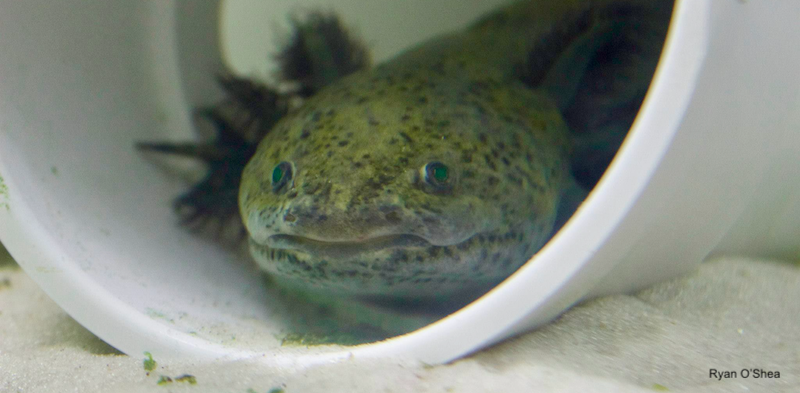
Natural history
Native to Lake Xochimilco, its canal systems, and a few neighboring waterways of Mexico City, the axolotl is a neotenic amphibian species closely related to the tiger salamander (Ambystoma tigrinum). Unlike its relative, the axolotl rarely matures to a terrestrial-adapted animal, instead maintaining many of its larval attributes into adulthood, such as external gills and a paddle-like fin lining the dorsum and tail.
Conservation status
Growth and development of Mexico City has led to a diminishing ecosystem suitable for this species to thrive. Coupled with its appearance in the pet trade and local cuisine, this species has been listed as critically endangered. The majority of specimens found in the pet trade are considered to be captive-raised stock as this species settles well in captivity and is known to breed successfully when given appropriate conditions.
Taxonomy
Class: Amphibia
Order: Caudata
Family: Ambystomatidae (salamanders)
Pronunciation
Just in case you were wondering…
Physical description
| Color | Natural colored specimens are a black to mottled brown color. Selective breeding in captivity has led to a few additional color variations in this species, including melanistic, leucistic, and albino animals. The introduction of transgenesis in this species has also led to a green fluorescent protein (GFP) line of animals, in which a specimen with this protein will produce a green glow over the entirety of its body when exposed to ultraviolet lighting. This change is much more prominent in leucistic and albino animals. | ||
| Size | Axolotls are considered large salamanders with some individuals reportedly reaching total lengths of 30-40 cm (12-15 in), although most specimens reach a total length of 23-25 cm (9-10 in). Females are larger than males and can weigh up to 300 grams. The average female will weigh 180 grams while males on average are 130 grams (Gresens 2004). | ||
| Sexual dimorphism | Mature males will have black nails and a cloacal bulge while mature females will not. Sexual maturity occurs at 12-18 months for females and 10 months for males. | ||
Diet
This species is carnivorous and favors a diet of mollusks, worms, insect larvae, crustaceans, and small fish. Some common food items in captivity include blood worms, blackworms, portions of earthworms (nighcrawlers)*, brine shrimp, tubifex worms, small feeder fish, and salmon pellets. Axolotls should be fed a varied and balanced diet.
Young animals should be offered food daily, while adults can be offered food two to three times per week. Obesity is a problem for this species, therefore attention must be given to the volume and frequency of feedings. Uneaten food should be removed from the aquarium to avoid pollution.
*CAUTION: There is a report describing stomach perforation and morbidity in two tiger salamanders (Ambystoma tigrinum) after consumption of a whole live nightcrawler (Lumbricus terrestris). It is therefore prudent to feed portions rather than whole earthworms to salamanders (Henson-Ramsey 2008).
Husbandry
| Water quality | pH | 7.4-7.6 preferred, 6.5-8.0 acceptable | |
| Chlorine/ chloramine | 0 ppm | ||
| Ammonia | 0 ppm | ||
| Nitrite | 0 ppm | ||
| Nitrate | <10 ppm preferred; prolonged, higher levels can lead to ophthalmic problems | ||
| Temperature | 15.6-17.8°C (60-64°F preferred),
<24°C (75°F) necessary |
||
| Aquarium size | Juvenile: 38 L (10 gallons) Mature adult: 78+ L (20+ gallons) Larger aquariums maintain stable water quality parameters longer than smaller aquariums, so bigger is always better |
||
| Water flow | Minimal, excessive flow can cause stress in this species | ||
| Filtration | Good mechanical filtration recommended to remove detritus introduced between water changes; use of a spray bar to dissipate current is recommended to prevent stressing animal(s). Visit the client education handout “Care of the Axolotl” for additional information. | ||
| Water changes | 30% of total water volume weekly | ||
| Lighting | Minimal, excessive light can cause stress on this species | ||
| Substrate | Fine aquarium sand: provides a textured surface for the animal to move along or rest while being less likely to cause impactions if accidentally ingested.
If stones are to be used, select large river stones and not pebbles as many axolotls will ingest smaller stones resulting in intestinal blockages. Visit the client education handout “Care of the Axolotl” for additional information. |
||
| Social structure | Species-only aquarium; juveniles known for cannibalism; small fish may be consumed, large/aggressive fish may damage external gills; given plenty of space adults may be okay sharing an aquarium | ||
Lifespan
The average lifespan for this species is about 10-15 years, though some individuals have been reported to live up to 20 years. Sexual maturity occurs when the animals reach about 18 cm in total length. Males often achieve maturity sooner than females.
Anatomy/ physiology
| Respiratory |
|
||
| Gastrointestinal | Short, simple carnivore tract. Prey items are prehended by a vacuum affect as the animal rapidly opens its mouth. The teeth are small with a blunt cone shape suited to gripping rather than shredding. | ||
| Cardiac | Three-chambered heart, capable of regeneration to a certain degree. Heart rate is strongly influenced by temperature. | ||
| Musculoskeletal | Appendage regeneration includes the regrowth of functional muscle and skeletal tissue. | ||
| Sexual dimorphism | Mature males will have a swollen appearance surrounding the cloaca while mature females will not. | ||
| Integument | Scaleless with minimal keratinization. Stratum corneum is shed and eaten regularly. Skin is highly vascular and produces significant amount of mucus. | ||
| Vision | Poor | ||
Restraint
For the purpose of a visual examination, the animal and some of its aquarium water should be placed in a small, clear, water-tight container that allows the individual to be viewed from any perspective.
Physical restraint should be avoided whenever possible to prevent damage to the delicate skin and exterior gills of this species, but when necessary a soft mesh net can be used briefly. If physical restraint is required (i.e. for diagnostic testing) the clinician should wear powderless gloves and handle the animal gently as not to disrupt the delicate skin. Low-lint cloths or Daylee® towels can be used to facilitate gentle restraint.
Chemical restraint has been successfully performed with the use of a common fish anesthetic, tricaine methanesulfonate (MS-222) and with the use of alfaxalone in a water bath (Burns 2019, Zullian 2015, McMillan 2011), or isoflurane bubbled into the water.
Venipuncture
Femoral vein
Ventral tail vein, lateral approach
Sedation/anesthesia is recommended to reduce patient stress during this procedure (see restraint above)
Drug administration routes
| Topical | Apply injectable medications to the dorsum and allow transdermal absorption. | ||
| Subcutaneous | Along the body | ||
| Intramuscular | Forelimbs, epaxial musculature | ||
| Intravenous | Femoral veins, branchial veins | ||
| Intracoelomic | Ventral and caudal to the kidneys (See Farkas 2015 for a diagram illustrating the dorsal location of the kidneys). | ||
Important medical conditions
The axolotl has been studied in laboratory settings for years because of its ability to regenerate damaged or lost tissue, including whole limbs, heart tissue, and portions of the central nervous system.
The use of exogenous thyroxine hormone is also known to cause terrestrial metamorphosis in this species.
Many diseases seen in captive axolotls are due to poor husbandry.
| Inappetance | Caused by bacterial/fungal infection, poor water quality/temperature and foreign body ingestion | ||
| Bloating | Caused by bacterial/fungal infection, poor water quality, gastrointestinal disease and liver failure | ||
| Obesity | Overfeeding coupled with slow metabolism and low energy demand puts axolotls at risk for obesity. | ||
| GI obstruction | Gastrointestinal (GI) obstructions caused by ingestion of gravel or other small aquarium decor can lead to serious health problems, including death. Smaller items may occasionally be regurgitated by the animal without intervention or they can be removed using lubricated forceps. Surgery may be required for lower GI impactions. | ||
| Hyperthermia | Water temperature exceeding 24°C (75°F) can lead to hyperthermia. Patients may present with poor to no appetite, ascites, and uncontrollable positive buoyancy.
Secondary bacterial infections are likely to occur in these cases. Aeromonas spp. and Pseudomonas spp. are common in septic cases. |
||
| Neoplasia | Melanomas, fibropapillomas and cutaneous haemangiomas common Most are benign |
||
| Bacterial infections | Due to poor water quality, overfeeding and stress Aeromonas spp. and Pseudomonas spp are common pathogens May lead to septicemia and death |
||
| Fungal infections | Water mold infections are the most common fungal infection and appear as white cotton-like tufts on top of the skin. | ||
| Parasites | Axolotls can acquire enteric parasites from food items or other tank mates. Parasites of concern include Hexamita, Opalina, Trichodina, and Ichthyobodo. | ||
| Trauma | From tank mates or other species Males should not be housed together unless there is ample space to hide |
||
| Toxicosis | Tetracyclines are contraindicated in this species (Loh 2015). Other products considered unsafe in axolotls include malachite green and copper-based treatments (Loh 2015). | ||
| Exophthalmia, corneal opacities: | Can develop with prolonged exposure to elevated nitrate (NO3) levels | ||
References and further reading
Krista Keller, DVM, DACZM
Krista Keller is an Associate Clinical Professor at the University of California at Davis (UCD) School of Veterinary Medicine. Dr. Keller has previously worked as an Assistant Professor at the University of Illinois at Urbana-Champaign College of Veterinary Medicine and an Avian and Exotics Telemedicine Specialist for Abaxis, Incorporated. Krista earned a Doctorate of Veterinary Medicine from Ross University School of Veterinary Medicine in 2010. She then completed an internship in companion animal medicine and surgery at Louisiana State University and a residency in zoological companion animal medicine at UCD. Dr. Keller worked in private practice as an avian and exotic animal veterinary specialist for 2 years, and she has presented and published extensively on exotic animal medicine topics.
Care of the Axolotl
This client education handout reviews basic care of the axolotl. This handout briefly discusses natural history and conservation status. Topics covered in more detail include housing, such as habitat, water quality, filtration, and lighting, as well as diet and common health problems.

Download the PDF version of this axolotl client education handout, or modify the DOCX version or DOC version for your veterinary hospital.
Susan Horton, DVM
Dr. Susan Horton is a 1995 graduate of the University of Illinois College of Veterinary Medicine. She owns Chicago Exotics Animal Hospital, which she established in 2000. Dr. Horton is also a consultant for the Veterinary Information Network, particularly for the amphibian and reptile board. Sue is a Past-President of the Association of Reptile and Amphibian Veterinarians and an Editor for the Journal of Herpetological Medicine and Surgery. She is also a member of the Association of Avian Veterinarians, the Association of Exotic Mammal Veterinarians, and the American Association of Zoo Veterinarians.
Dr. Horton has presented both nationally and internationally on exotic animal medicine and surgery. Local venues have included the Aviculture Society of Chicagoland, the University of Illinois, and Purdue University. Dr. Horton has also been published in the Veterinary Clinics of North America, the Journal of Avian Medicine and Surgery, the Journal of Herpetological Medicine and Surgery, and Invertebrate Biology. She is also Medical Director for HAPPE Parrots, Friends of Scales Reptile Rescue, and the Red Door Animal Shelter, which uses her rabbit expertise with their many wonderful bunnies.
Dr. Horton has her own assortment of exotic (and not so exotic) pets including geckos, quaker parrot, frogs, and one dog. In her “spare” time, Dr. Horton enjoys gardening, scuba diving, bird watching, camping, canning, brewing, bee keeping, beading (and working on her website).
An Introduction to Exotic Animal Medicine
Dr. Gregory Rich of Avian & Exotic Animal Hospital of Louisiana presented this distance-learning event on exotic animal medicine for Texas A&M University ZEW Club. This presentation was sponsored by the Lafeber Company Student Program . . .
Pour les vétérinaires. Par les vétérinaires.
Le site Lafervet.com est conçu pour une utilisation par les vétérinaires. Il est ouvert aux vétérinaires diplômés, aux techniciens vétérinaires diplômés, aux animaliers et aux étudiants dans ces domaines.
Créer un compte pour accéder à des articles et des ressources du site.
L'inscription est gratuite.
Para Profesionales Veterinarios. Por Profesionales Veterinarios.
El sitio Lafervet.com es para uso de los profesionales veterinarios. Está abierto a los veterinarios licenciados, técnicos veterinarios licenciados, rehabilitadores licenciados y estudiantes en estos campos.
Cree una cuenta para acceder a los artículos y recursos del sitio.
La registro es gratis.
Already a LafeberVet Member?
Please Login
Avian Raw Whole Food Nutrition
Introduction
Dr. Jason Crean of Saint Xavier University presented this distance-learning event on whole food nutrition in birds for the University of Minnesota College Veterinary Medicine Zoological, Exotic, Avian and Wildlife Club. This presentation was sponsored by the Lafeber Company Student Program.
Webinar recording
Reptile Case Challenge Quiz
. . .
Pour les vétérinaires. Par les vétérinaires.
Le site Lafervet.com est conçu pour une utilisation par les vétérinaires. Il est ouvert aux vétérinaires diplômés, aux techniciens vétérinaires diplômés, aux animaliers et aux étudiants dans ces domaines.
Créer un compte pour accéder à des articles et des ressources du site.
L'inscription est gratuite.
Para Profesionales Veterinarios. Por Profesionales Veterinarios.
El sitio Lafervet.com es para uso de los profesionales veterinarios. Está abierto a los veterinarios licenciados, técnicos veterinarios licenciados, rehabilitadores licenciados y estudiantes en estos campos.
Cree una cuenta para acceder a los artículos y recursos del sitio.
La registro es gratis.
Already a LafeberVet Member?
Please Login
Jason Crean, MS, EdD
Dr. Jason Crean currently teaches in the Department of Biological Sciences at Saint Xavier University-Chicago where he has instituted coursework like “Zoo Biology: Animal Nutrition, Behavior & Diagnostics.” Dr. Crean is also a zoo consultant, working with zoological institutions in the areas of nutrition, enrichment, and biologically-appropriate exhibit design. He currently serves as the Director of Science & Education at Indian Creek Zoo in Lambertville, Michigan but also consults for other institutions like the Chicago Nature Museum and the Wildlife Genetics Laboratory. Crean has been awarded the Presidential Award for Excellence in Science Teaching in 2009, the 2010 Science Leadership Prize by the American Association for the Advancement of Science, as well as awards from the National Science Teachers Association, the National Association of Biology Teachers, the Illinois Science Teachers Association, among others. Most recently he was awarded the Golden Apple Award for excellence in teaching as well as the Distinguished Science Teaching award by the National Science Teaching Association. Dr. Crean is active in a host of different state and national organizations including the Association of Presidential Awardees in Science Teaching and the College Board’s National Science Advisory Panel.
Clinical Approach to Amphibian Emergencies Quiz
Clinical Approach to Amphibian Emergencies post webinar Quiz . . .
Pour les vétérinaires. Par les vétérinaires.
Le site Lafervet.com est conçu pour une utilisation par les vétérinaires. Il est ouvert aux vétérinaires diplômés, aux techniciens vétérinaires diplômés, aux animaliers et aux étudiants dans ces domaines.
Créer un compte pour accéder à des articles et des ressources du site.
L'inscription est gratuite.
Para Profesionales Veterinarios. Por Profesionales Veterinarios.
El sitio Lafervet.com es para uso de los profesionales veterinarios. Está abierto a los veterinarios licenciados, técnicos veterinarios licenciados, rehabilitadores licenciados y estudiantes en estos campos.
Cree una cuenta para acceder a los artículos y recursos del sitio.
La registro es gratis.
Already a LafeberVet Member?
Please Login
Christina Miller, RVT
Christina Miller is a Registered Veterinary Technologist (RVT) working at Russell Lake Animal Hospital in Dartmouth, Nova Scotia, Canada. Originally from Montreal, Quebec (QC), Christina has worked as a veterinary technician since 2004 while studying animal health technology at Vanier College (Ville St-Laurent, QC). She graduated with honors in 2006 and was awarded the Prix D’Excellence by the Quebec Association of Animal Health Technicians in 2007 for her work promoting high quality medicine for exotic companion animals. Over the next decade, Christina returned to Vanier to teach reptile and amphibian care. Christina completed the Veterinary Technician National Exam in 2007 and she has maintained her status as an RVT and a Certified Animal Health Technician. Christina also held a Registered Laboratory Animal Technician title from 2008-2014. While working full-time as an RVT , Christina completed a bachelor’s degree on environmental and agricultural science in 2011, majoring in applied zoology from McGill University (QC).
Since 2019, Christina has served as the Technician Committee Chair of the Association of Exotic Mammal Veterinarians, and she is an active member of the Association of Reptile and Amphibian Veterinarians and the Association of Avian Veterinarians. Christina is now working to earn a Veterinary Technician Specialty in Clinical Practice (Exotic Companion Animal), while continuing educational efforts on social media.
Case Challenge: An 8-Month-Old Chameleon With Anorexia & Lethargy
An 8-month old female veiled chameleon presents for a 3-day duration of anorexia and lethargy. Use history, physical examination findings, laboratory results and survey radiographs to solve this case challenge . . .
Pour les vétérinaires. Par les vétérinaires.
Le site Lafervet.com est conçu pour une utilisation par les vétérinaires. Il est ouvert aux vétérinaires diplômés, aux techniciens vétérinaires diplômés, aux animaliers et aux étudiants dans ces domaines.
Créer un compte pour accéder à des articles et des ressources du site.
L'inscription est gratuite.
Para Profesionales Veterinarios. Por Profesionales Veterinarios.
El sitio Lafervet.com es para uso de los profesionales veterinarios. Está abierto a los veterinarios licenciados, técnicos veterinarios licenciados, rehabilitadores licenciados y estudiantes en estos campos.
Cree una cuenta para acceder a los artículos y recursos del sitio.
La registro es gratis.
Already a LafeberVet Member?
Please Login
Avian Orthopedics Quiz
. . .
Pour les vétérinaires. Par les vétérinaires.
Le site Lafervet.com est conçu pour une utilisation par les vétérinaires. Il est ouvert aux vétérinaires diplômés, aux techniciens vétérinaires diplômés, aux animaliers et aux étudiants dans ces domaines.
Créer un compte pour accéder à des articles et des ressources du site.
L'inscription est gratuite.
Para Profesionales Veterinarios. Por Profesionales Veterinarios.
El sitio Lafervet.com es para uso de los profesionales veterinarios. Está abierto a los veterinarios licenciados, técnicos veterinarios licenciados, rehabilitadores licenciados y estudiantes en estos campos.
Cree una cuenta para acceder a los artículos y recursos del sitio.
La registro es gratis.
Already a LafeberVet Member?
Please Login
Snake Necropsy Data Collection Form and Checklist
The postmortem exam is a key diagnostic tool used to understand the reasons for the animal’s antemortem clinical compromise and/or cause of death. A necropsy can also provide valuable information to benefit other animals in a population and it can also help provide closure for a grieving owner.
Materials required for a complete necropsy include a necropsy protocol and necropsy form, as well as personal protective equipment, sampling and measurement tools, and collection containers. See A Necropsy Guide to Serpentes for detailed information.
Download a PDF of this Snake Necropsy Data Collection Form and Checklist, or modify the DOCX or DOC version for use by your veterinary hospital.
Clinical Approach to Amphibian Emergencies
View the RACE-approved webinar recording, presented by Douglas Whiteside, DVM, DVSc, DACZM, DECZM (Zoo Health Management). Topics covered include clinically relevant anatomy and physiology, obtaining a detailed history, triage and emergency therapies, clinical examination, diagnostic testing, analgesia, nutritional support, hospitalization, and euthanasia . . .
Pour les vétérinaires. Par les vétérinaires.
Le site Lafervet.com est conçu pour une utilisation par les vétérinaires. Il est ouvert aux vétérinaires diplômés, aux techniciens vétérinaires diplômés, aux animaliers et aux étudiants dans ces domaines.
Créer un compte pour accéder à des articles et des ressources du site.
L'inscription est gratuite.
Para Profesionales Veterinarios. Por Profesionales Veterinarios.
El sitio Lafervet.com es para uso de los profesionales veterinarios. Está abierto a los veterinarios licenciados, técnicos veterinarios licenciados, rehabilitadores licenciados y estudiantes en estos campos.
Cree una cuenta para acceder a los artículos y recursos del sitio.
La registro es gratis.
Already a LafeberVet Member?
Please Login
Douglas P. Whiteside, DVM, DVSc, DACZM, DECZM (ZHM)
 Doug Whiteside is an Associate Professor of Conservation Medicine at the University of Calgary’s Faculty of Veterinary Medicine and the Senior Staff Veterinarian at the Calgary Zoo. He also is a member of the Wildlife Health & Ecology Research Group and an Adjunct Associate Professor in Biology at the University of Calgary. Doug is the Amphibian Taxon Advisory Group veterinarian for Canada’s Accredited Zoos and Aquariums and he is a member of Alberta’s Amphibian and Reptile Specialist Group and the Northern Leopard Frog Recovery Team.
Dr. Whiteside earned his Doctorate of Veterinary Medicine (DVM) from the Ontario Veterinary College (University of Guelph) in 1995. After two years in mixed animal practice, he then completed a zoo medicine internship at the Louisville Zoo, followed by a zoo and wildlife medicine and pathology residency at the Toronto Zoo, while concurrently completing a Doctorate in Veterinary Science (DVSc) in Pathobiology from the University of Guelph in 2001. Dr. Whiteside is a Diplomate of the American College of Zoological Medicine and the European College of Zoological Medicine (Zoo Health Management). He is a strong advocate for animal welfare, is active on several national and international committees, and enjoys the clinical, teaching, and research challenges afforded to him by his current positions.
Sedation and Pain Management in Exotic Companion Mammals Quiz
Post-Test: Sedation and pain management in exotic companion mammals, LafeberVet Webinar Series . . .
Pour les vétérinaires. Par les vétérinaires.
Le site Lafervet.com est conçu pour une utilisation par les vétérinaires. Il est ouvert aux vétérinaires diplômés, aux techniciens vétérinaires diplômés, aux animaliers et aux étudiants dans ces domaines.
Créer un compte pour accéder à des articles et des ressources du site.
L'inscription est gratuite.
Para Profesionales Veterinarios. Por Profesionales Veterinarios.
El sitio Lafervet.com es para uso de los profesionales veterinarios. Está abierto a los veterinarios licenciados, técnicos veterinarios licenciados, rehabilitadores licenciados y estudiantes en estos campos.
Cree una cuenta para acceder a los artículos y recursos del sitio.
La registro es gratis.
Already a LafeberVet Member?
Please Login
Nutritional Secondary Hyperparathyroidism Case Challenge Discussion
Husbandry-related conditions are very common in reptiles, and nutritional secondary hyperparathyroidism is frequently recognized in clinical practice. The discussion portion of this Case Challenge reviews pathogenesis, history, examination findings, and diagnostic test results with radiography, and clinical pathology. Key points of case management are explored, including correction of husbandry and dietary factors, management of hypocalcemia, as well as stabilization and supportive care. Prognosis and prevention are also discussed . . .
Pour les vétérinaires. Par les vétérinaires.
Le site Lafervet.com est conçu pour une utilisation par les vétérinaires. Il est ouvert aux vétérinaires diplômés, aux techniciens vétérinaires diplômés, aux animaliers et aux étudiants dans ces domaines.
Créer un compte pour accéder à des articles et des ressources du site.
L'inscription est gratuite.
Para Profesionales Veterinarios. Por Profesionales Veterinarios.
El sitio Lafervet.com es para uso de los profesionales veterinarios. Está abierto a los veterinarios licenciados, técnicos veterinarios licenciados, rehabilitadores licenciados y estudiantes en estos campos.
Cree una cuenta para acceder a los artículos y recursos del sitio.
La registro es gratis.
Already a LafeberVet Member?
Please Login
Ryan O’Shea, CVT
Ryan O’Shea is a certified veterinary technician and graduate of St. Petersburg College with a bachelor’s degree in veterinary technology. The majority of Ryan’s professional life has focused on zoo animal health and well-being. He has worked various roles in the zoo community, including keeper, nutrition assistant, project manager, and veterinary technician. Outside of the zoo world, his other passion is being a member of the academic community and teaching avian and exotic pet care to veterinary technician/nursing students at his alma mater. He has served as the veterinary technician liaison for the Association of Reptile and Amphibian Veterinarians (2011-2013) and regularly attends and speaks at local and national conferences.
Sedation & Pain Management of Exotic Companion Mammals
Exotic companion small mammals, such as rabbits, rodents, and ferrets, are popular pets, and are frequently presented to veterinary practitioners for several medical reasons. The RACE-approved recording of this live, 1-hour webinar was presented by Dario d’Ovidio, DVM, MS, SpecPACS, DECZM (Small Mammals). Dr. d'Ovidio first compares the value of chemical versus physical restraint and anesthesia versus sedation before discussing the use of specific sedative agents in exotic companion mammals. The presentation then moves to pain management, discussing systemic analgesia and locoregional anesthesia or analgesia . . .
Pour les vétérinaires. Par les vétérinaires.
Le site Lafervet.com est conçu pour une utilisation par les vétérinaires. Il est ouvert aux vétérinaires diplômés, aux techniciens vétérinaires diplômés, aux animaliers et aux étudiants dans ces domaines.
Créer un compte pour accéder à des articles et des ressources du site.
L'inscription est gratuite.
Para Profesionales Veterinarios. Por Profesionales Veterinarios.
El sitio Lafervet.com es para uso de los profesionales veterinarios. Está abierto a los veterinarios licenciados, técnicos veterinarios licenciados, rehabilitadores licenciados y estudiantes en estos campos.
Cree una cuenta para acceder a los artículos y recursos del sitio.
La registro es gratis.
Already a LafeberVet Member?
Please Login
Dario d’Ovidio, DVM, MS, SpecPACS, DECZM (Small Mammals)
Dario d’Ovidio is a Diplomate of the European College of Zoological Medicine (Small Mammals) and a European Board of Veterinary Specialisation European Veterinary Specialist in Small Mammal Medicine and Surgery. In 2008, he obtained the title of Specialist in Technology and Pathology of poultry, rabbits, and game species. He has also been a member of the Royal College of Veterinary Surgeons since 2009. In 2009, he completed an externship in exotic animal medicine and surgery at Tufts University Cummings School of Veterinary Medicine. Dr. d’Ovidio is currently the Head of the Avian and Exotic Pet Service at the Clinica Veterinaria Malpensa in Samarate, Italy. He is also a referral veterinarian for exotic pets in Naples and a visiting Professor at the Universities of Naples and Parma, Italy. His current research interest areas include exotic animal anesthesia, dermatology, parasitology, and zoonotic diseases.
Rabbit Husbandry Basics Slideshow
Key points of rabbit husbandry are summarized in this brief Rabbit Husbandry Basics slideshow, designed to serve as a quick clinical refresher for the veterinary health professional. Review the slideshow or read the more detailed Basic Rabbit Care client education handout to review diet, housing, including "bunny proofing", as well as handling tips for the house rabbit owner . . .
Pour les vétérinaires. Par les vétérinaires.
Le site Lafervet.com est conçu pour une utilisation par les vétérinaires. Il est ouvert aux vétérinaires diplômés, aux techniciens vétérinaires diplômés, aux animaliers et aux étudiants dans ces domaines.
Créer un compte pour accéder à des articles et des ressources du site.
L'inscription est gratuite.
Para Profesionales Veterinarios. Por Profesionales Veterinarios.
El sitio Lafervet.com es para uso de los profesionales veterinarios. Está abierto a los veterinarios licenciados, técnicos veterinarios licenciados, rehabilitadores licenciados y estudiantes en estos campos.
Cree una cuenta para acceder a los artículos y recursos del sitio.
La registro es gratis.
Already a LafeberVet Member?
Please Login
Rabbit Basics Teaching Module
Welcome to LafeberVet’s Rabbit Basics Teaching Module Level 1
Objectives
Level 1 is designed to provide information that the veterinary health professional should know before laying hands on the rabbit patient. Upon completion of this learning aid, the participant will have a basic clinical understanding of rabbit taxonomy, common rabbit breeds, rabbit anatomy and physiology, rabbit behavior, and husbandry needs.
This teaching module is approved for 1 hour of continuing credit for veterinarians and veterinary technicians by the American Association of Veterinary State Boards (AAVSB) Registry of Approved Continuing Education (RACE) (see below for additional details).
Syllabus
23 minutes | 8 minutes |
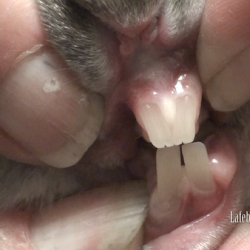 Photo credit: LafeberVet |  Photo credit: Dr. Lauren Thielen |
5 minutes | Behavior Essentials: The European Rabbit 15 minutes |
 Photo credit: Coal Bunny |  Photo credit: Jannes Pockele |
Quiz
After completing all four components of the syllabus, take the brief quiz to earn 1 hour of continuing education credit in jurisdictions that recognize AAVSB RACE approval. With a passing grade of 70% or higher, you will receive a continuing education certificate for download.
RACE approval
This program is approved by the American Association of Veterinary State Boards (AAVSB) Registry of Continuing Education (RACE) to offer a total of 1.00 CE credits to any one veterinarian and/or 1.00 veterinary technician CE credit. This RACE approval is for Category: Medical Program using the delivery method of Non-Interactive-Distance. This approval is valid in jurisdictions which recognize AAVSB RACE; however, participants are responsible for ascertaining each board’s CE requirements.