
A bird is a wing guided by an eye… Rochon-Duvigneaud: Lex Yeux et La Vision Des Vertebres
The avian eye is a large structure that takes up a significant portion of cranial mass. Raptors depend heavily on vision in order to compete successfully for survival. The posterior aspect of the eye fits snugly within the large bony orbit. The globes are separated by a thin interorbital septum, which measures significantly less than 1 mm in some areas . . .
Pour les vétérinaires. Par les vétérinaires.
Le site Lafervet.com est conçu pour une utilisation par les vétérinaires. Il est ouvert aux vétérinaires diplômés, aux techniciens vétérinaires diplômés, aux animaliers et aux étudiants dans ces domaines.
Créer un compte pour accéder à des articles et des ressources du site.
L'inscription est gratuite.
Para Profesionales Veterinarios. Por Profesionales Veterinarios.
El sitio Lafervet.com es para uso de los profesionales veterinarios. Está abierto a los veterinarios licenciados, técnicos veterinarios licenciados, rehabilitadores licenciados y estudiantes en estos campos.
Cree una cuenta para acceder a los artículos y recursos del sitio.
La registro es gratis.
Already a LafeberVet Member?
Please Login
Vitamin A: Information for the Veterinary Health Professional
What is vitamin A?
Vitamin A is actually a group of fat-soluble retinoids with similar biological activity. Vitamin A plays a role in:
- Epithelial cell growth and repair maintaining the integrity of respiratory, urinary, and intestinal tracts
- Immune function
- Bone growth
- Vision, particularly night vision
- Feather color (carotene is incorporated into some pink, red, and yellow feathers) (Fig 1)

Figure 1. Vitamin A plays a role in pink, red, and yellow feather coloration. Photo credit: Michael Pancier.
What are dietary sources of vitamin A?
High levels of vitamin A are found in foods of animal origin in the form of retinyl esters. Liver, fat, fish liver oils, and egg yolk are particularly good sources of vitamin A. Some plants and insects are also good sources of carotenoids. The dietary carotenoids found in dark, leafy greens and yellow and orange vegetables contain important precursors of vitamin A (download Table 1 Vitamin A content of selected raw vegetables and fruit).
What are the dietary requirements for vitamin A in the parrot?
Vitamin A requirements are not specifically known in the parrot. Diets containing 2000 IU vitamin A/kg were sufficient for maintenance in the cockatiel (Nymphicus hollandicus), however cockatiels developed no signs of deficiency (except possibly immune dysfunction) when vitamin A was withheld for 8 months.
What clinical signs are associated with vitamin A deficiency or toxicity?
All-seed diets are deficient in vitamin A. In cockatiels, clinical signs do not develop until deficiency is prolonged and severe (liver vitamin A < 50 IU/g). Hypovitaminosis A may lead to:
- Squamous metaplasia or hyperkeratinization of mucous epithelial cells lining the respiratory tract, oropharynx and salivary glands, esophagus, cloaca, ureters and collecting ducts, bursa of Fabricius, vagina, conjunctiva
- Non-specific signs of illness: anorexia, ruffled feathers, poor condition
- Poor feather condition
- Immunodeficiency due to impairment of T lymphocyte function and keratinization of the bursa
- Decreased egg and sperm production, poorly formed eggshells, early embryonic death
- Neurologic signs
- Night blindness (disruption of rod function)
- Xerophthalmia or “dry eye”
- Decreased amount and volume of vocalizations
Adult cockatiels may be more susceptible to toxicity than deficiency. The signs of vitamin A toxicity may be similar to signs of deficiency and include hyperkeratinization leading to problems such as conjunctivitis and enteritis. Additional signs of toxicity may include disruption of long bone growth plates resulting in bone deformity, fractures, and slow growth.
Table 1. Vitamin A content of selected raw vegetables and fruit
Download Table 1 (PDF)
References
Avicultural Medicine: Quarantine Protocols
Quarantine is a basic component of good preventive medicine. The purpose of quarantine is to protect both the existing collection and the new arrival. New birds are usually stressed and may be more susceptible to infectious diseases. The quarantine period also allows the new bird(s) to acclimate to its new environment, food, and owner. Proper client education is paramount to minimize and/or eliminate the risk of infectious disease outbreaks . . .
Pour les vétérinaires. Par les vétérinaires.
Le site Lafervet.com est conçu pour une utilisation par les vétérinaires. Il est ouvert aux vétérinaires diplômés, aux techniciens vétérinaires diplômés, aux animaliers et aux étudiants dans ces domaines.
Créer un compte pour accéder à des articles et des ressources du site.
L'inscription est gratuite.
Para Profesionales Veterinarios. Por Profesionales Veterinarios.
El sitio Lafervet.com es para uso de los profesionales veterinarios. Está abierto a los veterinarios licenciados, técnicos veterinarios licenciados, rehabilitadores licenciados y estudiantes en estos campos.
Cree una cuenta para acceder a los artículos y recursos del sitio.
La registro es gratis.
Already a LafeberVet Member?
Please Login
Emergency Drug Therapy in Birds
One of the most valuable items in avian practice is a reliable formulary. Although pharmacokinetic and pharmacodynamic data is slowly growing, the vast majority of drug doses in companion parrot medicine rely on extrapolation and/or clinical experience. It is crucial that the clinician have access to this wide range of information and experience . . .
Pour les vétérinaires. Par les vétérinaires.
Le site Lafervet.com est conçu pour une utilisation par les vétérinaires. Il est ouvert aux vétérinaires diplômés, aux techniciens vétérinaires diplômés, aux animaliers et aux étudiants dans ces domaines.
Créer un compte pour accéder à des articles et des ressources du site.
L'inscription est gratuite.
Para Profesionales Veterinarios. Por Profesionales Veterinarios.
El sitio Lafervet.com es para uso de los profesionales veterinarios. Está abierto a los veterinarios licenciados, técnicos veterinarios licenciados, rehabilitadores licenciados y estudiantes en estos campos.
Cree una cuenta para acceder a los artículos y recursos del sitio.
La registro es gratis.
Already a LafeberVet Member?
Please Login
Nutritional Management of Gastrointestinal Disease in the Bird
The gastrointestinal tract acquires and digests food, absorbs nutrients and water, and expels unabsorbed ingesta as feces. Nutritional support of the avian patient with gastrointestinal (GI) disease is challenging. In cats and dogs, it is easy to “rest” the gut, however with their relatively high metabolic rate, this is difficult, if not impossible, to achieve in many avian patients. Specific disease conditions increase the difficulty regulating gastrointestinal motility including ingluvitis (crop stasis . . .
Pour les vétérinaires. Par les vétérinaires.
Le site Lafervet.com est conçu pour une utilisation par les vétérinaires. Il est ouvert aux vétérinaires diplômés, aux techniciens vétérinaires diplômés, aux animaliers et aux étudiants dans ces domaines.
Créer un compte pour accéder à des articles et des ressources du site.
L'inscription est gratuite.
Para Profesionales Veterinarios. Por Profesionales Veterinarios.
El sitio Lafervet.com es para uso de los profesionales veterinarios. Está abierto a los veterinarios licenciados, técnicos veterinarios licenciados, rehabilitadores licenciados y estudiantes en estos campos.
Cree una cuenta para acceder a los artículos y recursos del sitio.
La registro es gratis.
Already a LafeberVet Member?
Please Login
Administration of Medication in Birds: Injections
The avian patient poses special challenges for delivery of injectable medications. Although the techniques involved are not unique to birds, special knowledge of avian anatomy as well as delicate, proficient technical skills are required. Depending on the species, the individual, and the clinical situation, injections can be delivered by intramuscular, intravenous, intraosseous, subcutaneous, intratracheal, or intracoelomic routes. Parenteral drug administration provides the advantage of delivering a precise dose when a rapid therapeutic response is necessary. Disadvantages include stress as well as the potential irritation or pathology that can occur at the injection site . . .
Pour les vétérinaires. Par les vétérinaires.
Le site Lafervet.com est conçu pour une utilisation par les vétérinaires. Il est ouvert aux vétérinaires diplômés, aux techniciens vétérinaires diplômés, aux animaliers et aux étudiants dans ces domaines.
Créer un compte pour accéder à des articles et des ressources du site.
L'inscription est gratuite.
Para Profesionales Veterinarios. Por Profesionales Veterinarios.
El sitio Lafervet.com es para uso de los profesionales veterinarios. Está abierto a los veterinarios licenciados, técnicos veterinarios licenciados, rehabilitadores licenciados y estudiantes en estos campos.
Cree una cuenta para acceder a los artículos y recursos del sitio.
La registro es gratis.
Already a LafeberVet Member?
Please Login
Nutritional Strategies for the Companion Parrot
Introduction
In the 1960s and 1970s, companion birds were commonly fed seed-only diets, rich in millet and oil seeds, including sunflower seeds. Dr. Ted Lafeber, Sr. observed in his veterinary hospital that birds fed a variety of vegetables, grains, fruits, and other “people foods” in addition to seeds were healthier and lived longer than birds that were fed seed-only diets. With this knowledge, Dr. Lafeber encouraged his clients to provide their birds a variety of healthy foods from vegetables to cooked eggs and supplemented their diets with vitamins and minerals that were lacking in seed-only diets. However, many of his clients did not have sufficient time to prepare a variety of foods and supplements each day. This inspired Dr. Lafeber to work with the premier avian nutritionist at the time. Together they developed a diet that was formulated to meet the needs of Dr Lafeber’s companion bird patients. For these diets, he ground together a mixture of seeds and grains with the correct mix of vitamins, minerals, and amino acids in balance for their health to form the first formulated bird food for companion birds in 1974.
Nutritional strategies
There are various approaches to provide food for the companion parrot. Each nutritional strategy has its own advantages and disadvantages.
Seed-only diets
An unsupplemented seed-only diet (Fig 1) is not balanced for companion birds. These diets are deficient in some of the essential amino acids, minerals, and vitamins, particularly the fat-soluble vitamins: vitamin A, D3, E, and K. Additionally, the amino acids are not present in the correct ratio to provide sufficient protein. For this reason, birds, trying to meet their amino acid and protein needs will continue to eat this unbalanced seed diet. They may get to their amino acid requirements but, because these diets are high in fats, they will get fat in the process. Seed-only diets are also deficient in calcium that can lead to a variety of problems — from seizures to egg binding. Therefore a seed-only diet leads to malnutrition and secondary health problems.

Figure 1. Rainbow lorikeets (Trichoglossus haematodus) eating sunflower seeds. Image by Opals-on-Black. Click on image to enlarge.
However seed-only diets are quite palatable. Ingestion of seeds also promotes natural behaviors like manipulating and cracking food items. Theoretically, seed-only mixes may be supplemented with vitamins and minerals. Most of these seeds are coated on the outside of the hull with these vitamin/mineral mixes. When the bird dehulls the seeds to eat them, the mix is removed. Therefore, seed mixes with added minerals and vitamins provide little nutritional value. Another technique is to add a colored pellet into the seed mix but most birds do not eat these, so balance for proper nutrition is not gained.
Pelleted diets
Lafeber Company and Roudybush are the only bird food companies that make a truly pellet-based food. Pellets consist primarily of ground grains like corn, soybeans, and oats supplemented with vitamins and minerals to produce a balanced food. This mix is then made into cylindrical pellets by forcing the mix under increased temperature (71-82ºC or 160-180ºF) and some pressure through a form (Fig 2).
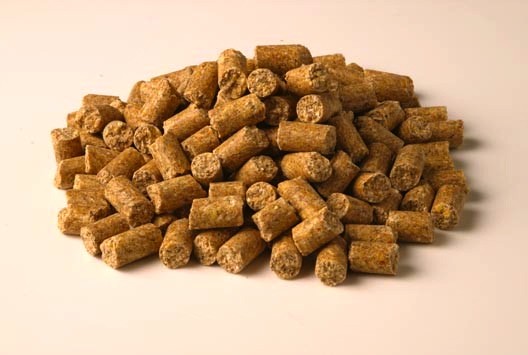
Figure 2. Lafeber Company macaw & cockatoo pellets. Click on image to enlarge.
The biggest advantage of pellets is they provide excellent nutritional value because the bird is not able to pick out individual components to “unbalance” its food. All Lafeber Company pellets and granules are in an easy-to-feed, balanced formulation that supports the maintenance requirements of adult companion birds. The finch and canary granules as well as parakeet and cockatiel pellets support all life stages from adult maintenance to breeding.
On the other hand, pellets provide reduced enrichment for the bird because of their uniformity in shape and color. While seeds alone often vary in shape or color, one pellet looks pretty much like another. Unfortunately, pellets may also not be accepted when compared to whole seeds, particularly in granivores like parakeets and cockatiels. These birds normally eat a large number of seeds in the wild so they are naturally attracted to seed-based diets.
Extruded diets
Extruded bird foods were first introduced in the late 1980s. Extruded foods are produced by a variety of bird food companies including Harrison’s© Bird Foods, Kaytee®, Zupreem®, and Hagen®. Like pellets, extrusion utilizes ground grains with an appropriate addition of vitamins and minerals to balance the food. However, the ground mixture is forced through an extruder under high pressure and high temperatures (90-180ºC or 250-275ºF) to create a variety of shapes and colors (Fig 3).
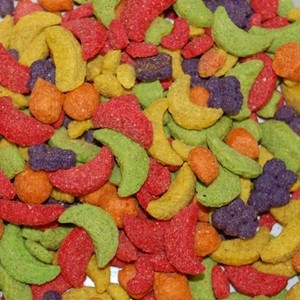
Figure 3. Extruded diets can be made in multiple colors and shapes.
The extrusion process requires that grains and seeds are more finely ground than when producing a true pellet. This fine grinding along with the high pressures and temperatures cook the product and result in complete gelatinization of starch. The small size and the extrusion process provides reduced stimulation to the gastrointestinal tract and may produce a softer, wetter type stool that can have a sticky quality to it. An exception to this rule of thumb for particle size is Harrison’s© Bird Foods, which contains larger particle sizes in some of their diets. Like pellets, extruded foods homogenize the nutritional components and reduce the foraging benefit.
As with pellets, extruded diets may not be easily accepted by granivores such as parakeets and cockatiels. These birds normally eat a large number of seeds in the wild so are naturally attracted to seed-based diets.
Foraging diets
Nutri-Berries, Avi-Cakes, and Nutri-An Cakes all contain a mix of pellets blended with grains and hulled seeds:
- Pellet, containing amino acids, vitamins and minerals, are dispersed through these diets.
- Each product is formulated as a balanced meal but is not ground up like a pellet. The unique advantage of these products is that they provide balanced nutrition while offering a variety of shapes and textures which are so important for enrichment and normal foraging behavior.
- This combination of seeds, grains and pellets in one product also makes these excellent foods for conversion to a health diet.
- The whole grains and seeds provide large-sized food particles, compared with pellets and extruded foods, to promote healthy gastrointestinal function.
NUTRI-BERRIES
Nutri-Berries were one of the first foraging, nutritionally balanced foods introduced for companion birds. Nutri-Berries were the first product to have the seeds shelled or dehulled and then have amino acids, vitamins and minerals added. This novel feeding strategy utilizes whole grains and seeds in a round shape while providing additional components for dietary balance. The size and shape of Nutri-Berries are very similar to what parrots select in the wild. The shape helps birds engage in their natural foraging behavior (Fig 4). Nutri-Berries are often held in the foot by the larger parrot species, allowing them to mimic their natural feeding behavior of working on an object to extract components.

Figure 4. A blue-fronted Amazon parrot (Amazona aestiva) eating Nutri-Berries. Click on image to enlarge.
All varieties of Nutri-Berries, Classic, Tropical Fruit, Sunny Orchard, El Paso, and Garden Veggie, are essentially the same nutritionally, while providing different tastes and textures. Nutri-Berries are similar in composition to pellets, except that the ingredients are not ground up. Nutri-Berries for parakeets and cockatiels support breeding, and all Nutri-Berries may be fed for adult maintenance.
AVI-CAKES
All forms of Avi-Cakes may be fed for maintenance and cockatiel Avi-Cakes also support breeding. Although these products have a cakes-like shape, this does not imply they are fattening (Fig 5). Parrot Avi-Cakes are relatively low in energy and their energy content is similar to that of pellets.

Figure 5. Avi-Cakes are a balanced diet nearly identical to pellets in nutrient content. Click on image to enlarge.
NUTRI-AN CAKES
Nutri-An Cakes are newer Lafeber Company products. Nutri-Meals may be fed for maintenance and are available over-the-counter, while Nutri-An Cakes are prescription diets sold only to veterinarians. Nutri-An Cakes for Foraging and Weight Maintenance are a low energy food that can promote weight loss if fed as the sole diet. Nutri-An Cakes for Recovery and Nutritional Support are designed for patients that require higher energy and protein.
While most birds will consume Nutri-Berries and the other foraging foods easily, this is not true for all individuals. Some birds are more likely to start eating new products if they are crumbled and added to their daily food. In grain eaters, like cockatiels and parakeets, presenting crumbled Nutri-Berries on a flat surface encourages their natural feeding behavior. Offering different sizes of Nutri-Berries or Avi-Cakes can also be beneficial to get bird interest.
On rare occasions, a bird may eat only one type of seed or grain from some of the foraging foods such as Nutri-Berries or Avi-Cakes. A bird that picks out and eats only a few seed or grain types will not ingest a balanced daily diet. If the bird eats about 30% of the food or more, then the meal will remain balanced.
Conversely, some birds, mainly Amazon and Eclectus parrots, can overeat when offered Nutri-Berries free choice, often leading to weight gain. (Download our 3-page PDF with feeding recommendation for classic and gourmet parrot Nutri-Berries). Reducing the quantity provided helps to reduce weight gain and waste. Placing foraging foods into foraging toys can also help with weight reduction by stimulating natural feeding behaviors and promoting mental stimulation.
Table 1. A summary of the current nutritional strategies available to pet birds. |
|||||
|---|---|---|---|---|---|
| Pellets | Extruded Pellets | Nutri-Berries | Avi- Cakes | Seeds & Supplements & Table Food | |
| Ease of Nutritional Balance | Easy | Easy | Easy | Easy | Hard |
| Texture Appeal | Low | Low | High | High | High |
| Texture Variety | Low | Low | High | High | High |
| Shelf Life | High | High | High | High | Low |
| Freshness | Varies | Varies | Varies | Varies | High |
| Convenience | High | High | High | High | Low |
| Eye Appeal | Low | Low | High | High | High |
| Cost | Varies | Varies | High | High | Varies |
| Palatability | Low | Low | High | High | High |
| Nutritional Uniformity/Bite | High | High | Med | Med | Low |
| Nutritional Uniformity/Meal | High | High | High | High | Varies |
| Particle Size Variety | Low | Very Low | Med-High | Med-High | High |
| Degree of Gelatinized Starches | Low | High | Low | Very Low | Very Low |
| Quality of Droppings | Normal | Possible Loose | Normal | Normal | Normal |
| Boredom Factor | High | High | Low | Low | Low |
This table is a general summary of available diets, however exceptions exist. Harrison’s Bird Foods have some larger particle sizes in some of their extruded pellets (a good strategy) as compared to most other available extruded diets.
Conclusion
Most bird owners rely on a variety of nutritional strategies, offering a variety of foods that include formulated food, people food, and seeds. There is no one nutritional strategy that is appropriate for all companion birds. An important role of avian veterinarians is to work with owners to find the diet that meets the specific needs of each bird and works for that owner. Any nutritional strategy that incorporates a significant portion (> 50%) of pellets, extruded foods, Nutri-Berries, Nutri-An Cakes, Nutri-Meals, and/or Avi-Cakes is vastly superior to a seed-only diet. For optimal nutrition, it is best to use a name brand such as Lafeber Company, Harrison’s© Bird Food, ZuPreem® or other major brands for optimal nutrition. Fresh vegetables, particularly the orange vegetables along with true berries (such as blueberries) and nuts (like walnuts) may be added in small amounts as well. Healthy foods and nutritional strategies to meet their needs enhance the health and well-being of these wonderful companion birds.
References
Nutritional Management of Renal Disease in Birds
There are a number of potential nutritional problems that can promote renal disease. Excess dietary protein, excess dietary calcium, hypovitaminosis A, or hypervitaminosis D may lead to nephritis or other degenerative renal changes . . .
Pour les vétérinaires. Par les vétérinaires.
Le site Lafervet.com est conçu pour une utilisation par les vétérinaires. Il est ouvert aux vétérinaires diplômés, aux techniciens vétérinaires diplômés, aux animaliers et aux étudiants dans ces domaines.
Créer un compte pour accéder à des articles et des ressources du site.
L'inscription est gratuite.
Para Profesionales Veterinarios. Por Profesionales Veterinarios.
El sitio Lafervet.com es para uso de los profesionales veterinarios. Está abierto a los veterinarios licenciados, técnicos veterinarios licenciados, rehabilitadores licenciados y estudiantes en estos campos.
Cree una cuenta para acceder a los artículos y recursos del sitio.
La registro es gratis.
Already a LafeberVet Member?
Please Login
Nutritional Management of Liver Disease in Birds
In mammals, chronic liver disease is often associated with decreased intake of food, mainly due to anorexia, nausea, and vomiting, as well as taste abnormalities, and the same appears to be true for the avian patient. Chronic liver disease may also lead to maldigestion and malabsorption, as well as metabolic abnormalities such as increased protein and lipid catabolism, glucose intolerance, depletion of hepatic glycogen stores, and decreased glucose oxidation. Therefore chronic liver disease may lead to significant malnutrition and weight loss, particularly in patients with severe hepatic dysfunction . . .
Pour les vétérinaires. Par les vétérinaires.
Le site Lafervet.com est conçu pour une utilisation par les vétérinaires. Il est ouvert aux vétérinaires diplômés, aux techniciens vétérinaires diplômés, aux animaliers et aux étudiants dans ces domaines.
Créer un compte pour accéder à des articles et des ressources du site.
L'inscription est gratuite.
Para Profesionales Veterinarios. Por Profesionales Veterinarios.
El sitio Lafervet.com es para uso de los profesionales veterinarios. Está abierto a los veterinarios licenciados, técnicos veterinarios licenciados, rehabilitadores licenciados y estudiantes en estos campos.
Cree una cuenta para acceder a los artículos y recursos del sitio.
La registro es gratis.
Already a LafeberVet Member?
Please Login
Diarrhea in the Avian Patient
Diarrhea is a common clinical presentation in avian medicine. Diarrhea may be caused by a variety of conditions, however it is particularly important for the practitioner to understand the anatomy and diseases of the avian gastrointestinal tract and associated organs . . .
Pour les vétérinaires. Par les vétérinaires.
Le site Lafervet.com est conçu pour une utilisation par les vétérinaires. Il est ouvert aux vétérinaires diplômés, aux techniciens vétérinaires diplômés, aux animaliers et aux étudiants dans ces domaines.
Créer un compte pour accéder à des articles et des ressources du site.
L'inscription est gratuite.
Para Profesionales Veterinarios. Por Profesionales Veterinarios.
El sitio Lafervet.com es para uso de los profesionales veterinarios. Está abierto a los veterinarios licenciados, técnicos veterinarios licenciados, rehabilitadores licenciados y estudiantes en estos campos.
Cree una cuenta para acceder a los artículos y recursos del sitio.
La registro es gratis.
Already a LafeberVet Member?
Please Login
Venipuncture in Birds
Blood work is considered a basic diagnostic test in every species, including birds. Venipuncture may be indicated for wellness screening, sample collection for DNA sexing, evaluation of the ill or injured bird, as well as collection of blood for transfusion. The value of testing must always be weighed against the stress of venipuncture since the critically ill bird may not be stable enough for restraint. This article reviews equipment needed, the volume of the blood sample, general tips for blood collection, common venipuncture sites in the bird, and sample handling . . .
Pour les vétérinaires. Par les vétérinaires.
Le site Lafervet.com est conçu pour une utilisation par les vétérinaires. Il est ouvert aux vétérinaires diplômés, aux techniciens vétérinaires diplômés, aux animaliers et aux étudiants dans ces domaines.
Créer un compte pour accéder à des articles et des ressources du site.
L'inscription est gratuite.
Para Profesionales Veterinarios. Por Profesionales Veterinarios.
El sitio Lafervet.com es para uso de los profesionales veterinarios. Está abierto a los veterinarios licenciados, técnicos veterinarios licenciados, rehabilitadores licenciados y estudiantes en estos campos.
Cree una cuenta para acceder a los artículos y recursos del sitio.
La registro es gratis.
Already a LafeberVet Member?
Please Login
Calcium in the Avian Patient
Introduction
The most widespread mineral in the body, calcium is required for normal metabolism and bone mineralization.
Physiology
Calcium homeostasis is under the control of calcitonin, which is produced by the ultimobranchial gland, vitamin D, and parathyroid hormone. In laying hens, most dietary calcium is used for egg production. Rising estrogen levels promote increased intake of calcium supplements like cuttlefish bone and calcium-rich foods, however the quantity of calcium ingested daily is insufficient for the massive deposition of calcium required for eggshell calcification.
Therefore eggshell calcification also requires mobilization of calcium from bone. Hens of many species deposit medullary bone in the marrow cavity of long bones (Fig 1). This process, called osteomyelosclerosis, allows medullary bone to provide calcium for eggshell formation when calcium levels are low. In chickens, medullary bone is deposited in the morning and utilized at night.
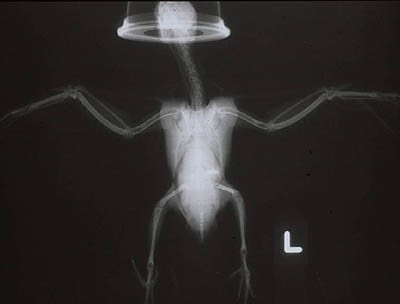
Figure 1. Osteomyelosclerosis or bone marrow ossification of the long bones occurs secondary to rising estrogen levels. This process allows medullary bone to serve as a source of calcium for eggshell formaton. Click image to enlarge.
Mobilization of medullary bone and ingestion of calcium-rich foods creates a physiologic hypercalcemia in the hen. Normal serum calcium levels range from 8-10 mg/dL in non-laying hens, while healthy layers have calcium levels ranging from 15-30 mg/dL.
| Calcium requirements | ||
|---|---|---|
| Life Stage | % Calcium | Species |
| Growth* | 0.90-1.00 | precocial* |
| Maintenance | <0.1 to 0.2 | |
| Egg production | 0.35 | cockatiel |
| 0.85 | Budgerigar | |
| 3.30 | chicken | |
| * If balanced with 0.6% phosphorus; requirements for altricial chicks like the parrot are unknown. | ||
For most species, 0.1% calcium appears adequate for a maintenance diet. With the exception of laying hens, the calcium: phosphorus ratio should be 2:1, although ratios ranging from 1.4:1 to 4:1 may be well tolerated in chickens with adequate vitamin D.
Calcium toxicity
In avian species that have been studied, harmful calcium levels are actually only slightly higher than required levels. Excess dietary calcium leads to minimal absorption of calcium (and other minerals) and elevated serum calcium. Prolonged hypercalcemia may lead to nephrosis and soft tissue mineralization.
Calcium deficiency
Calcium deficiency may be caused by insufficient dietary calcium, excess dietary phosphorus, or inadequate vitamin D. In granivores, all-seed diets are associated with excess phosphorus and deficient calcium, while diets of muscle or organ meat without bone are calcium deficient for carnivores. Chronic egg laying is another important cause of depleted calcium stores in the parrot.
Profound calcium deficiency leads to decreased bone mineralization and abnormalities of the long bones and vertebral column, particularly in growing birds. Skeletal abnormalities may include lameness, rickets, dyschondroplasia, lameness, and enlarged, painful joints. Skeletal abnormalities may be particularly common in young grey parrots (Psittacus erithacus).
An osteoporosis-like condition may eventually develop in adult birds with calcium deficiency. Bones may become weak and porous until the weight of the bird or pull of muscles creates bone deformities or fractures.
Hypocalcemic syndrome of African grey parrots
The hypocalcemic syndrome of grey parrots is frequently diagnosed in young birds, particularly individuals on an all-seed diet. The cause is unknown, but may be related to an inability to effectively mobilize calcium from bone. Signs of hypocalcemia in these patients, such as weakness, ataxia, falling off the perch, and seizure activity, respond to calcium administration. Gradual conversion to a health diet is important, and exposure to ultraviolet B radiation (285 to 315 nm) may also promote normal calcium levels in these birds.
Sources of dietary calcium
In the wild, many birds supplement their food intake with mollusk shells, eggshells, calcium-rich grit, and bone fragments to maintain adequate dietary calcium levels.
The availability of calcium in foodstuffs can be extremely variable (download Table 1, Calcium content of selected foods). Invertebrates and grains are generally poor sources of calcium, while some vegetables such as dark, leafy greens are a good source of calcium. Unfortunately the digestibility of calcium in plants is often limited by the degree to which it is bound to oxalate or phytate.
Calcium content of select foods
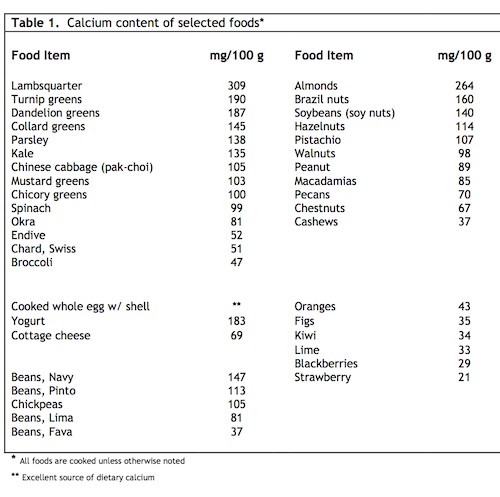
Figure 1. Calcium content of selected foods. Click on image to enlarge.
References
Nutritional Equivalency Report: Comparison of a Fortified Whole-Grain Diet (Nutri-Berries) with a Pelleted Diet for Companion Birds
A clinical trial was conducted with cockatiels to compare a whole-seed balanced diet (Nutri-Berries) with that of a pelleted diet. Blood values, body weight, and other parameters were measured to assess the alternative diet’s clinical effects on birds . . .
Pour les vétérinaires. Par les vétérinaires.
Le site Lafervet.com est conçu pour une utilisation par les vétérinaires. Il est ouvert aux vétérinaires diplômés, aux techniciens vétérinaires diplômés, aux animaliers et aux étudiants dans ces domaines.
Créer un compte pour accéder à des articles et des ressources du site.
L'inscription est gratuite.
Para Profesionales Veterinarios. Por Profesionales Veterinarios.
El sitio Lafervet.com es para uso de los profesionales veterinarios. Está abierto a los veterinarios licenciados, técnicos veterinarios licenciados, rehabilitadores licenciados y estudiantes en estos campos.
Cree una cuenta para acceder a los artículos y recursos del sitio.
La registro es gratis.
Already a LafeberVet Member?
Please Login
Online Resources: Avian Medicine
Online Medical Internet Resources
| Website | Internet address |
|---|---|
| American Association of Zoo Veterinarians | http://www.aazv.org/ |
| American Veterinary Medical Association | http://www.avma.org/ |
| Animal Poison Control Center | http://www.aspca.org/ |
| Association of Avian Veterinarians | http://www.aav.org/ |
| Avian Medicine Online | http://www.avianmedicine.net/ |
| BioOne Online Journals | http://www.bioone.org/ |
| BirdMed Discussion List | http://lists.murdoch.edu.au/ |
| Companion Bird World | http://www.companionbirdworld.com/ |
| Consultant | http://www.vet.cornell.edu/ |
| Medscape | http://emedicine.medscape.com/ |
| International Veterinary Information Service | http://www.ivis.org/ |
| Merck Veterinary Manual | http://www.merckmanuals.com/vet/index.html |
| National Agricultural Library (AGRICOLA) | http://agricola.nal.usda.gov/ |
| National Library of Medicine | http://www.nlm.nih.gov/ |
| PubMed | http://www.ncbi.nlm.nih.gov/pubmed |
| Veterinary Information Network | http://www.vin.com |
| Worms & Germs Blog | http://www.wormsandgermsblog.com/ |
Expert Panel on Companion Bird Nutrition
Introduction
Regulators of the pet food industry rely on data from expert panels to determine minimum nutrient requirements for small animals. In 1998, an expert committee met to discuss the nutritional needs of companion birds. The purpose of the meeting was to discuss and develop nutrient profiles for companion birds, focusing on profiles for formulated feed.
The expert panel developed maintenance guidelines for two broad groups of birds: psittacines and passerines, regardless of size or genus. These conservative, generalized guidelines are extrapolated from the National Research Council requirements for poultry and may be found in Table 1. The panel members also agreed that crude protein levels should be relatively low for pet bird food. Levels ranging from 12% to 15% crude protein were recommended for long-term feeding.
These guidelines have an important limitation. The amount of energy available to the body from feed ingredients such as corn and soybean meal after loss from eliminations and heat production (or metabolizable energy) is unknown in pet birds. Therefore the panel used gross energy levels instead of metabolizable energy.
Table 1. Nutrient profile recommendations for companion birds |
|||||
|---|---|---|---|---|---|
| Psittacines | Passerines | ||||
| Minimum | Maximum | Minimum | Maximum | ||
| Gross energy | kcal⁄kg | 3200 | 4200 | 3500 | 4500 |
| Total protein | % | 12 | 14 | ||
| Linoleic acid | % | 1 | 1 | ||
AMINO ACIDS |
|||||
| Arginine | % | 0.65 | 0.75 | ||
| Lysine | % | 0.65 | 0.75 | ||
| Methionine | % | 0.3 | 0.35 | ||
| Threonine | % | 0.4 | 0.46 | ||
VITAMINS |
|||||
| Vitamin A | iu⁄kg | 8000 | 8000 | ||
| Vitamin D3 | icu⁄kg | 500 | 2000 | 1000 | 2500 |
| Vitamin E | ppm | 50 | 50 | ||
| Vitamin K | ppm | 1 | 1 | ||
| Biotin | ppm | 0.25 | 0.25 | ||
| Choline | ppm | 1500 | 1500 | ||
| Folic acid | ppm | 1.5 | 1.5 | ||
| Niacin | ppm | 50 | 50 | ||
| Pantothenic acid | ppm | 20 | 20 | ||
| Pyridoxine | ppm | 6 | 6 | ||
| Pyridoxine | ppm | 6 | 6 | ||
| Thiamine | ppm | 4 | 4 | ||
| Vitamin B12 | ppm | 0.01 | 0.01 | ||
MINERALS |
|||||
| Calcium | % | 0.3 | 1.2 | 0.5 | 1.2 |
| Phosphorus | % | 0.3 | 0.5 | ||
| Ca:P ratio | 1:1 | 2:1 | 1:1 | 2:1 | |
| Chlorine | % | 0.12 | 0.12 | ||
| Magnesium | ppm | 600 | 600 | ||
| Sodium | % | 0.12 | 0.12 | ||
TRACE MINERALS |
|||||
| Copper | ppm | 8 | 8 | ||
| Iodine | ppm | 0.4 | 0.4 | ||
| Iron | ppm | 80 | 80 | ||
| Manganese | ppm | 65 | 65 | ||
| Selenium | ppm | 0.1 | 0.1 | ||
| Selenium | ppm | 50 | 50 | ||
| * Total vitamin A activity is listed meaning vitamin A plus carotene. ** Total dietary phosphorus is listed as opposed to the more difficult to analyze, non-phytate phosphorus. |
|||||
References
Avian Chlamydiosis
Psittacosis or ornithosis is caused by Chlamydophila psittaci, an obligate intracellular bacterial infection of birds. Chlamydophila psittaci may be excreted in feces and oculonasal discharge. Chlamydophila is environmentally labile but remains infectious for months in organic debris. Latently infected birds appear healthy but shed the organism intermittently for months to years. Stressors such as breeding, shipping, crowding, or climatic extremes may activate shedding . . .
Pour les vétérinaires. Par les vétérinaires.
Le site Lafervet.com est conçu pour une utilisation par les vétérinaires. Il est ouvert aux vétérinaires diplômés, aux techniciens vétérinaires diplômés, aux animaliers et aux étudiants dans ces domaines.
Créer un compte pour accéder à des articles et des ressources du site.
L'inscription est gratuite.
Para Profesionales Veterinarios. Por Profesionales Veterinarios.
El sitio Lafervet.com es para uso de los profesionales veterinarios. Está abierto a los veterinarios licenciados, técnicos veterinarios licenciados, rehabilitadores licenciados y estudiantes en estos campos.
Cree una cuenta para acceder a los artículos y recursos del sitio.
La registro es gratis.
Already a LafeberVet Member?
Please Login
Avian Hematology and Biochemistry Panels
Although hematology and biochemistry are an important part of the clinical picture in the avian patient, this bloodwork remains just 'part of the picture'. All too often, when a clinician is unfamiliar with a species, the reaction is often to rely on laboratory results to hang a diagnosis upon. Although we have all been guilty of this, such an approach is inappropriate. For each sick bird, the following diagnostic tools should be applied: complete history, visual examination of the bird and its environment, physical examination, clinical pathology sample collection (blood, feces, swabs, aspirates, etc.), and radiography.
White blood cells are . . .
Pour les vétérinaires. Par les vétérinaires.
Le site Lafervet.com est conçu pour une utilisation par les vétérinaires. Il est ouvert aux vétérinaires diplômés, aux techniciens vétérinaires diplômés, aux animaliers et aux étudiants dans ces domaines.
Créer un compte pour accéder à des articles et des ressources du site.
L'inscription est gratuite.
Para Profesionales Veterinarios. Por Profesionales Veterinarios.
El sitio Lafervet.com es para uso de los profesionales veterinarios. Está abierto a los veterinarios licenciados, técnicos veterinarios licenciados, rehabilitadores licenciados y estudiantes en estos campos.
Cree una cuenta para acceder a los artículos y recursos del sitio.
La registro es gratis.
Already a LafeberVet Member?
Please Login
Roger Harlin, DVM

Dr. Roger Harlin is the owner of Southside Dog, Cat and Bird Clinic in Oklahoma City, Oklahoma, where he has practiced for over 37 years. Dr. Harlin received his Doctor of Veterinary Medicine from Oklahoma State University. He is an experienced pigeon fancier and the 2013-2014 President of the National Pigeon Association.
Differential Diagnosis in Ferrets
Although some diseases are merely arranged alphabetically, other lists are based on the mnemonic acronym DAMNIT. This commonly used veterinary medical record scheme divides disease mechanisms into the following categories: degenerative, anomalous, metabolic, neoplastic or nutritional; infectious, inflammatory, idiopathic, immune-mediated, or infarct/vascular; and traumatic or toxic. Exercise professional judgment when evaluating this information. Differential Diagnosis in Ferrets is designed as an aide or reminder system for use by qualified veterinarians and should never be used for diagnostic decision-making . . .
Pour les vétérinaires. Par les vétérinaires.
Le site Lafervet.com est conçu pour une utilisation par les vétérinaires. Il est ouvert aux vétérinaires diplômés, aux techniciens vétérinaires diplômés, aux animaliers et aux étudiants dans ces domaines.
Créer un compte pour accéder à des articles et des ressources du site.
L'inscription est gratuite.
Para Profesionales Veterinarios. Por Profesionales Veterinarios.
El sitio Lafervet.com es para uso de los profesionales veterinarios. Está abierto a los veterinarios licenciados, técnicos veterinarios licenciados, rehabilitadores licenciados y estudiantes en estos campos.
Cree una cuenta para acceder a los artículos y recursos del sitio.
La registro es gratis.
Already a LafeberVet Member?
Please Login
Differential Diagnosis in Rabbits
Although some diseases are merely arranged alphabetically, other lists are based on the mnemonic acronym DAMNIT. This commonly used veterinary medical record scheme divides disease mechanisms into the following categories: degenerative, anomalous, metabolic, neoplastic or nutritional; infectious, inflammatory, idiopathic, immune-mediated, or infarct/vascular; and traumatic or toxic. Exercise professional judgment when evaluating this information. Differential Diagnosis in Rabbits is designed as an aide or reminder system for use by qualified veterinarians and should never be used for diagnostic decision-making . . .
Pour les vétérinaires. Par les vétérinaires.
Le site Lafervet.com est conçu pour une utilisation par les vétérinaires. Il est ouvert aux vétérinaires diplômés, aux techniciens vétérinaires diplômés, aux animaliers et aux étudiants dans ces domaines.
Créer un compte pour accéder à des articles et des ressources du site.
L'inscription est gratuite.
Para Profesionales Veterinarios. Por Profesionales Veterinarios.
El sitio Lafervet.com es para uso de los profesionales veterinarios. Está abierto a los veterinarios licenciados, técnicos veterinarios licenciados, rehabilitadores licenciados y estudiantes en estos campos.
Cree una cuenta para acceder a los artículos y recursos del sitio.
La registro es gratis.
Already a LafeberVet Member?
Please Login
Physical Examination of the Chick
Pediatrics is one of the most fascinating and rewarding fields of avian medicine. The key to hand raising healthy psittacine chicks is a strong preventive medicine program based on sound husbandry practices. Physical examination is an important part of preventive health care . . .
Pour les vétérinaires. Par les vétérinaires.
Le site Lafervet.com est conçu pour une utilisation par les vétérinaires. Il est ouvert aux vétérinaires diplômés, aux techniciens vétérinaires diplômés, aux animaliers et aux étudiants dans ces domaines.
Créer un compte pour accéder à des articles et des ressources du site.
L'inscription est gratuite.
Para Profesionales Veterinarios. Por Profesionales Veterinarios.
El sitio Lafervet.com es para uso de los profesionales veterinarios. Está abierto a los veterinarios licenciados, técnicos veterinarios licenciados, rehabilitadores licenciados y estudiantes en estos campos.
Cree una cuenta para acceder a los artículos y recursos del sitio.
La registro es gratis.
Already a LafeberVet Member?
Please Login
Pediatric Avian Medicine: Diagnostic Testing
Regardless of the initial cause of illness or injury, neonatal psittacine birds often develop secondary bacterial and/or fungal infections that can become serious primary problems. These infections are most commonly encountered within the gastrointestinal tract . . .
Pour les vétérinaires. Par les vétérinaires.
Le site Lafervet.com est conçu pour une utilisation par les vétérinaires. Il est ouvert aux vétérinaires diplômés, aux techniciens vétérinaires diplômés, aux animaliers et aux étudiants dans ces domaines.
Créer un compte pour accéder à des articles et des ressources du site.
L'inscription est gratuite.
Para Profesionales Veterinarios. Por Profesionales Veterinarios.
El sitio Lafervet.com es para uso de los profesionales veterinarios. Está abierto a los veterinarios licenciados, técnicos veterinarios licenciados, rehabilitadores licenciados y estudiantes en estos campos.
Cree una cuenta para acceder a los artículos y recursos del sitio.
La registro es gratis.
Already a LafeberVet Member?
Please Login
Pediatric Avian Medicine: Husbandry-Related and Developmental Conditions
The key to hand raising healthy psittacine chicks is a strong preventive medicine program based on sound husbandry practices. Hygiene, hand feeding protocols, incubation and brooder parameters, environmental temperature in the nursery, and pest control are just a few of the husbandry practices that; if mismanaged, can lead to serious adverse consequences.
Many experienced aviculturists follow strict husbandry protocols that result in few health problems. When problems do arise . . .
Pour les vétérinaires. Par les vétérinaires.
Le site Lafervet.com est conçu pour une utilisation par les vétérinaires. Il est ouvert aux vétérinaires diplômés, aux techniciens vétérinaires diplômés, aux animaliers et aux étudiants dans ces domaines.
Créer un compte pour accéder à des articles et des ressources du site.
L'inscription est gratuite.
Para Profesionales Veterinarios. Por Profesionales Veterinarios.
El sitio Lafervet.com es para uso de los profesionales veterinarios. Está abierto a los veterinarios licenciados, técnicos veterinarios licenciados, rehabilitadores licenciados y estudiantes en estos campos.
Cree una cuenta para acceder a los artículos y recursos del sitio.
La registro es gratis.
Already a LafeberVet Member?
Please Login
Pediatric Avian Medicine: Infectious Diseases of the Psittacine Chick
Although Gram-negative bacteria and non-budding yeast can be normal gastrointestinal flora in the psittacine bird, these organisms can quickly overgrow in the debilitated chick. Signs of clinical disease can first manifest as crop stasis or stunting. A wide range of agents can cause problems, however important infectious diseases in the juvenile psittacine bird include avian polyomavirus, psittacine beak and feather disease, and candidiasis . . .
Pour les vétérinaires. Par les vétérinaires.
Le site Lafervet.com est conçu pour une utilisation par les vétérinaires. Il est ouvert aux vétérinaires diplômés, aux techniciens vétérinaires diplômés, aux animaliers et aux étudiants dans ces domaines.
Créer un compte pour accéder à des articles et des ressources du site.
L'inscription est gratuite.
Para Profesionales Veterinarios. Por Profesionales Veterinarios.
El sitio Lafervet.com es para uso de los profesionales veterinarios. Está abierto a los veterinarios licenciados, técnicos veterinarios licenciados, rehabilitadores licenciados y estudiantes en estos campos.
Cree una cuenta para acceder a los artículos y recursos del sitio.
La registro es gratis.
Already a LafeberVet Member?
Please Login
Psittacine Behavior, Handling, and Restraint
The bird in its natural environment and in captivity
Behavior is the most direct tool a wild bird has to respond to its environment, and it ultimately determines whether it survives and breeds in its natural environment. There are two functional categories of avian behaviors: self-maintenance behaviors and social behaviors. Self-maintenance behaviors accomplish some specific task to maintain the physical condition of the individual. With captive parrots, feeding, feather care, communication and display behaviors are commonly observed daily maintenance behaviors. Social behavior is intended to communicate information to another individual. Birds engage in a large number of behaviors that are predominately undertaken for the purpose of communication or signaling. These behaviors, in general, rank among the most complex of all avian traits. A communication signal is an action or behavior that sends a message. A display is a ritualized signal intended to convey a specific message. Some displays may be accurately described as innate behaviors. Enrichment of these daily maintenance and social behaviors in captivity has been shown to be of great benefit to avian health and welfare. Conversely, abnormal behaviors in these general categories encompass most of the common behavioral disorders of companion parrots.

Communication and display behaviors are commonly observed daily maintenance behaviors in the companion parrot. Photo credit: Geek2Nurse via Flickr Creative Commons.
Fundamental laws of behavior and their applications
Learning and training
Learning is broadly defined as a change in behavior resulting from practice or experience. Training is a type of learning; a change in behavior resulting from practice dictated by humans. Animals continually gather, process, and learn from information. For instance, a pet parrot may know when he hears the sound of the owner’s car in the driveway, that means that the owner is coming home, prompting contact calls or other vocalizations. The owner may not even be aware of the subtle environmental cues triggering the bird’s behavior. Four types of learning have been described in animals: habituation, classical conditioning, operant conditioning and complex learning.
Habituation is the waning of a behavior as the result of repeatedly presenting a stimulus. For example, a bird that is dramatically frightened of the towel used for handling can be habituated to the sight and feel of the towel. Exposure to the towel is repeated multiple times, in varying manners and settings without overwhelming the bird. With time, the bird’s reaction to the towel and potential imminent restraint can become imperceptible. In this example, the stimulus changes from being perceived as aversive to being neutral.
Classical learning or conditioning is the process through which a new stimulus is learned and linked to an existing or innate behavior. This type of conditioning does not involve any voluntary choices made by the animal; instead it is just a reflex response or reaction. The classic example is Pavlov’s dog salivating when it smells a savory food item. In the companion bird setting, a pet black-capped caique may immediately jump and try to escape whenever a specific sound is heard.
Operant conditioning shapes or modifies animal behavior. With operant conditioning, the animal “operates” on the environment thereby leading to a reward. The animal receives a reward or avoids an aversive stimulus by exhibiting a particular behavior. For example, a bird flies to the hand of its trainer and receives a food reward. After making this association, the bird is more likely to willingly fly to the hand of the trainer in the future. Operant conditioning is a type of learning in which behaviors are altered or learned primarily by regulating the consequences that follow them. Two of the most important characteristics of effectively delivered consequences are contingency and contiguity. Contingency is the dependency or relationship between the behavior and the consequence. Contiguity is the closeness or timing with which the consequence follows the behavior. When a consequence is delivered inconsistently, it is hard for the learner to associate the two events. If the consequence is delivered too far in time after the behavior, this lack of immediacy decreases the effectiveness of the consequence as well.
Complex learning includes observational learning where one animal learns how to perform a behavior by watching another animal or latent learning. An example of latent learning has been described by Dr. Irene Pepperberg in which parrots sometimes learned faster by seeing behaviors demonstrated by “Alex” the Grey parrot or even by graduate students.
The basic paradigms of reinforcement and punishment
Any behavior that is being increased is, by definition, being reinforced. Conversely, a behavior that is being decreased is being punished. Both of these changes in the frequency of a specific behavior can be influenced by the introduction of a stimulus, or the removal of one (Table 1). Reinforcement is not necessarily a good thing, and punishment is not necessarily a bad thing. It all depends on context and details.
Table 1. Reinforcement and punishment
| Operant Response Increases | Operant Response Decreases | |
|---|---|---|
| Stimulus Presentation | Positive Reinforcement (R+) | Positive Punishment (P+) |
| Stimulus Removal | Negative Reinforcement (R-) | Negative Punishment (P-) |
If a stimulus is presented to an animal, we are dealing with a POSITIVE. If the behavior increases, the introduced stimulus is a reinforcer, and if the behavior decreases the introduced stimulus is a punisher. If a stimulus is removed from the animal, we are dealing with a NEGATIVE. Based on the observed frequency or probable frequency of the behavioral consequence of this removed stimulus, we can also assess if the stimulus is functioning as a negative reinforcer (R-), or a negative punisher (P-).
Generally speaking, when we examine reinforcement and punishment modalities as behavior change strategies, positive reinforcement is least intrusive and most ethical, as opposed to positive punishment, which is most intrusive and least ethical. Frequent punishment increases the probability of four side effects detrimental to quality of life: aggression, apathy, generalized fear, and escape or avoidance behaviors. There are almost always positive reinforcement alternatives to punishment.
The ABC’s of describing behavior
Many abnormal lessons are intentionally or unintentionally taught to pet birds. With time, abnormal behaviors begin to develop from these foundational fertile grounds of inappropriate learning in the home or in our offices. These abnormal behaviors may include a lack of ability to explore, discover and enjoy toys or other new enriching items in their environment, an inability to enjoy or trust interaction with multiple people, or increasing intolerance of caged existence or restricted mobility within the home. As these problems continue to advance, feather damaging behaviors, obsessive-compulsive behaviors, reproductive disorders, screaming, aggression, biting, and inability to accept new human interactions increasingly appear.
The simplest manner of describing and evaluating a behavior is through the use of the simplified behavioral “equation”: the ABC’s of behavior. With this simple descriptive and analytic strategy, we seek to identify through careful observation the events and conditions that occur before a specific behavior: Antecedents, as well as identify the results that follow the Behavior: Consequences. When paired with keen observation skills and creative problem solving, the ABC’s help us clarify the way in which the basic components of behavior are interrelated. There are six steps to analyzing the ABCs:
- Describe the behavior in clear, observable terms
- Describe the antecedent events that occur and conditions that exist immediately before the behavior happens
- Describe the consequences that immediately follow the behavior
- Examine the antecedents, the behavior and the consequence in sequence
- Devise new antecedents and/or consequences to teach new behaviors or change existing ones
- Evaluate the outcome.
A careful distinction needs to be made between behaviors and constructs. A behavior describes what the bird is doing and is defined as something that can be observed and measured. A construct is an idea or theory about the mental processes inside an individual that explains why or how they behave as they do. A construct cannot be observed or measured directly. Constructs or labels can function as a trap, very easily leading the best avian veterinarian astray from a more complete and multidisciplinary approach to behavior.
Desensitization and counter-conditioning
Desensitization and counter-conditioning are behavior modification techniques commonly used in the treatment of behavioral problems. Desensitization or habituation gradually accustoms an animal to a stimulus to which it initially has an undesirable response. In most cases, the undesired response is anxiety or fear and the animal’s consequent behaviors. Desensitization is generally preferred to flooding, in which an animal is forced to experience a fear-inducing stimulus until its fear response extinguishes (if the fear was learned via classical conditioning), or until it habituates (if the fear was an innate and natural response).
Counter-conditioning is the process by which a response that is physiologically and/or behaviorally incompatible with the undesired response is conditioned. One of the most common counter conditioners is highly palatable or desirable food. The food item does not need to be given in large volume. In fact, to conduct a prolonged counter-conditioning session, small reinforcing treats are necessary.
While desensitization and counter-conditioning are different, these two techniques are often used together to optimize the speed and degree of resolution of a behavior problem. To be successful, both techniques must be tailored to the individual patient. These techniques must also take into account the nature and intensity of the stimulus, the preferences of the animal, and the duration of the behavior modification sessions. Attention to detail can be the difference between success and failure. Executed properly, desensitization and counter-conditioning are not stressful, and can be conducted in a series of short sessions whenever the owner has even a few minutes to work on the treatment. These techniques also serve to strengthen the human-animal bond.
Capture and restraint
What are these animals learning from us?
Most veterinary textbooks have chapters describing methods of capture and restraint of birds for examination and/or treatment. The old-school approach to examination, diagnosis, and medical treatment of birds typically includes various forms of capture and restraint that physically overpower the birds, with or without chemical immobilization, and often emphasized the need for speed to get the job done. Some describe more forceful techniques than others, but all tend to gloss over important ethical or moral issues relating to the handling and restraint of companion birds. When we discounted the intelligence and learning capacity of birds, we were historically quick but incorrect to pronounce those methods effective. In reality, however, our “successes” were in fact often quite far from their intended mark.
Problems associated with these approaches to restraint over time can include an increase in learned fear-eliciting stimuli and learned aggression. In turn, this increases the risk of problems during medical procedures, and creates iatrogenic and stress-influenced changes that make interpretation of some laboratory test results difficult. Unfortunately these sad experiences occur with companion and aviary birds around the globe on a daily basis.
Transitioning skills for the examination room
The health and welfare of companion birds is directly tied to our ability to help owners meet their physical and psychological needs. Components of complete wellness healthcare for companion birds include the provision of a clean and sanitary environment, appropriate dietary support, security, and freedom from pain and persistent fear-inducing circumstances. In addition, training, enrichment and accurate address of behavioral problems is required. All of these are interwoven, interdependent and mandatory for complete healthcare to be delivered. In order for this to optimally occur, the establishment and maintenance of a healthy doctor-client relationship should be viewed as an important prerequisite.
In many ways, most veterinarians are “trapped” in the examination room. There is a finite time in which a physical examination must be performed, and events must occur which could be frightening, unpleasant, or even painful. Many birds are physically ill, malnourished, confused, and they are sometimes pre-conditioned with inappropriate behaviors for the hospital setting. With this in mind, transition skills are essential tools that allow veterinarians to be less invasive and less fear evoking.
Handling and restraint
Although handling is indeed different from restraint, a mixture of both philosophies, properly balanced, should best serve the patient in most circumstances. Keeping sound behavioral science in mind when handling and restraining companion parrots, will result in increased sensitivity to their behavior and an earlier appreciation of fear-associated responses allowing us to adjust our technique for optimal comfort of the patient. Many medical procedures can be performed with less restraint which can result in less negative learning experience by the bird, less conditioning of fear-eliciting stimuli, and less risk to bird and handler.
Getting the bird out of the carrier or cage
Set the stage for success, and carefully control environmental stimuli to minimize the generation of fear. Reduce activity around the carrier and bird, and carefully consider placement of the carrier on the floor, table or elsewhere. Minimize additional noise and sound. An exam room with no windows is generally most desirable. Carefully read and interpret the bird’s behaviors in the cage. An appropriate perch should be provided for the bird that offers comfort, stability and that does not generate apprehension or fear. Determine what stimuli the bird “likes” or responds favorably to such as a savory food item, social communicative signals or displays, or allopreening activity. Systematically, take a brief period of time to sort through all potential fear-evoking stimuli as well as favorable stimuli to the bird. Work to see if the bird will be willing to come out of the carrier on its own, and to perch comfortably on the training perch.
Should the bird be unwilling to come voluntarily out of the carrier, you may need to progressively introduce your hand (with or without towel covering it), and to force the step up to your hand to enable you to move the bird out of the carrier and onto a training perch. In some circumstances, it may be more appropriate for an individual bird to be held with your thumb pressing its digit or foot, and to not release it to the training perch. Generally, it is very infrequent that the initial and first contact with a companion parrot would be a rapid covering with a towel and physical restraint of the body and/or head. Overall, try to seek cooperation and acceptance from the bird, not domination. These goals should lead to the least intrusive, but most ethical methods of handling and restraint. Concurrently, it is important to be timely and efficient – there IS a job to do in a finite timeline
Shaping a restraint experience
Using a series of approximations, a restraint experience can be shaped relatively quickly. This requires quick “reads” on the bird’s responses, and adjustments to technique. Should the ultimate goal be to have the bird comfortably restrained without struggling in a towel, and the closest starting point you have available is the bird mildly apprehensive, perched on a training perch, the process may shape up something like this:

Slowly approach the bird with your hand covered by the towel and allow the bird to step up. Photo credit: Dr. Brian Speer
- Slowly approach the bird with your hand covered by the towel
- Bird steps up to the towel
- Allow the bird to step back to the training perch
- Step bird up to the towel again and gently hold P2 and P3 of one foot with your thumb through the towel
- Release the bird’s digits from your thumb’s grasp
- Lightly hold the bird’s digits again. Slowly and gently move the bird into your chest. If fear or apprehension is noted, return the bird to the point where comfort is again recognized.
- Slowly move the bird into your chest with toes held. Bring a towel up towards the bird. If fear or apprehension is noted, return the bird to the point where comfort is again recognized.
- Again bring the towel up and allow it to drape over bird’s back and/or head. If fear or apprehension is noted, return the bird to the point where comfort is again recognized.
- Again bring the towel up and drape it over the hand. Apply light pressure with your hand over the back and cervical area. If fear or apprehension is noted, return the bird to the point where comfort is again recognized.
- Lightly apply your hand over the bird’s back, bunch the towel up towards the head, and apply pressure to the lateral aspects of the trunk.
- Gently roll the bird over to its back and allowed it to rest with head unrestrained in the towel on your lap. If fear or apprehension is noted, return the bird to the point where comfort is again recognized.
- Hold the bird’s head indirectly with the rolled edges of the towel bunched about the head, while performing a progressive physical examination.
- Gently restrained the bird’s head with one hand through the towel to allow an examination of the head and neck if needed, and then returned the bird to a resting position on its back in the towel on your lap.
- Gently restrain the bird’s head with the rolled edges of the towel. Roll the head to expose its’ right jugular vein and move one hand underneath the towel to restrain the head and neck more firmly for venipuncture. Immediately afterwards, return the bird to a resting position on its back in the towel on your lap.
- Step the bird up to your hand out of the towel and returned it to the perch while blood samples are being processed.
- Again step the bird onto your hand and allow it to rest on your lap or hand while more communication with the client occurs and some form of desirable stimulus is delivered.
This specific technique of shaping a restraint experience using the toweled hand to step onto is commonly referred to by our nursing staff as the “potholder technique”. This “potholder” technique should take only minutes with most companion parrots to complete. With other individuals, however, some of these steps may need to be modified, broken down and adjusted to best meet the needs of the bird and the situation.
Training
Training skills are necessary in the administration to the health and welfare of parrots, and enable us to teach better dietary habits and to train enrichment activities such as play, exploration, foraging, and feather care. Training skills directly influence our ability to moderate the physical examination and restraint experience, often allowing the application of habituation and counter conditioning to make the experiences less fear evoking and harmful to the birds. And, perhaps most importantly, training skills allow us to enrich the human-animal bond, better positioning us to enable our clients to appreciate and enjoy their companion birds more.
Heidenreich and Friedman have published a list of some basic parrot handling and training guidelines. The complete list may be found at goodbirdinc.com, however many any of these items can and do directly apply to “wellness” veterinary examinations and physical restraint procedures.
- Create an environment in which the parrot appears comfortable and relaxed. This can only be inferred from the bird’s body language, specifically behaviors involving feather position, eyes, wings, head, legs and feet.
- Approach unfamiliar parrots calmly and quietly to avoid creating any signs of anxiety, fear responses or aggressive behavior.
- If a parrot shows any signs of fear, anxiety or aggressive behavior, discontinue the actions that helped generate those behaviors. This may include lowering your hands and/or stepping away from the parrot.
- If a parrot exhibits aggressive behavior, immediately discontinue actions creating this response.
- Keep your attention and your eyes focused on the parrot.
- If you need to direct your attention away from the parrot for more than a few seconds, put it back in the enclosure or carrier if that is a location where the bird feels more relaxed.
- Be aware of how every action that you do influences a parrot’s behavior, and adjust your behavior moment by moment to maintain a calm bird.
- Move crate, carriers, and cages with extreme caution to avoid bumping or jostling the bird. This could result in increased anxiety and a decrease in the effectiveness of your training efforts.
- Prior to removing a flighted parrot from its enclosure or carrier, evaluate the surroundings for safety and address any potential safety issues (cover large mirrors, pull down shades, shut doors, etc)
- If a parrot launches into flight, offer your steady, raised hand as a safe place to perch.
- Be aware of the parrot’s proximity to adjacent objects. Avoid hitting tail, wings, or head on anything if possible.
- Avoid creating a high level of excitement (i.e. bobbing or crest raising) by talking loudly or using animated actions. This can sometimes result in the presentation of aggressive behavior.
Conclusion
Behavioral science has a direct role in virtually all aspects of complete veterinary healthcare of companion birds. Differentiating between the good, the bad and the ugly aspects of physical restraint and handling requires a solid foundation in behavioral science. Dietary modification and conversion methods, environmental management and enrichment, as well as optimal delivery of hands-on healthcare for physically ill patients all require and utilize behavioral science and principles. The future ability of veterinary medicine to optimally meet the needs of companion bird health and welfare will depend in part on development of a full integration of behavioral science into daily practice.
Consideration needs to be forefront in our minds that some of our commonly accepted and “routine” capture and restraint techniques are directly or indirectly causing behavioral problems in birds. Change is not easy, and it is hard work for us to learn to replace habit and complacency with scientific knowledge, and new methods. The recognition by the people associated with these birds of our behavioral and wellness-counseling skills will result in a greater probability of return visits, and more opportunity for veterinarians to deliver a more complete preventative healthcare package in the future.
References
Pediatric Avian Medicine: Traumatic Conditions in the Psittacine Chick
Feeding excessively hot formula (>110°F) causes crop burns. This problem is particularly common when formula is heated in a microwave without thorough mixing. Early signs of crop burn include . . .
Pour les vétérinaires. Par les vétérinaires.
Le site Lafervet.com est conçu pour une utilisation par les vétérinaires. Il est ouvert aux vétérinaires diplômés, aux techniciens vétérinaires diplômés, aux animaliers et aux étudiants dans ces domaines.
Créer un compte pour accéder à des articles et des ressources du site.
L'inscription est gratuite.
Para Profesionales Veterinarios. Por Profesionales Veterinarios.
El sitio Lafervet.com es para uso de los profesionales veterinarios. Está abierto a los veterinarios licenciados, técnicos veterinarios licenciados, rehabilitadores licenciados y estudiantes en estos campos.
Cree una cuenta para acceder a los artículos y recursos del sitio.
La registro es gratis.
Already a LafeberVet Member?
Please Login
Ten Things You Can Do to Promote Avian Conservation
1. Join or support an avian conservation team or project.
If you have skills in fundraising, publicity, graphic design, translation, photography and video recording, editing and writing, website design, biology, climbing, handling birds, or medical care of birds you may find a spot in the field, or working remotely as part of the support staff. Pick a project and stay with it as long as is mutually beneficial. The more time you can volunteer for one project the better, as conservation groups prefer to not endlessly train new people to join their team.

Dr. Miguel Saggese restraining a Patagonian falcon (Falco peregrinus cassini) in the field. Click image to enlarge.
If you do not have a lot of time, expertise, or mobility you can also participate in local bird counts such as the Great Backyard Bird Count or the Audubon Annual Christmas Bird Count.
2. Donate resources to avian conservation.
There are a plethora of worthwhile avian conservation projects to which you can donate supplies, equipment, and funds. Some projects may not fit your particular vision or area of passion, and other projects may not use donations prudently. How can you tell without becoming an expert in avian conservation?

How can you determine the best avian conservation project for you?
You could donate to a metaconservation group, such as Bird Life International, the National Audubon Society, or the American Bird Conservancy and let them decide. Or familiarize yourself with smaller specialty groups such as Parrots International and World Parrot Trust. Whatever you decide to do, check the organization’s website for its mission and objectives. Also look at financial reports to evaluate overhead, results, and organizational partners.
3. Know the origin, ecology and behavior of any bird you work with or wish to acquire.
Know the origin, ecology and behavior of any bird you work with or wish to acquire.
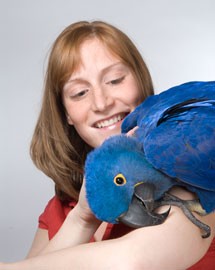
Learn the origin and ecology of any bird you work with or wish to acquire.
This knowledge and understanding aids you in caring and making decisions that best suit birds in their native habitats. Use books, articles, videos, interviews, and the Internet. See the International Union for Conservation of Nature and Natural Resources for their global list of endangered and threatened birds as well as the North American list of endangered and threatened birds published by the Cornell Lab of Ornithology.
The well being of birds and the environments in which they live are directly related to the health of human communities. For instance, poverty and loss of biodiversity are intimately linked. Avian conservation efforts increasingly include human health and well being in their research objectives and solution protocols. It is more difficult to procure information about human communities in relation to birds, but start with Bird Life International and RARE Conservation.

Little girls in Honduras hold photographs of their native scarlet macaw (Ara macao).
4. Promote education and awareness in others.
Offer information about avian conservation in your clinic:
- Play videos from youtube.com or bird conservation sites. For instance, check out The Honduran Emerald Hummingbird in Amazing Slow Motion by the American Bird Conservancy.
- Provide brochures and handouts about avian conservation. Download the American Bird Conservancy’s free PDF brochure on Cats Indoors Program.
- Have a computer available to search for and display conservation projects.
- Display posters on avian conversation.
- Sell books and other items that support avian conservation projects.
While working with birds or talking to friends, family, and acquaintances about your work or the birds in your life, share with them what you know about the status of these birds in the wild. Engage in social and informational networks like Twitter and Facebook, and offer presentations to local civic and community groups, including bird clubs and veterinary associations.
5. Care for birds in captivity while questioning their existence in captivity.
One of the best ways to “conserve birds” is to care adequately for those already in our midst. To do so we need to understand their complex natures as best we can so we can provide them with an enriching and healthy environment. In reality, there is no way an artificially constructed environment can match the complex ecological and social niche that has evolved for birds.

Scarlet macaws (Ara macao) flying free in Honduras. Click image to enlarge.
For this reason, one must consider carefully the moral obligations humans have whenever they consider having a wild animal in captivity. For many, the question is not how to provide a good life for a bird, but whether most bird species should be in captivity in the first place. Understanding how birds come into captivity or into your homes (often through conditions that cause suffering, death, extinction, and environmental and biodiversity degradation) deters many from keeping birds in captivity. If birds are to come into captivity, they should be fairly traded, organic, sustainable, and humanely reared. This means that people who work with birds earn a living wage, that the environment and the bird is not harmed in the process, and that the bird and her or his parents have a wonderful life throughout their time spent with humans.
6. Strive for a low carbon footprint, making your home and work environments as “green” as possible.
The more we consume of the earth’s resources, the less there is for other life forms. We may not see the devastation that our consumer choices cause, however, much of what we have comes from other peoples and birds losing their habitats if not their very lives. For instance, the habitat of the yellow-billed parrot (Amazona collaria) in Jamaica is threatened by zinc mining, so the more we recycle, the less environmental impact there is for this species. Other small daily steps can also positively impact lives. Eat low on the food chain (i.e. vegetarian) as much as possible, utilize less petroleum products (i.e. drive less, cool and heat homes less, buy local food and products, etc.), and generally do with less (i.e. smaller homes, yards, cars, wardrobes, and gadget collections).
7. Support organizations that promote avian conservation.
Visit or vacation at a sanctuary, park, or avitourist destination. Your dollars help sustain the viability of programs that seek to protect and nurture birds and people. Though we are trying to reduce consumerism, which also means less traveling and purchases, if you can target your spending for goods that support people and their efforts to live sustainably, you are helping birds. In turn, as we nurture humans, we nurture the environments in which they live. Learn more by visiting the International Ecotourism Society and the agencies listed in Ten Things Every Avian Veterinarian Should Know About Conservation Medicine.
8. Support an advocacy group.
There is always work to be done on the local and international level for legislation and policy that protects and nourishes birds and the world in which they live. Though there is greater public awareness about the choices that reflect compassionate care for life and environmental values, human societies need not just education, but public policy to provide in-depth, timely, and far reaching guidelines for enacting change.
Find out more at the:
- American Bird Conservancy
- Avian Welfare Coalition
- Environmental Protection Agency
- National Audubon Society
9. Support students wishing to study avian conservation at home and overseas.
People who are native to the particular region where avian conservation projects focus bring longevity, embodied understanding, commitment, and an ability to navigate the complex world of their particular location. Therefore one of the best ways to support avian conservation is to provide educational support for students in conservation biology, wildlife management, and veterinary medicine.
Lafeber Company was a sponsor of a Cornell College of Veterinary Medicine trip to Honduras. Click image to enlarge.
You can also support international student and veterinarian travel. For instance, the Association of Avian Veterinarians provides scholarships to students and international veterinarians to attend their conferences. You may also contact Dr. Dennis Guerro Centeno at the San Carlos School of Veterinary Medicine and Zoology who seeks scholarship support for graduate students studying psittacine conservation in Guatemala .
10. Grow your enjoyment of birds and encourage others to do the same.
Birds are beautiful and bring much pleasure and enjoyment. When watching them we grow in our sense of their beauty, which calls us to greater care and compassion of our natural world.
“[T]he experience of beauty has a built-in consequence: fairness.
(It) refers both to loveliness and to the ethical requirement to be
fair, play fair, or distribute fairly. Beauty issues a call to symmetry
and equality, a call to be just.” –Elaine Scarry
Bird watching is avian conservation in the making, and estimates of American birdwatchers range from 46 million to over 60 million. Carry binoculars when you go walking or keep a pair in your car. Take time to slow down and observe birds. They’ll surprise you with their behavior and beauty. While at work and at home ask others if they had any interactions with birds and what they thought and felt. In their relationships with birds, were there aspects that brought them joy and peace, understanding and clarity, sadness and loss? If we can take time to celebrate, mourn, and express gratitude with others about our lives with birds we grow our capacity to care, and renew ourselves so that we may work diligently and consistently over the many years it will take to save even one species.
Visit Birding.com and the National Audubon Society to learn more about bird watching.
Iron Storage Disease In Birds
Hemochromatosis, “iron overload”, or “iron storage disease” is the excess accumulation of iron within parenchyma, especially in the liver and eventually in the heart and spleen. Elevated iron stores eventually lead to hepatocyte damage and fibrosis . . .
Pour les vétérinaires. Par les vétérinaires.
Le site Lafervet.com est conçu pour une utilisation par les vétérinaires. Il est ouvert aux vétérinaires diplômés, aux techniciens vétérinaires diplômés, aux animaliers et aux étudiants dans ces domaines.
Créer un compte pour accéder à des articles et des ressources du site.
L'inscription est gratuite.
Para Profesionales Veterinarios. Por Profesionales Veterinarios.
El sitio Lafervet.com es para uso de los profesionales veterinarios. Está abierto a los veterinarios licenciados, técnicos veterinarios licenciados, rehabilitadores licenciados y estudiantes en estos campos.
Cree una cuenta para acceder a los artículos y recursos del sitio.
La registro es gratis.
Already a LafeberVet Member?
Please Login
Presenting problem: Oropharyngeal Plaques in Birds
Oropharyngeal lesions tend to be asymptomatic until lesions are quite advanced. Clinical signs associated with oropharyngeal disease vary, but may include anorexia, dysphagia, drooling, halitosis, head or food flicking and rubbing the beak. Diffuse disease or large focal lesions or diffuse disease can obstruct the choanal slit and/or glottis leading to wheezing, open-mouth breathing, dyspnea or in extreme cases suffocation . . .
Pour les vétérinaires. Par les vétérinaires.
Le site Lafervet.com est conçu pour une utilisation par les vétérinaires. Il est ouvert aux vétérinaires diplômés, aux techniciens vétérinaires diplômés, aux animaliers et aux étudiants dans ces domaines.
Créer un compte pour accéder à des articles et des ressources du site.
L'inscription est gratuite.
Para Profesionales Veterinarios. Por Profesionales Veterinarios.
El sitio Lafervet.com es para uso de los profesionales veterinarios. Está abierto a los veterinarios licenciados, técnicos veterinarios licenciados, rehabilitadores licenciados y estudiantes en estos campos.
Cree una cuenta para acceder a los artículos y recursos del sitio.
La registro es gratis.
Already a LafeberVet Member?
Please Login
Patricia Turner, MS, DVM, DVSc, DACLAM, DABT

Patricia V. Turner is an Associate Professor in the Department of Pathobiology at the Ontario Veterinary College at the University of Guelph. Dr. Turner received her Doctor of Veterinary Medicine (DVM) and Doctorate of Veterinary Sciences (DVSc) (Comparative Pathology) from the Ontario Veterinary College. She has been a Diplomate of the American College of Laboratory Animal Medicine since 2000. In 2008, Dr. Turner was awarded the Charles River Canada Award for outstanding achievements in laboratory animal science, and in 2007 she received the Procter & Gamble/Humane Society of the United States – North American Animal Welfare Award.
Christopher Murphy, DVM, PhD, DACVO

Dr. Christopher Murphy received his BS, DVM and PhD degrees from Cornell University. He then went onto the University of California at Davis (UC Davis) for his residency training in Comparative Ophthalmology at the School of Veterinary Medicine. Chris previously served as a Professor of Comparative Ophthalmology at the University of Wisconsin-Madison and he is currently a Professor at UC Davis. Dr. Murphy has received a number of awards including the lifetime achievement award for research from the American Veterinary Medical Association and the Pfizer award for research excellence. He has over 150 peer-reviewed publications to his credit, and is the co-founder of Platypus Technologies LLC, a biotech startup based on the use of liquid crystals for reporting molecular interaction with nanostructured surfaces. Chris is also an avid fly fisherman, hobbyist blues harmonica player and co-author of the children’s book, Lucille Lost.
Differential Diagnosis in Mice
Although some diseases are merely arranged alphabetically, other lists are based on the mnemonic acronym DAMNIT. This commonly used veterinary medical record scheme divides disease mechanisms into the following categories: degenerative, anomalous, metabolic, neoplastic or nutritional; infectious, inflammatory, idiopathic, immune-mediated, or infarct/vascular; and traumatic or toxic. Exercise professional judgment when evaluating this information. Differential Diagnosis in Mice is designed as an aide or reminder system for use by qualified veterinarians and should never be used for diagnostic decision-making . . .
Pour les vétérinaires. Par les vétérinaires.
Le site Lafervet.com est conçu pour une utilisation par les vétérinaires. Il est ouvert aux vétérinaires diplômés, aux techniciens vétérinaires diplômés, aux animaliers et aux étudiants dans ces domaines.
Créer un compte pour accéder à des articles et des ressources du site.
L'inscription est gratuite.
Para Profesionales Veterinarios. Por Profesionales Veterinarios.
El sitio Lafervet.com es para uso de los profesionales veterinarios. Está abierto a los veterinarios licenciados, técnicos veterinarios licenciados, rehabilitadores licenciados y estudiantes en estos campos.
Cree una cuenta para acceder a los artículos y recursos del sitio.
La registro es gratis.
Already a LafeberVet Member?
Please Login
Differential Diagnosis in Rats
Although some diseases are merely arranged alphabetically, other lists are based on the mnemonic acronym DAMNIT. This commonly used veterinary medical record scheme divides disease mechanisms into the following categories: degenerative, anomalous, metabolic, neoplastic or nutritional; infectious, inflammatory, idiopathic, immune-mediated, or infarct/vascular; and traumatic or toxic. Exercise professional judgment when evaluating this information. Differential Diagnosis in Rats is designed as an aide or reminder system for use by qualified veterinarians and should never be used for diagnostic decision-making . . .
Pour les vétérinaires. Par les vétérinaires.
Le site Lafervet.com est conçu pour une utilisation par les vétérinaires. Il est ouvert aux vétérinaires diplômés, aux techniciens vétérinaires diplômés, aux animaliers et aux étudiants dans ces domaines.
Créer un compte pour accéder à des articles et des ressources du site.
L'inscription est gratuite.
Para Profesionales Veterinarios. Por Profesionales Veterinarios.
El sitio Lafervet.com es para uso de los profesionales veterinarios. Está abierto a los veterinarios licenciados, técnicos veterinarios licenciados, rehabilitadores licenciados y estudiantes en estos campos.
Cree una cuenta para acceder a los artículos y recursos del sitio.
La registro es gratis.
Already a LafeberVet Member?
Please Login
Differential Diagnosis in Gerbils
Although some diseases are merely arranged alphabetically, other lists are based on the mnemonic acronym DAMNIT. This commonly used veterinary medical record scheme divides disease mechanisms into the following categories: degenerative, anomalous, metabolic, neoplastic or nutritional; infectious, inflammatory, idiopathic, immune-mediated, or infarct/vascular; and traumatic or toxic. Exercise professional judgment when evaluating this information. Differential Diagnosis in Gerbils is designed as an aide or reminder system for use by qualified veterinarians and should never be used for diagnostic decision-making . . .
Pour les vétérinaires. Par les vétérinaires.
Le site Lafervet.com est conçu pour une utilisation par les vétérinaires. Il est ouvert aux vétérinaires diplômés, aux techniciens vétérinaires diplômés, aux animaliers et aux étudiants dans ces domaines.
Créer un compte pour accéder à des articles et des ressources du site.
L'inscription est gratuite.
Para Profesionales Veterinarios. Por Profesionales Veterinarios.
El sitio Lafervet.com es para uso de los profesionales veterinarios. Está abierto a los veterinarios licenciados, técnicos veterinarios licenciados, rehabilitadores licenciados y estudiantes en estos campos.
Cree una cuenta para acceder a los artículos y recursos del sitio.
La registro es gratis.
Already a LafeberVet Member?
Please Login
Differential Diagnosis in Hedgehogs
Although some diseases are merely arranged alphabetically, other lists are based on the mnemonic acronym DAMNIT. This commonly used veterinary medical record scheme divides disease mechanisms into the following categories: degenerative, anomalous, metabolic, neoplastic or nutritional; infectious, inflammatory, idiopathic, immune-mediated, or infarct/vascular; and traumatic or toxic. Exercise professional judgment when evaluating this information. Differential Diagnosis in African Pygmy Hedgehogs is designed as an aide or reminder system for use by qualified veterinarians and should never be used for diagnostic decision-making . . .
Pour les vétérinaires. Par les vétérinaires.
Le site Lafervet.com est conçu pour une utilisation par les vétérinaires. Il est ouvert aux vétérinaires diplômés, aux techniciens vétérinaires diplômés, aux animaliers et aux étudiants dans ces domaines.
Créer un compte pour accéder à des articles et des ressources du site.
L'inscription est gratuite.
Para Profesionales Veterinarios. Por Profesionales Veterinarios.
El sitio Lafervet.com es para uso de los profesionales veterinarios. Está abierto a los veterinarios licenciados, técnicos veterinarios licenciados, rehabilitadores licenciados y estudiantes en estos campos.
Cree una cuenta para acceder a los artículos y recursos del sitio.
La registro es gratis.
Already a LafeberVet Member?
Please Login
Differential Diagnosis in Guinea Pigs
Although some diseases are merely arranged alphabetically, other lists are based on the mnemonic acronym DAMNIT. This commonly used veterinary medical record scheme divides disease mechanisms into the following categories: degenerative, anomalous, metabolic, neoplastic or nutritional; infectious, inflammatory, idiopathic, immune-mediated, or infarct/vascular; and traumatic or toxic. Exercise professional judgment when evaluating this information. Differential Diagnosis in Guinea Pigs is designed as an aide or reminder system for use by qualified veterinarians and should never be used for diagnostic decision-making . . .
Pour les vétérinaires. Par les vétérinaires.
Le site Lafervet.com est conçu pour une utilisation par les vétérinaires. Il est ouvert aux vétérinaires diplômés, aux techniciens vétérinaires diplômés, aux animaliers et aux étudiants dans ces domaines.
Créer un compte pour accéder à des articles et des ressources du site.
L'inscription est gratuite.
Para Profesionales Veterinarios. Por Profesionales Veterinarios.
El sitio Lafervet.com es para uso de los profesionales veterinarios. Está abierto a los veterinarios licenciados, técnicos veterinarios licenciados, rehabilitadores licenciados y estudiantes en estos campos.
Cree una cuenta para acceder a los artículos y recursos del sitio.
La registro es gratis.
Already a LafeberVet Member?
Please Login
Analgesia in Small Mammals
As in other species, to manage pain successfully, one must know when pain might occur. Several common medical disorders can result in acute pain such as otitis, conjunctivitis, and acute gastrointestinal disease. Chronic pain can arise from conditions such as arthritis, which commonly develops in older . . .
Pour les vétérinaires. Par les vétérinaires.
Le site Lafervet.com est conçu pour une utilisation par les vétérinaires. Il est ouvert aux vétérinaires diplômés, aux techniciens vétérinaires diplômés, aux animaliers et aux étudiants dans ces domaines.
Créer un compte pour accéder à des articles et des ressources du site.
L'inscription est gratuite.
Para Profesionales Veterinarios. Por Profesionales Veterinarios.
El sitio Lafervet.com es para uso de los profesionales veterinarios. Está abierto a los veterinarios licenciados, técnicos veterinarios licenciados, rehabilitadores licenciados y estudiantes en estos campos.
Cree una cuenta para acceder a los artículos y recursos del sitio.
La registro es gratis.
Already a LafeberVet Member?
Please Login
Differential Diagnosis in Hamsters
Although some diseases are merely arranged alphabetically, other lists are based on the mnemonic acronym DAMNIT. This commonly used veterinary medical record scheme divides disease mechanisms into the following categories: degenerative, anomalous, metabolic, neoplastic or nutritional; infectious, inflammatory, idiopathic, immune-mediated, or infarct/vascular; and traumatic or toxic . . .
Pour les vétérinaires. Par les vétérinaires.
Le site Lafervet.com est conçu pour une utilisation par les vétérinaires. Il est ouvert aux vétérinaires diplômés, aux techniciens vétérinaires diplômés, aux animaliers et aux étudiants dans ces domaines.
Créer un compte pour accéder à des articles et des ressources du site.
L'inscription est gratuite.
Para Profesionales Veterinarios. Por Profesionales Veterinarios.
El sitio Lafervet.com es para uso de los profesionales veterinarios. Está abierto a los veterinarios licenciados, técnicos veterinarios licenciados, rehabilitadores licenciados y estudiantes en estos campos.
Cree una cuenta para acceder a los artículos y recursos del sitio.
La registro es gratis.
Already a LafeberVet Member?
Please Login
Paul Flecknell, VetMB, PhD

Dr. Paul Flecknell is an Emeritus Professor and Former Director of the Comparative Biology Centre at The Medical School of the University of Newcastle in Newcastle upon the Tyne. Dr. Flecknell’s research interests focused on the welfare of animals used in biomedical research, and in particular issues associated with pain and distress. He has studied comparative aspects of pain assessment and alleviation and how this relates to animal anesthesia and the neurophysiogical effects of anesthesia. Dr. Flecknell is a Diplomate of the European College of Laboratory Animal Medicine and an honorary Diplomate of the American College of Laboratory Animal Medicine. Dr. Flecknell is also a Diplomate of the European College of Veterinary Anaesthesia and Analgesia, and an honorary Fellow of the Royal College of Veterinary Surgeons. Dr. Flecknell is the author of many journal papers as well as the text, Laboratory Animal Anaesthesia, 4th edition.
Grey Parrot Anatomy Project Veterinary Webinar
Introduction
When Dr. Michelle Hawkins of the Companion Exotic Animal Medicine & Surgery Service of the UC Davis School of Veterinary Medicine expressed interest in an encore presentation of the Grey Parrot Anatomy Project for veterinary medical students, Dr. M. Scott Echols and LafeberVet were happy to oblige.
Veterinary medical educators (in appropriate time zones) and their students were invited to attend this free, interactive, web-based seminar featuring incredible avian anatomy images, video clips that enhance our understanding of anatomy, and an exciting research update.
Thoroughly depressing webinar – I used to think I knew something about avian anatomy, and now I realise just how much I don’t know and how much more I have to learn! ☺
…Brilliant images, brilliant work. I can’t wait to see the avalanche of papers that come out of this project…Thanks to everyone for a well-presented webinar. —Bob Doneley, VSc FANZCVS (Avian Medicine) CMAVA Registered Specialist in Bird Medicine; Associate Professor, Avian and Exotic Pet Medicine University of Queensland
Webinar recording
Donate now
In 2014, Lafeber Company made a contribution to the Grey Parrot Anatomy Project. Click here to make a donation to this worthy project today.
Video clips
Just a sample of the many video clips featured in the webinar recording above:
Video 1. Computed tomography of a parrot skull
Video 2. Palatine luxation lateral cutaway in a macaw
Video 3. Magnetic resonance imaging (T2) of a grey parrot
Video 4. Myocyte mapping of a parrot heart
Gerbil Species and Breeds
There are 87 known species and 14 genera of gerbil. The Mongolian Gerbil, also referred to as the desert rat, originates from Mongolia and Northern China and is an extremely good digger, digging with its front paws and kicking debris away with its strong hind legs . . .
Pour les vétérinaires. Par les vétérinaires.
Le site Lafervet.com est conçu pour une utilisation par les vétérinaires. Il est ouvert aux vétérinaires diplômés, aux techniciens vétérinaires diplômés, aux animaliers et aux étudiants dans ces domaines.
Créer un compte pour accéder à des articles et des ressources du site.
L'inscription est gratuite.
Para Profesionales Veterinarios. Por Profesionales Veterinarios.
El sitio Lafervet.com es para uso de los profesionales veterinarios. Está abierto a los veterinarios licenciados, técnicos veterinarios licenciados, rehabilitadores licenciados y estudiantes en estos campos.
Cree una cuenta para acceder a los artículos y recursos del sitio.
La registro es gratis.
Already a LafeberVet Member?
Please Login
Guinea Pig Breeds
Guinea Pig Breeds
Eleven guinea pig breeds are recognized by the American Cavy Breeders Association:
| 1. Abyssinian | 7. Peruvian Satin |
| 2. Abyssinian Satin | 8. Silkie |
| 3. American | 9. Silkie Satin |
| 4. American Satin | 10. Teddy |
| 5. Coronet | 11. Teddy Satin |
| 6. Peruvian |

Abyssinians possess whorled or rough hair.

Peruvians have long, silky hair.

American or English pigs have short, smooth coats.
Lafeber Product Lecture Tools

Need images of Lafeber Company products?
Download these PowerPoint files for your viewing or lecturing pleasure!
Retail products

Lafeber Products: Retail (20.94 MB) Sep 2018
Microsoft PowerPoint PPTX presentation
Lafeber Company Products: Retail (15.2 MB) April 2014
Microsoft PowerPoint PPTX presentation
Veterinary products
Lafeber Company Products: Veterinary (10.8 MB) Feb 2018
Microsoft PowerPoint PPTX presentation
Lafeber Company Products: Veterinary (25.3 MB) Feb 2018
Microsoft PowerPoint PPT 1997-2004 presentation
Detailed presentation

Lafeber Company Products: Detailed Veterinary PPT (14.6 MB) March 2016, updated October 2018
Looking for more detailed information on Lafeber Company products? Download this 45-slide presentation created for Dr. Charly Pignon and presented at RévelNAC 2016.
Microsoft PowerPoint PPTX presentation
Recommended References for Small Mammal Practice
Books
Banks RE, Sharp JM, Doss SD, Vanderford DA. Exotic Small Mammal Care and Husbandry. Ames: Wiley-Blackwell, 2010.
Bays TB, Lightfoot T, Mayer J. Exotic Pet Behavior: Birds, Reptiles, and Small Mammals. St. Louis, MO. Saunders Elsevier, 2006.
Capello V, Gracis M, Lennox AM (eds). Rabbit and Rodent Dentistry Handbook. Lake Worth, FL: Zoological Education Network, 2005.
Capello V, Lennox AM, Widmer WR. Clinical Radiology of Exotic Companion Mammals. Ames, Iowa: Blackwell, 2008.
Carpenter JW (ed). Exotic Animal Formulary, 3rd ed. WB Saunders, 2005.
Flecknell P. Laboratory Animal Anaesthesia, 3rd ed. London: Academic Press, 2009.
Fox JG. Biology and Diseases of the Ferret, 2nd ed. Baltimore: Williams & Wilkins, 1998.
Fudge AM. Laboratory Medicine: Avian and Exotic Pets. Philadelphia, PA: Saunders, 2000.
Harcourt-Brown F. Textbook of Rabbit Medicine. Oxford: Butterworth-Heinemann, 2002.
Keeble EJ, Meredith A (eds). BSAVA Manual of Rodents and Ferrets. Gloucester England: British Small Animal Veterinary Association, 2009.
Keeble E, Meredith A. Self-Assessment Colour Review of Rabbit Medicine & Surgery. London, UK: Manson Publishing, 2006.
Lewington JH (ed): Ferret Husbandry, Medicine and Surgery. Philadelphia, PA: Saunders,
2000.
Longley L. Anaesthesia of Exotic Pets. London: Elsevier Saunders, 2008.
Meredith A, Redrobe S (ed). BSAVA Manual of Exotic Pets, 4th ed. Quedgeley: British Small Animal Veterinary Association, 2002.
Mitchell MA, Tully TN. Manual of Exotic Pet Practice. St. Louis: Saunders Elsevier, 2009.
Oglesbee B. The 5-Minute Veterinary Consult: Ferret and Rabbit. Ames: Wiley-Blackwell, 2006.
Percy DH, Barthold SW (ed). Pathology of Laboratory Rodents and Rabbits, 3rd ed. Ames: Blackwell, 2007.
Popesko P, Rajtova V, Horak J. A Color Atlas of Anatomy of Small Laboratory Animals: Volume One: Rabbit–Guinea Pig. Philadelphia, PA: Saunders, 1990.
Quesenberry KE, Carpenter JW (eds). Ferrets, Rabbits, and Rodents: Clinical Medicine and Surgery, 2nd ed. St Louis: Saunders, 2004.
Silverman S, Tell L. Radiology of Rodents, Rabbits, and Ferrets. An Atlas of Normal Anatomy and Positioning. St. Louis, MO, Saunders, 2005
Journals
Comparative Medicine, ISSN: 1532-0820. Publisher: American Association for Laboratory Animal Science.
Exotic DVM Magazine, ISSN: 1521-1363. Publisher: Zoological Education Network.
Journal of the American Association for Laboratory Animal Science, ISSN: 1559-6109. Publisher: American Association for Laboratory Animal Science.
Journal of Exotic Pet Medicine, ISSN: 1557-5063. Publisher: Elsevier.
Journal of Zoo and Wildlife Medicine, ISSN: 1937-2825. Publisher: American Association of Zoo Veterinarians.
Lab Animal, ISSN: 0093-7355. Publisher: Nature America Inc.
Veterinary Clinics of North America: Exotic Animal Practice, ISSN: 1094-9194. Publisher: WB Saunders.
Avian Nutrition Glossary
Didn’t find a term you were looking for? Please let us know at [email protected].
A
| AAFCO | See the Association of American Feed Control Officials |
| Acetate | Primary volatile or short-chain fatty acid produced during bacterial fermentation of fiber. Energy may be derived from its metabolism. |
| Acetic acid | See Acetate |
| Aflatoxin | Mycotoxins produced by Aspergillus flavus or A. parasiticus growing on corn, peanuts, or cottonseed. |
| African grey parrots |
Susceptible to a hypocalcemic syndrome associated with weakness, ataxia, and seizure activity. Although pathogenesis is unknown, hypocalcemia may result from an inability to mobilize bone rapidly. |
| Airplane wing | See Angel wing |
| Alanine | Nonessential amino acid |
| Albumin | Globular proteins found in egg white and blood plasma. |
| Alloenzymatic digestion |
Digestion using microbial assistance such as digestion of plant fiber |
| Allocholic acid | Major bile acid of faunivores |
| Alpha-carotene | Dietary carotenoid |
| Alpha-tocopherol | Most biologically active form of vitamin E with relatively little antioxidant efficacy. |
| Altricial | Species that hatch with closed eyes, little down, and poor musculature. Require extensive parental assistance and grow very quickly post-hatch. |
| Amino acid | Molecule composed of carbon, hydrogen, oxygen, nitrogen, and sometimes sulfur or phosphorus atoms. Although hundreds of amino acids exist, only 20 are commonly found as components of protein. |
| Amino acid antagonism |
Surplus of one amino acid increases the requirement for a metabolically similar amino acid (ex: high dietary lysine increase the need for arginine) |
| Amino acid, Essential |
Essential amino acids in the bird include arginine, isoleucine, leucine, lysine, methionine, phenylalanine, threonine, tryptophan, and valine. Histidine, glycine, and proline are essential in growing chickens. Research suggests that glycine is also essential in budgerigars. |
| Amino acid, Non-essential | Amino acids that can be synthesized from nitrogen (alanine, asparagine, cysteine, glutamine, serine, and tyrosine. |
| Ammonia | Compound excreted by chickens on very high protein diets in addition to uric acid. |
| Amylase | An enzyme that breaks down starch into glucose molecules. Secreted by the salivary glands of some granivores (i.e. present in the House Sparrow, but not the chicken) and secreted by the pancreas in amounts which vary with the diet in chickens. |
| Amylopectin | A component of starch. |
| Amylose | A component of starch. |
| Angel wing | A disease of captive waterfowl in which the wing is rotated outward at the carpus also known as “airplane wing”. Although the pathogenesis is unknown, excess dietary protein, rapid growth, low dietary calcium, hypovitaminosis D, manganese deficiency, vitamin E deficiency, heredity, restricted exercise, and incorrect incubation have all been theorized. |
| Antioxidant | Any substance that helps preserve food by retarding deterioration, rancidity, or discoloration caused by oxidation. |
| Apparent metabolizability |
Energy values of a bird food may be expressed as:nutrient intake – nutrient in droppings)/nutrient intake |
| Apparent metabolizable energy |
Energy or nutrient intake minus energy in excreta (urine, feces, egested pellets). This value is apparent because it is biased by excreta that has nothing to do with food consumption such as sloughed intestinal epithelial cells. |
| Arabinose | A monosaccharide containing five carbon atoms or pentose. |
| Arachidonic acid | A conditionally essential fatty acid in chickens, required when there is insufficient linoleic acid in the diet. A member of the omega-6 fatty acid family found in animal fats, particularly fish oils. It has been theorized that carnivorous birds may require arachidonic acid as in mammals. |
| Arginine | Essential amino acid of birds used to create creatine and polyamines. Deficiency causes an upward curling of the remiges (wing feathers) in chicks. |
| Ascorbic acid | See Vitamin C |
| Ascorbyl palmitate |
Fat-soluble form of vitamin C used as a natural antioxidant. |
| Asparagine | Nonessential amino acid of birds |
| Aspartate | Nonessential amino acid of birds |
| Association of American Feed Control Officials (AAFCO) |
Government organization that oversees pet food production |
| Astaxanthin | Dietary carotenoid pigment found in microalgae, krill, and shrimp. This pigment is used naturally and commercially in flamingos to provide color. |
| Atwater factors | See modified Atwater factors |
| Avi-Cakes | Lafeber Company product containing whole grains and seeds mixed with a pellet to create a balanced product. |
| Avidin | Compound in raw egg white which binds biotin making it unavailable for absorption. Cooking destroys avidin. |
| Avocado (Persea spp.) |
Food item to avoid in birds including the leaves. Some species may be toxic causing cardiomyopathy and death. Pathogenesis is unclear. |
B
| B6 | See Pyridoxine |
| B12 | See Cobalamin |
| Balanced | Label term that refers to required nutrients present in the proper amounts and proportions based upon recommendations from recognized authorities |
| Basal metabolic rate (BMR) |
Minimal energy expended by a normal, resting bird in a thermoneutral environment. The BMR (kcal/d) of a tropical parrot is 73.6 X BW (kg)0.73. |
| Basal nutrient requirements |
Nutrients needed to maintain basic life functions (replaces losses inherent in being alive) |
| BCAA | See Branched chain amino acids |
| BCS | See Body condition score |
| Beak | See Bill |
| Beta-carotene | Dietary carotenoid that serves as a vitamin A precursor or pigment in some species. Found in dark green, yellow, and orange fruits and vegetables. Mammalian carnivores cannot utilize beta-carotene and the same may hold true for birds. |
| Beta-cryptoxanin | Dietary carotenoid |
| Beta-glucan | Dietary fiber found in oats and barley. |
| Beta-phocacholic acid |
Major component of bile in ducks, geese, and flamingos |
| BHA | See Butylated hydroxyanisole |
| BHT | See Butylated hydroxytoluene |
| Bile | Green liquid made in the liver that enables fats to mix with water. |
| Bile acids | Steroid acids such as allocholic acid, chenodeoxycholic acid, cholic acid and deoxycholic acid which are a part of bile. Produced by the liver from cholesterol and secreted into the intestines in the form of salts. |
| Bile ducts | Carry bile salts, cholesterol, and phospholipids into the duodenum. Opening varies among species. In pigeons, one duct enters the anterior duodenal loop and the second enters the posterior duodenum. In some species, the right duct enters a gallbladder. |
| Bile salts | Detergent-like compounds that help to emulsify fatty foods for proper digestion and absorption. |
| Bill | External anatomic structure of birds used for eating, grooming, manipulating objects, probing for food, and feeding young. Also known as the beak or rostrum. |
| Bioavailability | Describes the degree to which a nutrient can be absorbed and utilized for its required purpose from a particular source. Usually expressed as a percentage of an established standard. |
| Bioflavonoids | A group of red, blue, and yellow pigments with vitamin-like activity best know for their antioxidant activity. Consist of over 4,000 different compounds excluding carotenoids usually found naturally as glycosides linked to sugars. Highest levels are found in the skin of colored fruits and vegetables. |
| Biologic value | The percentage of absorbed protein retained by the body, and a crude measure of the body’s ability to convert absorbed amino acid into body tissue. |
| Biotin | Sulfur-containing B-vitamin synthesized by cecal flora and found in dietary sources such as liver, egg yolk, nuts, beans, and cereals such as barley and wheat. Stored in the liver. Serves as a coenzyme in several carboxylation reactions. Deficiency is rare but may develop with oral antibiotic use. Signs of deficiency may include poor growth, dermatitis of the feet, necrosis of toes, swollen eyelids, lethargy, and neurologic deficits in chicks. Deficiency may also play a role in fatty liver and kidney syndrome in adult birds. |
| Black tongue | See Pellagra |
| Body condition scoring (BCS) |
Subjective assessment of body fat and musculature, which should be recorded at the same time as body weight in grams. Scoring should take into account life style, age, and species. The “generic” bird with an optimal body condition score has a good overall appearance and a pectoral muscle contour appropriate for the species. |
| Bomb calorimetry | Calorimeter used to measure the amount of energy retained in tissues, eggs, or feathers by burning the material and measuring the total amount of heat produced. |
| Bone meal | A mixture of crushed and ground bones no longer popular as dietary calcium supplement due to the possible presence of contaminants. |
| Branched chain amino acids (BCAA) |
Leucine, valine, isoleucine; Diets enriched in BCAA have been used to theoretically normalize plasma amino acid levels in humans in the hope of improving nitrogen balance and hepatic encephalopathy |
| Bulk | Feature of plant material related to its ability to hold water. Bulk shortens transit time and can decrease nutrient digestibility. |
| Butylated hydroxyanisole (BHA) |
Synthetic antioxidant with relatively high efficacy. |
| Butylated hydroxytoluene (BHT) |
Synthetic antioxidant with relatively high efficacy. |
| Butyrate | Volatile or short-chain fatty acid produced by bacterial fermentation of fiber. Energy may be derived from its metabolism. |
| Butyric acid | See Butyrate |
C
| Calciferol | See Cholecalciferol |
| Calcium | The most abundant mineral in the body necessary for bone mineralization and eggshell calcification. Dietary sources include bone, soybean meal, and flaxseed meal. Free-ranging birds supplement their diet with mollusk shells, eggshells, and calciferous grit. Egg-laying chickens require 3.3% calcium, while egg-laying budgerigar parakeets and cockatiels require 0.85% and 0.35% calcium respectively. The calcium requirement for growing chicks is approximately 1.0%. The maintenance calcium requirements for chickens is less than 0.1% of diet.Calcium deficiency occurs when the diet contains excess phosphorus or too little calcium or vitamin D. Calcium deficiency may lead to skeletal deformities, particularly in growing birds, egg binding, dystocia, weakness, ataxia, or seizure activity. A hypocalcemic syndrome has been documented in African grey parrots. Excess dietary calcium is less common but results in mineralization of tissues, particularly the kidneys. |
| Calcium chloride | Texturizer added to canned foods to keep them from turning mushy. |
| Calcium:phosphorus ratio |
1.5 to 2:1 is recommended, however ratios between 1.4:1 and 4:1 are adequate assuming dietary vitamin D levels are sufficient. |
| Calcium propionate |
Preservative which serves as a mold inhibitor. |
| Calorie | The term commonly substituted for kilocalorie. |
| Canary seed | Non-oil seed frequently fed to small granivores to increase the protein in a seed mixture. |
| Cane molasses | The product is 50% sugars, making it extremely palatable. Although it is a liquid, it is very high in solids (75%). Reduces dust in a mixture, aids pelleting, and is a good source of minerals |
| Canola oil | A “heart-healthy” oil containing omega-6 and omega-3 fatty acids in a ratio off 2:1. Second to flax oil in omega-3 fatty acid. Also known as rapeseed oil. |
| Canthaxanthin | Dietary carotenoid pigment found in green algae, fish, and crustacea. Used naturally and commercially in flamingos and other pink or red birds to provide color. |
| Carbohydrate | A principal dietary source of energy derived from plants. Classified as monosaccharides, disaccharides, oligosaccharides, and polysaccharides. The energy value of dietary carbohydrates is about 4 kilocalories per gram. |
| Carnivore | Type of faunivore that consumes terrestrial vertebrates. |
| Carnitine | L-carnitine transports long-chain fatty acids and is needed for maximal chick growth. Synthesized primarily in the liver from lysine and methionine and stored in skeletal and cardiac muscles. Although deficiency is often asymptomatic, signs may include chronic muscle weakness, hypoglycemia, cardiomyopathy, and hepatomegaly. L-carnitine has also been anecdotally recommended in the treatment of lipomas in budgerigar parakeets. |
| Carotene | See Beta-carotene |
| Carotenoids | Group of dietary pigments found in orange and green vegetables and highly pigmented fruits. Carotenoids may also be obtained from some species of insect, mollusk, shrimp, or fish that further concentrate and modify carotenoids. Serve as vitamin A precursors in chickens and provide feather coloration in a variety of species such as the flamingo, ibis, trogon, tanager, and Gouldian finch. Carotenoids found in the greatest number in food include beta-carotene, alpha-carotene, lutein, lycopene, beta-cryptoxanin, zeaxanthin, canxanthin, and astaxanthin. |
| Carry-through | A property of preservatives related to retention of antioxidant function after being subjected to the heat, pressure, and moisture of food processing. Most natural preservatives (i.e. ascorbic acid, mixed tocopherols, ascorbyl palmitate) have poor carry-through. |
| Casein | Protein found in dairy products such as milk and cheese; also used as a binding agent in many food items |
| CCK | See Cholecystokinin |
| Ceca | A pair of diverticula connected to the proximal colon and the ileum where fermentation of poorly digestible carbohydrates occurs. Relatively large in herbivores like galliforms, waterfowl and ratites. Absent or vestigial in psittacines and passerines. |
| Cecotropes | Nutrient-rich, light brown, homogenous material emptied from the cecum by major reverse peristaltic contractions. Passed once or twice daily in galliforms. Also known as cecal feces. |
| Cecotrophy | Ingestion of cecotropes practiced by some birds. |
| Cecum | See Ceca |
| Celiac disease | A chronic, maldigestive/malabsorptive disease of the mammalian intestinal tract associated with an inability to tolerate gluten. Also known as celiac sprue or gluten-sensitive enteropathy. |
| Cellulose | Polysaccharide found in the cell wall of leaves, roots (i.e. carrots), bran, whole wheat, and beans. This insoluble fiber is fermented for energy in species with developed ceca. |
| Chemical score | Index of protein quality that compares amino acid profiles. Egg protein is often the reference protein and is given a score of 100. The amino acid with the greatest deficit is called the limiting amino acid. |
| Chenodeoxycholic acid |
Major bile acid of many wild birds |
| Chitin | Mucopolysaccharide within the exoskeleton of many invertebrates. |
| Choanal slit | Median slit in hard palate of birds which connects the oropharynx and the nasal cavity. |
| Cholecalciferol | Form of vitamin D3 used by birds. Synthesized from 7-dehydroxycholesterol in the skin when exposed to ultraviolet light or ingested from dietary sources such as egg yolk, fish oil and a number of plants. |
| Cholecystokinin (CCK) |
A peptide hormone of the gastrointestinal tract responsible for stimulating the digestion of fat and protein. |
| Cholesterol | A lipid compound derived from sterol present in all parts of the body including the nervous system, skin, muscle, liver, intestines and heart. Cholesterol is made in the liver and obtained from animal products in the diet. In the blood stream, cholesterol combines with fatty acids to form high-density (HDL), low-density (LDL), and very-low-density lipoproteins (VLDL). |
| Cholic acid | Major bile acid of faunivores. |
| Choline | B-complex vitamin synthesized in the bird liver from serine. Unique in that large amounts are needed in the diet (>1%). Dietary sources include egg yolks, organ meat, legumes, and grains. Choline serves as a basic part of the cell membrane phospholipid, lecithin. |
| Chondrodystrophy | Condition characterized by hock (tarsometatarsal) joint swelling, twisting of the distal tibiotarsus or proximal tarsometatarsus, and slipping of the gastrocnemius tendon. May be caused by manganese, biotin, or choline deficiency in poults and chicks. Also known as perosis or slipped tendon. |
| Chloride | Principle extracellular anion. |
| CHO | Abbreviation for carbohydrate based on the fact that compounds are made primarily from carbon atoms and water. |
| Chromium | Trace element present in several enzymes that metabolize fat. Dietary sources include liver, wheat germ, and broccoli. There are variable results on the performance of poultry given chromium, however chromium has been used to lessen the toxic effects of vanadium in chicks. |
| Chylomicron | Fat globule composed of protein and lipid that transports fat in the blood from where it enters circulation in the intestine to the liver or adipose tissue. |
| Chyme | Partially digested liquid that exits the stomach. |
| Citric acid | Natural antioxidant found in citrus fruits often used in combination with other naturally-derived antioxidants. |
| Cloaca | Common chamber and outlet which receives the gastrointestinal, urinary, and reproductive tracts. |
| Cobalamin | Vitamin B12 or cyanocobalamin is the only vitamin that contains a trace element, cobalt. B12 is synthesized almost exclusively by bacteria, but it may also be obtained from animal origin sources (organ meat, fish). Excess amounts may be stored in the liver (and to a much smaller degree in muscle, bone, and skin). Deficiency is very rare but may result in poor growth neuropathies, anemia, gizzard erosion, perosis, fatty heart, liver, and kidney |
| Cobalt | Trace element found in cobalamin or vitamin B12 |
| Collagen | Fibrous proteins present in connective tissue; converted to gelatin with prolonged boiling. |
| Colon | see Rectum |
| Complementarity | The matching of foods to improve the proteins fed (i.e. Rice is low in lysine and beans are low in methionine. Eating beans and rice together improves the proteins fed). |
| Complete | Term used on labels which states that feed is nutritionally adequate. The product may be fed as a sole ration and is capable of maintaining life and/or promoting production alone. |
| Complete protein | Protein source that contains ample amounts of all essential amino acids. |
| Complex carbohydrates |
See Polysaccharides |
| Contraction sequence |
Pattern of gastrointestinal contraction varies widely among avian species but normally includes duodenal reflux in those species studied (i.e. parrots, fowl, ostrich, petrels, raptors). Reflux appears to improve intestinal digestion of nutrients. |
| Controlled hypothermia |
Small birds in cool climates may decrease their energy needs overnight by reducing body temperature between 25 to 35°C. See torpor. |
| Copper | Trace element absorbed by the intestinal tract and metabolized within the liver. Used for iron absorption, transport, and hemoglobin formation. Also serves as an antioxidant, promotes the growth of strong bones, and protects the health of nerve tissue. Most organ meats are rich in copper. Deficiency may lead to anemia, bleeding, lameness, infertile eggs, poor feather pigmentation, dissecting aortic aneurysms or cardiac hypertrophy in poultry and ratites. Chronic hepatitis and severe cholestasis have been associated with the hepatic accumulation of copper in the dog. |
| Coprodeum | Anterior component of the cloaca that receives the gastrointestinal tract. |
| Coprophagy | Ingestion of rectal or cecal feces. |
| Corn | Grain rich in methionine and cysteine. Its first limiting amino acid is lysine. Diets high in corn should be supplemented with niacin as niacin in corn is bound and unavailable for absorption. |
| Crop | Diverticulum or widening of the esophagus lined with thick, cornified epithelium. Mucus gland secretions soften food. |
| Crop milk | A semi-solid substance secreted by the pigeon crop which parents feed to their young by regurgitation. High in protein and fat, low in calcium and carbohydrate. |
| Cruciferous vegetables |
Brassica vegetables which contain sulfur compounds such as broccoli, cauliflower, turnips, and kale. Excellent sources of indoles, dithiolthiones, isothiocyanates and chlorophyllins which are theorized to possess potent anti-cancer properties. |
| Crude fiber | Old-fashioned term that refers to the remnants of plant fiber that remain after the extraction process. Crude fiber underestimates the amount of hemicellulose, and therefore the amount of dietary fiber, in food. |
| Crustacivore | Species which feed on large numbers of crustaceans (i.e. crab plover, some rails, penguins, auks) |
| Culmen | Dorsal midline of the upper beak. |
| Curly toe paralysis |
Flexion of digits with toes curled under which may occur in chicks with riboflavin deficiency. |
| Cuticle | Glycoprotein matrix that protects the inner surface of the ventriculus. |
| Cuttlebone | Source of dietary calcium |
| Cuttlefish bone | See Cuttlebone |
| Cyanide | Chemical compound present in apple seeds as well as cherry, plum, apricot, and peach pits. |
| Cyanocobalamin | See Cobalamin |
| Cysteine | Nonessential amino acid of birds created by degradation of methionine. Feathers and eggs are rich in cysteine. |
D
| Dabbler | Technique of obtaining food in which a duck submerges its head and neck or tips up in various water substrates to feed on vegetable matter (Subfamily Anatinae) |
| Daily metabolizable energy requirement |
The amount of energy expended through oxidation of nutrients and energy retained in tissues = maintenance metabolizable energy requirement + additional metabolizable energy needed for deposition of products such as body tissue, feathers, eggs |
| Daily requirement | Method of expressing dietary requirement based on intake (mg/day or mg/kg BW/day) |
| DE | See Digestible energy |
| 7-dehydroxycholesterol | Cholesterol in skin converted to vitamin D3 when exposed to ultraviolet light. Chickens require 11 to 30 minutes of strong sunshine daily for adequate vitamin D. |
| Delta-tocopherols | Fraction of vitamin E with low biologic activity but relatively high anti-oxidant efficacy. |
| DHA | See Docosahexanoic acid |
| Diabetes mellitus | An endocrine disease that is not completely understood in birds, however in granivorous species glucagons levels appear to be excessive while in carnivores insulin levels may be deficient. |
| Dietary requirement |
Method of expressing nutritional requirement based on the concentration of nutrient within the diet (% of the diet or g/kg diet) |
| Digestibility | A measure of diet quality based on the proportion of nutrients available for absorption. |
| Digestibility, Apparent |
The relationship between nutrients consumed in the diet and nutrients that disappear from the gastrointestinal tract = (Nutrient intake – Nutrient in Feces)/Nutrient intake. |
| Digestibility, True |
True digestibility corrected for the part of nutrients in feces of endogenous origin = (Nutrient intake – Nutrients in feces) + Endogenous fecal losses)/Nutrient intake. |
| Digestible energy (DE) |
DE is the energy actually absorbed and digested = total energy minus energy lost in feces |
| Diglycerides | A lipid commonly used as an emulsifying agent. |
| Dipeptide | Two amino acids joined together by a peptide bond. |
| Direct calorimetry |
Form of bomb calorimetry that measures metabolizable energy expenditure by the rate at which heat is released. |
| Disaccharide | Carbohydrate made of two monosaccharide units linked together (i.e. sucrose = glucose + fructose) |
| Docosahexanoic acid (DHA) |
An eicosanoid and a member of the omega-3 fatty acid family. |
| “Dumping syndrome” |
Cramping, diarrhea, and vomiting which may occur secondary to the introduction of excessive fluids into the intestines |
E
| EFA | See Essential fatty acid |
| Egestion | A pellet containing indigestible materials (i.e. fur, bone, feathers) formed by gastric contractions in birds of prey. Antiperistaltic waves push the pellet up the esophagus and out of the mouth. |
| Egg | An excellent source of protein, vitamins, and minerals. Contains most essential amino acids. Contains B vitamins, vitamin D, and some vitamin E. Excellent source of iodine, zinc, and calcium. Of course even more calcium is present within the egg shell. Although iron is present in the egg, its bioavailability is unclear. The egg contains approximately 11.2% fat; the vast majority of which is found in the yolk. |
| Eicosanoids | Members of the omega-3 essential fatty acids family (i.e. eicosapentanoic acid, docosahexanoic acid) that reduce inflammation (perhaps by inhibiting the COX-2 enzyme) and are essential for brain development. Found in fatty fish such as salmon, white tuna, mackerel, rainbow trout, herring, halibut, and sardines. |
| Eicosapentanoic acid (EPA) |
A member of the omega-3 fatty acid family which ideally should be included in the diet. See Eicosanoids. |
| Electrolytes | A substance that will dissolve into ions in solution such as sodium, potassium, chloride, calcium and phosphate. |
| Elemental diet | A nutritionally-balanced liquid diet that is in a highly digestible form so that it puts minimal stress on the gastrointestinal system. |
| Emulsifying agents |
Food additive used to blend together ingredients like oil and water allowing greater contact between antioxidants and fats. Naturally-derived agents include lecithin, modified starches, monoglycerides, and diglycerides. |
| Energy | Not a nutrient, but one of the most critical components of the diet. Body obtains energy through oxidation of chemical bonds producing energy-rich compounds such as adenosine triphosphate (ATP). |
| Energy density | Number of calories provided in a given weight or volume of food expressed as kJ of diet/volume of diet or kcal/kg. Energy density is the primary factor that determines how much food is eaten daily |
| Energy, Gross | See Gross energy |
| Energy requirements |
See Basal metabolic requirements (BMR) See Maintenance energy requirements (MER) |
| EPA | See Eicosapentanoic acid |
| Ergocalciferol | Also known as vitamin D2. Form of vitamin D used by mammals, but not used efficiently by birds |
| Ergosterol | Biologic precursor of vitamin D synthesized by plants, fungi, molds, lichens, and some invertebrates (e.g. snails, worms). Converted to vitamin D2 by ultraviolet light. |
| Esophagus | Muscular tube that extends from the oropharynx to proventriculus. The esophagus is relatively wider than in mammals and expandable due to a series of longitudinal folds. Mucus glands provide lubrication. |
| Esophagostomy tube |
Feeding tube placed under general anesthesia for long-term feeding of the anorectic patient. |
| Essential fatty acids (EFAs) |
Polyunsaturated fatty acids that cannot be assembled from other fats within the body, but must be consumed whole in food. Linoleic acid (omega-6) and linolenic acid (omega-3) are essential fatty acids in birds. The absolute requirement is much greater for linoleic acid than linolenic acid. |
| Ether extract | An estimate of fat content based on the portion of a compound soluble in ether. |
| Ethoxyquin | Synthetic antioxidant with high efficacy especially for oils containing high levels of polyunsaturated fatty acids. FDA Center for Veterinary Medicine requires that ethoxyquin must be declared on the label regardless of the source or amount. Although considered to be moderately toxic, ethoxyquin has been approved for use in animal feeds for more than 30 years. |
| Extruded diet | Mixture of ground grains and vitamin/minerals forced through an extruder under pressure and subjected to temperatures higher than for pellets (between 90-180°C). Manufacturers of extruded bird foods include Kaytee®, Zupreem®, and Mazuri®. |
| Extrusion | See Extruded diet |
| Exudativores | Birds that probe or drill for saps, gums, resins (i.e. sapsucker) |
F
| Facultative frugivory |
Many birds in temperate climates switch to a fruit-based diet during the fall. |
| Facultative insectivory |
Many birds in temperate climates switch to an insect-based diet during the spring. |
| Faunivore | Species which consume foods almost exclusively of animal origin. Also known as a zoophage. |
| Fat | Complex molecule composed of fatty acids and glycerol which serves as a storage form of energy. Contains three times more energy than protein or carbohydrate. Each gram of fat supplies the body with about 9 calories Improves dietary palatability and texture which increases the danger of overeating and obesity. |
| Fat-soluble vitamins |
See Vitamins, fat-soluble |
| Fatty acids | Building blocks of fats Chain of carbon atoms with hydrogen atoms attached and a carbon-oxygen-oxygen-hydrogen group at one end. Vary in carbon-chain length May be saturated, monounsaturated, or polyunsaturated Dietary fatty acid deficiencies impair wound healing and absorption of fat-soluble vitamins and may cause dry skin. Manipulation of omega 3-to-omega 6 fatty acid ratio in diets can stimulate or reduce the immune response |
| Fatty acids, Essential |
See Essential fatty acids |
| Fatty acids, short-chain (SCFA) |
Volatile fatty acids produced by bacterial fermentation of fiber. Metabolism of fatty acids such as acetate, propionate, and butyrate provide energy to enterocytes and colonocytes. |
| Fatty liver and kidney syndrome |
Syndrome seen in adult merlins and broiler chicks which may be caused by biotin deficiency |
| Feathers | Epidermal growths made of keratin, feathers make up the largest part of the protein mass of birds (5.7%) and 28% of total body protein. Amino acids found in feathers include proline, serine, glycine, cysteine, valine, and leucine and many non-essential amino acids. |
| Feeding trials | The most accurate method for determining metabolizable energy content of food. Requirements are determined by the Association of American Feed Control Officials. |
| Fermentation | Bacterial fermentation of fiber produces short-chain fatty acids and other end-products |
| Fiber | Group of complex carbohydrates with beta bonds that resist enzymatic digestion in most avian species but promote normal gastrointestinal motility. Bacterial fermentation of fiber provides energy. Examples of dietary fiber include cellulose, hemicellulose, pectin, plant gums, and mucilages. |
| Fiber, Insoluble | See Insoluble fiber |
| Fiber, Soluble | See Soluble fiber |
| First limiting amino acid |
Amino acid in food that is most deficient relative to bird’s requirement |
| Fish | Nutritional value of fish varies with species, age, gender, stage of life cycle, season, location of catch, storage, and handling. However all fish are good sources of protein, and most fish are great sources of major and trace minerals. Some species contain very high levels of vitamins A and D. Although there are ample amounts of vitamin E in fresh fish, much of the vitamin E originally present may be destroyed prior to feeding since vitamin E is a natural antioxidant. Fatty fish such as salmon, white tuna, mackerel, rainbow trout, herring, halibut, and sardines are a rich source of omega-3 fatty acids. Unfortunately some types of fish may also contain environmental contaminants such as methylmercury or polychlorinated biphenols, particularly shark, swordfish, king mackerel, and tilefish |
| Flavonoids | See Bioflavonoids |
| Flax seed | Oil seed frequently fed to small granivores. A rich source of omega-3 polyunsaturated fatty acid. |
| Flax seed oil | A “heart-healthy” oil containing omega-6 and omega-3 fatty acids in a ratio off 2:1. Also known as linseed oil. |
| Florivore | Species that eat plant-based foods such as seeds, fruits, nuts, and berries. Also known as a phytophage. |
| Folates | See Folic acid |
| Folic acid | Group of B-vitamins (vitamins B10 and B11 and pteroylglutamic acid) with related activity. Folic acid plays a role in intermediary metabolism, particularly the synthesis of thymidine, a component of DNA. Folic acid and B12 work together to produce methionine from homocysteine, and folic acid is also involved in blood cell synthesis. Folic acid is synthesized by bacteria within the intestines; dietary sources include dark, leafy, greens, legumes, some fruits, organ meats, and egg yolks. Deficiency may lead to poor weight gain, anorexia, anorexia, leukopenia, glossitis, immunosuppression, poor feathering and pigmentation, reduced egg production, and reduced hatchability. |
| Folivore | Herbivore that mainly eats leaves (i.e. hoatzin) |
| Formulated diets | Commerical bird food products (i.e. pellets, extruded foods, whole grains and/or seeds mixed with pellets) are usually based on ground grains such as corn to supply energy and ground legumes such as soybean meal or peanut meal to supply protein. |
| Fortified | Something added to feed to increase its nutritional value. Many seed mixes are “fortified” by coating the seed with nutrients (i.e. spraying the shell). Since parrots and songbirds crack seeds before ingesting, waste occurs and very little nutrient is consumed. |
| Fructose | Monosaccharide also known as fruit sugar found in ripe fruits, honey, and some vegetables. Also formed from digestion or hydrolysis of the disaccharide, sucrose. |
| Frugivore | Concentrate selector that eat soft, moist fruits (e.g. macaws such as the green-wing macaw, orange-winged Amazon parrot, toucan, waxwing, and some pigeons. Many frugivores supplement their diet with insects. |
| Fungivore | Concentrate selector which eats fungus (i.e. Pygmy parrot) |
G
H
| Hagen® | Manufacturer of a variety of extruded bird foods including Tropican™ parrot sticks. |
| Harrison’s Bird Foods® |
Manufacturer of a family of certified organic formulated bird foods. |
| HDL | See High-density lipoproteins |
| Heat | Form of energy released in approximately 60% of metabolic reactions. |
| Heat increment | Losses in metabolizable energy due to intermediary metabolism (lowest for dietary lipid; highest for protein) |
| Hemicellulose | Insoluble and soluble fibers found in seed coverings (i.e. bran, whole grains) |
| Hemochromatosis | Massive accumulation of iron in the liver (iron storage disease) seen in captive toucans, mynahs, birds of paradise, starlings, and quetzals. Pathogenesis is unknown. A diet low in iron and vitamin C is advised. |
| Heptic lipidosis | Fatty liver disease is a reversible condition that may develop in birds fed high fat or high energy diets or with fatty acid or vitamin B deficiencies. |
| Herbivore | Browser that consumes leaves, buds, shoots, grasses (i.e. ostrich, grouse, some ducks) |
| High-density lipoproteins (HDL) |
Group of lipoproteins that functions as a transporter of cholesterol in the blood. High levels reduce the risk of atherosclerosis and coronary heart disease. |
| High-quality proteins |
See Protein, high-quality |
| Histidine | Essential amino acids in growing chickens used to make histamine |
| Homocysteine | Metabolic intermediary amino acid. Elevated blood levels increase the risk of heart disease by attacking cells lining the arteries. |
| Honey | Sweet, thick, sticky yellow or brown fluid produced by bees nutritionally similar to nectar |
| Honeydew | Secretions of sap-sucking insects such as the nymph stage of aphids, coccids, and plant lice (Pysllidae) nutritionally similar to nectar. |
| Horsemeat | Protein source used in commercially prepared Bird of Prey diets (e.g Nebraska Brand®) |
| Humectants | Glycerol and other sugars used to keep foods soft and moist. |
| Hyacinth macaw | Species with high dietary fat requirements |
| Hydroxylysine | Nonessential amino acid in birds |
| Hydroxyproline | Nonessential amino acid in birds |
I
| Ideal protein | A protein that provides the exact balance of amino acids needed to meet the bird’s needs and provides enough nitrogen for synthesis of nonessential amino acids. |
| Incomplete protein |
Protein source lacking sufficient amounts of all essential amino acids. |
| Indirect calorimetry |
Form of bomb calorimetry that measures the rate of oxygen consumption and carbon dioxide release. This information can be used to calculate the rate of metabolizable energy expenditure. |
| Ingluvies | See Crop |
| Insectivore | A species that primarily eats insects (i.e. warbler, flycatcher, shrike) |
| Insoluble fiber | Fiber which passes through the gastrointestinal tract largely intake such as lignin, cellulose, and some hemicelluloses found in whole grains and other plants. Insoluble fiber absorbs water and promote gastrointestinal motility. |
| Insulin | A protein hormone made by the pancreas important in regulation of carbohydrate and lipid metabolism. Acts to decrease blood glucose by stimulating cellular uptake of cells, stimulating glycogen synthesis, and decreasing gluconeogenesis. |
| Iodine | Micromineral required for synthesis of thyroid hormones. Deficiency leads to goiter. |
| Iron | Most abundant trace element in the body present in enzymes and other proteins. |
| Iron storage disease |
See Hemochromatosis |
| Isoleucine | An essential amino acid in birds |
| Isthmus | Area of constriction between the proventriculus and ventriculus present in granivorous species. |
J
| Joule | SI unit for expressing energy (1 joule = 0.239 calories) |
K
| Kaytee® | A producer of a variety of bird foods included Exact Rainbow™ pellets, Exact™ hand-feeding formula, as well as a line of organic products. |
| Kilocalorie (kcal) |
Unit used to measure the amount of heat produced by metabolizing food. 1 kilocalorie is the energy needed to raise the temperature of 1kg of water by 1°C. |
| Koilin | Glycoprotein matrix or cuticle which protects the inner surface of the ventriculus or gizzard in granivorous species. |
L
| L-carnitine | See Carnitine |
| Lactic acid | Acid produced by anaerobic fermentation of undigested dietary fiber within the large intestine. |
| Lactose | Disaccharide is the only carbohydrate of mammalian origin. It consists of a glucose and galactose molecule. |
| Lactose intolerance |
Avian enterocytes lack the enzyme, lactase, and therefore lactose should be avoided whenever possible. |
| Lafeber Company® | Manufacturer of a variety of foraging diets such as Avi-Cakes™ and Nutri-Berries™, pellets, and the critical care formula line: Emeraid. |
| Lamina muscularis | Middle (sometimes inner) layer of digestive epithelium |
| Lamina propria | Outermost layer of digestive epithelium |
| Lecithin | Phospholipids containing choline promote lipid transport in cell membranes. Used as an emulsifying agent. |
| Legumes | Family of plants rich in lysine such as soybeans, beans, and peas. Legumes also contain bioflavanoids and other polyphenols that act as antioxidants. |
| Lerp | Waxy substance secreted as a protective scale by psyllids (plant lice) that is nutritionally similar to nectar |
| Leucine | An essential amino acid in birds. High levels (such as those found in diets high in millet) interfere with the conversion of tryptophan to niacin. |
| Lignin | Insoluble fiber found in plant stems, leaves, and skin. |
| Limestone | A common dietary supplement (calcium carbonate) and a form of soluble grit. Crystalline limestone is called marble. |
| Limiting amino acid |
The essential amino acid that is present in the smallest proportion. In bird food, this is most commonly methionine, tryptophan, or lysine. |
| Linoleic acid | Essential fatty acid for birds and a member of the omega-6 fatty acid family. Rich dietary sources include vegetables oils such as safflower oil, sunflower oil, corn oil, and soybean oil. |
| Linolenic acid | Essential fatty acid for birds and a member of the omega-3 fatty acid family. Commonly found in walnuts, flaxseeds or flaxseed oil, soybean or canola oil. |
| Linseed oil | See Flax seed oil. |
| Lipid | Insoluble (hydrophobic) compounds such as fats (solid at room temperature) and oils (liquid at room temperature). Lipid is the primary energy source for birds between meals, throughout migration, and during embryonic development. |
| Lipoprotein | Protein paired with lipid that carries cholesterol through the body. Classified according to their densities as very low, low, and high-density lipoproteins. |
| Low-density lipoproteins (LDL) |
Lipoproteins which transport cholesterol in the blood. High levels increase the risk of heart disease by promoting plaque formation and atherosclerosis. |
| Lutein | Dietary carotenoid |
| Lycopene | Dietary carotenoid |
| Lysine | An essential amino acid in birds and most labile of the amino acids. Deficiency results in bronze pigmentation of feathers in turkey poults |
M
| Macaws | Some macaws require higher dietary fat levels. Some species may also be particularly susceptible to the toxic effects of vitamin D. |
| Macrofaunivore | Species that eat other vertebrates |
| Macrominerals | Minerals required in large quantities because they form a major part of the body’s structural components (i.e. calcium, phosphorus, magnesium) |
| Macromolecules | Large molecules which make up the majority of the diet (i.e. lipids, fiber, proteins, carbohydrates, and water) |
| Macronutrients | See Macromolecules |
| Magnesium | Macromineral found in some enzymes and used to make body tissues, especially bone. Dietary sources include bone, oil seeds, grains and fiber sources. Deficiencies may occur with intestinal or kidney disease or with drug use that that increases renal excretion of magnesium (i.e. diuretics, amingolycosides, amphotericin). Signs of deficiency may include weakness, ataxia, seizures, poor growth and lethargy in chicks, poor egg production, and poor hatchability in hens. |
| Maintenance energy requirements (MER) |
Energy required to maintain body weight in a moderately active,healthy, non-reproducing adult in a thermoneutral environment. MER = Basal metabolic rate + energy required for supporting maintenance activities and thermoregulation. Daily energy requirements have been documented in budgies. |
| Malnutrition | See Refeeding Syndrome |
| Manganese | Trace element found in enzymes that metabolize carbohydrates and synthesize fats. Dietary sources include whole grains, fruits, and vegetables. Deficiency leads to reduced egg production and shell strength in laying hens, poor hatchability, and perosis in chicks and poults. |
| Manna | Fluid exuded from damaged plants which later crystallizes. Nutritionally similar to nectar. |
| Marble | Crystalline limestone |
| Mazuri® | A producer of a variety of zoological products including extruded bird foods. |
| ME | See Metabolizable energy |
| Mean retention time |
The average length of time that food is retained in the gastrointestinal tract. Approximately 15-60 minutes in frugivores, 30 to 50 minutes in most avian nectarivores (80 minutes in rainbow lorikeets), and 40 to 100 minutes in granivores. Usually an order of magnitude shorter than the time required for complete evacuation of the gastrointestinal tract. |
| Meat byproducts | Tissues such as lung, spleen, kidney, brain, blood, bone, and intestine. |
| Meckel’s diverticulum |
Yolk sac remnant located at the junction between the jejunum and ileum. Grossly visible in chickens, but only visible histologically in many species as a collection of lymphatic follicles. Also known as vitteline diverticulum. |
| Medium chain triglycerides |
Triglycerides which serve as an excellent source of lipids and calories. May be a good substitute for fat since they are directly absorbed by the small intestine without a need for micelles or pancreatic secretion of lipase. |
| Menadione | The most common form of synthetic vitamin K (vitamin K3) which has vitamin activity 2 to 3 times higher than that of natural vitamin K1. |
| Menoquinone | Vitamin K2 synthesized by colonic bacteria. |
| Mercury | Common contaminant of some types of fish such as shark, swordfish, king mackerel, and tilefish |
| Metabolizable energy (ME) |
The energy in food available to the body for use after losses from feces, urine, and the production of heat. Best determined by feeding trials, but ME may also be calculated using mathematical formulas. ME varies with the diet and the species. For instance, if a waterfowl and songbird are fed the same high-fiber diet, the waterfowl will have a higher ME due to its better ability to digest fiber. |
| Metabolizable energy coefficient (MEC) |
Term often used to describe apparent metabolizable energy value. Expressed as a fraction of gross energy of the food (AME/GE) |
| Methionine | A sulfur-containing essential amino acid of used to make carnitine, creatine, niacin, polyamines, purines, and choline. Methionine may be broken down to make cysteine. Eggs are a rich source of methionine. Deficiency in the chick results in dark stress bars. |
| Microfaunivore | A species which eats invertebrates |
| Microminerals | A trace element required in small amounts such as iron and iodine. |
| Micronutrient | A substance, like a vitamin or mineral, needed in tiny amounts. |
| Microvilli | See villi |
| Migration | Period of high energy demands. Prior to migration, flight muscles hypertrophy and fat deposition occurs secondary to hyperphagia of high-energy foods (i.e fruits, seeds). Birds are the only vertebrates which fuel high-intensity exercise with fatty acids delivered from adipose tissue. Very-low-density lipoproteins transport fatty acids. |
| Milk thistle | See Silymarin |
| Millet | Non-oil seed frequently fed to small granivores that is low in protein and other essential nutrients. Diets high in millet should be supplemented with niacin. |
| Minerals | The inorganic portion of the diet (i.e. calcium, iron, magnesium, selenium, zinc). Meat-based foods are a better source of minerals than plant foods due to compounds such as phytates, oxalates, goitrogens, and fiber. |
| Mixed tocopherols | Naturally-derived antioxidant derived from distilling soybean oil residue. Further processing separates out the fractions: alpha (a), delta (d), and gamma (g). A mixture containing both alpha- and delta-tocopherols is the most effective natural antioxidant. |
| Modified Atwater factors |
Values assigned for energy content of proteins and carbohydrates (3.5 kcal/g) and fats (8.5 kcal/g). |
| Molluscivore | A faunivore which primarily eats mollusks such as limpkins, snail kite, oystercatchers, and kiwi. |
| Molt | The process of shedding and replacing feathers associated with increased protein needs and increased energy needs due to the loss of insulation. See Feathers. |
| Molybdenum | Trace element which is part of several enzymes that metabolize proteins. Dietary sources include beans and grains. Molybdenum content in plants varies with soil levels. |
| Monoglycerides | A lipid commonly used as an emulsifying agents. |
| Monophagous | A species which eats only one kind of food (i.e. the Snail Kite primarily eats one species of freshwater snail). |
| Monosaccharides | A group of simple sugars (the simplest form of carbohydrate) such as glucose, fructose, or galactose. Monosaccharides can combine to form polymers. Simple sugars are required in large amounts for normal metabolism in hummingbirds, lories, and sunbirds. In most birds, simple sugars a great medium for overgrowth of yeast, and they should be avoided. |
| Monounsaturated fatty acids |
Triglycerides with one double bond such as palmitoleic acid (i.e. olive oil). |
| Mycotoxins | Toxins produced by a fungus such as ochratoxin, oosporein, and aflatoxin. |
N
| Nasofrontal hinge | Maxilla articulates with the skull at the nasofrontal hinge, an area of flexibility which allows a widening of oral opening in some birds such as parrots, flamingos, woodpeckers, and hornbills. The nasofrontal hinge is a synovial joint in parrots giving them the highest degree of flexibility and movement. |
| Nectar | Dilute sugar solution low in proteins, vitamins, and trace minerals. Predominant sugars include sucrose, glucose, and fructose. |
| Nectarivore | Feeding strategy practiced by lories, lorikeets, honeycreepers, hummingbirds, sunbirds, and honeyeaters which eat nectar, pollen, manna, honeydew, and/or lerp. Most species will also eat insects and/or mixtures of fruit. |
| Niacin | B vitamin created from tryptophan that plays an important role in cellular oxidation-reduction enzyme systems. Good dietary sources include animals, fish, cereals, legumes, and oil seeds. Deficiency may be associated with diets high in corn or millet. Niacin deficiency, also known as, pellagra or black tongue, leads to dermatitis, diarrhea, dementia, and death. |
| Nicotinamide | Metabolically active form of niacin. |
| Nitrogen | Element essential for the synthesis of nonessential amino acids |
| Nitrogen-corrected metabolizable energy (MEn) |
Metabolizable energy values corrected for the loss or retention of body protein so that birds growing or losing weight are comparable. |
| Non-GMO corn | Any corn hybrid that has not been genetically modified through biotechnology procedures |
| Nutri-Berries | A Lafeber Company® product consisting whole grains and seeds mixed with pellets to create a balanced product. |
| Nutri-Meals | A Lafeber Company® product consisting of whole grains, fruits, vegetables, and seeds mixed with pellets to create a balanced product. |
| Nutrient deficiency |
Addition of more nutrient improves growth, reproduction, fitness, or corrects some pathological condition. |
| Nutrient imbalance |
High levels of one nutrient increase the requirement of another nutrient. |
| Nutrient toxicity | Nutrient levels are high enough to induce specific pathology. |
| Nutrient-dense | Fleshy fruit with large amounts of lipid and protein, but less water and sugar such as avocados, palms, dates |
| Nutrient density | Expression of nutrient content as grams per 100 kcal of metabolizable energy |
| Nutrient-dilute | Fleshy fruit with a relatively indigestible skin and a large proportion of seeds. |
| Nutrient requirement |
See Dietary requirement |
| Nutrients | Components of the diet that provide energy and that have specific functions for growth, maintenance, and health. Divided into major categories: water, carbohydrates, proteins, fats, vitamins, and minerals. |
| Nutrients, essential |
Nutrients that are not created by the body in quantities adequate to meet nutritional needs. |
| Nutrients, non-essential |
Nutrients created by the body in quantities adequate to meet nutritional needs. |
| Nutritional niche | The exact foods consumed within a range of foods available. |
O
| Oat groat | Hulled oat grain frequently added to seed mixtures for small granivores to increase protein level (range from 15-17.5% protein) |
| Obesity | A common problem in the pet bird. Species prone to obesity include galahs, budgerigars, sulfur-crested cockatoos, Amazon parrots, and cockatiels. |
| Obligate consumers |
Species that consume a specific food item during their entire adult life. |
| Oil | Lipids that are liquid at room temperature. |
| Oligivore | Species which eats a limited number of foods, also known as a oligivore |
| Oligophage | See Oligivore |
| Oligosaccharide | Difficult to digest carbohydrates often found in plants made of 3 to 10 monosaccharide units. Provide nutrition for intestinal flora. |
| Omega-3 fatty acids |
Family of polyunsaturated fatty acids which reduce platelet aggregation, decrease cholesterol and triglyceride levels, and lower blood pressure. Important omega-3 fatty acids include linolenic acid, eicosapentaenoic acid, and docosahexaenoic (DHA). Fish oils are a rich dietary source. |
| Omega-6 fatty acids |
Unsaturated fatty acid, which along with omega 9 fatty acids, is more immunologically stimulating than omega 3 fatty acids. Linoleic acid is the shortest chain fatty acid and an essential fatty acid. |
| Omega-9 fatty acid |
Unsaturated fatty acid, which along with omega 6 fatty acids, is more immunologically stimulating than omega 3 fatty acids. Not classififed as an essential fatty acid because it may be created from unsaturated fat. |
| Omega egg | Egg enriched with omega-3 fatty acids. Produced by hens fed a diet which includes flaxseed. |
| Omnivore | A generalist feeder that eats animal and plant matter. Also known as a polyphage or polyvore. Examples include the Sulphur-crested cockatoo, tinamous, bustards, quail, pheasants, cranes, and corvids. |
| Onion | Food item that should be avoided particularly if offered raw or in large amounts. Onions contain the toxic ingredient, thiosulphate. Dogs and cats with onion toxicity develop gastroenteritis and hemolytic anemia. |
| Optimal foraging theory |
A concept that states a bird’s morphology, physiology, and behavior are shaped by evolutionary pressures to maximize its ability to acquire energy by foraging. |
| Organic | Foods made according to specific production standards such as absence of conventional pesticides or food additives. Manufacturers of organic bird foods include Harrison’s Bird Foods® and Kaytee®. |
| Oropharynx | The oral cavity and pharynx makes up one region in the bird because there is no soft palate, only a hard palate. |
| Oxalic acid | Compound found in plants that can form indigestible complexes with minerals such as calcium making them unavailable for absorption. Vegetables high in oxalic acid include amaranth, cassava, chives, parsley, purslane, and spinach. |
| Oyster shell | Source of dietary calcium. See Grit |
P
| PABA | See Para-aminobenzoic acid |
| Pancreas | Glandular organ that secretes enzymes through three ducts which enter the duodenum. Enzymes hydrolyze most starches, proteins, and nucleic acids in foods. Alkaline fluid secreted makes chyme less acidic so that amylase may act. |
| Pantothenic acid | B-complex vitamin that serves as a component of acetyl coenzyme A (CoA) and the acyl-carrier protein. Found in most dietary food sources therefore deficiencies are rare. Signs of deficiency may include hepatic lipidosis, erratic appetites, weight loss, depressed growth, immunosuppression, ragged plumage, and dermatitis (rarely as severe as in biotin deficiency) |
| Papaverine | Alkaloid found in some plants. |
| Para-aminobenzoic acid (PABA) |
PABA is an essential growth factor for microbes which is needed to make folic acid. |
| Parasympathetic | Nervous system that controls gastrointestinal motility |
| Parathyroid hormone (PTH) |
Hormone which increases bone resorption to increase calcium levels. |
| Parenteral nutrition |
Intravenous or intraosseous feeding with a modified nutritive solution directly absorbed by cells without first passing through the gastrointestinal tract. |
| Passerines | Species belonging to order Passeriformes with a basal metabolic rate that is usually higher when compared to non-passerines of similar size. BMR = 129 x body weight (kg)0.73 |
| Peanuts | Oil seed highly susceptible to mycotoxins contamination due to growth conditions in the field. |
| Pectin | A soluble fiber found in fruits that helps to increase the viscosity of intestinal contents while increasing water-holding capacity. Composed of galactose, arabinose, and galacturonic aicd. |
| Pellagra | Niacin deficiency, See Niacin |
| Pellet | 1). Formulated diet made by grinding a variety of grains, adding a vitamin-mineral premix, putting the mix through a hammer mill to ensure appropriate particle size, and using a dry or steam process under heat (70-80°C) to force it through a die to produce a pellet shape. 2). See Egestion |
| Pentose | A monosaccharide containing five carbon atoms which may be found in avian diets, especially those high in fiber (i.e. arabinose, xylose) |
| Pepsin | Enzyme that hydrolyzes protein at a variety of peptide bonds creating polypeptides. Secreted as an inactive precursor, pepsinogen. |
| Pepsinogen | Inactive precursor hydrolyzed by hydrochloric acid or previously activated pepsin to become an active enzyme. |
| Peptide | Short molecule created by amino acids joined together. |
| Perosis | See Chondrodystrophy |
| Persea spp. | See Avocado |
| Phenylalanine | An essential avian amino acid used to make melanin, epinephrine, norepinephrine, and thyroxine. Hydroxylation of phenylalanine creates tyrosine. |
| Phocacholic acid | See Beta-phocacholic acid |
| Phospholipids | Lipid molecule made with the mineral phosphorus that transports hormones and fat-soluble vitamins through blood and back and forth across cell membranes. Effectively lower serum cholesterol levels |
| Phosphorus | Macromineral found in bone and a structural component of RNA. High dietary levels are found in meat and eggs. |
| Phylloquinone | Vitamin K1 found in leafy, green plants. |
| Phytic acid | Phosphorus containing compound found in plants that can form indigestible complexes with minerals such as calcium making them unavailable for absorption. |
| Phytochemicals | Chemicals produced by plants which a variety of functions such as fibers, carotenoids, dithiolthiones, bioflavanoids, indole carbinols, isothiocyanates, mono- and triterpenoids, and thioallyl derivatives. |
| Phytophage | See Florivore |
| Pigeon’s milk | See Crop milk |
| Piscivore | Type of faunivore that eats fish |
| Planktonivore | A species that mainly eats zooplankton (also known as a planktivore) |
| Pollen | Fine to coarse powder consisting of pollen grains eaten by nectarivores along with nectar. Pollen contains highly digestible protein, a varied amino acid profile, as well as vitamins C and B-complex. |
| Polypeptide | A protein containing more than three peptides bonded together |
| Polyphage | See Omnivore |
| Polyphenol | Widespread, complex compounds in plants that contain phenol groups such as phenylpropanoids like lignins and bioflavonoids and tannins. Dietary sources include teas, berries, and walnuts. |
| Polysaccharides | Carbohydrates commonly found in plants consisting of thousands of monosaccharide units in plants such as cellulose, starch, and glycogen. Also known as complex carbohydrates |
| Polyunsaturated fatty acid (PUFAs) |
A triglycerides which contain two or more double bonds. Essential fatty acids such as linoleic acid, linolenic acid, and arachidonic acid are PUFAs. |
| Polyvore | See Omnivore |
| Portomicron | Lipoproteins used to carry dietary triglycerides |
| Potassium | Principle intracellular cation |
| Potassium sorbate | Preservative used to prevent the formation of yeast and molds in food. |
| Precocial | Species that hatch with relatively well-developed eyes, muscles, coordination, and down feathers. The gastrointestinal tract is relatively immature at hatch, but food intake stimulates intestinal growth. |
| Preservatives | Substances added to food to protect nutrients (particularly dietary fats) from oxidative or microbial damage under normal use and storage conditions. |
| Preservatives, Naturally-derived |
Generally not as efficacious as synthetic preservatives, but more expensive (i.e. mixed tocopherols, ascorbic acid, ascorbyl palmitate, and rosemary extract). Efficiency increases when naturally-derived antioxidants are combined. |
| Preservatives, Synthetic |
Examples include butylated hydroxyanisole, butylated hydrostytoluene, tertiary butylhydroquine, and ethoxyquin. |
| Pretty Bird® | A producer of a variety of bird foods included pellets. |
| Probiotic | A preparation of live microbes; probiotics have been recommended for prevention and treatment of infectious diarrhea as well as prevention of antibiotic-induced diarrhea. |
| Proctodeum | Posterior or caudal-most region of cloaca. The bursa of Fabricious is found on the dorsal surface of the proctodeum. |
| Prokinesis | Flexion of the beak allowed by a nasofrontal hinge as seen in parrots, waterfowl, galliforms. Prokinesis also absorbs the shock associated with pecking, drilling, and seed cracking. Absent in some species like ostrich and raptors. |
| Proline | Essential amino acid in growing chickens |
| Propionate | Volatile or short-chain fatty acid produced by bacterial fermentation of fiber. Energy may be derived from its metabolism. |
| Propionic acid | See Propionate |
| Propylene glycol | Tasteless, odorless, colorless, clear, oily liquid added to food as a humectant since it easily absorbs moisture. |
| Protein | Large complex molecule made of hundreds to thousands of amino acids arranged as linear polymers. Protein is the body’s primary source of nitrogen. |
| Protein, High-quality |
Highly digestible protein which contains all essential amino acids in their proportions which meet the animal’s needs. The higher the quality of protein, the lower the quantity needed to meet essential amino acid needs. |
| Protein degradation |
Hydrolysis of protein that frees amino acids |
| Protein reserve | The portion of amino acids which may be mobilized from lean body tissues |
| Protein shift | The increase in protein requirements which occurs during egg production, often accompanied by a change in food preferences |
| Protein turnover | The process of continual synthesis and degradation of protein which leads to no net change in the amount of protein |
| Proventriculus | Glandular portion of the stomach that produces hydrochloric acid and pepsin to begin to break down and emulsify foods. |
| Proximate analysis |
Laboratory analysis of foods to evaluate a limited number of parameters such as moisture content, crude protein, crude fat, mineral content, and fiber content. |
| Pteroglyglutamic acid |
See Folic acid |
| PUFAs | See Polyunsaturated fatty acids |
| Pyloric stomach | Third, chamber-like pyloric region below the ventriculus present in many birds that eat fish, aquatic invertebrates, or aquatic plants. |
| Pyridoxal | One of the three compounds that make up vitamin B6, derived from animal tissue. See Pyridoxine. |
| Pyridoxamine | One of the three compounds that make up vitamin B6; derived from animal tissue. See Pyridoxine. |
| Pyridoxine | A plant-based compound that is part of vitamin B6. Vitamin B6 serves as a cofactor for enzymes involved in amino acid metabolism. Rich dietary sources include meats, grains, vegetables, and nuts. Deficiency leads to anorexia, reduced growth, muscle weakness, neurologic signs, and renal lesions, and neurologic signs. |
Q
| Queen of Bavaria conures |
See Golden conure |
| Quinones | The group of compounds that make up vitamin K. |
R
| Rape seed oil | See Canola oil |
| Rectum | The short, small length of intestine between the ileocecal junction and cloaca. Also known as the colon or large intestine. |
| Refeeding syndrome |
Electrolyte disturbance that may be seen with malnutrition, starvation, or prolonged diuresis. Reintroduction of nutrition leads to a rapid shift of ions from serum to the intracellular space depleting potassium, phosphorus, magnesium, or calcium stores. Avoid refeeding syndrome by introducing food cautiously, monitoring clinical status and electrolytes closely, and supplementing the diet as needed. |
| Reflux | See Contraction sequence |
| Renal disease | Nutritional causes of renal disease include excess dietary protein or calcium, hypovitaminosis A, and hypervitaminosis D. |
| Reproduction | Hens laying large clutches of eggs require large amounts of dietary protein and calcium. |
| Resting metabolic rate |
The amount of energy used by a bird on a normal diet while resting quietly in a thermoneutral environment. Also known as the resting energy requirement, resting metabolic rate accounts for 60-75% of total daily intake. |
| Retention time | See Mean retention time |
| Retinal | Form of vitamin A with photoreceptive abilities in the rods due to the ability of the molecule to resonate between isomeric forms when struck by light photons. |
| Retinaldehyde | Retinal pigments formed by oxidation of vitamin A alcohols. |
| Retinene | See Retinaldehyde |
| Retinoic acid | Form of vitamin A which regulates hormonal actions |
| Retinoids | Group of natural and synthetic fat-soluble compounds collectively called vitamin A. |
| Retinol | An alcohol form of vitamin A and the primary form of vitamin A transferred to the egg |
| Retinyl-palmitate | Storage form of retinol found in the liver. |
| Retrograde flow | Normal reflux of digesta in the opposite direction. See Contraction sequence |
| Rhamphotheca | The outer horny or keratin layer of the entire beak. |
| Rhinotheca | The keratin layer covering the upper beak. |
| Rhynchokinesis | Beak articulation spread over a wide zone as opposed to a specific hinge. This is seen in members of order Charadriiformes such as plovers, sandpipers, avocets, and oystercatchers. |
| Riboflavin | Vitamin B2 serves as part of coenzymes in oxidation systems. Dietary sources include liver, leafy green plants, and fruits. Deficiency in growing poultry leads to retarded growth, diarrhea, leg paralysis (curled toe paralysis) |
| Rice flour | Flour relatively high in protein and gluten-free. |
| Rictus | Soft triangle of tissue found where the upper and lower beak meet (oral commissure). |
| Rosemary extract | Naturally-derived antioxidant extracted from dried rosemary shrub leaves(Rosemarius officinalis). |
| Roudybush® | Manufacturer of a variety of bird foods such as Careline™ pellets which includes diets marketed for intestinal, liver, and renal disease. |
S
| Saccharose | See Sucrose |
| Safflower seeds | Bitter oil seeds which used to be considered superior to sunflower seeds because it was touted to be free of papaverine (however both sunflower and safflower seeds are free of papaverine). |
| Sanguinivore | Species that consumes blood; this is rare among birds (i.e. Sharp-beaked Ground Finch of the Galapagos islands) |
| Saturated fatty acids |
Triglycerides containing no double bond between carbon atoms and which are therefore “saturated” with hydrogen atoms. In general, triglycerides in animal fats contain a higher percentage of saturated fatty acids than fats derived from plants. Saturated fatty acids, such as lauric acid, may be synthesized by the body and are therefore considered nonessential fatty acids. |
| Scenic Bird Food® | Producer of a variety of extruded bird food products including a line of hand weaning foods™. |
| SCFAs (Short-chain fatty acids) |
See Fatty acids |
| Second limiting amino acid |
Second most deficient amino acid in a given food |
| Secretin | Peptide hormone produced in the S cells of the duodenum in the crypts of Lieberkuhn which stimulates (1) the pancreas to secrete a digestive juice rich in bicarbonate, (2) the stomach to produce pepsin, and (3) stimulates the liver to produce bile. |
| Seeds | Most seeds commonly fed to pet birds are low in vitamin A, many B vitamins, calcium (<0.1% calcium), and other minerals. Grains such as millet, canary seeds, and corn are especially low with less than 0.03% calcium. |
| Seeds, Non-oil | Seeds that store most of their energy as starch and are relatively low in energy and protein (i.e. millet, canary seed, oat groats) |
| Seeds, Oil | Seeds that contain 50% fat or more and are therefore a rich source of energy, protein, omega-6 fatty acids, and vitamin E (i.e. safflower seeds, sunflower seeds, peanuts). |
| Selenium | Trace mineral used as a cofactor for the enzyme, glutathione perioxidase, in the antioxidant system. Since its functions are similar to vitamin E, selenium helps to spare vitamin E levels. Dietary sources include meat, seafood, and cereals. |
| Serine | Nonessential amino acid created from dietary glycine by a reversible reaction |
| Short-chain fatty acids |
See Fatty acids |
| Silymarin | Antioxidant which may serve to protect hepatocytes; Also known as milk thistle. |
| Simple sugar | See Monosaccharide |
| Slipped Tendon | See Chondrodystrophy |
| Sodium | Principle extracellular cation. Frequently provided in minimal dietary levels to reduce moisture of feces. Dietary sources include fish, eggs, dried whey, poultry byproduct meal, and soy isolate. |
| Sodium benzoate | Preservative which serves as a mold inhibitor |
| Sodium sorbate | Preservative which serves as a mold inhibitor |
| Soluble fiber | Fermentable fiber sources such as pectin, gum, B-glucan, and some hemicelluloses which seem to lower blood cholesterol levels. |
| Soy protein | Protein source high in antioxidants derived from the soybean. |
| Soya bean | See Soybean |
| Soybean | Legume containing complete protein or sufficient amounts of essential amino acids (unlike other vegetables). Also a good source of dietary fiber. The first limiting amino acid is methionine. |
| Soybean meal | Created by extracting most of the oil from whole soybeans. Common protein source in modern grain-based diets fed to poultry and pet birds. |
| Specialist | Animal that eats a specific food type |
| Spirulina fusiformis | Blue-green algae which may be used as a source of vitamin A. |
| Sprouted seeds | Germination of seeds decreases phytate content (which may increase availability of calcium, magnesium, zinc, iron, and protein), but this also increases availability of phosphorus. |
| Starch | Polysaccharide of plants used for energy storage. Cereal grains such as corn, wheat, sorghum, barley, and rice are rich in starch. |
| Starvation | A condition resulting from serious or complete lack of nutrients. Starvation leads to shrinkage of vital organs, reduction in organ function, chronic diarrhea, anemia, loss of muscle mass, weakness, immunosuppression, and edema. Stress starvation can lead to glucose intolerance making protein and fat important energy sources. See Refeeding syndrome. |
| Stenophagous | Birds which consume a narrow range of food items (ex: vulturine parrot eats fruits from one or two figs in New Guinea) |
| Steroid alcohol | See Sterol |
| Sterol | Fat and alcohol compounds present in plant and animal tissues (i.e. ergosterol, cholesterol). Also known as steroid alcohols. |
| Sucrose | A disaccharide made of fructose and glucose also known as table sugar. Sucrose is the most common carbohyrate found in plants, and is also known as table sugar. |
| Sulfur amino acids |
Methionine, cysteine, and cystine. Nestlings have substantial requirements for sulfur amino acids for plumage development, but marginal levels of cystine and methionine may be found in hand feeding formulas. Deficiencies may lead to abnormal or ragged plumage. |
| Summit metabolic rate |
Maximal sustainable rate of heat production. This value (often 4 to 8-times basal metabolic rate) is an important determinant for the coldest temperature a bird can endure. |
| Sunflower seed | Oil seed that contains niacin, unlike most seeds. Although various cultivars have different fat levels, the darker the seed the more fat it contains. |
T
| Tannins | Secondary plant compounds (polyphenols) used by plants to defend against herbivores. Interfere with protein digestion and can be toxic. Found in tea, bark of some trees, and the seeds and stems of grapes. Theorized to reduce iron absorption by acting as a natural chelator. Tea leaves must be added to diet with caution since they may reduce digestion and inhibit appetite. |
| Taste | Birds have a relatively small number of taste buds (i.e. 350 in parrot tongue, 9000 in human tongue), however taste is still an important factor in food acceptance and avoidance. Research in cockatiels found birds were insensitive to sugary flavors but very sensitive to potentially toxic compounds such as quinine, gramine, and tannins. |
| Taurine | A nonessential amino-sulfonic acid in birds that may be synthesized from methionine and cysteine. |
| Tertiary butylhydroquine (TBHQ) |
Highly effective synthetic antioxidant approved for use in the United States, but not in Canada, Japan, or the European Union. |
| Thiamin | Vitamin B1 is taken up by all cells of the body and serves as a conenzyme for several enzymes. Rich dietary sources include microbes (yeast, zooplankton), animal origin, egg yolk, some cereal grains, and dried Brewer’s yeast. Supplementation is indicated when feeding thawed frozen fish. Deficiency results in central nervous system signs. Requirements of pet birds have been reported to be higher than in poultry (0.01-0.04 mg/day in canary and parrot 2-5 mg/kg feed in parrots) |
| Thiaminase | Enzyme found in high levels in some species of raw fish such as herring, smelt, mackerel, carp, shellfish (i.e. clams), as well as some bacteria (i.e. Clostrridium sporogenes), yeast, and fungi. Thiaminases are destroyed by cooking. Recommended supplementation for piscivores fed frozen fish is 25-30 mg /kg of fish (wet basis). |
| Thiamine | See Thiamin |
| Thiosulfite | Toxic compound found in onion and to a lesser extend garlic |
| Threonine | An essential amino acid in the bird |
| TME | See True metabolizable energy |
| Tocopherols | A component of vitamin E. Alpha tocopherols are the most active form of vitamin E in the body, and the component most commonly found in pet foods. Delta tocopherols are the most potent antioxidant for foods, but the least biologically active form. |
| Tocotrienols | A component of vitamin E |
| Tomia | Cutting edges of the beak |
| Tongue | Moved by hyoid apparatus in most birds. Parrots possess intrinsic tongue muscles. |
| Torpor | Technique of small birds in cool climates (i.e hummingbirds) who reduce overnight energy requirements by decreasing body temp to less than 77°F (25°C) |
| Total daily requirement |
Maintenance requirement plus additional metabolizable energy needs for depositing tissues associated with growth, reproduction, molt, and reserves needed for migration or seasonal deprivation. |
| Total energy requirement |
A combination of all requirements for life and its stages including growth, reproduction, and molt. |
| Triglyceride | A simple lipid made of three fatty acids linked to one molecule of glycerol. The most important form of dietary fat and the densest storage form of energy. Triglycerides are stored in adipose tissue in the adult and in yolk in the embryo. Triglycerides facilitate absorption of fat-soluble vitamins and increase palatability of foods in some species. |
| Tripeptide | Three peptides bonded together |
| True metabolizable energy (TME) |
Correction of apparent metabolizable energy for the portion of excreta that has nothing to do with consumption of food |
| Tryptophan | An essential avian amino acid which is used to make serotonin and melatonin |
| Tyrosine | A nonessential amino acid created by hydroxylation of phenylalanine |
U
| Urate | Salt of uric acid |
| Uric acid | Nitrogenous end product of protein and purine metabolism in birds synthesized in the liver, and to a lesser extent, the kidney. |
| Urodeum | The middle component of the cloaca that receives the ureters and reproductive tract. |
| Urolithiasis | Formation of urate concretions in the ureters which has been linked with excess dietary calcium, dietary electrolyte imbalances, and infectious bronchitis virus infection in chickens. |
V
| Valine | An essential avian amino acid |
| Vent | The external opening to the cloaca; often appears as a transverse slit. |
| Ventriculus | The large, muscular component of the stomach with a thick inner cuticle or koilin in granivores and insectivores. Nectarivores tend to have small, less muscular gizzards. |
| Very-low-density lipoproteins (VLDL) |
A lipoprotein that carries dietary fatty acids. A yolk-targeted VLDL is made by the liver, which targets the ovary in hens. In humans, VLDL may increase the risk of atherosclerosis by carrying cholesterol to tissues. |
| Villi | Microvilli increase the surface area of the intestine for nutritional absorption. Some frugivorous and nectarivorous species have exceptionally long intestinal microvilli (> 7 µm) which are thought to aid in absorption of sugars. Villi extend into the rectum and coprodeum of budgerigars. |
| Viscosity | Fiber increases viscosity of intestinal contents. As visciosity increases, diffusion of substrates and digestive enzymes decreases. |
| Vitamin | An organic, dietary component essential in minute quantities. A lack in the diet leads to deficiency, however requirements vary with the life stage. Growing and reproducing animals have higher requirements. |
| Vitamin A | Group of fat-soluble compounds called retinoids. Vitamin A is essential for vision (especially night vision), immune response, epithelial cell growth and repair, bone growth, reproduction, embryonic development, and epithelial integrity of respiratory, urinary, and intestinal tracts. Highest levels are found in liver, fish liver oils, egg yolk. Deficiency can lead to squamous metaplasia of mucous membranes, salivary glands, ureteral mucosa and collecting ducts; neurologic signs, decreased egg production, poorly formed shells, early embryonic death, and decreased sperm production. Research shows that adult cockatiels at maintenance are more susceptible to toxicity than deficiency. Toxicity can result in skeletal malformation, spontaneous fractures, prolonged clotting times and internal hemorrhage, anorexia, slow growth, weight loss, skin thickening, enteritis, conjunctivitis, hepatic lipidosis, and reduced function of the liver and kidneys. |
| Vitamin B-complex | Group of water-soluble vitamins with similar metabolic functions: biotin, cobalamin (B12), choline, folic acid (B10, B11), niacin, pantothenic acid, pyridoxine (B6), riboflavin (B2), thiamin (B1) |
| Vitamin B1 | See Thiamin |
| Vitamin B2 | See Riboflavin |
| Vitamin B6 | See Pyridoxine |
| Vitamin B10 | See Folic acid |
| Vitamin B11 | See Folic acid |
| Vitamin B12 | See Cobalamin |
| Vitamin C | L-ascorbic acid is a water-soluble vitamin made from glucose within the liver and/or kidney of most birds except for many passerines and some galliforms such as the willow ptarmigan. Vitamin C serves as an antioxidant and free radical scavenger, plays a role in collagen synthesis, immune function (at large doses), and it is also involved in drug, steroid, and tyrosol metabolism. Vitamin C increases absorption of iron. Signs of deficiency have not been documented in pet birds. |
| Vitamin D | Group of fat-soluble sterols such as cholecalciferol (D3) and ergosterol (D2) that regulate calcium and phosphorus absorption, mobilization, and deposition in bone and intestines. Vitamin D3 is stored in liver, muscle, and fat tissue. Deficiency can lead to rickets in young animals and osteomalacia and osteoporosis in adults. Toxicity can result in hypercalcemia and soft tissue mineralization, particularly in nestling parrots. Macaws may be predisposed to hypervitaminosis D. |
| Vitamin E | Fat-soluble vitamin, consisting of tocopherols and tocotrienols, which serves as a natural antioxidant. Tocopherol levels are highest in green leaves. Other dietary sources include vegetable oils, seeds, and cereal grains. Animal tissues tend to be low in vitamin E, although highest levels are found within the liver and fat. Vitamin E must be carefully maintained in formulated diets. Signs of deficiency include muscular dystrophy of the heart or ventriculus, steatitis, encephalomalacia, exudative diathesis and testicular degeneration. Vitamin E is one of the least toxic vitamins, however extremely high doses may lead to impaired bone mineralization, reduced hepatic storage of vitamin A, and coagulopathies. |
| Vitamin K | Group of fat-soluble vitamins called quinones required for synthesis of clotting factors II, VII, IX, and X. Dietary sources include green leafy vegetables, cabbage, cauliflower, liver, egg, alfalfa meal, oil seed meal, and certain fish meals. Animal sources are generally lower in vitamin K when compared to plant sources. Vitamin K1 is phylloquinone. Vitamin K2 , menoquinone, is synthesized by bacteria in the large intestine. Vitamin K3 (menadione) is the most common form of synthetic vitamin K. Certain drugs, mainly antibiotics, decrease intestinal absorption of vitamin K. Deficiency may also occur with intestinal malabsorption or ingestion of anticoagulants. Conures may have higher requirement for vitamin K. |
| Vitamins, fat-soluble |
Vitamins passively absorbed and transported with chylomicrons to the liver. Vitamins A, D, E, and K |
| Vitamins, water-soluble |
Vitamins absorbed by active transport (vitamins C and B-complex) |
| Vitelline diverticulum |
See Meckel’s diverticulum |
| Vitellogenin | Protein synthesized by the liver of the laying hen that complexes with phospholipids and cholesterol |
| VLDL | See Very-low-density lipoproteins |
| Volatile fatty acids |
Short-chain fatty acids: acetic, propionic, and butyric acids which provide energy when metabolized. |
W
| Water | The most critical part of the diet related to survivability. Of bird species studied, canaries are most sensitive to water deprivation, particularly during the first few weeks of life. |
| Water-soluble vitamins |
See Vitamins, water-soluble |
| Weaning | Gradual process of transition to a solid food diet that occurs in response to physiologic changes of growth. |
| Wood sugar | See Xylose |
X
| Xanthophyll | A type of carotenoid pigment (i.e. lutein, zeaxanthin) and a natural antioxidant |
| Xerophilic species |
Able to go for months w/o drinking water Budgerigar parakeets, Zebra finches |
| Xylose | Monosaccharide containing five carbon atoms or pentose also known as wood sugar. |
Y
| Yolk | Yellow spherical portion of the egg that provides nutrition to the developing embryo. Yolk gets its color from carotenoids. Yolk lipids (vitellogenins and lipoproteins) are made by the liver in response to rising estrogen levels, and transported to ovarian follicles in the blood. (During this time, the liver increases in size and appears bright yellow in color). |
Z
| Zeaxanthin | Dietary carotenoid that gives egg yolk, <a href=”http://en.wikipedia.org/wiki/Maize”>corn, <a href=”http://en.wikipedia.org/wiki/Saffron”>saffron, and many other plants their characteristic color. |
| Zinc | Trace element with a wide variety of roles. Important for carbohydrate, lipid, protein, and nucleic acid metabolism; protects nerve and brain tissue, protects against free radicals, and boosts immunity. Dietary sources include meat and fiber. Zinc can decrease the body’s ability to utilize copper. |
| Zone of thermoneutrality |
Range of environmental temperatures at which an adult bird can maintain body temperature without influencing maintenance energy requirements |
| Zoophage | A life form that eats animal material, also known as a faunivore |
| Zupreem® | Manufacturer of a variety of bird food products including a line of colorful extruded bird foods (FruitBlend™) and dye-free extruded foods (Natural™) |
References
Online Resources: Nutrition
| Academic | Butcher GD, Miles RD. Understanding Pet Bird Nutrition. U.S. Department of Agriculture, UF/IFAS Extension Service, University of Florida, IFAS, Florida A & M University Cooperative Extension Program, and Boards of County Commissioners Cooperating. Available at http://edis.ifas.ufl.edu/.
Ferket PR, Davis GS. Feeding ducks. NC Cooperative Extension. May 30, 2007. Available at http://www.ces.ncsu.edu/. Nutrition Support Services: http://vet.osu.edu/ University of California College of Veterinary Medicine Nutrition Support Service: http://www.vetmed.ucdavis.edu/vmth/small_animal/nutrition/default.cfm |
|---|---|
| Commercial | Hagen http://www.hagen.com/
Harrison’s Bird Foods Kaytee Lafeber Company Mazuri Oxbow Animal Health Pretty Bird Roudybush Scenic Bird Food Zupreem |
| Government | National Nutrient Database http://www.nal.usda.gov/ Oxalic Acid Content of Selected Vegetables http://www.nal.usda.gov/USDA Food and Nutrition Information Center http://fnic.nal.usda.gov/ |
| Eggs & Nutrition | Nutritional Values of the Egg http://www.egginfo.co.uk/nutritional-value-eggs |
| Organizations | American Academy of Veterinary Nutrition http://www.aavn.org/American College of Veterinary Nutrition http://www.acvn.org/Comparative Nutrition Society http://www.cnsweb.org/ Nutrition Advisory Group Nutrition Expert Panel Review |
| Veterinary Sites | Avian Medicine Online http://avianmedicine.net/Merck Veterinary Manual; Nutrition: Exotic and Zoo Animals http://www.merckvetmanual.com/Nutrition Advisory Group: Feeding Captive Insectivorous Animals-Nutritional Aspects of Insects as Food http://www.nagonline.net/Technical%20Papers/technical_papers.htm Nutrient requirements of laboratory animals. Fourth revised edition, 1995 Tufts Open Courseware: Wildlife and Exotic Animal Nutrition Veterinary Information Network |
Recommended References for Avian Practice
A collection of educational resources for further study of the avian patient ranging from textbooks to periodical journals . . .
Pour les vétérinaires. Par les vétérinaires.
Le site Lafervet.com est conçu pour une utilisation par les vétérinaires. Il est ouvert aux vétérinaires diplômés, aux techniciens vétérinaires diplômés, aux animaliers et aux étudiants dans ces domaines.
Créer un compte pour accéder à des articles et des ressources du site.
L'inscription est gratuite.
Para Profesionales Veterinarios. Por Profesionales Veterinarios.
El sitio Lafervet.com es para uso de los profesionales veterinarios. Está abierto a los veterinarios licenciados, técnicos veterinarios licenciados, rehabilitadores licenciados y estudiantes en estos campos.
Cree una cuenta para acceder a los artículos y recursos del sitio.
La registro es gratis.
Already a LafeberVet Member?
Please Login
Dr. LoraKim Joyner, Director of Lafeber Conservation
As Director, Dr. LoraKim Joyner:
- Oversees the programs and administration of Lafeber Conservation.
- Provides in-country consultation in avian conservation medicine in Central America.
- Writes and lectures widely on avian conservation, human dimensions of conservation, avian and veterinary ethics, and compassionate conservation.

LoraKim Joyner’s hope for avian flourishing led her to a B.S. in avian sciences and then later to a D.V.M. A later Masters in preventive veterinary medicine emphasized avian research. Consulting in avian medicine and conservation, she worked in the Philippines and Latin America, including Guatemala where she lived for several years. She worked as a clinical instructor and research assistant professor at the Non-domestic Avian Clinic at the College of Veterinary Medicine, North Carolina State University. There she later served as the Community Advocate, where she taught ethics and grief management as well as assisted staff, faculty, and clients in dealing with grief and ethical issues. Today she serves as the minister of the Unitarian Universalist Fellowship of Gainesville, Florida, president of Unitarian Universalist Animal Ministry, consultant for Wings of Compassion, a website dedicated to grieving, healing, and hope in avian-human relationships, and Director of Lafeber Conservation. As Director she consults in avian conservation medicine in Central America and lectures widely.
| Presentations & Projects | |||
|---|---|---|---|
| Date | Title | Organization | Location |
| 2015 | |||
| Saturday, March 28, 2015 | Rescue and Rehabilitation in Psittacine Conservation | Tufts Wildlife Clinic | |
| Monday, February 16, 2015 | Psittacine Conservation and Monitoring | Cuyamel, Honduras | |
| Saturday, February 7, 2015 9 a.m.- 3 p.m. | Compassionate Communication : Nurturing Your Organizations | Universalist Congregation | Shelter Rock, Manhasset, NY |
| Wednesdays 9:30 – 11:00 p.m., January 14, 21, 28, February 4, 2015 | Parrots and People of Latin America | Part of Collegium Series – by membership only | Westchester Community College, Valhalla, NY |
| 2014 | |||
| Saturday, February 8th, 9:00 a.m. – 3:00 p.m. | Workshop on Compassionate Communication | Unitarian Universalist Congregation | Shelter Rock, NY |
| Thursday, February 5, 8:00 – 9:30 p.m. | Congregational Meetings: Touching Hearts and Living Compassionately | Webinar | |
| Sunday, February 2, 10:30 a.m. | Reverence for Life | First Religious Society, Unitarian Universalist | Newburyport, MA |
| January 21-25 | Compassionate Communication | Meadville Lombard School of Theology | Chicago, IL |
| 2013 | |||
| June 4-8 | Lectures in conservation and avian medicine | Universidad Pedagógica Nacional Francisco Morazán | Tegucigalpa, Honduras |
| May 21 – June 4 | Scarlet macaw field work | Lafeber Conservation | Honduras |
| April 7-9 | Compassionate Communication Weekend Workshop | Unitarian Universalist Southland Regional Training | Atlanta, GA |
| April 23 – May 17 | Scarlet macaw field work | Lafeber Conservation | Guatemala, Belize, and Mexico |
| April 15 – April 21 | Yellow-nape Amazon field work | Lafeber Conservation | Nicaragua |
| March 9-10th | Reverence for Life Weekend Workshop | Unitarian Universalist Fellowship of San Marcos, TX | San Marcos, TX |
| March 1-3 | Reverence for Life Weekend Workshop Friday evening 7 p.m. Saturday 9 – 4 p.m. Sunday 11 a.m. |
Unitarian Universalist Fellowship of Gainesville, FL | Gainesville, FL |
| February 25, 9 – 4 p.m. | Conservation Status of the Yellow-naped Amazon in Guatemala, and Human Dimensions of Psittacine Consevation | Yellow-Nape Amazon Conservation Symposium in Guatemala City | Guatemala City, Guatemala |
| January 13 | The Heart of Lightness, 10:30 a.m. | Unitarian Universalist Church of Valdosta | Valdosta, GA |
| January 12 | Compassionate Communication Workshop, 9 a.m. – 3 p.m. | Unitarian Universalist Church of Valdosta | Valdosta, GA |
| January 11 | Civility in Public Discourse using Compassinate Communication, 7 p.m. | Unitarian Universalist Church of Valdosta | Valdosta, GA |
Nutri-Berries and Foraging: A Neuroanatomic Perspective
Foraging for food is a basic behavioral repertoire for birds in the wild. The lack of opportunities for companion birds to engage in this behavior may play an important role in the development of abnormal behaviors. For example, Snyder et al documented that Puerto Rican Amazon parrots spend approximately 4–6 hour per day foraging and that they routinely travel several miles between sites. In contrast, companion birds in our homes like the orange-winged Amazon parrot spend approximately 30–72 minutes per day eating a pelleted diet without traveling, manipulating food items, and not attempting to balance their own . . .
Pour les vétérinaires. Par les vétérinaires.
Le site Lafervet.com est conçu pour une utilisation par les vétérinaires. Il est ouvert aux vétérinaires diplômés, aux techniciens vétérinaires diplômés, aux animaliers et aux étudiants dans ces domaines.
Créer un compte pour accéder à des articles et des ressources du site.
L'inscription est gratuite.
Para Profesionales Veterinarios. Por Profesionales Veterinarios.
El sitio Lafervet.com es para uso de los profesionales veterinarios. Está abierto a los veterinarios licenciados, técnicos veterinarios licenciados, rehabilitadores licenciados y estudiantes en estos campos.
Cree una cuenta para acceder a los artículos y recursos del sitio.
La registro es gratis.
Already a LafeberVet Member?
Please Login
Adaptations in Herbivore Nutrition
Introduction
Cows and colobus monkey, horses and rhinos, rabbits and squirrels —from a nutritional standpoint, what do these animals have in common? They’re all herbivores, but are they really all the same? Herbivore nutrition separates animals into two main categories, depending on where food particles are broken down and fermented prior to absorption: foregut fermentation and hindgut fermentation. Hindgut fermenters are further divided into colonic and cecal fermenters.

Herbivores come in many shapes and sizes.
Foregut fermentation
Cows are ruminants, having a multi-chambered stomach, but they are also foregut fermenters, with the rumen acting as the fermentation chamber. Colobus monkeys are the non-ruminant version of a cow in that they have a 3-chambered stomach and are also foregut fermenters. They have a sacculated forestomach that is positioned above the true stomach. Plant matter is fermented and broken down prior to entering the stomach to allow for greater absorption of nutrients. Of the monogastric herbivores, examples of foregut fermenters include some primates (monkeys and prosimians), macropods (kangaroos and wallabies) and sloths.
The physiological process involved in foregut fermentation allows the animals to obtain protein from the synthesis of microbes in the fermentation chamber. The main advantage of foregut fermentation is that animals such as monkeys and kangaroos consume diets fairly poor in quality. The colobus monkey, for example, lives on a diet of leaves and flowers, which tend to be highly lignified. Lignin is a group of complex polymers that bind to cellulose fibers. Lignin hardens and strengthens the plant cell wall, and it serves as a principle component of wood.
Hindgut fermentation
The second group of herbivore digestion is the hindgut fermenter. This adaptation is found in monogastric herbivores or herbivores with a one-chambered stomach. This adaptation is further categorized into two groups: colonic fermentation, which is typical of larger species such as horses and rhinos, and cecal fermenters, such as rabbits and rodents. Colonic fermenters typically have a proportionally longer large intestine than small intestine. For instance, the large intestine comprises 62% of a horse’s digestive tract, whereas cecal fermenters have a considerably enlarged cecum compared to the rest of the digestive tract.
In cecal fermenters most digestion of plant matter occurs after it leaves the stomach and enters the cecum. Food particles move through the stomach, down the long small intestine and enter the proximal colon. From here, digestible matter enters the cecum and indigestible matter passes down to the distal colon and is excreted. Food matter that enters the enlarged cecum then forms into cecotrophs that are re-consumed by the animal so they can absorb important nutrients, like the B vitamins. This action of re-ingesting cecotrophs is the monogastric herbivore’s version of a cow chewing its cud, but their food is re-ingested after it has left the stomach instead of beforehand. Cecotrophs are swallowed whole and digestive enzymes are released that allow for absorption. Additionally, microbes that were breaking down food particles in the cecum now provide important amino acids and B vitamins for the animal to absorb.
What are the advantages of hindgut fermentation? First, it allows the animal to consume a diet high in fiber and moderately low in protein, although not typically as low as the foregut fermenters consume. In the cecum, the digestible plant parts are recycled so the animal may absorb the nutrients that were missed during the first round of digestion. High fiber keeps the cecal factory in good working order. A lack of adequate fiber causes the cecum to become sluggish and prevents it from maximizing the absorption quotient of food that passes through it.
Cecal fermentation is also a natural adaptation for species that consume items containing relatively high levels of secondary plant compounds. Secondary plant compounds such as alkaloids, oxalates, tannins and terpenes bind with protein and various minerals, thus preventing their absorption. All animals require absolute levels of protein and other essential nutrients. Herbivores must adapt to herbivory defense mechanisms of plants so they can utilize these nutrients. Cecal fermentation is one adaptation for extracting amino acids from the microbes that break down cellulose in the cecum. Other adaptations that mitigate the negative effects of secondary plant compounds include tannin-binding salivary proteins, reduced fecal nitrogen excretion, consuming foods high in protein to counteract the negative effect of protein-binding tannins, and caching food, allowing tannins to be leached into the soil before consumption.
In the wild, most lagomorphs and rodents consume diets that are unpalatable, and potentially toxic, to livestock and domestic pets. Jackrabbits reportedly consume diets of shrubs and forbs that are toxic to cattle. Shrubs such as sagebrush contain terpenes, a secondary plant compound toxic to most ruminants because it kills cellulolytic bacteria found in the rumen . Starch-digesting bacteria found in the cecum are able to detoxify much of the compound prior to absorption in lagomorphs, so jackrabbits, cottontails and hares can exist on plants that would kill a cow.
Lagomorphs and many rodents reportedly browse on trees such as Douglas-fir (Pseudotsuga menziesii), ponderosa pine (Pinus ponderosa), lodgepole pine (P. contorta), western hemlock (Tsuga heterophylla) seedlings, as well as oak (Quercus spp.) seedlings and sprouts, particularly in the winter months. All of these plants have relatively high tannin content. During the spring months, these same animals will consume tender shoots, buds, new leaves and clover, all of which are good sources of protein.
Tree squirrels will preferentially consume acorns from white oak trees during the autumn, rather than bury them. When there is an excess of these nuts, squirrels will bury some for later use, but to prevent germination will bite off the endocarp beforehand so they can be eaten during the winter months. Coincidentally, white oak acorns have very low tannin levels in them. Acorns from the black oaks, however, contain three times the amount of tannins as white oaks. The same squirrels will typically cache the black oak acorns immediately and dig up later for food during the winter. Burying the acorns allows the tannins to be leached out into the soil, thus lowering the amount in the nuts when harvested.
Chinchillas have a seasonally varied diet, but fiber comprises approximately 66% of the diet annually, most of which is highly lignified (bark, wood stems, shrubs, and bromeliads), whereas seeds form very little of the natural diet. The highly lignified diet suggests chinchillas have adaptations to absorb proteins from other means than directly from the diet.
Exotic pet diets
So how does all this affect the diet of exotic pets? Since many of the small mammals in the exotic pet trade are herbivores, and cecal fermenters, it is important to remember how these species have evolved to digest food and absorb nutrients.
- Many species require a diet high in fiber to maintain a healthy cecum.
- Diets high in starches and refined sugars (as is commonly given as treats) may be fine in limited supply. When starches, are given on a regular basis or in large quantities this may lead to a disruption of cecal pH, loss of microbes for digestion, and diarrhea.
- Fiber is an important dietary component for most, if not all, cecal-fermenting pets. Gastric disease commonly results from a lack of adequate fiber in the diet.
- Additionally, lagomorphs and some rodents have evolved to consume diets that are either low in protein, or contain secondary plant compounds that interfere with protein absorption; therefore, providing excess levels of protein in a captive diet can be problematic. Feeding clover (high in protein) is associated with bloat in chinchillas. Some types of respiratory disease have been attributed to increased ammonia from excess dietary protein in rabbits (Jenkins, 1997).
Conclusion
When considering appropriate captive diets for small, herbivorous mammals, it is important to understand the evolutionary adaptations they have developed so we can provide them with a diet containing nutrients in the amounts and types they need so they can have a long and healthy life.
References
Differential Diagnoses in Chinchillas
Although some diseases are merely arranged alphabetically, other lists are based on the mnemonic acronym DAMNIT. This commonly used veterinary medical record scheme divides disease mechanisms into the following categories: degenerative, anomalous, metabolic, neoplastic or nutritional; infectious, inflammatory, idiopathic, immune-mediated, or infarct/vascular; and traumatic or toxic . . .
Pour les vétérinaires. Par les vétérinaires.
Le site Lafervet.com est conçu pour une utilisation par les vétérinaires. Il est ouvert aux vétérinaires diplômés, aux techniciens vétérinaires diplômés, aux animaliers et aux étudiants dans ces domaines.
Créer un compte pour accéder à des articles et des ressources du site.
L'inscription est gratuite.
Para Profesionales Veterinarios. Por Profesionales Veterinarios.
El sitio Lafervet.com es para uso de los profesionales veterinarios. Está abierto a los veterinarios licenciados, técnicos veterinarios licenciados, rehabilitadores licenciados y estudiantes en estos campos.
Cree una cuenta para acceder a los artículos y recursos del sitio.
La registro es gratis.
Already a LafeberVet Member?
Please Login
Emergency Equipment Checklist
Looking for an emergency equipment checklist? Review general recommendations for preparing yourself, your staff, and your practice to special species . . .
Pour les vétérinaires. Par les vétérinaires.
Le site Lafervet.com est conçu pour une utilisation par les vétérinaires. Il est ouvert aux vétérinaires diplômés, aux techniciens vétérinaires diplômés, aux animaliers et aux étudiants dans ces domaines.
Créer un compte pour accéder à des articles et des ressources du site.
L'inscription est gratuite.
Para Profesionales Veterinarios. Por Profesionales Veterinarios.
El sitio Lafervet.com es para uso de los profesionales veterinarios. Está abierto a los veterinarios licenciados, técnicos veterinarios licenciados, rehabilitadores licenciados y estudiantes en estos campos.
Cree una cuenta para acceder a los artículos y recursos del sitio.
La registro es gratis.
Already a LafeberVet Member?
Please Login
Assessing the Sick Guinea Pig
Guinea pigs tend to be shy, sweet-natured creatures. Guinea pigs are prey species. Their survival depends on the ability to be alert and respond quickly, and they possess acute senses of smell and hearing. Approach guinea pigs in a calm, quiet manner . . .
Pour les vétérinaires. Par les vétérinaires.
Le site Lafervet.com est conçu pour une utilisation par les vétérinaires. Il est ouvert aux vétérinaires diplômés, aux techniciens vétérinaires diplômés, aux animaliers et aux étudiants dans ces domaines.
Créer un compte pour accéder à des articles et des ressources du site.
L'inscription est gratuite.
Para Profesionales Veterinarios. Por Profesionales Veterinarios.
El sitio Lafervet.com es para uso de los profesionales veterinarios. Está abierto a los veterinarios licenciados, técnicos veterinarios licenciados, rehabilitadores licenciados y estudiantes en estos campos.
Cree una cuenta para acceder a los artículos y recursos del sitio.
La registro es gratis.
Already a LafeberVet Member?
Please Login
Assessing the Sick Rabbit
Rabbits are prey species. Their survival depends on the ability to be alert and respond quickly, and they possess acute senses of smell and hearing. Approach rabbits in a calm, quiet manner. Stressed or critically ill rabbits may not tolerate prolonged handling. Evaluation and treatment may need to proceed slowly in stages . . .
Pour les vétérinaires. Par les vétérinaires.
Le site Lafervet.com est conçu pour une utilisation par les vétérinaires. Il est ouvert aux vétérinaires diplômés, aux techniciens vétérinaires diplômés, aux animaliers et aux étudiants dans ces domaines.
Créer un compte pour accéder à des articles et des ressources du site.
L'inscription est gratuite.
Para Profesionales Veterinarios. Por Profesionales Veterinarios.
El sitio Lafervet.com es para uso de los profesionales veterinarios. Está abierto a los veterinarios licenciados, técnicos veterinarios licenciados, rehabilitadores licenciados y estudiantes en estos campos.
Cree una cuenta para acceder a los artículos y recursos del sitio.
La registro es gratis.
Already a LafeberVet Member?
Please Login
Presenting problem: Diarrhea in the Ferret
Diarrhea is the most common clinical sign in ferrets with gastrointestinal disease, with the exception of gastrointestinal foreign bodies where anorexia and weight loss are the primary presenting complaints. Important causes of diarrhea in young ferrets include coccidiosis and rotavirus. Ferrets of all ages may be afflicted with Helicobacter gastritis, ferret enteric coronavirus, and stress-induced diarrhea while middle-aged to older ferrets may suffer from inflammatory bowel disease and intestinal lymphoma. Although signalment, history, and physical exam findings may be sufficient to reach a tentative diagnosis, additional diagnostics may include cytology such as fecal parasite testing, and imaging. Treatment . . .
Pour les vétérinaires. Par les vétérinaires.
Le site Lafervet.com est conçu pour une utilisation par les vétérinaires. Il est ouvert aux vétérinaires diplômés, aux techniciens vétérinaires diplômés, aux animaliers et aux étudiants dans ces domaines.
Créer un compte pour accéder à des articles et des ressources du site.
L'inscription est gratuite.
Para Profesionales Veterinarios. Por Profesionales Veterinarios.
El sitio Lafervet.com es para uso de los profesionales veterinarios. Está abierto a los veterinarios licenciados, técnicos veterinarios licenciados, rehabilitadores licenciados y estudiantes en estos campos.
Cree una cuenta para acceder a los artículos y recursos del sitio.
La registro es gratis.
Already a LafeberVet Member?
Please Login
Presenting problem: Anorexia, Lethargy, and/or Scant Feces in Rabbits
Lethargy, total or partial anorexia, a reduction in fecal output, or scant fecal size can all indicate critical illness in rabbits. Problems that slow the gut are often uncomfortable, however rabbits tend to mask pain and discomfort, especially when frightened. Signs of fear and pain in the rabbit can include . . .
Pour les vétérinaires. Par les vétérinaires.
Le site Lafervet.com est conçu pour une utilisation par les vétérinaires. Il est ouvert aux vétérinaires diplômés, aux techniciens vétérinaires diplômés, aux animaliers et aux étudiants dans ces domaines.
Créer un compte pour accéder à des articles et des ressources du site.
L'inscription est gratuite.
Para Profesionales Veterinarios. Por Profesionales Veterinarios.
El sitio Lafervet.com es para uso de los profesionales veterinarios. Está abierto a los veterinarios licenciados, técnicos veterinarios licenciados, rehabilitadores licenciados y estudiantes en estos campos.
Cree una cuenta para acceder a los artículos y recursos del sitio.
La registro es gratis.
Already a LafeberVet Member?
Please Login
Zoonotic concern: Psittacosis in Birds
Individuals that work or live with birds may be at risk for zoonotic diseases. An average 250 human cases of Chlamydophila psittaci are reported annually in the United States . . .
Pour les vétérinaires. Par les vétérinaires.
Le site Lafervet.com est conçu pour une utilisation par les vétérinaires. Il est ouvert aux vétérinaires diplômés, aux techniciens vétérinaires diplômés, aux animaliers et aux étudiants dans ces domaines.
Créer un compte pour accéder à des articles et des ressources du site.
L'inscription est gratuite.
Para Profesionales Veterinarios. Por Profesionales Veterinarios.
El sitio Lafervet.com es para uso de los profesionales veterinarios. Está abierto a los veterinarios licenciados, técnicos veterinarios licenciados, rehabilitadores licenciados y estudiantes en estos campos.
Cree una cuenta para acceder a los artículos y recursos del sitio.
La registro es gratis.
Already a LafeberVet Member?
Please Login
Feeding the Hospitalized Small Mammal
Providing nutrition to the hospitalized small mammal is a fairly straightforward process. Encourage owners to bring their pet’s "regular" diet to minimize the risk of food refusal or gastrointestinal upset. Also consider keeping the following food items available . . .
Pour les vétérinaires. Par les vétérinaires.
Le site Lafervet.com est conçu pour une utilisation par les vétérinaires. Il est ouvert aux vétérinaires diplômés, aux techniciens vétérinaires diplômés, aux animaliers et aux étudiants dans ces domaines.
Créer un compte pour accéder à des articles et des ressources du site.
L'inscription est gratuite.
Para Profesionales Veterinarios. Por Profesionales Veterinarios.
El sitio Lafervet.com es para uso de los profesionales veterinarios. Está abierto a los veterinarios licenciados, técnicos veterinarios licenciados, rehabilitadores licenciados y estudiantes en estos campos.
Cree una cuenta para acceder a los artículos y recursos del sitio.
La registro es gratis.
Already a LafeberVet Member?
Please Login
Teresa Morishita, DVM, PhD, DACPV

Teresa Morishita is a Professor of Poultry Medicine & Food Safety and former Associate Dean for Academic Affairs at Western University of Health Sciences College of Veterinary Medicine. Dr. Morishita attended the University of California at Davis (UCD) and received a dual Doctorate of Veterinary Medicine and Master of Preventive Veterinary Medicine degree. Wanting to gain additional skills in clinical avian medicine, she completed a residency in avian/poultry medicine from UCD and became a Diplomate of the American College of Poultry Veterinarians. She also earned her PhD in comparative pathology from UCD. She writes a monthly poultry health column “Fowl Talk” in Poultry Press and she was the Veterinary Advisor for the United Peafowl Association. Since 2009, Dr. Morishita has also served as the Veterinary Advisor for the Galliformes Taxon Advisory Group of the Association of Zoos and Aquariums. Dr. Morishita has also authored numerous publications and she is the co-editor of Backyard Poultry Medicine and Surgery: A Guide for Veterinary Practitioners.
Feeding the Hospitalized Snake
Introduction
Depending on their age and size, snakes may be fed multiple times in one week or every 2 to 4 weeks. If nutritional support is truly needed, then assisted feeding is indicated in the hospitalized snake. Tube feeding is commonly performed in critically ill snakes after fluid therapy and supplemental heat is provided.
Reptiles are ectothermic or poikilothermic therefore body temperature varies with environmental temperature rather than changes in internal metabolism. To minimize stress, provide patients with an appropriate temperature gradient and meet their other environmental requirements. For instance, corn snakes (Elaphe guttata) are temperate zone species from the southeastern United States that enjoy vertical space for climbing and some humidity, whereas ball pythons (Python regius) are terrestrial species from arid countries in Central and west Africa (Table 1). In contrast, garter snakes (Thamnophis spp.) inhabit much of the US, living along the edges of ponds, streams and rivers. See Hospitalizing Non-Traditional Pets for more specific advice.
| Table 1. Husbandry requirements of the three popular snake species | |||
|---|---|---|---|
| Ball python | Corn snake | Garter snake | |
| Preferred optimum temperature zone | 27-29°C (80-85°F) | 21-31°C (70-88°F) | 18-26.6°C (65-80°F) |
| Warm spot | 31-35°C (88-95°F) on substrate with cooler gradient | 35°C (95°F) on rock or perch with cooler gradient | 29°C (85°F) on rock, with much cooler gradient |
| Nighttime low | 25.6-26.6°C (78-80°F) | 2-5°C (10-15°F) drop at night | 5-15°F drop at night |
| Humidity | Damp mulch/moss in hide box | 40-60% | 40-75% |
| Terrestrial versus arboreal | Terrestrial | Some vertical space needed | Primarily terrestrial, open spaces |
| Natural food | Rodents | Rodents | Fish, frogs, earthworms |
Recognizing true anorexia
Defining anorexia in snakes can be tricky. Fasting may be expected in some species during certain times of the year. For instance many gravid females and actively breeding males eat less or go off feed entirely. Some species also fast for weeks or months as an adaptation to excess heat or cold, drought, or lack of food. This dormancy in reptiles is called “brumation” as opposed to true hibernation. Some snakes, particularly large boas and pythons as well as some species of rattlesnake, may not eat for extended periods of time. Research in the ball python, rat snake, (Elaphe obsolete), and Western diamondback rattlesnake (Crotalus atrox) have shown these species are able to successfully tolerate starvation by reducing their resting metabolic demands by up to 72%. Fat bodies are catabolized for energy while critical protein stores are spared (McCue 2007, Blem 1990). Since brumation is associated with slowed metabolism, little energy is consumed and very little weight loss occurs (Whittier 1996).
Many temperate zone snakes must be cooled to induce successful reproduction, however brumation is not without risk and should only be practiced by experienced owners. Prolonged or multiple fasts in less than ideal conditions can be debilitating, and brumation can lead to starvation in thin or sickly reptiles. Regular weighing is therefore recommended for fasting reptiles.
Is nutritional support indicated?
When trying to determine if nutritional support should be initiated in an anorectic snake, the first question to ask is: Does this species normally brumate in the wild?
During brumation, a healthy specimen will lose relatively little body weight, but improper or prolonged fasting can lead to starvation and debilitation. So the next questions to ask are: Is there weight loss? and What is the snake’s body condition? Muscle and small to moderate amounts of fat should be palpable over the vertebral processes. Also obtain a detailed dietary and clinical history. Look for evidence of disease on physical examination.
Laboratory diagnosis of starvation can be difficult. Blood glucose and electrolyte levels decrease inconsistently. Low albumin levels may also suggest malnutrition. Plasma triglycerides were found to correlated positively with body condition in female garter snakes emerging from brumation (Whittier 1996).
Imaging may also prove helpful. Use radiographs to rule out gastrointestinal obstruction or impaction. Ultrasound may be used to look for the presence of intracoelomic fat bodies.
Dietary strategy
All snakes are carnivores with relatively larger snakes consuming vertebrates and smaller ones eating invertebrates. The carnivore gastrointestinal tract is relatively short and simple. Dietary energy is derived from fat and protein.
The preferred prey item will vary with the species but may include appropriately sized rodents, rabbits, fish, and birds. Most species commonly kept as pets may be fed rats and mice purchased frozen from commercial suppliers and thawed prior to feeding. Pythons, boas, rat snakes, corn snakes, gopher snakes (Pituophis catenifer), bull snakes (Pituophis catenifer sayi), and pine snakes (Pituophis melanoleucus) generally eat rodents and chicks. Kingsnakes feed on other snakes in the wild but usually eat rodents in captivity. Water snakes feed on amphibians, crayfish, fish, and invertebrates. Garter snakes and ribbon snakes (Thamnophis spp.) as well as DeKay’s brown snake (Storeria dekayi) will also eat slow-moving invertebrates. Green snakes (Genus Opheodrys) may be fed a variety of invertebrates including crickets.
Although wild-caught adult snakes may refuse prey, those born in captivity generally accept commonly available prey. For example, garter snakes can be fed young mice (appropriately sized “pinkies” and “fuzzies”) scented with fish (common fish for this purpose are frozen silversides sold in pet shops as fish food).
Before you feed the snake…
Most reptiles will not waste away if they miss a meal or two. A more common clinical mistake is to feed reptile patients too quickly. Make sure the patient is hydrated and warm before initiating nutritional support.
- Provide your patient with an appropriate temperature gradient and humidity. (See Hospitalizing Non-Traditional Pets for more specific advice).
- Dehydration is common in sick reptiles. The dehydrated reptile will be depressed and anorectic with sunken eyes and dry loose skin folds. Maintenance fluid replacement has been estimated at 20-40 ml/kg/day for snakes.
What should be fed?
Snakes with loss of body weight and body condition that are still clinically healthy, may be fed solids. For advice on promoting self-feeding see below. When force-feeding a snake, skin the prey item and trim incisors and claws. If water-soluble lubricant is used, take care not to occlude the glottis with this material. The bolus is then gently milked down the esophagus.
Critically ill reptiles should be tube feed a formula that is easily digestible and highly absorbable like Emeraid Carnivore.
How to tube feed a snake
- Weigh the patient on a gram scale.
- Restore fluids and electrolytes, when indicated. House the patient at its preferred temperature gradient (see Basic Husbandry).
- Calculate maintenance daily caloric requirements (MER), which are estimated as 32 (BW0.75)where body weight (BW) is in kilograms (Table 2). Maintenance energy requirements are expressed in kilocalories per day and are based on values at 86°F (30°C) (Donoghue 2006).Of course all reptiles metabolic rates are not created equal. Larger snakes tend to have slower metabolic rates. Species that utilize a “sit and wait’ predation style such as pythons also have slower metabolism than more active species. Variations in metabolism have also been documented with seasons, gender, age, and habitat (Nagy 1999).Table 2. Estimated daily maintenance caloric requirements (1XSMR) in reptiles based on 32 (BW0.75)*
Body weight (grams) Daily caloric requirements (kcal/day) 5 0.60 10 1.01 25 2.01 50 3.38 75 4.59 100 5.69 150 7.71 200 9.57 300 12.97 400 16.10 500 19.03 600 21.82 700 24.49 800 27.07 900 29.57 1000 32.00 2000 53.82 3000 72.94 4000 90.51 5000 107.00 10,000 179.95 15,000 243.90 20,000 302.64 25,000 357.77 30,000 410.20 * BW stands for body weight in kilograms; based on values at 86°F (30°C) (Donoghue 2006) - To minimize the risk of metabolic problems, feed debilitated patients no more than 50-75% of their calculated MER for the first two to four feedings. Then begin to increase the calories fed gradually.Also keep mechanical limitations in mind when tube feeding. The stomach capacity of the snake is estimated at 2%-5% of body weight. So the stomach of a 100 gram snake should theoretically be able to hold somewhere between 2-5 ml of formula.
- Select a relatively wide bore tube. Whenever possible, the tube should be long enough to reach the stomach located approximately at the halfway point of the snake. Tubes made specifically for gavage feeding may be particularly useful for larger reptiles since they are often quite long with weighted tips to prevent the tube from doubling back on itself.
- Use a speculum to hold the mouth open. Rubber spatulas, some bird speculums, or padded hemostats can all serve well. Take care not to injure the teeth.
- Snakes can be particularly confusing when it comes to determining the frequency of tube feeding since they normally eat relatively large meals infrequently. A variety of schedules have been used successfully in healthy snakes (Donoghue 2006). When approximately 100% of calculated energy requirements may be given at one meal, then tube feedings are often performed on a weekly basis. Research suggests snakes may be assist fed large volumes with minimal or no gastrointestinal upset (Secor 1994, Stark 2002, Starck 2001).
Transitional epithelium in Burmese pythons (Python molurus bivittatus) allows enormous changes in size (up to 3 times fasting values by Day 2 post-feeding) without cell proliferation (Starck 2001). Intestinal villi are inflated via a blood and lymph pressure pump system that requires little metabolic investment and therefore works even in the starved snake. Studies in healthy sidewinder rattlesnakes (Crotalus cerastes) showed remarkable metabolic changes. Levels of amino acid transporters up to 22-times fasting levels within 1-3 days after feeding and a 2-fold increase in intestinal mass within 1 day of feeding (McCue 2007). - Hold the cranial half of the snake up for a few minutes after a feeding to minimize the risk of regurgitation, particularly if the tube used was not long enough to reach the stomach.
- Minimize handling for at least several hours after tube feeding
- Monitor the patient for stool production. Liquid diets designed for assist feeding are highly digestible, therefore stools will be produced less frequently and volume will be lower. Clients sometimes need assurances that these signs are normal and not indicative of constipation in their reptile.
Visit LafeberVet’s video clip on Nutritional Support in the Reptile for a demonstration of tube feeding a snake.
Potential complications
Regurgitation can sometimes be a problem in tube fed snakes. Regurgitation may be caused by large volume, a hyperosmolar meal, stress or disease (Donoghue 2006). As a general rule, tube feeding is continued if the patient regurgitates using smaller volumes of more dilute formula.
Although the gastrointestinal tract of the debilitated snake can almost certainly handle a large first meal, a risk of “refeeding syndrome” is believed to exist in reptiles as seen in mammals. Over-feeding of a starved, critically ill patient can lead to life threatening falls in potassium and phosphorus levels. Rapid administration of calories, particularly carbohydrates, predisposes a patient to refeeding syndrome.
The self-feeder
To stimulate voluntary feeding:
- House the snake at a temperature gradient appropriate for the species.
- The presence of basking lights and water baths can also increase the appetite.
- A hide box may also prove helpful. Hide box suitability can vary with the species but they are usually relatively small so when the snake curls up its body touches the box sides. Depending on the species, hide box environment may be dry or humid.
- Many snakes are crepuscular, and should be offered prey during the late afternoon or evening.
Offer hospitalized patients pre-killed, warm, whole prey via tongs. Select a natural prey item for the species. For the sluggish snake, “slap feeding” may prove helpful. Using tongs, prey is tapped or lightly slapped alongside the mouth until the snake strikes at its prey.
Many rodent-feeding snakes eat once weekly. Active snakes, like the garter snake, may need more frequent meals. A baby snake may feed every other day. In many instances, breeders will also feed females more frequently as the breeding season approaches.
Water
Unless the snake has neurologic deficits or is extremely weak, make water available at all times. Snakes will drink from bowls, but whenever possible also provide a large, sturdy, shallow container that allows easy entry and exit for soaking. Soaking enhances water uptake, stimulates eliminations, and aids shedding.
References
Assessing the Sick Lizard
Exotic animal medicine requires a delicate balance between medical concepts true for all living creatures (“one medicine”) and species-specific information and this is true for lizards.
Lizard behavior varies with the species, however the normal lizard tends to be alert, responsive, and curious. Some species, like the bearded dragon and leopard gecko tend to be particularly active and animated while most chameleons are more . . .
Pour les vétérinaires. Par les vétérinaires.
Le site Lafervet.com est conçu pour une utilisation par les vétérinaires. Il est ouvert aux vétérinaires diplômés, aux techniciens vétérinaires diplômés, aux animaliers et aux étudiants dans ces domaines.
Créer un compte pour accéder à des articles et des ressources du site.
L'inscription est gratuite.
Para Profesionales Veterinarios. Por Profesionales Veterinarios.
El sitio Lafervet.com es para uso de los profesionales veterinarios. Está abierto a los veterinarios licenciados, técnicos veterinarios licenciados, rehabilitadores licenciados y estudiantes en estos campos.
Cree una cuenta para acceder a los artículos y recursos del sitio.
La registro es gratis.
Already a LafeberVet Member?
Please Login
Assessing the Sick Chelonian
The lethargic, weak chelonian may exhibit a lack of carpal or truncal lift. It may sit flat on the exam table instead of lifting up on all four feet, and it may not be able to retract its head into the shell with the expected degree of strength. It can be challenging to . . .
Pour les vétérinaires. Par les vétérinaires.
Le site Lafervet.com est conçu pour une utilisation par les vétérinaires. Il est ouvert aux vétérinaires diplômés, aux techniciens vétérinaires diplômés, aux animaliers et aux étudiants dans ces domaines.
Créer un compte pour accéder à des articles et des ressources du site.
L'inscription est gratuite.
Para Profesionales Veterinarios. Por Profesionales Veterinarios.
El sitio Lafervet.com es para uso de los profesionales veterinarios. Está abierto a los veterinarios licenciados, técnicos veterinarios licenciados, rehabilitadores licenciados y estudiantes en estos campos.
Cree una cuenta para acceder a los artículos y recursos del sitio.
La registro es gratis.
Already a LafeberVet Member?
Please Login
Online Resources: Emergency and Critical Care
| Online Resources on Emergency and Critical Care | |
|---|---|
| Website | Internet address |
| American College of Veterinary Emergency and Critical Care | http://acvecc.org/ |
| Academy of Veterinary Emergency and Critical Care Technicians | http://avecct.org/index |
| Colorado State University: Veterinary Emergency and Critical Care Medicine | http://csu-cvmbs.colostate.edu/vth/small-animal/emergency-urgent-care/Pages/default.aspx |
| European Veterinary Emergency and Critical Care Society | http://www.eveccs.org/ |
| Journal of Veterinary Emergency and Critical Care | http://onlinelibrary.wiley.com/journal/10.1111/(ISSN)1476-4431 |
| La Sociedad Latinoamericana de Medicina Veterinaria de Emergencia y Cuidados Intensivos | http://www.laveccs.org/ |
| Society of Critical Care Medicine | http://www.sccm.org/ |
| Student Veterinary Emergency and Critical Care Society | http://sveccs.org/ |
| Veterinary Emergency & Critical Care Society | http://www.veccs.org/ |
Recommended References for Emergency and Critical Care
Exotic animal texts for the urgent care setting
In September 2017, LafeberVet sent out a brief poll soliciting recommended references for use in emergency and critical care settings. The results are listed below.
Tier 1
There were three clear winners for books recommended to colleagues for care of exotic animal patients:
- Carpenter JW (ed). Exotic Animal Formulary, 5th ed. Elsevier, 2017 (5th edition coming October 2017) (84.62%)
- Mader DR. Reptile Medicine and Surgery, 2nd ed. St. Louis: Saunders; 2013 (76.92%)
- Quesenberry KE, Carpenter JW (eds). Ferrets, Rabbits, and Rodents: Clinical Medicine and Surgery, 3rd ed. St. Louis, MO: Elsevier Saunders; 2012 (61.54%)
Tier 2
Other exotic animal books were recommended for urgent care settings in a more moderate fashion:

- Mayer J, Donnelly TM. Clinical Veterinary Advisor: Birds and Exotic Pets. St. Louis: Saunders; 2012 (30.77%)
- Speer BL. Current Veterinary Therapy in Avian Medicine and Surgery. St. Louis: Elsevier; 2015 (30.77%)
- Jepson L. Exotic Animal Medicine: A Quick Reference Guide, 2nd ed. St. Louis: Elsevier; 2015 (23.08%)
- Mitchell MA, Tully TN. Manual of Exotic Pet Practice. St. Louis: Saunders Elsevier, 2009 (23.08%)
Additional poll results
- Altman RB, Clubb SL, Dorrestein GM, Quesenberry K. Avian Medicine and Surgery. Philadelphia: WB Saunders; 1997 (15.38%)
- O’Malley B. Clinical Anatomy and Physiology of Exotic Species. Edinburgh: Elsevier Saunders; 2005 (15.38%)
- Fordham M, Roberts B. Emergency and Critical Care, An Issue of Veterinary Clinics of North America: Exotic Animal Practice, Volume 19-2, 1st ed. Elsevier; 2016 (15.38%)
- Chitty J, Raftery A. Essentials of Tortoise Medicine and Surgery. Wiley-Blackwell; 2013 (7.69%)
Emergency and critical care texts
(List published 2011)
DiBartola SP. Fluid, Electrolyte, and Acid-Base Disorders in Small Animal Practice, Elsevier Saunders; St. Louis; 2011.
Gupta RC. Veterinary Toxicology: Basic and Clinical Principles. Academic Press; New York; 2007.
Macintire DK, Drobatz KJ, Haskins SC, Saxon WD (eds). Manual of Small Animal Emergency and Critical Care Medicine. Ames; Blackwell Publishing; 2006.
Mathews KA. Veterinary Emergency and Critical Care Manual, 2nd edition. Lifelearn Publishers; 2006.
Silverstein DC, Hopper K (eds). Small Animal Critical Care Medicine, 2nd ed. St. Louis; Saunders Elsevier; 2014.
Veterinary Clinics of North America: Exotic Animal Practice. Emergency and critical care. 10(2), 2007.
Vincent JL, Abraham E, Kochanek P, et al. Textbook of Critical Care: Expert Consult Premium Edition. Elsevier Saunders; Philadelphia; 2011.
Journals
Critical Care Medicine, ISSN: 1530-0293. Publisher: Society of Critical Care Medicine.
Journal of Veterinary Emergency and Critical Care, ISSN: 1476-4431. Publisher: Veterinary Emergency and Critical Care Society.
Presenting problem: Abnormal Urine in Rabbits
Abnormal urine in the rabbit typically appears white and chalky or pigmented. These changes can be related to the unique metabolism of calcium in the rabbit. Rabbits absorb nearly all calcium ingested; therefore blood levels vary substantially with the calcium content of the diet . . .
Pour les vétérinaires. Par les vétérinaires.
Le site Lafervet.com est conçu pour une utilisation par les vétérinaires. Il est ouvert aux vétérinaires diplômés, aux techniciens vétérinaires diplômés, aux animaliers et aux étudiants dans ces domaines.
Créer un compte pour accéder à des articles et des ressources du site.
L'inscription est gratuite.
Para Profesionales Veterinarios. Por Profesionales Veterinarios.
El sitio Lafervet.com es para uso de los profesionales veterinarios. Está abierto a los veterinarios licenciados, técnicos veterinarios licenciados, rehabilitadores licenciados y estudiantes en estos campos.
Cree una cuenta para acceder a los artículos y recursos del sitio.
La registro es gratis.
Already a LafeberVet Member?
Please Login
Pain Management in Birds
This brief article was created to serve as a synopsis of LafeberVet’s longer, more detailed "Avian Analgesia" authored by avian veterinarian, Dr. Michelle Hawkins . . .
Pour les vétérinaires. Par les vétérinaires.
Le site Lafervet.com est conçu pour une utilisation par les vétérinaires. Il est ouvert aux vétérinaires diplômés, aux techniciens vétérinaires diplômés, aux animaliers et aux étudiants dans ces domaines.
Créer un compte pour accéder à des articles et des ressources du site.
L'inscription est gratuite.
Para Profesionales Veterinarios. Por Profesionales Veterinarios.
El sitio Lafervet.com es para uso de los profesionales veterinarios. Está abierto a los veterinarios licenciados, técnicos veterinarios licenciados, rehabilitadores licenciados y estudiantes en estos campos.
Cree una cuenta para acceder a los artículos y recursos del sitio.
La registro es gratis.
Already a LafeberVet Member?
Please Login
Critical Care Nutrition
When Kara Burns, veterinary technician specialist in nutrition, visited Tuskegee University School of Veterinary Medicine during the fall of 2014, her lecture on critical care nutrition made a big impression on the veterinary medical students. This 48-minute presentation explores the basics of nutritional supportive care appropriate for all species before concluding with information on nutritional support of special species like birds, reptiles and exotic companion mammals . . .
Pour les vétérinaires. Par les vétérinaires.
Le site Lafervet.com est conçu pour une utilisation par les vétérinaires. Il est ouvert aux vétérinaires diplômés, aux techniciens vétérinaires diplômés, aux animaliers et aux étudiants dans ces domaines.
Créer un compte pour accéder à des articles et des ressources du site.
L'inscription est gratuite.
Para Profesionales Veterinarios. Por Profesionales Veterinarios.
El sitio Lafervet.com es para uso de los profesionales veterinarios. Está abierto a los veterinarios licenciados, técnicos veterinarios licenciados, rehabilitadores licenciados y estudiantes en estos campos.
Cree una cuenta para acceder a los artículos y recursos del sitio.
La registro es gratis.
Already a LafeberVet Member?
Please Login
Raptor Ophthalmology: The Ophthalmic Exam
In many birds, the eye is the most important sensory organ, and even partial impairment of vision has far-reaching consequences. Unfortunately, ocular lesions are a common finding during ophthalmic examination in birds of prey . . .
Pour les vétérinaires. Par les vétérinaires.
Le site Lafervet.com est conçu pour une utilisation par les vétérinaires. Il est ouvert aux vétérinaires diplômés, aux techniciens vétérinaires diplômés, aux animaliers et aux étudiants dans ces domaines.
Créer un compte pour accéder à des articles et des ressources du site.
L'inscription est gratuite.
Para Profesionales Veterinarios. Por Profesionales Veterinarios.
El sitio Lafervet.com es para uso de los profesionales veterinarios. Está abierto a los veterinarios licenciados, técnicos veterinarios licenciados, rehabilitadores licenciados y estudiantes en estos campos.
Cree una cuenta para acceder a los artículos y recursos del sitio.
La registro es gratis.
Already a LafeberVet Member?
Please Login
Pancreatic Beta Cell Tumors in the Ferret
Understanding insulinoma in the ferret
Pancreatic beta cell tumor or insulinoma is among the most commonly diagnosed neoplasms of ferrets.2,13,23 This condition is frequently seen in middle-aged to older pet ferrets (mean age 5 years, range 2-7 yrs) in the United States, Japan, Italy, and the Netherlands. 1,2,5,10,19,25 This condition is also sporadically reported in the United Kingdom and Australia.2 Gender predilections are not obvious clinically 23, however three case series have reported that males are more commonly affected.5,10,13,26
Presentation
Affected ferrets can exhibit intermittent, acute onset episodes of hypoglycemia or clinical signs can develop slowly and insidiously. Signs are often exacerbated by exercise or fasting.17 Signs of hypoglycemia frequently include altered mentation, a dazed or glazed appearance in the eyes (star gazing), posterior paresis and ataxia, as well as ptyalism or copious drooling, pawing at the mouth (sometimes to the point of facial excoriation), and vomiting (Fig 1 and Fig 2).22 If hypoglycemia becomes severe enough, the ferret may collapse or exhibit seizure activity.

Figure 1. Signs of nausea, such as ptyalism, pawing vigorously at the mouth, or even vomiting, are commonly seen in the hypoglycemic ferret. Photo credit: Dr. Cathy Johnson-Delaney. Click image to enlarge.

Figure 2. Generalized weakness in the ferret often manifests as rear limb weakness. In some cases, the ferret may present collapsed in the rear, much like a saddle thrombus cat. Photo credit: Dr. Christal Pollock.
Until proven otherwise, a ferret with persistent hypoglycemia almost invariably has insulinoma. Other, less frequent causes of hypoglycemia in the ferret include severe liver disease, neoplasia, sepsis, malnutrition or starvation, and heatstroke.23
Urgent care tips
Diagnosis of insulinoma generally relies on history, clinical findings, and persistent hypoglycemia.22
- Normal fasting blood glucose levels range from 80 to 120 mg/dL.
- Fasting blood glucose less than 90 mg/dL is suspicious for insulinoma.
- Blood glucose less than 70 mg/dL is strongly suggestive.
If insulinoma is suspected, it is not necessary to fast the ferret. If fasting is performed, do so for no more than 2 to 4 hours and carefully monitor the patient during this time.16
It should be noted that portable blood glucose meters designed for humans significantly underestimate blood glucose (by approximately 30 mg/dL) in ferrets as compared to laboratory analyzers.20 Knowing this, veterinarians can avoid treating potentially normoglycemic ferrets presumptively for insulinoma without further workup. Portable blood glucose meters designed for veterinary use (AlphaTrak Abbott Laboratories, Abbott Park, IL) have much better agreement with laboratory analyzers.20 Ideally, diagnosis of hypoglycemia would be made with a point-of-care chemistry analyzer using a hexokinase method (VetScan, Abaxis, Union City, CA).20
Mild to moderate hypoglycemic episodes
These patients can often be managed on an outpatient basis. If the ferret is alert enough to swallow, feed an easily digestible, animal protein-based food source, such as EmerAid Intensive Care Carnivore 20, chicken baby food, Hill’s prescription diet a/d, or Iam’s Maximum-Calorie Plus.
Severe hypoglycemic episodes
Hypoglycemia that does not improve following feeding or hypoglycemic episodes that involve collapse and/or seizures are considered severe. Advise clients over the phone to put Nutri-Cal (Vetoquinol, USA), dextrose, corn syrup, or honey on the gums of any collapsed or seizing ferret as hypoglycemia is the most common cause of seizures in this species.8,23 Carbohydrates alone will cause further insulin release, and should be followed by a high-protein meal if the ferret becomes alert and responsive. All ferrets experiencing these clinical signs should be seen emergently, although it is preferable to control seizures with buccal application of sugar solutions prior to transport.8
If the ferret is still recumbent or seizing when it arrives at the hospital, place an intravenous (IV) catheter in the cephalic vein preferably, although the saphenous and jugular veins work as well.7 A blood glucose level can be acquired using the blood from the catheter with a portable veterinary blood glucometer (AlphaTrak Abbott Laboratories, Abbott Park, IL). Administer 0.25-0.5 ml (2-3 ml, if seizing) of 50% dextrose slow bolus IV over at least 10 to 15 minutes.8,21 Dilute 50% dextrose in a 1:1 concentration with saline or sterile water. Some clinicians will also give dexamethasone sodium phosphate (0.1mg/kg IV) to promote cellular uptake of glucose.8 This dextrose bolus can be given until effect. When the ferret becomes alert and responsive, it can then be given a high protein meal. After profound hypoglycemia, even patients that eat a high protein meal may require a constant rate infusion (CRI) of 2.5-5% dextrose.
CAUTION: If IV dextrose is administered too rapidly, the functional beta cell tumor will be stimulated to secrete more insulin. This can lead to an ever-worsening cycle of hypoglycemia, dextrose administration, and subsequent insulin secretion.21 Additionally, when a ferret with insulinoma is maintained on intravenous fluids, it is essential that infusion truly be continuous. Starting and stopping fluids containing dextrose will only stimulate insulin secretion and potentially worsen the patient’s condition.21
In rare instances, anticonvulsants may also be indicated in seizing ferrets that do not respond to dextrose infusion alone. Diazepam (0.5-1.0 mg/kg) or midazolam (0.25-0.5 mg/kg) can be given rectally or IV.14 If IV or intraosseous access is not readily available, intranasal or intramuscular midazolam can be administered.6 Double the dose for rectal or nasal administration.14
Although unlikely to be available in most hospitals, a glucagon CRI (15 ng/kg/min) was used to successfully control clinical signs prior to surgery in a single case report of a ferret with insulinoma refractory to glucocorticoid therapy.4
Diagnosis
Case management
If insulinoma is suspected, provide frequent breaks during diagnostic and therapeutic procedures. Feed an easily digestible, highly palatable animal protein source, such as EmerAid Carnivore or chicken baby food, during breaks. Close, careful monitoring is also required since changes in clinical status can occur quickly.
Diagnosis of insulinoma generally relies on history, clinical findings, and persistent symptomatic hypoglycemia that resolves with the administration of glucose. One of the most important historical questions to ask the owner is whether the signs wax and wane with the provision of food.22
Physical examination
Physical examination is often unremarkable except for evidence of generalized weakness such as posterior paresis, ataxia, or collapse, and possible weight loss (Fig 3). Signs of concurrent illness are common in middle-aged to older ferrets, particularly signs of adrenocortical disease.
Figure 3. A standard part of the ferret physical exam is to set the patient down and allow it to walk around on the exam room floor. Signs of generalized weakness can include loss of the normal hump in the back or rear limb ataxia. Photo credit: Dr. Christal Pollock. Click image to enlarge.
Labwork
The hallmark of insulinoma is persistent hypoglycemia. Blood glucose concentrations lower than 60 mg/dL (<3.3 mmol/L), after withholding food for 4 hours, are highly suggestive of an insulinoma.22 Other causes of hypoglycemia, such as liver disease or sepsis, should be ruled out.2 The remainder of the biochemistry panel is usually normal in ferrets with insulinoma. Liver enzyme elevation can occur with secondary hepatic lipidosis, or much less commonly, with metastasis of the beta cell tumor to the liver.16
Unlike pancreatic beta cell tumors in the dog, measurement of insulin levels or insulin to glucose ratios is rarely necessary or particularly helpful in the ferret.
Imaging
Survey whole body radiographs are usually unremarkable, although incidental splenomegaly can be observed.
Abdominal ultrasound can be a useful, if not particularly sensitive, method of identifying pancreatic nodules in ferrets. In one study of histology-confirmed pancreatic islet cell tumors, abdominal ultrasound detected pancreatic nodules in 22% of ferrets.5 These nodules are typically hypoechoic and are evenly distributed between right and left lobes of the pancreas.27 Although sensitivity in detecting pancreatic nodules is suboptimal, abdominal ultrasound is still recommended prior to surgery to assess for metastasis (uncommon) or concurrent disease (very common) that may also warrant surgery, such as adrenocortical disease.
Treatment
Management often relies upon a combination of medical and surgical treatment.
Surgery
Although only a palliative measure, surgical removal of nodules or portions of the pancreas is the long-term treatment of choice (Fig 4).16 Surgery offers the possibility of a disease-free interval or cessation of clinical signs while medical management does not. In one study, the left lobe was most commonly affected 5,26, however disseminated lesions are also common.13 To remove as much undetectable islet cell tumor as possible and increase post-operative disease-free time to 1 year, a partial pancreatectomy has been recommended over pancreatic nodulectomy.23,26 Recurrence of clinical signs is typically due to the development of new insulinomas in the ferret and not by metastases of the original tumor.23 Detailed descriptions of surgical procedures can be found elsewhere.3,15 Fewer complications are usually noted when compared to dogs, although case reports of post-surgical pancreatitis exist.5,25 If too much of the pancreas is removed via partial pancreatectomy, diabetes mellitus can also occur.23

Figure 4. Surgical view of pancreatic nodules (arrows) in a ferret (Mustela putorius furo). Photo credit: Dr. M. Scott Echols. Click image to enlarge.
Histologic examination of pancreatic islet lesions are classified as hyperplasia, adenoma, and adenocarcinoma.2,5,13,23 Most insulinomas are well circumscribed, but infiltration into surrounding tissues can occur.23
The stress of surgery can often trigger recrudescent Helicobacter mustelae infection. Clinical signs include anorexia, melena, as well as ptyalism and pawing at the face, as seen with insulinomas. It is often prudent to treat these patients prophylactically using gastroprotectants, such as sucralfate.12
Medical management
The goal of medical management is not euglycemia, but rather control of clinical signs of hypoglycemia.22 Prednisone or prednisolone and diazoxide are most commonly used for management of insulinoma.222
- Administer prednisone or prednisolone solution or syrup at 0.5-2.0 mg/kg PO q12 to 24 hours. Begin at the low end of the dose range and gradually increase the amount of prednisone/prednisolone given based on the clinical response. Select an alcohol-free formulation since alcohol lowers blood glucose and is poorly tolerated by ferrets. Ferrets are fortunate in that they are fairly refractory to developing side effects caused by glucocorticoids, however, excessive abdominal weight gain and a thinning haircoat has been reported in ferrets that have received glucocorticoids for prolonged periods of time.7
- Administer diazoxide (Proglycem, Schering) at 5 mg/kg PO q12 initially. Diazoxide is generally well tolerated in ferrets, compared to dogs, and doses can increase to more than 15 to 20 mg/kg.23 If diazoxide is used in conjunction with oral prednisone/prednisolone, then the corticosteroid dose should be started at the low end of the dose range. After which the patient’s blood glucose level should be regularly monitored to modify the dosages of both diazoxide and prednisone/prednisolone. Diazoxide is generally not used in emergency situations unless the ferret continues to be unresponsive to treatment since adverse effects can include nausea and vomiting.
- Somatostatins or octreotide, a synthetic long-acting analogue of somatostatin, have shown only equivocal efficacy and are therefore not recommended.22
- If the ferret continues to suffer from persistent and severe hypoglycemia, then constant rate infusion of glucagon may prove helpful (see Urgent Care above).10
- Chemotherapy is rarely reported, however the use of doxorubicin in 12 ferrets with suspected insulinoma was associated with clinical improvement in eight animals.9,13
- The tyrosine kinase inhibitor, toceranib phosphate (Palladia; Zoetis) may hold promise in the future. Toceranib appeared to provide a clinical benefit in dogs diagnosed with insulinoma and other solid tumors, including one dog with metastatic insulinoma.11,18,24
Some ferrets with severe signs of insulinoma will not respond to medical management and will require surgical debulkment of the pancreas for clinical signs to resolve. Preoperatively, these patients should be maintained on a 2.5-5% dextrose CRI. After surgery, ferrets may have a transient hyperglycemia, be normoglycemic, and in some cases remain hypoglycemic if not all insulinomas were removed.
Client education
Client education is crucial for owners of affected ferrets. Teach owners to recognize signs of hypoglycemia and to prevent hypoglycemic episodes from occurring. Owners (and clinicians) should recognize situations that can precipitate a hypoglycemic crisis, such as stress, travel, and exercise. Minimize stressors whenever possible and ensure that the ferret eats after any stressful event. Other important preventive measures include feeding high-protein, meat-based foods frequently, having food sources accessible at all times, and avoiding foods and treats containing simple sugars and carbohydrates.
Prognosis
Survival times vary widely, but a longer duration of clinical signs prior to diagnosis is a negative prognostic indicator.10,22 Medical management alone may be effective in controlling signs for 6 months to 1.5 years, although shorter survival times are often seen.22 Surgical and medical therapy combined seem to result in longer median survival times when compared with medical management alone.22 There is no cure for insulinoma. Eventually the disease will progress to a point where clinical signs cannot be controlled, and euthanasia will be needed to address quality of life issues.
References
Hay: Feeding Small Herbivores
Why is hay important?
Hays are harvested, dried forages that are often fed to popular small mammals like the rabbit (Oryctolagus cuniculus), guinea pig (Cavia porcellus), and chinchilla (Chinchilla lanigera) (Fig 1). In these small herbivores, hay serves as a source of long-stem fiber. Indigestible fiber or lignin moves through the colon and is excreted as hard feces or “day feces”.
Figure 1. Hay is commonly offered to exotic companion mammals like the guinea pig (Cavia porcellus). Photo credit: Cat Wendt [CC-BY-2.0 (http://creativecommons.org/licenses/by/2.0)] via Flickr Creative Commons. Click to enlarge
Grasses and other fibrous foods also contain abrasive phytoliths. Phytoliths are silica bodies produced by plants that may help to wear down the open-rooted teeth of rabbits and rodents. Small herbivores are adapted for rapid wear. Tooth wear is approximately 10 times faster in the rabbit when compared to the horse. A lack of adequate dietary attrition can lead to dental changes within days putting small herbivores at increased risk for dental overgrowth and malocclusion.
Practical feeding strategies
Offer hay free choice. Alfalfa hay (see Types of Hay below) is a great dietary source of protein and calcium. Alfalfa is generally recommended for young, growing animals or individuals that need extra calories such as frail, geriatric animals or lactating does. The high protein, high calorie content of alfalfa-based diets may predispose adult animals to obesity. Therefore adults on a maintenance diet may be offered unlimited grass hay, oat hay and straw instead (see below).
There is another reason to replace alfalfa hay with grass hay in the rabbit. Rabbits are unique among mammals in that the kidneys excrete all dietary calcium. Excess dietary calcium ingested with alfalfa hay may lead to hypercalcuria or excessive calcium in the urine. Hypercalcuria can manifest as calcium sand or sludge in the bladder or even urinary stones. This is another reason alfalfa hay is primarily recommended for the young, growing rabbit and not the adult maintenance diet.
Types of hays
There are many types of hay or forage. Alfalfa is an important forage crop throughout much of the world, and it serves as a great source of dietary protein and calcium. Grass hays include a group of plants such as timothy, wheat, rye, oat, orchard grass and tall fescue. Timothy hay is one of the most commonly available grass hays.
Hay is not homogeneous forage. The nutrient composition of hay varies with the plant species, the stage of maturity or growth at cutting, and the method of handling and curing or drying (Table 1). Hay harvested at an advanced stage of growth (“late cut”) has a relatively high fiber content and low levels of protein and energy. Early cut hay is lower in fiber and higher in protein and energy.
Table 1. Concentrations of fiber, protein, and minerals in hay and straw
(Ullrey 1997)a
| Hay | Stage of maturity | Neutral detergent fiber (%)b | Acid detergent fiber (%)c | Lignin (%) | Crude protein (%) | Ca (%) | P (%) |
|---|---|---|---|---|---|---|---|
| Alfalfa | Early vegetative | 38 | 28 | 5 | 23 | 1.8 | 0.35 |
| Alfalfa | Early bloom | 39 | 32 | 8 | 19.9 | 1.63 | 0.21 |
| Alfalfa | Midbloom | 47 | 37 | 9 | 18.7 | 1.37 | 0.22 |
| Alfalfa | Full bloom | 49 | 39 | 10 | 17 | 1.19 | 0.24 |
| Bromegrass | Late vegetative | 65 | 35 | 4 | 16 | 0.32 | 0.37 |
| Bromegrass | Midbloom | 58 | 37 | n/a | 14.4 | 0.29 | 0.28 |
| Bromegrass | Late bloom | 68 | 43 | 8 | 10 | 0.3 | 0.35 |
| Oat | Boot | 58 | 35 | 4 | 17.5 | n/a | n/a |
| Oat | head emerging | 62 | 39 | 6 | 14 | n/a | n/a |
| Orchard grass | Early bloom | 60 | 34 | 5c | 12.8 | 0.27 | 0.34 |
| Orchard grass | Late bloom | 65 | 38 | 9 | 8.4 | 0.26 | 0.3 |
| Straw (mean)d | n/a | 78 | n/a | n/a | 4.6 | 0.28 | 0.17 |
| Timothy | Late vegetative | 55 | 29 | 3 | 17 | 0.66 | 0.34 |
| Timothy | Early bloom | 61 | 35 | 4 | 10.8 | 0.51 | 0.29 |
| Timothy | Midbloom | 67 | 36 | 5 | 9.1 | 0.48 | 0.22 |
| Timothy | Full bloom | 64 | 38 | 6 | 8.1 | 0.43 | 0.2 |
| Timothy | Late bloom | 70 | 40 | 7 | 7.8 | 0.38 | 0.18 |
| n/a: not available a: All parameters are reported as a percentage of dry matter composition. b: Neutral Detergent Fiber or NDF is a popular common measure of fiber in feed analysis that represents a collection of compounds including lignin, hemicellulose and cellulose, but not pectin. c: Acid detergent fiber or ADF is the percentage of highly indigestible plant material. d: Mean values from selected straws (barley, oat, and wheat) commonly fed to dairy cattle (Anderson 2006) |
|||||||
How to evaluate hay
With the exception of zoo personnel, most veterinary staff obtain hay from the pet store in small, portable bags. When feeding larger numbers of small mammals it is more economical to buy square bales from local feed stores or hay brokers. The analysis of hay listed below is limited to a basic, visual inspection, but most packaged hay in pet stores contains a quality analysis on the bag.
Visual evaluation of hay
- Maturity
- Leafiness
- Color
- Odor and condition
- Foreign material
Maturity
Hay harvested at an advanced stage of maturity is coarse and “stemmy” (see “leafiness” below) while early cut hay is relatively fine-stemmed and leafy.
Leafiness
The ratio of leaves to stems is an excellent indicator of hay quality. High quality hay has a greater proportion of leaves to stems. Stemmy grass hay is defined as large, coarse stems and a low leaf content. Stemmy alfalfa hay tends to have a high proportion of broken or shattered leaves that are often lost during feeding.
Color
Hay can range from bright green to yellow or brown in color. Color can be a deceiving parameter to evaluate since it is a poor indicator of digestibility. For instance, yellow early cut, rain damaged hay can have higher nutritive value than bright green, late cut hay. In addition to light rain damage, hay can also appear yellow due to maturation or sun bleaching. Sun-bleached hay tends to be a light golden yellow color. Yellowing due to maturation may be distinguished from sun bleaching because all of the plants, rather than just those on the outside, have the same yellow tinge. Hay that has been exposed to rain, heavy dew, or fog has a characteristic dark brown or black appearance, which can indicate mold growth. Slight discolorations from sun bleaching, dew, or moderate heating during baling are not as serious as the loss of green color from maturity, rain damage, or excessive heating and molding in the bale.
Odor and condition
The smell of fresh mown hay is the standard by which all hay is judged. Hay should not be musty, moldy, or dusty. Mildew or mustiness indicates weather damage or insufficient drying before baling.
Foreign material
Obviously hay containing injurious foreign material should not be fed to animals.
Detailed, technical analysis is indicated whenever large quantities of hay are purchased. Twelve to 15 core sample are removed from hay bales with the use of a bale corer and an electric drill. A final sample size of 1 quart to 1 gallon (0.9- 3.8 liters) is sufficient for most laboratories.
Summary
Indigestible or insoluble fiber plays a critical role in maintaining gastrointestinal health. Long-stem, insoluble fiber stimulates gut motility and maintains healthy gut flora. The gastroprotective effects of fiber reduce the risk of gastrointestinal stasis in stressed patients. Feed small herbivores unlimited amounts of hay. Alfalfa is recommended for young, growing animals while adults on a maintenance diet benefit from grass hays.
References
Raptor Ophthalmology: Ocular Lesions
The large size of the raptor eye and its relative lack of orbital protection superiorly and laterally means any form of head trauma frequently involves the eye and its associated structures. In one report, ocular injuries were most commonly caused by vehicular collision, gunshot and leghold traps. The most common clinical finding in birds of prey presented for medical attention is hyphema. Trauma may also lead to . . .
Pour les vétérinaires. Par les vétérinaires.
Le site Lafervet.com est conçu pour une utilisation par les vétérinaires. Il est ouvert aux vétérinaires diplômés, aux techniciens vétérinaires diplômés, aux animaliers et aux étudiants dans ces domaines.
Créer un compte pour accéder à des articles et des ressources du site.
L'inscription est gratuite.
Para Profesionales Veterinarios. Por Profesionales Veterinarios.
El sitio Lafervet.com es para uso de los profesionales veterinarios. Está abierto a los veterinarios licenciados, técnicos veterinarios licenciados, rehabilitadores licenciados y estudiantes en estos campos.
Cree una cuenta para acceder a los artículos y recursos del sitio.
La registro es gratis.
Already a LafeberVet Member?
Please Login
Restraint Collars in Birds: Types of Restraint Collars and Specific Issues with Restraint Collars
Restraint collar devices are also referred to as ‘neck collars’ or ‘safety collars’. The most common restraint collar is the Elizabethan collar (or e-collar). Many different manufacturers sell e-collars and modified e-collars designed for different species and for specific purposes. Restraint collars are widely used to prevent undesirable behaviors and self-injury. Clinically, veterinarians have used restraint collars in birds to prevent self-mutilation or self-trauma and to prevent animals from removing intravenous catheters, bandages, and other external devices . . .
Pour les vétérinaires. Par les vétérinaires.
Le site Lafervet.com est conçu pour une utilisation par les vétérinaires. Il est ouvert aux vétérinaires diplômés, aux techniciens vétérinaires diplômés, aux animaliers et aux étudiants dans ces domaines.
Créer un compte pour accéder à des articles et des ressources du site.
L'inscription est gratuite.
Para Profesionales Veterinarios. Por Profesionales Veterinarios.
El sitio Lafervet.com es para uso de los profesionales veterinarios. Está abierto a los veterinarios licenciados, técnicos veterinarios licenciados, rehabilitadores licenciados y estudiantes en estos campos.
Cree una cuenta para acceder a los artículos y recursos del sitio.
La registro es gratis.
Already a LafeberVet Member?
Please Login
S. Ray Smith, MS, PhD

S. Ray Smith, MS, PhD is a professor and forage extension specialist in the Department of Plant and Soil Sciences at the University of Kentucky in Lexington, Kentucky. Ray has a doctorate and a master’s degree in agronomy from the University of Georgia. Dr. Smith conducts applied forage research and he provides continuing education resources such as conferences and publications on forage crops.
The Acclimation Period: Approach to Prey Species
Many exotic animals seen in clinical practice are prey species. In the wild, individuals that appear sick or injured are easy prey for predators, and they may even be segregated or attacked by group members. When faced with the stress of a strange examination room, most prey species will attempt to appear alert and strong as an instinctive survival adaptation . . .
Pour les vétérinaires. Par les vétérinaires.
Le site Lafervet.com est conçu pour une utilisation par les vétérinaires. Il est ouvert aux vétérinaires diplômés, aux techniciens vétérinaires diplômés, aux animaliers et aux étudiants dans ces domaines.
Créer un compte pour accéder à des articles et des ressources du site.
L'inscription est gratuite.
Para Profesionales Veterinarios. Por Profesionales Veterinarios.
El sitio Lafervet.com es para uso de los profesionales veterinarios. Está abierto a los veterinarios licenciados, técnicos veterinarios licenciados, rehabilitadores licenciados y estudiantes en estos campos.
Cree una cuenta para acceder a los artículos y recursos del sitio.
La registro es gratis.
Already a LafeberVet Member?
Please Login
Air Sac Cannula Placement in Birds
Air sac cannulas are routinely used to ventilate birds by a route other than endotracheal intubation. Air sac tubes are used for oxygenation and anesthesia, especially during surgery of the head or trachea where tracheal intubation would be cumbersome. In addition, air sac cannulas provide a means to medicate air sacs directly, and they are also used to aid dyspneic birds with tracheosyringeal obstruction from foreign bodies, granulomas, or tumors . . .
Pour les vétérinaires. Par les vétérinaires.
Le site Lafervet.com est conçu pour une utilisation par les vétérinaires. Il est ouvert aux vétérinaires diplômés, aux techniciens vétérinaires diplômés, aux animaliers et aux étudiants dans ces domaines.
Créer un compte pour accéder à des articles et des ressources du site.
L'inscription est gratuite.
Para Profesionales Veterinarios. Por Profesionales Veterinarios.
El sitio Lafervet.com es para uso de los profesionales veterinarios. Está abierto a los veterinarios licenciados, técnicos veterinarios licenciados, rehabilitadores licenciados y estudiantes en estos campos.
Cree una cuenta para acceder a los artículos y recursos del sitio.
La registro es gratis.
Already a LafeberVet Member?
Please Login
Nutritional Management of Obesity in Birds
Unfortunately the sedentary lifestyle of the companion bird makes obesity one of the most common forms of malnutrition seen in clinical practice. Pet birds are fed too much food or they are fed diets rich in sources of fat, such as sunflower seeds . . .
Pour les vétérinaires. Par les vétérinaires.
Le site Lafervet.com est conçu pour une utilisation par les vétérinaires. Il est ouvert aux vétérinaires diplômés, aux techniciens vétérinaires diplômés, aux animaliers et aux étudiants dans ces domaines.
Créer un compte pour accéder à des articles et des ressources du site.
L'inscription est gratuite.
Para Profesionales Veterinarios. Por Profesionales Veterinarios.
El sitio Lafervet.com es para uso de los profesionales veterinarios. Está abierto a los veterinarios licenciados, técnicos veterinarios licenciados, rehabilitadores licenciados y estudiantes en estos campos.
Cree una cuenta para acceder a los artículos y recursos del sitio.
La registro es gratis.
Already a LafeberVet Member?
Please Login
Trauma in Avian Patients
Head trauma may occur when a bird flies into an object such as a window or ceiling fan, or when falls occur secondary to an improper wing trim, neurologic disease, or severe weakness. Evaluate the bird for evidence of head trauma such as blood in the choanal slit, ears, or nares. Gently palpate the skull. A fracture of pneumatic skull bone can allow air to escape creating emphysema. The pupillary light response (PLR) should also be evaluated, although PLR may be absent in birds with a normal reflex path due to avian anatomic differences. Perform a fundic exam, particularly in . . .
Pour les vétérinaires. Par les vétérinaires.
Le site Lafervet.com est conçu pour une utilisation par les vétérinaires. Il est ouvert aux vétérinaires diplômés, aux techniciens vétérinaires diplômés, aux animaliers et aux étudiants dans ces domaines.
Créer un compte pour accéder à des articles et des ressources du site.
L'inscription est gratuite.
Para Profesionales Veterinarios. Por Profesionales Veterinarios.
El sitio Lafervet.com es para uso de los profesionales veterinarios. Está abierto a los veterinarios licenciados, técnicos veterinarios licenciados, rehabilitadores licenciados y estudiantes en estos campos.
Cree una cuenta para acceder a los artículos y recursos del sitio.
La registro es gratis.
Already a LafeberVet Member?
Please Login
Formulated Diets in Avian Nutrition
Introduction
Providing a bird with good nutrition often has different meanings for clinicians and clients. While the goal is to provide a diet that mimics the diet of that particular species in the wild, in captivity those strategies for feeding parrots are very different. For some of our clients, ignorance or culture may limit the bird’s food to table scraps or seed, while others feed a smorgasbord of food items that they prepare. Both tactics are considered to be unbalanced.
The general consensus of avian veterinarians is to provide a “balanced”diet, with recognition that nutritional requirements may vary between species of birds and for different life stages. There are few nutritional studies on the maintenance requirements for many of the individual species in the psittacine family, with many occupying a different ecological niche. Additionally, the role of a bird’s life stage on nutritional requirements is not well understood. Nutritional requirements will vary from a neonate, to a fledgling, to a mature adult, and finally to an aging bird.
One approach to provide a balanced diet is to offer formulated foods. There are several forms of formulated diets that may be considered “balanced.”
- Pellets
- Extruded diets that are commonly described as pellet-appearing foods
- Whole grains and/or seeds with pelleted material added to balance the entire product.
There are also some seed-based foods where a vitamin/mineral mix is coated on the outside of the seed that is often not hulled.
From a nutritional point of view, a bird eating any of the above diets, if they ingested the entire amount, would receive the needed nutrients. However, hulling of the seed by the avian patient results in the removal of vitamins and minerals needed for balance and more importantly for health. From a label perspective, a diet cannot claim that it is complete as there is no defined diet that is agreed upon as complete. The balance of a particular bird food is based on the manufacturer’s recommendation. Most of these balanced diets represent variations of a complete diet for galliforms or from a diet prepared according to the recommendations of the Association of Avian Veterinarians Nutrition Panel of Experts in 1996.
Pellets
True pellets are made by grinding a variety of grains based on the manufacturer’s recommendations, then adding vitamins, minerals and other components to make a final balanced product. The end product is nearly homogenous because of the small particle size afforded by the grinding process (Fig.1). The homogenous product makes it difficult or impossible for a bird to pick out and eat favorite parts and leave other parts behind. The homogenous food thus helps to ensure that the bird consumes a balanced diet.
Figure 1. One advantage of pellets: It is difficult or impossible for the bird to pick out and eat favorite foods and leave other items behind.
To keep particles at the appropriate size, the ground mix is commonly put through a hammer mill. Liquids may be added, then the mix is pelleted by heating it to 70-80°C and moving it through holes using a roller. When the mix emerges as cylindrical particles of a constant diameter, a turning knife cuts the pellets as preset lengths. This is a non-cooked product where the components will have a longer fiber chain length but may not be as palatable as the extruded diet.
Extruded diets
Most of the “pellets” that are available today are really extruded diets. These diets are also made by mixing ground grains with vitamins, minerals and other components that will balance the final formula, but the “pellets” of an extruded diet are produced using higher temperatures and pressures. The ground mixture of grains, vitamins, and minerals is forced under pressure and temperature (between 90-180°C) through an extruder, which may involve a steam process using an injection technique. There may be a “dwell” time of anywhere from 30 seconds to several minutes. Moisture added as steam ranges between 0% and 20%. The food will take on the shape of the holes in the extruder plates. While water is largely maintained as a liquid in the pressurized extruder, the water is instantaneously evaporated when the mix leaves the extruder. Intracellular water is instantly evaporated, rupturing the plant cells. The food produced is partially hydrolyzed but the cooking can kill infectious agents if present.
Nutri-Berries and Avi-Cakes
Lafeber Nutri-Berries and Avi-Cakes utilize whole grains and seeds that are mixed with additional components to balance the product before it is stuck together. It is similar to a pellet nutritionally except that it is not ground (Fig. 2).

Figure 2. A cockatiel (Nymphicus hollandicus) pecking at Lafeber Company Nutri-Berries.
Seed-based foods
Some seed products put a pellet into the mixture to balance the entire product. This would require that the bird eat those pellets along with the seed to receive a balanced meal. Most often, birds do not eat the pellet in this type of product. Another variation is to coat the seed mix with vitamins and minerals to balance it. The coatings are often colored and are applied to the seed hull; however, the vitamin and mineral intake from the coatings is removed when the bird hulls the seeds.
Understanding formulated diets
It is important for veterinarians to understand the processes and the issues involved in avian nutrition to advise their clients appropriately to meet the individual needs of their patients. Each bird may have certain factors as well as medical conditions that need to be taken into account when advising owners on how to feed their birds. Avian veterinarians should be aware that most birds are fed seed with or without some table foods. It will take much discussion and owner understanding to get them to work on feeding diets that are more balanced. The goal of a balanced diet for the avian patient is to enhance their health and wellness. An additional goal is to use food as part of the bird’s enrichment. Enrichment enables each bird an expression of its natural behaviors for achieving a healthier lifestyle. It is hoped that the information provided will help in discussing these issues with your avian clients.
References
Zoonotic Avian Infections
An average 250 human cases of Chlamydophila psittaci are reported annually in the United States. Clinical signs typically follows a 5 to 14 day incubation period. Disease ranges from subclinical to systemic illness with severe pneumonia. Most people demonstrate sudden onset fever, headache, malaise, and myalgia with a non-productive cough that can be accompanied by breathing difficulty and chest tightness. Splenomegaly and . . .
Pour les vétérinaires. Par les vétérinaires.
Le site Lafervet.com est conçu pour une utilisation par les vétérinaires. Il est ouvert aux vétérinaires diplômés, aux techniciens vétérinaires diplômés, aux animaliers et aux étudiants dans ces domaines.
Créer un compte pour accéder à des articles et des ressources du site.
L'inscription est gratuite.
Para Profesionales Veterinarios. Por Profesionales Veterinarios.
El sitio Lafervet.com es para uso de los profesionales veterinarios. Está abierto a los veterinarios licenciados, técnicos veterinarios licenciados, rehabilitadores licenciados y estudiantes en estos campos.
Cree una cuenta para acceder a los artículos y recursos del sitio.
La registro es gratis.
Already a LafeberVet Member?
Please Login
Seeds Commonly Fed to Companion Birds
Introduction
In their native habitat, some parrots like cockatiels and budgerigar parakeets, as well as many cockatoos and macaws are seed-eaters. These birds are able to consume a balanced diet because of the vast numbers of seeds eaten (over 60 different types). Commercial seed mixes lack the desired balance of nutrients including vitamins A, D3, E and K, certain amino acids, calcium, and other minerals. Over time, seed diets lead to vitamin A deficiency, poor feather quality, and a weakened immune system.
There are two types of seeds fed to pet birds: oil seeds and non-oil seeds. Oil seeds are a rich source of energy and vitamin E. Oil seeds such as sunflower seeds contain at least 50% fat and are low in calcium. Non-oil seeds such as millet are much lower in fat when compared to oil seeds and the energy present is stored as starch. It is very common for birds fed all-seed mixtures to eat an excessive number of oil seeds and to subsequently gain weight. Although much less common, small parrots like a cockatiel may occasionally eat non-oil seeds like millet to the exclusion of everything else. These birds lose body condition as they continue to eat ravenously, attempting to extract sufficient nutrition from these non-oil seeds devoid of significant levels of fat, protein, vitamins, and minerals.
Although seed mixes should never be recommended for companion parrots, it is always prudent to keep fresh seed mix for hospitalized patients. Additionally, hulled sunflower seeds or sunflower hearts may be purchased from a pet food or organic food stores. Hulled sunflower seeds are an excellent, short-term, energy-dense food to offer to the hospitalized companion parrot that is used to eating seeds but has little energy for or interest in cracking open seeds. Store sunflower hearts in a cool, dry place.
Oil seeds
Black-oil sunflower seeds
The darker the sunflower seed, the higher its fat content (Fig 1). Therefore thinly shelled black-oil sunflower seeds are particularly high in energy.
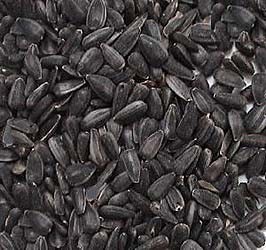
Fig 1. Black-oil sunflower seeds are particularly high in fat. Click image to enlarge.
Striped sunflower seeds
Striped sunflower seeds are larger and thicker (Fig 2). Although still high in fat, these seeds are not as energy-dense as black-oil sunflower seeds.
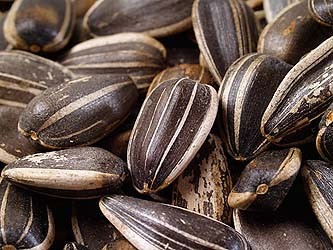
Fig 2. Striped sunflower seeds. Click image to enlarge.
Safflower seeds
Safflower seeds are white, shiny, cone-shaped seeds that resemble white sunflower seeds (Fig 3).

Fig 3. Safflower seeds. Click image to enlarge.
Thistle seed
“Thistle” seed, also known as niger or nyjer, is frequently fed to small songbirds such as finches and canaries (Fig 4). Niger is imported from Africa and Asia where it is sterilized so it will not grow in North America.
Fig 4. Thistle seed is an oil-seed commonly fed to songbirds. Click image to enlarge.
Non-oil seeds
Millet
Millet is a small, round grain frequently eaten by small, ground foraging species such as budgerigar parakeets and cockatiels. The cream-colored seed, white proso millet, is a popular component of seed mixes (Fig 5).
Fig 5. Millet is a non-oil seed devoid of significant nutrition. Click image to enlarge.
Canary Seed
Canary seed is frequently fed to small bird species (Fig 6).

Fig 6. Canary seed. Click image to enlarge.
Milo
Milo or “grain sorghum” is a round, red grain approximately twice the size of millet (Fig 7). Milo is often a major component of inexpensive seed mixes, but it is rarely eaten well by most birds.
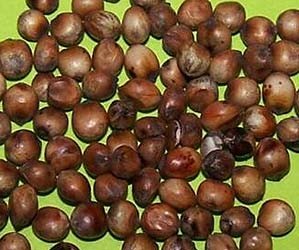
Fig 7. Few birds favor Milo or “grain sorghum”. Click image to enlarge.
References
Fluid Administration in Exotic Companion Mammals
The principles of fluid therapy are basically the same in exotic companion mammals as in other species. The biggest difference is that changes can occur very rapidly in these tiny patients. For instance, fluids should almost always be warmed or your patient will cool down quickly. Intraosseous or intravenous fluids can be heated with . . .
Pour les vétérinaires. Par les vétérinaires.
Le site Lafervet.com est conçu pour une utilisation par les vétérinaires. Il est ouvert aux vétérinaires diplômés, aux techniciens vétérinaires diplômés, aux animaliers et aux étudiants dans ces domaines.
Créer un compte pour accéder à des articles et des ressources du site.
L'inscription est gratuite.
Para Profesionales Veterinarios. Por Profesionales Veterinarios.
El sitio Lafervet.com es para uso de los profesionales veterinarios. Está abierto a los veterinarios licenciados, técnicos veterinarios licenciados, rehabilitadores licenciados y estudiantes en estos campos.
Cree una cuenta para acceder a los artículos y recursos del sitio.
La registro es gratis.
Already a LafeberVet Member?
Please Login
Zoonotic concern: Encephalitozoonosis in European Rabbits
Encephalitozoon cuniculi is an obligatory intracellular microsporidian parasite that can infect a wide range of mammals, including humans. The primary host for E. cuniculi is the rabbit and infections in rabbits are typically subclinical. This zoonotic concern article reviews transmission and clinical disease in humans . . .
Pour les vétérinaires. Par les vétérinaires.
Le site Lafervet.com est conçu pour une utilisation par les vétérinaires. Il est ouvert aux vétérinaires diplômés, aux techniciens vétérinaires diplômés, aux animaliers et aux étudiants dans ces domaines.
Créer un compte pour accéder à des articles et des ressources du site.
L'inscription est gratuite.
Para Profesionales Veterinarios. Por Profesionales Veterinarios.
El sitio Lafervet.com es para uso de los profesionales veterinarios. Está abierto a los veterinarios licenciados, técnicos veterinarios licenciados, rehabilitadores licenciados y estudiantes en estos campos.
Cree una cuenta para acceder a los artículos y recursos del sitio.
La registro es gratis.
Already a LafeberVet Member?
Please Login
Blood Collection in Sugar Gliders
Blood collection is challenging in sugar gliders. Heavy sedation or general anesthesia, using isoflurane or sevoflurane, is almost always required in clinical practice. The most common sites for blood collection in the glider are the jugular vein and the . . .
Pour les vétérinaires. Par les vétérinaires.
Le site Lafervet.com est conçu pour une utilisation par les vétérinaires. Il est ouvert aux vétérinaires diplômés, aux techniciens vétérinaires diplômés, aux animaliers et aux étudiants dans ces domaines.
Créer un compte pour accéder à des articles et des ressources du site.
L'inscription est gratuite.
Para Profesionales Veterinarios. Por Profesionales Veterinarios.
El sitio Lafervet.com es para uso de los profesionales veterinarios. Está abierto a los veterinarios licenciados, técnicos veterinarios licenciados, rehabilitadores licenciados y estudiantes en estos campos.
Cree una cuenta para acceder a los artículos y recursos del sitio.
La registro es gratis.
Already a LafeberVet Member?
Please Login
Blood Collection in Rats and Mice
Blood collection is challenging in rats and mice, and heavy sedation or general anesthesia is almost always required in clinical practice. Increasing patient body temperature to promote vasodilation can also be helpful. Gently warm the rodent by placing its cage on a heating pad set on low or by placing the cage in an incubator set at 39°C (102°F) for 5 to 10 minutes. Monitor the patient carefully . . .
Pour les vétérinaires. Par les vétérinaires.
Le site Lafervet.com est conçu pour une utilisation par les vétérinaires. Il est ouvert aux vétérinaires diplômés, aux techniciens vétérinaires diplômés, aux animaliers et aux étudiants dans ces domaines.
Créer un compte pour accéder à des articles et des ressources du site.
L'inscription est gratuite.
Para Profesionales Veterinarios. Por Profesionales Veterinarios.
El sitio Lafervet.com es para uso de los profesionales veterinarios. Está abierto a los veterinarios licenciados, técnicos veterinarios licenciados, rehabilitadores licenciados y estudiantes en estos campos.
Cree una cuenta para acceder a los artículos y recursos del sitio.
La registro es gratis.
Already a LafeberVet Member?
Please Login
Gastrointestinal Disease in the Ferret
Introduction
The gastrointestinal tract of the domestic ferret (Mustela putorius furo) has been studied extensively as a model for several human gastrointestinal diseases including gastric and duodenal ulcers, gastroesophageal reflux, gastric carcinoma and lymphoma, and Helicobacter mustelae infection. Ferrets are also used as animal models for emesis because of a simple stomach for propulsion, a low tolerance for many chemicals, and a strong vagal reflex.
Gastrointestinal anatomy and physiology
The ferret is a carnivore with gastrointestinal anatomy and physiology that is similar to that seen in cats or dogs, but with unique species-specific features.
The ferret has a short gastrointestinal transit time of 148–219 minutes when fed a meat-based diet.
The ferret has a simple stomach, similar in shape to that of the dog. There is prominent vasculature in the stomach as well as a prominent lymph node lying in the lesser curvature. The stomach is innervated by parasympathetic fibers from the vagus nerve and sympathetic fibers via the celiacomesenteric plexus. The ferret stomach has considerable storage capacity, holding up to 100 ml over 10 minutes in the adult. Approximately 80% of a meal is stored in the proximal stomach.
The lower esophageal sphincter and the mechanisms of gastro-esophageal reflux in the ferret are used as an animal model in research. Gastric infusions of glucose, lipid, and gas all provoke gastroesophageal reflux in the ferret. The ferret stomach also secretes gastric acid in response to lipid, glucose, histamine, pentagastrin, and calcium. Hypoglycemia induced by insulin administration causes a sustained stimulation of acid secretion, which is particularly relevant for ferrets with pancreatic beta cell tumor or insulinoma. Therapy for ferrets with insulinoma should therefore include medications that decrease acid secretion.
The ferret intestine consists of the duodenum, jejunum, and ileum. The major duodenal papilla, containing the common opening for the bile and pancreatic ducts, is located about 3 cm distal to the pylorus. The minor duodenal papilla may be absent in the ferret. Brunner’s glands are present within the submucosa of the proximal duodenum. These glands produce only neutral mucosubstances, as seen in humans. The jejunal and ileal segments cannot be distinguished and may be referred to as the “jejunoileum” that ends at the ascending colon.
The large intestine is composed of the colon and rectum. There is no cecum and no ileocolic junction in the ferret, however anastomoses of the jejunal artery with the ileocolic artery are present at this junction. The large intestine consists of the ascending, transverse, and descending colon, with the largest segment being the descending colon. Unlike other carnivores, the entire gastrointestinal tract can secrete cholecystokinin, the hormone responsible for bile secretion into the small intestine in response to fats and food present anywhere within the gastrointestinal tract. This active secretion of bile contributes to the green coloration seen in ferret diarrhea.
Causes of gastrointestinal diseases in the ferret
Ferrets are used as laboratory models of esophageal acid reflux disease, Helicobacter gastritis, pyloric and intestinal ulceration, colitis, gastrointestinal neoplasia, and inflammatory bowel disease. All of these conditions may result in varying degrees of acute, chronic, or intermittent diarrhea: with or without visible hemorrhage, and with or without secondary bacterial or viral involvement. Diarrhea is the most common clinical sign with any of the above diseases in ferrets.
Bacterial disease
Helicobacter mustelae is a gastric, spiral-shaped bacterium of the domestic ferret. Although infection is often asymptomatic, Helicobacter spp. may overgrow with concurrent disease or other stressors leading to gastritis, peptic or pyloric ulcers in ferrets of all ages (Fig 1). Clinical signs frequently include anorexia and diarrhea, which may progress to melena, vomiting, and other signs of nausea and abdominal pain such as heavy drooling, pawing at the mouth, and teeth grinding (Fig 2 and Fig 3).
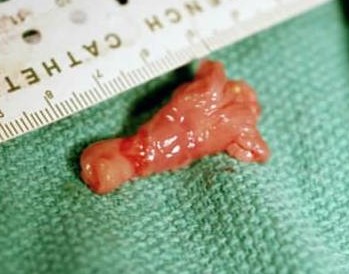
Figure 1. Helicobacter mustelae may overgrow leading to pyloric ulcers (as shown above), gastritis, or duodenal ulcers. Photograph provided by Cathy Johnson-Delaney.
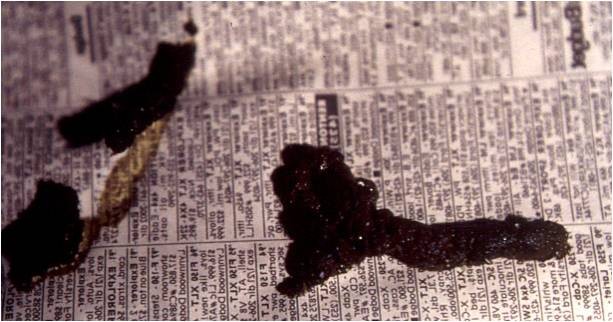
Figure 2. Dark, tarry stool or melena may be associated with clinical Helicobacter spp. infection in ferrets (Mustela putorius furo). Photograph provided by Cathy Johnson-Delaney. Click image to enlarge.

Figure 3. Pawing at the mouth is an important sign of nausea in the ferret (Mustela putorious furo). Photograph provided by Cathy Johnson-Delaney.
The literature describes Lawsonia intracellularis or Desulfovibrio, an intracellular Campylobacter-like organism, as the cause of proliferative bowel disease in young ferrets. In 30 years I have never had histopathology come back positive for Lawsonia spp. in pet ferrets of any age group.
Reported clinical signs may include large bowel diarrhea, rectal prolapse, weight loss, anorexia, lethargy, fever, and a palpably thick colon. Campylobacter jejuni has also been associated with diarrhea in ferrets, and there have also been rare reports of mycobacteriosis in ferrets greater than 2 years of age.
Viral disease
Important causes of viral diarrhea in the ferret include rotavirus, canine distemper virus, and coronavirus. Ferret enteric coronavirus (FEVC), formerly known as epizootic catarrhal enteritis (ECE), can be seen in any age ferret. Disease usually follows a stressful event or a gathering of ferrets. Disease may be mild and transient in kits, but tends to be severe and debilitating in adults. Clinical signs may include lethargy, anorexia, and diarrhea that may vary in appearance from soft and brown to green and mucoid, with large amounts of undigested food giving it a “bird-seed” component (Fig 4A and Fig 4B). Characteristic microscopic lesions within the intestinal tract include vacuolar degeneration and necrosis of villous enterocytes, lymphocytic inflammation, as well as villous atrophy, fusion, and blunting.
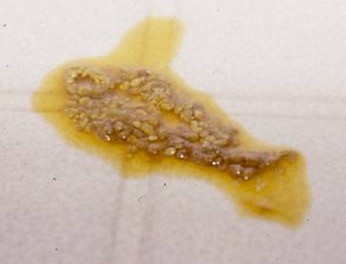
Figure 4a. Diarrhea with mucosal shreds is commonly seen in ferrets with enteric coronavirus. Photograph provided by Cathy Johnson-Delaney.

Figure 4b. Diarrhea with large amounts of mucus is also commonly seen with ferret enteric coronavirus. Photograph provided by Cathy Johnson-Delaney. Click image to enlarge.
Rotavirus is seen in neonatal and weanling ferrets. Affected kits may display distended abdomens and thin-walled small intestines that contained gas and fluid.
Canine distemper virus is primarily seen in young kits that did not complete their juvenile vaccine series. Initial clinical signs may indicate involvement of the gastrointestinal tract (vomiting and diarrhea), respiratory system (oculonasal discharge, cough, and lethargy), and the integumentary system (hyperkeratosis of the planum nasale and footpads and a papular rash that begins on the chin but may progress to a generalized form) (Fig 5). Animals that survive this early stage succumb to neurologic disease within several weeks.

Figure 5. Dermatitis in a ferret (Mustela putorius furo) infected with canine distemper virus. Photograph provided by Dr. Bernice Lopez. Click image to enlarge.
Parasitic disease
Protozoans are a common gastrointestinal parasite in young ferrets less than 1 year of age. Ferrets between 6 to 16 weeks of age most commonly shed Isospora spp. oocysts. Infected kits may be asymptomatic, however clinical signs may include stunted growth and bloody diarrhea (Fig 6).

Figure 6. Clinical signs of Isospora spp. infection may include stunted growth and bloody diarrhea. Photograph provided by Cathy Johnson-Delaney. Click image to enlarge.
Giardia spp. has also been detected in ferrets. Although the correlation between this organism’s presence and clinical disease is unclear, there may be some potential for zoonotic transmission.
Cryptosporidium spp. has been found in stressed ferrets, frequently coming from a pet store or shelter environment. At this time, supportive care and sanitation are the primary treatments although there are some new human antiprotozoal drugs that may be effective.
Inflammatory bowel disease
Inflammatory bowel disease (IBD) is usually seen in ferrets over 2 years of age. Affected ferrets initially suffer from intermittent, mild diarrhea that may also be associated with anorexia or a shift in food preferences. The consistency of the ferret’s stools may worsen over weeks to months. Histologic examination of the gastrointestinal tract often reveals lymphocytic-plasmacytic inflammation, or less commonly eosinophilic gastroenteritis may be seen. The underlying etiology is probably multifactorial however viruses, bacteria, dietary antigens, and toxins have all been implicated as potential causes of IBD. There may also be an underlying genetic component to IBD in the ferret. IBD is progressive involving more of the tract, inflammatory progressing to neoplastic changes of the mesenteric lymph nodes, and eventually intestinal lymphoma, either diffuse or localized.
Neoplasia
Lymphosarcoma is the most common malignancy in the domestic ferret. Intestinal lymphoma is usually seen in ferrets over 3 years of age, with a history of intermittent diarrhea or inflammatory bowel disease. The second most common neoplasm of the gastrointestinal system is tumors arising from the smooth muscular layers of the GI tract such as leiomyosarcoma. Helicobacter mustelae in ferrets has also been associated with both gastric mucosa-associated lymphoid tissue (MALT) lymphoma and gastric adenocarcinoma.
Trauma
Foreign body ingestion is usually seen in ferrets less than 2 years of age, but can occur with older ferrets particularly with concurrent gastrointestinal disease or pain resulting in abnormal ingestion of hair, materials, fabric, etc (Fig 7A and Fig 7B). Ferrets are notorious for chewing on rubber such as the soles of shoes or spongy material such as shoe liners or furniture stuffing. The most common clinical sign is anorexia, which frequently waxes and wanes. Affected ferrets rarely vomit. They will exhibit slow loss of weight and body condition. Most also show signs of abdominal pain including hunched posture, reluctance to play, and bruxism.

Figure 7a. Surgical removal of a foreign body in a ferret (Mustela putorious furo). Photograph provided by Cathy Johnson-Delaney. Click image to enlarge.

Figure 7b. Close-up of the trichobezoar removed. Photograph provided by Cathy Johnson-Delaney. Click image to enlarge.
Diagnostics
Obtain a detailed history to determine the course of action:
- Determine stool volume, color, consistency, and frequency, as well as the duration of the diarrhea.
- Record tenesmus, or accompanying borborygmus, vocalization, or flatulence.
- Teeth grinding may indicate abdominal pain. Anorexia may be sequelae to the pain.
- Learn the source of the ferret.
- How long has the ferret has been in the household? Are other ferrets and pets present?
- What type of litter is used and what is the sanitation program?
- Record the diet including treats.
- What toys are available?
- Do any human family members have gastrointestinal signs such as diarrhea?
- Has the patient had any access to commonly ingested items? Ferrets are notorious for licking soaps, chewing on stuffing dug out of furniture, and chewing shoes, shoe liners, and even perfume or shampoo bottles.
- Does the occurrence of diarrhea correlate with activity? For instance, does diarrhea occur around the clock or is it only seen after intense playtime? Does diarrhea only occur after a stressful event such as the vacuum cleaner being run near the ferret’s cage?
Perform a thorough physical examination, including auscultation of the abdomen, examination of the anus, and a complete dental exam. The minimum database may also include cytology, clinical pathology, and imaging:
- Parasite testing should include flotation and direct smear of fresh fecal material. Perform cytologic staining to assess the stool for bacteria and blood cells.
- The complete blood count (CBC) and biochemistry panel are frequently unremarkable. Anemia may indicate gastrointestinal hemorrhage. Serum lipase levels may elevate in cases of inflammatory bowel disease.
- Survey and contrast radiographs can be useful, however interpret results with caution. Many ferret gastrointestinal foreign bodies may consist of spongy, porous material that absorb contrast material allowing barium to pass, so trust your clinical impression based on signalment, history, and abdominal palpation.
- Use abdominal ultrasound when indicated to assess gastric motility, and to screen the ferret for other pathologic conditions. Ultrasound examination may illustrate gastric trichobezoar and in many cases find the foreign body. It needs to be done prior to administration of barium. Generally the ferret will need an analgesic as even gentle pressure on the abdomen may be painful.
Additional diagnostics may be performed as indicated including…
- Rectal culture and cytology
- Fecal occult blood testing: Although diagnosis of Helicobacter gastritis is often presumptive, fecal occult blood testing may sometimes prove helpful. Place the ferret on a diet that does not contain meat, such as Emeraid Carnivore, for at least 24–36 hours to avoid false positive results.
- Biopsy: Definitive diagnosis of IBD requires histologic examination of biopsy samples. Biopsy may also be used confirm the presence of Helicobacter gastritis. Biopsies may be collected endoscopically using the smallest biopsy cup or via laparotomy taking a full thickness wedge of the intestinal wall in multiple locations.
- PCR assay of the coronavirus causing FECV.
Therapy
Bacterial disease
Management of Helicobacter infection relies on combination therapy including antibiotics such as amoxicillin and metronidazole, gastroprotectants such as bismuth subsalicylate or sucralfate (Carafate Aventis Pharmaceuticals, Inc.), and histamine antagonists and/or proton pump inhibitors such as famotidine (Pepcid, Johnson & Johnson Merck Consumer Pharmaceuticals) 0.25-0.5 mg/kg PO, IM, IV q24h or short-term omeprazole (Prilosec, AstraZeneca Pharmaceuticals LP) 0.7 mg/kg PO q24h to reduce gastric acid secretion and provide pain relief. Additional supportive care including analgesics and fluid therapy, as well as hand-feeding of a liquid “soup” diet may be needed to keep the ferret eating.
The antimicrobial of choice in cases of proliferative colitis is oral chloramphenicol (50 mg/kg of body weight, q 12 h for 10 to 21 days).
Viral disease
Canine distemper virus is highly contagious and almost 100% fatal in ferrets. Treatment should not be attempted.
Ferrets suffering from coronavirus or rotavirus require aggressive supportive care in the form of fluid therapy, nutritional support, and prophylactic antibiotics. Gastroprotectants and histamine antagonists are also often indicated.
Parasitic disease
In addition to careful cleaning and disinfection of the environment, administer coccidiostats such as amprolium (Corid, Merck) (19 mg/kg PO q24h) or sulfadimethoxine (Albon, SmithKline) (20-25 mg/kg PO q24h).
Inflammatory bowel disease
Use the corticosteroid, prednisone (1-2.5 mg/kg PO q24h) to inhibit the inflammatory response in ferrets with IBD. Azathioprine (Imuran, GlaxoSmithKline) (0.9 mg/kg PO q24–72h) has also been used in ferrets that do not respond well to prednisone or in which prednisone is ineffective. Bone marrow suppression has been reported in several ferrets on azathioprine, so periodically monitor the CBC. Ivermectin has also been given to ferrets with eosinophilic gastroenteritis. Inflammatory bowel disease may be diffuse or segmental which makes monitoring and sampling for biopsies difficult. In most instances, the disease progresses to intestinal lymphoma. There are several additional oncologic agents currently under investigation for diffuse inflammatory bowel/lymphoma in the ferret.
In addition to immunomodulating medications, dietary changes are often of great benefit to IBD ferrets. Offer a highly digestible, easily absorbed diet such as Emeraid Intensive Care Carnivore. Prescription diets designed for food allergies such as hypoallergenic or novel protein feline diets have yet to be explored empirically in ferrets although there use has been described clinically. The grain or potato used in some of these commercial food formulations may make them too high in carbohydrates for the ferret.
Trauma
Treatment of gastrointestinal foreign bodies requires surgical or endoscopic, removal (Fig 8A and Fig 8B).

Figure 8a. Region of intestinal inflammation caused by ingestion of a foreign body. Photograph provided by Cathy Johnson-Delaney. Click image to enlarge.
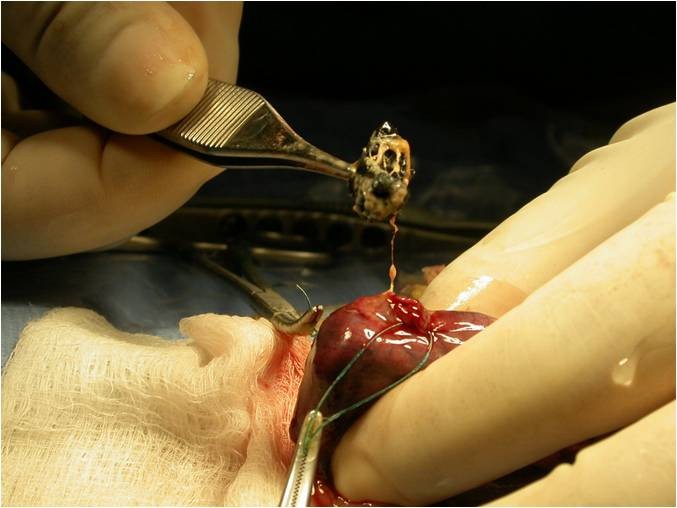
Figure 8b. Surgical removal of an intestinal foreign body. Photograph provided by Cathy Johnson-Delaney. Click image to enlarge.
Summary
The ferret is a carnivore with a short, simple gastrointestinal tract and a relatively rapid gastrointestinal transit time. The ferret lacks a cecum and an ileocolic junction. Important causes of diarrhea in young ferrets include coccidiosis, rotavirus, stress-induced diarrhea and proliferative bowel disease caused by Lawsonia intracellularis. Ferrets of all ages may be afflicted with Helicobacter gastritis and ferret enteric coronavirus, while middle-aged to older ferrets may suffer from inflammatory bowel disease and intestinal lymphoma. Diarrhea is the most common clinical sign in ferrets with gastrointestinal disease, with the exception of gastrointestinal foreign bodies where anorexia and weight loss are the primary presenting complaints. Although signalment, history, and physical exam findings may be sufficient to reach a tentative diagnosis, additional diagnostics may include cytology such as fecal parasite testing and imaging. Treatment will vary with the specific condition identified but frequently includes supportive care, antimicrobial therapy, gastroprotectants, and histamine blockers.
References
Presenting problem: Respiratory Disease in Snakes
Respiratory tract disease is common in captive snakes. Pneumonia and/or tracheitis are typically caused by opportunistic Gram-negative bacterial infections that are allowed to take hold due to poor husbandry practices. Disease is often unapparent to the owner until the problem is quite advanced and open-mouth breathing is observed. This presenting problem article explores key points of urgent care as well as general principles of case management . . .
Pour les vétérinaires. Par les vétérinaires.
Le site Lafervet.com est conçu pour une utilisation par les vétérinaires. Il est ouvert aux vétérinaires diplômés, aux techniciens vétérinaires diplômés, aux animaliers et aux étudiants dans ces domaines.
Créer un compte pour accéder à des articles et des ressources du site.
L'inscription est gratuite.
Para Profesionales Veterinarios. Por Profesionales Veterinarios.
El sitio Lafervet.com es para uso de los profesionales veterinarios. Está abierto a los veterinarios licenciados, técnicos veterinarios licenciados, rehabilitadores licenciados y estudiantes en estos campos.
Cree una cuenta para acceder a los artículos y recursos del sitio.
La registro es gratis.
Already a LafeberVet Member?
Please Login
Presenting problem: Dysecdysis in Reptiles
Primarily a disease of captive reptiles, dysecdysis is sporadically seen in free-ranging reptiles. Among captive reptiles, difficult sheds are most common in those with a complete shedding cycle: snakes and some geckos such as the leopard gecko and African fat-tailed gecko. Some skinks with relatively tiny digits, are prone to retaining shed skin on the digits . . .
Pour les vétérinaires. Par les vétérinaires.
Le site Lafervet.com est conçu pour une utilisation par les vétérinaires. Il est ouvert aux vétérinaires diplômés, aux techniciens vétérinaires diplômés, aux animaliers et aux étudiants dans ces domaines.
Créer un compte pour accéder à des articles et des ressources du site.
L'inscription est gratuite.
Para Profesionales Veterinarios. Por Profesionales Veterinarios.
El sitio Lafervet.com es para uso de los profesionales veterinarios. Está abierto a los veterinarios licenciados, técnicos veterinarios licenciados, rehabilitadores licenciados y estudiantes en estos campos.
Cree una cuenta para acceder a los artículos y recursos del sitio.
La registro es gratis.
Already a LafeberVet Member?
Please Login
Diseases of the Rabbit Respiratory Tract
Rhinitis or sinusitis, sometimes called “snuffles” in laymen’s terms, is usually characterized by unilateral or bilateral, mucopurulent nasal discharge, sneezing, and congestion. A subtle sign of upper respiratory tract disease can be discharge matted on the paws or the medial aspect of the forelimbs. Discharge may collect here as the rabbit fastidiously cleans its face with its forepaws. In the early stages of disease, discharge may not be evident on the nose or even on the paws, however close examination of . . .
Pour les vétérinaires. Par les vétérinaires.
Le site Lafervet.com est conçu pour une utilisation par les vétérinaires. Il est ouvert aux vétérinaires diplômés, aux techniciens vétérinaires diplômés, aux animaliers et aux étudiants dans ces domaines.
Créer un compte pour accéder à des articles et des ressources du site.
L'inscription est gratuite.
Para Profesionales Veterinarios. Por Profesionales Veterinarios.
El sitio Lafervet.com es para uso de los profesionales veterinarios. Está abierto a los veterinarios licenciados, técnicos veterinarios licenciados, rehabilitadores licenciados y estudiantes en estos campos.
Cree una cuenta para acceder a los artículos y recursos del sitio.
La registro es gratis.
Already a LafeberVet Member?
Please Login
Pasteurellosis in Rabbits
The most common presentation of P. multocida infection is upper respiratory tract disease. Pasteurella multocida was identified as a cause of mucopurulent rhinitis in rabbits or “snuffles” in the 1920s. Clinical signs include mucopurulent nasal discharge, sneezing, congestion, and/or snoring. Infection of the nasolacrimal duct may extend to the conjunctiva causing ocular discharge and nasolacrimal duct obstruction. Affected rabbits may also have . . .
Pour les vétérinaires. Par les vétérinaires.
Le site Lafervet.com est conçu pour une utilisation par les vétérinaires. Il est ouvert aux vétérinaires diplômés, aux techniciens vétérinaires diplômés, aux animaliers et aux étudiants dans ces domaines.
Créer un compte pour accéder à des articles et des ressources du site.
L'inscription est gratuite.
Para Profesionales Veterinarios. Por Profesionales Veterinarios.
El sitio Lafervet.com es para uso de los profesionales veterinarios. Está abierto a los veterinarios licenciados, técnicos veterinarios licenciados, rehabilitadores licenciados y estudiantes en estos campos.
Cree una cuenta para acceder a los artículos y recursos del sitio.
La registro es gratis.
Already a LafeberVet Member?
Please Login
Sexing or Gender Determination in Small Mammals
External reproductive anatomy is obvious in some adult small mammals such as the ferret, sugar glider, hedgehog, rat, guinea pig, and hamster. Gender determination or sexing can be challenging in some species like the chinchilla, and in many neonatal rodents. In these cases, reliance on anogenital distance or the distance between the rectum and the urogenital region is considered best practice . . .
Pour les vétérinaires. Par les vétérinaires.
Le site Lafervet.com est conçu pour une utilisation par les vétérinaires. Il est ouvert aux vétérinaires diplômés, aux techniciens vétérinaires diplômés, aux animaliers et aux étudiants dans ces domaines.
Créer un compte pour accéder à des articles et des ressources du site.
L'inscription est gratuite.
Para Profesionales Veterinarios. Por Profesionales Veterinarios.
El sitio Lafervet.com es para uso de los profesionales veterinarios. Está abierto a los veterinarios licenciados, técnicos veterinarios licenciados, rehabilitadores licenciados y estudiantes en estos campos.
Cree una cuenta para acceder a los artículos y recursos del sitio.
La registro es gratis.
Already a LafeberVet Member?
Please Login