Toxic plants reported in small animals include aloe vera, Amanita mushrooms, Amaryllis sp… Visit the ASPCA website for an up-to-date list. Visit LafeberVet’s client education handout “Unsafe Foods for Birds” for a discussion of some plant-based foods, like avocado, onion, and garlic.
Download the PDF version of the Toxic Plants client education handout.
Many companion parrot species originate from tropical environments with high humidity in which they bathe often. Even parrots from arid environments enjoy and benefit from bathing. Bathing stimulates preening and is essential for normal feather health. In fact, inadequate bathing and low humidity have often been linked to feather picking. Use this client education handout to explore bird bathing methods as well as Do’s and Don’t’s to encourage the pet bird to bathe or shower.
Download the PDF version of this client education handout, or modify the DOCX version for your veterinary hospital.
Proper syringe-feeding technique is essential. This client education handout reviews the basics, from the indications for syringe feeding and the equipment needed to potential complications and step-by-step instructions.
The Savannah monitor (Varanus exanthematicus) is native to the savannahs of eastern and southern Africa. In the wild these monitors are scavengers covering large distances as they..
“Simply having a reptile in the household increases the risk of Salmonella spp. infection“. Learn who is most at risk and what you can do to minimize your family’s risk of contracting disease.
Psittacosis is an infectious disease of birds and people caused by Chlamydia psittaci. This client education handout discusses types of birds commonly associated with human psittacosis, persons at risk as well as details of psittacosis in humans and birds and measures to prevent disease.
Download the PDF version of the Psittacosis in Birds & Humans Client Education Handout, or modify the DOCX version for your veterinary hospital.
The more prepared your client is as a new owner, the easier their new baby bird’s adjustment will be to its new home. This checklist can be used to smooth this transition.
Download the PDF version of this client education handout, or modify the DOCX version for your veterinary hospital.
Few studies have been conducted to determine which houseplants are toxic to birds, so all plants that contain known toxic chemicals have been excluded from the Safe Plant List below.
Parrots are extremely intelligent creatures; and toys are one of the most important items we can purchase for our birds. Many avian behaviorists recommend four types of toys for pet birds.
Download a PDF of this client education handout, or modify the DOCX version to best meet the needs of your veterinary hospital.
Keeping your pet healthy is everyone’s goal. However if your bird becomes ill, effective treatment will require that medications are given at the right dose and frequency for the…
Rabbits naturally choose one or a few places (usually corners) to deposit their urine and most of their fecal balls. Therefore training a rabbit to urinate in a litter pan involves little more than…
This client education handout provides a comprehensive overview of insulinoma, an abnormal growth of the pancreas that secretes excess amounts of insulin. Unfortunately, insulinoma is an extremely common disease of middle-aged to older ferrets in some nations, including the United States. Client education is crucial for owners of affected ferrets. Teach owners to recognize signs of hypoglycemia and to prevent hypoglycemic episodes from occurring. Owners must also recognize situations that can precipitate a hypoglycemic crisis and take measures to minimize stressors whenever possible. Additional preventive measures are also explored.
A 2022 LafeberVet client education handout on insulinoma was updated, revised, and critically reviewed by members of the Association of Exotic Mammal Veterinarians (AEMV) in 2024: Marian Allison, Cathy Johnson-Delaney, Rae Porter-Blackwell, Nico Shoemaker, and Jeff Rhody. This AEMV handout is posted with permission.
The companion parrot is part of the family! When including our feathered friends in the holiday season we must keep them safe. This client education handout explores potential holiday hazards for pet birds during the holiday season, from plants and cleaning agents to foods and stressors.
Native to South America, the guinea pig is a lively, lovable rodent that requires relatively easy care. This client education handout reviews housing and diet recommendations as well as the basics of safe handling, enrichment, and grooming.
Download the PDF version to distribute to veterinary clients or modify the Word DOCX for your hospital’s needs.
The green or common iguana (Iguana iguana) is a tree-dwelling reptile native to the tropical and subtropical regions of central and South America and parts of Mexico. Unlike domestic pets that have lived with human beings for multiple generations, pet reptiles, (even those that are captive bred) are still essentially wild animals. Our goal for keeping iguanas in captivity should be to copy their natural environment and diet as closely as possible. Therefore this client education handout reviews the essentials of green iguana housing and nutrition.
Download the Word (23 KB) or PDF (144 KB) version of the Care of the Green Iguana handout.
In the wild, psittacine birds exhibit four main behaviors: social interaction, grooming, foraging, and sleep. The vast majority of their days are spent foraging or searching for food.
Food is readily available for pet birds. A feeding process that should take hours, may take only minutes in the caged bird. Left with little to fill their days, some birds turn to excessive preening which in turn may lead to feather destructive behavior. Foraging behavior provides pet birds with physical and mental stimulation.
Ferrets are playful, friendly animals that can make excellent pets for the right person. This client education handout reviews basic care of the pet ferret. Topics covered include natural history, diet, housing, behavior and handling, grooming, as well as proper preventive care.
This client education handout begins with a brief discussion of the diet of psittacine birds in their native habitat, before reviewing healthy foods for the pet bird.
Download the PDF version of this client education handout, or modify the DOCX version for your veterinary hospital.
This client education handout presents a brief (230 word) overview of feather destructive behavior, which represents a range of actions from excessive preening to feather plucking or feather picking to self-mutilation.
Download the PDF version of this client education handout, or modify the DOCX version for your veterinary hospital.
Conversion to a healthy diet will improve the well-being of your pet bird. This client education handout first describes the evaluation by an avian veterinarian that your pet bird should undergo before beginning a dietary conversion. Several common techniques for converting the bird’s diet are then discussed.
Download the PDF version of this client education handout, or modify the DOCX version for your veterinary hospital.
This client education handout answers questions for the concerned pet bird owner: What is chronic egg laying? What species are most likely to suffer from chronic egg laying? Why are some birds more likely to be chronic egg layers, and what measures can be taken to minimize egg laying in the hen? What can your avian veterinarian do to help?
This information is useful for preventive health care or for the companion bird requiring veterinary care of reproductive disease.
Download the PDF version of this client education handout, or modify the DOCX version for your veterinary hospital.
The long-tailed chinchilla (Chinchilla laniger) is native to the mountains and foothills of the Andes Mountains in South America. These rodents are known for their large ears and soft, luxurious fur. Chinchillas make charming pets, but they are naturally skittish and are not considered a good choice for small children because of their delicate bones and their hyperactive natures. Most pet chinchillas live 6-10 years
This client education handout reviews basic husbandry recommendations, including diet, housing, dust bathing, exercise, as well as handling and behavior.
Every year, cats kill hundreds of millions of birds in the United States alone. Download the American Bird Conservancy PDF brochure that advises clients on the best way to protect birds and cats.
The ideal bird cage should be spacious and clean, with multiple perches and stimulating toys. Specific cage requirements will vary with the species and the amount of time your…
The parrot beak is not inherently a weapon. Instead it is a sensory organ used to touch and explore the world. Much of the exploration parrots do with their beak is not biting, however this exploration can get a little rough, or even…
There are a number of medical reasons for feather picking and a complete diagnostic evaluation of your bird’s health status is always recommended. The following techniques may be helpful, however, whether the underlying cause of the feather picking is behavioral or medical.
This client education handout reviews some basic principles of reproductive behavior in the companion bird. When is puberty seen in popular pet birds? How do breeding pairs behave in the wild, and what does broody behavior look like in in the pet bird? What environmental cues promote avian reproductive behavior and what can be done to minimize reproductive behaviors in the pet bird?
Download the PDF version of this client education handout, or modify the DOCX version for your veterinary hospital.
Avian polyomavirus is one of the most important viral diseases seen in the companion parrot. Avian polyomavirus or APV can cause serious financial losses for aviaries and pet stores as well as considerable heartache for owners. Use this client handout to review susceptible species, clinical disease, and of course prevention.
Download the PDF version of this client education handout or modify the DOCX version for your veterinary hospital.
Use this client education handout to answer the following questions: What is bird flu? What are the signs of disease in birds? What are the signs of bird flu in humans? Why are some strains of bird flu cause for international concern?
Avian influenza or “bird flu” is a group of viral infections that occur naturally among birds. Some wild birds like waterfowl can carry influenza viruses in their intestines, but usually do not get sick from them. Infected birds shed flu virus in saliva, nasal secretions, and feces. Other birds may be easily infected when they come into direct contact with secretions from infected birds or when they are exposed to surfaces or materials contaminated with the virus such as dirt, cages, water, of food. Migratory birds are responsible for spreading bird flu virus among bird populations from country to country.
This Association of Avian Veterinarians* client education handout discusses avian bornavirus, which was experimentally confirmed to be the cause of proventricular dilatation disease or PDD in 2008. Avian bornavirus (ABV) infection is one of the most frustrating diseases encountered in avian medicine today. Since its initial recognition in the United States, ABV has been reported worldwide and infection poses a significant threat to the captive breeding of endangered psittacine (parrot) species. At least eight different psittacine bornaviruses have been identified in captive parrot populations worldwide, and researchers around the world are working on learning more about ABV infection.
*A 2014 LafeberVet client education handout was updated, revised, and critically reviewed by the Association of Avian Veterinarians (AAV) in January 2020. This AAV handout is posted with permission.
Adrenocortical disease is a common endocrine disorder in middle-aged to older ferrets. This client education handout answers several questions for the ferret owner: What is the adrenal gland? What causes adrenocortical disease? What are the clinical signs of adrenal disease? How can adrenal disease be diagnosed and treated? And finally, why should I treat adrenal disease and what can be done to prevent this medical condition?
A 2022 LafeberVet client education handout on adrenocortical disease was updated, revised, and critically reviewed by members of the Association of Exotic Mammal Veterinarians (AEMV) in 2024: Marian Allison, Cathy Johnson-Delaney, Rae Porter-Blackwell, Nico Shoemaker, and Jeff Rhody. This AEMV handout is posted with permission.
Dr. Tim Tristan is a Diplomate of the American Board of Veterinary Practitioners in Reptile and Amphibian Practice. Dr. Tristan is the Director and Veterinarian of Texas Sealife Center in Corpus Christi, Texas. Dr. Tristan also volunteers for The ARK, or Animal Rehabilitation Keep, part of the Marine Science Institute at The University of Texas in Port Aransas, Texas.
Rev. Dr. LoraKim Joyner is a wildlife veterinarian, Unitarian Universalist minister, and Certified Trainer in Nonviolent Communication with over 37 years as a conservationist and wildlife veterinarian in the Americas. As Co-Director of One Earth Conservation, LoraKim leads team members in supporting others through One Earth’s international Nurture Nature Program that seeks to empower the people saving the planet. She directs projects in Latin America to stand in solidarity and witness to the plight of the parrots and people there, and do what she can. One Earth’s projects have extended to Guatemala, Honduras, Nicaragua, Paraguay, Guyana, Brazil, Belize, French Guiana, Suriname, and El Salvador. She has written three books: “Conservation in Time of War,” “Nurturing Discussions and Practices”, and “Prion.”
Dr. Susan Orosz is Director of the Bird and Exotic Pet Wellness Center in Toledo, Ohio. Dr. Orosz earned a Ph.D in neuroanatomy from The University of Cincinnati College of Medicine in 1980 and her DVM from The Ohio State University in 1984. During her senior year, Susan performed an anatomic study on the bones of the California condor, which was turned into the award-winning text, Avian Surgical Anatomy: Thoracic and Pelvic Limbs. After graduation, Dr. Orosz worked at an exotics practice in San Diego before joining the University of Tennessee College of Veterinary Medicine, where she served as Section Chief for the Avian, Exotic Animal and Wildlife Medicine Service for 14 years. Susan lectures both nationally and internationally on avian and exotic animal medicine topics and she has authored a number of books and publications. She is also a Past President of the Association of Avian Veterinarians and she was the Scientific Editor for the Journal of Avian Medicine and Surgery for several years. She was named the 2007 T.J. Lafeber Avian Practitioner of the Year. Dr. Orosz is also board-certified in avian practice through both the American Board of Veterinary Practitioners and the European College of Zoological Medicine. Dr. Orosz is also a veterinary consultant for Lafeber Company.
Due to their unique anatomy, physiology, and behavior, critically ill reptiles pose special challenges. Fortunately there are a host of tips and tricks that can increase clinical success in an intensive care setting... This Exotic ICU article is part of a series exploring nursing care of special species . . .
Pour continuer, vous devez être un membre LafeberVet.com
Pour les vétérinaires. Par les vétérinaires.
Le site Lafervet.com est conçu pour une utilisation par les vétérinaires. Il est ouvert aux vétérinaires diplômés, aux techniciens vétérinaires diplômés, aux animaliers et aux étudiants dans ces domaines.
Créer un compte pour accéder à des articles et des ressources du site.
Para continuar, debe ser miembro de LafeberVet.com
Para Profesionales Veterinarios. Por Profesionales Veterinarios.
El sitio Lafervet.com es para uso de los profesionales veterinarios. Está abierto a los veterinarios licenciados, técnicos veterinarios licenciados, rehabilitadores licenciados y estudiantes en estos campos.
Cree una cuenta para acceder a los artículos y recursos del sitio.
The turtle ear is a simple structure that sits caudoventral to the eye covered by a large scale called the tympanic scute. As in many reptiles, the external ear is absent in chelonians. The tympanic membrane sits flush against the skin just underneath the tympanic scute. There is one ossicle, the columella, which crosses the large tympanic cavity to insert medially on the oval window of the cochlea. A narrow Eustachian tube connects the middle ear to the oropharynx.
Aural abscesses are well-encapsulated, caseous plugs that slowly develop until it fills the tympanic cavity. The cause of aural abscessation . . .
Pour continuer, vous devez être un membre LafeberVet.com
Pour les vétérinaires. Par les vétérinaires.
Le site Lafervet.com est conçu pour une utilisation par les vétérinaires. Il est ouvert aux vétérinaires diplômés, aux techniciens vétérinaires diplômés, aux animaliers et aux étudiants dans ces domaines.
Créer un compte pour accéder à des articles et des ressources du site.
Para continuar, debe ser miembro de LafeberVet.com
Para Profesionales Veterinarios. Por Profesionales Veterinarios.
El sitio Lafervet.com es para uso de los profesionales veterinarios. Está abierto a los veterinarios licenciados, técnicos veterinarios licenciados, rehabilitadores licenciados y estudiantes en estos campos.
Cree una cuenta para acceder a los artículos y recursos del sitio.
Although nectar is considered a nutritional reward for pollination, it is probably the most nutrient-dilute food consumed by birds. Nectar meets less than 15% of essential amino acid requirements and is particularly low in methionine. In fact nutrients other than sugars, such as protein, vitamins, trace minerals, and lipids are present in nectar at levels considered inadequate for growth, reproduction, or even maintenance activity . . .
Pour continuer, vous devez être un membre LafeberVet.com
Pour les vétérinaires. Par les vétérinaires.
Le site Lafervet.com est conçu pour une utilisation par les vétérinaires. Il est ouvert aux vétérinaires diplômés, aux techniciens vétérinaires diplômés, aux animaliers et aux étudiants dans ces domaines.
Créer un compte pour accéder à des articles et des ressources du site.
Para continuar, debe ser miembro de LafeberVet.com
Para Profesionales Veterinarios. Por Profesionales Veterinarios.
El sitio Lafervet.com es para uso de los profesionales veterinarios. Está abierto a los veterinarios licenciados, técnicos veterinarios licenciados, rehabilitadores licenciados y estudiantes en estos campos.
Cree una cuenta para acceder a los artículos y recursos del sitio.
Pour continuer, vous devez être un membre LafeberVet.com
Pour les vétérinaires. Par les vétérinaires.
Le site Lafervet.com est conçu pour une utilisation par les vétérinaires. Il est ouvert aux vétérinaires diplômés, aux techniciens vétérinaires diplômés, aux animaliers et aux étudiants dans ces domaines.
Créer un compte pour accéder à des articles et des ressources du site.
Para continuar, debe ser miembro de LafeberVet.com
Para Profesionales Veterinarios. Por Profesionales Veterinarios.
El sitio Lafervet.com es para uso de los profesionales veterinarios. Está abierto a los veterinarios licenciados, técnicos veterinarios licenciados, rehabilitadores licenciados y estudiantes en estos campos.
Cree una cuenta para acceder a los artículos y recursos del sitio.
At the Ontario Turtle Conservation Centre, previously the Kawartha Turtle Trauma Centre, we encourage private practices, emergency clinics, and rehabilitation centers to aid in the initial treatment of these injured turtles. We admit turtles from across the province, and it is extremely beneficial to the turtle to get immediate care locally before transfer. Snapping turtles are incredible in their ability to heal (albeit slowly!) and we cannot stress enough that the injuries can appear horrific, and yet can go on to heal, with subsequent release of the turtle back into the wild . . .
Pour continuer, vous devez être un membre LafeberVet.com
Pour les vétérinaires. Par les vétérinaires.
Le site Lafervet.com est conçu pour une utilisation par les vétérinaires. Il est ouvert aux vétérinaires diplômés, aux techniciens vétérinaires diplômés, aux animaliers et aux étudiants dans ces domaines.
Créer un compte pour accéder à des articles et des ressources du site.
Para continuar, debe ser miembro de LafeberVet.com
Para Profesionales Veterinarios. Por Profesionales Veterinarios.
El sitio Lafervet.com es para uso de los profesionales veterinarios. Está abierto a los veterinarios licenciados, técnicos veterinarios licenciados, rehabilitadores licenciados y estudiantes en estos campos.
Cree una cuenta para acceder a los artículos y recursos del sitio.
Veterinarians that provide care in zoological parks or private wildlife collections frequently encounter unique dental challenges. LafeberVet's 2014 Dental Health Month article describes the wild side of dental care, exploring dental anatomy and dental disease in a variety of mammals, from hippos and hyenas to bats and babirusas . . .
Pour continuer, vous devez être un membre LafeberVet.com
Pour les vétérinaires. Par les vétérinaires.
Le site Lafervet.com est conçu pour une utilisation par les vétérinaires. Il est ouvert aux vétérinaires diplômés, aux techniciens vétérinaires diplômés, aux animaliers et aux étudiants dans ces domaines.
Créer un compte pour accéder à des articles et des ressources du site.
Para continuar, debe ser miembro de LafeberVet.com
Para Profesionales Veterinarios. Por Profesionales Veterinarios.
El sitio Lafervet.com es para uso de los profesionales veterinarios. Está abierto a los veterinarios licenciados, técnicos veterinarios licenciados, rehabilitadores licenciados y estudiantes en estos campos.
Cree una cuenta para acceder a los artículos y recursos del sitio.
Flamingos belong to order Phoenicopteriformes and family Phoenicopteridae. There are six different kinds of flamingos: greater (Phoenicopterus roseus), lesser (P. minor), Caribbean (P. ruber), Chilean (P. chilensis), Andean (P. andinus), and James’s flamingos (P. jamesi). The greater or American flamingo has the widest distribution (Fig 1), however the Chilean flamingo is the most numerous and widespread of the South American species. Flamingos live in large colonies and are adapted for survival in extreme habitats.
Figure 1. Free-ranging American flamingos (Phoenicopterus ruber). Photo credit: Adam Baker via Flickr Creative Commons. Click image to enlarge.
Explore LafeberVet’s collection of fascinating flamingo facts below:
Flamingos in history
Egyptians used flamingo as a hieroglyphic symbol to indicate the color red. The flamingo was also considered the embodiment of the sun-god Ra.
The Romans believed the flamingo tongue to be an exquisite delicacy.
Filter feeders
Flamingos primarily feed on small invertebrates using a “reverse design” bill. The upper bill or rhinotheca acts as a ‘lid’ to a large, trough-like lower bill or gnathotheca (Fig 2). A nasofrontal hinge articulates with the mandible to increases gape.
Figure 2. The large, trough-like, lower bill of the flamingo is used to scoop. Photo credit: Robert Claypool via Flickr Creative Commons. Click image to enlarge.
The flamingo uses its unique bill to perform a characteristic foraging behavior. The bill is held upside-down under water, making it easier to scoop organic matter (Fig 3). A system of horny plates along the sides of both the upper and lower bill then screen food particles from the water much like the baleen of the whale. The large, fleshy tongue acts like a piston, forcing mud and water past this filtering device and trapping food items within the internal horn lamellae of the bill (Wyss 2014).
Figure 3. While foraging, the flamingo bill is held upside-down under water to scoop organic matter. Photo credit: Mike Fisher via Wikimedia Commons. Click image to enlarge.
Color & carotenoids
Juvenile flamingos are gray-brown, and the characteristic pink color of adult flamingo plumage is not achieved until 4 to 6 years of age. This pink color comes from carotenoid pigments, such as canthaxanthin, astaxanthin, and phoenicoxanthin, which are acquired through feeding on algae, fungi, and bacteria (Wyss 2014). Carotenoid pigments are also excreted by the flamingo’s uropygial gland and applied during preening (Amat 2011).
Canthoxanthins, a type of carotenoid pigment, are also present in the secretions of the esophageal mucus glands present in the greater flamingo. This red, nutritive fluid is regurgitated and fed to the young by both parent birds (King 1984).
There are commercially available diets that include canthaxanthin. Floating pellets, are often preferred as they that promote normal foraging behavior. Duckweed can also be offered as a supplement, since it contains a variety of natural carotenoids (Fig 4).
Figure 4. Flamingo in duckweed-infested lagoon. Photo credit: Evelyn Simak via Wikimedia Commons from geograph.org.uk. Click image to enlarge.
Clinical problems
Bumblefoot or pododermatitis is very common in captive flamingos (Fig 5). Lesions frequently include hyperkeratosis, papillomatous growths, and/or fissures and a novel Dermatophilus-like bacterium, Arsenicicoccus dermatophilus, has been found to invade the cornified epidermis of juvenile flamingos (Wyss 2014, Gobeli 2013). The incidence of foot lesions increases in birds housed in cold climates (<15°C or 59°F) and/or hard substrate like concrete, vinyl, rubber lining, or even grass. Pododermatitis is much less common in birds housed in enclosures with ponds lined by natural substrates such as fine sand (Nielson 2012).
Figure 5. Pododermatitis is a common problem in the captive flamingo. Photo credit: Dr. Christal Pollock. Click image to enlarge.
Flamingos are also prone to capture myopathy. Affected birds often die secondary to massive myoglobinuric tubulonephrosis and renal failure. Since treatment is difficult, prevention is key. Plan all capture and restraint procedures in advance to prevent the birds from running. While restraining individual birds, do not fold the legs under the body (Wyss 2014, Paterson 2007).
There is also a case report of bill impaction in a group of captive Caribbean flamingos. The flamingo bill is adapted for suction, filtration, and ejection of fluid medium, and flamingos ingest larger food items only rarely. The birds in this case report were house in a mixed aviary with access to minced meat. Bill impaction may be visible from a distance because backward displacement of the tongue can give the throat region a thickened appearance (Wyss 2014, Hammer 2007).
Other conditions reported in captive birds include traumatic fractures or luxations, soft tissue injury, limb deformities, poxvirus, aspergillosis, and atherosclerosis. West Nile virus has also been isolated from a dead Chilean flamingo (Wyss 2014, Steele 2000).
Life stages
Most flamingos begin mating at approximately 6 years of age although successful breeding does not occur until 7 to 8 years. Flamingo flocks synchronize time of nesting so young birds can grow up together to form large groups. Only one egg is laid, and both male and female birds take turns incubating the egg for 28 to 30 days (Fig 6). These precocial chicks possess pink or red legs and the bills turn black within the first week of life. Chicks fledge at 2 to 3 months of age (Wyss 2014).
Figure 6. Both parent birds take turns incubating the flamingo egg. Photo credit: Jason Kaechler via Flickr Creative Commons. Click image to enlarge.
In captivity, flamingos are fairly long-lived birds. The reported lifespan of the Chilean flamingo is approximately 25 to 60 years.
In captivity, flamingos are fairly long-lived birds. The reported lifespan of the Chilean flamingo ranges from 25 to 60 years.
Domesticated since the early 16th century, the companion rabbit retains many of the behavioral characteristics of its wild ancestor. A video recording summary of key points, or the more detailed article, explores some of these shared characteristics as well as rabbit behavior that influences clinical practice and animal welfare. This content is part of a RACE-approved teaching module on rabbit basics . . .
Pour continuer, vous devez être un membre LafeberVet.com
Pour les vétérinaires. Par les vétérinaires.
Le site Lafervet.com est conçu pour une utilisation par les vétérinaires. Il est ouvert aux vétérinaires diplômés, aux techniciens vétérinaires diplômés, aux animaliers et aux étudiants dans ces domaines.
Créer un compte pour accéder à des articles et des ressources du site.
Para continuar, debe ser miembro de LafeberVet.com
Para Profesionales Veterinarios. Por Profesionales Veterinarios.
El sitio Lafervet.com es para uso de los profesionales veterinarios. Está abierto a los veterinarios licenciados, técnicos veterinarios licenciados, rehabilitadores licenciados y estudiantes en estos campos.
Cree una cuenta para acceder a los artículos y recursos del sitio.
Pour continuer, vous devez être un membre LafeberVet.com
Pour les vétérinaires. Par les vétérinaires.
Le site Lafervet.com est conçu pour une utilisation par les vétérinaires. Il est ouvert aux vétérinaires diplômés, aux techniciens vétérinaires diplômés, aux animaliers et aux étudiants dans ces domaines.
Créer un compte pour accéder à des articles et des ressources du site.
Para continuar, debe ser miembro de LafeberVet.com
Para Profesionales Veterinarios. Por Profesionales Veterinarios.
El sitio Lafervet.com es para uso de los profesionales veterinarios. Está abierto a los veterinarios licenciados, técnicos veterinarios licenciados, rehabilitadores licenciados y estudiantes en estos campos.
Cree una cuenta para acceder a los artículos y recursos del sitio.
Debilitated sea turtles are often too weak to be housed in water upon presentation to a veterinary medicine or wildlife rehabilitation setting. Instead these patients are maintained on a padded surface or waterbed. Once the turtle is stronger, it should ideally be transferred to a rehabilitation tank. LOGIN to view references . . .
Pour continuer, vous devez être un membre LafeberVet.com
Pour les vétérinaires. Par les vétérinaires.
Le site Lafervet.com est conçu pour une utilisation par les vétérinaires. Il est ouvert aux vétérinaires diplômés, aux techniciens vétérinaires diplômés, aux animaliers et aux étudiants dans ces domaines.
Créer un compte pour accéder à des articles et des ressources du site.
Para continuar, debe ser miembro de LafeberVet.com
Para Profesionales Veterinarios. Por Profesionales Veterinarios.
El sitio Lafervet.com es para uso de los profesionales veterinarios. Está abierto a los veterinarios licenciados, técnicos veterinarios licenciados, rehabilitadores licenciados y estudiantes en estos campos.
Cree una cuenta para acceder a los artículos y recursos del sitio.
Michelle Hawkins is a Professor of Medicine and Epidemiology at the School of Veterinary Medicine, University of California (UC) Davis, an Associate Director of the UC Davis One Health Institute Leadership Team, and the Director of the California Raptor Center. Dr. Hawkins is board certified in avian practice, and her research interests include anesthesia, analgesia, and critical patient care of all exotic animals.
Rebecca Duerr is the Senior Director of Research and Veterinary Science for the International Bird Rescue in California. She earned her DVM from the University of California at Davis (UCD). She then completed a Master’s in Preventive Veterinary Medicine at UCD on “The usefulness of initial physical examination findings and simple diagnostics in predicting survival of oiled seabirds through the rehabilitation process“. Dr. Duerr also completed a PhD at UCD on the critical care nutrition of marine birds with Dr. Kirk Klasing and the Oiled Wildlife Care Network . She also has a long-standing interest in avian pediatrics, and has worked with several California wildlife rehabilitation organizations. Rebecca co-edited Hand-Rearing Birds, and she penned the avian section of the Hand Rearing Orphaned Native Birds and Mammals chapter in the 10th edition of the Merck Veterinary Manual. Dr. Duerr also contributed chapters on seabird medicine and orphan care in Medical Management of Wildlife Species: A Guide for Practitioners.
Dr. Sue Carstairs is the Executive and Medical Director of the Ontario Turtle Conservation Centre (OTCC) (formerly the Kawartha Turtle Trauma Center) in Peterborough, Ontario. Dr. Carstairs received her Bachelor of Science from the University of Guelph, and her Doctor of Veterinary Medicine from the Ontario Veterinary College. She is an authorized wildlife custodian with over 20 years of experience in wildlife medicine, and she joined the OTCC team in 2009. Sue is also a Professor at Seneca College where she teaches Exotics and Wildlife, and also runs a summer Wildlife Medicine and Field Studies course, for veterinary technicians and veterinarians. Previously, Sue served as a wildlife veterinarian at Earth Rangers Wildlife Hospital and Toronto Wildlife Centre.
Are you prepared to see herptiles in your clinical practice? This equipment list, created by a veterinarian board-certified in reptiles and amphibians, provides recommendations for basic equipment needs as well as tools for advanced reptile care including amphibians and even crocodilians . . .
Pour continuer, vous devez être un membre LafeberVet.com
Pour les vétérinaires. Par les vétérinaires.
Le site Lafervet.com est conçu pour une utilisation par les vétérinaires. Il est ouvert aux vétérinaires diplômés, aux techniciens vétérinaires diplômés, aux animaliers et aux étudiants dans ces domaines.
Créer un compte pour accéder à des articles et des ressources du site.
Para continuar, debe ser miembro de LafeberVet.com
Para Profesionales Veterinarios. Por Profesionales Veterinarios.
El sitio Lafervet.com es para uso de los profesionales veterinarios. Está abierto a los veterinarios licenciados, técnicos veterinarios licenciados, rehabilitadores licenciados y estudiantes en estos campos.
Cree una cuenta para acceder a los artículos y recursos del sitio.
Dr. Christal Pollock is a Veterinary Consultant for Lafeber Company. Dr. Pollock completed an internship in small animal medicine in private practice and a residency at the University of Tennessee College of Veterinary Medicine in avian and zoological medicine. She then served as a Clinical Instructor in the Zoological Medicine Service at Kansas State University College of Veterinary Medicine. Christal is board-certified in Avian Practice through the American Board of Veterinary Practitioners (ABVP). She serves on an ABVP committee and she also served as Chair for the Association of Avian Veterinarians Membership Committee for 7 years as well as an Associate Editor for the Journal of Avian Medicine and Surgery for 15 years. She has written and presented extensively on exotic animal medicine topics. Christal currently works as editor and lead writer for LafeberVet. She wears many other “hats” for Lafeber Company, including product development projects and co-management of the Lafeber Company Veterinary Student Program.
Dr. Robert Dahlhausen received his doctorate from The Ohio State University in 1983. Dr. Dahlhausen has practiced avian and exotic animal medicine for over 30 years, opening the Avian and Exotic Animal Medical Center in Cincinnati, Ohio in 1992. Bob lectures locally and nationally, and he has also served as a veterinary consultant for the US Department of Agriculture and the Animal and Plant Health Inspection Service since 1990. He is the founder of Research Associates Laboratory, Inc., now known as Veterinary Molecular Diagnostics, Inc., which practiced the first commercial application of molecular diagnostic methods in veterinary medicine. Infectious avian disease is a field of special interest for Dr. Dahlhausen and he has studied proventricular dilatation disease (PDD) in his practice and laboratory. In 2008, he was named the T.J. Lafeber Avian Practitioner of the Year.
Dr. Terry Campbell is an Associate Professor of zoological medicine at Colorado State University College of Veterinary Medicine. Dr. Campbell has over 30 years of experience in exotic animal medicine. His research interests focus on exotic animal cytology, hematology, and plasma biochemistry and he is the co-author of Exotic Animal Hematology and Cytology, the definitive hematologic and cytologic reference for all veterinarians and researchers working with avian and exotic animals. Dr. Campbell is also the co-author of Clinical Cases in Avian & Exotic Animal Hematology & Cytology, a hands-on guide that takes the reader through nearly 100 clinical cases.
Dr. Gregory Burkett is a Diplomate of the American Board of Veterinary Practitioners in Avian Practice. Dr. Burkett completed his Doctorate of Veterinary Medicine degree from North Carolina State University and he is the owner of Avian Veterinary Services Clinic in Durham, North Carolina, which exclusively sees avian patients. Dr. Burkett is also the co-founder of a bird specialty shop, The Birdie Boutique, Inc. in Durham as well as Diamond Avian Distributers, Inc. in Huddle Mills, North Carolina. Dr. Burkett has extensive experience in all aspects of aviculture, and he has successfully bred over 40 different species of psittacine birds over the last 20 years. He is a member of the Association of Avian Veterinarians (AAV) Board of Directors and Chair of the AAV Avian Welfare Committee.
Dr. Cyndi Brown is board-certified in avian medicine and surgery. Cyndi initially worked as a licensed veterinary technician at the Animal Medical Center (AMC) in New York City. Although she was primarily an intensive care nurse, Cyndi spent a great deal of time with the exotics team, often joining doctors for house call visits. After two years, Cyndi decided to return to school and complete prerequisites for veterinary school. Dr. Brown graduated from Kansas State University College of Veterinary Medicine in 1999 and returned to the AMC for a one-year internship in small animal medicine and surgery. She then began a residency in avian and exotic pet medicine at the AMC. Upon completion of her training in 2003, she remained on staff teaching interns, residents and technicians until 2005. Dr. Cyndi Brown currently practices at Ocean State Veterinary Specialists in East Greenwich, Rhode Island.
John E. Bauer is Professor of Small Animal Clinical Sciences and holder of the Mark L. Morris Professorship of Clinical Nutrition in the College of Veterinary Medicine at Texas A&M University. Dr. Bauer is a past Chair and current member of the Intercollegiate Graduate Faculty of Nutrition at Texas A&M. His areas of specialization are lipid biochemistry, disorders of lipid metabolism, and comparative biomedicine and nutrition. His studies have included lipoprotein and fatty acid metabolism of domestic and exotic animals as well as animal models of hypercholesterolemia and atherogenesis in humans. Dr. Bauer received a Ph.D. in nutritional sciences from the University of Illinois, and he is a charter Diplomate of the American College of Veterinary Nutrition.
Dr. Heather Barron is the Chief Science Officer and Veterinarian for Loggerhead Marinelife Center in Juno, Florida. Dr. Barron has previously served as the Hospital Director of the Clinic for the Rehabilitation of Wildlife (C.R.O.W.) as well as the Chair of Veterinary Clinical Sciences and Professor of Small and Exotic Animal Medicine at St. Matthew’s University School of Veterinary Medicine in the Cayman Islands. Dr. Barron is a former Associate Editor of the Journal of Avian Medicine and Surgery (2002-2019) and the author of numerous publications. Dr. Barron is board certified in avian medicine and she served as the 2010-2011 President of the Association of Avian Veterinarians. She is a graduate of the University of Georgia at Athens (UGA) College of Veterinary Medicine, where she also completed a residency in avian and exotic animal medicine. Heather remained at UGA for 10 years, and she has also spent several years in private practice.
Enrichment has become a common term when describing proper care of captive animals. This presentation explores the importance of enrichment and how its proper implementation can be highly variable between and within species. Multiple animal (avian and otherwise) video examples are used to highlight concepts of enrichment. Basic principles are highlighted with the end goal to get people to start thinking about ways to enrich the lives of captive animals, especially birds.
Outline
Foraging as a natural behavior
Definition:
Foraging is the act of searching for and finding food.
Occupies a significant portion of a bird’s daily activity
Many wild birds spend more than 50% of their day foraging and feeding, particularly in the morning and evening
Most commonly develop in animals kept in barren environments
Cause is not completely understood
Develop in captive environments where…
Highly motivated behaviors are thwarted
Functional goals are unattainable
Behavioral competition is low
Development of stereotypies occurs in four distinct phases.
Ritualization: Behaviors become less variable over time
Emancipation: Behaviors are elicited by a greater variety of environmental stimuli
Establishment: The behavior becomes fixed in routine actions even when the environment is modified
Escalation: Stereotypies become more frequent and occupy a greater proportion of time
Oral stereotypies: repetition of identical oral movements, possibly within an identical location in the cage
Wire chewing
Chewing movements but with nothing in the mouth
Manipulating food items in the mouth over and over again
Dribbling (dropping and picking up an object repeatedly).
Locomotor stereotypic behaviors: repetition of an identical pattern of movement
Pacing (walking back and forth across the perch)
Perch circles (in which the parrot walks the length of the perch, climbs the side wall of the cage, climbs across the top of the cage, and down the opposite wall)
Corner flips (small circles in a top cage corner or repeating an identical route around the cage over and over again
Group of orange-winged Amazon parrots
96% performed locomotor and/or oral stereotypies
Certain individuals spent up to 85% of their active time performing these abnormal behaviors
Birds introduced to enrichment performed significantly less stereotypy
Behaviors were primarily limited to locomotor stereotypies in enriched birds
Foraging enrichments were used more frequently than physical enrichments
Physical enrichments were often used to gain access to foraging enrichments
Declines in stereotypies are gradual with the introduction of enrichment
First there is a silent reversal phase
Precedes significant behavioral changes or attenuation
Practical applications of foraging
FDB is common, but their causes are often complex
Management concerns that should be addressed include:
Socialization with “bird confident” people
Dietary modification as needed
Underlying disease
Environmental stressors
Increasing availability of toys and encouraging play activity
Keeping the bird below shoulder level
Making a conscious effort not to encourage feather picking
Incorporate foraging strategies
Gradually introduce until it is used as main food source
When away from home, instruct owners to provide a small amount, if any, food in the cage
When home…
“Foraging tree”
Foraging toys that require the bird do some action to retrieve food
Multiple levels of difficulty
Begin with simple toys and gradually increase complexity
Take the brief post-test to earn 1 hour of continuing education credit. With a passing grade, you will receive a continuing education certificate in jurisdictions that recognize AAVSB RACE approval.
This program is approved by the American Association of Veterinary State Boards (AAVSB) Registry of Approved Continuing Education (RACE) for 1 hour of continuing education credit for veterinarians and veterinary technicians in jurisdictions that recognize AAVSB RACE approval.
Even in the neutered pet, rabbits draw very little distinction between sexual behavior and social behavior (Harriman 1995). Normal actions like territoriality, attention-seeking behaviors like honking and circling, and nesting behavior such as digging and chewing, are all intimately tied to the instinctive drive to reproduce.
The prolific nature of the rabbit has linked them with fertility and the cycle of life and death since ancient times. In fact the idea of the Easter bunny probably arose from the medieval belief that rabbits, as a creator of life, ushered in the dawn (Fig 1) (Mayer 2003).
Figure 1. Rabbits have been associated with fertility and the cycle of life since ancient times. Photo credit: Elliott Brown via Flickr Creative Commons. Click image to enlarge.
One female rabbit can potentially deliver up to 60 young per year. Because of this fecundity, early explorers carried rabbits as a food source and rabbits were even released on remote islands. Unfortunately the absence of predators allowed rabbit populations to rapidly reach pest numbers on some islands like New Zealand (O’Malley 2005).
Male rabbits
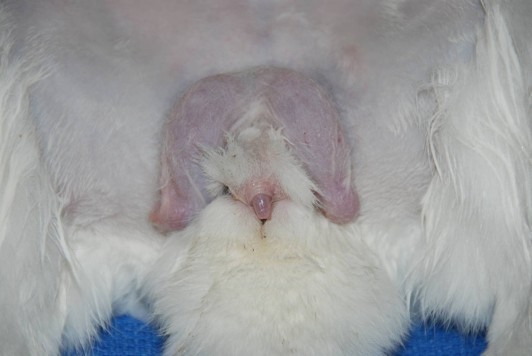
The head and body of the intact, adult, male rabbit is generally more thickset than the doe (Richardson 2000). The penile sheath is cylindrical and the penis can be easily extruded in rabbits over 2 months of age. The scrotal sacs sit craniolateral to the penis (Fig 2). The scrotum is oblong and partially hairless, and the testicles are relatively large with prominent epididymal fat pads (O’Malley 2005).
Figure 2. The oblong, partially hairless scrotal sacs sit craniolateral to the cylindrical penis. Photo credit: Dr. Matt Rosenbaum. Click image to enlarge.
The testicles descend sometime between 10 to 14 weeks of age. The first appearance can vary with the individual, the breed, and environmental temperature. The adult rabbit can retract the testes back up into the abdomen through the open inguinal ring when stressed or to regulate testicular temperature. Testes descend further on hot days and are brought closer to the body on cool days. This phenomenon can be distinguished from a true cryptorchid male by the absence of scrotal sac(s) (O’Malley 2005, Richardson 2000).
Prior to castration of the male rabbit, elevation of the hindquarters or gentle pressure on the caudal abdomen will cause testicles to fall back into the scrotum. A closed castration technique is preferred to minimize the risk of post-operative inguinal hernia. If an open surgical technique is performed, the large, superficial inguinal ring should be closed.
Female rabbits
Adult females, particularly medium and large breed does, often develop a dewlap or fold of skin beneath the chin. Older does tend to be larger than bucks of the same breed (Richardson 2000).
The ovaries are elongated, and are located relatively caudal in the rabbit. The oviducts are very long and coiled. The duplex uterus consists of two separate uterine horns separated along its length. There is no uterine body. The mesometrium is a site of significant fat storage in the rabbit, proportionally much greater than in other companion animals. The two uterine horns communicate with two cervices, which join to form a common vagina (O’Malley 2005). The rabbit vagina is relatively long and saccular (Vella 2012). The urethra enters the dorsal wall of the vagina; the clitoris sits on the ventral surface. The vulva appears triangular with a slit-like opening, and the appearance of this slit is used to distinguish juvenile females from juvenile male rabbits.
If the urinary bladder is expressed while the rabbit is in dorsal recumbency, the relatively flaccid vagina can potentially fill with urine. To minimize the risk of contamination during ovariohysterectomy, the bladder is expressed after the patient is anesthetized but before the animal is placed on its back (Jenkins 2012). The suspensory ligaments are relatively long, making exteriorization of the uterus relatively easy, however the large amount of fat in the broad ligament still makes rabbit spays relatively challenging procedures, even in young does. The double cervices are not routinely removed during ovariohysterectomy, however removal is indicated for patients with cervicitis, neoplasia, or endometriosis (Jenkins 2012, O’Malley 2005).
The female rabbit is an induced ovulator. There is no regular estrous cycle, instead ovulation occurs after mating. If coitus does not occur, the doe will vary in receptivity as ovarian follicles regress and new follicles mature. Periods of receptivity last anywhere from 5 to 14 days and are followed by one to two days in which the doe will refuse to mate. This cycle repeats until conception occurs, although ovarian activity decreases as photoperiod decreases during the late summer to winter months (Vella 2012, Klaphake 2012, O’Malley 2005).
Vaginal smear cytology is not useful for identification of doe receptivity (O’Malley 2005), however the appearance of the vulva can provide a helpful clue. When the doe is receptive, the vulva is more swollen and is often a pink-purple or reddish-purple color (Klaphake 2012, O’Malley 2005). During anestrus the vulva appears narrow and pale (O’Malley 2005).
Breeding rabbits
Both male and female rabbits can be quite territorial, and mating is best accomplished if the doe is placed in the buck’s enclosure or if the pair are introduced in neutral territory (Bays 2006, Richardson 2000).
Upon introduction, the buck follows the doe around, softly humming while sniffing and licking her for approximately 30 seconds (Vella 2012, Bays 2006). He may also spray the female with urine (Bays 2006). The receptive female will hop around in circles or flatten to the floor (Bays 2006). Lordosis is observed when pressure is applied to her back (Bays 2006), while the non-receptive doe will run away from the buck, and if cornered she may vocalize or even bite. Active mating begins when the buck grasps the female by the nape with his teeth. He then mounts the female rabbit, thrusting vigorously until ejaculation occurs relatively quickly. Afterwards the male emits a sharp cry or squeak, before falling onto his back or side while the doe either runs away or begins to bite and kick the male (Video 1)(Bays 2006, Richardson 2000).
Video 1. Rabbit breeding is a brief affair
Ovulation occurs 10 to 13 hours after mating (Vella 2012, O’ Malley 2005, Richardson 2000). Although a single mating is often sufficient stimulus to stimulate ovulation, breeders often allow mating to occur several times over a 30-minute period before returning the doe to her enclosure. Despite her fecundity, the doe should have no more than three litters in one year (Richardson 2000). Reproductive life varies with the breed, however bucks are typically bred for 5 to 6 years and does for approximately 3 years (Vella 3012).
Gestation
When compared to hares with their 40 to 50 day pregnancy, rabbits have a relatively short gestation period averaging 31 days. Gestation can range from 28 to 35 days (Vella 2012, Bays 2006, O’Malley 2005), however the risk of stillbirth increases by Day 32 (O’Malley 2005). Litter size ranges from four to 12 kits (Vella 2012, Bays 2006). Small breed rabbits tend to produce smaller litters that are born after a relatively long gestation period (Vella 2012). Larger litters are generally born after a shorter gestation period (O’Malley 2005). The fetus is palpable by Day 12 to 14 (Richardson 2000).
Despite their high fertility rates, rabbits tend to suffer from a high incidence of embryonic mortality. There are many potential reasons for this problem including infection, heredity, trauma, drug use, poor nutrition, as well as social or environmental stress. Fetal death and resorption is most likely to occur in subordinate does (Vella 2012, Klaphake 2012). The fetus is also at increased risk on Day 13, when placentation changes from yolk sac to hemochorial, and on Day 21 when there is a temporary reduction in blood flow as the fetus changes in shape and size (Klaphake 2012, O’Malley 2005).
Parturition
The doe begins to nest several days to a few hours before parturition. Hair epilates more easily as estrogen levels rise and progesterone levels fall, and the doe plucks hair from her abdomen, sides, and dewlap. She then uses the fur to line her nest of hay and straw (Fig 3) (Vella 2012, O’Malley 2005).
Figure 3. The doe interweaves plucked hairs with hay and straw to create her nest. Photo credit: Andre Mouraux via Flickr Creative Commons. Click image to enlarge.
Kindling usually occurs during the early morning hours and normally takes about 30 minutes (Vella 2012). The doe begins a fertile postpartum estrus within 24 hours of kindling, however her receptiveness decreases once lactation begins and this lack of interest in breeding continues until after weaning (O’Malley 2005).
Newborn rabbit
Unlike the precocial young of hares, rabbits deliver altricial young that normally weigh 40 to 50 grams at birth (O’Malley 2005, Harkness 1995). The kit is born hairless, with sealed eyelids and ear canals. Anogenital stimulation is required for elimination of feces and urine (Table 1) (Bays 2006).
Table 1. Developmental stages of the rabbit (Oryctolagus cuniculus) (Bautista 2013, Bays 2006, Richardson 2000)
Day
Developmental stage
7
Fur begins to grow
10
Eyes open
12
Ears open
Despite their relatively helpless state, the young are not brooded by the mother (Bautista 2013, Bays 2006). Brown fat levels are highest during the first 2 weeks of life. Brown fat produces heat or “non-shivering thermogenesis” because of its extensive capillary network and its reserves are unaffected by the animal’s nutritional state (O’Malley 2005).
Until fur begins to grow in at Day 10, kits also depend heavily on the warmth and insulation provided by littermates (Bautista 2013, Bays 2006, Hull 1982). Central litter positions are associated with higher body temperature, higher milk intake, heavier body weights, and faster growth rates (Bautista 2013), however behavioral differences have also been identified based on litter position during the first week of life. Adult animals that occupied the periphery showed an “enhanced survival instinct” being “more proactive” than “intermediate” or “central” littermates (Reyes-Meza 2011).
Kits rely heavily on their sense of smell at birth. The mother is recognized by the smell of her feces, and suckling is stimulated by a pheromone secreted by a gland near the nipple (Vella 2012, O’Malley 2005). Does also scent mark their kits, and females will pursue and even kill kits from other colonies. Successful cross-fostering of neonatal domestic rabbits requires camouflaging the new kit’s scent by rubbing the newcomer in nest bedding and/or placing the kit on the bottom of the litter pile (Bays 2006).
Rabbit milk
Rabbits usually possess eight mammary glands that extend over their thoracic and inguinal region. Only the doe has nipples. She may possess as many as 10 nipples, and the presence of accessory nipples is favored by rabbit breeders (Vella 2012, O’Malley 2005).
Rabbit milk is very rich, so rich in fact that the doe needs only nurse her young once or twice a day (O’Malley 2005, Cheeke 1987). Rabbit milk is very high in fat (9%) with unusually low lactose levels (1%) and very high protein (13%) (Table 2) (O’Malley 2005, Cheeke 1987, FAO). Physiologically, lactation is a very demanding time for the doe. Water consumption increases ten-fold during lactation as does cecotroph consumption (O’Malley 2005).
Table 2. Comparison of rabbit milk and cow milk
Rabbit
Cow
Lactose (%)
1
5.0
Protein (%)
13
3.3
Fat (%)
9
3.0-4.0
The doe spends approximately 3 to 5 minutes at a time nursing her young (O’Malley 2005, Cheeke 1987). The free-ranging doe then carefully covers the nest burrow with soil each time she leaves (Bays 2006). This “stop” disguises the nest from predators (Thompson 1994).
The neonatal rabbit stomach has a pH of approximately 5.0 to 6.5. A stomach at this pH, full of milk curd, would normally make an ideal substrate for bacterial overgrowth. Fortunately the kit’s stomach contains a protective antimicrobial factor called “milk oil” during the first 3 weeks of life. Milk oil is a mixture of octanoic and decanoic fatty acids and is produced by an enzymatic reaction that occurs when does milk comes into contact with enzymes in the kit’s digestive tract. Hand-raised rabbits lack this protective antimicrobial factor making them susceptible to infection (O’Malley 2005, Harkness 1995).
Weaning
Kits begin to leave the nest and eat solid food at approximately Day 18-21. Weaning is generally achieved by Day 42. The doe is usually removed during the weaning process so the young can remain in a familiar enclosure.
Weaning is a critical time in the rabbit’s life when the young are vulnerable to illness. Kits begin to eat cecotrophs passed by the doe at approximately 2 weeks of age. By the time the protective effect of milk oil ends at 4 to 6 weeks, the gut has not been completely colonized by healthy microbes and stomach pH has not reached a mature adult level of 1 to 2. “Bad bacteria”, like coliforms and Clostridia spp., can proliferate causing rapid enterotoxemia, particularly when the rabbit is fed a low fiber, high carbohydrate diet (O’Malley 2005, Cheeke 1987).
Puberty
Until sexually mature, wild rabbits live furtively and often alone. By 3 to 4 months of age the youngsters may form pair bonds and take their place in a colony’s social hierarchy. Since males can outnumber does, male rabbits sometimes live solitary lives as “satellites” to the colony (Thompson 1994). Mortality rates can be as high as 90% during the first year of life (Harriman 1995).
Body weight is more important than age in determining sexual maturity. The juvenile rabbit reaches puberty just after it undergoes a maximal rate of growth; therefore the age of onset for sexual maturity varies with the rabbit breed. Small breed rabbits typically develop faster and become sexually mature at an earlier age (Table 3). Does generally reach puberty before bucks (Vella 2012).
Table 3. Typical age of onset of puberty in various rabbit breeds
Small breeds
3.5-5 months
Medium-sized breeds
4-6 months
Large breeds
5-8 months
Optimal sperm production occurs 40 to 70 days after puberty is reached (Vella 2012). Male rabbits should be housed separated from females by at least 16 weeks of age to avoid unplanned pregnancies.
Sexual behavior
Negative sexual behaviors, such as territoriality and aggression, are most intense at the height of adolescence. Observed behaviors can include chinning, circling, honking or oinking, and mounting and humping. During puberty, both males and females that were previously litter trained may also urinate and defecate outside of the box to mark their territory (Bays 2012). Nesting behavior, such as frantic digging and chewing, is also commonly observed in does (Bays 2012, Bays 2006). Visit Behavior Basics: The European Rabbit for additional details on sexual behavior in the pubescent rabbit.
Fortunately neutering improves the pet quality of house rabbits, and responsible rabbit owners elect to have their pets spayed or neutered. Viable sperm can persist post-castration, so it is prudent to keep the buck separate from the doe for 4 to 6 weeks to be safe.
Pathology
Uterine adenocarcinoma is the most common neoplasia of the domestic rabbit (Varga 2013, Klaphake 2012, Vinci 2010, Walter 2010). The incidence of uterine tumors is independent of the doe’s breeding history (Klaphake 2012). Age is considered the most important risk factor for this slowly developing tumor, and the incidence of disease is highest in middle aged to older rabbits (Klaphake 2012, Saito 2002). Uterine adenocarcinoma is present in approximately 60% of females after 4 years of age (Varga 2013); the mean age of affected rabbits at presentation is 6.1 years (Walter 2010).
Early clinical signs of uterine adenocarcinoma can include subtle, non-specific signs of illness such as anorexia, and loss of body condition. Infertility, vaginal discharge, and hematuria can also be observed (Fig 4). Pale mucous membranes will develop with persistent or heavy hemorrhage (Varga 2013, Walter 2010). As disease advances, additional findings can include gastrointestinal stasis, swollen, painful mammary glands, and abdominal swelling. Multiple masses may be palpable cranial to the urinary bladder on physical exam. Does are sometimes presented for dyspnea secondary to pulmonary metastases or excessive uterine enlargement (Varga 2013).
Figure 4. Hemometra due to adenocarcinoma in a doe. Note the duplex uterus. Photo credit: Uwe Gille via Wikimedia Commons. Click image to enlarge.
Uterine neoplasia is best managed through prevention. Does not intended for breeding should be spayed early. The owners of intact females should be educated on the early signs of disease, and instructed to present the doe regularly for physical examination (Klaphake 2012).
Other pathologic conditions commonly reported in the doe include endometrial hyperplasia, pyometra, endometritis, and pseudopregnancy (Varga 2013, Klaphake 2012, Walter 2010, O’Malley 2005). Pseudopregnancy, also known as pseudocyesis or “false pregnancy”, can occur even in does housed alone although the most common causes include an infertile mating or the presence of a nearby male rabbit (Klaphake 2012, O’Malley 2005). As the mature corpus luteum (CL) secretes progesterone, enlargement of the uterus and mammary glands is most pronounced during the first 10 days. By Day 16, organs begin to involute. The CL begins to degenerate after Day 18. As progesterone levels fall, the doe will pluck fur to make a nest after 18 to 22 days (O’Malley 2005).
Adapted from van Zeeland YRA, Schoemaker NJ, Ravesteijn MM, et al. Efficacy of foraging enrichments to increase foraging time in Grey parrots (Psittacus erithacus erithacus). Applied Animal Behaviour Science 149:87-102, 2013. Also, view a RACE-approved recording of the non-interactive webinar recording by Dr. van Zeeland: What Parrots Want: The Importance and Use of Foraging and Enrichment for Birds.
The wild parrot’s day
Foraging is the act of searching for, finding, and procuring food. In the wild, most animals, including psittacine birds, spend a significant part of their daily activity on foraging. In fact, many free-ranging parrots regularly travel several miles between feeding sites in search of food (Symes 2003, Wirminghaus 2001, Gilardi 1998, Synder 1987). Once free-ranging parrots arrive at a feeding site, a wide variety of foraging behaviors are observed including searching, selecting and obtaining, manipulating, as well as consuming food (Synder 1987). Foraging makes up a significant part of the wild bird’s day (Fig 1). Depending on the species and the season, time invested on these behaviors can range from 40% to 75% of daytime or approximately 4 to 8 hours per day (Renton 2001, Sydner 1987, Magrath 1985).
Figure 1. Free-ranging psittacine birds spend a significant part of their day foraging for food. Click image to enlarge.
Captive parrots
Most parrots kept in captivity should be considered as non-domesticated species, being only one or two generations removed from the wild. Therefore the instincts, behaviors, and needs of captive parrots are probably similar to those of their wild conspecifics (Davis 1998, Graham 1998). It would thus be likely that captive parrots have a need to forage, too.
Previous studies have provided evidence in support of the hypothesis that foraging is a behavioral need by demonstrating that parrots are motivated to work for food (Joseph 2010, van Zeeland 2009, Coulton 1997). Similar to other animals, parrots would choose to work for food even when identical food is freely available. This behavior is also known as “contrafreeloading” (Video 1).
Video 1. View this example of contrafreeloading in psittacine birds (1:01). Note: This video is the property of Dr. Yvonne R.A. van Zeeland and the Division of Zoological Medicine, Faculty of Veterinary Medicine, Utrecht University, the Netherlands, and cannot be downloaded or used without permission.
When parrots cannot forage
In the conventional captive parrot environment, food is often offered in a regular food bowl from which it may be readily consumed by the parrot thereby resulting in foraging times of less than an hour (Oviatt and Millam 1997; Rozek et al 2010; van Zeeland 2013). This leaves little room for the parrots to display their natural foraging activities. As a consequence, abnormal repetitive behaviors can arise including oral stereotypies, such as wire chewing or tongue playing, and feather destructive behavior (Fig 2) (Lumeij 2008, Meehan 2004, Meehan 2003, Huber-Eicher 1998).
Figure 2. Abnormal repetitive behaviors, like feather destructive behavior, may develop in captive psittacine birds that are unable to indulge the natural desire to forage. Photo credit: Dr. Yvonne R.A. van Zeeland. Click image to enlarge.
The benefits of foraging
Foraging enrichment is considered one of the most effective strategies to improve welfare and reduce behavioral problems in captive animals including parrots (Dixon 2010, Lumeij 2008, Miller 2005, Meehan 2004, Meehan 2003, Elson 2001, Coulton 1997, van Hoek 1997). Foraging increases physical activity, provides cognitive stimulation, relieves stress, frustration, or boredom while reducing and preventing aggression and abnormal repetitive behaviors including stereotypies (Box 1) (Brinch-Riber 2008, Vargas-Ashby 2007, Aerni 2000).
Provides cognitive stimulation, and manipulative activities
Alleviates stress, frustration, boredom
Reduces and prevents aggression and abnormal repetitive behaviors including stereotypies
Foraging opportunities
Several approaches have been developed to stimulate foraging behavior and increase foraging times in a variety of species ranging from megavertebrates to reptiles (van Krimpen 2009, Aerni 2000, Bauck 1998, Newberry 1995):
Multiple bowls to offer smaller, more frequent meals in multiple locations
Mix food with inedible items
Increase feeding time by offering vegetation, bones, ice blocks, whole food item, carcasses, etc.
Foraging devices (puzzle feeders)
Scatter or hide food in enclosure
Live prey (in predatory animals)
Increase dietary fiber (promote satiety)
Feed at irregular time intervals to decrease the predictability of feeding times
Although many studies have been performed into the efficacy of foraging enrichment on normal and abnormal behavior in various species, most of these offered multiple types of foraging enrichment at once, thereby making it difficult to evaluate the relative merit of each individual technique.
In search of the perfect foraging enrichment
In our study, the following foraging enrichment techniques were evaluated in 12 grey parrots (Psittacus erithacus) (van Zeeland 2013):
Increasing the spatial distribution of food within the enclosure: Pellets were placed in four food bowls rather than one location. Two bowls were hung at the level of the highest perch and two were placed on ground level on opposite ends of the cage.
Increase search time by mixing food with inedible items: Food items offered to grey parrots were mixed with marbles measuring 1.5 cm in diameter.
Increase extraction time: Foraging devices or puzzle tend to remain stimulating to the animal, especially when they contain the individual’s total daily diet (Lumeij 2008, Shyne 2006, Bauck 1998, Coulton 1997). Eight different devices were evaluated.
Increase the time needed to process and ingest food: Lafeber Company Nutri-Berries were offered as an example of a larger-sized food particle. This nutritionally balanced mix of seeds, grains, nuts, and pellets is shaped into the form of a berry measuring 2.5 cm in diameter (Fig 3).
Figure 3. Nutri-Berries were offered in the study as an example of a larger-sized food particle. Photo credit: Drs. Nico Schoemaker and Yvonne R.A. van Zeeland. Click image to enlarge.
After acclimatization and assessment of baseline foraging times, enrichments were presented in a random order. Enrichments were gradually introduced, and video recordings were used to analyze total foraging time as well as the time spent on different foraging activities. The frequency and duration of foraging periods and the times at which they occurred were also determined.
In addition, learning curves and familiarization with enrichment items were assessed over a 1-week period. Differences in learning curves were most likely due to differences in the difficulty level of enrichments. Parrots needed 8.3 +/- 1.1 days to learn how to use the foraging enrichments. For two puzzle feeders, it took considerably longer. Parrots in this study needed little to no time to learn how to use Nutri-Berries; they only needed to learn where food was located and no further effort was required to obtain food.
How effectively can foraging enrichments increase foraging times?
Our study investigated the effects of different types of enrichment on foraging times and foraging-related activities in grey parrots (Box 2) (van Zeeland 2013).
Box 2. Hypothesis (van Zeeland 2013)
Although all types of foraging enrichment would result in significant increases of foraging times compared to baseline values, puzzle feeders would result in the highest increases in foraging times.
The parrots in our study spent an average 47 + 18 min per day on foraging activities when offered a conventional pelleted diet in a regular bowl. These baseline values are similar to those reported in Amazon parrots (Rozek 2010, Oviatt 1997). Foraging enrichments could indeed increase foraging times, and nine out of 11 foraging enrichments significantly increased foraging times in the grey parrots studied.
The most effective enrichments resulted in a 2- to 2.5-fold increase compared to baseline. The most effective enrichments were three different puzzle feeders, which increased foraging time up to 123 + 52 min (Fig 4 and Fig 5).
The effect of Nutri-Berries was comparable to the most effective puzzle feeders, resulting in foraging times that exceeded 100 minutes per day. This increase in foraging time was similar but less to that compared to the feeding of larger-sized pellets by Rozek 2010. As both food items were similar size in size (approximately 2.5 cm diameter) other factors such as hardness, structure, nutritional composition, and/or energy content may have contributed to this difference.
The least effective foraging enrichments were two foraging devices as well as food placement in multiple locations. This latter technique has been shown to be most effective in parrots housed in a large enclosure or aviary (Elson 2001, Coulton 1997, van Hoek 1997), and the results of our study seem to support this finding (van Zeeland 2013).
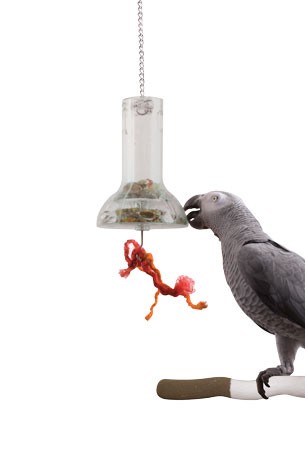
Figure 4. Transparent acrylic capsule in which food can be placed. The parrot must pull down a platform in order to have pellets drop into the lower compartment which can then be accessed via holes in the side. Photo credit: Creative Foraging Systems, posted with permission.
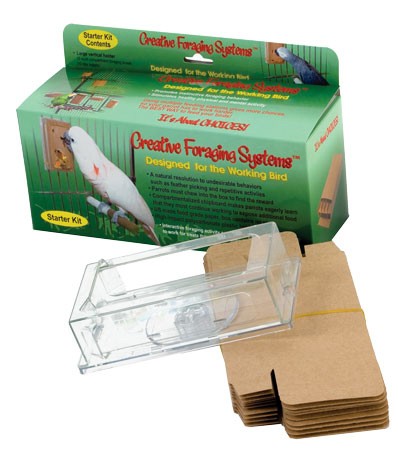
Figure 5. Transparent acrylic feeder in which food can be placed. To access food, the bird must shred the cardboard. Photo credit: Creative Foraging Systems, posted with permission. Click image to enlarge.
Considerations for the future
The results of this study (van Zeeland 2013) will help make evidence-based decisions on best way to provide foraging enrichment to grey parrots. Approaches that focus on increasing extraction time by using puzzle feeders and increasing food processing time with larger-sized food particles such as Nutri-Berries appear to be most effective in increasing foraging time.
Thus far the maximum foraging times that have been obtained in captive parrots provided with foraging enrichment have not exceeded 3 hours per day (Rozek 2010, Lumeij 2008, Elson 2001). To further increase foraging times in captive parrots, new more effective foraging and currently available foraging enrichments should be developed, tested, and refined, during which individual preferences for specific colors, sizes, hardness and/or structure (as demonstrated in studies by Rozek 2011, Webb 2010, Kim 2009, Fox 2007) should also be taken into account. As preferences may differ between genders, ages, and/or species, these should be further studied to be able to adapt the enrichment to the needs and preferences of the bird.
Figure 6. Front cover of thesis by Dr. Yvonne R.A. van Zeeland. Click image to enlarge.
Dr. van Zeeland’s thesis can be downloaded for free from dspace library or contact Dr. van Zeeland to order a printed copy, which includes a special cover with a lenticular image of a grey parrot that either has its feathers plucked or is normally feathered (Fig 6).
Reproductive problems are a common problem in many small pet bird species, particularly cockatiels, budgerigars parakeets, lovebirds, finches, and canaries. Use client education handout to briefly explain egg laying problems, from egg binding and egg yolk peritonitis to chronic egg laying to the companion parrot owner.
Download the PDF version of this client education handout, or modify the DOCX version for your veterinary hospital.
Vitamin A is one of the most common deficiencies in pet bird medicine, especially in South American species like Amazon parrots, conures, and macaws. At least one Vitamin A-rich food should be fed to your pet bird EVERY DAY.
Feather picking is the most frustrating behavioral condition in pet birds from both the veterinarian’s and the owner’s perspective. This client education handout, donated by Dr. Eric Klaphake, explains that feather picking is a symptom and not a particular disease. Potential causes of feather picking are summarized and possible veterinary tests and treatment recommendations are listed.
Download the PDF version of this client education handout, or modify the DOCX version for your veterinary hospital.
While most exotic pets are housed indoors, there are still some key concepts to keep in mind when winter comes around. Donated by Dr. Eric Klaphake, this client education handout describes exotic pet housing, baths, transport and household hazards during cold weather months.
Avian polyomavirus infection is a disease in psittacine birds or parrots of greatest concern in chicks. Donated by Dr. Eric Klaphake, this client handout briefly explains this important disease from signs and transmission to diagnostic testing and control or prevention.
Veterinary medicine education and clinical management increasingly incorporates communication and relationship skills. Improving communication through understanding and applying emotional and social intelligence leads to greater job satisfaction, commitment, efficiency, management, and decreases stress, burnout, and client dissatisfaction. In this live, interactive, web-based course, Dr. Joyner reviewed the importance and application of communication and relationships . . .
Pour continuer, vous devez être un membre LafeberVet.com
Pour les vétérinaires. Par les vétérinaires.
Le site Lafervet.com est conçu pour une utilisation par les vétérinaires. Il est ouvert aux vétérinaires diplômés, aux techniciens vétérinaires diplômés, aux animaliers et aux étudiants dans ces domaines.
Créer un compte pour accéder à des articles et des ressources du site.
Para continuar, debe ser miembro de LafeberVet.com
Para Profesionales Veterinarios. Por Profesionales Veterinarios.
El sitio Lafervet.com es para uso de los profesionales veterinarios. Está abierto a los veterinarios licenciados, técnicos veterinarios licenciados, rehabilitadores licenciados y estudiantes en estos campos.
Cree una cuenta para acceder a los artículos y recursos del sitio.
Fluid therapy is an important part of supportive care, and there are several routes available for fluid support in the reptile. Subcutaneous and/or oral fluids are appropriate for mild to moderate dehydration, while intracoelomic, intravenous, or intraosseous fluids are administered to critically ill reptiles or to patients with moderate to severe dehydration . . .
Pour continuer, vous devez être un membre LafeberVet.com
Pour les vétérinaires. Par les vétérinaires.
Le site Lafervet.com est conçu pour une utilisation par les vétérinaires. Il est ouvert aux vétérinaires diplômés, aux techniciens vétérinaires diplômés, aux animaliers et aux étudiants dans ces domaines.
Créer un compte pour accéder à des articles et des ressources du site.
Para continuar, debe ser miembro de LafeberVet.com
Para Profesionales Veterinarios. Por Profesionales Veterinarios.
El sitio Lafervet.com es para uso de los profesionales veterinarios. Está abierto a los veterinarios licenciados, técnicos veterinarios licenciados, rehabilitadores licenciados y estudiantes en estos campos.
Cree una cuenta para acceder a los artículos y recursos del sitio.
Stomatitis, also known as “mouth rot”, ulcerative stomatitis, necrotic stomatitis, and/or periodontal disease is a common problem in snakes and lizards. Stomatitis is less common in chelonians and crocodilians, and often presents as a stomatitis-rhinitis complex in tortoises. This presenting problem article explores the pertinent anatomy involved, key points of urgent care, as well as tips for case management . . .
Pour continuer, vous devez être un membre LafeberVet.com
Pour les vétérinaires. Par les vétérinaires.
Le site Lafervet.com est conçu pour une utilisation par les vétérinaires. Il est ouvert aux vétérinaires diplômés, aux techniciens vétérinaires diplômés, aux animaliers et aux étudiants dans ces domaines.
Créer un compte pour accéder à des articles et des ressources du site.
Para continuar, debe ser miembro de LafeberVet.com
Para Profesionales Veterinarios. Por Profesionales Veterinarios.
El sitio Lafervet.com es para uso de los profesionales veterinarios. Está abierto a los veterinarios licenciados, técnicos veterinarios licenciados, rehabilitadores licenciados y estudiantes en estos campos.
Cree una cuenta para acceder a los artículos y recursos del sitio.
In My Experience: Living with a PDD Bird was authored by a diligent parrot owner and reviewed by her avian veterinarian. This commentary includes suggestions on diet as well as management tips that improved the quality of life, and possibly the life span, of this owner’s birds . . .
Pour continuer, vous devez être un membre LafeberVet.com
Pour les vétérinaires. Par les vétérinaires.
Le site Lafervet.com est conçu pour une utilisation par les vétérinaires. Il est ouvert aux vétérinaires diplômés, aux techniciens vétérinaires diplômés, aux animaliers et aux étudiants dans ces domaines.
Créer un compte pour accéder à des articles et des ressources du site.
Para continuar, debe ser miembro de LafeberVet.com
Para Profesionales Veterinarios. Por Profesionales Veterinarios.
El sitio Lafervet.com es para uso de los profesionales veterinarios. Está abierto a los veterinarios licenciados, técnicos veterinarios licenciados, rehabilitadores licenciados y estudiantes en estos campos.
Cree una cuenta para acceder a los artículos y recursos del sitio.
Procedure equipment checklists are used in clinical practice to increase efficiency, improve consistency, and help maintain a high standard of care. Use these equipment checklists to train students and staff, or simply to jog your memory for procedures performed only sporadically (Fig 1).
Figure 1. Do I have everything? Use equipment checklists as a handy clinical reminder system.
The following equipment checklists are available in two formats. Color portable document format (PDF) files and black and white Word documents (DOCX and DOC). Modify the Word files as needed to best meet the needs of your practice.

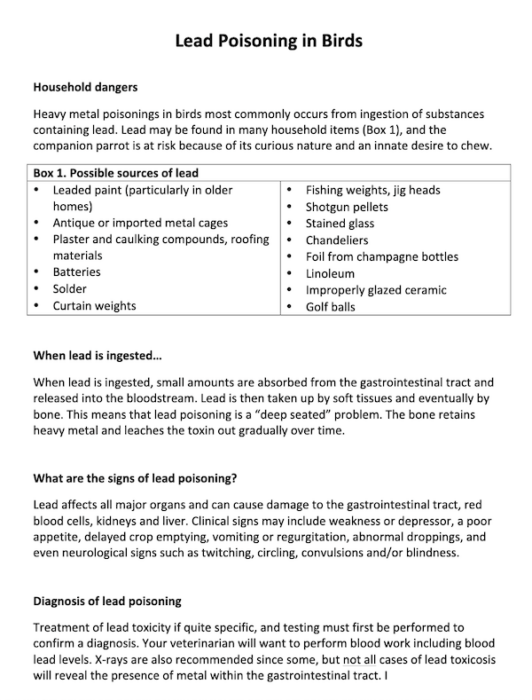
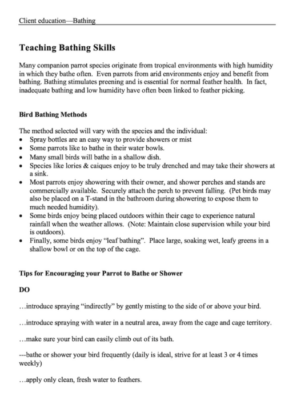
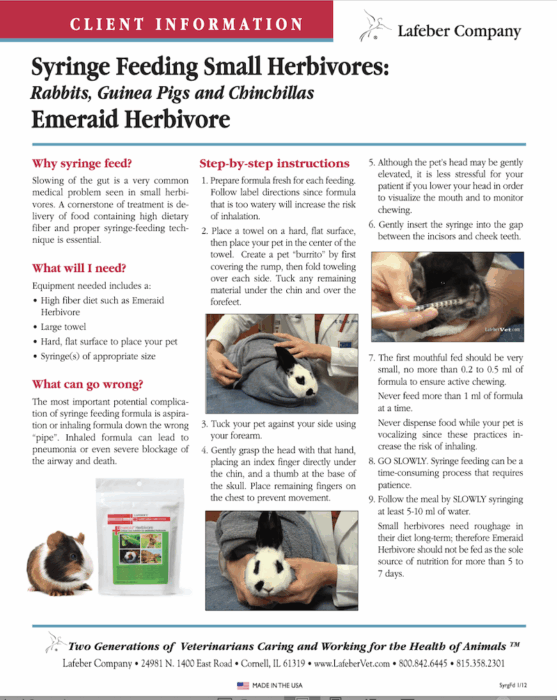


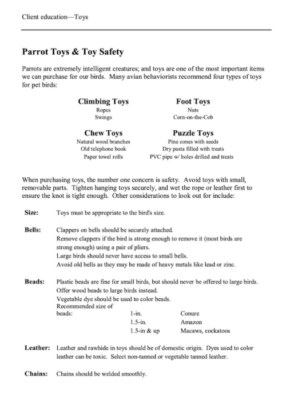



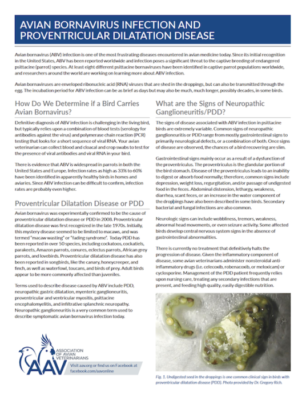
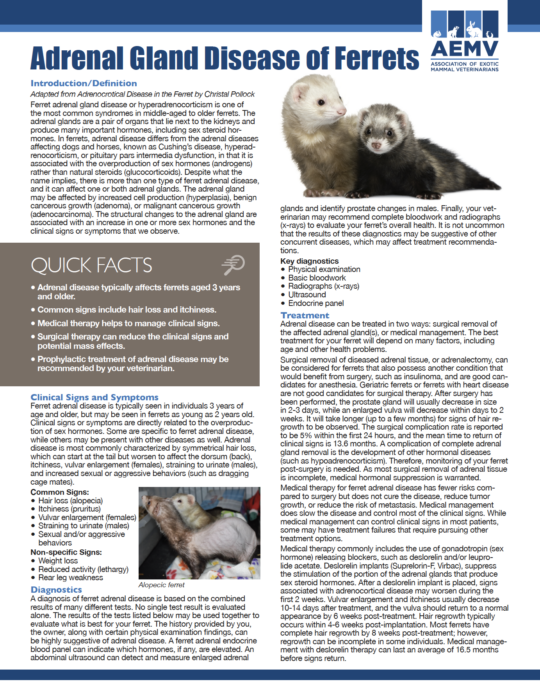



 Rebecca Duerr is the Senior Director of Research and Veterinary Science for the
 Dr. Sue Carstairs is the Executive and Medical Director of the
 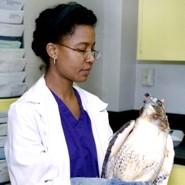 Dr. Christal Pollock is a Veterinary Consultant for Lafeber Company. Dr. Pollock completed an internship in small animal medicine in private practice and a residency at the University of Tennessee College of Veterinary Medicine in avian and zoological medicine. She then served as a Clinical Instructor in the Zoological Medicine Service at Kansas State University College of Veterinary Medicine. Christal is board-certified in Avian Practice through the